
REVIEW · OBSERVATORY & TELESCOPE TOURS
From Akaroa Lighthouse: Sungazing Tour with Two Telescopes
The unusual thing here is simple: you look at the Sun through a telescope in daylight. From historic Akaroa Lighthouse, an astronomy guide shows you our nearest star safely, explains what you are seeing, and helps you take a solar photo with your phone. Guide Luca leads the experience and is especially good at answering questions in plain language.
I like the small maximum group of eight, which gives you a fair chance at the telescope instead of waiting behind a crowd. I also like the smartphone adapter. It turns a quick look into a picture you can keep, though the short 30-minute format means the tour stays focused rather than becoming a full astronomy lesson.
The main consideration is the weather. This is entirely outdoors, and solar viewing depends on suitable conditions. At $23 per person, it is a good-value short activity, but you should think of it as a focused solar encounter, not a broad tour of Akaroa or a long visit to the lighthouse.
Key points at a glance
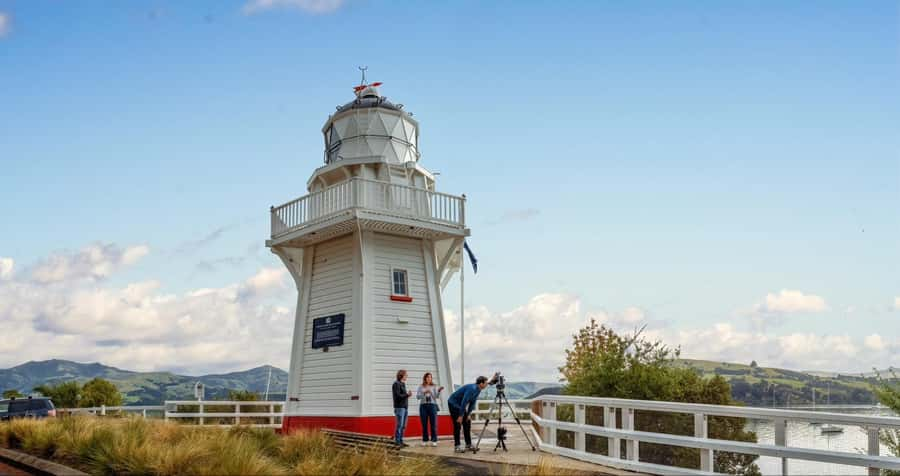
- Daytime astronomy from Akaroa Lighthouse: You do not need to wait for darkness to see the sky in a new way.
- Safe solar viewing: A Coronado PST solarscope is used for direct observation of the Sun.
- Sunspots may be visible: Conditions can reveal changing features on the solar surface.
- Your phone can capture the view: A smartphone adapter is included for solar images.
- Small group of eight: The format leaves room for questions and telescope time.
- Only 30 minutes: It fits neatly before or after other Akaroa plans, but the subject is tightly focused.
Seeing the Sun from Akaroa Lighthouse
Most astronomy tours begin after sunset. This one begins with the Sun still high above you, which makes it a refreshing change from the usual nighttime stargazing routine. You meet your guide at Akaroa Lighthouse, at 145 Beach Road, five minutes before the scheduled start.
The setting gives the activity a strong sense of place. You are not being led into a classroom or shown a prerecorded presentation. You are outside at one of Akaroa’s recognizable landmarks, using a telescope aimed at the star that controls your daylight, weather, seasons, and much of life on Earth.
That sounds grand, but the experience itself is practical and easy to follow. The guide points out what is happening in the telescope and explains why it matters. You can ask questions as you go, rather than trying to decode a complicated display on your own.
Guide Luca is the person to know here. The strongest praise for the experience centers on his clear explanations, patience, and strong grasp of solar astronomy. That matters in a short tour. A telescope can show you something striking, but a good guide helps you understand what you are actually looking at.
More Observatory and Telescope Tours in New Zealand:
- Mount John Observatory Stargazing Experience, Tekapo
★ 4.5 · 160 reviews - Stargazing Experience at Cowan’s Private Observatory
★ 4.0 · 85 reviews - Lake Tekapo: Stargazing Experience at Cowan’s Observatory
★ 4.7 · 52 reviews
What happens during the 30-minute tour
The tour has one main stop: Akaroa Lighthouse. That is not a weakness. The whole point is to use the lighthouse site as an outdoor viewing platform and keep the time centered on the Sun.
You meet five minutes early at 145 Beach Road. Once the group is together, the guide introduces the equipment and the basic safety approach. Solar observation requires the right optical setup, so you should never attempt to look at the Sun through an ordinary telescope or camera lens without proper solar protection.
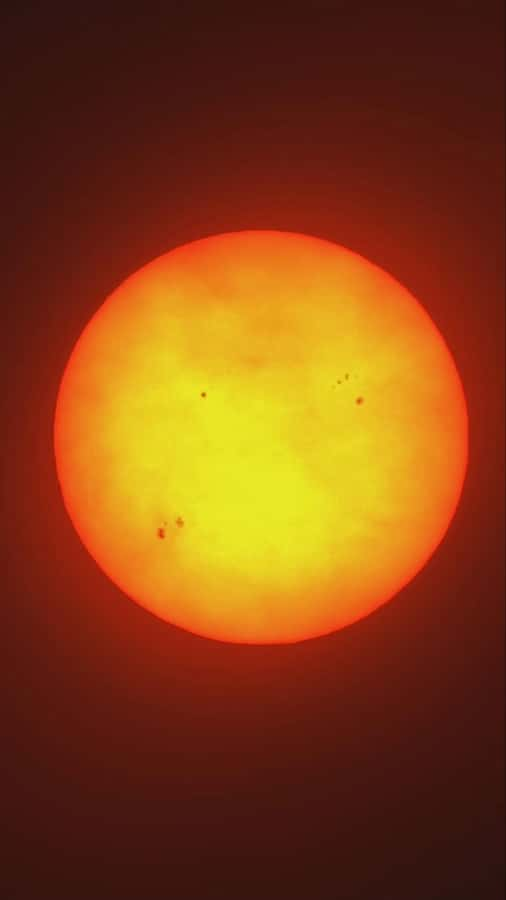
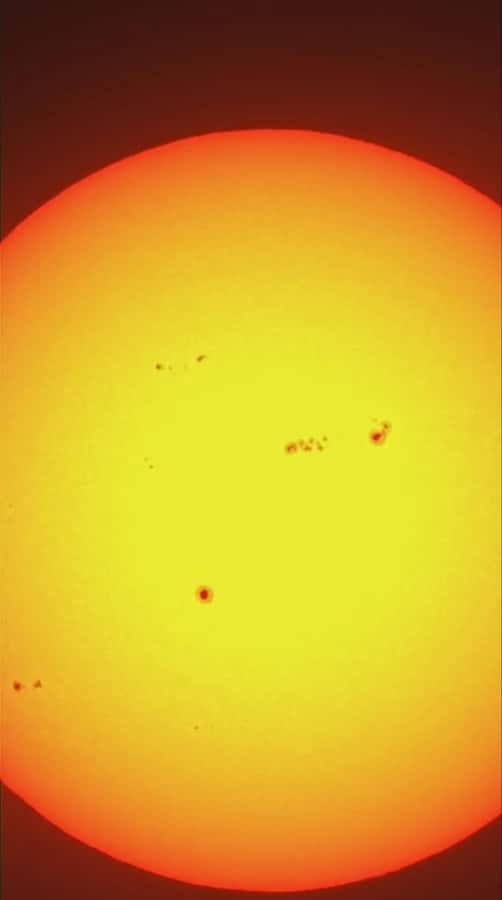
The Coronado PST solarscope is the key piece of equipment. It is designed for safe solar observation and gives you a much more detailed view than simply glancing upward. Depending on the Sun’s activity and the conditions at the time, you may see sunspots. These darker areas are not just marks on a bright disc. They are signs of changing activity on the solar surface, and seeing them makes the subject feel immediate.
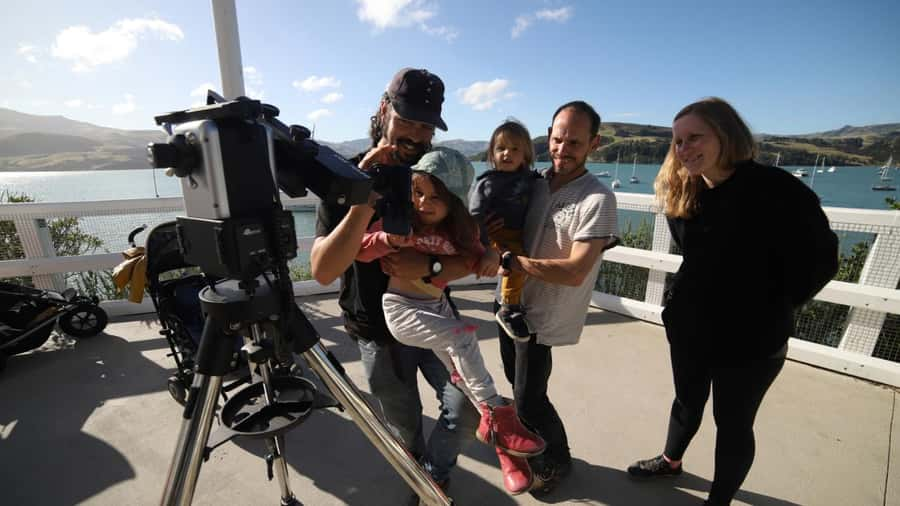
You take turns viewing through the solarscope while Luca explains the details. In a group of no more than eight, the pace should feel manageable. You are still sharing the equipment, but this is not a large coach group where your viewing time disappears in the shuffle.
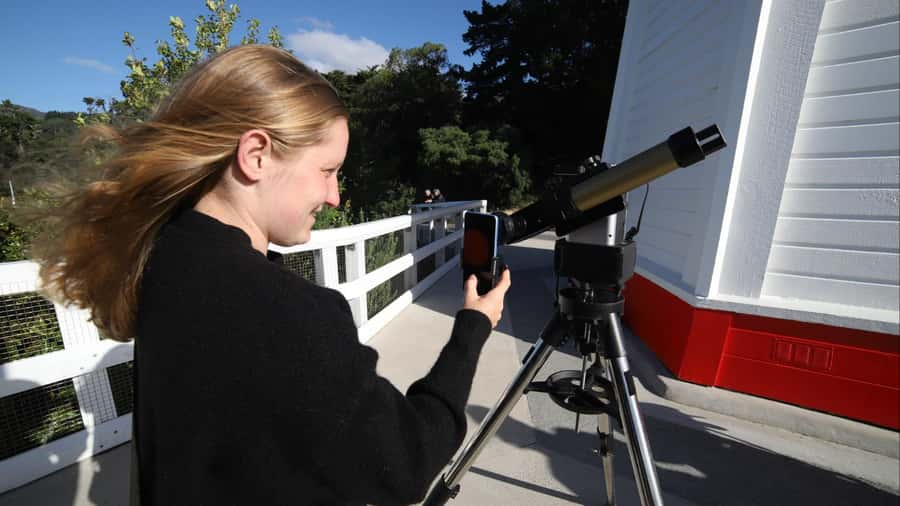
The tour also includes a smartphone adapter. This is a useful touch because the phone turns the telescope view into something personal and visible after the tour. Solar photography through a telescope takes some patience, so do not expect every image to look like a professional observatory photograph. Still, the chance to record the Sun yourself adds purpose to the viewing.
The guide’s commentary fills the gaps between telescope turns. You may already know that the Sun is a star, but it is different to see evidence of its activity through an instrument while standing outdoors in Akaroa. That connection between a familiar object and a real observation is the tour’s main strength.
Why the Coronado solarscope matters
The telescope is more than a prop. It changes what you can notice. With the naked eye, the Sun is simply too bright to study safely, and ordinary sunglasses do not make direct viewing safe. A proper solar scope allows you to observe the Sun with the correct protection and magnification.
The Coronado PST is included in the tour, so you do not need to bring specialist equipment. That keeps the activity accessible for families, first-time astronomy participants, and anyone who has never used a telescope.
The most interesting possible sight is a sunspot. One of the strongest details from the experience is that sunspots were visible during an earlier session. That does not guarantee they will appear on your date, since solar activity changes, but it gives you an idea of what the telescope can reveal.
The guide also gives the view context. Without that explanation, a sunspot might look like a small dark patch and nothing more. With a guide, you can connect it to solar activity and understand why the Sun is not a perfectly plain glowing disc.
The activity is safe, but you should still follow every instruction from the guide. Do not try to use your own camera, binoculars, or telescope to look at the Sun unless you have equipment specifically made for solar viewing.
Taking a solar photo with your phone
The smartphone adapter is one of the best practical features. Many short sightseeing activities give you something to see but no good way to record it. Here, you can attach your phone to the telescope and try to photograph the view.
Your results will depend on the phone, the light, your steadiness, and the alignment between the camera and the eyepiece. That is part of the fun. You may need a little adjustment before the image looks right, and the guide can help you position the phone.
I would treat the photo as a bonus rather than the whole reason to book. The live view through the solarscope is the main event. The picture gives you a souvenir and a way to show friends what you saw, but the image may not match the sharpness of the actual view through the telescope.
For children, this feature can help hold attention. They are not only watching someone else use the equipment. They can take part in creating a picture of the Sun, while still learning why the telescope must be used carefully.
More Stargazing Tours in New Zealand:
- Lake Tekapo: Alpine Stargazing Experience with a Guide
★ 4.5 · 626 reviews - Lake Tekapo: Stargazing Experience
★ 4.9 · 607 reviews - Chameleon Stargazing Shared Tour
★ 5.0 · 181 reviews - Lake Tekapo: Mountaintop Stargazing at Mount John Summit
★ 4.5 · 176 reviews
The value of a $23, 30-minute experience
At $23 per person, this is priced like a short add-on rather than a major half-day attraction. That is the right way to judge it. You are paying for a guided solar observation, access to specialist equipment, and a small-group format at an unusual Akaroa location.
The value is strongest if you enjoy science, photography, or distinctive local activities. You get a clear focus, a live guide, and a chance to use equipment you probably do not carry on holiday. The cost also feels reasonable for families who want a short activity that can fit around meals, walks, or other plans.
The value is less convincing if you want a long sightseeing experience or a detailed tour of the lighthouse itself. The listed duration is only 30 minutes, and the subject stays on solar observation. You are not buying a full Akaroa orientation tour.
The short length can work in your favor. A half-hour is easy to fit into a busy day, and younger children may find it easier to stay engaged. It also means you should arrive ready. Meeting five minutes early gives the guide time to gather the group, but late arrival could cut into your viewing time.
Who will enjoy this most
This is a particularly good choice for families. The subject is visual, the duration is manageable, and the guide explains what is happening rather than assuming you already understand astronomy. Children who like science or space will have a clear reason to pay attention, especially when they get a chance to see sunspots or help capture a photo.
It also suits first-time telescope users. You do not need previous astronomy experience, and the live commentary helps turn unfamiliar equipment into something approachable. Luca’s patient teaching style is a real advantage for anyone who feels unsure about asking basic questions.
Photography-minded visitors will appreciate the smartphone adapter. You should not book it expecting a polished astrophotography session, but the chance to create a solar image adds a hands-on element.
It may be less suitable if you dislike outdoor activities or want a quiet indoor attraction. The tour takes place outside, and the quality of the viewing depends on conditions. The information provided does not promise an alternative indoor program if the sky is unsuitable, so keep that practical point in mind when planning your day.
The tour is wheelchair accessible, which broadens its usefulness. Since the activity is outdoors, you may still want to confirm any personal access needs when booking, but the experience is specifically offered as accessible.
Planning your visit at the lighthouse
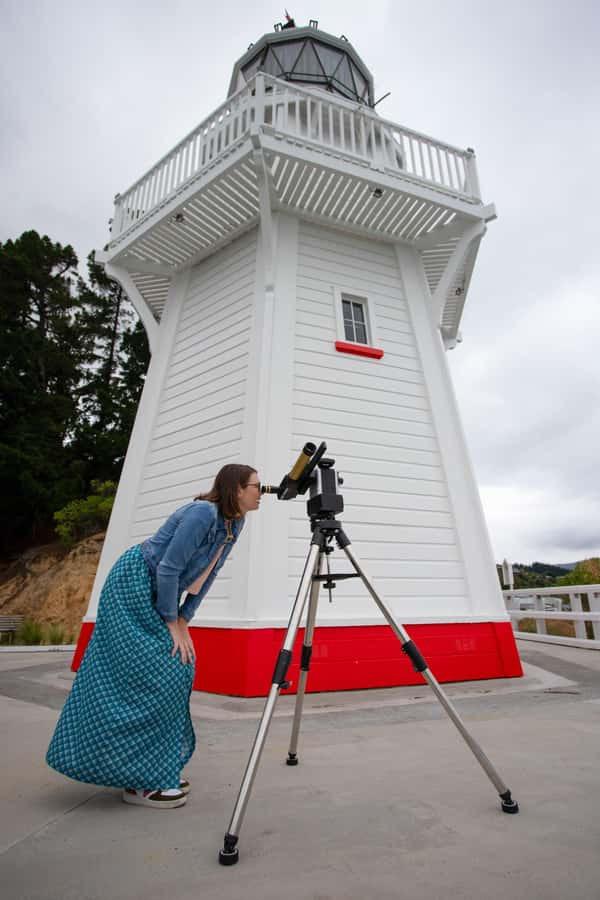
The meeting point is Akaroa Lighthouse, 145 Beach Road, Akaroa 7520. Plan to be there five minutes before departure, not at the scheduled start time. That small buffer is useful for finding the meeting point and joining the group without rushing.
The group limit is eight people. If you are booking for a family or a small party, that keeps the experience personal. If you are traveling alone, you still have a better chance of speaking with the guide than you would on a large sightseeing tour.
The tour is in English and includes a live guide. If you need another language, the available information does not indicate that one is offered.
Akaroa’s weather can affect an outdoor solar activity. You will want to check the forecast and keep your plans flexible. The booking terms allow free cancellation up to 24 hours before the start time, and you can reserve now and pay later. Those options are useful here because conditions matter more for solar viewing than they would for an indoor museum visit.
How it fits into an Akaroa day
Because the tour lasts only 30 minutes, it works best as one piece of a larger day. You can place it before or after another activity without giving up a full morning or afternoon.
The lighthouse location also gives the tour a clear identity. You are not simply stopping at a generic viewing area. You are combining a historic Akaroa landmark with a modern scientific activity. That contrast makes the experience more memorable than a basic telescope demonstration in an ordinary venue.
I would avoid treating this as a replacement for exploring Akaroa. It does not cover the town, local history, or nearby attractions in any broad way. Instead, it gives you one precise experience that can add variety to a day already focused on the area.
If you are building a schedule around it, leave yourself enough time to reach the lighthouse and arrive early. The activity is compact, but the start time is fixed, and the group format works best when everyone is present at the beginning.
Should you book the Solar Explorer?
Book it if you want a short, unusual, and hands-on activity with a strong educational angle. The combination of safe solar viewing, Luca’s clear guidance, a maximum of eight participants, and the smartphone adapter gives you more than a quick look through a telescope.
The main reasons to skip it are also clear. You may not enjoy it if you want a longer tour, a broad introduction to Akaroa, or an indoor plan that is unaffected by weather. Solar activity can change, so a specific feature such as sunspots cannot be promised on every date.
For $23, I think it is a smart choice for families, curious first-time astronomers, and anyone who likes adding one memorable detail to a day. Go with the right expectation: this is a focused 30-minute meeting with the Sun, not a full astronomy course. If that sounds like your kind of stop, the small group and specialist scope make it worth booking.
FAQ
Where does the Solar Explorer tour meet?
The meeting point is Akaroa Lighthouse at 145 Beach Road, Akaroa 7520.
How early should I arrive?
Your guide will greet you five minutes before the scheduled departure.
How long does the tour last?
The guided solar observation lasts 30 minutes.
How many people can join the tour?
The group is limited to a maximum of eight participants.
What telescope is used?
The tour includes safe solar observations with a Coronado PST solarscope.
Can I take photos of the Sun?
Yes. A smartphone adapter is included so you can try to capture images through the solarscope.
Is the tour wheelchair accessible?
Yes. The activity is listed as wheelchair accessible.
Just added around New Zealand
- Star Safari Stargazing Experience, Martinborough★ 5.0 · 6 reviews
- Private Stargazing at Star Safari near Martinborough★ 5.0 · 3 reviews
- Twizel Stargazing Experience with a Guide (Carbon Positive)★ 4.0 · 2 reviews
- Lake Tekapo Ultimate Stargazing Experience★ 5.0 · 3 reviews
- Virtual Stargazing & Astronomy Experience in Lake Tekapo★ 3.0 · 2 reviews
- Hanmer Springs Star Tours at Manuka Skies★ 5.0 · 11 reviews
- Lake Tekapo Stargazing & Mount Cook 2-Day Tour from Christchurch★ 5.0 · 4 reviews
- Nocturnal Wonders Tawharanui Kiwi Spotting and Stargazing Tour★ 5.0 · 23 reviews
Observatory & Telescope Tours, compared.
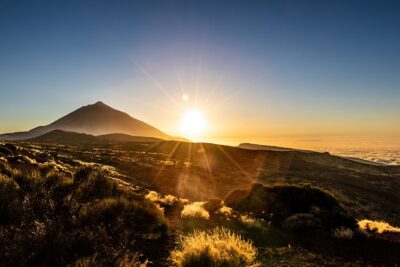
Teide by Night: Sunset & Stargazing with Telescopes Experience
Read our review →
Miami: Frost Museum of Science and Planetarium Entry Ticket
Read our review →
National Park Astronomy Tour with Telescope and Photo
Read our review →
Teide National Park: Guided Large Telescope Stargazing Tour
Read our review →
Levi: Northern Lights Tour and Stargazing by Telescope
Read our review →
Mount John Observatory Stargazing Experience, Tekapo
Read our review →
Houston Museum of Natural Sciences: Planetarium Ticket
Read our review →Browse the lists this tour appears in