
REVIEW · NEW ZEALAND
Hanmer Springs Star Tours at Manuka Skies
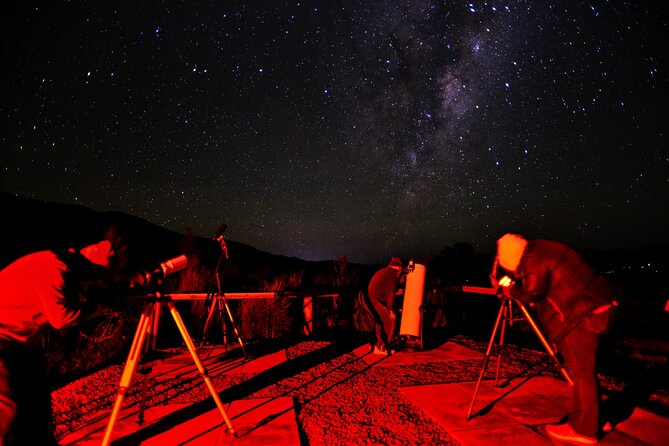
Manuka Skies gives you a rare mix: a low-light stargazing site in native forest, with a spring-fed stream running nearby and morepork owls calling in the dark. The evening begins with the naked eye, then moves to guided telescopes and astro binoculars.
I like the careful progression from basic star finding to distant objects such as the Omega Cluster and Sombrero Galaxy. I also like the small maximum group of 10, which should make it easier to ask questions and get time at the equipment. The main drawback is simple: this is a weather-dependent outing, so cloudy skies can cancel the session.
Key points
- A sanctuary setting: Manuka Skies combines astronomy with native forest, wildlife, and a flowing spring-fed stream.
- Start with the naked eye: Learn to identify stars and constellations, including the Southern Cross, before using telescopes.
- Several ways to stargaze: Use an electronically guided Celestron telescope, manual telescopes, astro binoculars, and an interactive star finder.
- Small group size: The tour has a maximum of 10 people, a useful limit for a hands-on astronomy evening.
- Pickup is offered: The experience begins in Hanmer Springs, with pickup available.
- Weather matters: You can receive a full refund or move to another date if poor conditions cancel the tour.
Why Manuka Skies feels different from a standard stargazing stop
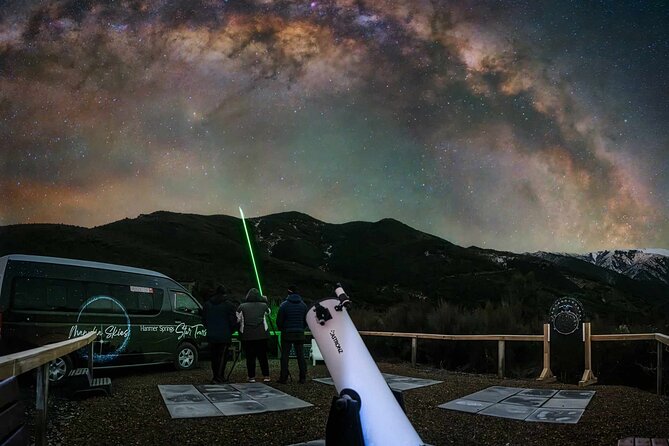
Many astronomy outings take place in an open field or at a formal observatory. Manuka Skies takes a broader approach. You are visiting a sanctuary with native forest and wildlife, not simply standing beneath a telescope in a car park.
The setting matters because it changes the pace of the evening. You can listen to water moving down the mountain, watch for the dark shapes of the trees, and listen for morepork owls while looking upward. The sky is the main event, but the forest gives the experience a strong sense of place.
Manuka Skies describes itself as Kaitiaki for the sanctuary. In practical terms, that means guardianship and care for the site. Its stated aim is to reconnect the sky with the earth through the forest, and the tour reflects that idea by treating the natural setting as part of the experience rather than background scenery.
The location has minimal light pollution, which is important in Hanmer Springs. Less artificial light means more stars are visible to your unaided eye, and it gives the telescopes a better chance of showing faint objects. Conditions still vary from night to night, but the location gives the tour a sound foundation.
More Stargazing Tours in New Zealand:
- Lake Tekapo: Alpine Stargazing Experience with a Guide
★ 4.5 · 626 reviews - Lake Tekapo: Stargazing Experience
★ 4.9 · 607 reviews - Chameleon Stargazing Shared Tour
★ 5.0 · 181 reviews
The first lesson begins without a telescope
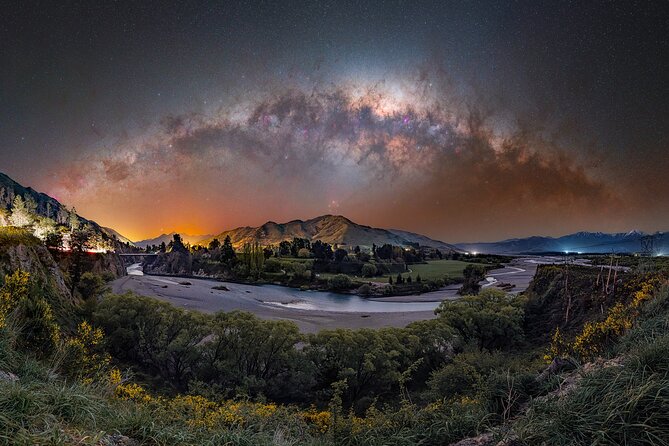
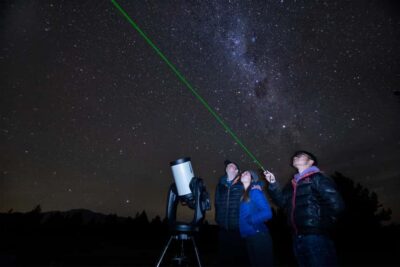
Your guide starts by showing you the night sky with no equipment at all. That is a smart choice. Telescopes can show remarkable details, but they can also make the sky feel like a collection of isolated targets. Learning the main patterns first helps you understand where you are looking.
You will discuss stars and constellations such as the Southern Cross, one of the key signs of the southern sky. The session also teaches you how to navigate by the stars, rather than simply pointing out a few bright objects and moving on.
I like this part because it gives you something to take away. Even after the tour ends, you can look up and try to find the patterns again. The interactive star finder adds a practical test: you can check your sense of direction and see how well you can match the sky to the information in front of you.
The pace should suit beginners. You do not need to arrive with an astronomy background, and most people can take part. If you already know the major constellations, this opening may feel basic, but it still sets the position of the sky before the more detailed telescope work begins.
The Celestron telescope brings faint objects closer
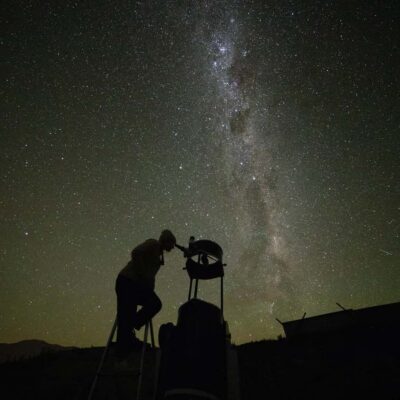
After the naked-eye introduction, the tour uses a Celestron electronically guided telescope. This is the main tool for viewing objects that are too faint or distant to see clearly without help.
The electronic guidance is useful because the sky keeps moving as the Earth turns. Instead of spending the whole evening trying to locate one target, the guide can direct the telescope toward selected deep-sky objects. Examples include the Omega Cluster and the Sombrero Galaxy.
Those names matter because they show the range of the experience. You are not limited to bright planets or the most familiar stars. A cluster lets you see a concentration of stars, while a galaxy gives you a sense of scale far beyond our own solar system.
The view through a telescope will always depend on the weather, darkness, and the object selected that night. You should not expect every target to look like a sharp, colorful image from a space telescope. The value is in seeing a distant object with your own eyes and learning what it is, where it is, and why it matters.
Guide Brent is described as passionate and informed about what can be seen in the sky. That makes a difference here. A telescope is only as useful as the explanation beside it, especially when you are viewing a faint smudge that needs context.
Manual telescopes give you more freedom
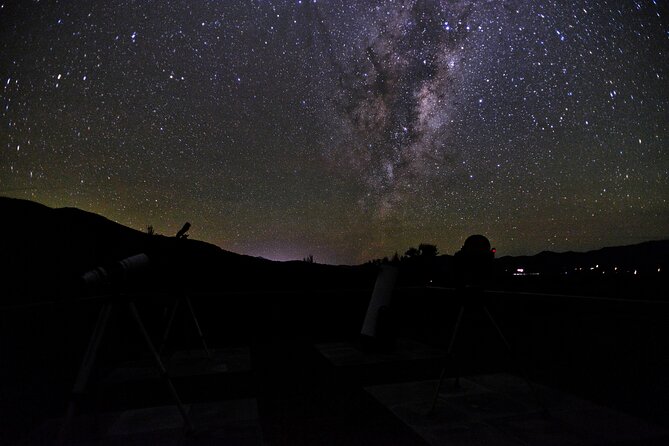
The electronically guided telescope provides direction, but Manuka Skies also has manual telescopes. These are intended for a more free-roaming experience, so you can look around rather than follow only the guide’s chosen targets.
That mix is one of the better features of the tour. The guided scope helps you find objects you might miss, while the manual telescopes give you a chance to explore. You get both structure and a little independence.
The manual equipment may suit you best if you enjoy learning by trying things yourself. It also gives the evening a less formal feel. You are not simply waiting for a turn at one instrument. Several types of equipment let you approach the sky in different ways.
The experience also includes astro binoculars, which you can use from lounges. This is a more relaxed way to look upward. Instead of standing at a telescope eyepiece, you can lie back and scan the sky across a wider area.
That option may be especially appealing later in the session, when you want to slow down and simply watch the stars. Pairing the binoculars with the interactive star finder gives you a hands-on activity rather than a passive viewing stop.
Same dark skies, a different way to see them:
- Lake Tekapo: Mountaintop Stargazing at Mount John Summit
★ 4.5 · 176 reviews - Mount John Observatory Stargazing Experience, Tekapo
★ 4.5 · 160 reviews - Tekapo Star Gazing Tour – Soak in the Stars
★ 4.5 · 109 reviews - Silver River Stargazing Experience in Lake Tekapo
★ 4.5 · 106 reviews
The forest, stream, and owls are part of the evening
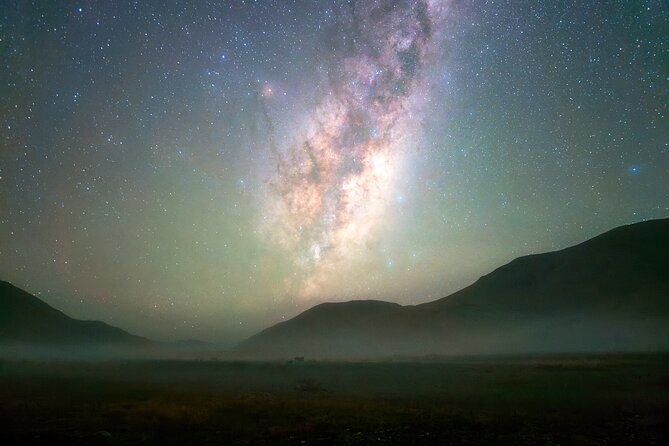
The natural setting deserves more than a quick mention. A spring-fed stream flows down the mountain beside the site, adding a steady sound while you look at the sky. It is a small detail, but it helps the tour feel removed from town.
You should also listen for the native morepork owls that nest in the area. Their calls are not guaranteed on every visit, so think of them as part of the atmosphere rather than a scheduled wildlife sighting.
This is where Manuka Skies differs from an indoor planetarium. A planetarium gives you dependable images and controlled conditions. Here, the experience depends on real darkness, real weather, and the living setting around you. That brings some uncertainty, but it also makes the evening more memorable when everything lines up.
The site acts as a sanctuary for astronomy and wildlife alike. I appreciate that the operators connect the activity to care for the place. You are not only looking at the stars; you are being encouraged to notice the forest beneath them.
Two hours is enough for a focused evening
The tour lasts about two hours. That gives you time for the naked-eye lesson, the guided Celestron telescope, the manual scopes, and the astro binoculars without turning the evening into a long lecture.
The order makes sense. You first learn what you are looking at, then use the equipment to see more, and finally have room for freer exploration. If the guide spends more time on questions or the sky offers an especially good target, the balance may shift slightly.
A two-hour format also works well with a stay in Hanmer Springs. You can fit the outing around other plans instead of giving up an entire night. Pickup is offered, and the meeting point is in Hanmer Springs, with a specific experience description noting pickup from the center of town into the surrounding hills.
You should still plan for an evening outside. The information supplied does not specify clothing, seating beyond the lounges, or the exact pickup schedule, so check the details after booking and dress for the local night conditions. The forest setting and outdoor sky viewing make comfort important, even though the tour is not a strenuous activity.
A group of 10 keeps the equipment useful

The maximum group size is 10 people. That is a practical limit for an astronomy session because everyone needs a chance to look through the equipment and ask questions.
A smaller group also helps when the guide explains how to use the manual telescopes or star finder. You are less likely to feel lost in a crowd, and the guide can spend more time responding to individual interests.
The tour is suitable for most people. It does not require specialist knowledge, and the activities range from simple naked-eye viewing to guided equipment use. If you have mobility concerns, the supplied information does not give detailed access notes, so ask the provider, Kara, before booking.
Families, couples, solo visitors, and anyone curious about the southern sky should find something useful here. It is also a good fit for people who want a quieter evening in Hanmer Springs rather than another highly scheduled activity.
Is $80.05 a fair price?
At $80.05 per person, this is not the cheapest way to spend an evening in Hanmer Springs. You can look at the stars for free from many outdoor places. The price needs to be judged against the guidance, equipment, pickup option, and protected setting.
The Celestron telescope is the key value. So are the manual telescopes, astro binoculars, lounges, and interactive star finder. You are paying for access to several tools and for someone to explain what you are seeing, not merely for a dark place to stand.
The small group limit helps the price make more sense. With no more than 10 people, the experience should feel more personal than a large coach outing. The forest and stream setting add something that a roadside viewpoint cannot provide.
Still, the price is harder to justify if you already own good astronomy equipment or mainly want a quiet look at the stars. It makes the most sense for you if you value expert guidance, want to see objects such as the Omega Cluster or Sombrero Galaxy, and prefer a planned evening with transport available.
The tour is booked an average of 44 days in advance, so it is wise to reserve early if your Hanmer Springs dates are fixed. That timing also suggests you should not leave it until your final night if the stargazing session is a major part of your plans.
Weather can change the whole plan
Clear skies are central to this activity. Poor weather can cancel the tour, and the operator offers either another date or a full refund in that situation.
This policy is reassuring, but it does not remove the planning issue. If you have only one night in Hanmer Springs, a cancellation may leave no chance to reschedule. If astronomy is important to you, give yourself more than one possible evening.
You can cancel for a full refund if you do so at least 24 hours before the start time. Cancellations or changes made less than 24 hours ahead are not refunded or accepted. The cut-off follows local time.
I would book this for an earlier evening in your stay, not the last possible night. That gives you room to move the booking if conditions fail and protects you from making the trip solely for an outing that cannot run.
Who will enjoy this Hanmer Springs tour most?
This experience suits you if you want more than a quick look at the stars. The guide-led introduction, several types of equipment, and natural setting give the evening enough variety for beginners and casual astronomy fans.
It is particularly good for:
- People who want to learn the Southern Cross and basic night-sky navigation
- Couples seeking a quiet outdoor activity
- Families or small groups who value hands-on equipment
- Visitors without their own telescope or binoculars
- Anyone interested in the connection between astronomy, native forest, and wildlife
It may be less suitable if you need a guaranteed schedule, dislike weather-dependent plans, or want a fast, highly structured attraction. The sky does not always cooperate, and part of the charm is accepting that the natural world sets the terms.
Should you book Manuka Skies?
Book it if you want a small-group astronomy evening with real equipment, patient sky orientation, and a setting that includes forest, water, and possible owl calls. The combination of a Celestron telescope, manual scopes, astro binoculars, and naked-eye instruction gives you more to do than simply look through one eyepiece.
I would make the booking early, choose a night that is not your last in Hanmer Springs, and keep the weather policy in mind. At $80.05, the experience is best value for someone who wants guidance and a memorable place to stargaze, rather than someone looking only for free sky viewing.
FAQ
Where does the Hanmer Springs Star Tours experience take place?
The experience starts in Hanmer Springs, New Zealand, at Manuka Skies.
How long does the stargazing tour last?
The tour lasts approximately two hours.
How much does the experience cost?
The listed price is $80.05 per person.
Is pickup available?
Yes. Pickup is offered, and the experience description refers to pickup from the center of Hanmer Springs into the surrounding hills.
How many people can join the tour?
The maximum group size is 10 people.
Do I need astronomy experience?
No. The tour begins with naked-eye instruction about stars and constellations, so you can take part without specialist astronomy knowledge.
Will I see the Southern Cross?
The Southern Cross is one of the constellations discussed during the introductory sky tour.
What equipment is available?
The experience includes a Celestron electronically guided telescope, manual telescopes, astro binoculars, lounges for reclining sky viewing, and an interactive star finder.
Can bad weather cancel the tour?
Yes. The experience requires good weather. If poor weather causes a cancellation, you will be offered another date or a full refund.
What is the cancellation policy?
You can cancel for a full refund at least 24 hours before the experience start time. Cancellations or changes made less than 24 hours before the start time are not accepted for a refund.
Just added around New Zealand
- Star Safari Stargazing Experience, Martinborough★ 5.0 · 6 reviews
- Private Stargazing at Star Safari near Martinborough★ 5.0 · 3 reviews
- Twizel Stargazing Experience with a Guide (Carbon Positive)★ 4.0 · 2 reviews
- Lake Tekapo Ultimate Stargazing Experience★ 5.0 · 3 reviews
- Virtual Stargazing & Astronomy Experience in Lake Tekapo★ 3.0 · 2 reviews
- Lake Tekapo Stargazing & Mount Cook 2-Day Tour from Christchurch★ 5.0 · 4 reviews
- Nocturnal Wonders Tawharanui Kiwi Spotting and Stargazing Tour★ 5.0 · 23 reviews
- Solar Explorer in Akaroa – Sun-Viewing Tour with Telescopes★ 5.0 · 5 reviews
New Zealand Stargazing Tours, compared.
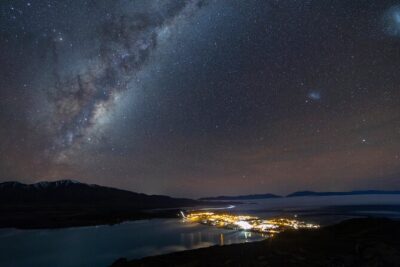
Mount John Observatory Stargazing Experience, Tekapo
Read our review →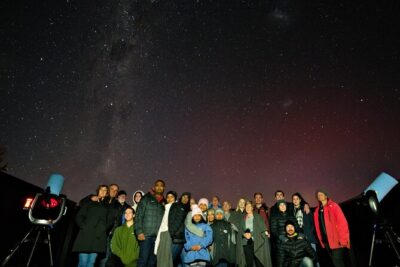
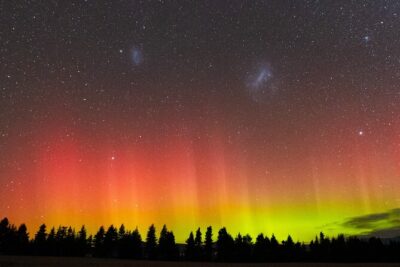
Silver River Stargazing Experience in Lake Tekapo
Read our review →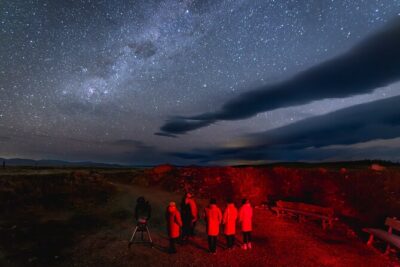
Stargazing Experience at Cowan’s Private Observatory
Read our review →Browse the lists this tour appears in