
REVIEW · NEW ZEALAND
Star Safari Stargazing Experience, Martinborough
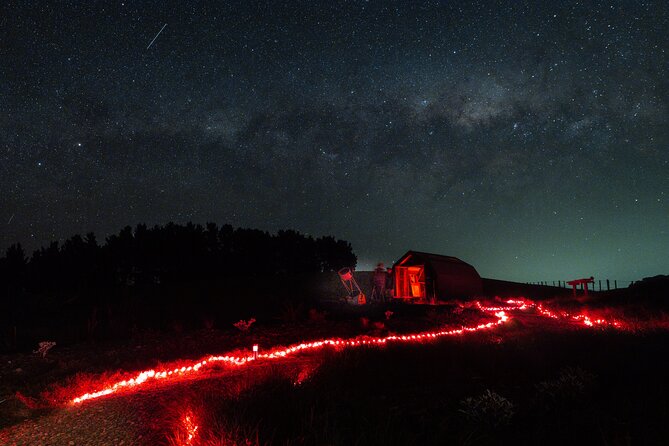
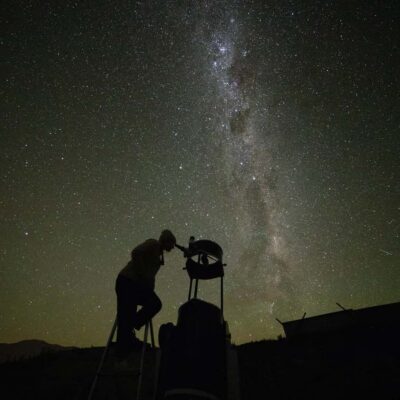
Wairarapa’s dark sky is the star here. About 80 kilometres from Wellington Airport, Star Safari takes you into the Martinborough area for a close look at the southern sky, with two large 16-inch telescopes and guides who know how to use the night rather than simply point at it.
I like the small groups, capped at 10, and the chance to work with both Hari, an astrobiologist, and Sam, an astrophysicist. I also like the sensible cloudy-night plan: you get virtual reality, planetarium software, and a look at New Zealand rocks linked to the search for life on Mars.
The main catch is simple: weather controls the show. Clouds can hide the stars, and the outdoor viewing area gets very cold. Dress as if you were heading out for a hike, not for a mild evening walk.
Key points at a glance
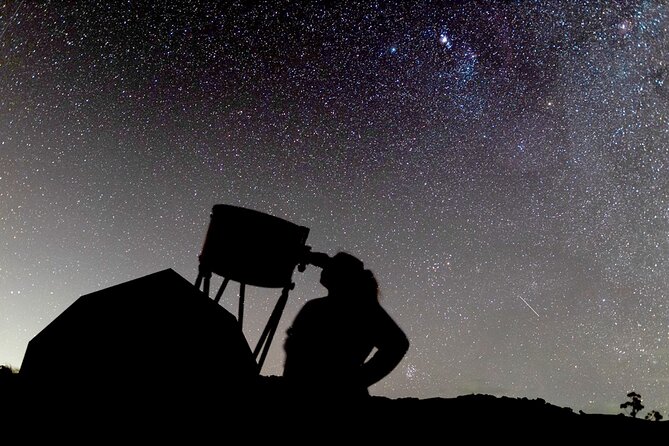
- Two 16-inch manual telescopes: Powerful equipment gives you a good look at planets, clusters, nebulae, and galaxies, while the manual setup lets you learn how the sky is found.
- A small maximum group of 10: You should have a fair chance at the telescopes and plenty of time for questions.
- Hari and Sam lead the session: An astrobiologist and an astrophysicist bring different angles, from the search for life to the physics of stars.
- A real backup for cloudy weather: Planetarium software, virtual reality, and space-related rocks keep the evening going when stars are hidden.
- Southern-sky highlights: Depending on the season and conditions, you might see Saturn, the Milky Way, star clusters, nebulae, galaxies, satellites, or the International Space Station.
- Hot drinks and warm clothing matter: A complimentary hot drink is included, but you still need a warm jacket or several layers.
Why Martinborough’s night sky matters
Star Safari is built around a valuable fact about the region: the Wairarapa International Dark Sky Reserve has some of New Zealand’s darkest and clearest skies. Darkness is not just a pretty backdrop. It allows fainter stars and deep-sky objects to show up with less interference from artificial light.
That makes the setting important, but it does not guarantee a perfect view. Clear skies, cloud cover, haze, and the position of objects all affect what you see. A bright planet may be easy to spot on one evening, while a distant galaxy may be difficult or impossible on another.
The experience is also close enough to Wellington to work as an evening outing, at about 80 kilometres from Wellington Airport. You will need to make your own way to the meeting point at VG48+C6 Ponatahi, in the Wellington Region. The activity begins and ends there, so plan around the location rather than expecting transport between Wellington and the site.
More Safari Trips in New Zealand:
- Private Stargazing at Star Safari near Martinborough
★ 5.0 · 3 reviews - Teide National Park Sunset & Stargazing with Dinner (Star Safari)
★ 5.0 · 2,601 reviews - Dubai: Overnight Safari, Dinner, Stargazing & Al Khayma Camp
★ 4.8 · 2,562 reviews
Arriving at the Moon Garden
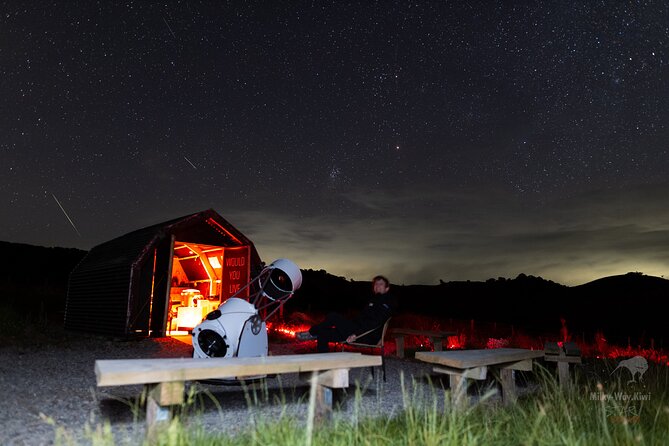
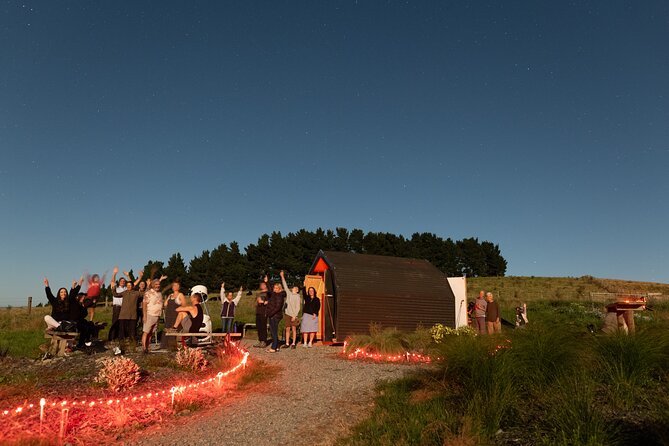
At the meeting point, Hari and Sam meet you before leading you through their reception area. You can collect a blanket or jacket there, then walk about 25 metres to the telescope viewing area inside the Moon Garden.
That short walk matters more than it sounds. You are not hiking to a remote mountaintop or waiting beside a large public observatory. The setup is compact and personal, which suits an evening based on questions and conversation.
The viewing session lasts about 60 to 90 minutes, within the advertised 90-minute experience. The exact rhythm depends on the sky and the group. If several people want to inspect the same object, the telescopes may take a little time to circulate. The group limit of 10 helps, and three or four telescopes may be available, so you are not relying on one instrument for the whole evening.
Bring patience as well as curiosity. Astronomy is not a rapid-fire attraction where every few seconds brings a new spectacle. You may spend time letting your eyes adjust, waiting for a turn, or learning why a faint patch of light matters.
Learning the southern sky through manual telescopes
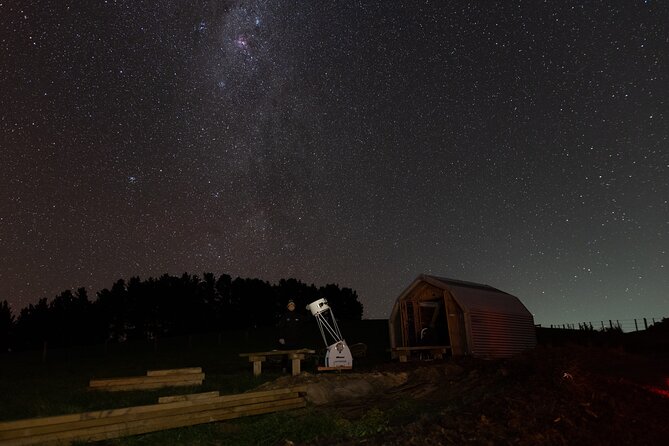
Both 16-inch telescopes are manual. That is a useful feature for anyone who wants more than a quick view through an automated machine.
A manual telescope requires the guides to know the sky and locate objects by hand. For you, that means the session can include not only what you are looking at, but also how to orient yourself and find your way among the stars. Beginners receive help with where to start, while more experienced stargazers can bring an observing list.
The equipment is powerful enough for a broad range of targets. You might look at the Milky Way, planets, star clusters, nebulae, or galaxies. One particularly memorable possibility is Saturn, with its rings and moons visible through the telescope when it is in a suitable position.
A clear evening can also bring less predictable sights. You might catch a shooting star, a satellite, or the International Space Station passing overhead. These are not guaranteed, and the ISS follows its own schedule, but they add a welcome element of chance to the night.
Astronomy binoculars are also available. They offer a wider view than a telescope and can be easier for scanning the sky. That makes them useful for understanding where an object sits before you examine it at higher magnification.
Two guides, two ways to understand space
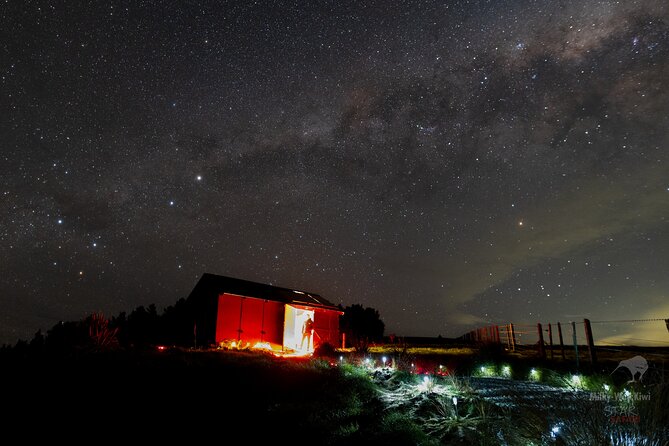
Hari and Sam give the session a useful split in focus. Sam is an astrophysicist, while Hari is an astrobiologist. You can ask questions throughout, so the evening is not limited to a fixed talk.
Astrophysics can help explain the mechanics of what you see: stars, planets, galaxies, light, and motion. Astrobiology brings the question of life beyond Earth into the conversation. Those subjects overlap, but they are not the same, and having both viewpoints can make the explanations more varied.
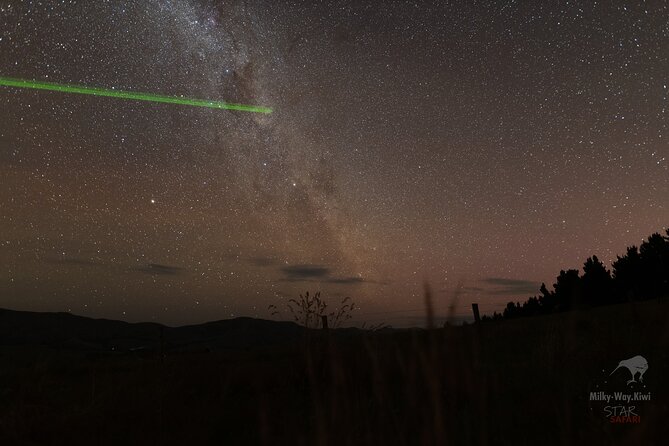
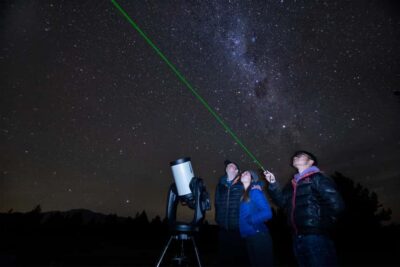
Both guides are licensed to operate a laser pointer. Under a dark sky, a laser can make it easier to connect a spoken explanation with a specific star or constellation. You should still expect the session to be interactive rather than a full formal lecture.
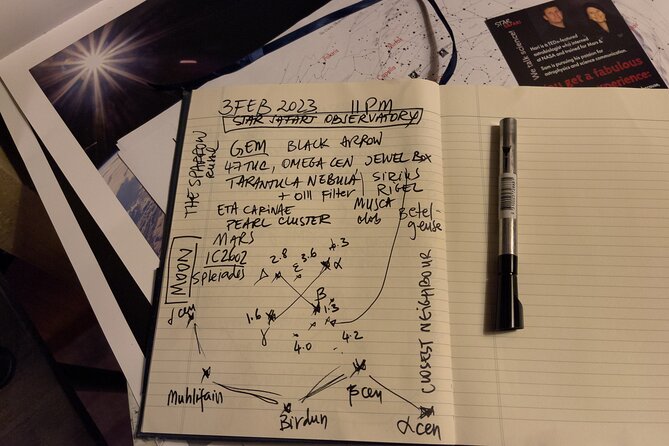
The strongest part of this format is the chance to set the level yourself. If you are new to astronomy, ask how to recognize the main features of the sky. If you already know the basics, bring a list of objects you hope to see. The supplied information specifically invites advanced stargazers to bring an observing list, which is a good reason to do a little preparation before arriving.
More Stargazing Tours in New Zealand:
- Lake Tekapo: Alpine Stargazing Experience with a Guide
★ 4.5 · 626 reviews - Lake Tekapo: Stargazing Experience
★ 4.9 · 607 reviews - Chameleon Stargazing Shared Tour
★ 5.0 · 181 reviews - Lake Tekapo: Mountaintop Stargazing at Mount John Summit
★ 4.5 · 176 reviews
What happens when clouds cover the stars
Star Safari does not simply stop if the sky turns cloudy. The backup program uses e-astronomy, state-of-the-art planetarium software, and virtual reality to explore the Universe and Solar System indoors.
That matters because poor weather is the biggest risk with any stargazing booking. A cloudy night can remove the very views you paid for. Here, the alternative still focuses on space science, so you are not left with an unrelated indoor activity.
Virtual reality can be impressive, but it is not ideal for everyone. One person reported some 3D sickness while using it, so tell the guides if you are sensitive to motion or visual effects. You can still gain value from the planetarium software and discussion without treating the headset as the main event.
The indoor program also includes a collection of astrobiology-related rocks from across New Zealand. These are connected to the search for life on Mars, in which the hosts are involved. That gives the cloudy-night program a physical, local element rather than making it only a screen-based presentation.
It is worth setting your expectations correctly. A virtual tour of the Solar System is not the same as seeing Saturn or a galaxy through a telescope. The weather backup protects the value of the booking, but a clear night remains the main prize.
Cold-weather planning for a 90-minute evening
You are told to dress warmly and as if you were going hiking. Take that seriously. Open viewing areas can feel much colder after sunset, even if the afternoon was mild.
A blanket or jacket is available through the reception area, and a complimentary hot drink is part of the experience. That is a nice touch, especially after standing outside while waiting for telescope turns. Still, the drink is comfort rather than a replacement for proper clothing.
Wear warm layers and practical shoes. The supplied information does not promise a long walk, but you will move from reception to the Moon Garden and spend time outdoors. You want to be comfortable while looking upward, not distracted by cold hands or thin clothing.
The hot drink also gives the evening a gentle finish. After the technical explanations and telescope viewing, something warm helps make the experience feel relaxed rather than rigidly scientific.
Is $62.06 good value?
At $62.06 per person, Star Safari is priced as a specialist small-group activity rather than a casual free look at the stars. The value comes from several parts working together: access to powerful 16-inch telescopes, a maximum group of 10, two specialist guides, a 60 to 90-minute viewing period, astronomy binoculars, questions throughout, and a weather backup.
For a clear night, the price is easier to justify if you care about learning how to read the sky rather than simply taking a few photographs. The manual telescopes and direct access to Hari and Sam make the session more personal than a large lecture.
For a cloudy night, the value depends on your interest in virtual astronomy and astrobiology. The alternative program is thoughtfully connected to the subject, but it will not satisfy you in the same way if your only goal is telescope viewing.
Families should check the current child pricing before booking. One family booking included free children, including a six-year-old and a two-year-old, but the exact terms are not stated here. The experience can suit families, though the late hour, cold air, and need to wait for telescope turns may be easier for older children.
The small group is another part of the price. With up to 10 people and several telescopes, you get a better chance of viewing several objects than you would in a large public session. That does not mean every person gets unlimited telescope time, but it does reduce crowding.
Who will enjoy Star Safari most?
I would choose this for anyone who wants an introduction to the southern sky with real explanations. Beginners should feel welcome because the guides can show you where to start and how to orient yourself. You do not need to arrive knowing constellations.
It also suits people who already enjoy astronomy. Bring an observing list and ask for specific targets. Since the telescopes are manual, experienced observers may appreciate the process of locating objects rather than simply pressing a button.
Families can enjoy the combination of science, equipment, and visual spectacle. The wide age range in one family booking included adults, a teenager, a six-year-old, and a two-year-old. Very young children may not get as much from the explanations, but the family format is possible.
You should be comfortable with uncertainty. The schedule cannot promise Saturn, the Milky Way, the ISS, or shooting stars on a particular night. If you need a guaranteed list of sights, this is not the right kind of activity.
Practical details before you book
Confirmation is provided at booking, and the experience accepts mobile tickets. Service animals are allowed, and most people can participate. If you have a specific accessibility question, contact Star Safari before booking because the supplied details do not describe every part of the site.
The tour starts and ends at the meeting point in Ponatahi. There is no separate transport information included, so arrange your own route and allow enough time to arrive before the session begins.
Free cancellation is available when you cancel at least 24 hours before the local start time. Changes or cancellations inside that window are not accepted for a refund. If poor weather forces Star Safari to cancel, you can choose another date or receive a full refund.
The weather rule is especially important here. Check the forecast, but remember that forecasts are not perfect. The provider decides if conditions are unsuitable for telescope viewing and offers the cloudy-night program or a cancellation option according to the conditions.
Should you book Star Safari in Martinborough?
Book it if you want a friendly, small-group astronomy session with serious equipment and a real chance to ask questions. The strongest reasons are the two 16-inch manual telescopes, the southern-sky setting, and the mix of astrophysics and astrobiology from Hari and Sam.
You should also book if a cloudy night would still interest you. The planetarium software, virtual reality, and Mars-related rock collection give the evening a useful second track.
Think twice if you want a guaranteed clear sky or a quick, highly visual attraction. Weather can change the experience, and the outdoor cold is part of the deal. For everyone else, $62.06 is a fair price for a focused 90-minute introduction to the night sky, especially when you value patient explanations over a simple telescope queue.
FAQ
Where does Star Safari meet?
The meeting point is at VG48+C6 Ponatahi, in the Wellington Region, New Zealand. The experience ends at the same location.
How long does the experience last?
The advertised duration is approximately 1 hour and 30 minutes. The telescope viewing portion lasts about 60 to 90 minutes, depending on conditions and the evening’s program.
What happens if the weather is cloudy?
If stars are not visible, Star Safari offers an e-astronomy program using planetarium software and virtual reality. You can also see a collection of New Zealand rocks connected to the search for life on Mars.
How many people can join?
The maximum group size is 10 people. Three or four telescopes may be available during the viewing session.
What should I wear?
Dress warmly, as if you were going hiking. The telescope area is outdoors, and it can get very cold at night. A blanket or jacket is available through the reception area, and a complimentary hot drink is provided.
Can I cancel for a full refund?
Yes, if you cancel at least 24 hours before the experience start time. Cancellations or changes made less than 24 hours before the start time are not refunded. If Star Safari cancels because of poor weather, you can choose another date or receive a full refund.
Just added around New Zealand
- Private Stargazing at Star Safari near Martinborough★ 5.0 · 3 reviews
- Twizel Stargazing Experience with a Guide (Carbon Positive)★ 4.0 · 2 reviews
- Lake Tekapo Ultimate Stargazing Experience★ 5.0 · 3 reviews
- Virtual Stargazing & Astronomy Experience in Lake Tekapo★ 3.0 · 2 reviews
- Hanmer Springs Star Tours at Manuka Skies★ 5.0 · 11 reviews
- Lake Tekapo Stargazing & Mount Cook 2-Day Tour from Christchurch★ 5.0 · 4 reviews
- Nocturnal Wonders Tawharanui Kiwi Spotting and Stargazing Tour★ 5.0 · 23 reviews
- Solar Explorer in Akaroa – Sun-Viewing Tour with Telescopes★ 5.0 · 5 reviews
New Zealand Stargazing Tours, compared.
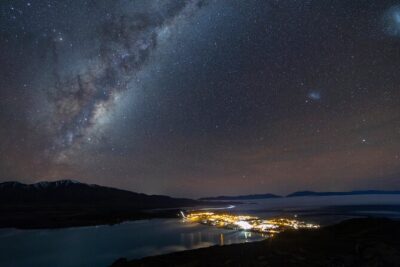
Mount John Observatory Stargazing Experience, Tekapo
Read our review →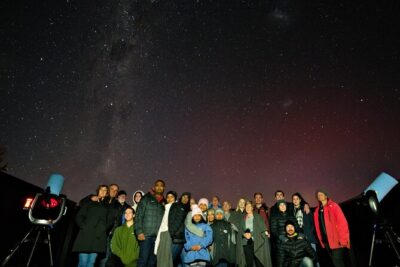
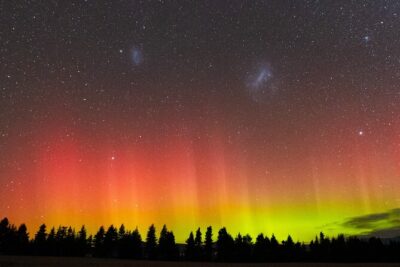
Silver River Stargazing Experience in Lake Tekapo
Read our review →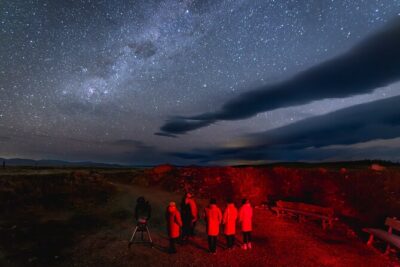
Stargazing Experience at Cowan’s Private Observatory
Read our review →Browse the lists this tour appears in