
REVIEW · NEW ZEALAND
Nocturnal Wonders Tawharanui Kiwi Spotting and Stargazing Tour
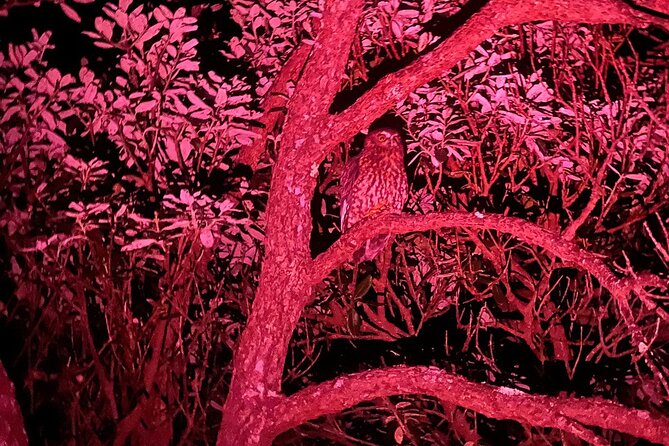
At Tawharanui, the main event begins after daylight fades. You walk quietly through native bush, watching for signs of North Island brown kiwi, then move to a dark spot for stars, planets, and constellations. A confirmed sighting is never promised, but one guest saw three kiwi and got close to one, which shows what a good night can bring.
I like the small maximum of 10 people, since you can ask questions without shouting across a crowd. I also like the two-part design: wildlife first, then telescopes and binoculars for a clear look at the sky. The catch is simple: this is a night walk built around nature, so poor weather or a quiet kiwi night can change the result.
Key points to know before booking
- Three hours after dark: Plan for an evening activity, not a quick lookout stop.
- Kiwi tracking on foot: You search for signs of activity in native bush rather than viewing wildlife from a vehicle.
- Small group of up to 10: The format gives you more time with the guide and less crowd noise.
- Telescopes and binoculars included: You do not need to bring specialist viewing equipment.
- Māori astronomy adds local meaning: The guide explains the night sky through indigenous astronomical stories.
- Glamping is optional: Campsite bookings and fees are separate from the tour price.
Tawharanui after sunset
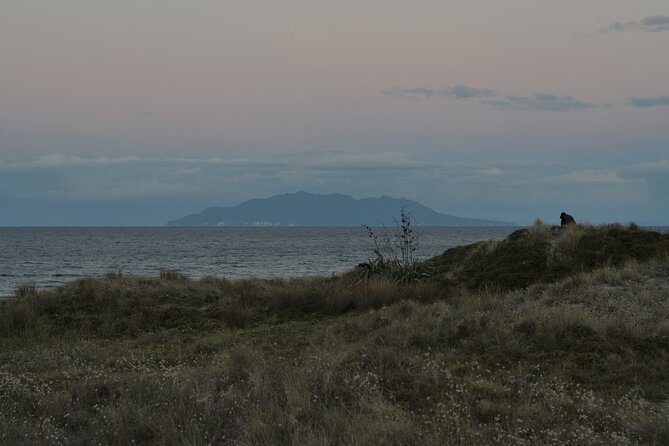
Tawharanui Regional Park is often treated as a daytime outing, a place for coastal scenery, open views, and native bush under the sun. This experience asks you to visit at the opposite end of the day, when familiar paths feel quieter and nocturnal life becomes the focus.
You meet at Tawharanui Regional Park, 1181 Takatu Road, on the Tāwharanui Peninsula. The activity ends at the same meeting point, so you do not need to arrange a separate pickup point at the end.
The setting matters. A dark sky gives the astronomy portion a better chance than an urban viewpoint would, and the park’s native bush gives you the right kind of habitat for a search for kiwi activity. You are not simply being driven to a lookout, either. The experience is on foot, which makes the night feel more immediate.
I would allow extra time to reach the meeting point, especially if Tawharanui is not already part of your Auckland plans. The supplied details do not include hotel pickup or transport from Auckland, so you should plan your own way there.
More Stargazing Tours in New Zealand:
- Lake Tekapo: Alpine Stargazing Experience with a Guide
★ 4.5 · 626 reviews - Lake Tekapo: Stargazing Experience
★ 4.9 · 607 reviews - Chameleon Stargazing Shared Tour
★ 5.0 · 181 reviews
Following the kiwi trail at twilight
The first part begins as twilight settles. You follow an experienced guide through the park’s native bush, looking for traces of kiwi activity and listening for explanations about these unusual birds.
That wording is important. The tour is a search, not a guaranteed wildlife show. Kiwi are nocturnal, and the guide’s job is to help you read the setting and notice clues you could easily miss on your own. You might find signs of activity without seeing a bird, or you might have the kind of close encounter that makes the whole evening memorable.
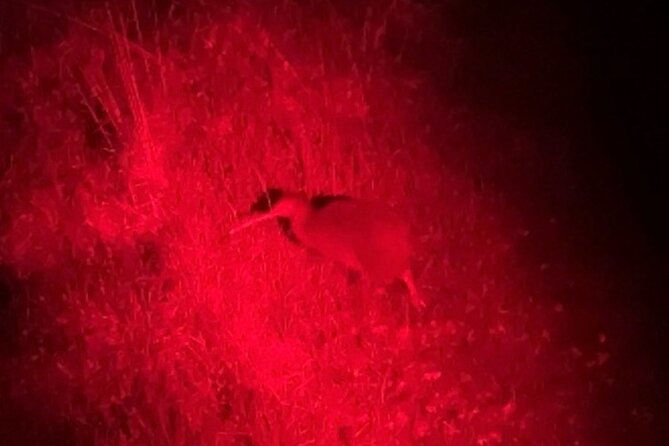
One customer saw three kiwi and came close to one. That is an unusually useful detail because it sets a realistic range of possibilities: a quiet night is possible, but the outing can also deliver a very direct sighting. You should keep your expectations flexible and let the guide lead the pace.
A walking search also changes your role. You are not sitting back while someone else handles the wildlife spotting. You need to stay alert, follow directions, and keep the group together. That makes the experience more rewarding for people who enjoy patient observation, but less suitable if you want a guaranteed animal encounter with little waiting.
The small group helps here. With no more than 10 participants, the guide can answer questions and manage the group without the feel of a large nature walk. You also have a better chance of hearing explanations and keeping the mood quiet when a possible sighting develops.
Why the kiwi section is worth your evening
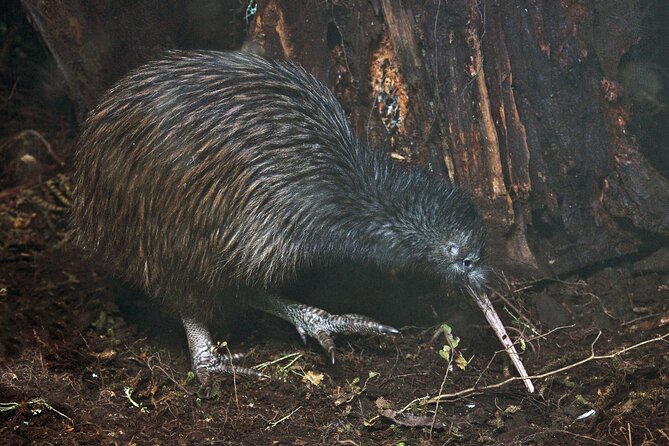
The North Island brown kiwi is not just another item on a checklist. It is a bird associated with New Zealand, yet it is not the sort of animal you can reliably spot during a normal daytime park visit. Its night-time habits are the reason this tour exists.
The guide shares information about the birds along the way, so the search has a learning element even when wildlife stays hidden. You gain a better sense of what you are looking for and why a quiet, slow walk matters.
I would choose this activity if you prefer a natural encounter over a polished attraction. The trade-off is that nature controls the schedule. A person who needs a guaranteed kiwi sighting may find the uncertainty frustrating, while someone who enjoys the hunt will likely appreciate the slower rhythm.
Your group should also be ready for darkness. The information provided confirms a night walk, but it does not specify the walking surface, lighting arrangements, or exact distance. Ask the provider if you need detailed mobility or equipment advice before booking.
From native bush to a dark-sky stop
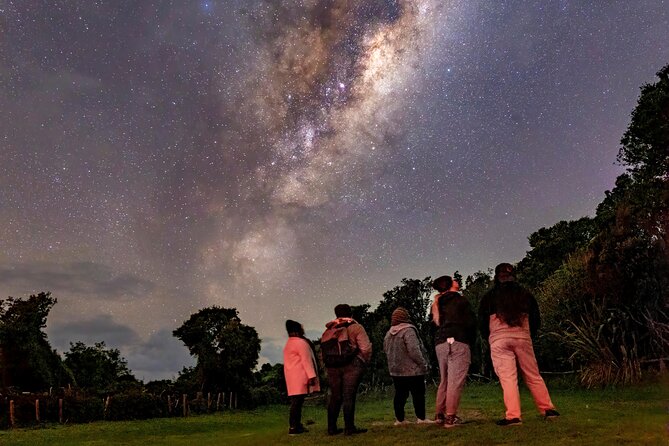
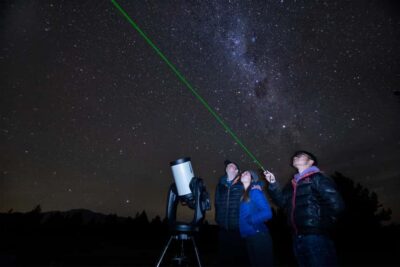
After the kiwi search, the experience turns upward. You go to a secluded stargazing spot within the park, away from the glare of city lights. The guide supplies telescopes and binoculars, so the astronomy portion is not dependent on you owning equipment.
You look at stars, planets, and constellations, with the guide explaining what you are seeing. The setting should help the sky appear clearer than it would from central Auckland, although actual visibility still depends on weather and conditions on the night.
The astronomy section gives the tour a useful second act. If the wildlife search is slow, you still have a structured activity rather than simply walking back. If you do see kiwi, the stars provide a calmer way to finish the night.
I especially like the inclusion of indigenous astronomy. The guide does not only point out objects in the sky, but also shares Māori astronomical stories. That adds local context and keeps the stargazing tied to New Zealand rather than making it feel like a generic telescope session.
The supplied details do not name the specific stars, planets, or constellations you will see. You should think of the equipment as a chance to explore the sky, not a promise of a fixed astronomy program.
Same dark skies, a different way to see them:
- Lake Tekapo: Mountaintop Stargazing at Mount John Summit
★ 4.5 · 176 reviews - Mount John Observatory Stargazing Experience, Tekapo
★ 4.5 · 160 reviews - Tekapo Star Gazing Tour – Soak in the Stars
★ 4.5 · 109 reviews - Silver River Stargazing Experience in Lake Tekapo
★ 4.5 · 106 reviews
What the three-hour timing means
The tour lasts about three hours. That is long enough to give both wildlife and astronomy proper attention, but short enough to fit into an evening without taking over an entire day.
The timing also reflects the nature of the activity. Twilight is useful for getting into the bush, then full darkness supports kiwi spotting and stargazing. The exact balance may shift with sunset, wildlife activity, and weather.
You should avoid packing another time-sensitive evening plan immediately afterward. A natural-history walk can run at a relaxed pace, and the details do not promise a fixed minute-by-minute schedule. Treat the three-hour length as an estimate rather than a reason to schedule dinner down to the minute.
The tour is confirmed at booking, and most people can participate. It has a maximum of 10 participants, which keeps the outing personal without making it private.
The $93.09 price and what you receive
At $93.09 per person, this is not the cheapest way to spend an evening near Auckland. The value comes from combining an experienced guide, a small group, specialist viewing equipment, and access to a side of Tawharanui that most daytime outings do not cover.
You are paying for interpretation as much as for the walk. Without a guide, you could enter a dark park and see very little. The guide helps you understand kiwi activity, keeps the group focused, and explains the night sky through both astronomy and Māori knowledge.
The telescopes and binoculars also matter. If you had to hire or bring your own equipment, the price comparison would look different. Here, the gear is included, which makes the tour easier for casual stargazers who want to try the activity without buying anything.
The value is weaker if your only goal is a guaranteed kiwi photograph. No wildlife tour can promise that here, and the price does not include camping. It becomes stronger if you want two connected experiences in one evening and appreciate having someone interpret what you are seeing.
The tour has a 4.9 rating from 23 ratings and is recommended by 100 percent of customers shown in the supplied information. One detailed account praised the guide’s knowledge and described seeing three kiwi at close range. That praise points to the guide as the main part of the value, not just the location.
Optional glamping and what it does not cover
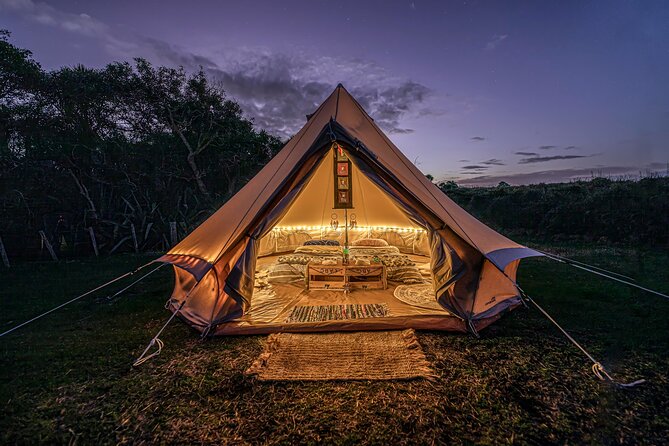
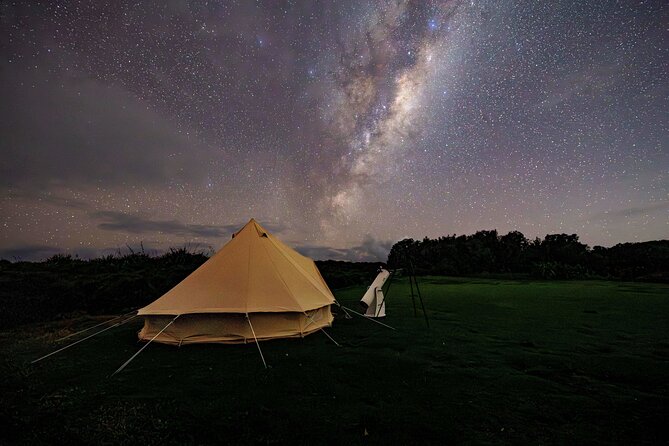
You can add a camping element with glamping tents, but campsite bookings and fees are not included in the $93.09 tour price. That means you need to arrange and pay for the campsite separately.
This option could suit you if you want to turn the night into a longer Tawharanui stay. It may also reduce the need to travel away immediately after a late activity. But do not assume the tour price includes the tent, campsite, or overnight arrangements. The supplied details only confirm that glamping is available as an enhancement and that campsite costs are separate.
If you are only interested in the three-hour walk, you can treat the camping option as irrelevant. The core activity ends back at the meeting point.
Weather, cancellation, and practical planning
This experience needs good weather. If poor weather causes cancellation, you are offered another date or a full refund. The same applies if the minimum number of participants is not reached, with the choice of another date or experience, or a full refund.
You can cancel for a full refund up to 24 hours before the start time. Changes or cancellations made inside that 24-hour window are not accepted for a refund, and the cut-off uses local time.
Those rules are worth keeping in mind when you build your Auckland schedule. A clear forecast is especially important because both wildlife spotting and stargazing depend on outdoor conditions. The provider also sends confirmation when you book.
The meeting point is the park itself, and the tour returns there. The information does not state that transport, food, or camping fees are included. Plan on handling those parts yourself.
Who will enjoy this most
I would recommend this for you if you like nature walks, night skies, and guided interpretation. It suits people who are happy to stay quiet, move at a measured pace, and accept that wildlife sightings cannot be controlled.
It is also a good match for anyone who wants more than a standard daytime park visit. The combination of kiwi tracking and Māori astronomy gives the evening a distinct New Zealand focus.
Families and mixed-age groups may find the short duration manageable, since most people can participate. Still, the details do not provide a minimum age, walking distance, or accessibility information. If those points affect your booking, contact Social Nature Movement before paying.
You may want to skip it if you dislike darkness, outdoor walks, or uncertain wildlife results. It is also not ideal if you need transport from Auckland, since no hotel transfer is listed.
Should you book the Tawharanui night tour?
Book it if you want a small, focused evening with two clear goals: look for North Island brown kiwi and study the sky far from city glare. The guide, included equipment, and group limit make the $93.09 price reasonable for an experience that would be difficult to recreate on your own.
Go in with the right expectation. You are joining a careful search, not buying a guaranteed kiwi encounter. If the sighting works out, you may see what one guest saw: three kiwi, including one at close range. If it does not, the astronomy and Māori stories still give the night a worthwhile second half.
FAQ
Where does the tour start?
It starts at Tawharanui Regional Park, 1181 Takatu Road, Tāwharanui Peninsula 0986, New Zealand.
Where does the tour finish?
The activity ends back at the meeting point in Tawharanui Regional Park.
How long does the experience last?
The tour lasts about three hours.
What wildlife might I see?
The main wildlife target is the North Island brown kiwi. The tour also focuses on nocturnal birds, insects, and reptiles in the park.
Is a kiwi sighting guaranteed?
No guarantee is stated. The activity involves looking for traces of kiwi activity during a guided night walk.
How large is the group?
The maximum group size is 10 people.
Is equipment provided?
Yes. The guide provides specialized equipment, including telescopes and binoculars for the stargazing portion.
What happens during stargazing?
You visit a dark location within the park and look at stars, planets, and constellations. The guide also shares Māori astronomical stories.
Is camping included in the price?
No. Glamping can be added, but campsite bookings and fees are not included.
Can I cancel for a refund?
Yes. You can cancel at least 24 hours before the start time for a full refund. Poor weather or failure to meet the minimum number can also result in another date or a full refund.
Just added around New Zealand
- Star Safari Stargazing Experience, Martinborough★ 5.0 · 6 reviews
- Private Stargazing at Star Safari near Martinborough★ 5.0 · 3 reviews
- Twizel Stargazing Experience with a Guide (Carbon Positive)★ 4.0 · 2 reviews
- Lake Tekapo Ultimate Stargazing Experience★ 5.0 · 3 reviews
- Virtual Stargazing & Astronomy Experience in Lake Tekapo★ 3.0 · 2 reviews
- Hanmer Springs Star Tours at Manuka Skies★ 5.0 · 11 reviews
- Lake Tekapo Stargazing & Mount Cook 2-Day Tour from Christchurch★ 5.0 · 4 reviews
- Solar Explorer in Akaroa – Sun-Viewing Tour with Telescopes★ 5.0 · 5 reviews
New Zealand Stargazing Tours, compared.
Mount John Observatory Stargazing Experience, Tekapo
Read our review →
Silver River Stargazing Experience in Lake Tekapo
Read our review →
Stargazing Experience at Cowan’s Private Observatory
Read our review →Browse the lists this tour appears in