
REVIEW · OBSERVATORY & TELESCOPE TOURS
Houston Museum of Natural Sciences: Planetarium Ticket
The Houston Museum of Natural Science’s Burke Baker Planetarium turns a short visit into a trip across the universe. High-resolution projection fills the dome with planets, stars, galaxies, and asteroid fields, giving you a clear sense of space without needing a long lecture or a full day of sightseeing.
I like the low $12 price and the fact that most shows last only 20 minutes, making this easy to fit between museum exhibits. I also like the choice of subjects, from Black Holes and Passport to the Universe to Lamps of Atlantis and Dark Side of the Moon.
The main catch is that one ticket covers only one show, and the quality depends on the program you select. Some productions are broad and exciting, while a slower sky guide may feel less lively, especially if you have limited time.
Key points to know before you go
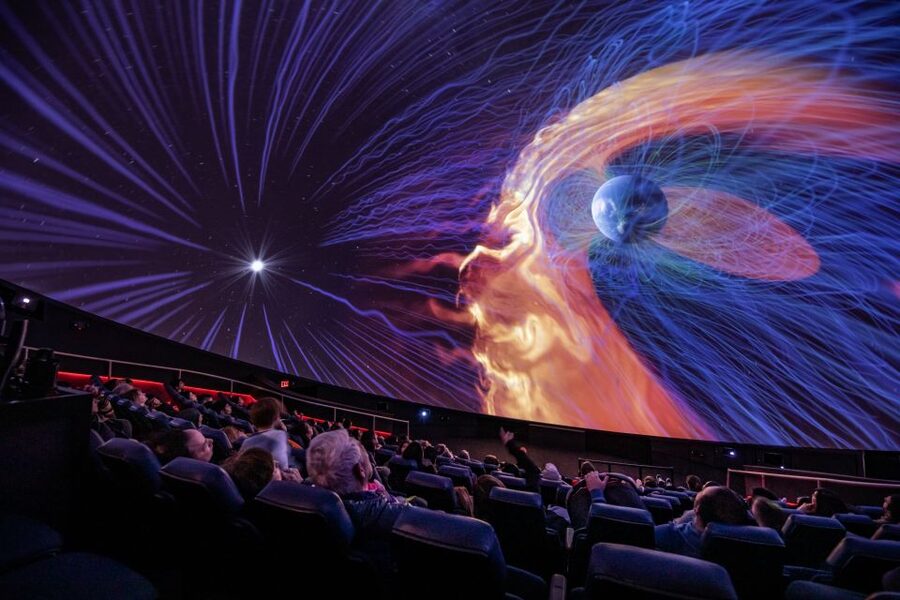
- A 20-minute space trip: The short running time works well for families and busy museum schedules.
- Shows change by date: Check the Burke Baker Planetarium schedule before choosing your time.
- Six listed programs: Options include Black Holes, Are We Really Alone?, Starry Night Express, and more.
- The dome is the star: Digital projection surrounds you with planets, stars, galaxies, and asteroid fields.
- Arrive early for the final show: The last presentation begins at 5:00 pm, with no late entry.
- One ticket means one show: General museum admission, food, and other presentations cost extra.
A short flight through the universe
The Burke Baker Planetarium is built for a quick change of scene. You leave the museum floor and sit beneath a dome designed for full-dome projection. The presentation then carries you away from Earth, across planetary surfaces, through star fields, and toward larger views of the universe.
That format matters because a planetarium is not just a film on a flat screen. The image surrounds your field of vision, so the sense of scale comes from looking above and around you rather than straight ahead. The high-resolution system is meant to show entire galaxies as well as smaller details on planets and other objects.
I would think of this as a focused add-on to your museum visit, not a stand-alone half-day activity. The show lasts about 20 minutes, so you will not spend hours here. That is good news if you have children, a packed Houston schedule, or only enough energy for one short presentation after visiting the museum’s larger exhibits.
The short format also limits what each program can explain. A show about black holes can introduce the subject and give you striking visuals, but it cannot cover every scientific detail. You are getting a concise introduction, not a university lecture.
More Observatory and Telescope Tours in the USA:
- Miami: Frost Museum of Science and Planetarium Entry Ticket
★ 4.5 · 429 reviews - Stargazing Tour with Telescopes and Video Astronomy in Sedona
★ 5.0 · 40 reviews - Sedona: Stargazing Tour with Telescopes and Video Astronomy
★ 4.8 · 9 reviews
Picking the right show from the changing schedule
The names of the available shows give you a useful sense of the range:
- Lamps of Atlantis
- Are We Really Alone?
- Black Holes
- Starry Night Express
- Dark Side of the Moon
- Passport to the Universe
The exact show depends on your date and time. Do not assume you can arrive and see your preferred title. Check the Burke Baker Planetarium website before booking, especially if one subject is the main reason you want to go.
If you want a broad tour of space, Passport to the Universe sounds like the safest choice from the listed options. One person who saw that program described it as a favorite and planned to return for more shows. That makes sense for a first visit, since a general trip across the cosmos should give you a wide introduction rather than concentrating on one topic.
Black Holes should appeal if you prefer a single big question. Are We Really Alone? points toward the search for life beyond Earth. Dark Side of the Moon suggests a more focused presentation, while Starry Night Express may suit you if you want a sky-themed program.
A program about what you can see in the sky on a particular night may be useful, but it could feel slow. One past booking paired a lively show with a slower night-sky presentation and found the second one boring. That is an important warning: the most educational title is not automatically the most entertaining one.
What the digital projection adds
The planetarium’s upgraded system uses digital planetarium software and a high-resolution projection setup. In practical terms, you should expect the dome to show more than a simple field of twinkling stars.
You may see planetary surfaces, asteroid fields, individual worlds, star groups, and complete galaxies. The goal is to make the scale of space easier to grasp. You can shift from a close look at a planet to a view that places that world inside a much larger cosmic setting.
This is especially helpful for children and for adults who find astronomy hard to picture from words alone. The shows are designed to illustrate ideas at a level that different ages can follow. One strong response praised the way a planetary presentation explained the mysteries of space in a way that both children and adults could understand.
Still, projection quality cannot fix every weakness in a script. A strong program will connect the images to a clear story. A slower or less focused one may leave you admiring the dome without learning much. I would choose your show by subject first, then use the technology as a bonus.
Seating and the view beneath the dome
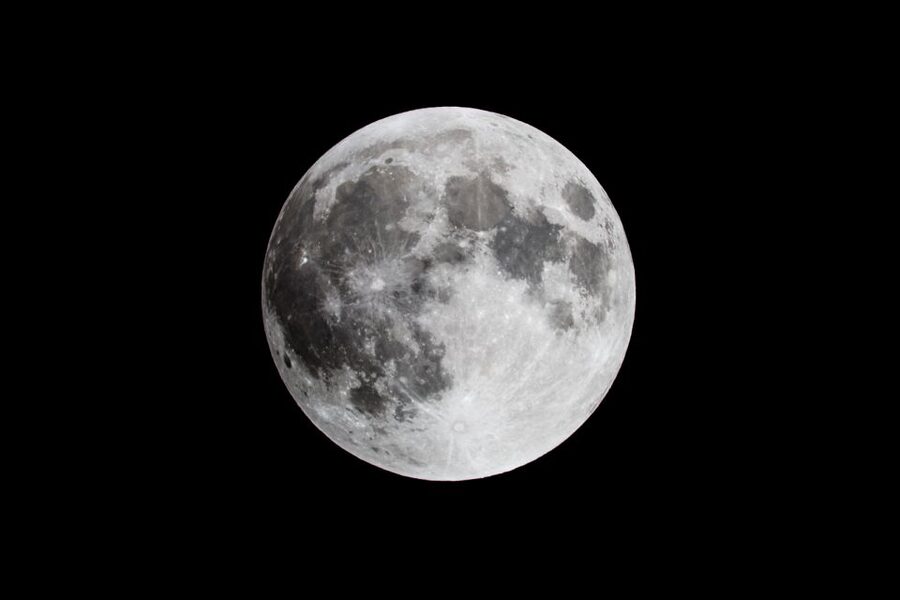
Your seat affects the presentation. One past attendee wished the chairs reclined farther, making it easier to see the full dome without moving the head from side to side. That is worth keeping in mind if you are sensitive to neck strain or expect a fully laid-back planetarium chair.
The dome is meant to fill your vision, but you may not find every angle equally easy to watch. A presentation with moving images can require you to follow activity across different parts of the ceiling. If you have a choice of seat, use common sense and avoid treating the show like a flat cinema screen. Keep your view comfortable and be ready to look around.
The planetarium is wheelchair accessible, which makes this short attraction more practical for a wider range of visitors. The available information does not specify seating procedures or companion arrangements, so contact the museum directly if you need those details confirmed before arrival.
Flash photography is not allowed. That rule protects the dark setting and keeps bright bursts from disturbing the presentation. Since the show lasts only 20 minutes, put the camera away and watch the dome.
Same dark skies, a different way to see them:
- Big Island GOAT Experience: Mauna Kea Summit, Sunset & Stars
★ 5.0 · 1,706 reviews - Small Group Big Island Twilight Volcano and Stargazing Tour
★ 5.0 · 1,619 reviews - Big Island: Mauna Kea Summit and Stars Small-Group Adventure Tour
★ 5.0 · 1,545 reviews - Sedona Stargazing Tours LLC
★ 4.5 · 881 reviews
How the timing works with a museum visit
The planetarium sits at the Houston Museum of Natural Science, but this ticket covers one show only. It does not include the museum’s other exhibits or presentations, food, drinks, or transportation to and from your hotel.
That separation matters when you plan your day. The planetarium ticket is not a complete museum admission ticket. If you want dinosaurs, other science galleries, or additional shows, you need to arrange those separately.
I would schedule the planetarium around the rest of your museum visit rather than treating it as the only reason to come. The 20-minute length makes it easy to place before or after exhibits, but the no-late-entry rule makes punctuality important. The final show is at 5:00 pm, and late entry is not allowed, so do not cut it close.
Spring break can bring heavy crowds to the museum. One March visit found the building very crowded, though staff were helpful and easy to find. If you visit during a busy school holiday, give yourself extra time to reach the planetarium and locate the entrance.
The meeting point is the Burke Baker Planetarium. No hotel pickup is offered, so you are responsible for reaching the museum and getting to the planetarium on time.
Is $12 good value for 20 minutes?
At $12 per person, the ticket is reasonably priced if you choose a subject you genuinely want to see. You are paying for a specialized dome presentation rather than general museum access, and the technology gives the show a different feel from a standard educational film.
The value is strongest when you are already spending time at the Houston Museum of Natural Science. A short planetarium show can break up a long museum visit, give children a clear change of pace, and add a visual explanation of astronomy that regular displays may not provide.
The value is weaker if you expect a full hour of content or a long guided lesson. One past booking felt that a roughly half-hour presentation cost too much at an earlier price of $8.80. The current listed price is $12, so you should make your choice based on the exact program, not only on the impressive equipment.
A second show may be available at a discount when booked through the same platform, according to one past booking. That offer may depend on current terms, so check the price before counting on it. If you are especially interested in astronomy, adding another show could be a better deal than stopping after one.
A museum membership may also make sense for people planning several visits or events. One enthusiastic museum visit suggested looking into membership for discounts and added value, but the planetarium ticket itself does not include membership benefits.
Who will enjoy this most?
I would recommend the planetarium to families who want an educational activity that lasts less than half an hour. The programs explain space in accessible terms, and the dome images give children something concrete to watch while they learn.
It also suits adults who enjoy astronomy but do not want to commit to a long lecture. Black Holes, Are We Really Alone?, and Passport to the Universe offer subjects with enough immediate appeal to make a short visit worthwhile.
The planetarium may disappoint you if you want to choose any show at any time. The program changes by date, and one of the slower presentations may not match your taste. You should also skip it if you strongly dislike looking upward for an extended period or if the $12 price feels high for a 20-minute program.
The experience works best for curious, flexible visitors. Check the schedule, choose the subject that grabs you, arrive early, and treat the show as one part of a larger museum day.
Booking, cancellation, and practical details
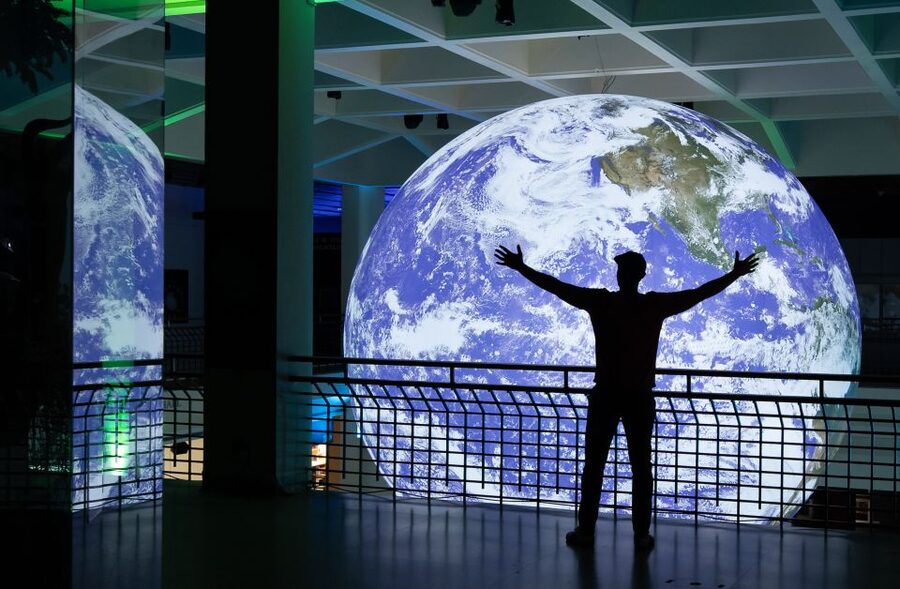
You can cancel up to 24 hours before the experience for a full refund. A reserve-now, pay-later option is also listed, which helps if your Houston plans may change.
The ticket includes one Burke Baker Planetarium show. Hotel pickup and drop-off are not included, and there is no food or drink included. You should plan those needs around the museum visit.
Show times vary, and the last show starts at 5:00 pm. There is no late entry for that final presentation, so arriving early is especially important. Most presentations last 20 minutes, though older information has referred to one as roughly half an hour.
The activity is wheelchair accessible. Flash photography is not allowed. For the most accurate show list, check the Burke Baker Planetarium website close to your visit.
Should you book the Burke Baker Planetarium?
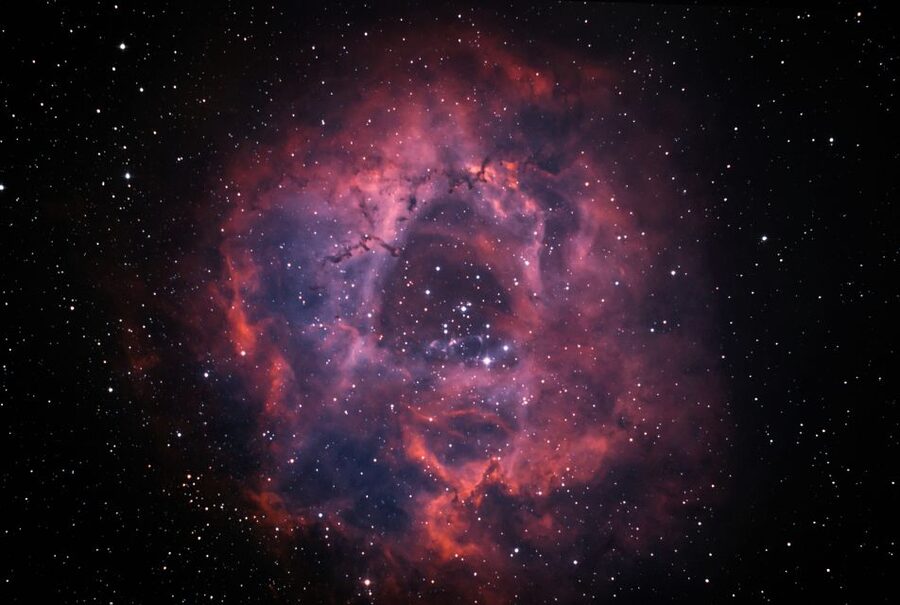
Book it if you want a short, visual introduction to space and you are already planning to visit the Houston Museum of Natural Science. The $12 price is fair when the selected program matches your interests, and the full-dome projection gives the visit a clear sense of occasion.
I would choose Passport to the Universe for a broad first look, or pick Black Holes and Are We Really Alone? if you prefer a specific question. Check the schedule before paying, since the title matters more than the ticket itself.
Skip it if you expect a long program, guaranteed access to a particular show, or reclining seats designed for a perfect dome view. For everyone else, this is a compact and worthwhile way to put the museum’s science displays into a much larger setting.
FAQ
How long does the planetarium show last?
Most shows last about 20 minutes.
How much does the planetarium ticket cost?
The listed price is $12 per person.
What does the ticket include?
The ticket includes one show at the Burke Baker Planetarium.
Does the ticket include Houston Museum of Natural Science admission?
No. Additional museum exhibits and other shows are not included.
Which planetarium shows are available?
Listed programs include Lamps of Atlantis, Are We Really Alone?, Black Holes, Starry Night Express, Dark Side of the Moon, and Passport to the Universe.
Can I choose the show I want?
Show titles vary by date and time. Check the Burke Baker Planetarium website for the current schedule before booking.
What time is the last show?
The last show begins at 5:00 pm.
Can I enter late?
No. Late entry is not allowed for the last show of the day.
Is the planetarium wheelchair accessible?
Yes, the activity is wheelchair accessible.
Can I take flash photos inside?
No. Flash photography is not allowed.
Can I cancel for a refund?
Yes. You can cancel up to 24 hours in advance for a full refund.
Just added around the USA
- Private Under the Stars Night-Time Tour of DC (Up to 5 Guests)★ 5.0 · 24 reviews
- Stargazing and Milky Way Portrait in Capitol Reef National Park★ 4.5 · 13 reviews
- Temecula Wine Country Stargazing Tour★ 5.0 · 2 reviews
- Skyway Light Show Tour Under the Stars★ 5.0 · 5 reviews
- Astronomy and Stargazing Tour in Utah★ 5.0 · 8 reviews
- PRIVATE Sedona Jeep Tour 4X4 Stargazing Tour at Night★ 4.5 · 11 reviews
- Sunset Sedona Sacred Places -gourmet picnic dinner and stargazing★ 5.0 · 12 reviews
- Private Stargazing – Sequoia National Park★ 4.5 · 14 reviews
Observatory & Telescope Tours, compared.

Teide by Night: Sunset & Stargazing with Telescopes Experience
Read our review →
Miami: Frost Museum of Science and Planetarium Entry Ticket
Read our review →
National Park Astronomy Tour with Telescope and Photo
Read our review →
Teide National Park: Guided Large Telescope Stargazing Tour
Read our review →
Levi: Northern Lights Tour and Stargazing by Telescope
Read our review →
Mount John Observatory Stargazing Experience, Tekapo
Read our review →
Browse the lists this tour appears in