
REVIEW · STARGAZING WITH WINE & TASTINGS
Temecula Wine Country Stargazing Tour
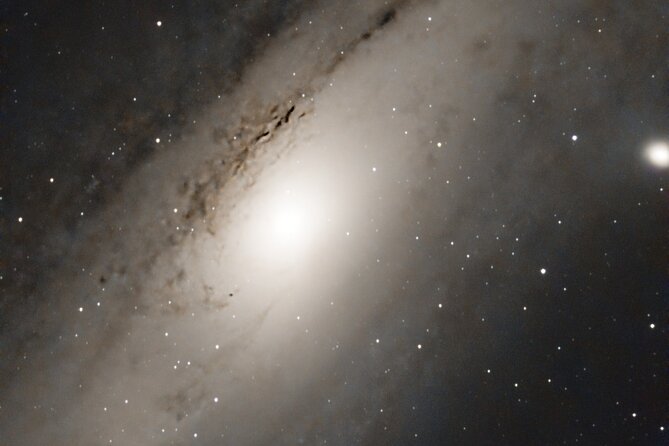
The Moon is only the opening act on this one-hour Temecula stargazing tour. Mike guides you from familiar sights near Earth to planets and then distant nebulae, star clusters, and galaxies, using both a traditional visual telescope and a smart scope that shows how modern astrophotography captures the night sky.
I like the small six-person limit, which gives everyone a better chance to look through the telescope and ask questions. I also like the hands-on approach: you do not simply hear a talk, you get time with the equipment and an introduction to electronic sky imaging.
The main consideration is timing. The tour begins about an hour after sunset, so the start can range from roughly 6:30 p.m. in winter to 8:30 p.m. in summer. You will also walk over some uneven ground, and poor weather can cancel the evening.
Key points to know before booking
- Mike leads a personal, question-friendly session: He has been praised for patience, clear explanations, and making special efforts to accommodate the group.
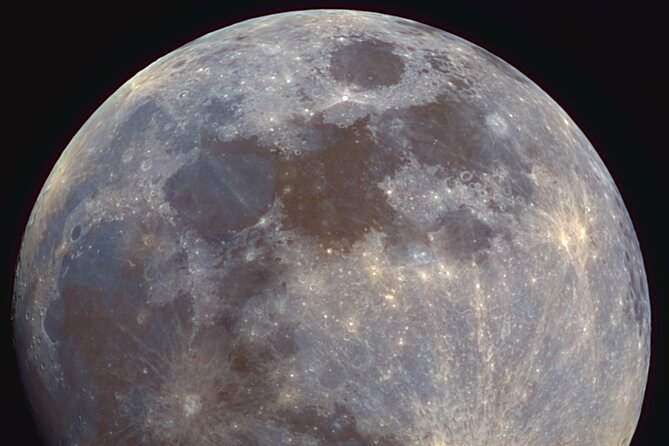
- The night begins with the Moon: You will view it by eye and through the equipment before moving farther into the solar system.
- Two types of telescope are provided: A visual telescope gives a direct look, while a smart telescope demonstrates electronic astrophotography.
- The route changes with the season and Moon cycle: Planets and deep-sky objects depend on what is visible on your date.
- The group is limited to six people: That matters when everyone wants time at the eyepiece.
- The price is $75 per person: For a one-hour, equipment-based session, the value depends on how much you want personal instruction rather than a long general tour.
Starting near Rancho California Road after sunset
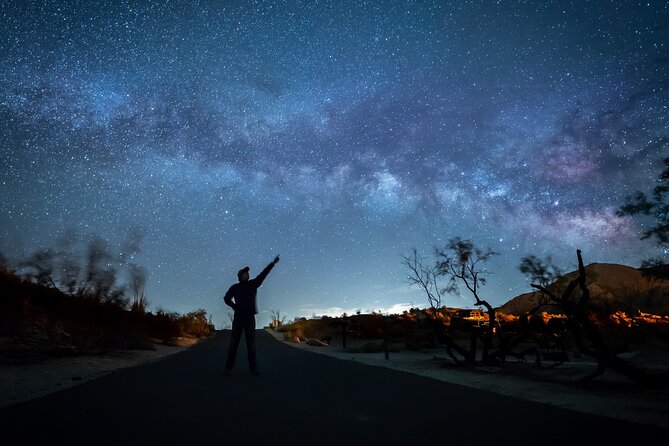
You meet near Rancho California Road in Temecula and finish at the same meeting point. There is no private transportation included, so you need to arrange your own way there and back.
The start time is tied to sunset rather than a single fixed hour. In winter, the session normally begins around 6:30 p.m. Spring and fall usually put the start near 7:30 p.m., while summer can push it to about 8:30 p.m. Check the exact time for your date before you plan dinner or another evening activity.
This schedule makes practical sense. The sky needs to darken before the dimmer objects become useful targets, and the tour can then follow the night sky rather than a rigid daytime timetable. The tradeoff is that a summer session may finish later than you expect, even though the activity itself lasts only about an hour.
Bring your attention to the sky, not a packed agenda. With a short experience like this, arriving ready to begin helps you get more time at the telescopes instead of spending part of the session getting organized.
More Stargazing Nights with a Tasting in the USA:
- La Palma: Roque de los Muchachos Stargazing Tour with Wine
★ 4.4 · 624 reviews - Dinner in the vineyard and wine tasting under the stars
★ 4.9 · 41 reviews - Private Wine Tasting Under The Stars With Sunset Panorama
★ 5.0 · 19 reviews
First targets: the Moon through two kinds of equipment
Most sessions begin with the Moon, Earth’s nearest celestial neighbor. That is a smart starting point because it gives you something familiar and bright before the guide moves to fainter objects farther away.
You will view the Moon visually and electronically. The visual telescope lets you look directly through the instrument. The smart telescope adds a different experience by displaying an electronically gathered image, offering a simple introduction to the methods used to create striking astrophotographs.
The hands-on part matters. At many astronomy talks, the guide does all the work while the audience watches. Here, everyone is intended to have time with the equipment. In a group of no more than six, that should make it easier to see clearly, ask what you are looking at, and follow the transition from one target to another.
The Moon also works well for mixed groups. Someone new to astronomy can begin with a target that is easy to recognize, while a more experienced sky watcher can pay attention to details in the telescope view and the difference between direct and electronic viewing.
Keep in mind that the exact Moon view changes with the lunar cycle. A full Moon is bright but can wash out some fainter objects. A thinner Moon may offer a different appearance and leave darker skies for the later part of the session. The tour varies through the year, so you should not expect the exact same program on every date.
Planets depend on the date and the hour
After the Moon, Mike moves farther into the solar system. The planets available depend on the date, their position in the sky, and the time of the session. This means the tour is not a fixed checklist in which every person sees the same set of planets.
That variable schedule is worth understanding before you pay. If you have your heart set on one particular planet, the supplied details do not promise that it will be visible on your evening. What you can expect is an effort to show whatever planets are available during the tour.
This is one reason a small guided session has value. You do not need to know where to look or how to identify a planet. The guide handles the search and gives the group a way to connect a bright point in the sky with a real place in the solar system.
I would treat the planetary portion as part of a changing program, not the sole reason to book. The Moon may lead the evening, a planet may follow, and the final targets may shift according to the season and lunar conditions. That keeps the experience tied to the actual sky above you.
Nebulae, star clusters, and galaxies at the far end
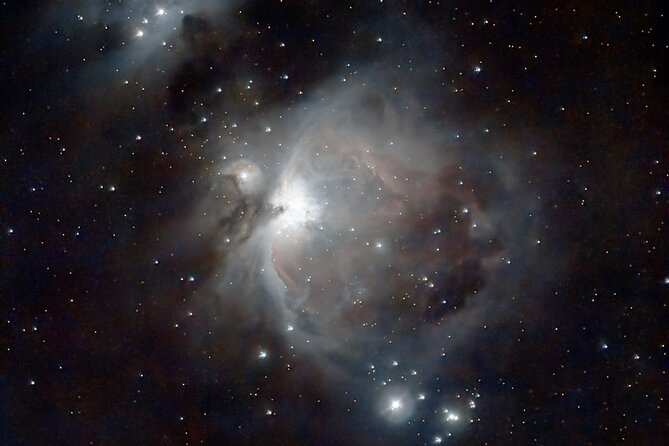
The final step moves beyond the solar system to deep-sky objects. These include nebulae, star clusters, and galaxies, each offering a different kind of view.
A star cluster may appear as a gathering of individual points. A nebula can show as a hazy cloud or electronic image. A galaxy is far more distant, and its appearance can depend heavily on darkness, equipment, and atmospheric conditions. The tour description does not promise specific objects, so the best approach is to expect a selection based on what is visible that night.
This part can produce the most dramatic change in scale. You begin with the Moon, something close enough to feel familiar, and end by looking toward objects far outside our solar system. The guide’s job is not only to point the telescope but also to help you understand what kind of object you are seeing.
The smart scope is especially useful here. Faint objects can be hard to appreciate through a basic visual view, while an electronic image can gather light and reveal more structure. You will also receive an introduction to astrophotography, showing how advanced telescopes create images that look far more detailed than a quick glance through an eyepiece.
That does not turn this into a full photography workshop. It is an introduction, included as part of the night-sky session. If you are curious about how striking astronomy images are made, it adds useful context without requiring you to bring your own camera.
More Wine Trips in the USA:
- Wine tasting under the Stars in the vineyards of Agrigento
★ 5.0 · 3 reviews
Why the six-person limit changes the experience
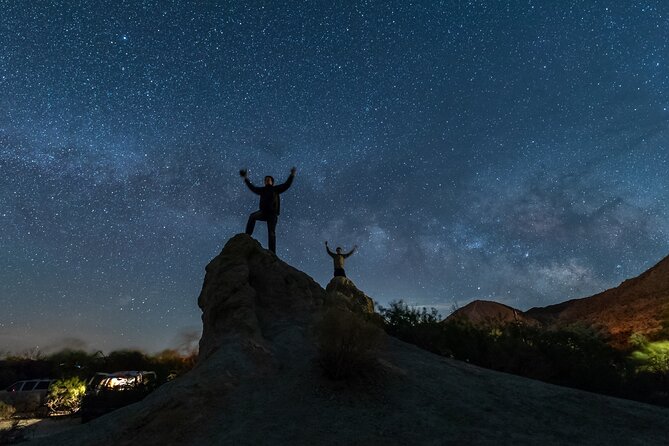
The maximum group size is six people. For an activity built around looking through equipment one person at a time, that is an important detail.
A larger crowd can create long waits and make questions difficult. Here, you should have a better chance of getting hands-on time with both telescopes. The guide can also respond to individual questions, which is useful if one person wants basic explanations and another wants to ask about astrophotography.
The small group does not guarantee a private tour. The experience is still shared, and the hour has to be divided among everyone. Still, six is a manageable number for a telescope session, particularly when each person wants a turn and the night sky is changing.
Mike’s style seems suited to this format. He has been described as patient with questions and willing to accommodate the group. One account also notes that he went out of his way to help make the stargazing possible. That points to a guide who treats the session as a personal experience rather than a quick presentation.
What $75 buys you in practical terms
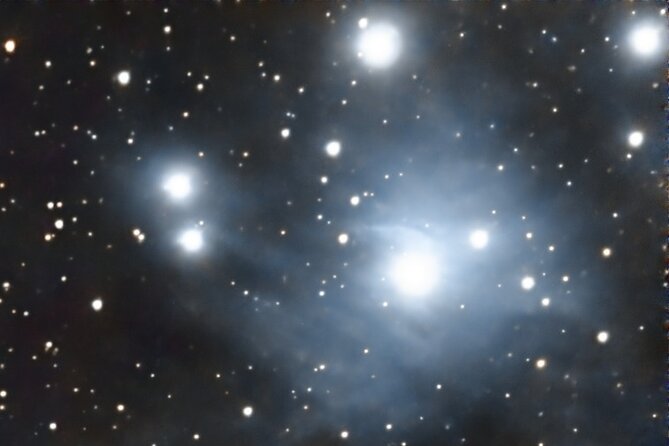
The price is $75 per person. The included equipment is a visual telescope, a smart telescope, and camp chairs. Private transportation is not included.
At first glance, one hour for $75 may feel expensive if you measure value by time alone. I would judge it differently. You are paying for access to specialized equipment, a guide who locates and explains celestial objects, a small group, and an organized session that would be difficult to reproduce without knowing the sky or owning the gear.
The value is strongest if you want instruction and a chance to use the equipment. It is less compelling if you simply want to sit outdoors and look at stars for several hours. This is a guided telescope experience, not a long evening campout.
The included camp chairs are a small but useful touch. You will not need to remain standing for the session, though the information only confirms that chairs are provided, not that the location has other facilities. Wear practical clothing for an outdoor night activity and be ready for some uneven walking.
For families and friends, the shared format can also make the price easier to justify. One person can ask a beginner question, another can compare the two telescope views, and everyone can react to the same object. Two previous bookings praised Mike’s patience and the chance to learn, which is exactly where this experience offers more than simply downloading a stargazing app.
Weather, uneven ground, and other practical limits
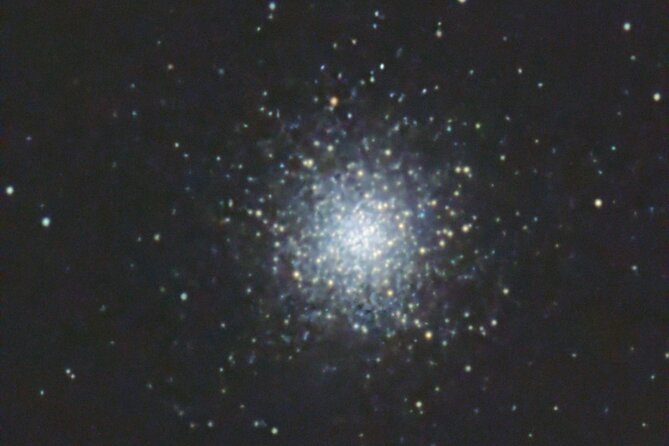
This activity requires good weather. If poor conditions cancel the session, you can receive a full refund or choose a different date. That policy is important because clouds can erase the main reason for booking, and no guide can solve that problem with better equipment.
You can cancel for a full refund if you do so at least 24 hours before the start time. Cancellations or changes made within 24 hours are not accepted and are not refunded. If the minimum number of people is not met, you will be offered another date or experience, or a full refund.
Some walking over uneven terrain is required. Most people can participate, and service animals are allowed, but the ground is not described as fully smooth or accessible. If uneven surfaces are a concern, ask for more detail before booking.
The tour is offered in English. Confirmation arrives at booking, and the experience returns to the original meeting point rather than ending at a separate location.
Who will enjoy this Temecula night tour most
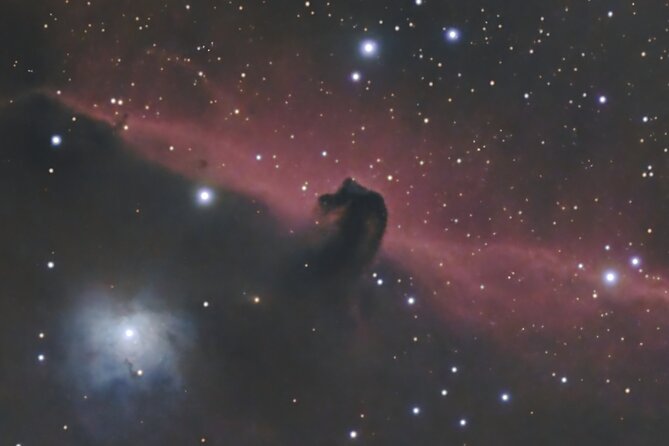
I would recommend this to someone who wants a clear introduction to astronomy without committing to a long observatory program. The short format works well if you are adding one evening activity to a Temecula visit, and the small group gives the experience a personal feel.
It also suits families and friend groups who ask lots of questions. Mike’s patience is a real asset here, especially when the group includes people with different levels of astronomy experience. The smart scope adds a modern angle that may interest anyone curious about how telescope images are produced.
It is a good choice for a repeat visit too. Since the targets change with the season and lunar cycle, another date could offer a different set of objects. The experience is not presented as identical every time.
I would hesitate if you need private transportation, dislike outdoor walking, or want a longer session. I would also avoid booking solely to see one named planet, since the available planets depend on the date and sky conditions.
Should you book the Temecula Stargazing Tour?
Book it if you want a small, hands-on astronomy session with a guide who welcomes questions and uses both traditional and electronic equipment. The Moon, planets, deep-sky objects, and astrophotography demonstration give the hour a sensible flow from nearby to distant.
Skip it if your priority is a long night under the stars, guaranteed views of a particular planet, or transportation from your hotel. At $75 per person, the experience makes the most sense for someone who values guidance, telescope access, and a small group more than sheer duration.
For the best chance of a satisfying evening, check the start time, confirm the weather, arrive at the Rancho California Road meeting point prepared for uneven ground, and keep your schedule flexible. The sky decides part of the program, which is both the limitation and the charm.
FAQ
Where does the Temecula Stargazing Tour meet?
The meeting point is near Rancho California Road in Temecula, California. The activity ends back at the same meeting point.
How long does the stargazing experience last?
The tour lasts approximately one hour.
What time does the tour begin?
The start time varies through the year and normally begins about one hour after sunset. Typical times are around 6:30 p.m. in winter, 7:30 p.m. in spring, 8:30 p.m. in summer, and 7:30 p.m. in fall.
What can I see during the tour?
The session normally begins with the Moon, then moves to any planets available during the tour, followed by deep-sky objects such as nebulae, star clusters, and galaxies.
What equipment is provided?
A visual telescope, a smart telescope, and camp chairs are included.
Is transportation included?
No. Private transportation is not included, and you need to make your own way to the meeting point.
How many people can join the tour?
The activity has a maximum of six people.
What happens if the weather is poor?
If poor weather causes a cancellation, you will be offered a different date or a full refund. You can also cancel at least 24 hours before the start time for a full refund.
Just added around the USA
- Private Under the Stars Night-Time Tour of DC (Up to 5 Guests)★ 5.0 · 24 reviews
- Stargazing and Milky Way Portrait in Capitol Reef National Park★ 4.5 · 13 reviews
- Skyway Light Show Tour Under the Stars★ 5.0 · 5 reviews
- Astronomy and Stargazing Tour in Utah★ 5.0 · 8 reviews
- Sunset Sedona Sacred Places -gourmet picnic dinner and stargazing★ 5.0 · 12 reviews
- Private Stargazing – Sequoia National Park★ 4.5 · 14 reviews
- PRIVATE Sedona Jeep Tour 4X4 Stargazing Tour at Night★ 4.5 · 11 reviews
- Sedona Night Hike and Stargazing★ 5.0 · 7 reviews
Stargazing with Wine & Tastings, compared.
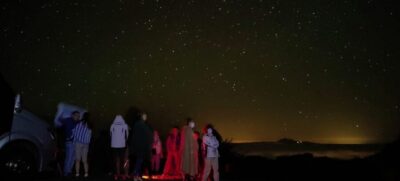
Roque de los Muchachos Stargazing Tour with Wine
Read our review →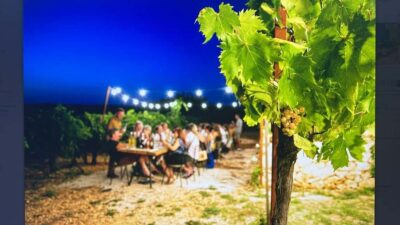
Dinner in the vineyard and wine tasting under the stars
Read our review →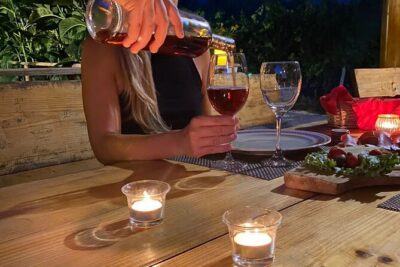
Private Wine Tasting Under The Stars With Sunset Panorama
Read our review →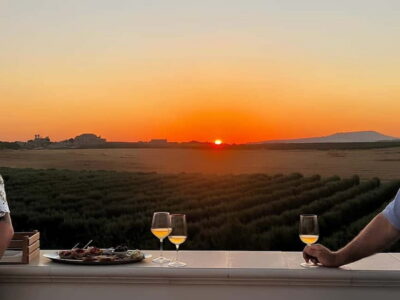
Wine tasting under the Stars in the vineyards of Agrigento
Read our review →Browse the lists this tour appears in