
REVIEW · USA
Astronomy and Stargazing Tour in Utah
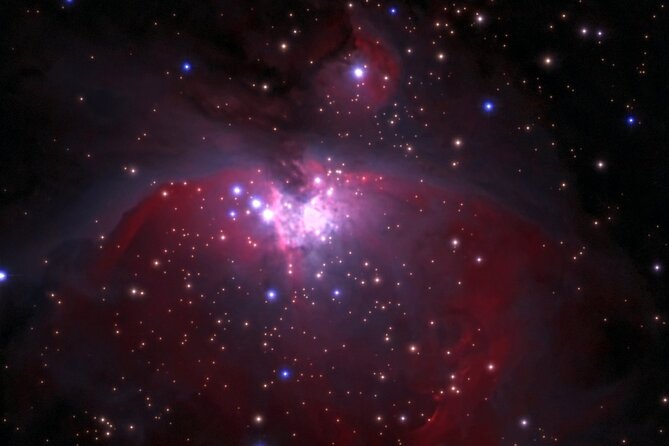
Utah’s night sky is the main event here. At a dark-sky location near Virgin, you’ll settle into a chair, follow constellations across the heavens, and use powerful telescopes to look for the Moon, Saturn, glowing nebulae, and distant galaxies. This is astronomy with a human voice, not just a quick glance through a telescope.
I like two things in particular: the private format, which keeps the evening focused on your group, and the mix of science and old sky stories. Guide Jen is described as especially informative, and one evening only improved after the group waited out cloud cover. Patience can pay off when weather briefly hides the stars.
The main consideration is weather. Clouds can delay the best views, and the activity requires good conditions. The listed duration is about 1 hour 30 minutes, while the description calls it a one-hour astronomy tour, so plan for roughly 90 minutes rather than counting on a tightly timed hour.
Key points to know before you book
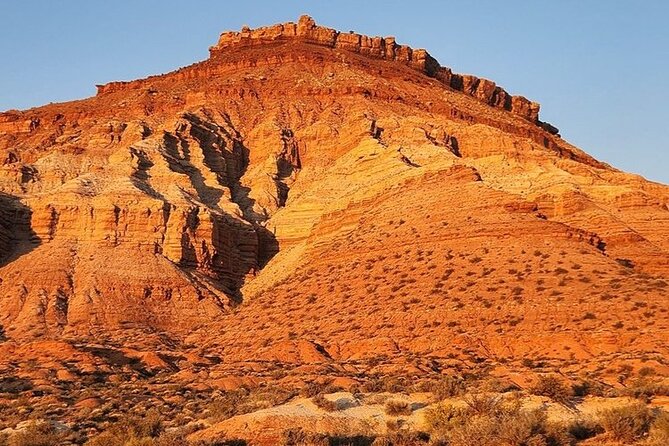
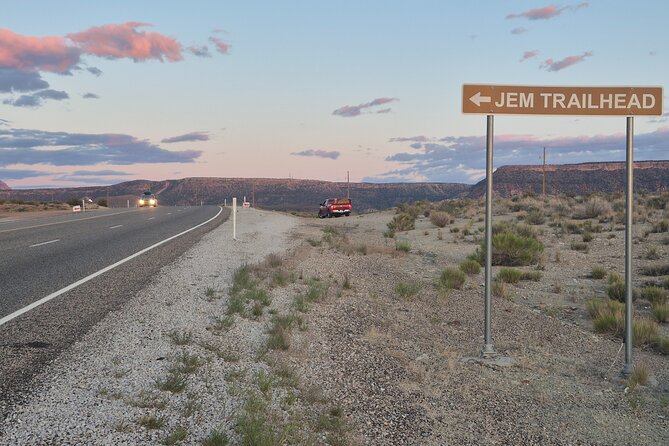
- Meet near Virgin at Jem Trailhead: The starting point is on State Highway 59, a useful detail when planning your evening around St. George or nearby Utah sights.
- Look through powerful telescopes: The program may feature Saturn, the Moon, giant stars, galaxies, and nebulae, depending on the night and conditions.
- Private means only your group attends: You are not joining a large public crowd, which should make questions and telescope time more personal.
- Guide Jen brings the sky to life: The experience combines astronomy with constellation stories and the ways stars once helped people travel.
- Clouds can change the evening: If poor weather cancels the tour, you can choose another date or receive a full refund.
- Budget $80 per person: The price makes the most sense for visitors who want guided telescope viewing rather than simply looking up on their own.
Why this Utah night sky experience works

The best reason to book is simple: a dark sky changes the way you see the universe. Away from bright city lights, more stars become visible, and the sky feels broader and less familiar. You are not only looking at bright points overhead. You are learning how to identify patterns, objects, and stories within them.
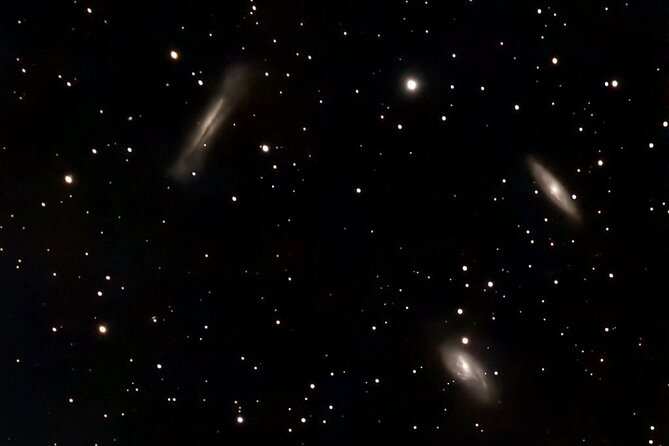
The tour begins with nearby celestial targets. That may mean the Moon, Saturn, or a bright giant star. These objects give you an easy entry into astronomy because a telescope can reveal details that your eyes cannot. The Moon may show its rough, cratered surface. Saturn may appear as a tiny but unmistakable world with rings. A bright star gives you a sense of how astronomy begins with light before moving toward much farther objects.
The exact objects depend on the night. That matters. Astronomy is not a fixed museum display, and the sky changes with the season, the weather, and the position of the planets. You should treat the tour as a guided look at what is available at that time, not as a promise of one particular planet or galaxy.
More Stargazing Tours in the USA:
- Small Group Big Island Twilight Volcano and Stargazing Tour
★ 5.0 · 1,619 reviews - Sedona Stargazing Tours LLC
★ 4.5 · 881 reviews - Hilo: Mauna Kea Summit, Sunset, & Stargazing Experience
★ 4.8 · 629 reviews
Meeting at Jem Trailhead near Virgin
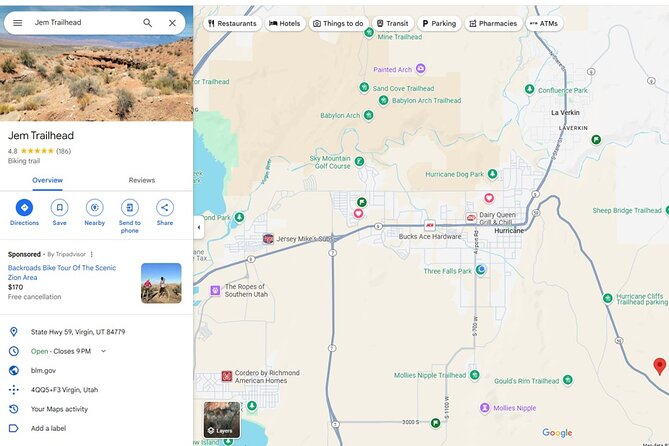
You meet at Jem Trailhead, State Highway 59, Virgin, Utah 84779. This puts the activity outside St. George proper, so you need to allow time to reach the meeting point and return afterward. The information provided does not include transportation from St. George, so plan on making your own way to the trailhead.
The location matters because the tour is built around darker skies. Streetlights and city glow can wash out faint stars, galaxies, and nebulae. A site away from dense lighting gives the telescope and your eyes a better chance to show the sky at its best.
The experience ends back at the meeting point. That keeps the arrangement straightforward, especially if you are fitting the tour into a wider Utah road trip. You do not need to arrange a separate endpoint, but you should be ready for a nighttime drive after the session.
What happens during the roughly 90 minutes
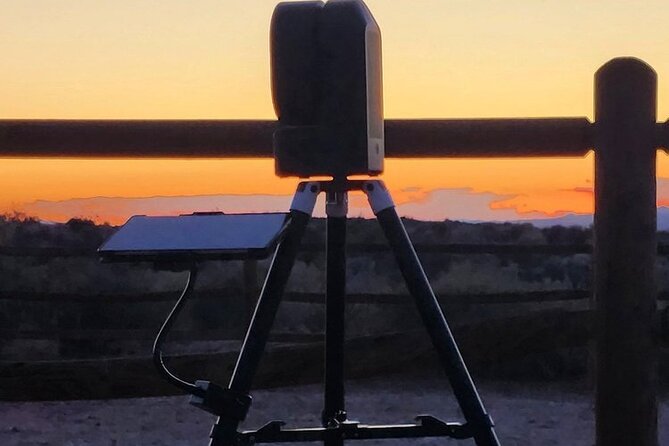
The evening starts with telescope viewing. The guide may point out the Moon, Saturn, a giant star, or another bright object that works well under the current conditions. This first stage is especially helpful if you are new to astronomy because it gives you something clear and familiar to focus on.
You then settle into a chair while the guide traces constellations overhead. The point is not simply to memorize star shapes. You learn the stories attached to those patterns, along with their modern meaning and their practical use in earlier times.
Stars once helped people cross oceans and deserts. That context gives the sky a human scale. A constellation is not just a collection of points. It is also a record of how people found direction, passed down stories, and made sense of a dark night.
As the session continues, the guide turns toward fainter objects. You may see a distant galaxy or a glowing nebula through the telescope. These targets often require more patience than the Moon or a bright planet, and cloud cover can affect what is possible.
The supplied description gives an approximate duration of 1 hour 30 minutes, while also describing the astronomy portion as one hour. I would plan around the longer figure. The difference may reflect setup, transitions, or a flexible schedule, but you should not book another activity immediately afterward.
The telescope targets you might see
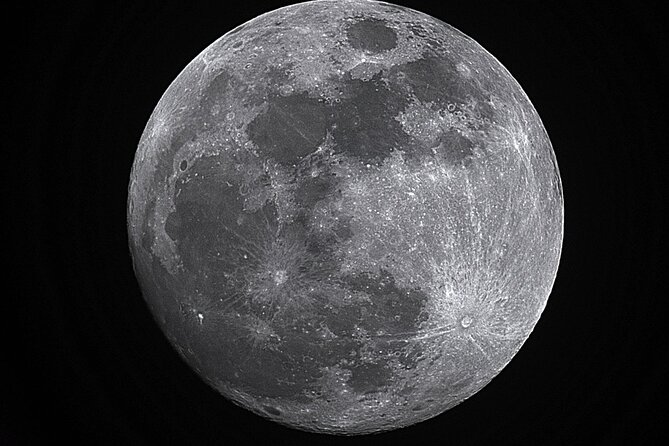
The Moon is often an excellent first target because its surface has visible texture. Even without advanced astronomy knowledge, you can understand what you are seeing: a nearby rocky body marked by craters and shadows.
Saturn offers a different kind of thrill. Its rings are one of the few astronomical features that can feel instantly recognizable through a telescope. The view will depend on the season, the equipment, and the night, so Saturn should be considered a possible target rather than a guaranteed one.
The tour may also show a bright giant star. This helps connect the personal scale of the constellations with the physical scale of the universe. A point of light can be a huge, distant sun, even if it looks small from Earth.
Later, the focus may move to galaxies and nebulae. These objects are much farther away and may appear less dramatic to the naked eye than the Moon or Saturn. Their appeal comes from what they represent: enormous collections of stars, or glowing clouds of gas spread across space.
The guide’s role is important here. A faint smudge can be easy to miss if you do not know what to look for. With an explanation of what the telescope is showing, that small patch of light becomes a place in space rather than a vague blur.
Same dark skies, a different way to see them:
- Big Island GOAT Experience: Mauna Kea Summit, Sunset & Stars
★ 5.0 · 1,706 reviews - Big Island: Mauna Kea Summit and Stars Small-Group Adventure Tour
★ 5.0 · 1,545 reviews - Miami: Frost Museum of Science and Planetarium Entry Ticket
★ 4.5 · 429 reviews - The Original Sedona UFO and Stargazing Night Tour
★ 4.5 · 269 reviews
A private tour with room for questions
Only your group participates, which is a real advantage at $80 per person. A private format usually means you can ask basic questions without feeling self-conscious, and the guide can keep the conversation at the level your group prefers.
That flexibility suits mixed groups. A child may want to know how planets work, while an adult may care more about navigation, ancient sky stories, or the size of a galaxy. The tour description is designed for both curious beginners and people who already spend time stargazing.
The private setting also changes the mood. A large group can make telescope viewing feel rushed, with people waiting in line or competing for the guide’s attention. Here, your group shares the evening together. The information does not say how many people can attend, so you should not assume that a private booking means a tiny party, but it does confirm that no outside group will join yours.
Guide Jen and the value of storytelling
Guide Jen is specifically praised for being informative, and that fits the structure of the evening. This is not presented as a silent telescope session. The guide explains what you are seeing, names constellations, and connects them to older stories and practical navigation.
That storytelling matters because many sky objects are difficult to appreciate without context. A galaxy can look like a faint blur. A constellation can look like random stars. The guide gives you a reason to keep looking and a way to remember what you saw later.
The experience also avoids treating astronomy as a list of technical facts. You get science, but you also get the history of how people used the sky. That balance should work well if you want something thoughtful but not overly academic.
Clouds, patience, and the weather factor
Weather is the one major variable. The experience requires good weather, and it may be canceled if conditions are poor. If that happens, you can choose a different date or receive a full refund.
Even when a tour goes ahead, clouds may interfere for part of the evening. One reported outing began with concern about cloud cover, then improved when the group waited. That is useful advice: do not assume a few clouds mean the night is lost.
At the same time, patience has limits. A 90-minute activity can feel short if much of it is spent waiting for clear patches. If the forecast looks uncertain, keep your evening schedule flexible and avoid treating this as a guaranteed checklist of planets and galaxies.
Because the tour takes place at night, conditions also affect comfort. The supplied information does not specify seating beyond mentioning a cozy chair, and it does not list clothing or equipment requirements. Use the weather forecast to decide what to wear, but do not expect a detailed gear list from the booking information.
Is $80 per person a fair price?
At $80 per person, this is not a casual free look at the stars. You are paying for a private activity, a guide, telescope access, dark-sky positioning, and an organized explanation of what appears overhead.
The value is strongest if you are new to astronomy or want a more personal evening. Without guidance, you can look at the sky, but you may not know which objects to find or how to identify a galaxy, nebula, or constellation. The guide adds structure and meaning to the view.
The price may feel less attractive if you already own a telescope and regularly stargaze on your own. It may also feel high if poor weather limits the session. The free-cancellation policy helps reduce that risk, provided you cancel at least 24 hours before the start time.
I would compare the cost with what you want from the evening. If you want a quiet, guided introduction with your own group, $80 is reasonable. If you only want a quick planet sighting and do not care about sky stories, you may not get as much from it.
Who will enjoy this most?
This tour fits first-time stargazers, couples, families, and small groups of friends who want a calm evening away from daytime sightseeing. The program is built for curious beginners, but people with more astronomy experience can still appreciate access to a dark-sky location and a private guide.
It is also a good choice for anyone who likes travel experiences with a sense of place. The sky stories and navigation history connect the astronomy to the wider desert region without turning the evening into a conventional lecture.
You should think twice if your schedule is rigid, your group dislikes waiting on weather, or you need guaranteed views of one particular object. Astronomy has no fixed script. The guide can point out what the night offers, but clouds and visibility remain part of the deal.
Most people can participate, and service animals are allowed. The activity is offered in English. No special ability restriction is stated, but the experience takes place outdoors at night, so consider your group’s comfort with that setting.
Booking and cancellation details that matter
You receive confirmation at the time of booking, and the ticket is mobile, which keeps arrival simple. The tour is booked an average of 32 days ahead, so popular dates may fill well before your Utah trip.
You can cancel for a full refund up to 24 hours before the start time. Cancellations and changes made less than 24 hours before the activity are not refunded or accepted, and the cut-off follows local Utah time.
The weather policy is more flexible. If poor weather forces cancellation, you are offered another date or a full refund. That is worth noting when you plan an evening around the tour, since the final decision may depend on conditions rather than your own schedule.
Should you book Dark Skies Astronomy Tours?
Book it if you want more than a quick look overhead. The private group setting, telescope viewing, dark-sky location, and constellation storytelling make this a strong choice for a first astronomy experience near St. George. Guide Jen’s clear, informative approach is another reason to expect a thoughtful evening.
Skip it if you need a guaranteed view of Saturn, the Moon, or a specific galaxy, or if your plans cannot handle weather changes. For everyone else, especially people willing to wait out a few clouds, this offers a memorable way to trade Utah’s daytime red rock for a sky full of older, farther wonders.
FAQ
Where does the astronomy tour meet?
The tour meets at Jem Trailhead on State Highway 59, Virgin, Utah 84779, USA.
Where does the activity end?
The activity ends back at the meeting point at Jem Trailhead.
How much does the tour cost?
The listed price is $80 per person.
How long does the tour last?
The approximate duration is 1 hour 30 minutes. The activity description also refers to a one-hour astronomy tour, so allow about 90 minutes.
What language is the tour offered in?
The tour is offered in English.
Is the tour private?
Yes. Only your group participates in the activity.
Will I use a telescope?
Yes. The experience includes powerful telescopes for viewing possible targets such as the Moon, Saturn, stars, galaxies, and nebulae.
Are service animals allowed?
Yes. Service animals are allowed.
What happens if the weather is poor?
The experience requires good weather. If it is canceled because of poor weather, you can choose another date or receive a full refund.
Just added around the USA
- Private Under the Stars Night-Time Tour of DC (Up to 5 Guests)★ 5.0 · 24 reviews
- Stargazing and Milky Way Portrait in Capitol Reef National Park★ 4.5 · 13 reviews
- Temecula Wine Country Stargazing Tour★ 5.0 · 2 reviews
- Skyway Light Show Tour Under the Stars★ 5.0 · 5 reviews
- PRIVATE Sedona Jeep Tour 4X4 Stargazing Tour at Night★ 4.5 · 11 reviews
- Sunset Sedona Sacred Places -gourmet picnic dinner and stargazing★ 5.0 · 12 reviews
- Private Stargazing – Sequoia National Park★ 4.5 · 14 reviews
- Sedona Night Hike and Stargazing★ 5.0 · 7 reviews
USA Stargazing Tours, compared.
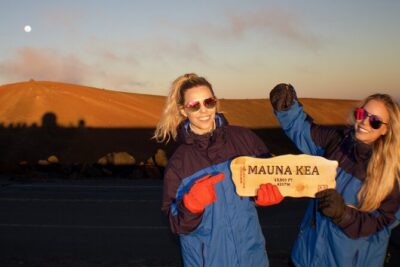
Big Island GOAT Experience: Mauna Kea Summit, Sunset & Stars
Read our review →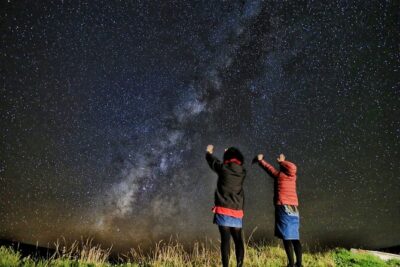
Small Group Big Island Twilight Volcano and Stargazing Tour
Read our review →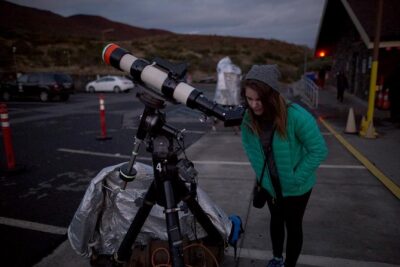
Mauna Kea Summit and Stars Small-Group Adventure Tour
Read our review →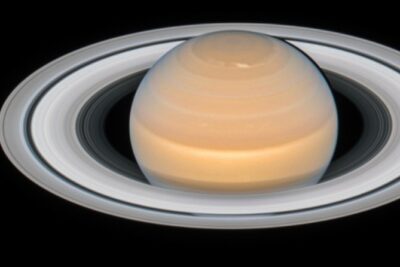
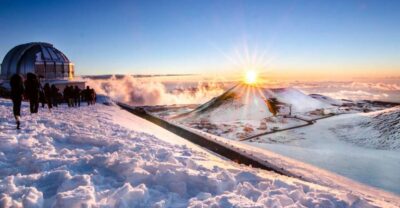
Mauna Kea Summit, Sunset, & Stargazing Experience
Read our review →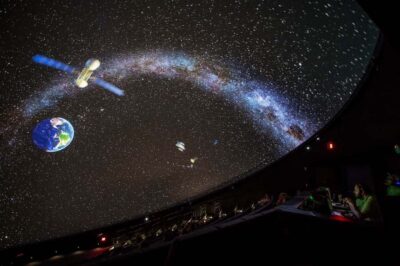
Miami: Frost Museum of Science and Planetarium Entry Ticket
Read our review →
The Original Sedona UFO and Stargazing Night Tour
Read our review →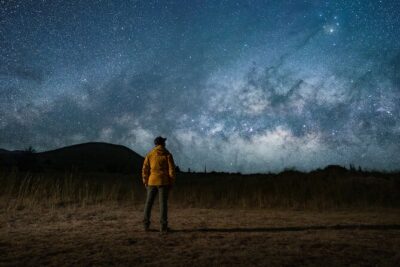
Browse the lists this tour appears in