
REVIEW · MAUNA KEA
Mauna Kea Stargazing Experience + Photos
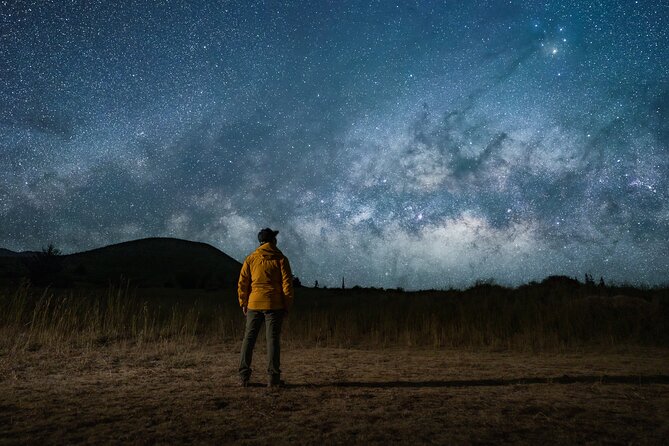
The best part of this Big Island night tour is the quiet, remote viewing site, far from the headlights and crowds around the usual visitor-center area. An astronomer guides you through nebulae, galaxies, star clusters, and local sky lore while a professional photographer works on Milky Way portraits.
I like the stargazing guarantee: if clouds block the stars, you get a full refund. I also like that parkas, blankets, reclining chairs, and medium-resolution photos are included. The main catch is the price, $299 per person, plus the need to drive yourself up a dark, narrow mountain road.
Key points to know before booking
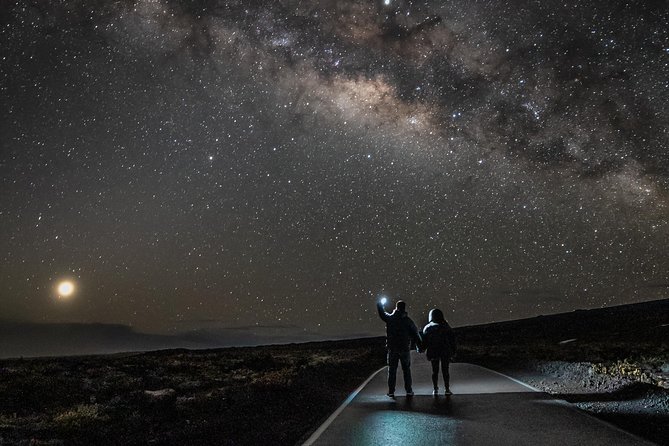
- Remote viewing locations: The group may use a site on Mauna Kea or Mauna Loa to avoid crowds, headlights, and poor conditions.
- Expert-led star talk: Guides such as James and Dylan explain the sky, answer questions, and use a green laser pointer with a Celestron Origin smart telescope.
- Photos included: A professional astro-photographer takes private group portraits and sends medium-resolution files, with higher-resolution upgrades available.
- Cold conditions: Temperatures can reach about 30 F. Parkas are supplied, but bring gloves, a hat, warm layers, and sturdy closed-toe shoes.
- No hotel transportation: You drive to the Puʻu Huluhulu Cinder Cone parking lot and return there after the session.
- Weather protection: If clouds prevent stargazing, the company offers a full refund rather than pretending a cloudy night is good enough.
Why this is different from simply looking at stars yourself
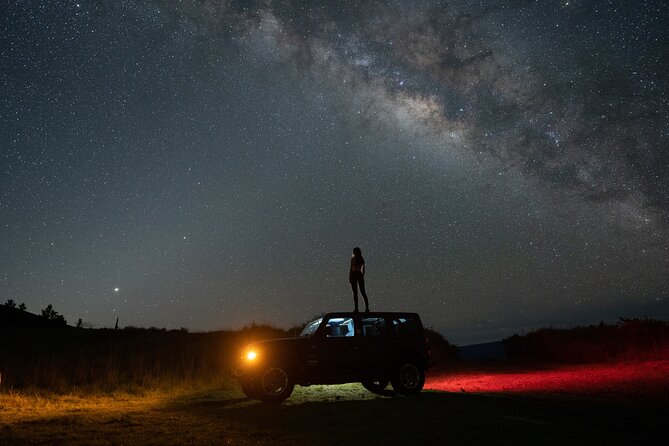
The Big Island has excellent night skies, but finding a dark place is only part of the problem. You also need to know what you are looking at, keep a camera steady in the cold, and wait for the right moment to capture a useful photograph.
This experience combines three separate services: an astronomy talk, telescope viewing, and night photography. That combination explains the high price better than a simple chair-and-laser-pointer session would. You are paying for staff, equipment, weather planning, remote-site scouting, and photographs, not just access to a mountain road.
The group size can reach 30 people, so this is not a fully private tour. Still, the company tries to use quiet sites away from the packed Onizuka Visitor Center area. That matters because even a brilliant sky loses some of its magic when car headlights flash across the group every few minutes.
The guide is a major part of the experience. James is involved in hosting and communication, while Dylan is known for energetic explanations of astronomy, traditional stories, black holes, relativity, and other big questions. The tone is intended to be conversational rather than a dry lecture, so you can ask questions instead of simply listening to a script.
More Mauna Kea Summit Stargazing Trips:
- Big Island GOAT Experience: Mauna Kea Summit, Sunset & Stars
★ 5.0 · 1,706 reviews - Big Island: Mauna Kea Summit and Stars Small-Group Adventure Tour
★ 5.0 · 1,545 reviews - Hilo: Mauna Kea Summit, Sunset, & Stargazing Experience
★ 4.8 · 629 reviews
Meeting at Puʻu Huluhulu and heading into the dark
You meet at the Puʻu Huluhulu Cinder Cone parking lot. There is no hotel pickup or drop-off, so allow plenty of time for the drive and make sure your phone has the meeting details before leaving your accommodation.
The final approach can be the most stressful part of the evening. A narrow, dark, winding road leads higher into the mountain area, and cars coming in opposite directions may have little room to pass. Drive slowly, use your headlights carefully, and avoid arriving at the last minute.
Clear directions are important here. Some bookings include updates by text and email, and the location may change if clouds or wind shift. Check your messages on the day of the tour. If you have an international phone plan, confirm that you can receive texts, since a location link may be sent shortly before the start.
The drive is also why this tour suits independent visitors with a rental car better than anyone wanting a simple evening pickup. You are responsible for getting there and back, and the road can feel intimidating after dark. That is a real cost in time and attention, even though no separate transportation fee appears on the booking.
A remote Mauna Kea or Mauna Loa site
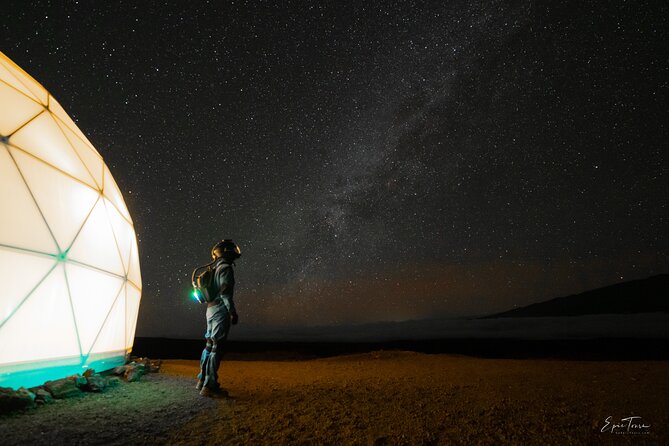
The exact viewing area is not fixed. The team may use a location on Mauna Kea or Mauna Loa, depending on cloud cover and sky conditions. This flexibility can improve the odds of seeing stars, but it also means your final meeting information may change.
The company avoids the crowded Onizuka Astronomy Complex area when possible. Instead, the group is taken to a quieter place with fewer lights. You will likely sit in chairs while the staff sets up the telescope and photography equipment.
This is not a summit visit. Post-sunset summit access is restricted, and the experience takes place at a lower remote location. That distinction matters because some visitors arrive expecting the summit observatories or a dramatic high-altitude drive. What you get is a carefully selected dark-sky site, not an observatory tour.
The setting can feel stark and exposed. There may be no buildings, shops, or nearby services. That is part of the appeal, but it also means you should arrive with water, warm clothing, and anything else you may need during the session.
The star talk and Celestron Origin telescope
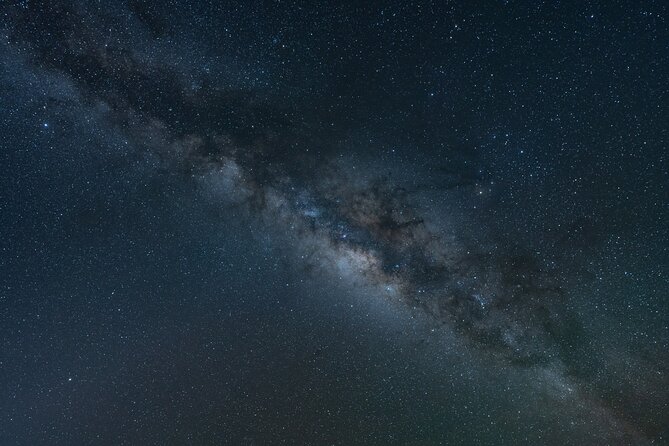
Once the group is settled, the astronomer begins a guided tour of the night sky. A green laser pointer helps connect the explanation to the actual stars above you, which is far easier than trying to match a phone app to a sky full of unfamiliar points.
The Celestron Origin smart telescope is used to show objects that are difficult to see with the naked eye. Depending on the conditions, you may view nebulae, star clusters, galaxies, and other deep-sky objects. The telescope uses camera technology, so the display may look different from peering through a traditional eyepiece.
That distinction is worth knowing before you book. If your dream is to press your eye against a classic telescope and see a tiny object directly, this may not match your idea of stargazing. The smart telescope is designed to show enlarged, detailed views of faint objects, which can reveal far more than your unaided vision.
The guides also take questions. You can ask about planets, galaxies, black holes, meteor showers, the theory of relativity, or the meaning of unfamiliar constellations. Dylan, in particular, is described as enthusiastic and able to move between serious astronomy and humor.
The advertised core experience lasts about 90 minutes, while the full evening is generally described as roughly two hours. The actual time can stretch when the group has many questions or when the sky offers something worth watching. Bring patience rather than expecting a tightly timed, minute-by-minute presentation.
More Photo Sessions in the USA:
- Night-Time Snorkel at TurtleTown with Stars, Lights, and Photos
★ 5.0 · 126 reviews - Moab: The Windows Astro-Photography and Stargazing Hike
★ 4.8 · 36 reviews - Mauna Kea: Stargazing Experience with Free Photos
★ 4.2 · 32 reviews - Night Sky Private Photo Tour
★ 5.0 · 8 reviews
Milky Way portraits and what you receive
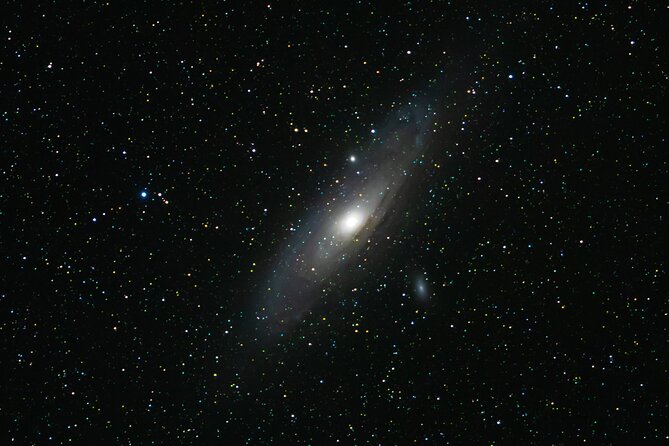
A professional astro-photographer accompanies the astronomy guide. The photographer takes portraits of your group with the Milky Way behind you, often making the stars look far more dramatic than a normal phone camera can manage.
The included files are medium-resolution images. They work well as digital souvenirs and for social media, but do not assume they are large print files. Higher-resolution versions or a larger collection may cost extra, so ask exactly what is included before the session ends.
This is one of the tour’s strongest selling points. A standard night-sky tour may explain constellations but leave you with blurry phone pictures. Here, someone is assigned to create portraits while the astronomer handles the sky talk. Some people have even captured shooting stars in the frame, though that depends entirely on timing and luck.
Photo quality can vary. Dark scenes are hard to expose, and a person may not always look as sharp as expected. If you want another portrait, ask during the session rather than waiting until you receive the files. Also, make sure the staff has a way to identify your group, especially if several parties are being photographed.
The company says complimentary photos are part of every tour. Since there have been occasional complaints about delayed delivery, save the contact details and ask when and how the files will arrive. If your photos do not appear, contact the company promptly rather than assuming they are still coming.
Cold-weather comfort at around 30 F
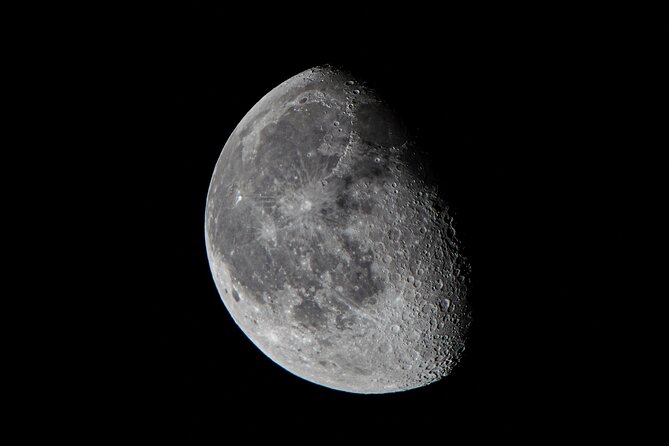
Mauna Kea and Mauna Loa can be surprisingly cold after sunset. Temperatures may reach about 30 F, and the wind can make the chairs feel much colder than the number suggests.
Parka jackets are supplied, and the team may also provide blankets and hand warmers. Some evenings include hot cocoa, coffee, or tea, but you should not rely on refreshments as your main source of comfort. Wear a warm base layer, long pants, thick socks, a hat, and gloves.
Closed-toe shoes are required. Sturdy shoes are a smart choice because you may walk over uneven ground in low light. Sandals, thin sneakers, and light beach clothing are poor choices for this outing.
I would plan as if the supplied parka is a helpful extra, not a complete winter outfit. The hood and pockets are useful, but they may not be enough for someone who gets cold easily. The experience involves sitting still for much of the evening, and sitting in cold air can feel harsher than walking.
Is $299 per person a fair price?
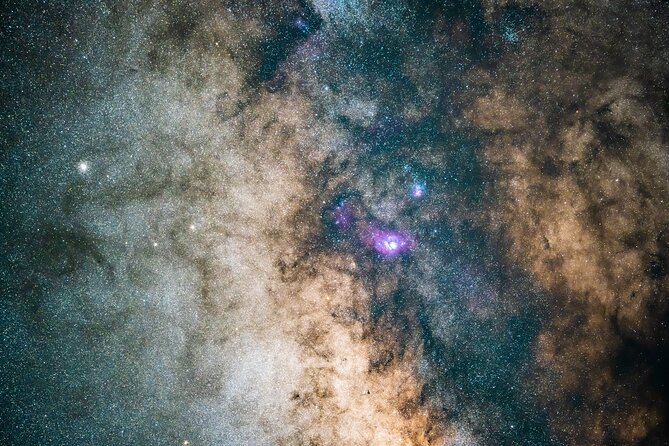
At $299, this is one of the more expensive evening activities on the Big Island. You can see stars for free from many places, and a phone app can identify constellations without a guide. That makes the price difficult to justify if all you want is a quick look upward.
The value improves if you care about three things: expert instruction, close-up telescope images, and professionally made night portraits. Hiring a photographer separately can be expensive, and the remote location may offer a darker, calmer setting than a public roadside viewpoint.
The price also includes parkas, the astronomy presentation, telescope use, and medium-resolution photos. There is no hotel transportation, though, so you are still providing the rental car and the time required to reach the meeting point.
I would compare this tour with any alternative based on what is actually included. A cheaper option may provide a guide and chairs but no dedicated photographer. Another company may offer transportation but less time with a smart telescope. Decide which part matters most to you before treating the $299 figure as either a bargain or a rip-off.
The experience currently carries a 4.8 rating from 261 ratings, with 94 percent recommending it. That suggests a strong overall record, but the low scores point to real risks: unclear meeting changes, cancellation frustrations, cold conditions, and disappointment over photo resolution. The guarantee helps with bad weather, but it cannot make a difficult drive or a photo upgrade feel worthwhile to everyone.
Who should book this night under the stars?
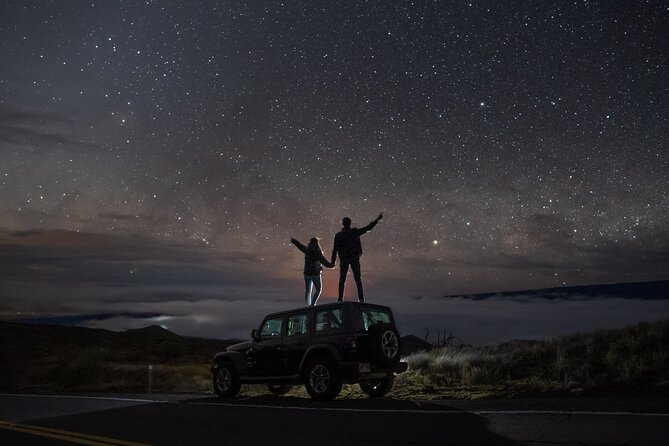
I would recommend it to couples, families with older children, and solo visitors who enjoy asking questions and learning. It is also a good choice for anyone who wants a polished Milky Way portrait rather than another ordinary vacation snapshot.
You should be comfortable driving at night, sitting outdoors in the cold, and handling a mountain road. The company advises against the activity for people with mobility limitations, back or heart problems, hearing problems, serious medical conditions, and some older visitors. Pregnant participants should speak with a doctor first.
Children must be accompanied by an adult. Service animals are allowed, but the remote setting, cold, darkness, and uneven ground may still make the experience difficult for some people.
This is not a good pick for someone who wants a casual, warm, short stop with no planning. It is also not ideal if you dislike changing weather plans or expect every included photograph to be suitable for a large print.
Booking, weather, and cancellation details
You can cancel for a full refund up to 24 hours before the start time. Changes or cancellations within 24 hours are not accepted for a refund.
The company operates in all weather conditions, but stargazing itself depends on clear skies. If poor weather prevents the experience, you can choose another date or receive a full refund. The same applies if the minimum number of participants is not reached.
Because weather can shift quickly on the mountain, keep your schedule flexible. I would book this early in a Big Island visit rather than on your final night, giving you room to move the experience if clouds cancel it.
My verdict: book it for the telescope and photos
Book this experience if you want more than a free starry sky. The combination of a remote site, an astronomy guide, a smart telescope, and Milky Way portraits gives the evening a clear purpose.
Skip it if $299 feels high for two hours, if you dislike driving narrow mountain roads at night, or if you want guaranteed print-quality photographs included in the base price. The weather guarantee protects your money, but not your vacation schedule.
For the right person, this is a memorable Big Island night. Dress warmer than you think necessary, confirm the meeting location, ask about the photo files, and arrive ready to sit quietly under a very large sky.
FAQ
Where does the Mauna Kea stargazing experience meet?
The meeting point is the Puʻu Huluhulu Cinder Cone parking lot on the Big Island. The exact viewing site may be on Mauna Kea or Mauna Loa, depending on conditions.
How long does the experience last?
The full activity takes approximately two hours. The listed core stargazing session lasts about 90 minutes, though the astronomy discussion may run longer when questions and sky conditions allow.
Is hotel pickup included?
No. Hotel pickup and drop-off are not included. You drive to the meeting point and return there after the activity.
What should I wear?
Wear warm layers, long pants, gloves, a hat, and closed-toe shoes. Temperatures can reach about 30 F, and the supplied parka may not provide enough warmth for everyone.
Are photographs included?
Medium-resolution photos are included. The professional photographer takes portraits with the Milky Way, and optional higher-resolution photo upgrades are available.
What happens if clouds block the stars?
If poor weather prevents stargazing, you can receive a full refund or choose a different date. The activity may also be canceled if the minimum number of participants is not met, with a different date or full refund offered.
Just added around the USA
- Private Under the Stars Night-Time Tour of DC (Up to 5 Guests)★ 5.0 · 24 reviews
- Stargazing and Milky Way Portrait in Capitol Reef National Park★ 4.5 · 13 reviews
- Temecula Wine Country Stargazing Tour★ 5.0 · 2 reviews
- Skyway Light Show Tour Under the Stars★ 5.0 · 5 reviews
- Astronomy and Stargazing Tour in Utah★ 5.0 · 8 reviews
- PRIVATE Sedona Jeep Tour 4X4 Stargazing Tour at Night★ 4.5 · 11 reviews
- Sunset Sedona Sacred Places -gourmet picnic dinner and stargazing★ 5.0 · 12 reviews
- Private Stargazing – Sequoia National Park★ 4.5 · 14 reviews
Mauna Kea Stargazing Tours, compared.
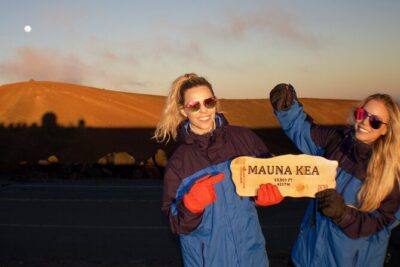
Big Island GOAT Experience: Mauna Kea Summit, Sunset & Stars
Read our review →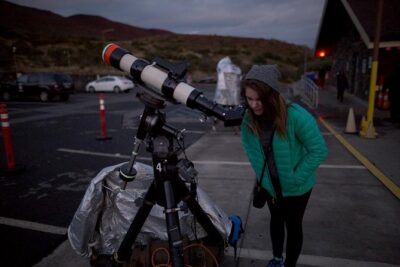
Mauna Kea Summit and Stars Small-Group Adventure Tour
Read our review →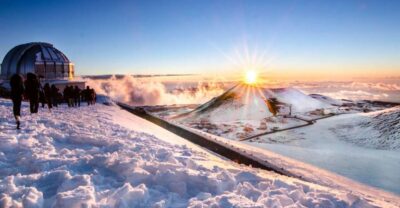
Mauna Kea Summit, Sunset, & Stargazing Experience
Read our review →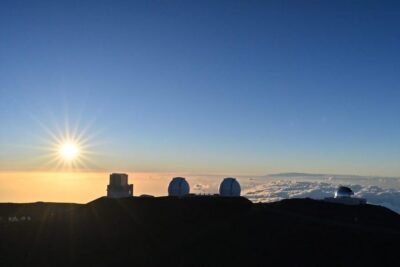
MaunaKea Summit SUNSET and Star Tour with Photo
Read our review →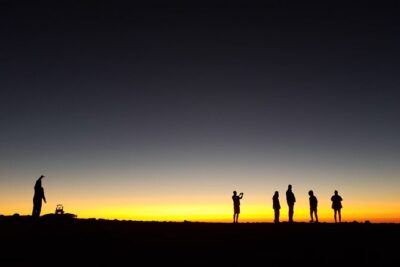
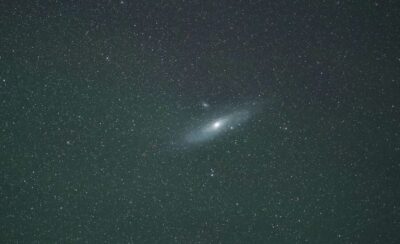
Mauna Kea: Stargazing Experience with Free Photos
Read our review →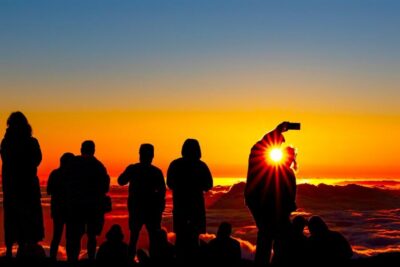
Haleakala Sunset and Stargazing Tour with Dinner
Read our review →
Browse the lists this tour appears in