
REVIEW · SEDONA
Sedona: Stargazing Tour with Telescopes and Video Astronomy
Sedona’s red rocks are famous by day, but the real surprise comes after dark. At a permitted forest site away from much of the town’s glow, you’ll trace constellations with a laser, look through large telescopes, and watch faint galaxies appear live on a 4K OLED screen. This is more than a quick peek at the Moon.
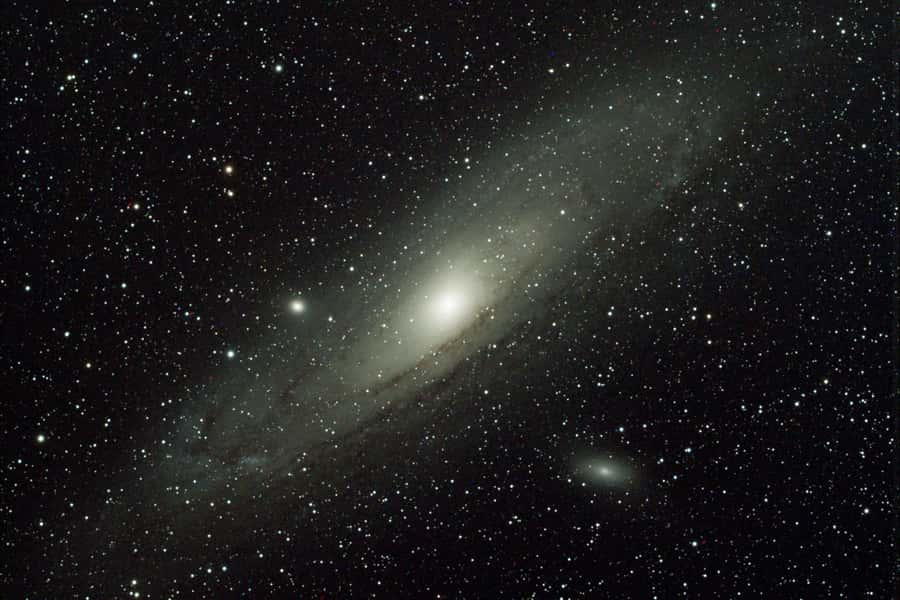
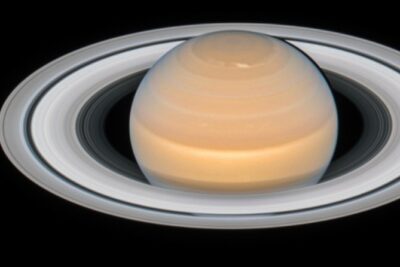
I especially like the mix of old-school stargazing and modern video astronomy. You get the thrill of seeing Saturn or a double star through an eyepiece, then switch to a camera that reveals the red glow of nebulae and dust lanes in far-off galaxies. Astronomer Chris also brings a warm, funny teaching style, according to the experience details.
The main catch is logistics. You must drive or arrange a taxi or ride-share to the changing meeting site, and a late-night ride home may be hard to find. The tour also depends on clear skies, takes place on uneven ground, and is not suitable for children under seven or people with limited mobility.
Key points to know before booking
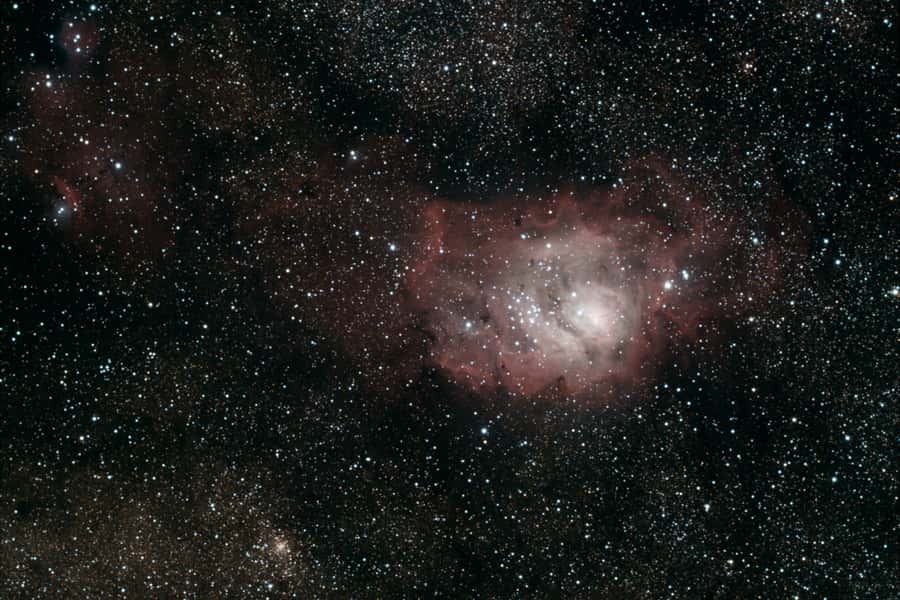
- Live 4K video astronomy: Special cameras show faint nebulae, galaxies, and star clusters in far more detail than your eyes can see alone.
- Chris leads the experience: Expect clear explanations, constellation stories, astronomy facts, and a light sense of humor.
- Dark-sky sites near Sedona: The exact forest location changes seasonally, but each site is within 30 minutes of Uptown Sedona.
- Two ways to view space: Use premium eyepieces for the Moon, planets, and stars, then watch live camera images of dim deep-sky objects.
- Comfort matters: Padded chairs and blankets are provided, but you should still bring warm layers, long pants, and closed-toe shoes.
- Plan your ride carefully: Transportation is not included, and finding a ride-share after the tour may be difficult.
Why this Sedona stargazing tour feels different
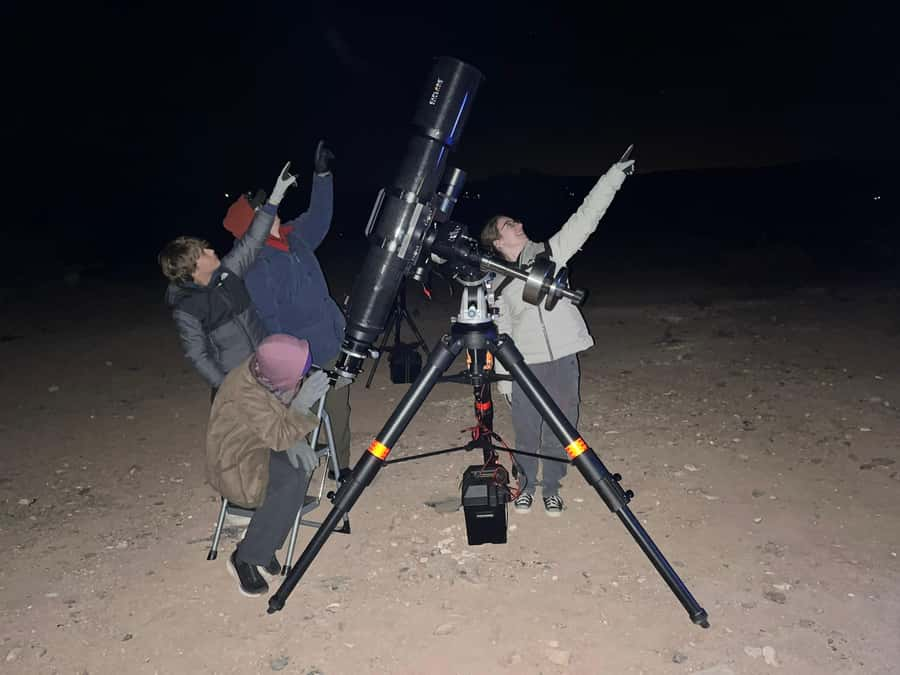
Many stargazing outings boil down to a guide pointing at a few bright stars and handing around a telescope. This experience aims higher. It combines a guided tour of the night sky with serious optical equipment and live images from astronomy cameras.
That combination matters because your eyes have limits. Galaxies and nebulae can be enormous, but their light is spread across vast distances. Even under a dark sky, some objects remain dim gray smudges through a normal telescope. The video system gathers more light and sends the image to a 4K screen, where you can see color, structure, and detail that would otherwise be hard to catch.
I like that the tour does not abandon direct viewing. You still use high-quality eyepieces on visual telescopes, which is the classic astronomy experience. The Moon, planets, double stars, and brighter star clusters are especially well suited to this method.
Then the equipment changes. Astronomy cameras take over for fainter targets. You may see the pinkish red glow of hydrogen in a stellar nursery, the remains of an exploded star, the bluish haze around the Pleiades, or dark dust lanes cutting across another galaxy. The screen also makes the experience more social, since everyone can see the same image at once instead of taking turns at a single eyepiece.
More Observatory and Telescope Tours in Sedona:
- Stargazing Tour with Telescopes and Video Astronomy in Sedona
★ 5.0 · 40 reviews - Teide by Night: Sunset & Stargazing with Telescopes Experience
★ 4.5 · 1,492 reviews - Miami: Frost Museum of Science and Planetarium Entry Ticket
★ 4.5 · 429 reviews
Meeting Chris under Sedona’s dark sky
Your astronomer meets you at a prearranged dark-sky location near Sedona. The exact site is not fixed because access to forest land changes with the season under a United States Forest Service permit. Once your booking is confirmed, you receive the meeting instructions.
The important practical point is that all available sites are within a half-hour drive of Uptown Sedona, but you are responsible for getting there. If you have a rental car, this is the simplest plan. If you rely on a taxi or ride-share, arrange your return before you arrive. A driver may be difficult to find after a late outdoor activity.
GPS can also be imperfect in the forest. One useful tip is to read the directions closely and slow down for the final turn. Extra signage may be limited, and phone service can be spotty in the area.
Chris is the guide named in the experience information and the person repeatedly praised for making the astronomy approachable. You can expect more than a memorized speech. He explains the sky, handles the equipment, answers questions, and keeps the mood relaxed with dry humor.
That personal style is useful here. Astronomy can become technical fast, especially when the conversation turns to light-years, stellar nurseries, or electronically assisted astronomy. A guide who can explain the science in plain language makes the 90 minutes feel welcoming rather than like a lecture.
The first 20 minutes: learning the sky overhead
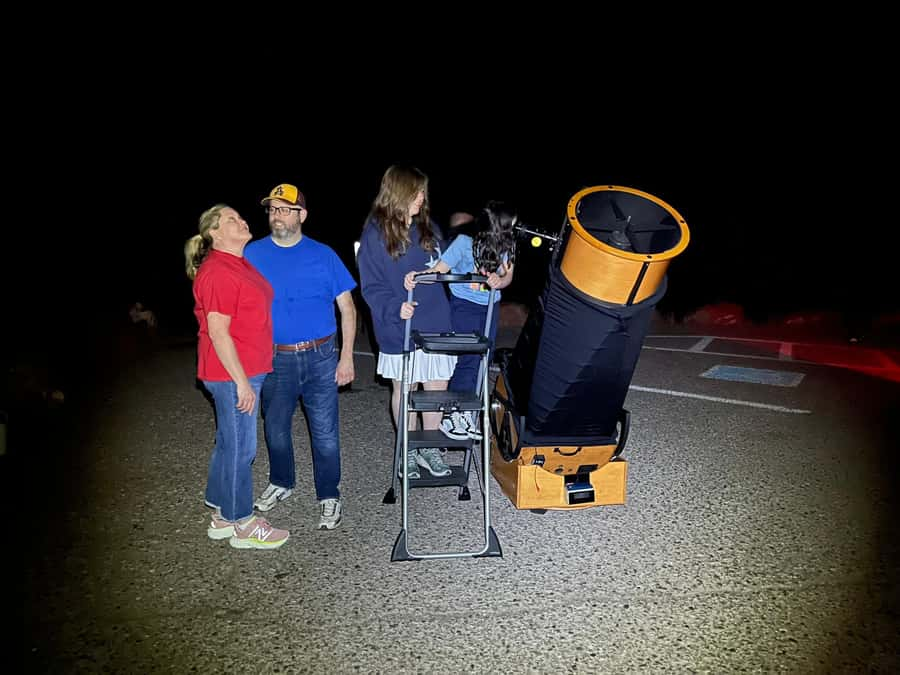
The tour begins with a guided look at the constellations. Chris uses a laser to trace the shapes overhead, helping you connect scattered stars into recognizable patterns.
This part gives you the basic map you need for the rest of the evening. You will learn the names and mythic stories linked to the constellations, along with signs of the Zodiac when visible. It is a good setup for first-time stargazers because you do not need to arrive knowing anything about astronomy.
The guide also points out whatever the sky offers that night. That can include visible planets, the Milky Way, meteors, and passing artificial satellites. The exact list changes with the season, time, and weather, so no one can promise a particular planet or meteor shower on every departure.
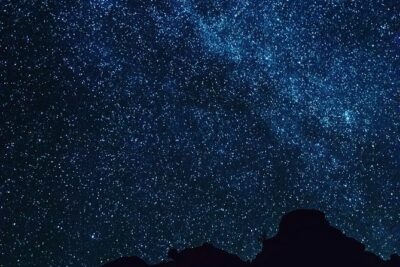
The Milky Way is often the first big test of how dark a site really is. From a bright city, it can disappear almost entirely. Away from town lights, it may appear as a pale band across the sky, with dense star fields that are difficult to see from an urban neighborhood.
This opening section is also the most flexible part of the tour. If a meteor flashes overhead or a satellite crosses the stars, the guide can pause and explain what you are seeing. Those brief events cannot be scheduled, but they can make the night feel personal and immediate.
The telescope session: planets, moons, and double stars
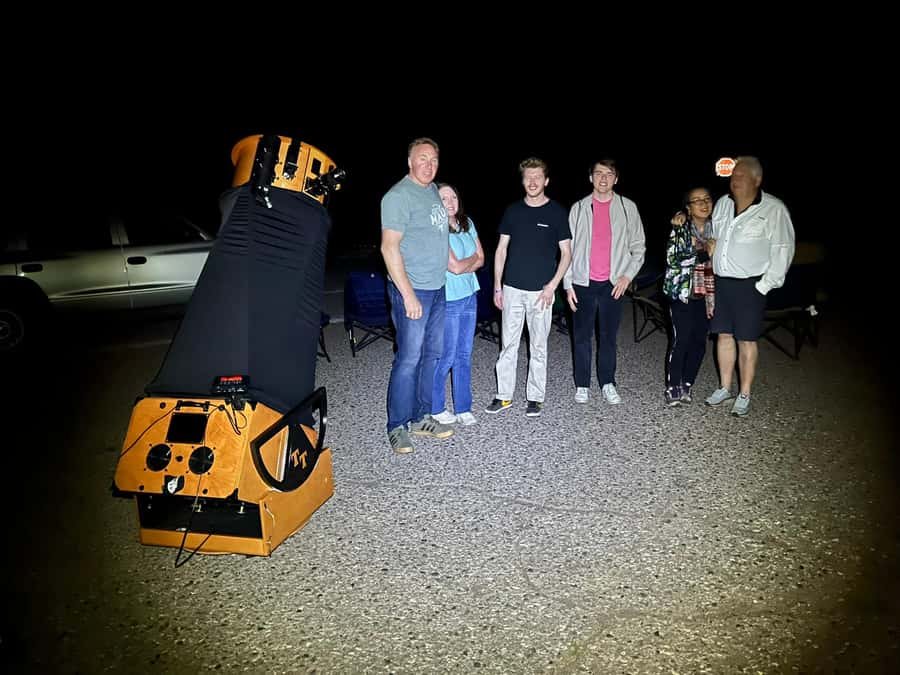
After the sky tour, you begin looking through the large visual telescopes. The equipment uses high-quality astronomy eyepieces, so this is not the same as looking through a small department-store telescope.
The Moon is a natural target when it is visible. Its craters and sharp shadows can be striking through a large aperture, though the bright lunar surface can make faint surrounding stars harder to see. Planets offer a different kind of view. Their appearance depends on what is above the horizon during your visit, so you may see one or more planets rather than a fixed list.
Double stars are another good telescope target. Two stars that look like one point to the naked eye can separate into distinct lights through magnification. Brighter deep-sky objects may also be shown through the eyepiece, giving you a direct connection to the traditional practice of observing the night sky.
I like this part because the image belongs to your own eye. You lean toward the eyepiece, focus, and take in the object without a screen between you and space. The tradeoff is that only one person can view at a time, and faint objects may look less dramatic than you expect.
That is not a flaw in the equipment. Human vision simply struggles with low light. The guide uses the visual telescope where it works best, then moves to the camera system when a live electronic image can reveal more.
More National Park Stargazing in Sedona:
- Sedona Stargazing Tours LLC
★ 4.5 · 881 reviews - The Original Sedona UFO and Stargazing Night Tour
★ 4.5 · 269 reviews - The Night Sky Star Story, Galaxy, and Sedona Story Tour
★ 4.5 · 243 reviews - Sedona: Nighttime UFO & Stargazing Tour
★ 4.4 · 148 reviews
The 4K screen: where faint galaxies become visible
The most distinctive part of the experience is the switch to video astronomy. Instead of using a normal eyepiece, the guide connects a sensitive astronomy camera to the telescope and streams the image to a 4K OLED television.
This technique is called electronically assisted astronomy, or EAA. It is not a prerecorded presentation and not a collection of stock space photographs. You watch live views as the equipment gathers light from the object in the sky.
The difference can be dramatic. A faint galaxy that looks like a small gray blur through an eyepiece may show a brighter central core and visible dust lanes on the screen. A nebula can reveal red hydrogen regions. The Pleiades may show a soft bluish veil of dust around the cluster. The remains of a dead star can appear as a colorful cloud rather than a barely visible patch.
For a first-time observer, the screen solves two common problems. You do not have to struggle to position your eye perfectly, and a whole group can see the same object at once. Families and couples can react together instead of taking turns and asking what the other person saw.
The screen does slightly change the mood. If you want a pure naked-eye experience, a television may feel less romantic than simply sitting beneath the stars. Here, though, the display has a clear purpose. It shows things that your eyes would probably miss, and the guide explains what you are looking at as the image develops.
What makes the 90-minute length worthwhile
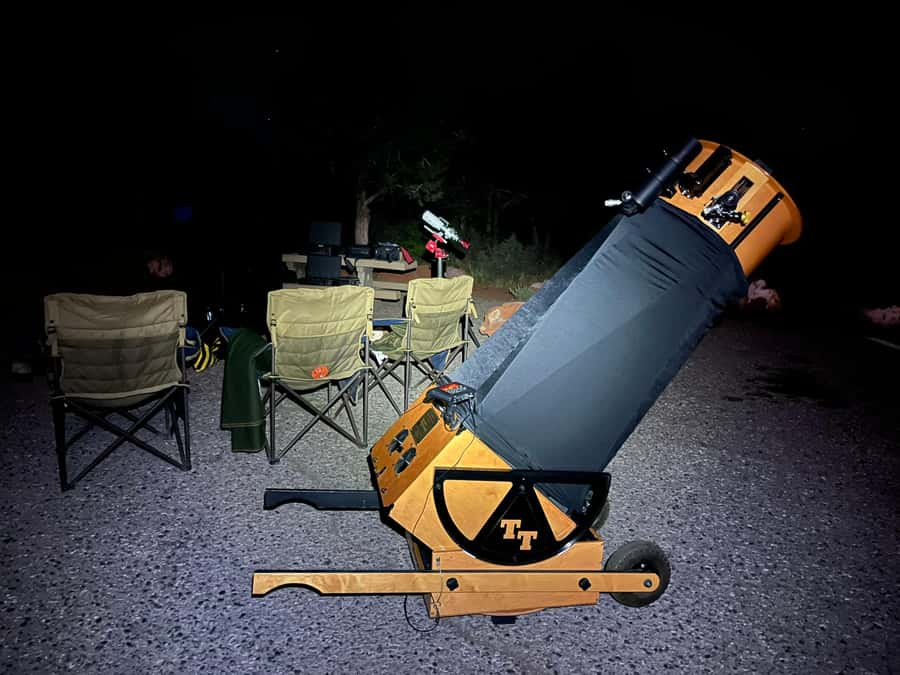
Ninety minutes is enough time to cover several layers of the sky without turning the evening into a marathon. The opening constellation tour gives you orientation. The visual telescope portion adds the direct observing experience. Video astronomy then expands the range to objects that are too faint for ordinary viewing.
The pace will depend on the group, questions, and sky conditions. A curious group may spend longer discussing one object. A cold night may call for a brisker rhythm. The guide also needs time to change eyepieces and camera equipment between targets.
You should not expect an observatory-scale program with dozens of objects. This is a compact outdoor tour, not a full night at a professional research facility. Its value comes from the quality of the explanation and the ability to move between viewing methods.
The 90-minute format also works well after a day of hiking or sightseeing around Sedona. You get a focused evening activity without giving up an entire night. Still, remember that the tour takes place outdoors after dark, so the drive back and the cold can make the outing feel longer than the advertised time.
Staying warm and comfortable after sunset
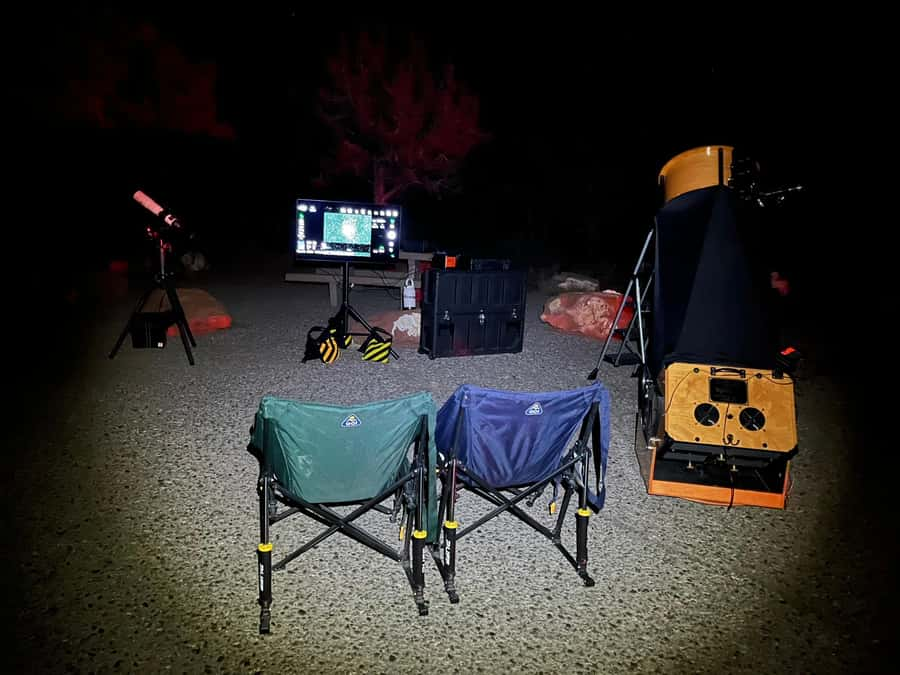
Sedona can cool quickly at night, especially when you are sitting still. Padded chairs and blankets are provided, which is a meaningful comfort feature rather than a small extra. You will spend much of the tour looking upward, waiting for eyes to adjust, or taking turns at the telescope.
Bring a jacket, a long-sleeved shirt, long pants, and warm closed-toe shoes. A single heavy layer may not be enough. Several lighter layers let you adjust as the temperature changes.
A thermos of hot chocolate would fit the mood, although it is not provided. Alcohol and drugs are not allowed, and smoking and vaping are prohibited. The dark setting and optical equipment call for a calm, careful environment.
The ground may be uneven, and the tour takes place outdoors at night. That makes sturdy shoes important. The experience is not recommended for wheelchair users or people with mobility impairments, and it is not suitable for anyone over 300 pounds or children under seven.
Price and value at $125 per person
At $125 per person, this is not a budget evening activity. You are paying for a specialized guide, large-aperture telescopes, premium eyepieces, astronomy cameras, a 4K display, chairs, blankets, and access to permitted dark-sky locations.
The value is strongest if you want more than a basic telescope look. A simple public stargazing event may be enough if you only want to identify a few constellations. This tour makes more sense if you want to see both planets through an eyepiece and faint galaxies or nebulae through live imaging.
The group experience also affects the price. Everyone can view the 4K image at the same time, while the guide handles the complex equipment and explains the science. For a couple seeking a focused night activity, or a family with older children, that can be worth the premium.
I would be more cautious if your main goal is a guaranteed view of one specific object. Clouds, wind, seasonal access, and the time of night all affect what you see. The tour may be cancelled for clouds, storms, flood warnings, or dangerous winds, and stargazing simply cannot be forced.
Free cancellation up to 24 hours before the tour and the option to reserve now and pay later reduce some planning risk. They do not change the weather risk, but they make it easier to hold a place while your Sedona schedule takes shape.
Who should book this experience
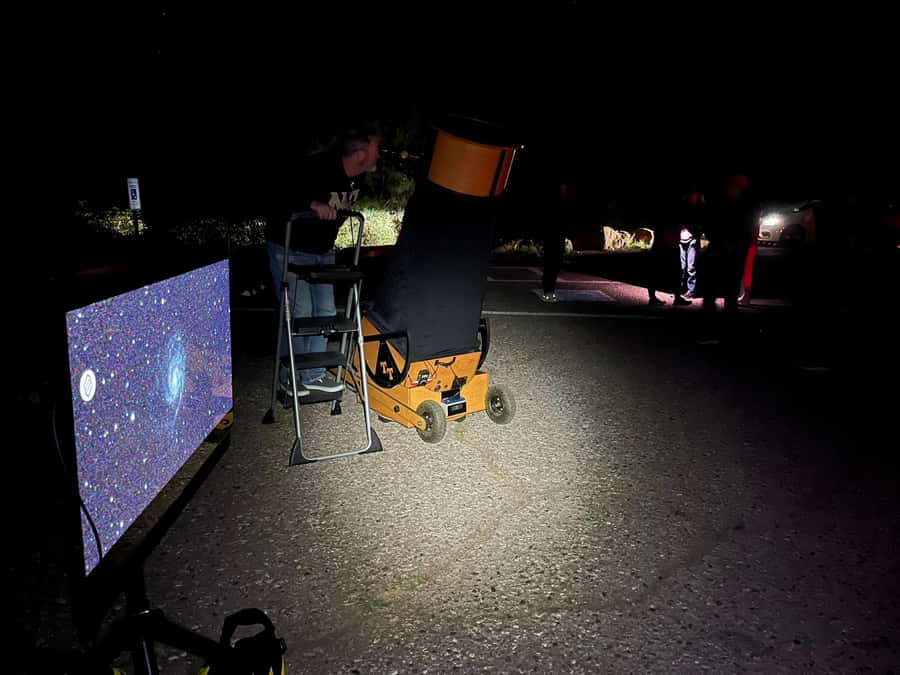
This is a strong choice for first-time astronomy visitors. You do not need prior knowledge, and the constellation stories give you a simple way into the subject. Chris can answer basic questions as well as more obscure ones, so the format also suits people already interested in space.
Families should note the minimum age of seven. Older children who can stay warm, sit quietly, and follow directions around equipment should find plenty to enjoy. The shared screen is especially helpful when several people want to see the same object.
Couples may like the quiet setting, blankets, and starlit atmosphere. Just remember that this is an educational activity as well as a romantic one. Expect explanations, equipment changes, and questions, not a private candlelit evening.
You should skip it if you dislike cold outdoor settings, cannot manage uneven ground at night, or have no reliable way to reach the site and return afterward. You should also reconsider if the forecast is uncertain and your schedule has no room for a weather cancellation.
Should you book Night Owl Tours?
Book this Sedona stargazing tour if you want a serious but friendly introduction to the night sky, especially if the idea of seeing live images of nebulae and galaxies appeals to you. The combination of visual telescopes, video astronomy, constellation stories, and Chris’s approachable teaching gives the 90 minutes real substance.
Before paying, check the forecast, arrange transportation both ways, and pack warmer clothes than you think you need. If you want a simple, low-cost look at the stars, $125 may feel high. If you want quality equipment and views that go well beyond what your eyes can see, this is a well-focused choice.
FAQ
Where does the Sedona stargazing tour meet?
The meeting point is a prearranged dark-sky site near Sedona. The exact location changes seasonally because access to forest sites depends on the United States Forest Service permit. Full directions are sent after booking.
How far are the dark-sky sites from Uptown Sedona?
All available sites are within a half-hour drive of Uptown Sedona.
Is transportation included?
No. You are responsible for transportation to and from the dark-sky site.
Can I use a taxi or ride-share service?
Yes, but you should arrange your return ride in advance. Finding a ride-share driver late at night may be difficult.
How long does the tour last?
The experience lasts 90 minutes.
What will I see through the telescopes?
Depending on the season and conditions, you may view the Moon, planets, double stars, brighter deep-sky objects, constellations, the Milky Way, meteors, and passing artificial satellites.
What does video astronomy show?
The live camera system can reveal faint objects such as galaxies, nebulae, stellar nurseries, remnants of dead stars, the Pleiades, and dust lanes in distant galaxies.
Is the video feed prerecorded?
No. The astronomy cameras stream live views directly to a 4K OLED screen.
What should I wear?
Bring warm clothing, a jacket, a long-sleeved shirt, long pants, closed-toe shoes, and warm shoes.
Can the tour be cancelled because of weather?
Yes. The tour may be cancelled for cloudy conditions or dangerous weather such as storms, flood warnings, or dangerously high winds.
Just added around Sedona
- PRIVATE Sedona Jeep Tour 4X4 Stargazing Tour at Night★ 4.5 · 11 reviews
- Sunset Sedona Sacred Places -gourmet picnic dinner and stargazing★ 5.0 · 12 reviews
- Sedona Night Hike and Stargazing★ 5.0 · 7 reviews
- Sedona: Private Stargazing Tour with a Local Guide★ 4.8 · 8 reviews
- Sedona Night Hike and Stargazing Tour★ 5.0 · 4 reviews
- Stargazing Tour with Telescopes and Video Astronomy in Sedona★ 5.0 · 40 reviews
- Sedona UFO/Stargazing Tour (price per goggle not per person)★ 4.5 · 47 reviews
- Sedona Dark Sky Sunset & Night Hike With a Private Guide★ 5.0 · 86 reviews
Sedona Stargazing Tours, compared.

The Original Sedona UFO and Stargazing Night Tour
Read our review →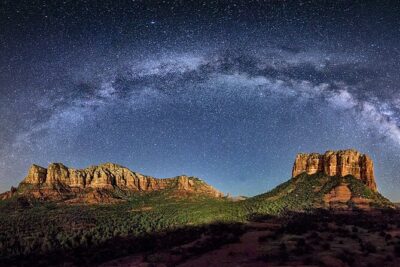
The Night Sky Star Story, Galaxy, and Sedona Story Tour
Read our review →
Sedona Dark Sky Sunset & Night Hike With a Private Guide
Read our review →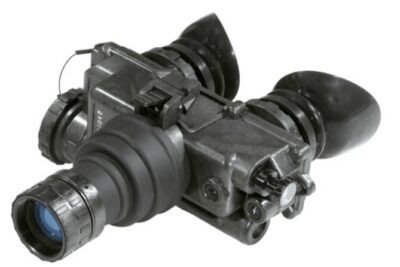
Sedona UFO/Stargazing Tour (price per goggle not per person)
Read our review →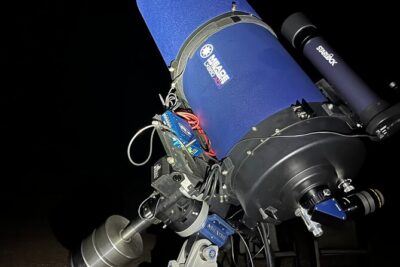
Stargazing Tour with Telescopes and Video Astronomy in Sedona
Read our review →
Sunset Sedona Sacred Places -gourmet picnic dinner and stargazing
Read our review →Browse the lists this tour appears in