
REVIEW · SEDONA
The Night Sky Star Story, Galaxy, and Sedona Story Tour
Sedona’s red rocks are famous by day, but this two-hour evening tour turns your attention upward. Guide Chad uses a laser pointer, planisphere, star app, and even a Play-Doh Milky Way to explain constellations, the solar system, and our place in the galaxy. Greek myths and local Indigenous star traditions give the science a human voice.
I like two things here: you learn with your naked eyes, and the presentation has real personality. Chad is an experienced Sedona guide, storyteller, musician, and performer, so the evening is lively rather than classroom-stiff. Chairs, blankets, and hand warmers are thoughtful touches on a cold northern Arizona night.
The main consideration is simple: this is not a telescope session or a quiet hour of unstructured stargazing. It is a guided talk with audience participation, and some of the stories and astronomy may feel too long or dense if you mainly want to look through a telescope.
Key points
- Chad’s animated teaching style: Expect humor, stories, questions, and active participation rather than a dry lecture.
- Naked-eye astronomy: You learn to recognize stars and constellations without relying on a telescope.
- Greek and Indigenous star traditions: The tour connects the night sky with mythology, local culture, and human history.
- Useful visual aids: A laser pointer, planisphere, star app, and Play-Doh model help make large cosmic ideas easier to grasp.
- Comfort in cold weather: Chairs, blankets, and hand warmers are provided, but you should still dress warmly.
- Weather-friendly policy: If clouds spoil the sky, you may request a refund, even after staying for the full presentation.
What the 7:30 p.m. Sedona night begins with
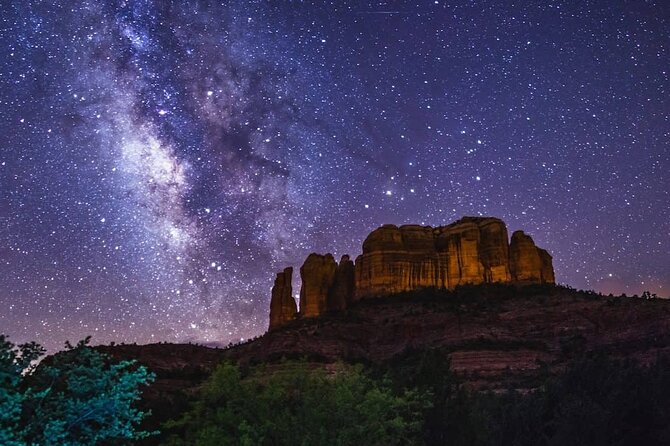
You meet at 77 Cultural Park Place in Sedona at 7:30 p.m. The activity stays in one location and ends there, so you are not riding between several viewing sites. That makes the evening easy to fit after dinner or a late afternoon hike, though you should allow time to reach the meeting point before the start.
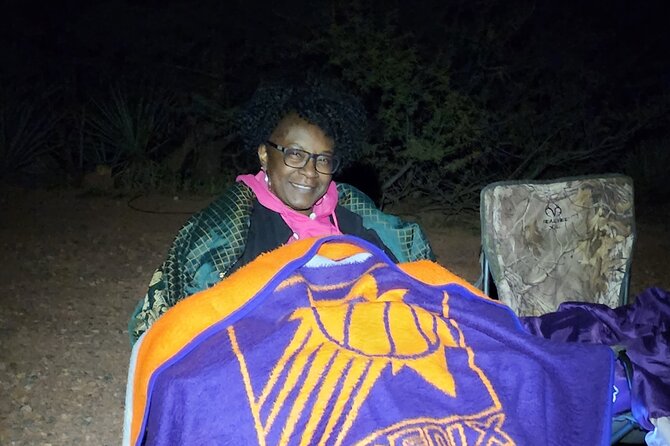
The group can include up to 15 people. That is small enough for questions and participation, but it is not a private lesson. The guide provides chairs, which matters more than it may sound after a full day on Sedona’s trails, along with blankets and hand warmers when temperatures drop.
Sedona receives relatively little rain, but clouds can still interfere. The guide gives the sky a chance to clear before calling off the evening, since winds coming through Oak Creek Canyon can sometimes push clouds away. If the night remains cloudy, you have the unusual option of asking for a full refund, even if you stay through the entire presentation.
Dress warmly anyway. Northern Arizona can feel sharply cold after sunset, especially in winter. Bring gloves and a stocking cap in the colder months, since supplied blankets and hand warmers help but do not replace proper clothing.
More National Park Stargazing in Sedona:
- Sedona Stargazing Tours LLC
★ 4.5 · 881 reviews - The Original Sedona UFO and Stargazing Night Tour
★ 4.5 · 269 reviews - Sedona: Nighttime UFO & Stargazing Tour
★ 4.4 · 148 reviews
Chad’s lively approach to astronomy
Chad has guided professionally in Sedona since 2005 and has led thousands of tours in the area. He has also spent more than six years leading night sky programs, and his enthusiasm for the subject shapes the entire evening.
You can expect a guide who moves, jokes, asks questions, and encourages people to join in. His background as a musician, actor, dancer, athlete, and longtime Sedona explorer shows in the presentation. The style is energetic and personal, sometimes playful, and clearly built around making astronomy feel approachable.
That energy is one of the tour’s biggest strengths. Several parts of the program are designed to make difficult ideas easier to remember. A giant-scale concept such as the movement of Earth through the solar system can feel abstract in a book. A physical model, a hand gesture, or a story tied to a familiar constellation gives you something concrete to hold onto.
The same style will not suit every personality. If you prefer a quiet guide who speaks briefly and lets the sky do most of the work, Chad’s presentation may feel too animated. Some people also find the personal introductions and audience interaction longer than needed. You should book this with the expectation of a performance as well as a lesson.
Greek myths written across the stars
The first major thread of the evening is constellation storytelling. Chad explains familiar figures such as Orion, Cassiopeia, Gemini, Taurus, Leo, and the Pleiades through Greek and Roman mythology.
These stories do more than fill time between points of light. They explain why groups of stars received names, how ancient people remembered the sky, and how myths were carried forward through generations. You are not simply told where Orion sits. You learn why people connected those stars to a particular character and how the figure relates to neighboring constellations.
Cassiopeia gets special comic treatment, including the memorable comparison of Cassiopeia as the Dairy Queen of the Milky Way. The humor helps the names stick, especially if you have never been able to remember which faint group is which.
The tour also brings in pop culture, songs, and other familiar references. That gives you more than a list of astronomical facts. You begin to see how the night sky has shaped stories and symbols far beyond science class.
If you already know Greek mythology, there is still value in hearing the stories connected directly to the patterns overhead. If mythology is not your interest, this portion may feel long, since the program gives storytelling as much weight as star identification.
Indigenous star associations and Sedona connections
The evening also includes local Indigenous associations with the stars. This helps broaden the usual Western focus on Greek constellations and shows that different cultures read the same sky in different ways.
That contrast is important. The stars do not change when viewed from another culture, but the meanings attached to them can change greatly. You hear how people in the Americas connected celestial patterns with their own beliefs, stories, and ways of understanding time and place.
The guide ties the night sky back to Sedona and to ideas explored on his daytime Experiential and Scientific Vortex Tour. You do not need to take that daytime tour to follow the evening program, but the connection gives regular visitors a broader sense of Chad’s approach. He combines physical explanations, local stories, personal interpretation, and the idea that Sedona’s setting has inspired generations of storytellers.
Keep your expectations grounded. This is a cultural and storytelling introduction, not a formal academic seminar on Indigenous astronomy. Still, the inclusion of local traditions gives the program more range than a basic Greek mythology talk.
More Evening Trips in Sedona:
- Sedona Dark Sky Sunset & Night Hike With a Private Guide
★ 5.0 · 86 reviews - Sunset Sedona Sacred Places -gourmet picnic dinner and stargazing
★ 5.0 · 12 reviews - PRIVATE Sedona Jeep Tour 4X4 Stargazing Tour at Night
★ 4.5 · 11 reviews - Sedona Night Hike and Stargazing
★ 5.0 · 7 reviews
Big-picture astronomy without a telescope
The science portion focuses on what you can see from Earth with your own eyes. Chad explains the night sky from the viewpoint of Spaceship Earth, placing you inside the motion of the solar system and galaxy rather than treating the stars as fixed decorations.
You learn why stars appear to move across the sky, how some movement seems fast while other movement is slow, and how Earth’s position changes what you see. A planisphere helps connect the date and time with the visible sky. A star app may also be used to help orient the group.
The Play-Doh Milky Way is an especially unusual teaching tool. A simple physical model can show the difference between looking across our galaxy and looking out toward individual stars. These are the kinds of ideas that are hard to picture from words alone, so the hands-on visuals earn their place.
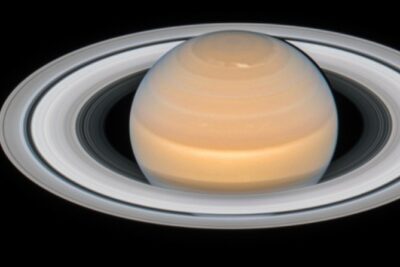
The tour does not promise telescope views, magnified planets, or detailed images of distant galaxies. Jupiter and Saturn may be visible when conditions and timing allow, but the focus remains on learning to read the sky without equipment.
That makes the experience useful beyond Sedona. Once you understand a few large patterns, you can use them at home, on another Arizona night, or anywhere with a clear view. The point is not to give you a short look through expensive gear. It is to help you know what you are seeing.
Which stars and constellations might appear
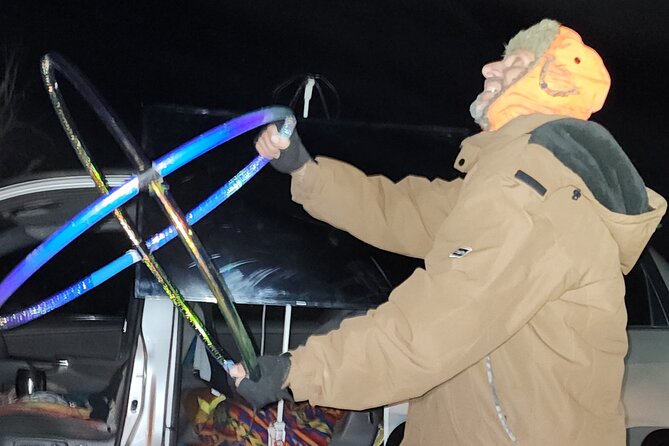
The program changes with the season, so the exact sky depends on your date. Possible highlights include Orion, Sirius, Cassiopeia, Leo, Gemini, Taurus, the Pleiades, Jupiter, Saturn, the Big Dipper, and the Little Dipper.
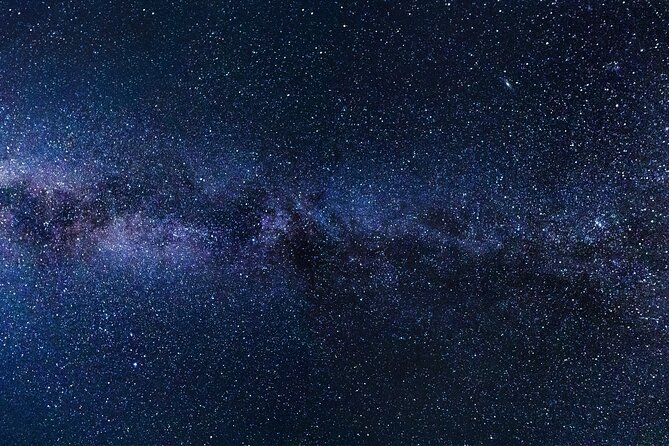
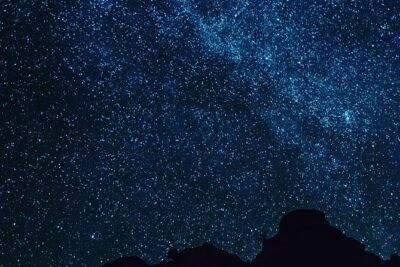
A no-moon night can make a major difference. With less moonlight, faint stars and the Milky Way may be easier to see. Clear summer evenings can offer a vivid band of stars, while winter brings its own strong set of constellations. The sky is not a fixed show, and the tour explains that seasonal change rather than pretending every visit offers the same view.
You might also see shooting stars. One especially fortunate evening produced 11 sightings, but that is a lucky condition, not a promise. The same goes for the Milky Way. It can be striking on a clear, dark night, but clouds, haze, moonlight, and seasonal conditions affect what appears.
The laser pointer is one of the most useful parts of the setup. It lets Chad trace a constellation rather than simply naming a patch of darkness. Still, it helps to arrive ready to look carefully. You may need time to connect the pointed outline with the actual stars, especially if you are new to sky watching.
The tour’s strongest practical touch: staying warm
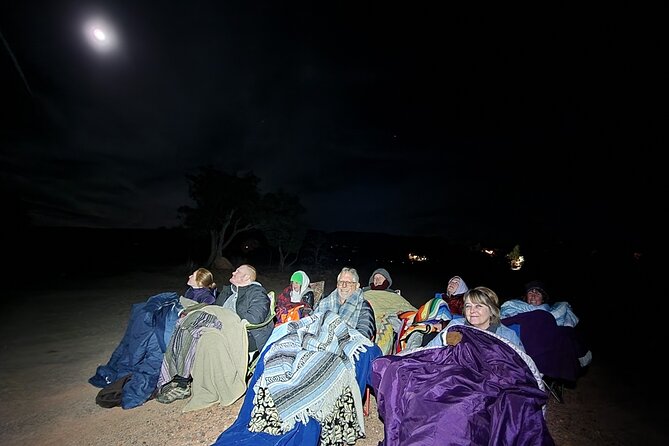
Sedona’s nighttime beauty comes with a temperature cost. After sunset, the high-desert air can turn cold fast, particularly in December and January.
The supplied chairs mean you do not have to stand for two hours. Blankets and hand warmers make the presentation much more comfortable, and this is one area where the operator has thought about the real conditions rather than just the main subject.
I would still wear layers, closed shoes, gloves, and a hat in cold weather. The experience is outdoors, and comfort affects how much attention you can give the stories. You do not want to spend the astronomy lesson thinking only about your fingers.
Pets and alcohol are not allowed. Service animals are allowed, and the activity is suitable for most people who can take part in a seated outdoor presentation.
Is the $100 price fair?
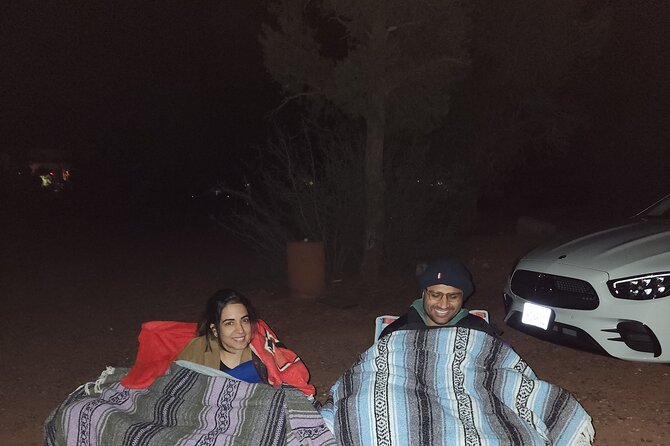
At $100 per person, this is not a bargain-bin evening activity. The value depends on what you want.
You are paying for a two-hour guided presentation, a small maximum group of 15, the equipment and comfort setup, and Chad’s long experience as a Sedona guide. The program also combines three subjects that are often sold separately: astronomy, constellation mythology, and local cultural stories.
The price is easier to justify if you like learning, asking questions, and hearing a guide connect many ideas. It is less convincing if you want only a dark place, a telescope, and a few minutes of silent viewing.
The refund option for cloudy conditions also reduces some risk. Standard cancellation requires at least 24 hours for a full refund, but poor weather is treated differently. You can accept another date or ask for your money back if the weather cancels the activity. On a cloudy evening, the guide also allows a full refund at your discretion, even if you remain for the presentation.
The listed rating is 4.7 from 243 ratings, with 92 percent recommending the experience. That suggests strong overall satisfaction, but the lower scores point to a real issue: some people want more direct stargazing and less lecture. Read the description carefully before paying.
Who should book this Sedona evening
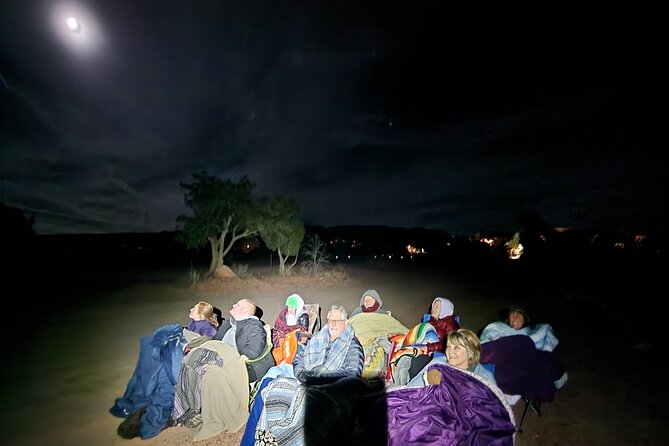
I would choose this tour if you fit one or more of these descriptions:
- You enjoy mythology, astronomy, or stories about how people understand the sky.
- You want a guide to explain the stars without requiring a telescope.
- You are visiting Sedona with children or adults who learn best through humor and visual examples.
- You like audience participation and do not mind answering questions.
- You want a seated evening activity after hiking.
- You are traveling alone and would enjoy a small group setting.
Families can do well here because Chad adjusts his interaction to different ages. Children may respond to the stories and physical demonstrations, while adults can follow the larger astronomy concepts. Solo visitors should not feel awkward booking, since the group format gives you a natural way to take part.
I would skip it if your main goal is serious astrophotography, telescope viewing, or a silent look at the Milky Way. You may also want another kind of program if long explanations frustrate you or if you prefer a tightly timed presentation with little audience involvement.
My call on the Night Sky Star Story Tour
Book it if you want to understand the sky, not just glance at it. Chad’s greatest strength is his ability to connect astronomy with myths, local traditions, humor, and the feeling of moving through space on Earth.
Go prepared for a talk, not a telescope show. Wear warm clothing, expect some participation, and check the moon and weather before you go. If the sky is clear, the laser pointer and seasonal constellations can turn a dark Sedona evening into a lasting lesson. If clouds arrive, the generous refund option protects your money.
For $100, I see this as a specialized experience for curious people. It is not the right pick for everyone, but for those who enjoy stories and big questions, it offers far more than a quick look upward.
FAQ
Where does the tour meet?
The meeting point is 77 Cultural Park Place, Sedona, Arizona 86336. The activity ends back at the same location.
What time does the tour start?
The listed start time is 7:30 p.m.
How long does the experience last?
The tour lasts approximately 2 hours and 5 minutes.
Is a telescope used?
No. The program focuses on what you can see with your own eyes. Chad uses tools such as a laser pointer, planisphere, star app, and other visual aids instead.
What constellations might I see?
Possible highlights include Orion, Sirius, Cassiopeia, Leo, Gemini, Taurus, the Pleiades, the Big Dipper, and the Little Dipper. Jupiter and Saturn may also be visible. The exact view changes by season and weather.
Are chairs and warm clothing provided?
Chairs, blankets, and hand warmers are provided. You should still dress warmly, especially in winter, and consider bringing gloves and a hat.
What happens if the weather is cloudy?
If poor weather causes the activity to be canceled, you can choose another date or receive a full refund. If the night is cloudy, you may also request a full refund at your discretion, even after staying for the full presentation.
What is the cancellation policy?
You can cancel at least 24 hours before the start time for a full refund. Cancellations or changes made less than 24 hours before the start time are not accepted for a refund.
Just added around Sedona
- PRIVATE Sedona Jeep Tour 4X4 Stargazing Tour at Night★ 4.5 · 11 reviews
- Sunset Sedona Sacred Places -gourmet picnic dinner and stargazing★ 5.0 · 12 reviews
- Sedona Night Hike and Stargazing★ 5.0 · 7 reviews
- Sedona: Stargazing Tour with Telescopes and Video Astronomy★ 4.8 · 9 reviews
- Sedona: Private Stargazing Tour with a Local Guide★ 4.8 · 8 reviews
- Sedona Night Hike and Stargazing Tour★ 5.0 · 4 reviews
- Stargazing Tour with Telescopes and Video Astronomy in Sedona★ 5.0 · 40 reviews
- Sedona UFO/Stargazing Tour (price per goggle not per person)★ 4.5 · 47 reviews
Sedona Stargazing Tours, compared.

The Original Sedona UFO and Stargazing Night Tour
Read our review →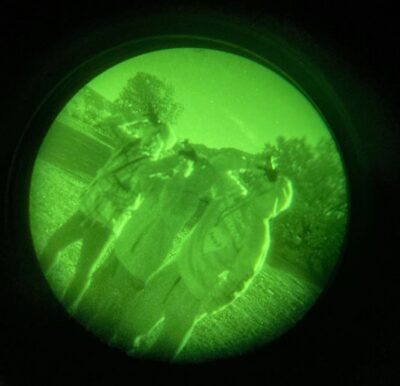
Sedona Dark Sky Sunset & Night Hike With a Private Guide
Read our review →
Sedona UFO/Stargazing Tour (price per goggle not per person)
Read our review →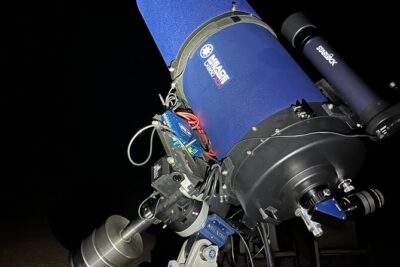
Stargazing Tour with Telescopes and Video Astronomy in Sedona
Read our review →
Sunset Sedona Sacred Places -gourmet picnic dinner and stargazing
Read our review →
PRIVATE Sedona Jeep Tour 4X4 Stargazing Tour at Night
Read our review →Browse the lists this tour appears in