
REVIEW · OBSERVATORY & TELESCOPE TOURS
Twizel: Stargazing Tour with an Astronomer and Telescope
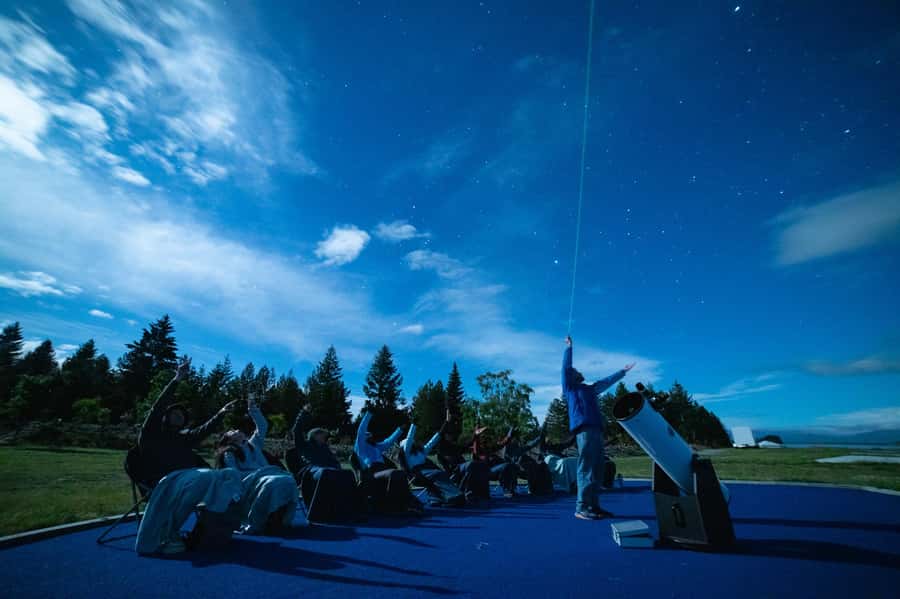
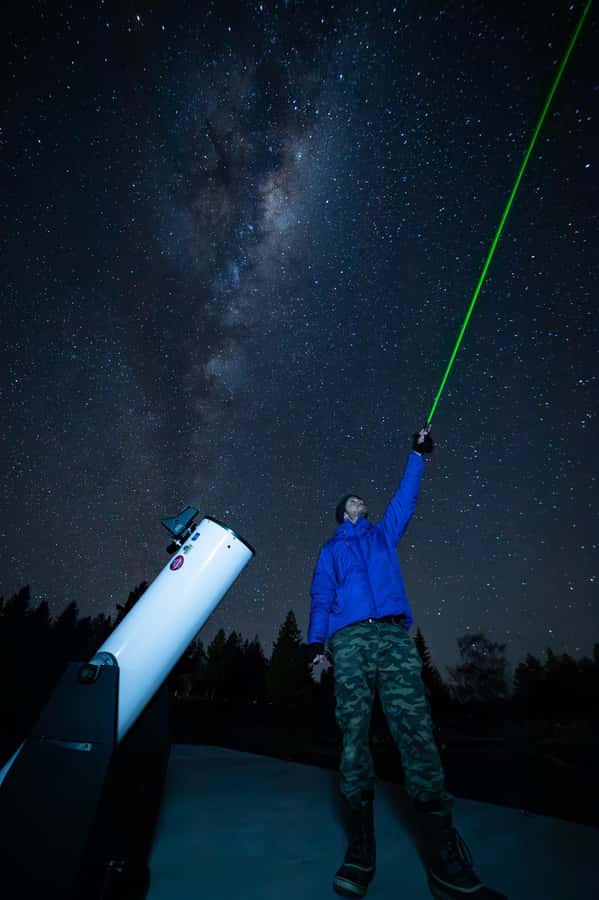
The best part of this Twizel night tour is the setting: you are looking up from one of the darkest, clearest parts of the world, not peering through city glare. Daniel, also known as Dan, guides you through the stars with a laser, then turns the telescope toward planets, nebulae, clusters, or galaxies visible that night. I like the small group limit of 10 and the personal astrophoto at the end. I also like that the science is explained in plain language, so you do not need an astronomy degree to follow along.
The main drawback is the cold. Even summer nights in the Mackenzie region can bite, and blankets are supplied but should not replace proper layers, a hat, and gloves. Clouds can also cancel the tour, which is sensible for a stargazing activity but worth considering when you plan your evening. There are no toilets at the site, so use facilities before you arrive.
Key points about the Twizel stargazing tour
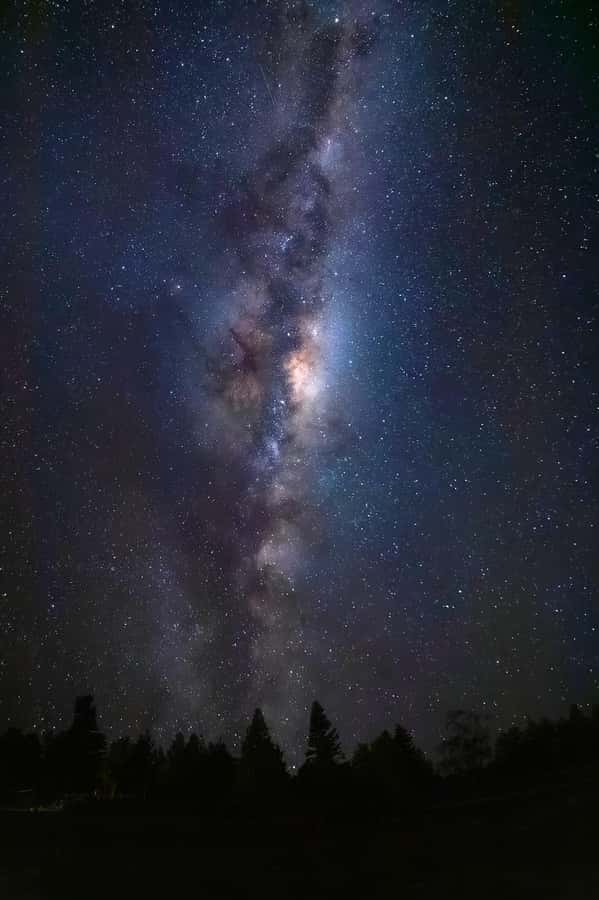
- A rare dark-sky setting: The tour takes place in the Aoraki Mackenzie International Dark Sky Reserve, away from much of the light that washes out city skies.
- A guide who explains, not just points: Daniel combines astronomy, astrophotography, and simple explanations of difficult ideas.
- Two different ways to see the sky: First comes the laser-guided tour, followed by telescope viewing of objects visible at that time of year.
- Small groups make a difference: With no more than 10 people, you should have a close-up experience rather than a distant lecture.
- A personal photo to take home: The tour finishes with an astrophoto of you beneath the stars.
- Plan for real cold: Outdoor seating and blankets help, but warm clothing remains essential, even in January.
Why Twizel is such a good place to look up
Twizel sits in the heart of the Aoraki Mackenzie International Dark Sky Reserve, a protected area valued for its exceptionally dark night skies. That matters because darkness is not just a pleasant backdrop. It lets you see more stars, makes the Milky Way more distinct, and gives a telescope a better chance of showing faint objects.
I like that this tour treats the night sky as both a scientific subject and something worth protecting. Daniel explains the cultural, scientific, and environmental importance of keeping artificial light under control. You come away with more than a list of constellations. You get a clearer sense of why a dark sky is a resource.
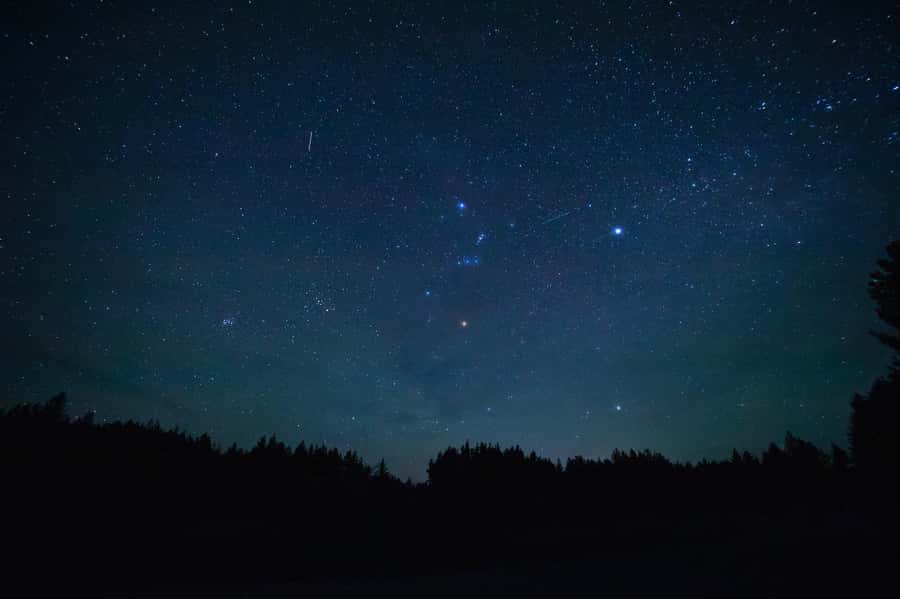
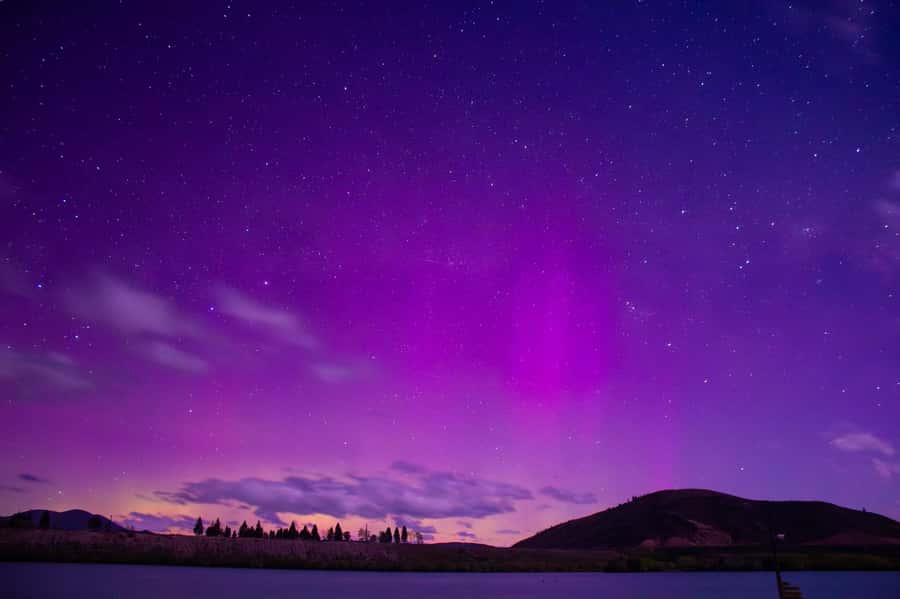
The southern hemisphere also gives this experience its own character. Depending on the season and conditions, you may look at objects that are not visible from many northern locations. The exact views change with the time of year, the weather, and the position of the planets, so the tour is not a fixed script. That keeps it tied to the actual sky above you.
More Observatory and Telescope Tours in New Zealand:
- Mount John Observatory Stargazing Experience, Tekapo
★ 4.5 · 160 reviews - Stargazing Experience at Cowan’s Private Observatory
★ 4.0 · 85 reviews - Lake Tekapo: Stargazing Experience at Cowan’s Observatory
★ 4.7 · 52 reviews
Arriving at 50 Kate Cameron Drive
The meeting point is the car park on the first left as you enter Lake Front Road. The listed starting location is 50 Kate Cameron Drive, but use the specific meeting instructions when you book and arrive about five minutes early for check-in.
This is a simple outdoor meeting point rather than a visitor centre. There are no toilets on-site, and the information provided does not describe indoor shelter or other facilities. I would use the bathroom before setting out, bring a torch only if needed, and avoid using your phone’s bright light once the session begins.
Flash photography is not allowed. That rule protects everyone’s night vision, which takes time to adjust and can be ruined in an instant by a bright screen or flash. Alcohol, drugs, and intoxication are also not permitted.
The first 30 minutes: learning the sky with a laser
The opening part uses a laser to trace stars and constellations overhead. This is a much better way to begin than being handed a telescope straight away. You first learn where to look, then start connecting individual points of light into recognizable patterns.
Daniel’s strength is explaining complicated astronomy in simple terms. You may hear about stars, planets, galaxies, and astrophysics, but the information is presented for ordinary people, not specialists. That makes this a good choice if you are curious but slightly intimidated by astronomy.
The guide also discusses the scientific meaning of what you are seeing. A bright object may be a planet rather than a star. A hazy patch may turn out to be a large collection of stars. The scale of the universe becomes easier to grasp when you are looking at actual objects and hearing how far their light has travelled.
This part is also where the tour feels most personal. With a maximum of 10 participants, you can listen without being swallowed by a large crowd. Dan’s enthusiasm is a major part of the experience, and the calm outdoor setting gives the conversation room to breathe.
The telescope session: planets, clusters, and distant light
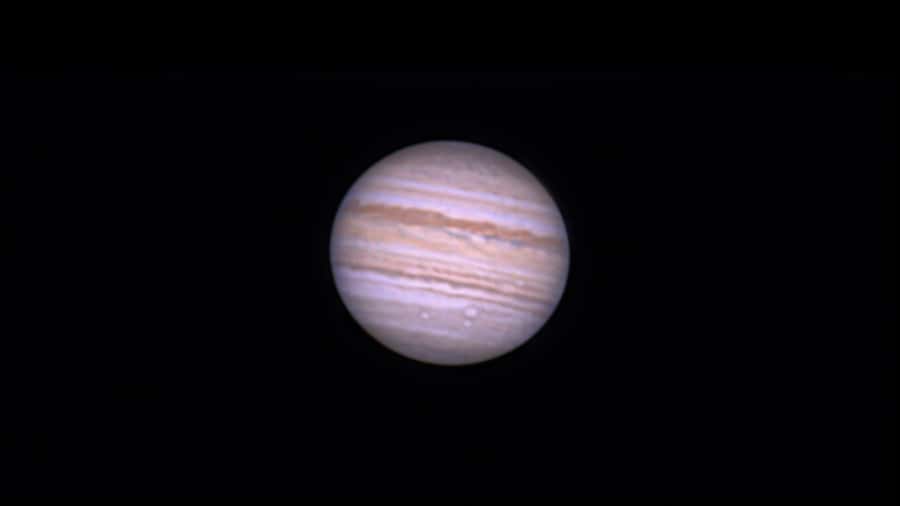
The second part turns from the broad sky overhead to selected objects through a powerful telescope. The exact list depends on what is visible, so you might see planets, nebulae, star clusters, or galaxies. The guide adjusts the focus of the session to match the season and the night.
That changing selection is important. You are not promised one particular planet on every visit, and clouds or seasonal positions can affect the view. At the same time, it means the tour responds to real conditions instead of pretending the sky is the same every night.
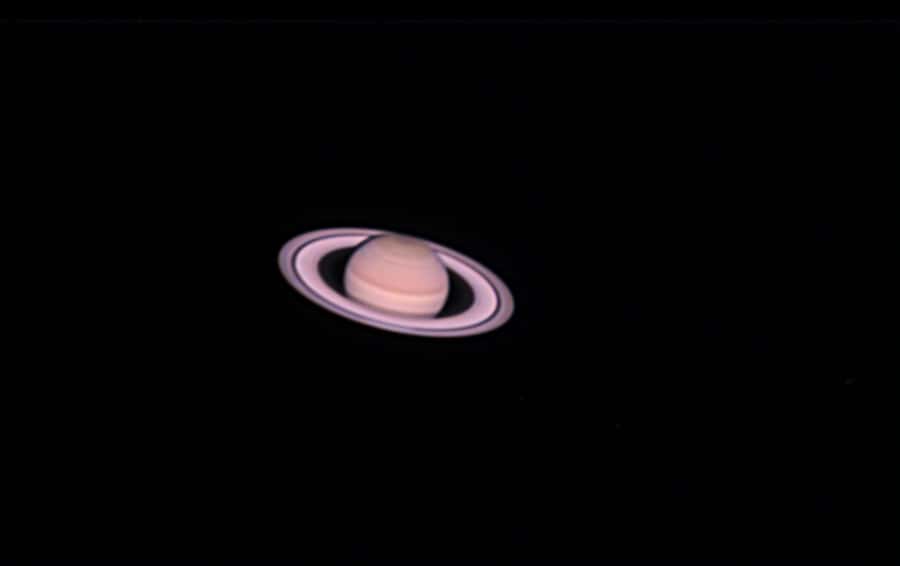
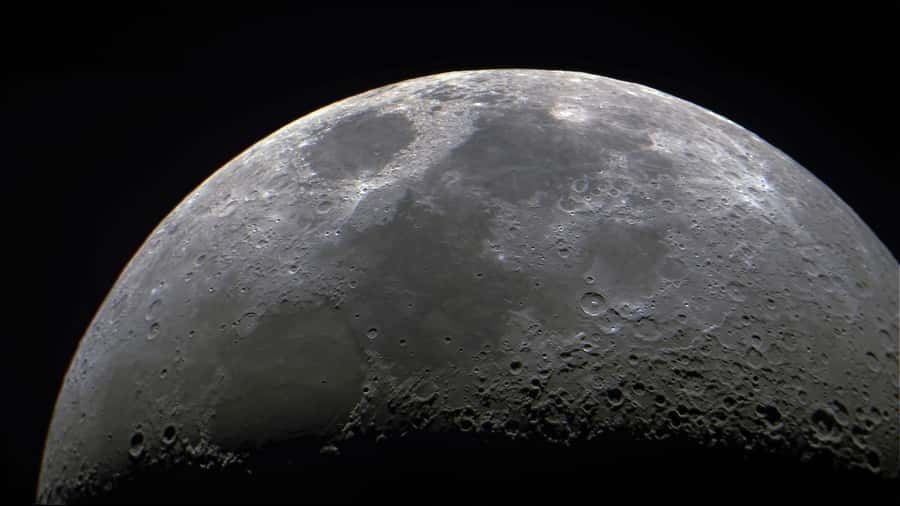
The telescope adds a sense of scale that a laser cannot provide. A constellation viewed with your eyes is a pattern. Through the telescope, a planet can show detail, and a distant cluster or nebula can take on a different character. Past sessions have included Jupiter and its moons, Jupiter’s bands, Saturn and its rings, Alpha Centauri, the Tarantula Nebula, and other deep-space objects. Your own selection will depend on the date and visibility.
Daniel explains what you are looking at rather than leaving you with a silent image. That makes the telescope more useful for beginners. You learn why the object matters, not just what it is called.
One practical point: a telescope session takes patience. Everyone in a small group needs a turn, and the view through an eyepiece is more intimate than a screen image. You may not see a perfectly bright, full-colour picture like the images used in astronomy books. The reward is the direct experience of seeing a distant object with your own eye, guided by someone who can put it in context.
More Stargazing Tours in New Zealand:
- Lake Tekapo: Alpine Stargazing Experience with a Guide
★ 4.5 · 626 reviews - Lake Tekapo: Stargazing Experience
★ 4.9 · 607 reviews - Chameleon Stargazing Shared Tour
★ 5.0 · 181 reviews - Lake Tekapo: Mountaintop Stargazing at Mount John Summit
★ 4.5 · 176 reviews
The personal astrophoto at the end
The final photo is a thoughtful extra, not just a quick snapshot. Daniel takes a personal astrophoto of you beneath the night sky, giving you a record of the evening with the Milky Way or stars behind you.
This is one of the better inclusions for the price because night-sky photography is difficult to do casually. A phone usually struggles in the dark, and a normal camera setting does not automatically produce a clear portrait with stars in the background. The supplied information does not specify how or when the photo is delivered, so check the current booking details if that matters to you.
The photo also gives the tour a neat ending. After looking outward at planets and galaxies, you finish with a picture that places you under the same sky. It is more memorable than another generic attraction photograph.
Cold chairs, blankets, and what to wear
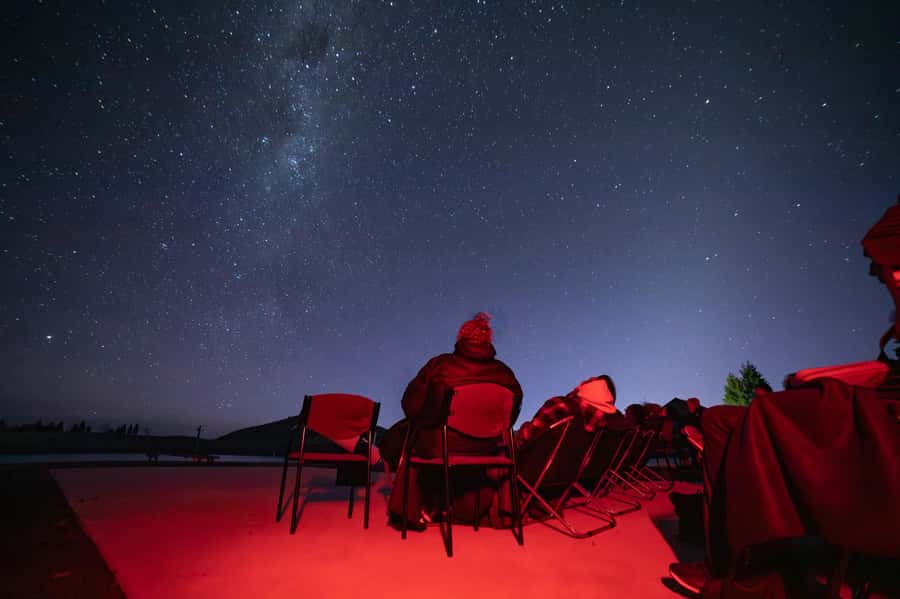
The tour provides outdoor seating and blankets, which makes a real difference during a 75-minute session. You are not expected to stand the whole time, and the seating gives you a comfortable base while Daniel talks and sets up the telescope.
Still, do not treat the blankets as your only protection. The Mackenzie region can be cold after dark, even in the middle of summer. Bring several warm layers, a hat, and gloves. Warm shoes are also a sensible choice, although footwear requirements are not specified.
The cold is the practical trade-off for seeing a clear night sky. You will be outside for the whole experience, and standing still or sitting quietly can make you feel colder than walking around. Dress for the temperature you expect after sunset, not the temperature at lunchtime.
Is $59 good value?
At $59 per person, this is a reasonable price for a 75-minute guided experience that includes a qualified astronomer, telescope use, seating, blankets, and a personal astrophoto. You are paying for access to a specialist guide as well as the setting and equipment.
The value is strongest if you want to understand what you see. A self-guided look at the stars costs nothing, but it is easy to miss the southern constellations, mistake planets for stars, or fail to notice faint objects. Daniel adds structure and meaning to the night.
The small group also matters. A maximum of 10 people keeps the session closer to a personal lesson than a mass attraction. It gives you a better chance of seeing through the telescope and asking questions.
There are limits. The tour is weather-dependent, and no guide can guarantee a particular planet or galaxy. If you are looking for a polished indoor show with guaranteed images, this outdoor session may feel basic. If you value a real sky, a skilled guide, and a quiet hour beneath the stars, the price is fair.
Who will enjoy this most
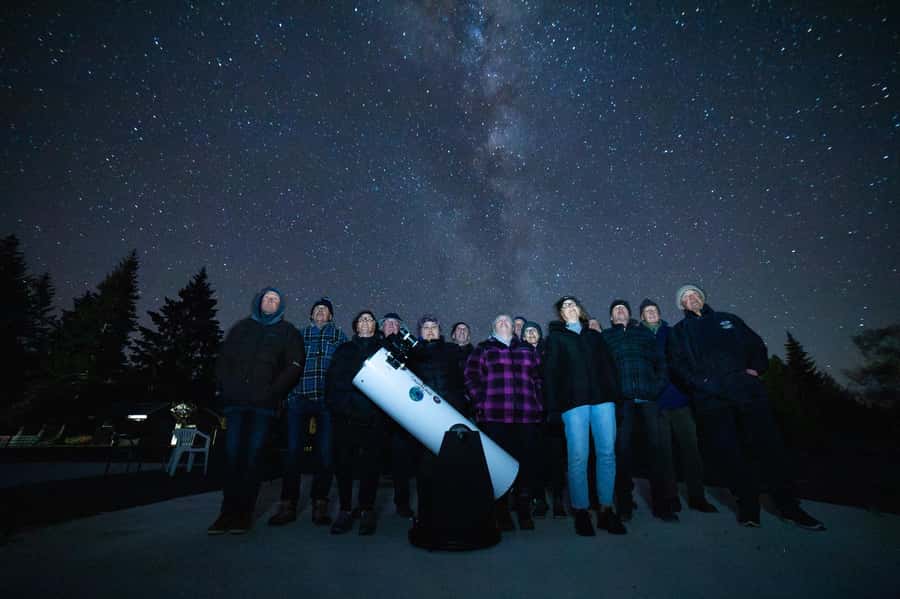
I would recommend the tour to first-time stargazers, amateur photographers, families with children aged 6 and older, and anyone who wants a calm evening activity in Twizel. You do not need prior astronomy knowledge. The guide’s explanations are designed to make complex ideas approachable.
It also suits people who already know some astronomy. The changing objects, southern hemisphere perspective, telescope views, and astrophotography element give experienced sky-watchers something to enjoy.
Children under 6 cannot join. Older children should be comfortable staying quiet at times, sitting outdoors, and handling a cold evening. The tour is not built around fast movement or entertainment in the usual sense. Its appeal is patience, wonder, and learning.
Photography fans should bring a camera only if they can use it without flash. The personal astrophoto is included, so you do not need specialist equipment to get a meaningful image.
Timing, weather, and flexible booking
The experience lasts 75 minutes, but the available start time depends on the date. Nightfall changes across the year, so check the scheduled time when you select your booking.
Clear weather is essential. If conditions force a cancellation, you will be notified and offered a refund or a rescheduled date. That policy makes sense, since clouds can remove the main reason for going. I would avoid placing this tour on the only possible evening of a tightly packed itinerary if seeing the stars is especially important to you.
You can cancel up to 24 hours before the start for a full refund, and the reserve-now, pay-later option can help if your route through the South Island is still shifting. The activity is wheelchair accessible, though the provided information does not describe the exact ground surface or seating arrangement, so ask the provider about your specific needs before booking.
Should you book Stargaze Mackenzie?
Book it if you want a quiet, small-group night under a genuinely dark sky, with a guide who can explain what you are seeing and a telescope that brings selected objects closer. Daniel’s enthusiasm, the clear science, and the final astrophoto give the experience more substance than simply lying back and looking up.
Skip it if you dislike cold outdoor activities, need guaranteed weather, or want a fast-moving attraction with lots of visual effects. Otherwise, I think this is one of Twizel’s more rewarding evening choices, especially if you bring proper winter clothing and leave room in your schedule for the sky to set the pace.
FAQ
Where does the Twizel stargazing tour meet?
A guide meets you at the car park on the first left as you enter Lake Front Road. The listed starting location is 50 Kate Cameron Drive.
How long does the stargazing tour last?
The guided experience lasts 75 minutes.
What is included in the price?
The $59 price includes the guided stargazing tour, a qualified astronomer guide, use of a powerful telescope, the laser-guided explanation of the sky, seating, and a personal astrophoto.
Is the tour suitable for children?
The tour is suitable for children aged 6 and older. Children under 6 cannot join.
What should I wear?
Wear warm layers, plus a hat and gloves. Nights in the Mackenzie region can be very cold, even during summer. Blankets are provided, but you should still dress warmly.
Does the tour run in cloudy weather?
The tour operates in clear conditions. If weather causes a cancellation, you will be notified and offered a refund or the chance to reschedule.
Are toilets available at the meeting point?
No. There are no toilets on-site, so use facilities before arriving.
Can I cancel my booking?
Yes. You can cancel up to 24 hours in advance for a full refund. You can also reserve your place and pay later, which gives you more flexibility while planning.
Just added around New Zealand
- Star Safari Stargazing Experience, Martinborough★ 5.0 · 6 reviews
- Private Stargazing at Star Safari near Martinborough★ 5.0 · 3 reviews
- Twizel Stargazing Experience with a Guide (Carbon Positive)★ 4.0 · 2 reviews
- Lake Tekapo Ultimate Stargazing Experience★ 5.0 · 3 reviews
- Virtual Stargazing & Astronomy Experience in Lake Tekapo★ 3.0 · 2 reviews
- Hanmer Springs Star Tours at Manuka Skies★ 5.0 · 11 reviews
- Lake Tekapo Stargazing & Mount Cook 2-Day Tour from Christchurch★ 5.0 · 4 reviews
- Nocturnal Wonders Tawharanui Kiwi Spotting and Stargazing Tour★ 5.0 · 23 reviews
Observatory & Telescope Tours, compared.
Teide by Night: Sunset & Stargazing with Telescopes Experience
Read our review →
Miami: Frost Museum of Science and Planetarium Entry Ticket
Read our review →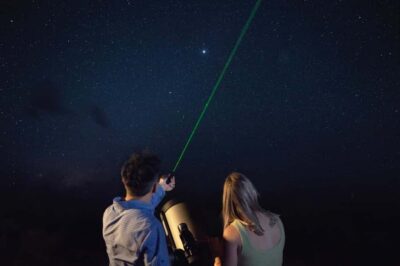
National Park Astronomy Tour with Telescope and Photo
Read our review →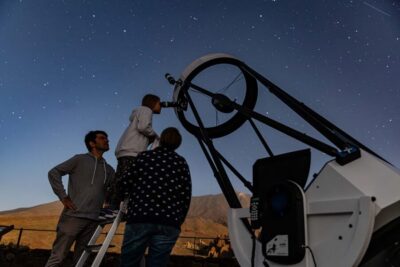
Teide National Park: Guided Large Telescope Stargazing Tour
Read our review →
Levi: Northern Lights Tour and Stargazing by Telescope
Read our review →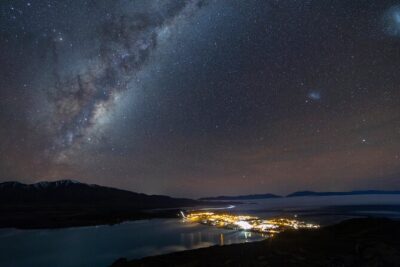
Mount John Observatory Stargazing Experience, Tekapo
Read our review →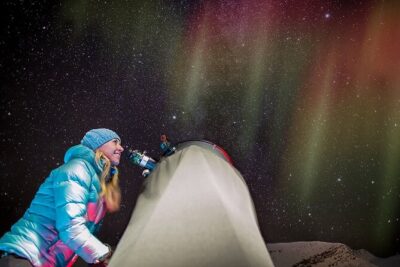
Houston Museum of Natural Sciences: Planetarium Ticket
Read our review →Browse the lists this tour appears in