
REVIEW · OBSERVATORY & TELESCOPE TOURS
Akaroa: Stargazing Tour with 2 Telescopes & Souvenir Photos
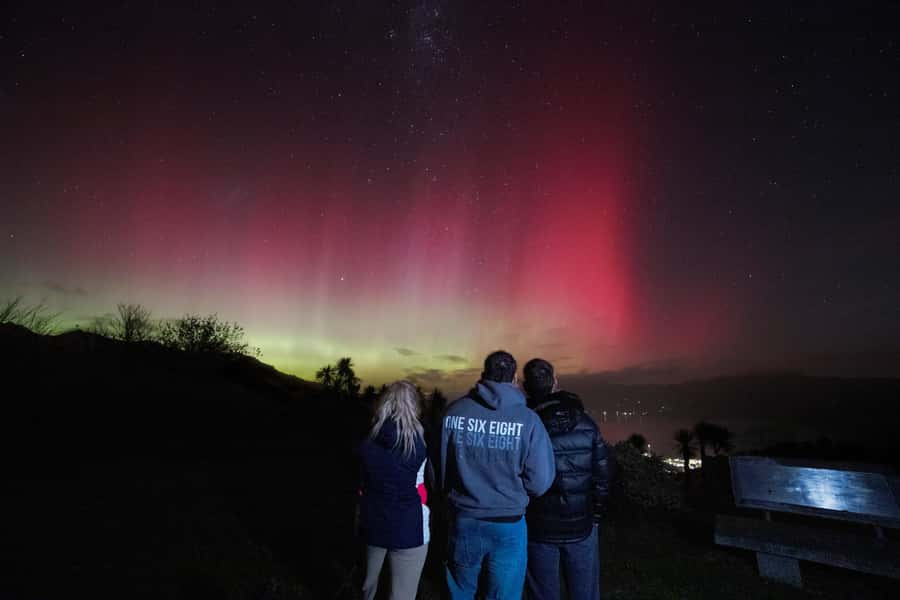
Akaroa’s dark skies are the real star here. Away from city glare, you can see the Milky Way overhead and use two very different telescopes to explore the Southern Hemisphere sky. I especially like the live nebula photos and the personal digital portrait, both useful souvenirs rather than throwaway trinkets. The one drawback is simple: cloudy weather can limit what you see, and 90 minutes may feel short if you have lots of questions.
I also like the small group, capped at 10 people, and the thoughtful comforts of a hot drink and blankets. Luca brings a warm, funny teaching style, and several people singled out his patience and passion for space. You will need to arrange your own way to the meeting point, dress warmly, and leave the flashlight at home.
Key points at a glance
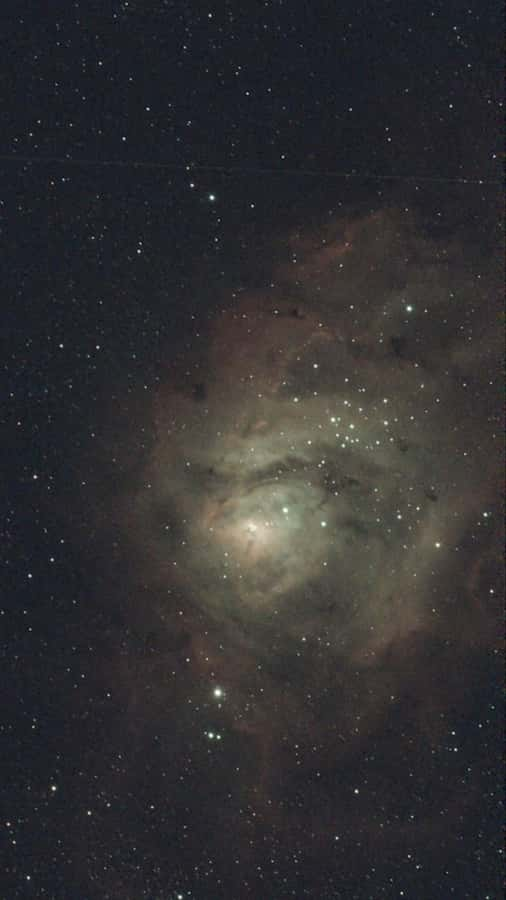
- Two telescopes, two ways to see space: Use a 10-inch Dobsonian for direct visual viewing and a ZWO Seestar S50 for live astrophotography.
- Akaroa’s dark skies: The setting lets you see the Milky Way with much less light pollution than in a town or city.
- Photos sent home: Receive digital images of nebulae and deep-sky objects during the tour, plus a personal night-sky portrait the next day.
- Luca leads the evening: Expect clear explanations, patient answers, and a guide who enjoys making astronomy accessible.
- Comfort in a short format: The 90-minute schedule includes a safety briefing, guided viewing, and a photo stop, with blankets and a hot drink provided.
Why Akaroa is a good place to look up
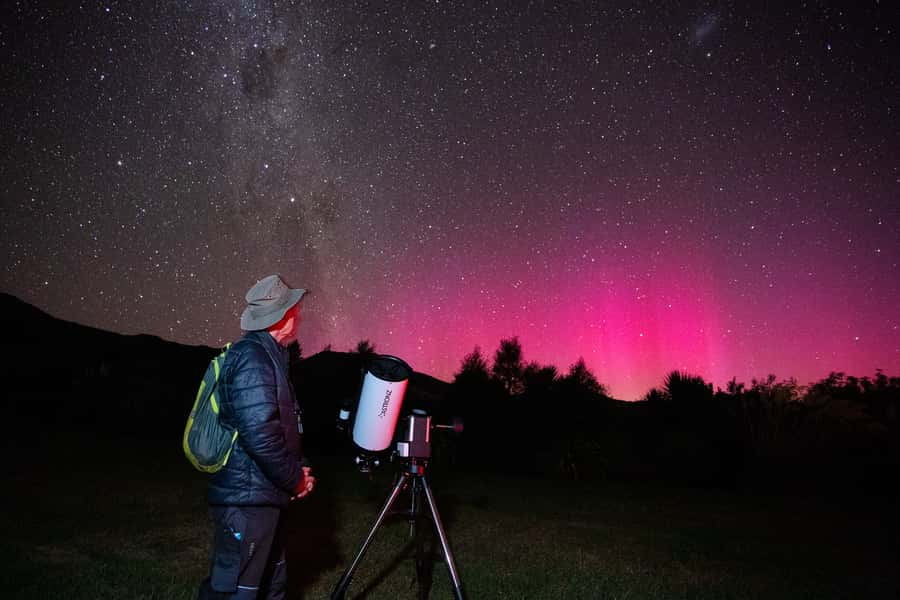
Akaroa gives this tour an advantage before the first telescope is even pointed at the sky. The experience takes place away from city lights, so your eyes have a better chance to see the Milky Way and the broader shape of the night sky.
That matters because stargazing is not only about magnification. Bright streetlights and urban glare wash out faint stars and distant objects. In a darker setting, the sky feels larger, and your guide can help you connect what you see with the wider Southern Hemisphere view.
The tour meets at 280 Long Bay Road, where your guide greets you in the car park 10 minutes before departure. You should treat the meeting point as part of your planning. Hotel pickup and drop-off are not included, so you need your own transport to Akaroa Heritage Park and the meeting area.
The setting is also a reminder to prepare for the temperature. Bring warm clothing and closed-toe shoes. Blankets and a complimentary hot drink help, but they do not replace a proper jacket on a cool evening.
More Observatory and Telescope Tours in New Zealand:
- Mount John Observatory Stargazing Experience, Tekapo
★ 4.5 · 160 reviews - Stargazing Experience at Cowan’s Private Observatory
★ 4.0 · 85 reviews - Lake Tekapo: Stargazing Experience at Cowan’s Observatory
★ 4.7 · 52 reviews
A 90-minute evening with a clear plan
The schedule is compact and sensible. You begin with a five-minute safety briefing, then spend about 75 minutes on guided stargazing, followed by a 10-minute photo stop.
That structure keeps the evening moving without making it feel like a rushed checklist. The safety briefing is brief, which leaves most of your time for the sky. The 75-minute main session gives Luca room to explain what you are seeing, shift between telescopes, and answer questions.
The final photo stop is more than a quick goodbye. It gives you time to create the personalized image of yourself under the stars. That photo is sent digitally the next day, while the telescope images of nebulae and other deep-sky objects are shared during the tour.
A 90-minute tour is a good length if you want a focused evening activity. It is long enough to see several targets and learn the basics, but not so long that you are standing outside for hours. If astronomy quickly becomes your main interest, you may wish the session lasted longer, especially on a clear night when questions keep coming.
The 10-inch Dobsonian gives you a direct view
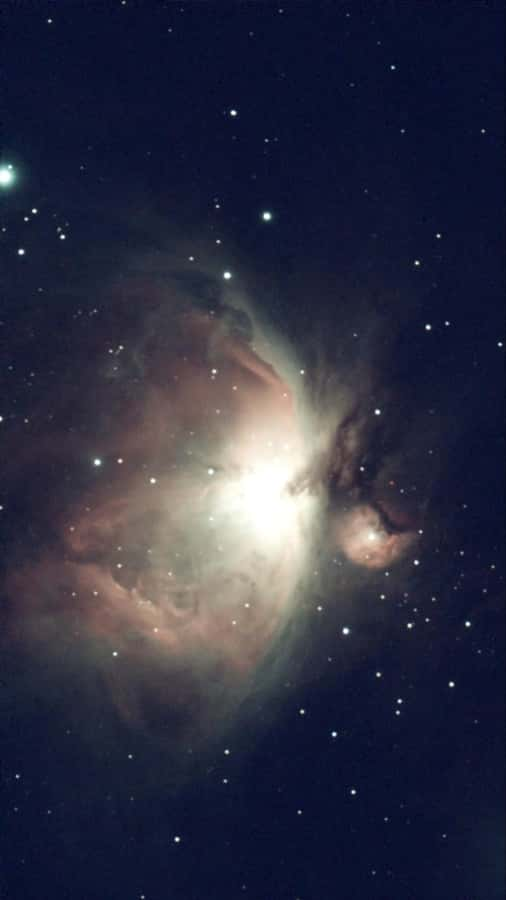
The 10-inch Dobsonian is the traditional telescope in the pair. It is designed for visual observing, meaning you look through the eyepiece and see the object directly rather than viewing a processed image on a screen.
This is where the experience can feel most personal. Luca can guide you toward planets, nebulae, galaxies, and other targets, then help you understand what your eye is seeing. The view may not look like a colorful space photograph, and that is worth knowing in advance. Visual astronomy often shows subtle detail, shape, and contrast rather than the bright colors associated with professional images.
The Dobsonian also gives the tour a hands-on, old-school astronomy feel. You are not simply watching a presentation about space. You are taking turns at a real telescope under the open sky, with the guide explaining what is in view and why it matters.
Because the group is limited to 10 people, you have a better chance of getting a good turn at the eyepiece and asking questions. A larger crowd could make that slower and less personal. Here, the small-group setup supports the patient teaching that people especially appreciated.
The Seestar S50 turns faint objects into photographs
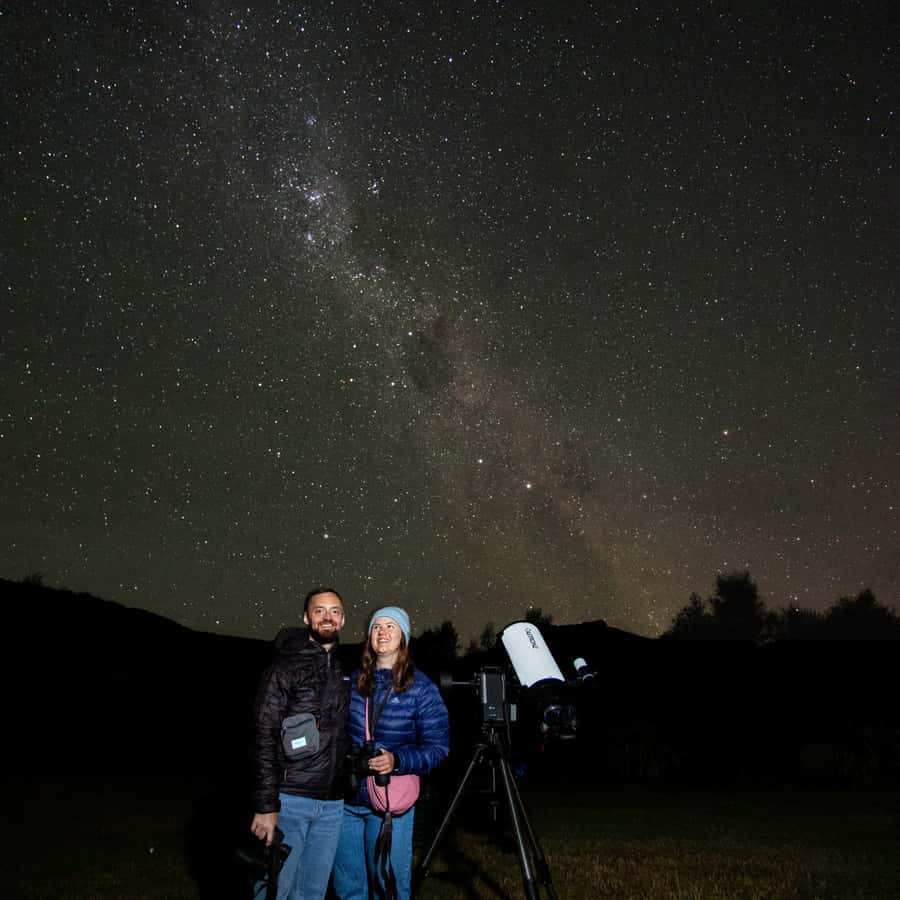
The second instrument, a ZWO Seestar S50 smart telescope, serves a different purpose. It uses live astrophotography to capture nebulae and other deep-sky targets during the tour.
This is especially useful for objects that are faint or difficult to appreciate through a quick visual glance. The telescope can build a digital image while you watch, allowing you to take home a clearer record of what the group found in the sky.
You receive digital photos of nebulae and deep-sky objects during the experience. These images add value to the $65 price because they give you something concrete to keep and share after the evening. They also help connect the explanation to a visible result. You are not only told that a distant object is there. You can see the image captured during your own session.
The two-telescope arrangement is one of the strongest parts of the tour. The Dobsonian offers the direct eyepiece view, while the Seestar S50 shows what modern compact astrophotography can produce. The contrast between the two makes the evening more interesting than a basic constellation talk.
More Photo Sessions in New Zealand:
- AuthenticAs Star Gazing -Nightscape Portrait Photography Tour
★ 5.0 · 59 reviews - Mauna Kea Stargazing Experience + Photos
★ 5.0 · 261 reviews - Night-Time Snorkel at TurtleTown with Stars, Lights, and Photos
★ 5.0 · 126 reviews - Moab: The Windows Astro-Photography and Stargazing Hike
★ 4.8 · 36 reviews
Luca’s teaching style is central to the experience
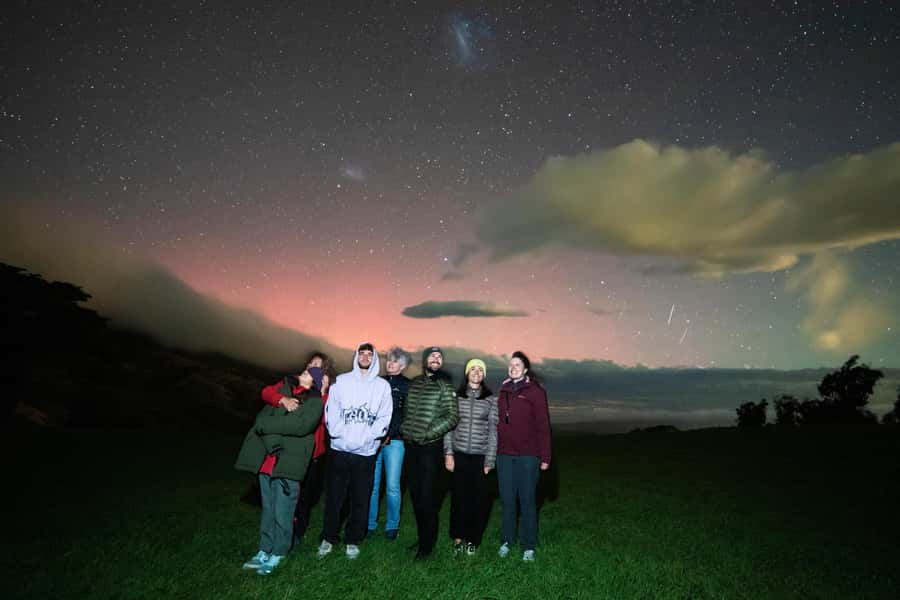
The equipment matters, but the guide can make or break an astronomy tour. Luca is the person who gives the evening its shape, and the strongest praise focuses on his explanations, humor, patience, and enthusiasm for space.
You can expect a live English-speaking guide who is happy to answer questions rather than deliver a fixed speech and move on. That is useful for beginners, children, and anyone who knows a few astronomy terms but wants help making sense of the sky.
The feedback describes Luca as friendly, funny, passionate, and very well informed. One particularly useful detail is that he does not appear to rush questions. On a clear night, that patience matters. You may want to know how a telescope works, how far away a galaxy is, or why one object looks different from another. A guide who allows time for those questions can turn a pleasant outing into a real learning experience.
This is also a good option if people in your group have different levels of interest. One person can enjoy the visual spectacle, another can focus on the photography, and a child can ask basic questions without feeling out of place. The tour is designed for all ages.
What the photo stop adds
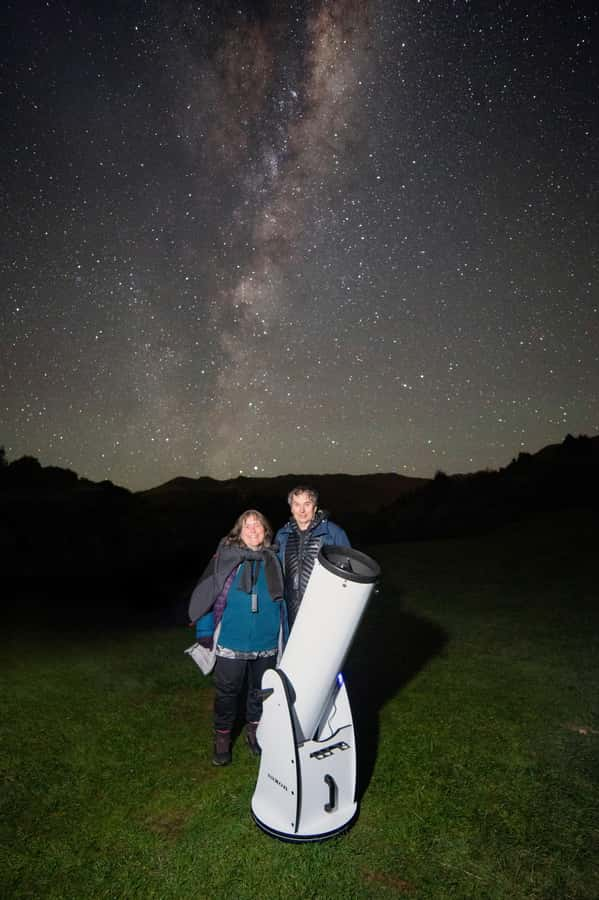
The final 10 minutes are set aside for a digital souvenir photo of you under the night sky. It is sent the next day, so it is not an instant print or a physical souvenir.
That distinction is worth noting. If you want something to hold in your hand before leaving, this tour does not provide that. If you prefer a digital image that you can save, post, or send to family, the format is convenient.
The photo also gives you a personal record of the setting. Telescope images show the objects you observed, while the portrait connects you to the evening itself. Together, the two types of images tell a fuller story of the experience.
The photo stop should not replace the main viewing time, and it does not. Ten minutes is a modest amount of time, but it is enough to create the promised souvenir without taking a large part of the 90-minute session away from astronomy.
Comfort, access, and practical preparation
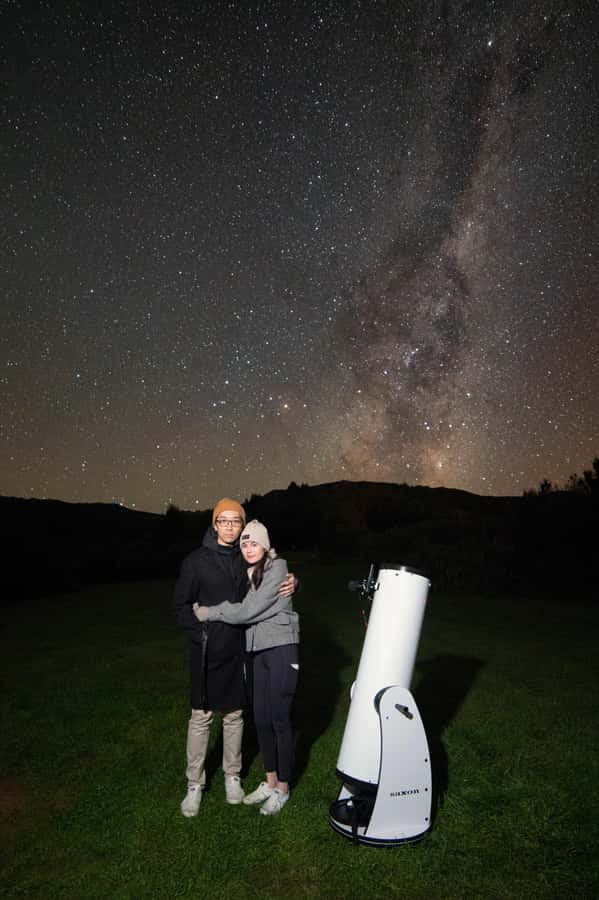
A hot drink and cozy blankets are included. These are small details, but they matter when you are spending an evening outdoors and needing to stay still while you look through a telescope.
Still, come prepared. Warm clothing is specifically recommended, and closed-toe shoes are required. Do not bring a flashlight. Bright light can interfere with night vision and make it harder for everyone to adjust to the dark sky.
The activity is wheelchair accessible, and the small-group limit is 10 participants. If accessibility is important for your booking, you should still confirm any personal requirements when reserving, since the supplied details do not describe the exact surfaces or facilities at the meeting point.
Alcohol and drugs are not allowed. That is sensible for an evening involving equipment, darkness, and a group moving around a viewing area.
The tour is in English. If you are comfortable following spoken English, Luca’s question-friendly approach should suit you. The format is less suitable if you want a private tour or a silent, self-guided look at the stars, since the main value comes from the guide’s explanations.
Is $65 a fair price?
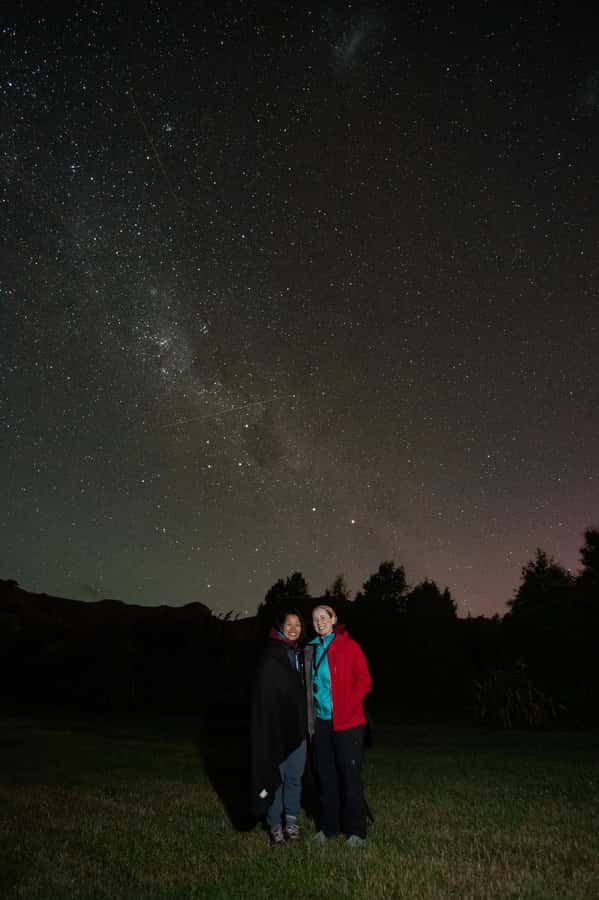
At $65 per person, this is not the cheapest way to spend an evening in Akaroa, but it offers more than a simple lookout stop. You get a 90-minute guided session, two telescopes, live digital images, a personal portrait, a hot drink, and blankets.
The strongest value comes from the combination. A basic stargazing talk might give you information but no telescope time. A telescope-only session might offer views without much context. Here, the Dobsonian, Seestar S50, guide, and photos work together.
The small group also helps justify the price. With no more than 10 participants, the session is set up for direct contact with Luca rather than a distant presentation. That is important if you want to ask questions or need help finding your place at the eyepiece.
The value depends on the sky, of course. Clear conditions can make the evening memorable, while cloud cover may reduce the number of objects you can see. The tour is still structured and the digital portrait remains part of the package, but astronomy always has a weather-related uncertainty. I would book it for the setting, guide, and format, while accepting that the sky cannot be guaranteed.
Who should book this Akaroa stargazing tour?
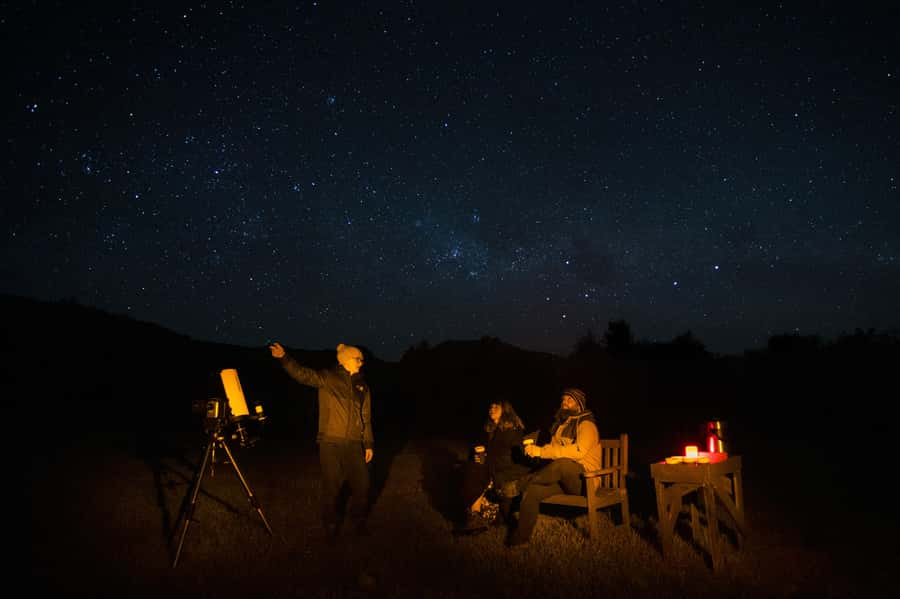
I would recommend it to first-time stargazers, families, couples, and curious adults who want an activity with a clear educational side. You do not need to own a telescope or know the names of many stars before arriving.
It is also a good match if you want souvenirs that relate directly to the activity. The live nebula images and next-day portrait are more distinctive than a standard photo stop.
You may want to skip it if you dislike being outdoors at night, do not want to arrange your own transport, or prefer a longer astronomy session. The 90-minute format is focused, not leisurely. You will get a strong introduction, but not an all-night observing program.
Plan your evening around the start time and allow enough time to reach the car park. The guide greets you 10 minutes early, so arriving at the last moment would add needless stress.
Booking flexibility and timing
You can cancel up to 24 hours in advance for a full refund, and the reserve-now, pay-later option lets you hold a place without paying immediately. These policies are useful when your South Island plans are still shifting.
Starting times vary, so check availability for your date. The information provided does not promise a specific viewing target or weather guarantee, so the best approach is to arrive ready for the guide to make the most of the conditions that night.
Should you book it?
Book this tour if you want a friendly, small-group introduction to the Southern Hemisphere sky, with proper telescope time and useful digital souvenirs. Luca’s patient teaching, Akaroa’s dark skies, and the mix of visual astronomy with live astrophotography give the evening more substance than a quick look at the stars.
The main cautions are the outdoor conditions, the need for your own transport, and the short 90-minute schedule. For $65, I think the package offers good value when the sky is clear, especially if you appreciate explanation as much as the view. Bring warm clothes, leave the flashlight behind, and arrive ready to look up.
FAQ
How long is the Akaroa stargazing tour?
The tour lasts 90 minutes. It includes a five-minute safety briefing, about 75 minutes of guided stargazing, and a 10-minute photo stop.
Where does the tour meet?
The meeting point is the car park at 280 Long Bay Road. Your guide greets you 10 minutes before the scheduled departure.
What telescopes will I use?
You will use a 10-inch Dobsonian telescope for visual observing and a ZWO Seestar S50 smart telescope for live astrophotography.
Do I receive photos?
Yes. Digital photos of nebulae and deep-sky objects are shared during the tour. A personalized digital photo of you under the night sky is sent the next day.
What should I bring?
Bring warm clothing and closed-toe shoes. Flashlights are not allowed, and alcohol and drugs are prohibited.
Is the tour wheelchair accessible?
Yes, the activity is listed as wheelchair accessible. It is also a small-group tour limited to 10 participants.
Just added around New Zealand
- Star Safari Stargazing Experience, Martinborough★ 5.0 · 6 reviews
- Private Stargazing at Star Safari near Martinborough★ 5.0 · 3 reviews
- Twizel Stargazing Experience with a Guide (Carbon Positive)★ 4.0 · 2 reviews
- Lake Tekapo Ultimate Stargazing Experience★ 5.0 · 3 reviews
- Virtual Stargazing & Astronomy Experience in Lake Tekapo★ 3.0 · 2 reviews
- Hanmer Springs Star Tours at Manuka Skies★ 5.0 · 11 reviews
- Lake Tekapo Stargazing & Mount Cook 2-Day Tour from Christchurch★ 5.0 · 4 reviews
- Nocturnal Wonders Tawharanui Kiwi Spotting and Stargazing Tour★ 5.0 · 23 reviews
Observatory & Telescope Tours, compared.
Teide by Night: Sunset & Stargazing with Telescopes Experience
Read our review →
Miami: Frost Museum of Science and Planetarium Entry Ticket
Read our review →
National Park Astronomy Tour with Telescope and Photo
Read our review →
Teide National Park: Guided Large Telescope Stargazing Tour
Read our review →
Levi: Northern Lights Tour and Stargazing by Telescope
Read our review →
Mount John Observatory Stargazing Experience, Tekapo
Read our review →
Houston Museum of Natural Sciences: Planetarium Ticket
Read our review →Browse the lists this tour appears in