
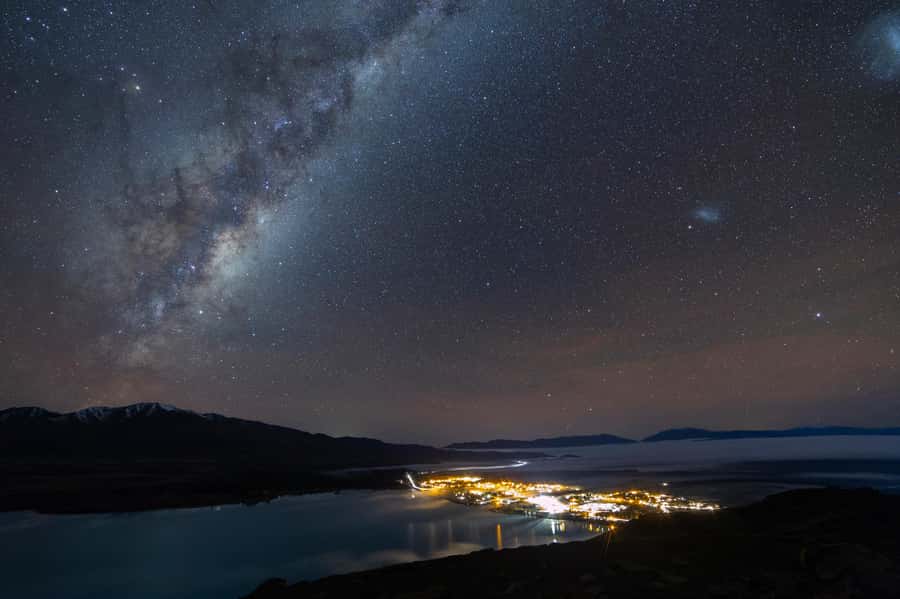
REVIEW · LAKE TEKAPO
Lake Tekapo: Mountaintop Stargazing at Mount John Summit
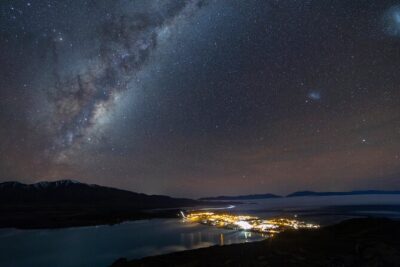
Mount John is the right place for a serious look at the Southern Hemisphere sky. You ride above Lake Tekapo to the 1,029-meter summit, then learn to pick out the Southern Celestial Pole, Alpha Centauri, Jupiter, and other sights with help from a guide and laser pointer. On a clear night, the Milky Way can seem close enough to touch.
I like two things in particular. First, the guide-led naked-eye session teaches you how to find stars for yourself instead of simply pointing a telescope at them. Second, exclusive summit access, with the University of Canterbury research centre nearby, gives this short outing a real sense of place.
The catch is simple: this is an outdoor activity at altitude, and the sky controls the evening. Clouds, wind, a bright moon, or poor visibility can weaken the show. You also need to manage a 100-meter gravel incline and a few steps in the dark.
Key points at a glance
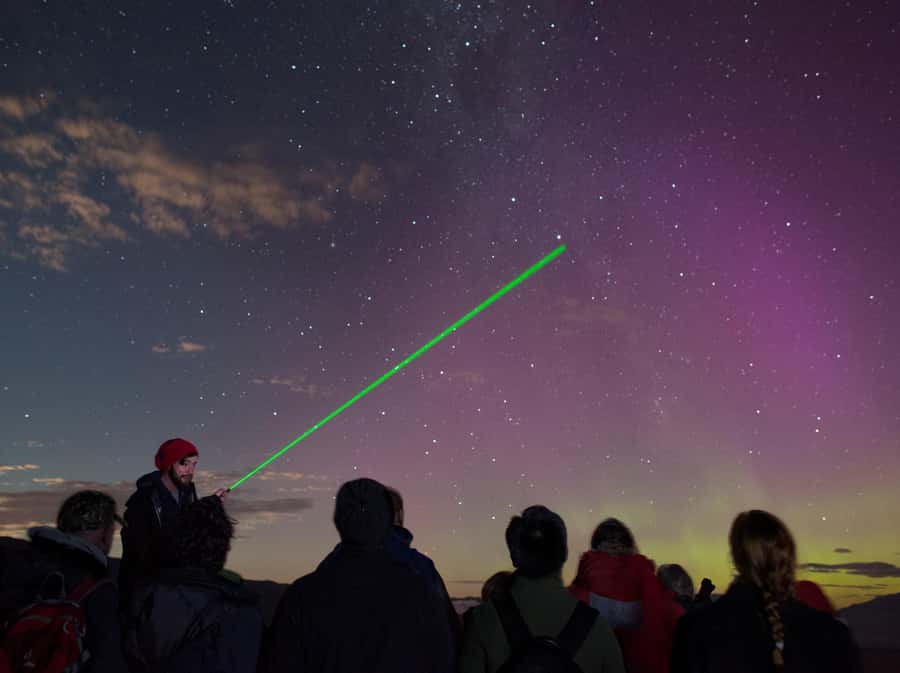
- Mount John summit access: Travel to the top of Mount John, 1,029 meters above Lake Tekapo, rather than stargazing from town.
- Southern Hemisphere expertise: Guides explain the stars with handheld lasers before moving to high-powered telescopes.
- Cold-weather support: Extreme cold weather jackets are provided, but you should still dress warmly year-round.
- Weather matters: Tours may be cancelled in poor conditions, with an indoor alternative or full refund offered.
- Best for curious visitors aged 10 and over: You need to walk on gravel, climb a couple of steps in darkness, and speak the tour language for safety.
- A focused 105-minute outing: The price is $130 per person, with transport from the Dark Sky Project base to the summit included.
Leaving Lake Tekapo for Mount John at night
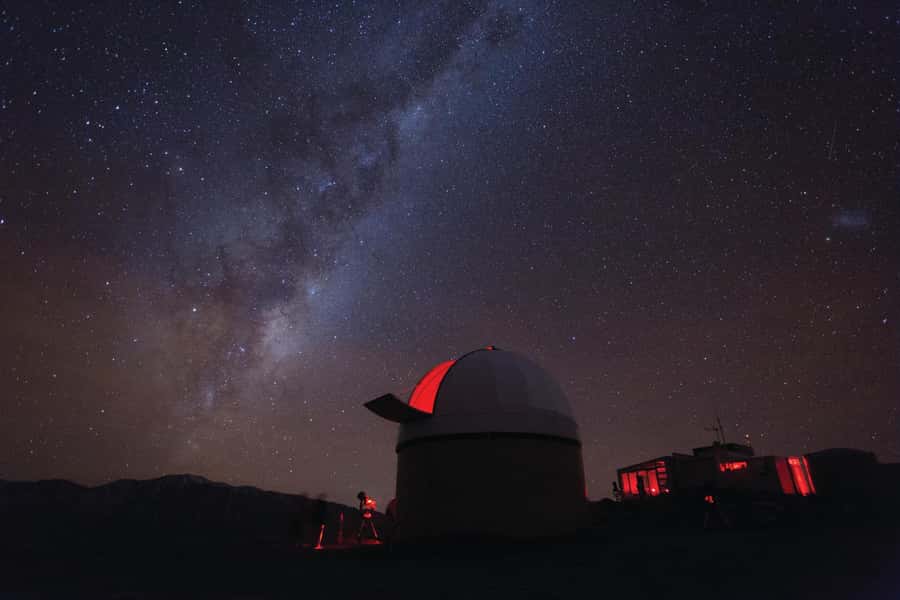
You check in at the Dark Sky Project base beside the Takapō, also called Tekapo, lakefront at least 20 minutes before departure. Hotel pickup is not included, so plan to reach the base yourself and allow time for check-in without rushing.
The included ride takes you from the base to Mount John Summit. That matters because it removes the need to arrange your own transport up the mountain at night. One particularly memorable touch from the ride is the driver’s nickname for it: the only nightclub in Tekapo. It is a light joke, but it captures the mood well. The road into the darkness becomes part of the evening.
At check-in, you receive an extreme cold weather jacket. Take it seriously. Mount John can feel sharply cold even when the afternoon in town was mild, and you will spend much of the outing standing still. Add your own warm layers, trousers, and covered shoes. The supplied jacket is useful backup, not a reason to arrive in light clothing.
Food and drinks are not included. A hot chocolate has been offered on at least some visits, but I would treat that as a possible extra rather than part of the booking. Eat before you arrive and carry only what the operator allows.
More Stargazing Hikes and Night Walks in Lake Tekapo:
- Dubai: Sunset Camel Trek, Al Khayma Camp, Stargazing & BBQ
★ 4.8 · 2,588 reviews - Big Island GOAT Experience: Mauna Kea Summit, Sunset & Stars
★ 5.0 · 1,706 reviews - Big Island: Mauna Kea Summit and Stars Small-Group Adventure Tour
★ 5.0 · 1,545 reviews
The summit setting above Lake Tekapo
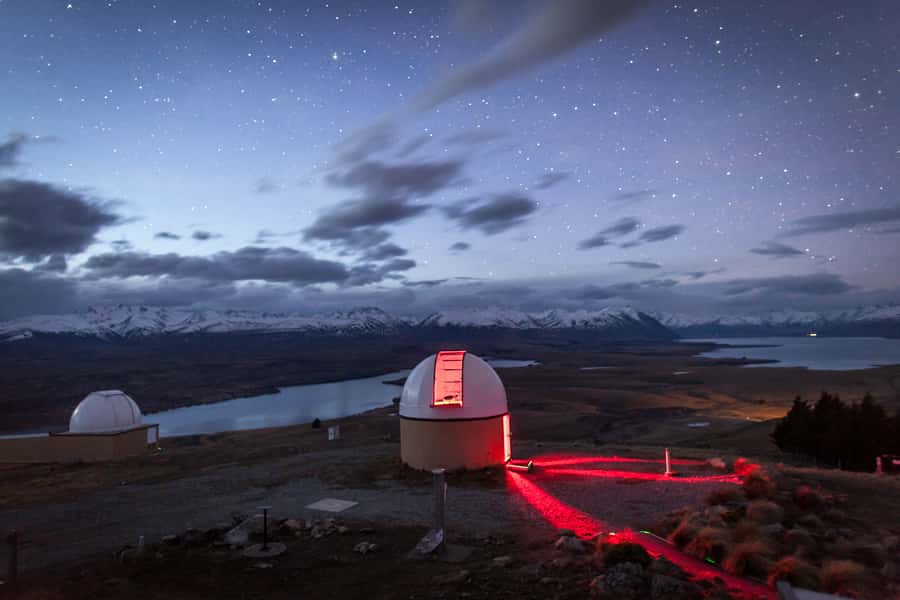
The summit gives this activity its main advantage. You are not simply looking up from a lakeside field. You are above Lake Tekapo, surrounded by the University of Canterbury research centre, inside the Aoraki Mackenzie International Dark Sky Reserve.
The reserve is a Gold Standard International Dark Sky Reserve and one of the best-known places in New Zealand for looking at the night sky. The high position and low levels of artificial light help, but the setting does not guarantee a perfect night. Clouds and wind can still cover the view, and moonlight can wash out the fainter stars.
That last point is worth planning around. A bright moon can make the night pleasant for viewing the moon and brighter objects through a telescope, but it can reduce the contrast of the Milky Way. If your main goal is to see the Milky Way with the naked eye, aim for a night close to the new moon when possible. If you have flexible plans, weather and moon phase both deserve attention.
You should also adjust your expectations about the summit. This is a short astronomy session, not a long walk or a scenic sightseeing tour. The main reward comes from the sky, the explanations, and the feeling of being in a working astronomy setting.
Learning the Southern sky without a telescope
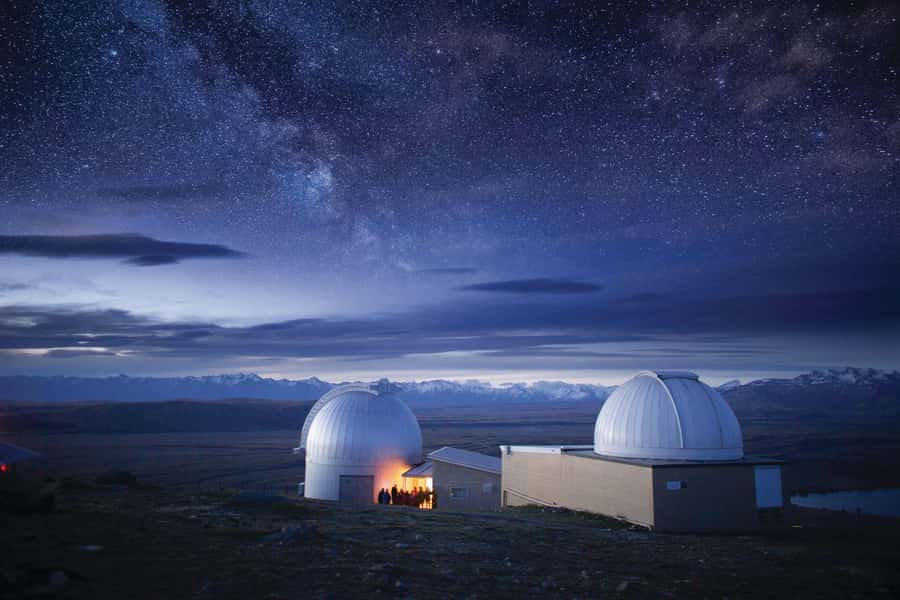
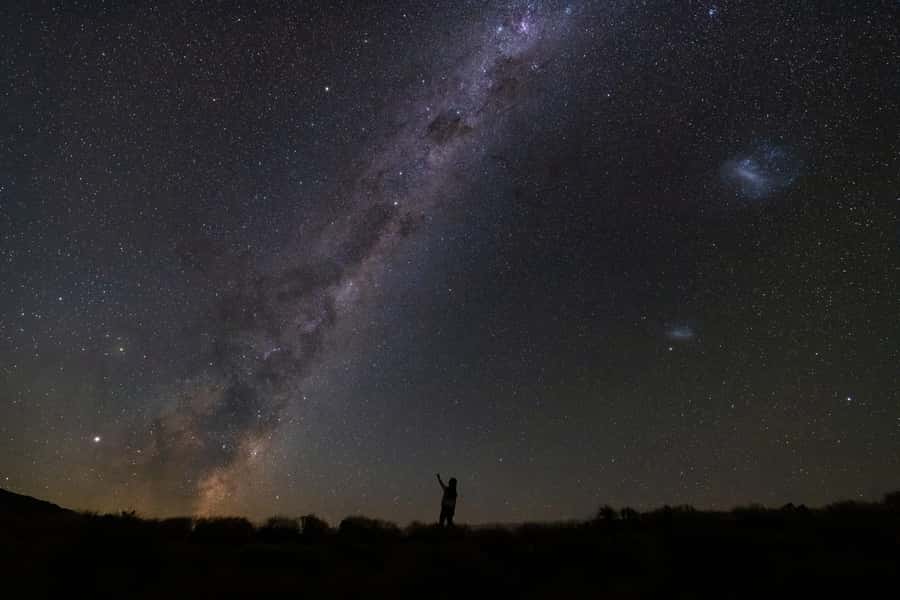
The first astronomy portion uses your own eyes. Guides point out features with handheld lasers and explain how to orient yourself in the Southern Hemisphere.
This is one of the strongest parts of the outing. A telescope can show you an object, but a laser-guided explanation helps you understand where that object sits in the wider sky. You may learn to locate the Southern Celestial Pole, then use that knowledge to make sense of the stars around it. Alpha Centauri, Jupiter, and other bright objects may also appear, depending on the date and conditions.
The guides are a major part of the value. Oscar, named by one visitor, was praised for his energy and command of the subject. Other guides are described as enthusiastic and very good at answering questions. That is important here because the sky can look like a mass of bright points if nobody gives you a way to read it.
The language options are Japanese, English, and Chinese. You must speak the language of the tour for health and safety reasons. This is not just a preference, since you need to follow instructions in the dark and on the mountain. If you cannot communicate in one of those languages, you will not be allowed to join.
What the telescopes add to the evening
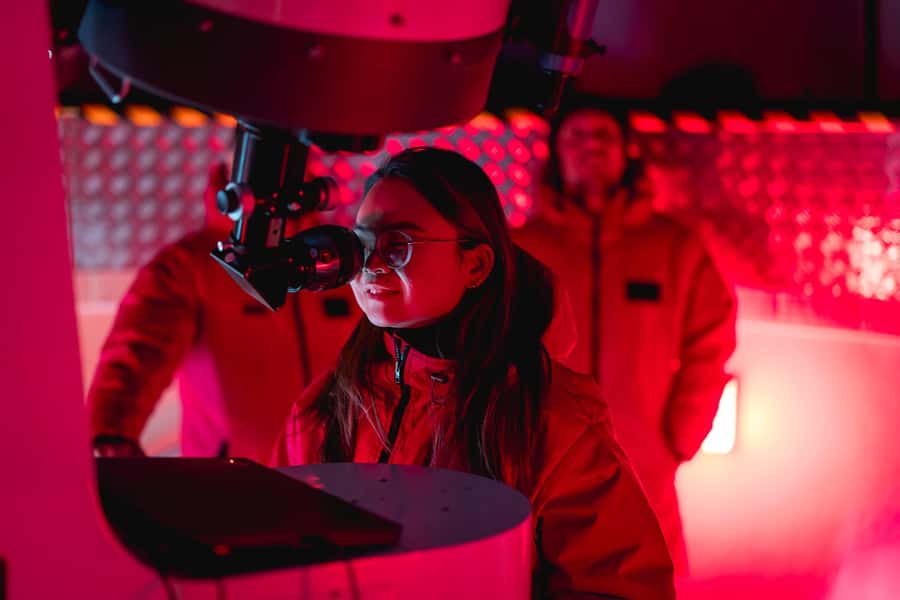
After the naked-eye introduction, you look through high-powered telescopes. The exact objects available change with the season, time, and cloud cover. On suitable nights, visitors have viewed Mercury, Jupiter, and groups of stars through the equipment.
You should keep your expectations realistic. A telescope does not always produce a huge, colorful image like the pictures you see in books. One visitor felt disappointed that stars looked only slightly larger than they did to the naked eye and expected a larger telescope. That is a fair caution, especially at $130 per person.
The telescope portion works best when you see it as a closer look guided by an astronomer, not as a private observatory session with guaranteed views of Saturn, Venus, or the Moon. Those objects may not be above the horizon during your visit, and clouds may block them. The night sky changes constantly, so each departure has a different menu.
The strongest effect often comes from combining both parts. First, you learn the pattern with your eyes. Then you use the telescope to examine selected objects. The result is more satisfying than a telescope view without context, and it gives you a better chance of continuing to stargaze on your own after the tour.
More Stargazing Tours in Lake Tekapo:
- Lake Tekapo: Alpine Stargazing Experience with a Guide
★ 4.5 · 626 reviews - Lake Tekapo: Stargazing Experience
★ 4.9 · 607 reviews - Chameleon Stargazing Shared Tour
★ 5.0 · 181 reviews - Mount John Observatory Stargazing Experience, Tekapo
★ 4.5 · 160 reviews
Why the guide makes or breaks the experience
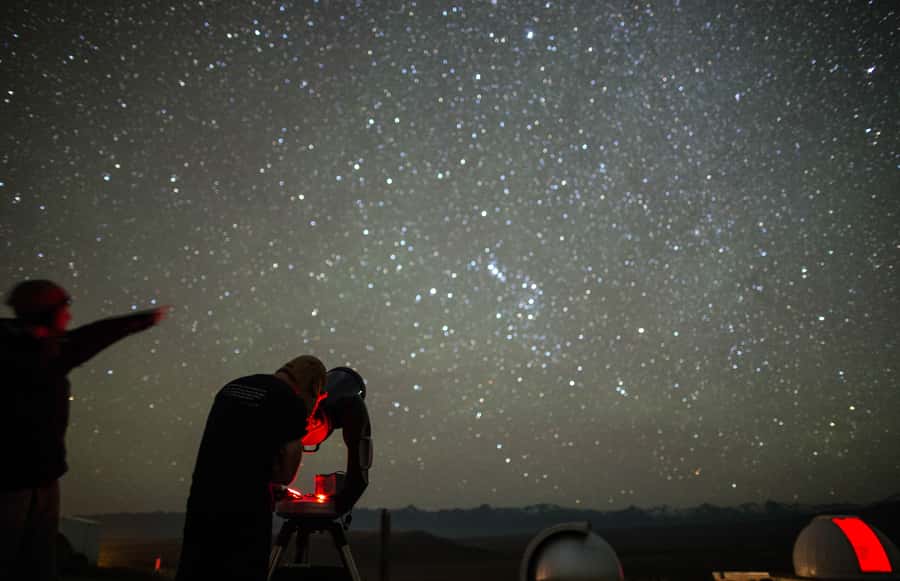
This is a teaching activity as much as a viewing session. The best guides make the sky feel readable, not remote. They explain what you are seeing, answer questions, and keep the group engaged while everyone waits for their turn at the telescope.
The supplied feedback points strongly in that direction. Guides are repeatedly described as enthusiastic, informative, and passionate about astronomy. The university connection also adds credibility and gives the session more substance than a quick commercial star show.
You should still remember that guide quality cannot overcome bad weather. A highly capable guide can explain the stars indoors or talk through an alternate program, but no one can produce a clear Milky Way through heavy cloud. The operator offers an indoor alternative or a full refund if weather prevents the mountain visit.
If you have a flexible schedule, do not feel obliged to accept the first possible night. One visitor rescheduled after poor weather and found the following evening much better, with less wind and no cloud. That kind of flexibility can make a large difference.
Cold, darkness, and the small physical demands
The activity is family-friendly for ages 10 and up, but it is not suitable for children under 10 or people with mobility impairments. You need a minimal level of fitness and confidence walking about 100 meters on a gravel incline. You also need to climb a couple of steps in the dark.
That description is modest, but the conditions can make small tasks feel harder. Gravel, low light, cold fingers, and bulky clothing all require a little care. A lanyard torch may be provided, and you should avoid flash photography. Flash can ruin other people’s night vision and interfere with the dark setting.
Bring weather-appropriate clothing even though the operator supplies the large outer jacket. Warm socks, gloves, and a hat are sensible. The jacket helps keep you comfortable, but standing on a summit for an hour is different from walking around town.
The darkness is part of the pleasure, not a flaw. With no moon, the sky can provide enough light to orient yourself, but you should still move slowly and listen to instructions. This is a good reason to leave the camera in your bag for much of the session. Your eyes need time to adjust, and phone screens work against that.
Is $130 good value for 105 minutes?
At $130 per person, this is not a casual add-on. You are paying for the summit transfer, access to a special astronomy site, the guide, telescope time, and the cold-weather jacket. The 105-minute duration is long enough to include both a proper sky orientation and telescope viewing, rather than a quick look and a return to town.
I think the price is fair if astronomy is a real priority for your South Island trip and you get clear skies. The location is the key. You are paying to reach a dark mountain summit with a guide who can explain what you are seeing, not simply for transport or a generic night walk.
The value weakens if you are mainly hoping for a dramatic telescope image. The sky may not contain the object you most want to see, and stars can look less enlarged than expected. Weather can also reduce the experience to an indoor alternative, although the refund option protects you if the mountain tour is cancelled.
One supplied comment refers to a price of NZD209, while the stated current price here is $130. Check the price shown for your date before paying, since the difference would change the value calculation considerably.
How to plan the best possible night
Choose a date close to the new moon if the Milky Way is your priority. A waxing or full moon can still make for an attractive evening, and moon viewing through a telescope may be appealing, but bright moonlight makes faint stars harder to see.
Keep the rest of your schedule flexible. Check the weather close to the departure, and if your plans allow, leave room to move the booking to a clearer night. The tour can be cancelled in poor weather, with an indoor option or full refund.
Arrive 20 minutes early at the Dark Sky Project base. Since there is no hotel pickup, you are responsible for getting to the lakefront meeting point. Wear warm clothes from the start, and do not assume the provided jacket will be enough on its own.
Finally, put your phone away for at least part of the session. One visitor tried a long time-lapse and captured only a few seconds of usable footage. That is a useful warning. Cameras struggle in the dark, while your eyes, once adjusted, can take in far more than a small screen.
Who should book the Mount John stargazing tour?
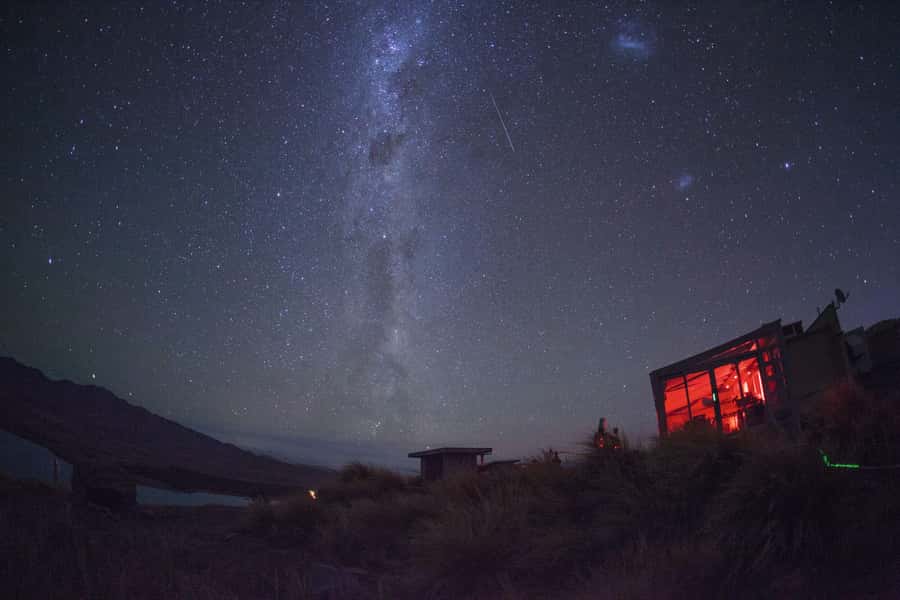
I would book this for you if you enjoy learning, asking questions, and looking at the sky with some guidance. It suits couples, families with children aged 10 and over, and anyone who wants a more serious astronomy activity during a South Island road trip.
It is especially good for first-time Southern Hemisphere stargazers. The guide shows you how to find the sky’s main reference points, and the telescope gives you a closer look after you understand what you are seeing.
I would hesitate if you dislike cold outdoor activities, have difficulty walking on gravel or climbing steps, or need guaranteed views of a particular planet. I would also think twice if your budget is tight and you are booking on a cloudy night with no flexibility.
Should you book it?
Book it if the forecast is promising, the moon is not too bright, and the Southern Hemisphere sky is high on your list. The summit setting, expert guides, laser-led orientation, and telescope viewing make this more than a simple look at the stars.
If the weather turns poor, reschedule when you can. That is the best way to protect the value of your $130. The experience is at its strongest on a clear, calm night, when Mount John gives you both the darkness and the guidance needed to make sense of it.
FAQ
Where does the Mount John stargazing tour meet?
You meet at the Dark Sky Project base beside the Takapō, also called Tekapo, lakefront. Check in at least 20 minutes before departure.
How long does the experience last?
The stargazing experience lasts 105 minutes, or 1 hour and 45 minutes.
How much does the tour cost?
The stated price is $130 per person. Check the price for your chosen date before booking, since prices can change.
Is transport to Mount John included?
Yes. Return transport from the Dark Sky Project base to the summit of Mount John is included. Hotel pickup and drop-off are not included.
What can I see through the telescopes?
The objects vary with the date, conditions, and what is visible in the sky. Possible sights include Mercury, Jupiter, Alpha Centauri, and groups of stars. Saturn, Venus, and the Moon are not guaranteed to be visible.
Are warm clothes provided?
An extreme cold weather jacket is provided at check-in. You should still bring weather-appropriate clothing and dress warmly year-round.
What happens if the weather is bad?
The tour may be cancelled in poor weather. An indoor alternative will be offered, or you can receive a full refund.
Is the tour suitable for children?
The tour is suitable for children aged 10 and over. Children under 10 cannot join.
Do I need to be physically fit?
You need to feel confident walking about 100 meters on a gravel incline and climbing a couple of steps in the dark. The activity is not suitable for people with mobility impairments.
Just added around Lake Tekapo
- Lake Tekapo Ultimate Stargazing Experience★ 5.0 · 3 reviews
- Virtual Stargazing & Astronomy Experience in Lake Tekapo★ 3.0 · 2 reviews
- Lake Tekapo: Virtual Stargazing and Astronomy Experience★ 4.5 · 8 reviews
- Lake Tekapo: Ultimate Stargazing Experience★ 4.3 · 12 reviews
- Lake Tekapo: 1.5-Hour Hot Pools & Stargazing Experience★ 4.0 · 45 reviews
- Lake Tekapo: Indoor Māori Cultural Astronomy Experience★ 4.5 · 43 reviews
- Lake Tekapo: Stargazing Experience at Cowan’s Observatory★ 4.7 · 52 reviews
- Stargazing Experience at Cowan’s Private Observatory★ 4.0 · 85 reviews
Lake Tekapo Stargazing Tours, compared.
Mount John Observatory Stargazing Experience, Tekapo
Read our review →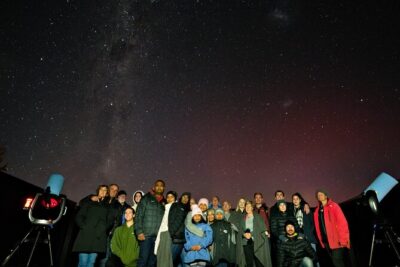
Silver River Stargazing Experience in Lake Tekapo
Read our review →
Stargazing Experience at Cowan’s Private Observatory
Read our review →
Dark Sky Indoor Maori Cultural Astronomy Experience
Read our review →Browse the lists this tour appears in