
REVIEW · LAKE TEKAPO
Lake Tekapo: Virtual Stargazing and Astronomy Experience
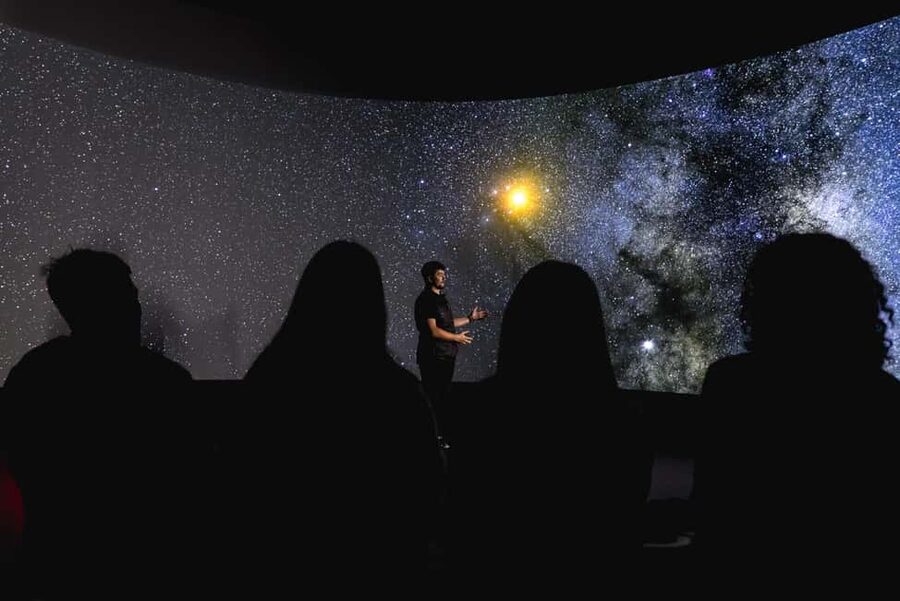
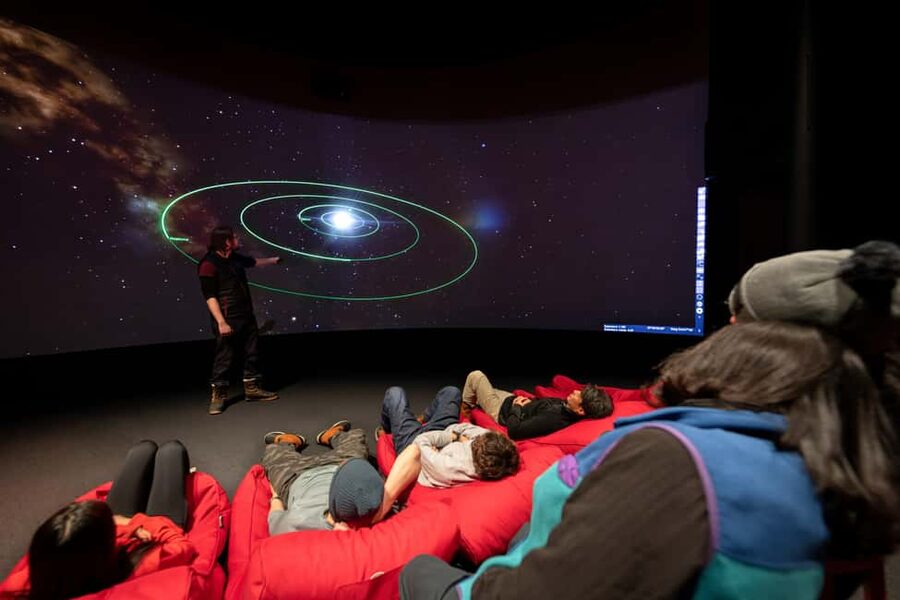
Lake Tekapo’s virtual stargazing tour brings the southern night sky indoors, using technology that can show stars, planets, and galaxies in more detail than your eyes can pick out outside. I like that the guide recreates tonight’s sky and explains it in real time, rather than giving you a canned film.
I also like the 45-minute length and the warm indoor setting. You get a useful introduction without waiting until midnight, and families can join in. The main drawback is simple: this is not outdoor stargazing, so you will not stand beneath the real sky during the presentation. One past participant also found a guide’s fast speech and strong accent hard to follow, so clear communication can affect the experience.
Key points
- All-weather stargazing: Clouds, rain, and cold do not cancel the virtual view.
- A 45-minute format: Long enough to cover the solar system and beyond, but short enough for children.
- Inside the Dark Sky base: Check in 15 minutes early at the base building in Lake Tekapo.
- More detail than naked-eye viewing: Virtual technology helps you see stars, planets, and galaxies clearly.
- Family-friendly timing: Children aged 5 to 17 are covered by the child rate, while young children and toddlers go free.
- A practical alternative: You can learn about the sky without staying out until midnight.
Why Lake Tekapo works for a virtual astronomy tour
Lake Tekapo sits within the Aoraki Mackenzie International Dark Sky Reserve, a major reason the area is associated with astronomy. In a normal outdoor session, that dark setting helps reveal the southern heavens. Here, the same location gives context to an indoor presentation that is designed to work in any weather.
The clever part is that the tour does not simply show a collection of pretty space pictures. Your guide uses virtual technology to replicate the sky for the evening. That gives you a sense of what is above Lake Tekapo, while also allowing the guide to point out objects that are faint or difficult to spot with the naked eye.
I see this as an introduction rather than a full observatory session. You are not promised a long night of telescope viewing or time outside with a specialist instrument. Instead, you get a focused lesson about the sky, presented in a way that does not depend on clear weather.
That matters in the South Island. Cold temperatures, clouds, and changing conditions can turn an outdoor astronomy plan into a gamble. This experience removes that gamble. You still learn about the stars, but you do it indoors, with a reliable start and finish.
More Stargazing Tours in Lake Tekapo:
- Lake Tekapo: Alpine Stargazing Experience with a Guide
★ 4.5 · 626 reviews - Lake Tekapo: Stargazing Experience
★ 4.9 · 607 reviews - Chameleon Stargazing Shared Tour
★ 5.0 · 181 reviews
What happens during the 45-minute presentation
You check in inside the Dark Sky base building in Lake Tekapo 15 minutes before your scheduled time. That early arrival gives the team time to organize the group before the presentation begins. Since the meeting point is indoors, you do not need to arrive already dressed for a long spell outside.
The experience then takes you through the night sky with an English-speaking astronomy guide. The guide’s job is part teacher, part storyteller. You can expect an explanation of the southern sky, followed by a broader journey across the solar system and out toward galaxies beyond it.
The virtual system can recreate the sky for the night, giving the presentation a local connection. Rather than learning about stars in a completely abstract way, you are shown what the sky relates to at Lake Tekapo. The exact order of objects and stories can vary with the guide, but the stated focus includes stars, planets, galaxies, and the larger story of the universe.
The 45-minute format is one of the strongest practical features. It is enough time to learn new information without asking children to sit through a long lecture. It also works well if you have dinner plans, a tired family, or an early start the next day.
One past participant described the presentation as comfortable, informative, and interesting. That combination is important. Astronomy can become too technical if the explanation moves too quickly, but it can also feel thin if it only presents attractive images. The best version of this tour gives you facts along with stories that help the subject make sense.
Virtual stars can show more than your eyes
Outdoor stargazing has a special appeal. You walk into the darkness, look up, and slowly notice more stars as your eyes adjust. That direct experience cannot be fully recreated indoors.
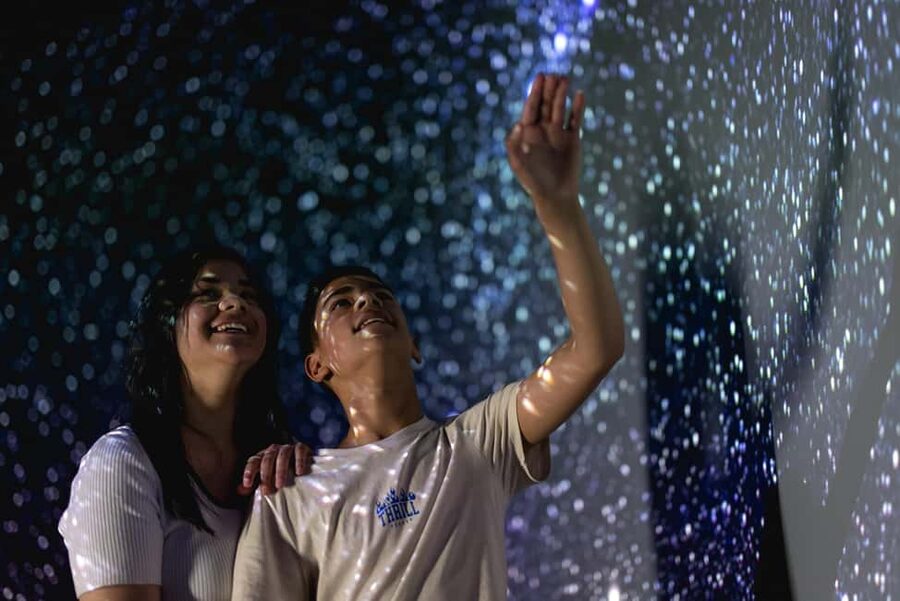
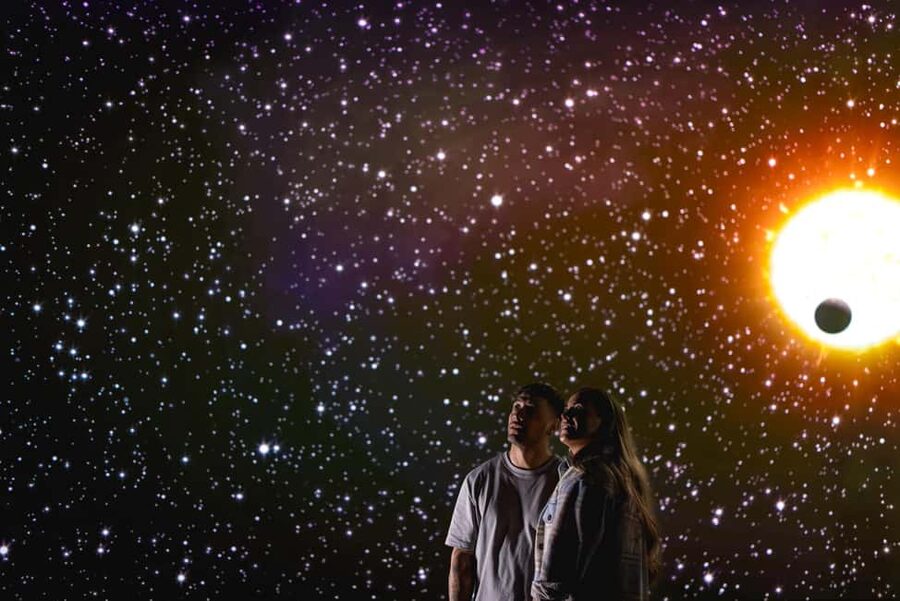
The indoor format has a different advantage: clarity. The virtual system can show stars, planets, and galaxies with more detail than you might see with the naked eye. That is useful for first-time stargazers, since it helps you connect a name with an actual object instead of trying to identify a faint point in a dark sky.
It is also useful for experienced sky watchers who want a wider explanation. You may already know some constellations, but a guide can place them within a larger story. The session is designed to move across the solar system and beyond, so the scale keeps changing. You begin close to home and then travel outward into the wider universe.
I would not book this expecting a substitute for standing under a perfectly clear sky. Book it for the explanation and the extra detail. The virtual system lets the guide show things in a controlled way, which can make the subject easier to follow than an outdoor session where clouds, cold, or poor visibility get in the way.
The best choice for families and first-time stargazers
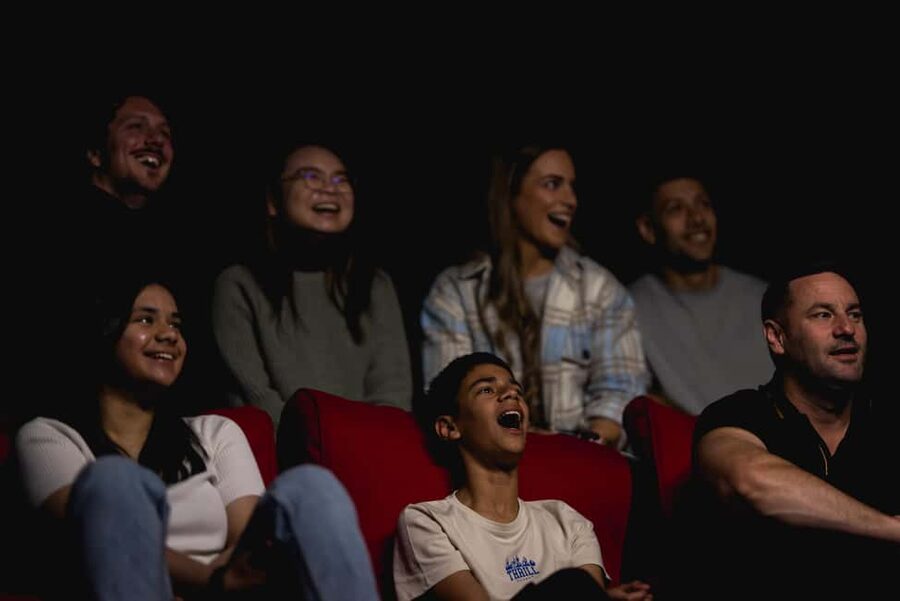
This is a family-friendly activity with a stated child age range of 5 to 17. Young children and toddlers go free, which may make the price easier for families to manage. The indoor setting also avoids one of the usual problems with evening astronomy: children becoming cold or restless before the main viewing begins.
The session should suit a child who asks questions about planets and space, as well as a child who simply enjoys big visual subjects. Since the guide shares stories about the universe, the experience is not limited to technical facts.
You should still consider your child’s attention span. Forty-five minutes is manageable for many families, but the activity is guided and educational rather than a free-play attraction. Older children may get more from the explanations about the solar system and galaxies, while younger children may mainly enjoy the changing views and storytelling.
Adults who know little about astronomy should feel comfortable here too. The experience is pitched as an accessible introduction, not a specialist course. You do not need to arrive with prior knowledge of constellations, planets, or telescopes.
For seasoned stargazers, the value depends on what you want. If you want a fresh explanation from an astronomy guide and a clear view of objects that are hard to see unaided, it can add something to your stay. If you only want outdoor darkness and unassisted sky watching, this may feel too controlled.
Same dark skies, a different way to see them:
- Lake Tekapo: Mountaintop Stargazing at Mount John Summit
★ 4.5 · 176 reviews - Mount John Observatory Stargazing Experience, Tekapo
★ 4.5 · 160 reviews - Tekapo Star Gazing Tour – Soak in the Stars
★ 4.5 · 109 reviews - Silver River Stargazing Experience in Lake Tekapo
★ 4.5 · 106 reviews
How the weather changes the value
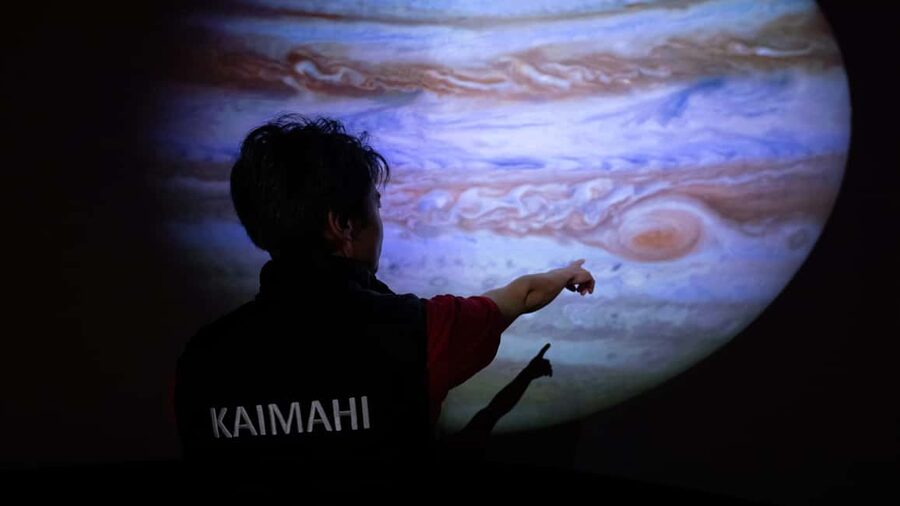
The all-weather promise is not a minor detail. Lake Tekapo is known for its night sky, but no outdoor activity can control clouds. A virtual presentation gives you a dependable alternative on a poor-weather evening.
That makes this a sensible choice for a short visit. If you have only one or two nights in the area, waiting for perfect conditions may mean missing astronomy altogether. Here, the tour can stay on your schedule even when the sky outside is not cooperating.
You also avoid the cold. A reviewer in New Zealand appreciated not having to stay awake until midnight, which points to another practical benefit. Many outdoor astronomy sessions begin late because the sky needs to be properly dark. This 45-minute indoor session offers a much earlier and easier option, although the supplied information only says it is usually available in the evening, not a fixed start time.
There is a tradeoff. The walk back to accommodation may still offer a real glimpse of the Milky Way if conditions are good. One June participant noticed exactly that after the tour. The virtual session can prepare you to understand the sky, but it does not replace looking up afterward.
If the weather clears, I would treat the indoor presentation as a useful first step, then spend a few minutes outside on your own. If the clouds stay in place, you have still received the main educational experience.
Guide quality matters more than the equipment
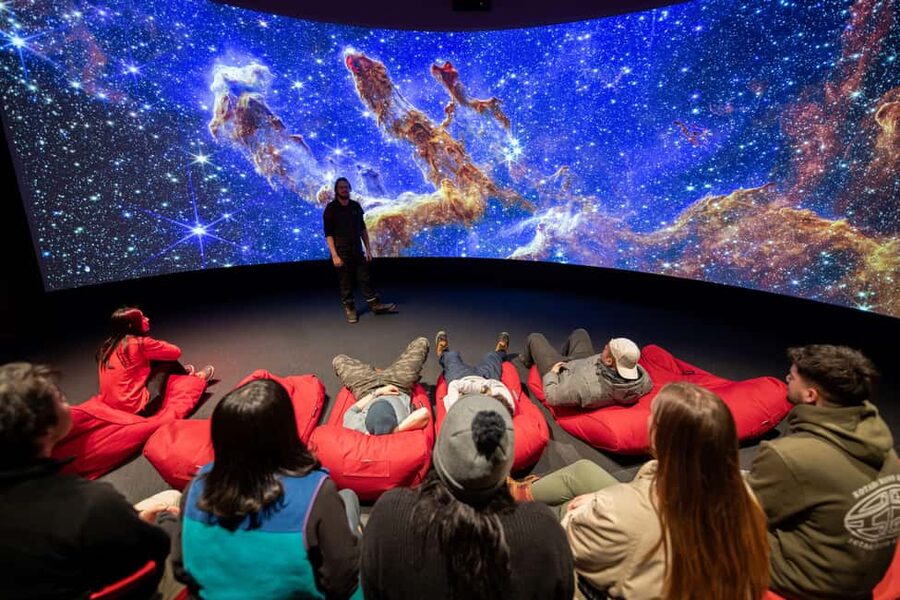
State-of-the-art technology can show the sky, but the guide determines how much you understand. The guide is expected to explain the cosmos, answer the group through a live presentation, and make the subject approachable for different ages.
Several strong points come through in the available feedback: the presentation was described as educational, interesting, and engaging, with new information even for someone who had already expected a lot from the session. Those are the qualities I would look for here. A good guide should help you connect the images with a clear story rather than simply point at one object after another.
There is also a useful caution. One couple found a guide difficult to understand because of a strong accent and fast delivery. That was a serious issue for them, especially at a high price. It does not mean every session has the same problem, but it reminds you that a live spoken presentation depends on pace and clarity.
If you have hearing difficulties or are not fully comfortable with spoken English, keep this in mind before booking. The listed tour language is English, and no alternate language option is given. The activity is wheelchair accessible, but the supplied information does not describe seating, captioning, or hearing support.
Is $52 a fair price?
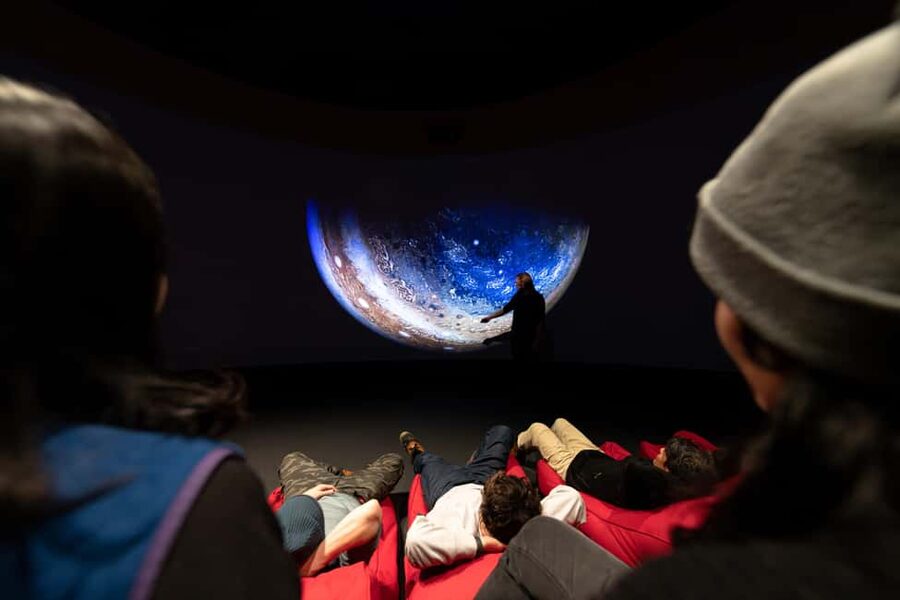
At the stated price of $52 per person, this is not a casual free-time activity. You are paying for a guided astronomy presentation, specialist technology, and the security of an all-weather booking.
I think the value is strongest when the conditions are poor, your schedule is tight, or you are traveling with children. In those cases, the indoor format solves real problems. You get a clear, structured experience without buying warm clothing for a late night or risking a canceled outdoor session.
The value is less obvious if you have several nights in Lake Tekapo and are mainly interested in seeing the natural sky for yourself. You may prefer to spend time outside and use the virtual tour only if clouds interfere.
One past booking comment referred to a price of $69 per person, while the stated price for this experience is $52. Prices can vary by booking conditions or date, so check the amount shown when you reserve. At either price, the quality of the guide matters. A clear and lively presentation makes the technology worthwhile; a rushed explanation makes the cost harder to justify.
Food and drink are not included, though that is not a major concern for a 45-minute activity. Plan to eat before or after rather than expecting refreshments at the base.
Small details that make the evening easier
Arrive 15 minutes early at the Dark Sky base building in Lake Tekapo. That is the stated check-in point, and arriving late could mean missing the opening explanation.
The tour is usually offered in the evening, but no fixed time is supplied here. Check the chosen departure when booking, especially if you are arranging dinner, transport, or a second activity.
Wear whatever makes you comfortable indoors. You do not need to prepare for a long outdoor wait during the presentation, though a clear night may tempt you to spend time outside afterward.
Cancellation is flexible: you can cancel up to 24 hours before the activity for a full refund. That is useful if the weather forecast changes or your plans shift.
The experience is wheelchair accessible. It is delivered in English, and the guide is live rather than an audio recording.
Should you book the Lake Tekapo virtual stargazing experience?
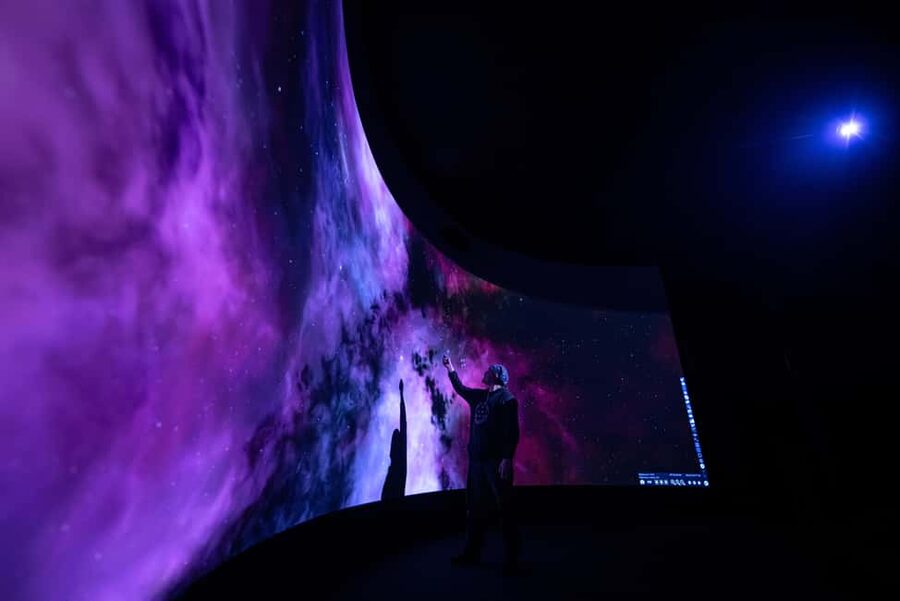
I would book this if you are visiting Lake Tekapo with children, have only one evening available, dislike cold late-night outings, or want a clear introduction to astronomy. The 45-minute length, indoor comfort, and all-weather format make it easy to fit into a trip.
I would also consider it on a cloudy night when an outdoor plan has little chance of working. You can learn about the southern sky and still step outside afterward if the weather improves.
I would skip it if your main goal is the feeling of standing beneath a natural star-filled sky. This is a virtual presentation, not an outdoor telescope session. It gives you more detail and better weather protection, but not the same sense of place.
For most first-time visitors, the best approach is to see this as a compact astronomy lesson. At $52, it is worth the cost when the guide communicates clearly and the weather makes outdoor viewing uncertain. Check the final price, arrive early, and keep a few minutes afterward for a look at the real Lake Tekapo sky.
FAQ
Where does the virtual stargazing experience take place?
The experience takes place inside the Dark Sky base building in Lake Tekapo, on New Zealand’s South Island.
How long does the activity last?
The guided virtual astronomy experience lasts 45 minutes.
Is the activity available in bad weather?
Yes. It is designed as an all-weather indoor experience using virtual technology to bring the night sky inside.
What language is the tour conducted in?
The live tour guide speaks English.
What will I learn about during the presentation?
You will explore the southern sky and take a guided journey across the solar system and beyond. The guide discusses stars, planets, galaxies, and stories about the universe.
Is the activity suitable for children?
Yes. It is family-friendly. Children aged 5 to 17 are included in the child age range, while young children and toddlers go free.
Is the experience wheelchair accessible?
Yes, the activity is listed as wheelchair accessible.
How early should I arrive?
You should check in 15 minutes before the scheduled tour time inside the Dark Sky base building.
Just added around Lake Tekapo
- Lake Tekapo Ultimate Stargazing Experience★ 5.0 · 3 reviews
- Virtual Stargazing & Astronomy Experience in Lake Tekapo★ 3.0 · 2 reviews
- Lake Tekapo: Ultimate Stargazing Experience★ 4.3 · 12 reviews
- Lake Tekapo: 1.5-Hour Hot Pools & Stargazing Experience★ 4.0 · 45 reviews
- Lake Tekapo: Indoor Māori Cultural Astronomy Experience★ 4.5 · 43 reviews
- Lake Tekapo: Stargazing Experience at Cowan’s Observatory★ 4.7 · 52 reviews
- Dark Sky Indoor Maori Cultural Astronomy Experience★ 4.5 · 70 reviews
- Stargazing Experience at Cowan’s Private Observatory★ 4.0 · 85 reviews
Lake Tekapo Stargazing Tours, compared.
Mount John Observatory Stargazing Experience, Tekapo
Read our review →
Silver River Stargazing Experience in Lake Tekapo
Read our review →
Stargazing Experience at Cowan’s Private Observatory
Read our review →Browse the lists this tour appears in