
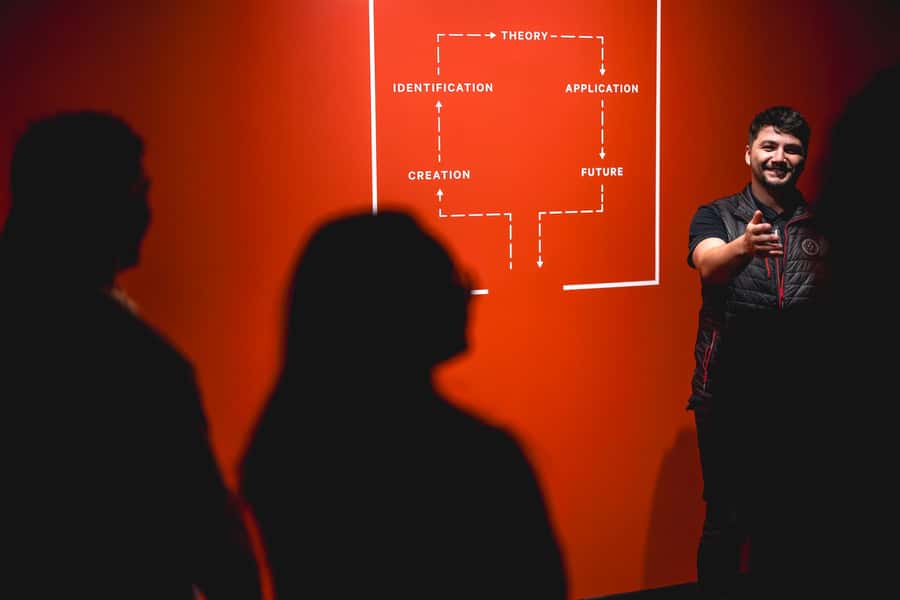
REVIEW · LAKE TEKAPO
Lake Tekapo: Indoor Māori Cultural Astronomy Experience
The most interesting thing about this Lake Tekapo experience is that it treats the sky as more than a collection of distant stars. Māori astronomy connects the heavens with navigation, creation, ocean currents, and daily life, giving you a very different way to think about what you see above New Zealand.
I like the fact that the experience works in daylight and in bad weather, and I like the theatrical lighting and sound that turn a short indoor visit into something more engaging than a standard talk. The restored Brashear telescope is another strong reason to go. The main consideration is the guide’s delivery: one recent visitor found a heavy accent and noise from young children made the explanations hard to follow.
Key points at a glance
- Four themed zones: Follow a guided route through Māori star knowledge, navigation, creation stories, and the Milky Way.
- Daytime friendly: You do not need clear skies or a late-night time slot to explore astronomy.
- Historic Brashear telescope: See a restored 125-year-old Victorian-era telescope up close.
- Cultural and scientific focus: The tour links Māori traditions with a science-based account of how living beings came to be.
- Short and easy to fit in: The full experience lasts 45 minutes and costs $35 per person.
- Family and wheelchair friendly: The indoor experience operates in all weather and is designed for accessible use.
Why this indoor astronomy tour is different
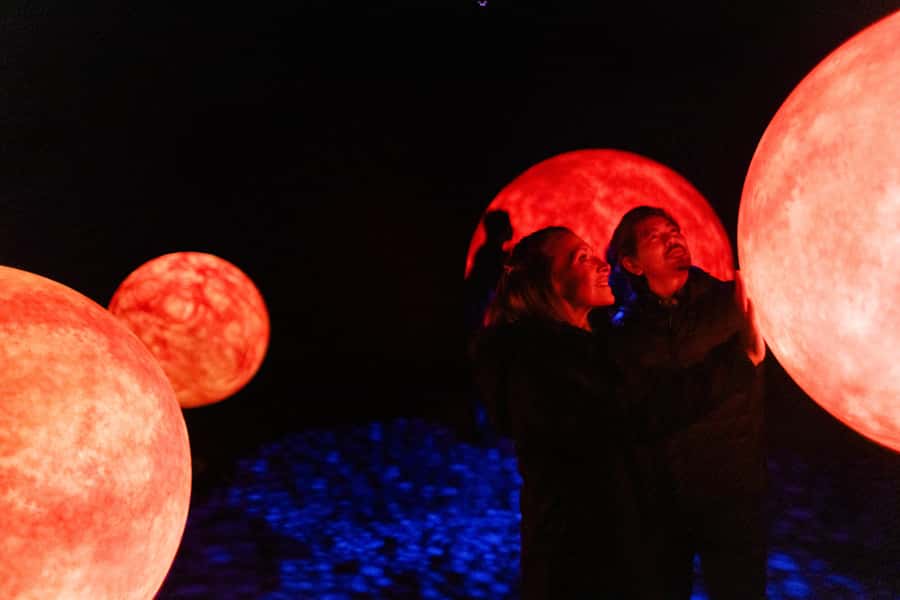
Lake Tekapo is famous for its dark skies, but not every visitor has the time, weather, or energy for a night-time stargazing session. This experience takes a different route. You visit during the day, step into a purpose-built indoor zone, and learn how Māori people read the sky as part of a much larger system of life and travel.
I find that cultural context makes astronomy easier to remember. Instead of simply hearing the names of stars, you learn why star groups mattered, how ocean currents worked with celestial knowledge, and how stories helped pass ideas from one generation to the next.
The presentation uses guided storytelling, theatrical lighting, and sound. That matters because a 45-minute talk can become dry if it is only facts and diagrams. Here, the changing atmosphere is meant to help you follow the movement from Earth and living beings out toward the Milky Way.
You should still think of this as an introduction rather than a full observatory visit. The focus is not on spending a long period at a telescope or viewing the night sky through it. The Brashear telescope is presented as an historic object within the experience, while the main lesson comes through the four interactive zones.
More Stargazing Tours in Lake Tekapo:
- Lake Tekapo: Alpine Stargazing Experience with a Guide
★ 4.5 · 626 reviews - Lake Tekapo: Stargazing Experience
★ 4.9 · 607 reviews - Chameleon Stargazing Shared Tour
★ 5.0 · 181 reviews
Starting at Motuariki Lane in Lake Tekapo
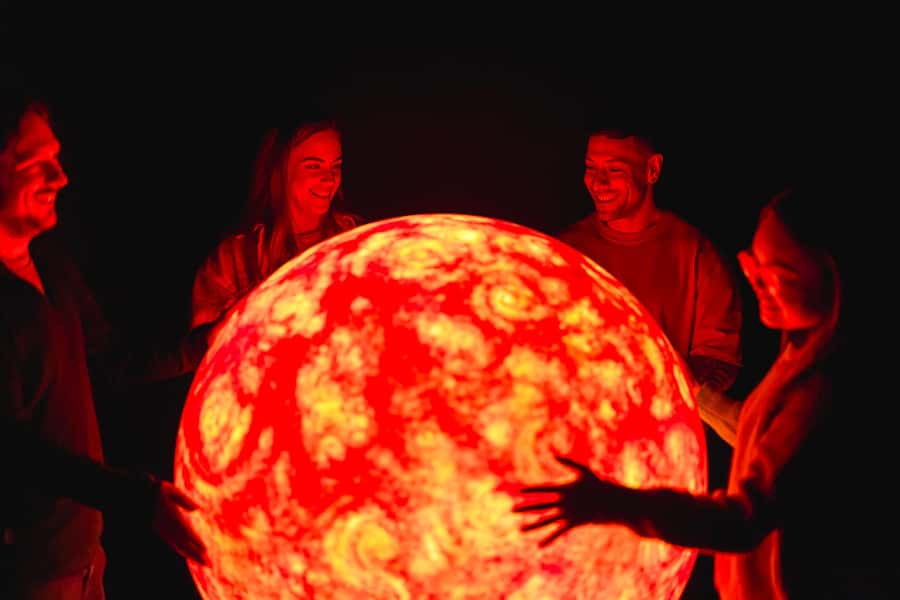
The meeting point is at 1 Motuariki Lane, about 100 meters, or roughly 110 yards, from the Four Square Supermarket. That central location makes this an easy addition to a walk through Lake Tekapo village. You do not need hotel pickup, and transport is not included, so plan to reach the venue on your own.
The short walk from the supermarket is useful if you are arranging several activities around town. You can pair the visit with food shopping or a meal, although food and drinks are not part of the admission.
Because the experience is indoors, you do not need to dress for a cold night outside. That is particularly useful in the Mackenzie Basin, where conditions can change quickly. The tour runs in all weather, so rain, wind, clouds, or bright daytime sun will not spoil the session.
The venue is wheelchair accessible, and the experience is described as family friendly. Still, very young children can affect how well you hear the guide. A recent session became harder to follow when two children under five were noisy, so you may prefer a quieter time if clear spoken explanation matters to you.
Zone one: seeing the sky through Māori knowledge
The opening section introduces Māori astronomy from a cultural point of view. You learn that the sky was not separate from ordinary life. Stars could help people understand time, direction, seasons, travel, and the place of living beings in the wider world.
This is the point where the experience earns its price for me. You are not simply given a list of constellations. You are shown how observation and meaning worked together. The same sky that modern astronomy studies with instruments also carried stories, practical guidance, and family knowledge.
The use of lights and sound should make this opening section easier for children to follow, while adults can pay attention to the relationship between oral tradition and scientific observation. The tone is educational, but not designed as a formal classroom lesson.
Do not expect a long, silent period of star watching here. This is a guided interpretation of the sky, delivered indoors during the day. If you want a night under real stars, you will need a separate activity. If you want to understand why the stars mattered to Māori communities, this opening gives you a useful foundation.
Zone two: navigation by stars and ocean currents
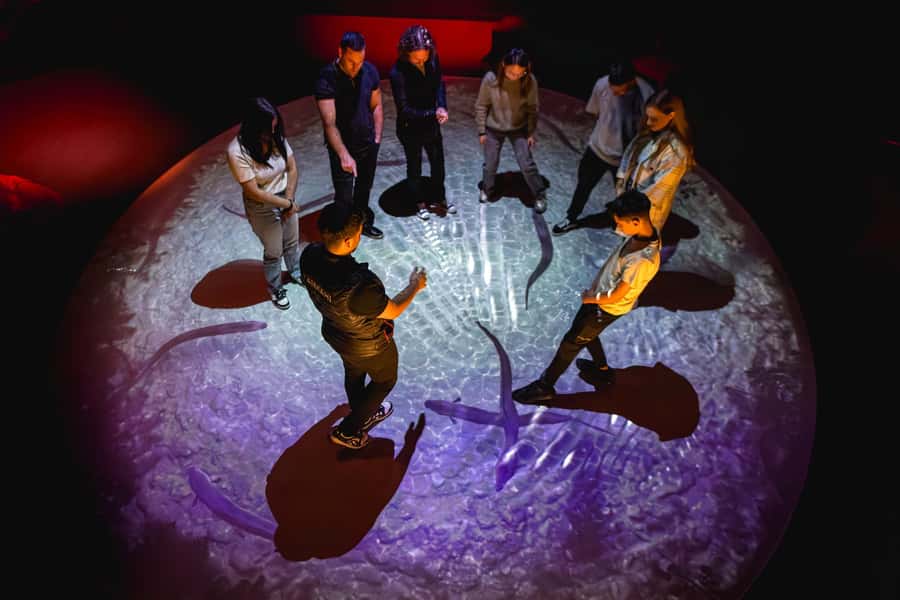
The navigation section is one of the most practical parts of the visit. It explains how Māori used constellations together with ocean currents to travel. That combination is important. It shows that celestial knowledge was not an isolated subject, but part of a wider system for reading the natural world.
I like this part because it gives the stars a job to do. You begin to see the night sky not only as something beautiful, but as a guide used alongside the sea. The experience connects what appears above the horizon with what is moving below it.
The interactive format should help you follow this relationship more easily than a standard lecture. The exact activities are not specified, so you should not expect a particular simulator or hands-on instrument. What is clear is that the journey is designed to involve you rather than simply place you in front of a screen.
This section may be especially useful if you are visiting Lake Tekapo as part of a broader South Island trip. It adds cultural context to the region and helps you understand that Māori astronomy developed from close observation of the natural world.
Same dark skies, a different way to see them:
- Lake Tekapo: Mountaintop Stargazing at Mount John Summit
★ 4.5 · 176 reviews - Mount John Observatory Stargazing Experience, Tekapo
★ 4.5 · 160 reviews - Tekapo Star Gazing Tour – Soak in the Stars
★ 4.5 · 109 reviews - Silver River Stargazing Experience in Lake Tekapo
★ 4.5 · 106 reviews
Zone three: star clusters, stories, and meaning
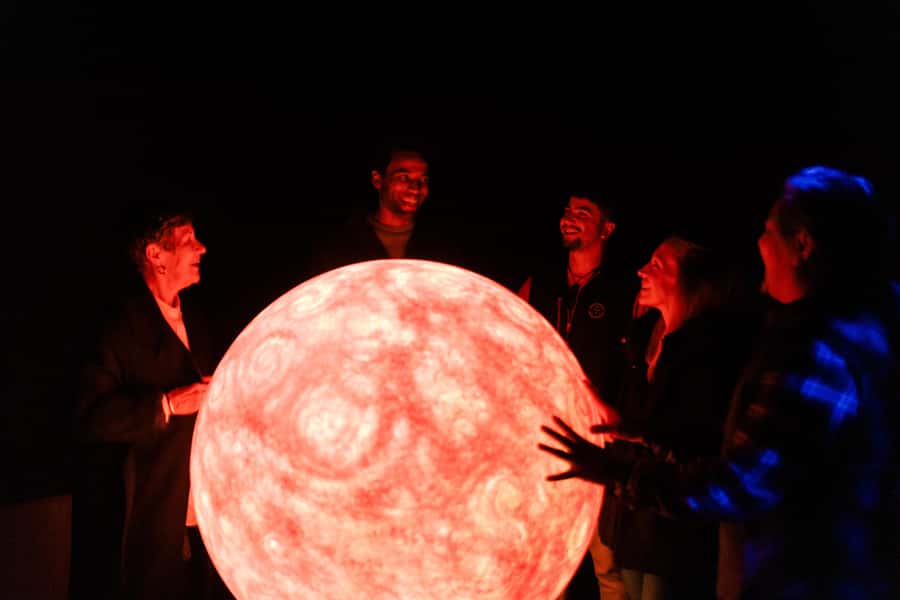
The next zone looks at the importance of star clusters and the mythology associated with the stars. Here, the tone shifts from navigation toward memory, identity, and story.
Stories make abstract astronomy more approachable. A cluster of stars can be difficult to remember as a scientific diagram, but a story gives it a place in human experience. The theatrical lighting and sound are well suited to this section, since the room can suggest a changing sky even while you are visiting in daylight.
You will hear how Māori traditions connect the stars with larger ideas about the world. The experience also introduces the indigenous people of New Zealand and their special relationship with the night sky. This is a key reason to choose this tour over a purely scientific presentation.
The guide’s voice matters here. The information is delivered live in English or Chinese, and the storytelling depends on being able to hear and understand the speaker. One recent visitor found the guide’s heavy accent difficult to follow, especially with noise in the room. That does not mean every session will have the same problem, but it is a fair reason to avoid assuming that the theatrical presentation alone will carry the whole experience.
Zone four: from living beings to the Milky Way
The final section moves outward, using a science-based story about how living beings came to be and then taking you toward the Milky Way. This gives the tour a wider reach than a simple account of star names or navigation routes.
You can expect the ending to link Māori cultural ideas with scientific discovery. The two are not presented as competing subjects. Instead, the experience places them beside each other, showing how people can ask large questions about origins, life, and the universe in different ways.
The journey into the Milky Way provides a fitting close because it changes the scale of the visit. You begin with human observation and practical travel, then finish by considering the immense structure beyond Earth. That shift is likely to appeal to families, first-time astronomy visitors, and anyone who prefers an explanation with a human story attached.
Keep your expectations measured. A 45-minute session cannot cover every aspect of Māori astronomy or modern astrophysics. Its value comes from giving you a memorable framework, not from answering every question about the universe.
The Brashear telescope, a Victorian survivor
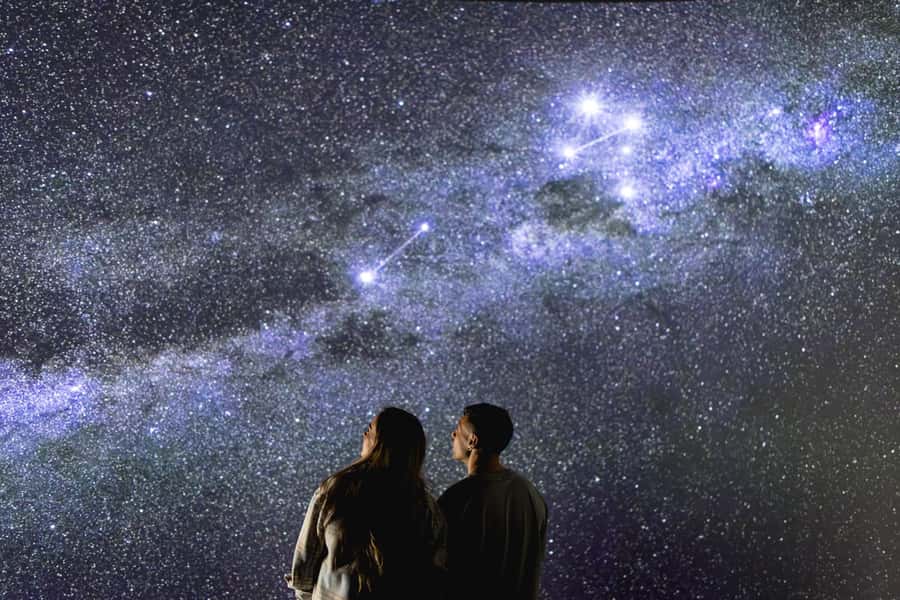
The historic Brashear telescope is the most tangible object in the experience. You get a close view of a restored telescope from the Victorian era, approximately 125 years old.
This is not just a decorative prop. The telescope gives the tour a physical link to the history of astronomical observation. After hearing about Māori methods of reading the sky, you encounter a very different tool built for studying it. That contrast is one of the most interesting details of the visit.
The telescope is viewed up close, but the information provided does not promise a night-time viewing session through it. You should book this experience for the guided cultural astronomy program, with the Brashear telescope as an important part of the route, rather than as a replacement for outdoor stargazing.
If you enjoy historic instruments, this stop may be the highlight. If your main goal is to see planets or galaxies through a modern telescope, check the details of other Dark Sky Project activities before booking.
How the $35 price works for different visitors
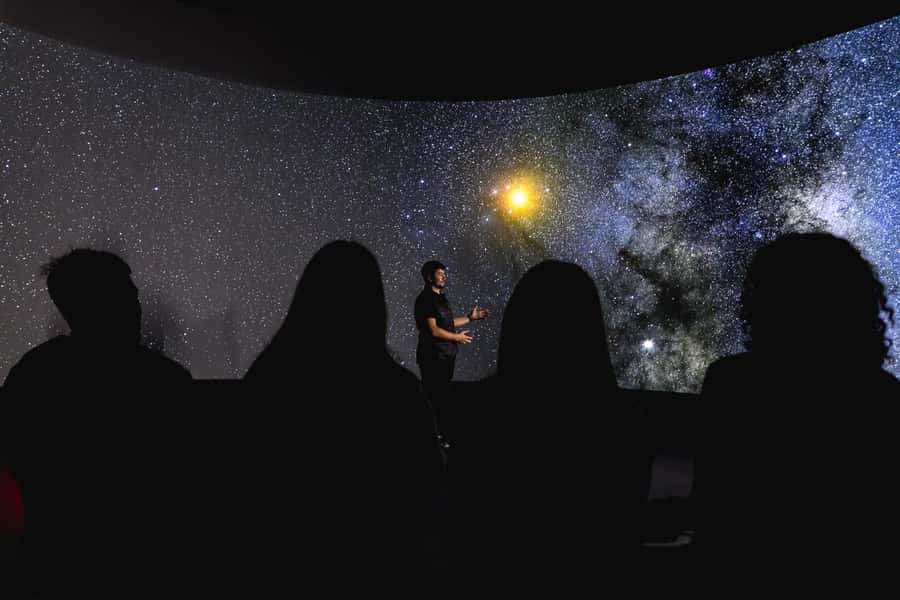
At $35 per person, the experience sits at a reasonable price for a guided 45-minute attraction, particularly if you value cultural interpretation and a weather-proof activity. You are paying for a live guide, four themed zones, interactive presentation, theatrical effects, and access to the historic telescope.
The value is strongest when you want more than a scenic stop in Lake Tekapo. A quick look at the night sky tells you what is above you. This tour gives you a way to think about why the sky mattered to Māori communities and how it could support navigation and storytelling.
The value is lower if you want a long astronomy session with extensive telescope time. The short duration is convenient, but it also limits how far the presentation can go. You may leave with new questions rather than a complete understanding of Māori astronomy.
I would consider it a good choice on a cloudy day, during daylight hours, or when you are traveling with people who do not want a late-night outdoor activity. It also offers a useful cultural counterpoint if you are already planning a more science-focused dark-sky experience.
Language, sound, and the best way to enjoy it

Tours are available with a live guide in English or Chinese. The guide is central to the experience, so listen carefully at the start and choose the language that lets you follow the details most comfortably.
The sound issue is worth taking seriously. A young family group can make a small indoor presentation harder to hear, and one recent visitor also found a strong accent challenging. This is not a reason to dismiss the tour, but it is a practical reminder to arrive ready to pay attention and, if possible, choose a session that suits your group.
The guide’s style is intended to be both educational and entertaining. You should expect explanation mixed with storytelling rather than a silent exhibit that you explore at your own pace. That makes the visit more personal, but it also means the quality of your experience depends partly on the guide’s clarity and the room’s noise level.
Who should book this Lake Tekapo experience?
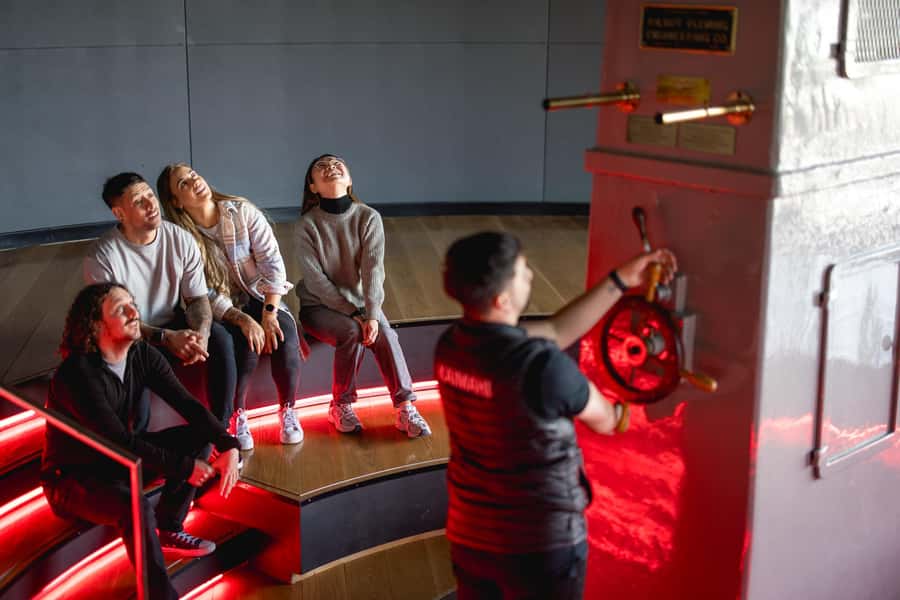
I would recommend it to families, first-time astronomy visitors, and people interested in New Zealand’s Māori culture. The indoor setting makes it easy to fit into a busy day, and the 45-minute length is short enough for children and older visitors.
It is also a smart choice if the weather is poor. You can learn about the night sky without waiting for darkness or clear conditions. The wheelchair-accessible venue adds to its usefulness for mixed groups with different mobility needs.
You may want to choose something else if you are looking mainly for outdoor stargazing, long telescope sessions, or advanced astronomy. This is a cultural astronomy presentation with scientific content, not a full observatory night.
Booking and practical details
The experience is at 1 Motuariki Lane, around 100 meters from the Four Square Supermarket in Lake Tekapo. Hotel pickup and drop-off are not included, so arrange your own way to the venue.
Allow 45 minutes for the guided program. Check the available start times when booking, since the exact schedule is not fixed in the information provided.
You can reserve now and pay later, which helps if your South Island plans may change. Cancellation is free up to 24 hours before the experience for a full refund. Food and drinks are not included, so plan those separately.
The experience operates indoors in all weather conditions. It is wheelchair accessible and family friendly, with English and Chinese guide options.
Should you book it?
Book this experience if you want a short, thoughtful introduction to Māori astronomy that combines culture, science, navigation, storytelling, and a historic telescope. The daytime indoor format is its biggest practical advantage, and the Brashear telescope gives the visit a memorable physical focus.
Skip it if your priority is direct night-sky viewing or extended telescope observation. For everyone else, $35 is a fair price for a well-structured cultural attraction that can fill a cloudy afternoon and change how you look at the stars later that night.
FAQ
How long does the Lake Tekapo Māori astronomy experience last?
The guided experience lasts 45 minutes.
How much does the experience cost?
The price is $35 per person.
Where does the tour meet?
It meets at 1 Motuariki Lane, Lake Tekapo 7999, New Zealand. The location is about 100 meters, or 110 yards, from the Four Square Supermarket.
Is the experience indoors?
Yes. It takes place inside a purpose-built experience zone and operates in all weather conditions.
What languages are available?
Live guided tours are available in English and Chinese.
Is the tour wheelchair accessible?
Yes, the experience is wheelchair accessible.
Is the activity suitable for children?
Yes. It is described as family friendly, although noise from young children can make it harder to hear the guide in an indoor session.
Can I see the Brashear telescope?
Yes. The experience includes a close view of the restored 125-year-old Brashear Victorian-era telescope.
Is hotel pickup included?
No. Hotel pickup and drop-off are not included, so you need to make your own way to Motuariki Lane.
Just added around Lake Tekapo
- Lake Tekapo Ultimate Stargazing Experience★ 5.0 · 3 reviews
- Virtual Stargazing & Astronomy Experience in Lake Tekapo★ 3.0 · 2 reviews
- Lake Tekapo: Ultimate Stargazing Experience★ 4.3 · 12 reviews
- Lake Tekapo: Virtual Stargazing and Astronomy Experience★ 4.5 · 8 reviews
- Lake Tekapo: 1.5-Hour Hot Pools & Stargazing Experience★ 4.0 · 45 reviews
- Lake Tekapo: Stargazing Experience at Cowan’s Observatory★ 4.7 · 52 reviews
- Stargazing Experience at Cowan’s Private Observatory★ 4.0 · 85 reviews
- Dark Sky Indoor Maori Cultural Astronomy Experience★ 4.5 · 70 reviews
Lake Tekapo Stargazing Tours, compared.
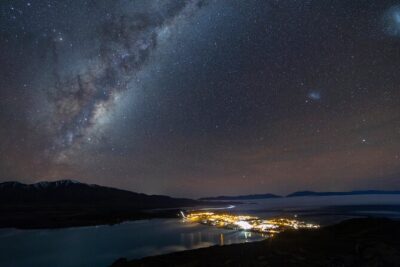
Mount John Observatory Stargazing Experience, Tekapo
Read our review →
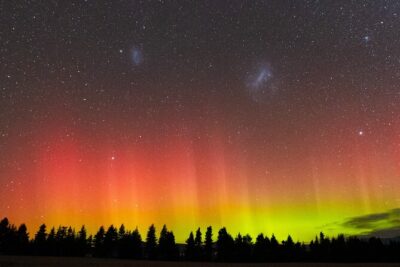
Silver River Stargazing Experience in Lake Tekapo
Read our review →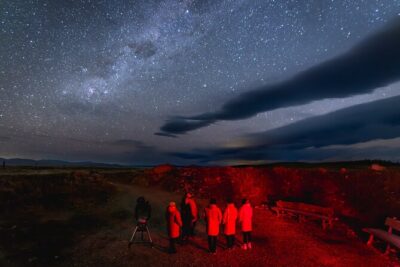
Stargazing Experience at Cowan’s Private Observatory
Read our review →Browse the lists this tour appears in