
REVIEW · NEW ZEALAND
Auckland (Tawharanui): Wild Kiwi Bird Spotting Encounter
Wild kiwi are the real prize here. At Tāwharanui Regional Park, you move quietly through native bush after dark, listening for calls and watching for a quick shape in the beam of a torch. Guides including Legend, Chris, Millie, and Lucas know how to read the signs. Some nights produce one or two birds; some produce six, ten, or even more.
I like the wild setting, where kiwi roam freely rather than appearing in an enclosure. I also like the dark-sky finish, with telescopes, planets, constellations, and Māori astronomy adding a second layer to the night.
The catch is simple: kiwi spotting takes patience, and sightings are never guaranteed. The walk may feel slow at first, and clouds can wipe out the stargazing. Bring warm clothes, comfortable shoes, and the right expectations.
At a glance
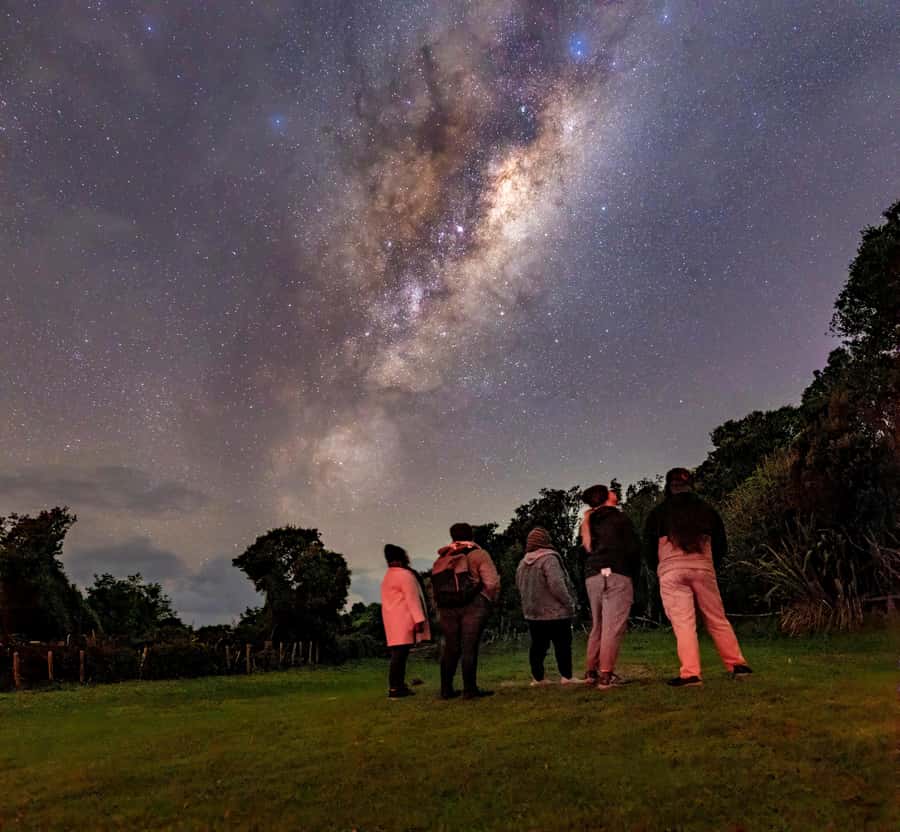
- Wild North Island brown kiwi: Search for New Zealand’s famous nocturnal bird in its protected home.
- Auckland escape: Reach Tāwharanui Regional Park by a scenic drive north of the city, or add transport at checkout.
- Skilled local guides: Legend, Chris, Millie, Lucas, Sean, Ryan, Sharn, and others lead the walks and explain the bush, wildlife, stars, and Māori stories.
- Night-sky viewing: Use supplied stargazing equipment to look for stars, planets, constellations, and sometimes the Moon.
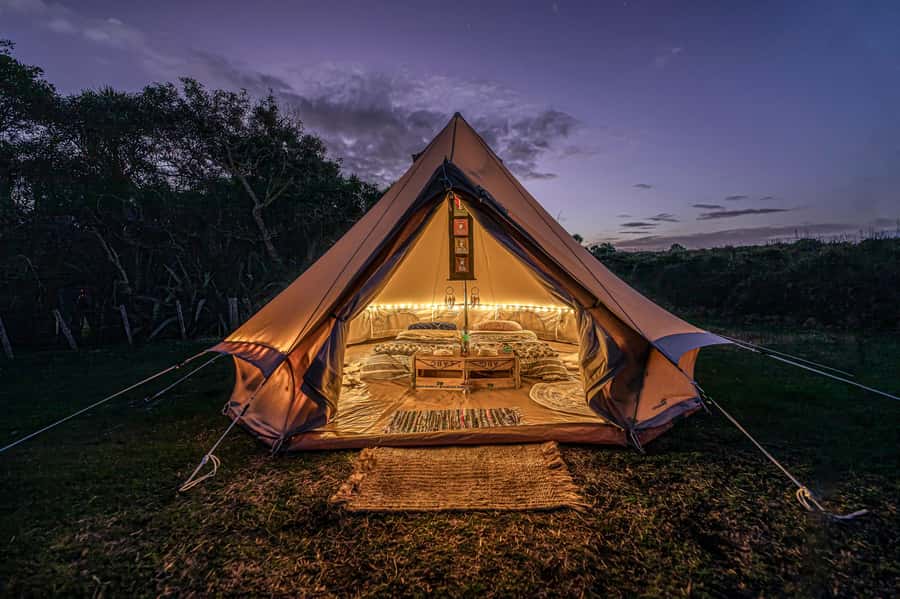
- Optional glamping: Choose the overnight option if you want to remain in the park after the walk.
- Small or private groups: The format suits families, couples, and visitors who prefer a more personal nature outing.
Why Tāwharanui is a strong place to seek kiwi
Tāwharanui Regional Park is one of Auckland’s key conservation areas. It protects native forest, open coastal country, and wildlife in a setting far enough from city lights for the sky to become part of the experience.
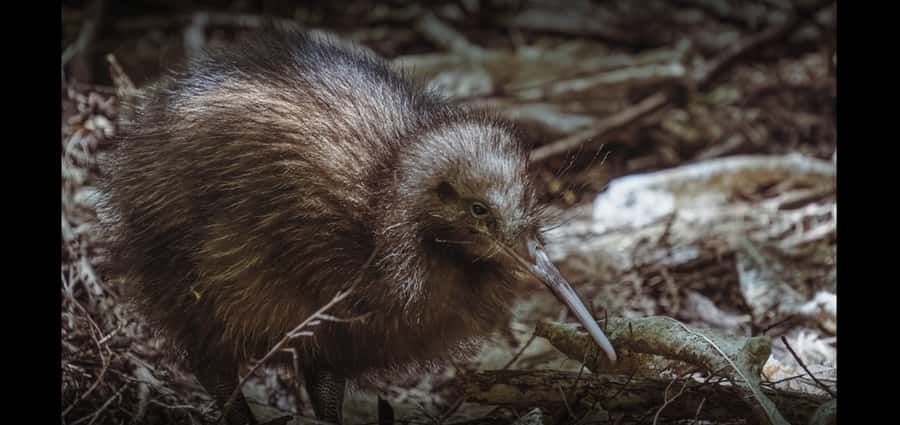
The park matters because kiwi are nocturnal, shy, and difficult to find without help. They do not pose neatly for photographs. A bird may appear for a few seconds, move fast through the undergrowth, or stay hidden while you hear it nearby. The guide’s job is not simply to lead a walk. It is to read the conditions, choose likely places, keep the group quiet, and protect the birds from disturbance.
That makes this feel different from a standard wildlife attraction. You are not being shown a set route with a guaranteed display. You are taking part in a careful search through a living habitat.
The drive from Auckland is part of the appeal, though it also affects the evening’s timing. You meet at the public bathrooms near the end of Takatu Road, inside the regional park. If you do not have a car, transport can be added when booking. One recent outing returned around 2 AM for those using the transport option, so check the start and return details before committing to another evening plan.
Other stargazing trips people book around New Zealand:
- Lake Tekapo: Alpine Stargazing Experience with a Guide
★ 4.5 · 626 reviews - Lake Tekapo: Stargazing Experience
★ 4.9 · 607 reviews - Chameleon Stargazing Shared Tour
★ 5.0 · 181 reviews
Meeting at Takatu Road and settling into the night
The meeting point is practical rather than grand: the public toilets at the end of Takatu Road. You gather there with your guide and group, receive an introduction, and go over safety points before setting off.
This briefing gives the evening its proper tone. The walk needs to be quiet and respectful. Kiwi are sensitive to disturbance, and the point is to observe them in the wild without turning the search into a noisy group activity.
The guides also explain the park’s conservation work and the kinds of creatures you might hear or see after dark. Past outings have included conversations about native plants, insects, ruru calls, and other wildlife in the reserve. Legend is often singled out for his stories and easy manner, while Chris, Millie, Lucas, Sean, Ryan, Sharn, and the other guides bring their own mix of local knowledge and personality.
This is a good start for families. Children can understand the basic aim quickly, but the talk also gives adults useful context about habitat protection and the work behind a healthy kiwi population.
The two-hour kiwi search
The main walk moves at a slow pace. Your guide uses torches, headlamps, and other spotting equipment, along with close attention to sound and movement. You may stop often, wait in silence, and scan the edges of the track or bush.
That pace is not a flaw. It is the nature of the activity. If you want constant motion, this may feel frustrating. If you enjoy watching a guide piece together small clues, the waiting becomes part of the fun.
Several outings have found two or three kiwi, while others have located six, seven, eight, ten, fourteen, or more. One group saw more than fifteen. Those figures show the park can produce remarkable encounters, but they should not be treated as a promise. A cloudy, wet, windy, or simply quiet night may give you fewer sightings.
When a kiwi appears, the moment can be brief. These birds are fast, and a glimpse may consist of a long beak, a rounded body, or a bird crossing the track before disappearing. With luck, you may see one clearly, watch a bird forage, or catch more than one moving through the bush. One outing included a bird that paused long enough for several photographs, but you should keep your phone ready and avoid using bright flashes unless your guide approves.
The guides explain kiwi behaviour, their habitat needs, and the threats they face. You also learn why conservation work matters. That background turns a short sighting into something more meaningful. You are not simply ticking off a famous New Zealand animal. You are seeing a species in a place managed to give it a future.
Listening for ruru and the wider night life
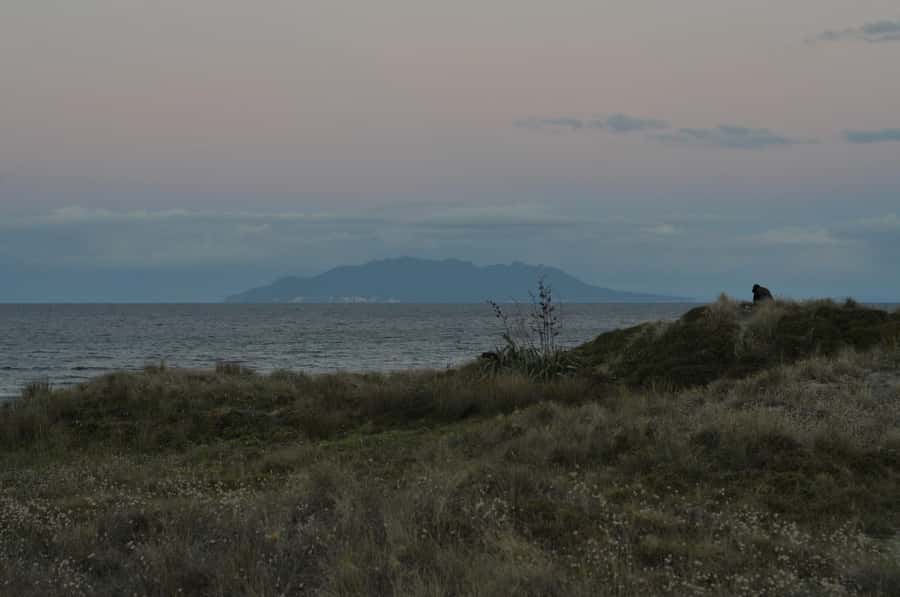
Kiwi are the headline act, but the bush does not become empty while you wait. Darkness changes the way you experience the park. Sound carries farther, familiar plants take on new shapes, and bird calls become easier to notice.
You might hear ruru, New Zealand morepork, among the calls of other night creatures. Guides can also talk about insects and plants, including native species with traditional uses. The emphasis varies with the group and the conditions, but the walk is not limited to finding one bird.
This is one reason I would allow the full two hours rather than treating the outing as a quick photo stop. You are learning how a nocturnal ecosystem works. The kiwi sighting is the reward, but the patient search helps you notice the setting around it.
The walk takes place through bush and open habitats, with scenic views along the way. Comfortable shoes matter. The surface and conditions can vary, and warm clothing is wise even in a mild Auckland season.
Same dark skies, a different way to see them:
- Lake Tekapo: Mountaintop Stargazing at Mount John Summit
★ 4.5 · 176 reviews - Mount John Observatory Stargazing Experience, Tekapo
★ 4.5 · 160 reviews - Tekapo Star Gazing Tour – Soak in the Stars
★ 4.5 · 109 reviews - Silver River Stargazing Experience in Lake Tekapo
★ 4.5 · 106 reviews
Stargazing under a low-light sky
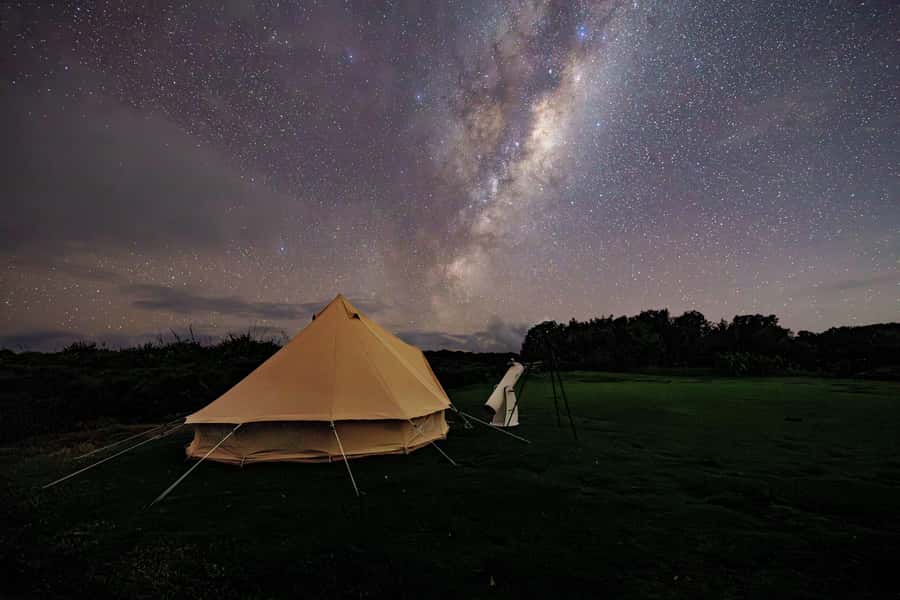
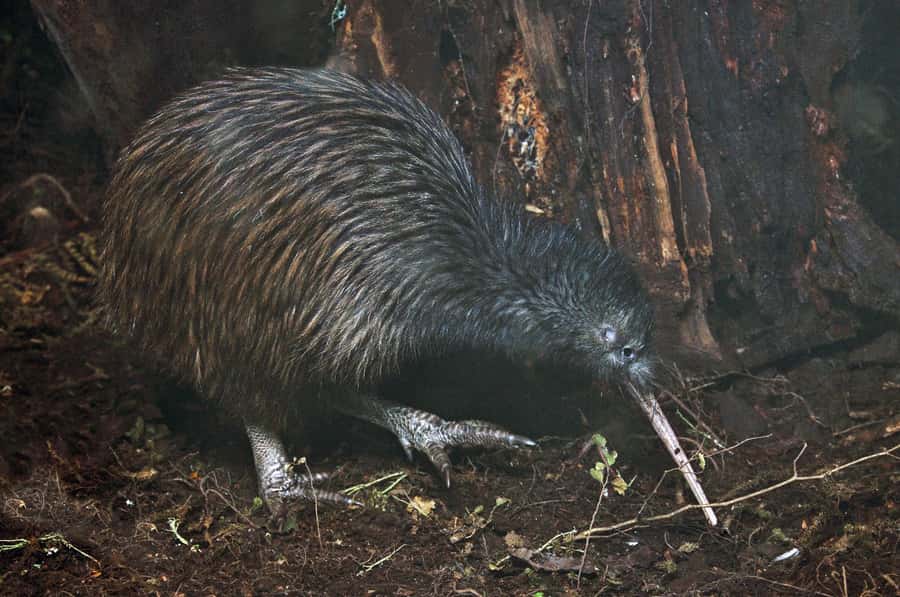
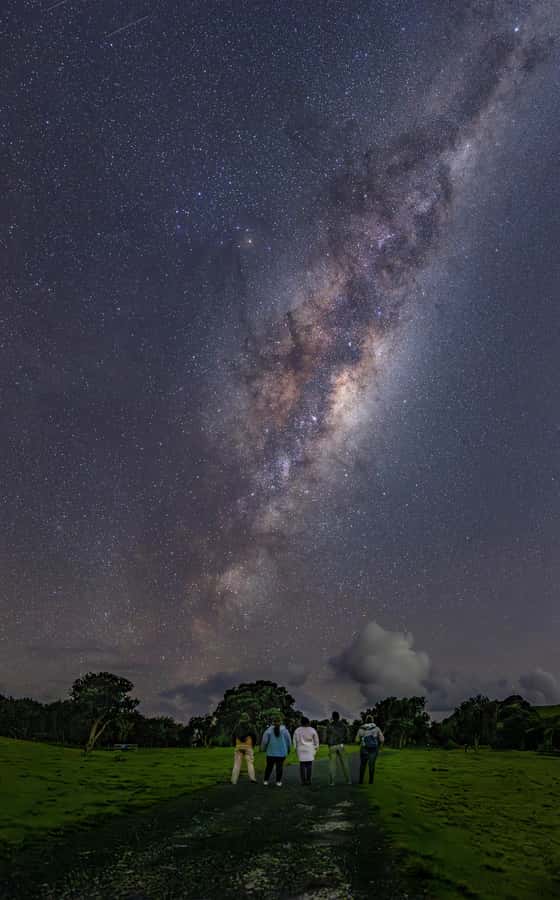
Once full darkness arrives, the park’s distance from city lights becomes clear. Tāwharanui has very low light pollution, so the sky can show dense star fields, planets, and seasonal constellations.
Stargazing is handled as part of the same evening, not as a separate lecture. Your guide points out what is visible and explains Southern Hemisphere features in plain language. Depending on the night, you may use binoculars, a telescope, or other supplied equipment.
Past sessions have included views of Venus, Jupiter, Saturn, the Moon, and lunar craters. Māori stories and star knowledge also form part of the discussion. That cultural element gives the sky more meaning than a simple list of planets. You hear how people read and understood the heavens, alongside the basic science.
Cloud cover is the main risk. On one cloudy night, the group spent the extra time kiwi spotting instead, which is a sensible adjustment. If the sky is clear, stargazing can be a major highlight. If it is not, the guides can focus on the bush and wildlife.
Bring an extra layer even if the afternoon is warm. Several outings took place in winter, and one direct tip from the experience is that the park can feel cold after dark.
The optional glow of bioluminescence
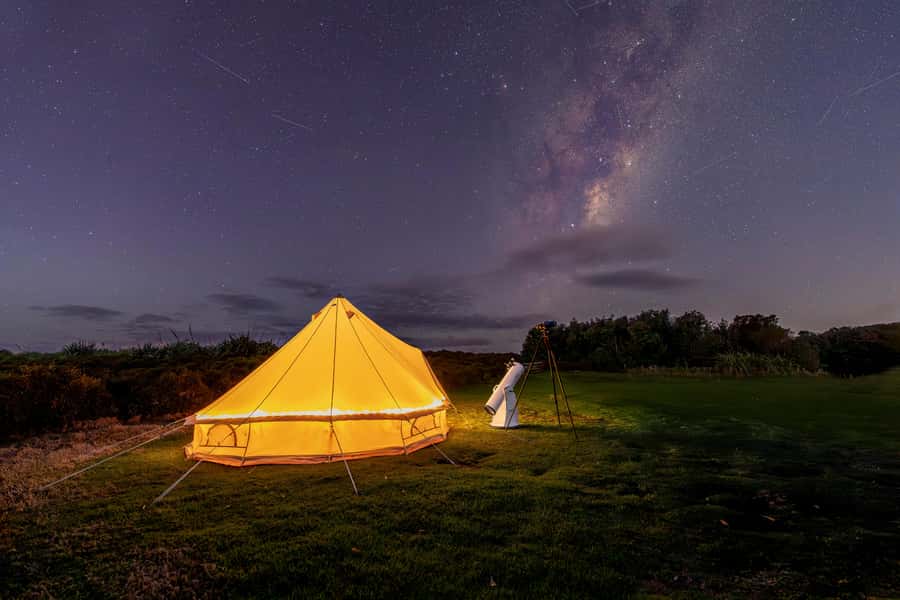
At times, the night may offer another surprise along the shoreline or in shallow water. Movement in sand or water can trigger a soft blue glow from microscopic organisms.
This bioluminescence is not guaranteed, and it should be treated as a bonus rather than a reason to book the tour. Conditions need to be right, and the activity may focus elsewhere. When it does appear, your guide explains the science behind the glow and the tiny organisms that create it.
It is a fine example of how this outing works best when you stay open to small events. A kiwi, a ruru call, a clear planet, or a faint blue shimmer may become the detail you remember most.
What the $89 price gives you
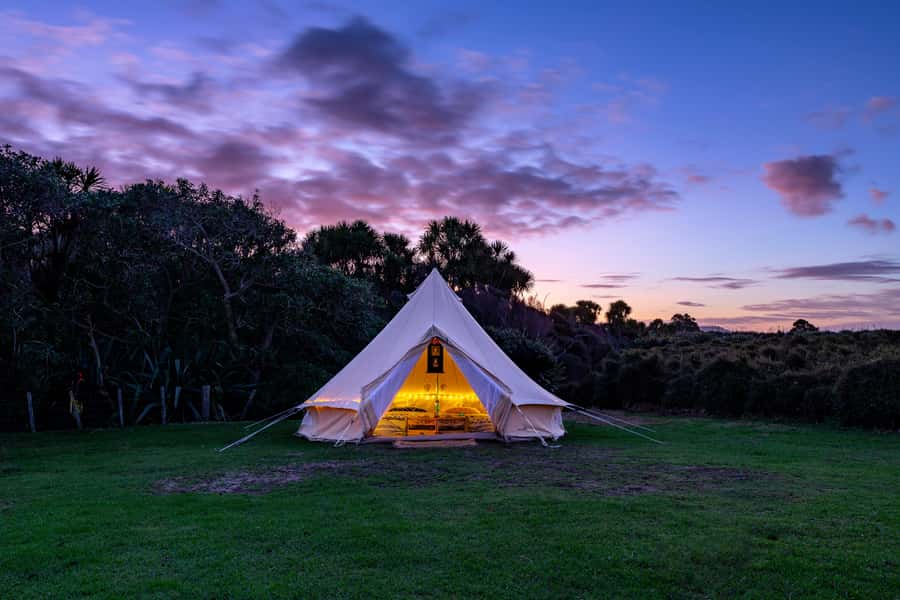
At $89 per person, the price is fair if you value a specialist wildlife outing rather than a simple evening walk. The fee includes the guide and kiwi-spotting and stargazing equipment. The experience combines a conservation-focused nature walk with a guided night-sky session, so you are getting two linked activities in one visit.
The strongest value comes from the guide. Finding wild kiwi alone would be difficult, and a standard torch walk would not give you the same chance of understanding what you are hearing or seeing. The guides’ ability to spot movement and explain the park is central to the price.
Transport is not included in the base cost, though it can be added at checkout. Extra food and drinks are also not included. A glamping stay is available if you choose that option, but campsite booking and fees are separate. Read those details carefully so the final price matches your plan.
The cost may feel high for an evening that lasts about two hours, especially if you see only one kiwi or the clouds block the stars. It becomes better value for a small group, a family marking a special trip, or anyone for whom seeing a wild kiwi is a major New Zealand goal.
The optional glamping night
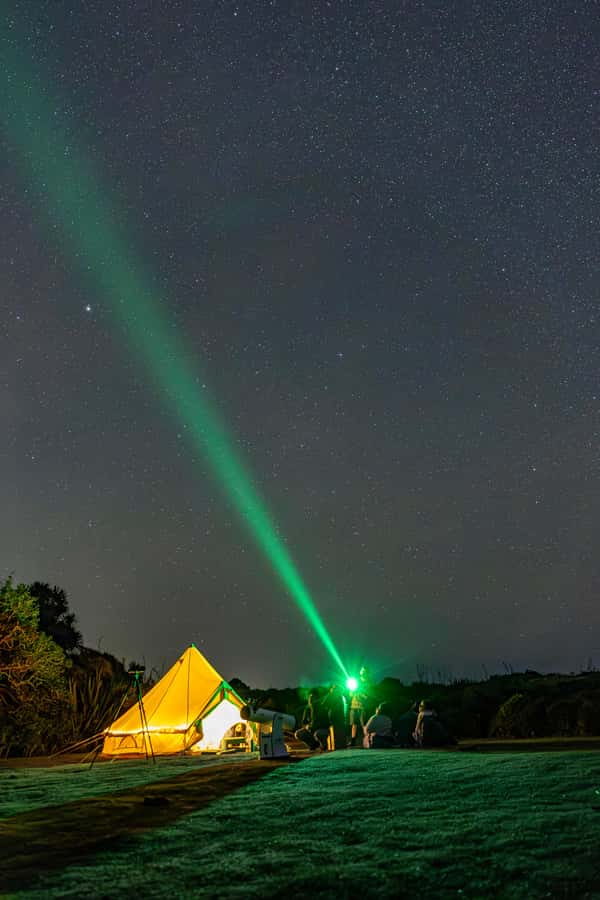
An overnight option lets you stay after the walk rather than returning straight to Auckland. The setup can include a tent, blankets, foam mattresses, small snacks, and basic little necessities. The glamping stay is optional, and campsite booking and fees are not part of the standard activity.
This choice suits you if you want to slow down and spend more time in the park. It also makes sense if you dislike a late return after a night walk. Check exactly what your selected package includes, since the two-hour encounter and the overnight stay are separate parts of the plan.
Do not book the camping option expecting a full meal service. Food and drinks beyond what is supplied with the selected stay are your responsibility.
Who will enjoy this most
I would recommend this for:
- Families with children who can manage a quiet, patient walk. A nine-year-old and an eleven-year-old were described as loving the experience.
- Couples looking for an unusual Auckland evening, especially with the optional glamping stay.
- Bird lovers who lack confidence spotting wildlife without help.
- Visitors who want a wild kiwi encounter rather than a zoo or indoor display.
- People interested in Māori astronomy, local stories, and the wider night environment.
- Anyone willing to accept that nature does not run on a timetable.
It is less suitable if you need a guaranteed animal sighting, dislike standing or walking quietly, or want a fixed schedule with no waiting. The guides work with the conditions, and the activity may feel slow before the first kiwi appears.
Private and small-group formats are available. That can help if you want more questions answered or prefer less crowd noise during the search.
Practical advice before you book
Wear shoes you can walk in comfortably and bring warm clothing, even in summer. Carry water, and consider a small snack because extra food and drinks are not included.
Keep your expectations realistic. The best mindset is not I will see ten kiwi. It is I will spend two hours learning how to look for a nocturnal bird in a protected New Zealand reserve. If you see one clearly, that can be a wonderful result. If you see several, the night may become a major trip memory.
Ask about transport if you are staying in Auckland without a car. The road journey is scenic, but the park is outside the city, and a very late return is possible.
You can cancel up to 24 hours before the activity for a full refund, and a reserve-now, pay-later option helps if your Auckland plans are still moving around. The tour is conducted in English.
Should you book the Tāwharanui kiwi encounter?
Book it if wild kiwi, quiet nature, and night skies appeal to you more than a fast-paced sightseeing tour. The combination is unusual, and the strongest guides bring real skill, warmth, and stories to the search. Legend, Chris, Millie, Lucas, Sean, Ryan, Sharn, and their colleagues are a big part of why the experience works.
Go in knowing that patience is required and sightings are not guaranteed. I would choose a clear-looking night if possible, but I would still book this for the kiwi search even if the stargazing forecast is uncertain. You may leave with one brief glimpse, several birds, a sky full of planets, or simply a better sense of New Zealand after dark. Each result has value, provided you give the wild setting time to do its work.
FAQ
Where does the tour meet?
Meet near the public bathrooms at the end of Takatu Road in Tāwharanui Regional Park.
How long does the kiwi and stargazing experience last?
The main guided activity lasts about two hours. The park itinerary can include additional sightseeing time and an optional overnight stay.
How much does the experience cost?
The listed price is $89 per person.
Is transport from Auckland included?
No. Transport is not included in the base price, but it can be added at checkout.
What equipment is provided?
The experience includes kiwi-spotting and stargazing equipment. Previous outings used torches, headlamps, binoculars, and a telescope.
Are kiwi sightings guaranteed?
No. Kiwi are wild animals, so sightings depend on conditions and animal activity. The guides use tracking skills to improve your chances.
What else can I see or hear at night?
You may hear ruru calls and learn about other wildlife, insects, plants, and the park’s nocturnal environment. Bioluminescence may appear along the shore when conditions are right, but it is not guaranteed.
Is stargazing always possible?
No. Clouds can limit or prevent stargazing. On cloudy nights, the time can be devoted to kiwi spotting and other parts of the night walk.
What should I bring?
Bring comfortable shoes, warm clothing, and water.
Can I stay overnight?
Yes, an optional glamping stay is available. The standard activity does not include campsite booking and fees, so check the selected option carefully.
What language is the tour conducted in?
The live guided tour is conducted in English.
Can I cancel the booking?
You can cancel up to 24 hours in advance for a full refund. A reserve-now, pay-later option is also available.
Just added around New Zealand
- Star Safari Stargazing Experience, Martinborough★ 5.0 · 6 reviews
- Private Stargazing at Star Safari near Martinborough★ 5.0 · 3 reviews
- Twizel Stargazing Experience with a Guide (Carbon Positive)★ 4.0 · 2 reviews
- Lake Tekapo Ultimate Stargazing Experience★ 5.0 · 3 reviews
- Virtual Stargazing & Astronomy Experience in Lake Tekapo★ 3.0 · 2 reviews
- Hanmer Springs Star Tours at Manuka Skies★ 5.0 · 11 reviews
- Lake Tekapo Stargazing & Mount Cook 2-Day Tour from Christchurch★ 5.0 · 4 reviews
- Nocturnal Wonders Tawharanui Kiwi Spotting and Stargazing Tour★ 5.0 · 23 reviews
New Zealand Stargazing Tours, compared.
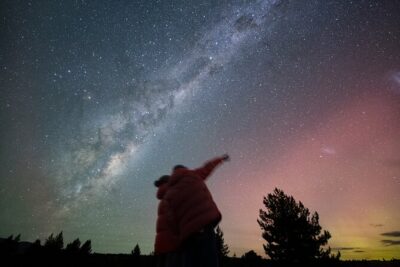
Mount John Observatory Stargazing Experience, Tekapo
Read our review →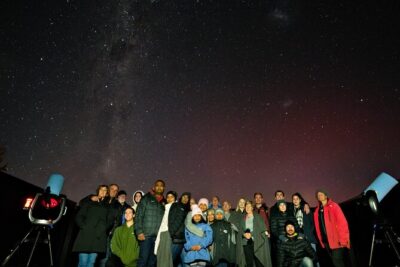

Silver River Stargazing Experience in Lake Tekapo
Read our review →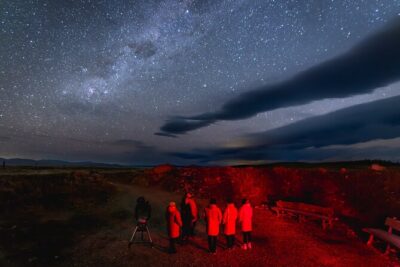
Stargazing Experience at Cowan’s Private Observatory
Read our review →Browse the lists this tour appears in