
REVIEW · MAUI
Stargazing Tour in Kapalua
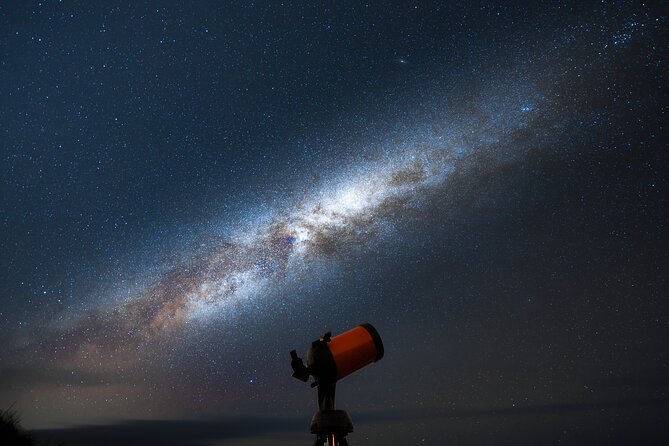
The best part of this Kapalua evening tour is the setting: a dark beach on West Maui, far from bright city lights, where stars become much easier to see. Guide Christian uses a powerful Schmidt-Cassegrain telescope, a laser pointer, and clear explanations to connect what you see with the science behind it.
I like the small maximum group of 12, which gives you a better chance at the telescope than a large bus tour. I also like the relaxed one-hour format, with a sandmat for sitting and enough structure to keep the night moving. The main drawback is simple: clouds can limit the show, and the cultural discussion may not go as far as you expect if your main interest is Native Hawaiian and Polynesian navigation.
Key points to know before booking
- A dark Kapalua beach is the real setting: You walk a short distance from the meeting point to a better viewing spot.
- Christian leads the session: He explains stars, planets, galaxies, and how celestial objects form and behave.
- The telescope can show Saturn’s rings: Actual views depend on the night’s conditions and what is visible.
- The tour lasts about one hour: That keeps it easy to fit into a Maui evening, but telescope time is shared.
- It is a small-group experience: The group is limited to 12 people, with occasional smaller or private-feeling departures.
- Weather matters: If clouds force a cancellation, you can choose another date or receive a full refund.
Why Kapalua works so well after dark
Kapalua is known for its beaches and ocean views by day, but this tour uses the area for a different reason. You meet at Stargaze West Maui, at 12 Kapalua Place in Lahaina, then walk a short distance toward a darker part of the beach. That brief walk matters. Even a little distance from bright lights can make faint stars and star patterns easier to pick out.
You are not heading to a high mountain observatory or a formal planetarium. This is a beach-based astronomy session, with the sound and feel of the coast around you. The sandmat gives you a place to sit, which is a welcome touch during a night spent looking upward.
The beach setting also makes the experience less stiff than a lecture. Christian can point out a constellation with a laser, then shift to the telescope for a closer look at a planet or cluster. You get both the broad view and the magnified view, rather than spending the full hour waiting in a line for one piece of equipment.
More Stargazing Tours in the USA:
- Small Group Big Island Twilight Volcano and Stargazing Tour
★ 5.0 · 1,619 reviews - Sedona Stargazing Tours LLC
★ 4.5 · 881 reviews - Hilo: Mauna Kea Summit, Sunset, & Stargazing Experience
★ 4.8 · 629 reviews
What happens during the one-hour session
The experience begins at the Kapalua meeting point and ends there. You need to arrange your own transport, and food and drinks are not provided. Paid parking is also not included, so check your parking plan before arriving rather than sorting it out at the last minute.
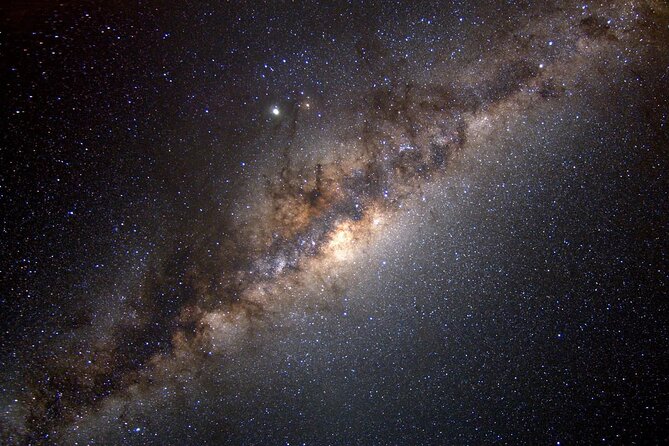
Once the group reaches the beach, the session uses two ways of looking at the sky. First, you observe with your own eyes. This helps you understand the larger pattern of the night sky and gives Christian a chance to point out constellations and explain what you are seeing.
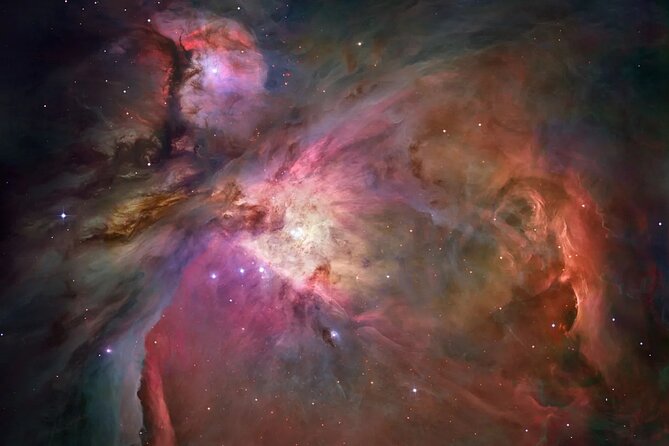
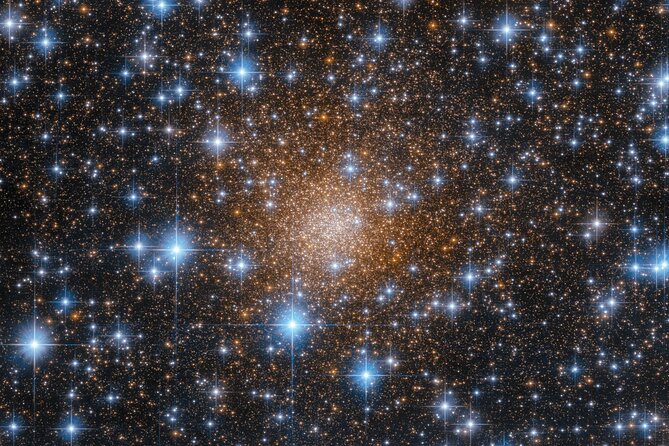
The second part uses the Schmidt-Cassegrain telescope. This type of telescope is built for close views of distant objects, and it is the main reason the tour costs more than simply walking onto the beach with a phone app. You might see planets, the moon, star clusters, nebulae, or galaxies, depending on the time of year and the conditions.
Saturn is a particular highlight when it is visible. A telescope strong enough to show its rings changes the scale of the evening. It is one thing to hear about Saturn. It is another to look through an eyepiece and see a small, sharply defined world with its rings separated from the planet.
Telescope time is shared among the group. With up to 12 people, you should not expect to stare through the eyepiece for the entire hour. The benefit of the small group is that the wait is manageable, and Christian can keep everyone involved with explanations and naked-eye viewing between turns.
Christian’s teaching style and the science you hear
Christian’s strongest role is that of a clear science guide. He explains how stars and planets form and behave, and he puts distant objects into language that works for people with no astronomy background. You do not need to know the difference between a nebula and a galaxy before arriving.
The material covers a useful range:
- Planets and the moon
- Stars and their life cycles
- Star clusters
- Nebulae
- Galaxies
- Constellations and sky patterns
- History and mythology linked to the night sky
A laser pointer is used to indicate constellations overhead. That is more useful than it sounds. In a dark sky, you can see many stars at once, and without guidance it is easy to lose track of which ones form a pattern. The pointer gives your eyes a clear target.
The session also includes stories and general mythology, so it is not just a list of technical facts. The tone is intended to be approachable rather than academic. If you are bringing children or a family member who is curious about space but not ready for a long lecture, the one-hour length should help.
Still, keep your expectations measured. The cultural material may be lighter than the astronomy. You will learn that the night sky has meaning beyond modern science, but the tour may not provide an extensive account of Native Hawaiian wayfinding, Polynesian navigation, or Hawaiian constellation systems. If those subjects are your main reason for booking, ask yourself if a general astronomy session is enough.
The telescope is the main value
At $96 per person, this is not a cheap after-dinner activity. The value depends on how much you care about access to a proper telescope and a guide who can explain what you are seeing.
You are paying for several things at once: the equipment, the guide’s preparation and instruction, the dark beach location, and a small group rather than a large public viewing. You also avoid having to identify objects on your own with an app or a basic pair of binoculars.
The telescope does not guarantee a perfect display. Visibility changes with clouds, the moon, and which planets are in the sky during your visit. But on a clear night, a telescope view of Saturn, the moon, or a distant cluster can be the sort of brief image you remember long after the rest of your evening activities blur together.
I see this as a good value for a person who already likes astronomy, a parent bringing a space-loving child, or anyone who wants a quieter Maui activity after a day outdoors. It is less compelling if you want a long, formal observatory program or a full cultural history of Hawaiian astronomy.
Same dark skies, a different way to see them:
- Big Island GOAT Experience: Mauna Kea Summit, Sunset & Stars
★ 5.0 · 1,706 reviews - Big Island: Mauna Kea Summit and Stars Small-Group Adventure Tour
★ 5.0 · 1,545 reviews - Miami: Frost Museum of Science and Planetarium Entry Ticket
★ 4.5 · 429 reviews - The Original Sedona UFO and Stargazing Night Tour
★ 4.5 · 269 reviews
Weather can shape the whole experience
This tour requires good weather, and clouds are not a minor inconvenience. They can block the objects you came to see. A cloudy sky may still allow occasional views of the moon or brighter stars, but it can reduce the session to short glimpses rather than a steady tour of the heavens.
The company may cancel if conditions are poor. In that case, you can select another date or receive a full refund. That policy is helpful, but you should still avoid placing the tour on the final night of your Maui stay if seeing the sky is especially important to you. A rescheduled date is only useful if you still have time on the island.
Cloud conditions can also be uneven. A night may begin with limited visibility and then open up, or the reverse may happen. You should view the tour as weather-dependent rather than as a guaranteed list of planets. That is true of any outdoor stargazing activity, but it matters here because the telescope is the central feature.
Bring clothing that is comfortable for an evening outside. Inclement weather gear is not included, and the tour does not supply food or drinks. The available information does not specify a dress code or equipment rental, so plan for a simple outdoor beach session rather than a protected indoor venue.
What the small group means in practice
The maximum group size is 12. That is small enough to keep the guide’s explanations personal, but large enough that you will share the telescope. The exact balance depends on how many people book that night.
Some departures may feel especially intimate if fewer people sign up. A smaller group gives you more room to ask questions and usually reduces the time between telescope turns. A full group will require a little patience, especially if everyone wants a close look at the same object.
The sandmat is included and gives the group a shared place to sit. This helps the hour feel less like a queue beside a telescope and more like a guided outdoor session. You will still spend part of the time moving between naked-eye viewing and the eyepiece, but you are not expected to stand rigidly for the entire tour.
Service animals are allowed. The activity is not suitable for people with walking limitations, including knee injuries or recent knee surgery, if those problems make it hard to cross uneven stairs in limited light. The tour calls for a moderate level of physical fitness, so consider the short beach walk and the nighttime footing before you reserve.
Children under six are not accepted. Older children who like space should find the telescope and laser pointer engaging, though parents should remember that the activity is still an instructional program, not a fast-moving attraction.
Hawaiian sky traditions, with realistic expectations
The tour includes Hawaiian celestial traditions along with history and mythology tied to the sky. That adds a sense of place that a generic astronomy talk would lack. You are not simply learning about objects visible from anywhere on Earth. You are looking up from Maui and hearing some connection between the sky and local traditions.
For many people, this cultural layer will be a pleasant addition to the science. It gives you another way to think about the stars, not only as objects measured by distance and temperature but also as guides, symbols, and parts of older stories.
The limitation is depth. The program lasts about one hour and also needs to cover telescope use, planets, stars, clusters, nebulae, galaxies, and basic astronomy. That leaves only so much time for the history of Native Hawaiian and Polynesian navigation.
If you specifically want a detailed treatment of ocean wayfinding, traditional star paths, or Hawaiian constellation names, this tour may leave you wanting more. If you mainly want a well-explained look at the sky with some local context, the balance should work better.
Booking, cancellation, and timing advice
The tour is commonly reserved about 16 days ahead, so I would not leave it until the last evening of your trip if your dates are fixed. Its small capacity can matter during busy periods, especially for families who want the same start date.
You receive confirmation when you book, and the ticket is mobile, which keeps arrival simple. The meeting and ending point are the same, at 12 Kapalua Place in Lahaina. Transportation to that point is not included, so you need your own car or another way to arrive.
Free cancellation is available if you cancel at least 24 hours before the start time. Inside that 24-hour window, you do not receive a refund, and changes are not accepted. The weather exception is separate: if the operator cancels because conditions are poor, you can move to another date or receive a full refund.
Who should book this Maui night activity?
I would recommend it to you if you want:
- A calm evening activity after a busy day
- A real telescope rather than a phone-based star app
- An easy introduction to astronomy
- A family activity for children aged six and older
- A small group instead of a large organized outing
- A beach setting with some Hawaiian sky traditions
I would be more cautious if you need guaranteed clear skies, dislike walking over uneven ground in low light, or want a long and detailed lesson in Polynesian navigation. You should also consider the cost if you are only mildly interested in astronomy. The experience earns its price through the telescope and personal instruction, not through a long itinerary or many included extras.
Should you book Stargazing Tour in Kapalua?
Book it if the idea of sitting on a dark Maui beach, learning the sky from Christian, and seeing a planet such as Saturn through a serious telescope sounds like a good use of one hour. The dark setting, small group, and clear science explanations give this short tour real appeal.
Skip it if clouds would ruin your evening, if you need transportation included, or if cultural astronomy is your top priority. For the right person, this is a memorable and easygoing West Maui night out. Just treat the weather as part of the deal, not a footnote.
FAQ
Where does the stargazing tour begin?
The tour begins at Stargaze West Maui, 12 Kapalua Place, Lahaina, Hawaii 96761. The activity ends back at the same meeting point.
How long does the tour last?
The guided stargazing experience lasts approximately one hour.
How much does the tour cost?
The listed price is $96 per person.
What is included in the experience?
The tour includes telescope views, guidance about the cosmos, a guide, and a large sandmat for seating.
Is transportation included?
No. You must arrange your own transportation to the Kapalua meeting point. Food, drinks, paid parking, and inclement weather gear are also not included.
How many people can join the tour?
The activity has a maximum group size of 12 people.
Are children allowed?
Children under six are not accepted. The available information does not specify a separate child price or age requirement for children over six.
What happens if the weather is poor?
If the tour is canceled because of poor weather, you can choose a different date or receive a full refund. You can cancel for a full refund up to 24 hours before the start time. Cancellations or changes made less than 24 hours before the experience are not refunded or accepted.
Just added around the USA
- Private Under the Stars Night-Time Tour of DC (Up to 5 Guests)★ 5.0 · 24 reviews
- Stargazing and Milky Way Portrait in Capitol Reef National Park★ 4.5 · 13 reviews
- Temecula Wine Country Stargazing Tour★ 5.0 · 2 reviews
- Skyway Light Show Tour Under the Stars★ 5.0 · 5 reviews
- Astronomy and Stargazing Tour in Utah★ 5.0 · 8 reviews
- PRIVATE Sedona Jeep Tour 4X4 Stargazing Tour at Night★ 4.5 · 11 reviews
- Sunset Sedona Sacred Places -gourmet picnic dinner and stargazing★ 5.0 · 12 reviews
- Private Stargazing – Sequoia National Park★ 4.5 · 14 reviews
Maui Stargazing Tours, compared.
Night-Time Snorkel at TurtleTown with Stars, Lights, and Photos
Read our review →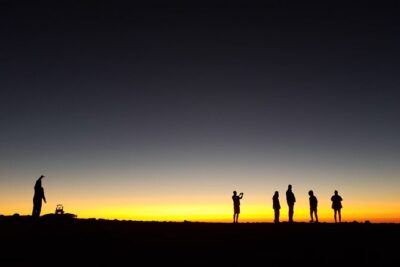
Night Time Snorkel At Turtle Town With Lights And Stars
Read our review →
Campfire Storytelling of Hawaii’s Dark History Beneath The Stars
Read our review →Browse the lists this tour appears in