
REVIEW · MAUI
Night Time Snorkel At Turtle Town With Lights And Stars
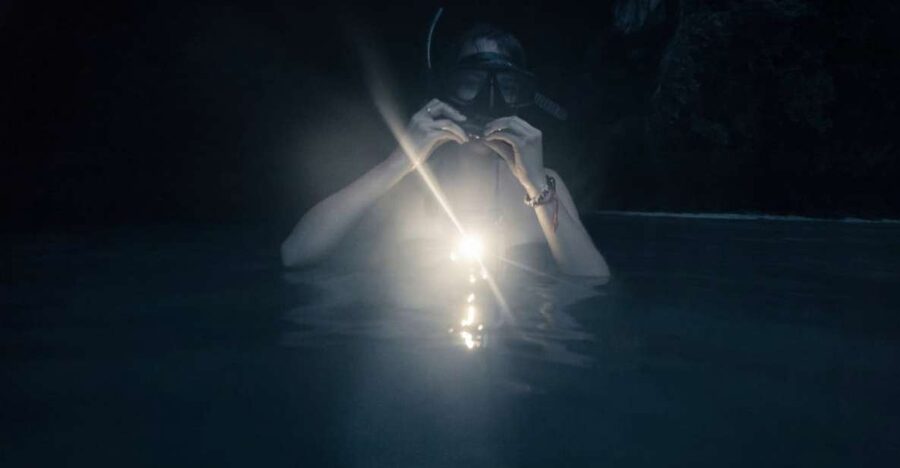
At Maui’s Turtle Town, the sun goes down and the reef changes character. This 90-minute night snorkel uses personal lights, colored lighting, and a powerful 4,000-lumen group light to draw your attention to turtles, rays, octopus, lobsters, sea stars, and other creatures that are harder to spot during daylight.
I like the small-group setup, which keeps the outing personal and makes safety instructions easier to follow. I also like the unusual lighting plan: your guide adjusts warm-colored lights during the snorkel, while each person carries a light and wears a red safety marker. The main consideration is simple but important: you must be able to swim, and the age information is inconsistent, with one section saying 12 and another saying 16 or older.
Key points to know before you book
- Night access to Turtle Town: You’ll see Maui’s familiar snorkeling area after sunset, when different sea life may appear.
- A 4,000-lumen group light: The guide’s large multicolored light illuminates about a 10-foot area around the group.
- Personal safety lights: Each snorkeler receives a dive light and a red-colored marker for visibility.
- Small groups: The experience is limited to eight people, with the description emphasizing groups of six or fewer.
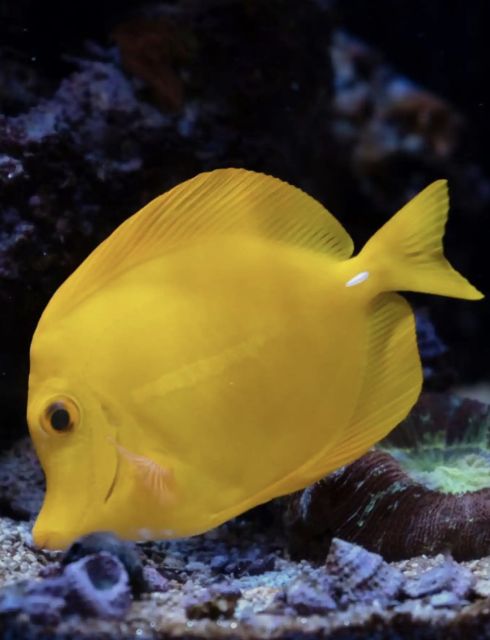
- Wildlife after dark: Turtles, rays, octopus, lobsters, sea stars, sea urchins, and tropical fish may appear.
- Bring your own water and towel: Equipment and wetsuits are provided, but water and towels are not.
Why nighttime makes Turtle Town different
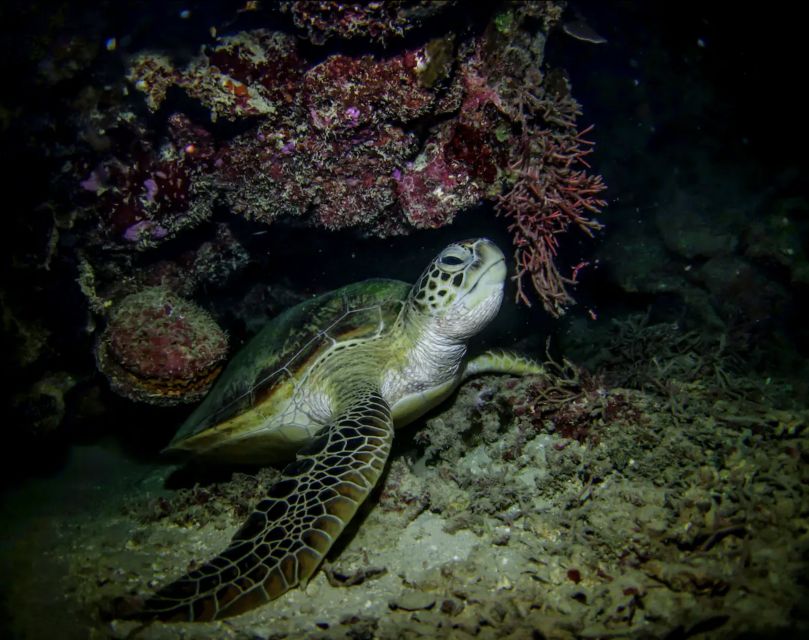
Most Maui snorkeling happens under strong sunlight, with plenty of color and activity spread across the reef. This outing asks you to look at the same sort of coastal habitat in a new way. Your light becomes your window into the water, and the small area it reveals can feel much more focused than a broad daytime view.
The change in timing matters. The guides use different warm-hue lights to attract turtles, rays, and other creatures. That does not guarantee a particular animal, but it gives the tour a clear purpose beyond simply swimming after dark. The experience is built around watching how sea life behaves at night.
The reported sightings include several turtles, sea stars, sea urchins, and tropical fish. Octopus and lobsters are also named as possible nighttime visitors. These animals are a big reason to choose this trip instead of a standard morning snorkel. You may not see every creature listed, but the variety gives you plenty to watch for.
There is also a quiet thrill to the setting. You are looking down into the water beneath Maui’s stars, with the group’s light marking a small patch of sea. It is not a party boat or a large water activity. The appeal is the strange, close-up feeling of exploring a familiar place at an unfamiliar hour.
More Evening Trips in the USA:
- Big Island GOAT Experience: Mauna Kea Summit, Sunset & Stars
★ 5.0 · 1,706 reviews - Hilo: Mauna Kea Summit, Sunset, & Stargazing Experience
★ 4.8 · 629 reviews - The Original Sedona UFO and Stargazing Night Tour
★ 4.5 · 269 reviews
Meeting at Makena Landing after sunset
You should enter Makena Landing Park into your GPS. The meeting area is not simply the first parking spot you see. The instructions direct you to a small parking lot with outdoor showers and restrooms, then up a small hill past the restrooms.
Look for a white van about 100 to 200 yards beyond the restrooms. That is where you meet the guides. This detail is worth saving on your phone because meeting points near beaches can be easy to miss, especially when you are arriving in the dark.
The park provides outdoor showers and restrooms near the parking area. Use them before the activity if needed, since the snorkel itself lasts about an hour and a half. You should also bring a towel and drinking water. Neither is included.
There is no stated hotel pickup, so plan to reach Makena Landing on your own. Give yourself enough time to find the lot, locate the van, and get organized without rushing. At night, a few extra minutes can make the start much calmer.
Getting fitted with lights and water gear
The operator supplies the main equipment needed for the activity. That includes a wetsuit, fins, mask, personal dive light, life preserver, and red-colored safety marker. The description also refers to a light beaker, which appears to be part of the visibility equipment attached to each snorkeler.
The wetsuit has a practical purpose. Even in warm Hawaii, staying in the water at night can feel cooler than expected. A wetsuit helps you remain comfortable while you spend time watching the reef instead of hurrying back to shore.
The high-end mask and fins are also useful because a poor fit can distract you from the wildlife. You should expect the guide to help fit your equipment before entering the water. Since the group is small, this setup should be more hands-on than it would be on a large commercial excursion.
You still need to bring the most important piece of personal equipment: basic swimming ability. The activity is described as safe for the stated age range, but it is not intended for someone who cannot swim. The provided information says you must be able to swim, while another note says you must be able to lightly swim. I would treat that as a real requirement, not a minor detail.
How the lighting system shapes the snorkel
Each person carries a personal light. That helps you see what is close to you and gives the guide a better sense of where everyone is. You also wear a red-colored marker, adding another visible point in the dark water.
The guide carries the main light, described as a 4,000-lumen multicolored neon light. It lights roughly a 10-foot radius around the group. That radius gives you a shared viewing area, so you are not all swimming in separate directions with tiny beams pointed at random spots.
The guide can adjust the warm hues during the activity. Red light is specifically described as a way to attract turtles that may swim alongside the group. The lighting is not just there to make photographs look dramatic. It helps organize the group and direct attention toward animals that may respond to particular colors.
You should still expect natural conditions. A light can reveal marine life, but it cannot make wildlife appear on command. The best approach is to pay attention, stay near the guide, and allow time for animals to show themselves. The small group helps here because fewer people means fewer competing lights and less commotion.
Same dark skies, a different way to see them:
- Small Group Big Island Twilight Volcano and Stargazing Tour
★ 5.0 · 1,619 reviews - Big Island: Mauna Kea Summit and Stars Small-Group Adventure Tour
★ 5.0 · 1,545 reviews - Sedona Stargazing Tours LLC
★ 4.5 · 881 reviews - Miami: Frost Museum of Science and Planetarium Entry Ticket
★ 4.5 · 429 reviews
What you may see beneath the Maui stars
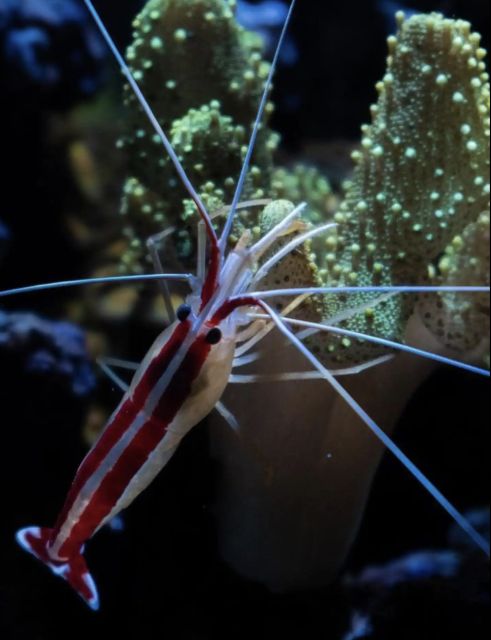
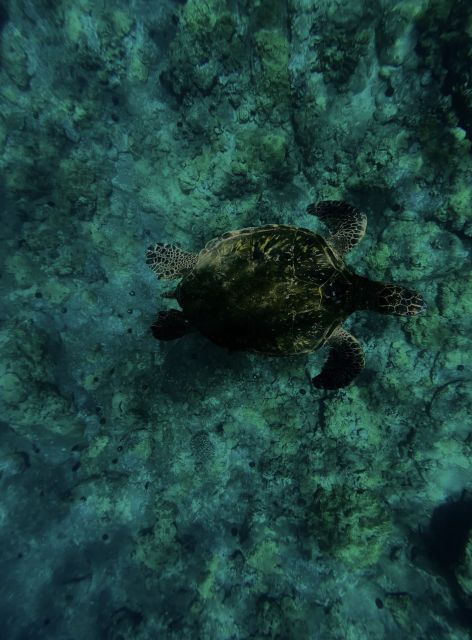
Turtles are the headline attraction, and this location is known in the experience description as Turtle Town. Several turtles were seen during one outing, including turtles swimming near the group. If seeing turtles is your main reason for booking, the lighting system and location are designed with that hope in mind, but no wildlife encounter can be promised.
Rays are another possibility. The guides adjust the lighting to attract them, so you may want to watch the wider edge of the lit area rather than stare only at the seafloor directly below you.
The smaller creatures may be just as interesting. Sea stars and sea urchins are among the animals seen, while tropical fish can add movement to the scene. Octopus and lobsters are named as nighttime creatures that may come out after sunset. These sightings are less predictable, which is part of the fun, but you should not book this as a guaranteed octopus hunt.
Night snorkeling also changes your sense of scale. In daylight, you can see the whole reef at once. At night, your attention narrows to what the light catches. A sea urchin, star, or fish can become the focus of the moment because everything beyond the beam fades into darkness.
The 90-minute format and small-group feel
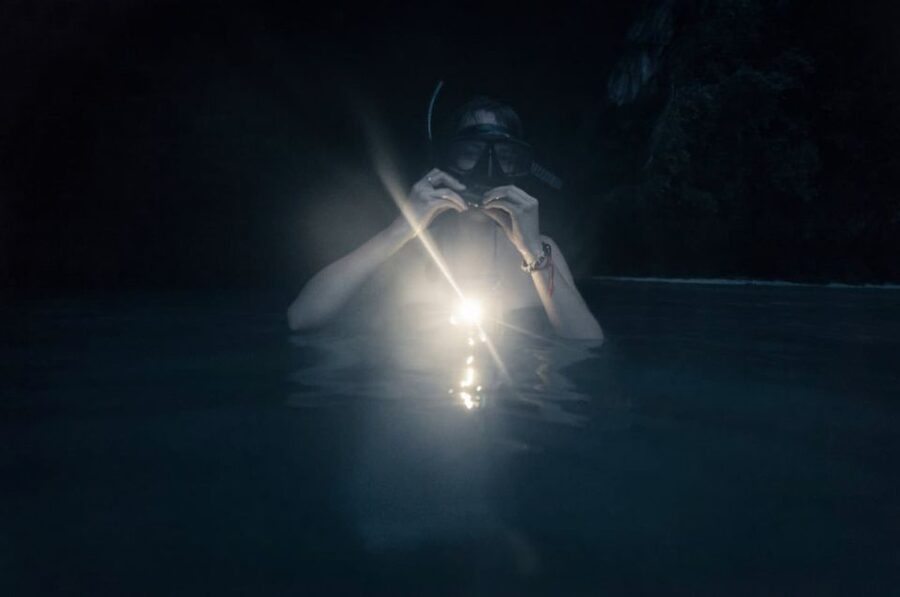
The activity lasts 90 minutes. That is long enough to allow time for equipment fitting, safety guidance, entering the water, and a useful period of snorkeling, though the exact time spent in the water is not stated.
The group limit is eight participants. Elsewhere, the experience is described as operating with six or fewer snorkelers, so you should confirm the exact group size when booking. Either way, this is a small outing compared with a large boat excursion.
That smaller format matters most at night. The guide can keep track of personal lights and red safety markers more easily. You can also ask questions without trying to get the guide’s attention across a crowded group. One outing was led by John, who was described as fun while staying focused on safety and the quality of the experience.
The guide’s role is especially important after dark. You need clear instructions about staying together, handling the light, and responding if you become uncomfortable. The supplied equipment adds safety support, but it does not remove the need to follow directions and stay close to the group.
Is the $129 price a fair value?
At $129 per person, this is not the cheapest way to enter Maui’s water. The price includes the wetsuit, fins, mask, personal light, life preserver, safety marker, and the guide’s specialized lighting system. You are also paying for a rare nighttime format rather than a basic beach rental.
I think the value makes sense for someone who wants a distinct Maui memory and does not already own suitable gear. Buying or renting separate equipment would still leave you without the guide, the coordinated lighting, and the chance to explore in a small group.
The price is harder to justify if you only want a casual swim or a standard turtle sighting. Daytime snorkeling is usually simpler and more familiar. Night snorkeling adds a special atmosphere, but it also asks you to be comfortable with darkness, equipment, and the possibility that wildlife sightings will vary.
Photos and videos are listed as a highlight, though the details do not explain how they are delivered or whether every participant receives the same coverage. Ask about this before booking if photographs are a major reason for choosing the tour.
Who should book this Maui night snorkel?
This activity fits confident swimmers aged within the operator’s stated range who want something beyond a routine beach outing. It is especially suitable if you enjoy marine life, unusual timing, small groups, and a little controlled adventure.
It could also suit someone who has already snorkeled in Maui by day and wants a different view of the reef. The lighting, stars, and nighttime animals give the experience a character that a normal morning session cannot match.
I would be cautious about booking it for anyone uneasy in dark water. The equipment and guide support are designed to improve safety, but they cannot change the basic nature of the activity. You will be in the ocean after sunset and must be able to swim.
Families should check the age rule directly before paying. The information gives both 12 and 16 as the minimum age in different places. That conflict needs a clear answer from Zephyr Adventures Maui.
Booking details worth checking first
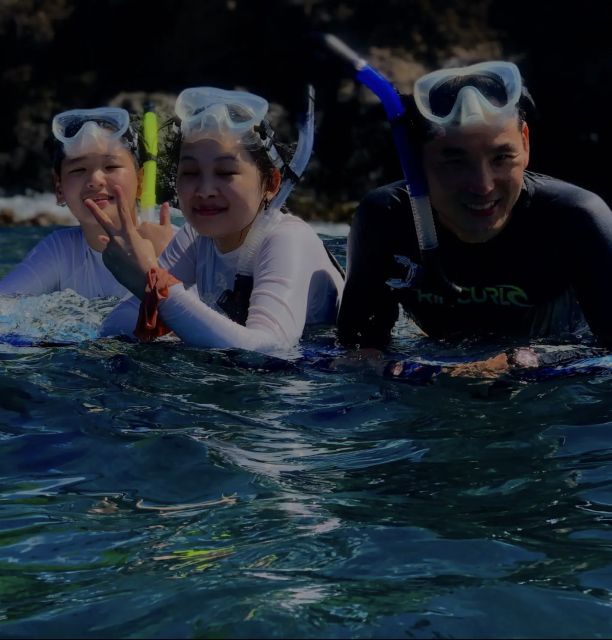
The experience is offered in English with a live guide. It has free cancellation up to 24 hours before the scheduled start, and you can reserve now and pay later, which helps if your Maui plans are still shifting.
Starting times depend on availability. Since the activity takes place after sunset, confirm the exact meeting time and allow room for the drive to Makena Landing Park.
The provider is Zephyr Adventures Maui. The stated rating is 4.9 from six reviews, with especially strong praise for the turtle sightings and the guide’s safety focus. One outing received four stars rather than five, so the experience is highly rated but not presented as perfect by every participant.
Should you book it?
Book this if you can swim, want a small-group experience, and like the idea of watching Maui’s marine life through a focused beam of light beneath the stars. The strongest reasons are the rare nighttime setting, the specialized lighting, and the chance to see animals such as turtles, rays, octopus, lobsters, sea stars, and urchins.
Skip it if you want a guaranteed wildlife encounter, dislike dark water, or prefer a relaxed daytime snorkel. Before booking, confirm the minimum age, the exact group limit, and how the included photos and videos work. For the right swimmer, this is a memorable way to see Turtle Town after the sun has gone down.
FAQ
Where does the night snorkel meet?
Meet at Makena Landing Park. Use the park name in your GPS, then find the small parking lot with outdoor showers and restrooms. Drive up the small hill past the restrooms and look for a white van about 100 to 200 yards farther on.
How long does the experience last?
The activity lasts 90 minutes.
What equipment is included?
The price includes a wetsuit, fins, mask, personal dive light, life preserver, red-colored safety marker, and other equipment needed to participate.
Do I need to bring a towel?
Yes. Towels are not included.
Is water provided?
No. You need to bring your own drinking water.
Do I need to know how to swim?
Yes. You must be able to swim to participate.
What is the minimum age?
The information gives two different minimum ages. One section says 12 or older, while another says the activity is safe for ages 16 and older. Confirm the current rule with the operator before booking.
How many people are in the group?
The group is limited to eight participants. The activity description also says the snorkel operates in groups of six or fewer, so confirm the exact limit for your date.
What animals might I see?
Possible sightings include turtles, rays, octopus, lobsters, sea stars, sea urchins, and tropical fish. Wildlife sightings are not guaranteed.
Can I cancel for a refund?
You can cancel up to 24 hours in advance for a full refund. You can also reserve now and pay later.
Just added around the USA
- Private Under the Stars Night-Time Tour of DC (Up to 5 Guests)★ 5.0 · 24 reviews
- Stargazing and Milky Way Portrait in Capitol Reef National Park★ 4.5 · 13 reviews
- Temecula Wine Country Stargazing Tour★ 5.0 · 2 reviews
- Skyway Light Show Tour Under the Stars★ 5.0 · 5 reviews
- Astronomy and Stargazing Tour in Utah★ 5.0 · 8 reviews
- Sunset Sedona Sacred Places -gourmet picnic dinner and stargazing★ 5.0 · 12 reviews
- Private Stargazing – Sequoia National Park★ 4.5 · 14 reviews
- PRIVATE Sedona Jeep Tour 4X4 Stargazing Tour at Night★ 4.5 · 11 reviews
Maui Stargazing Tours, compared.
Night-Time Snorkel at TurtleTown with Stars, Lights, and Photos
Read our review →
Campfire Storytelling of Hawaii’s Dark History Beneath The Stars
Read our review →Browse the lists this tour appears in