
REVIEW · MAUI
Campfire Storytelling of Hawaii’s Dark History Beneath The Stars
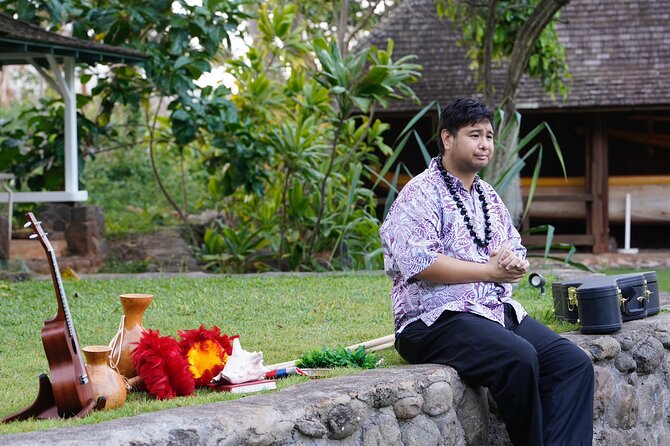
Hawaii’s past is far more complicated than the postcard version. This small Maui gathering brings that history to a beach fire, where local historian and musician Ian Aquino discusses ancient traditions, colonization, the overthrow of the Hawaiian Kingdom, and the pressure tourism places on native culture.
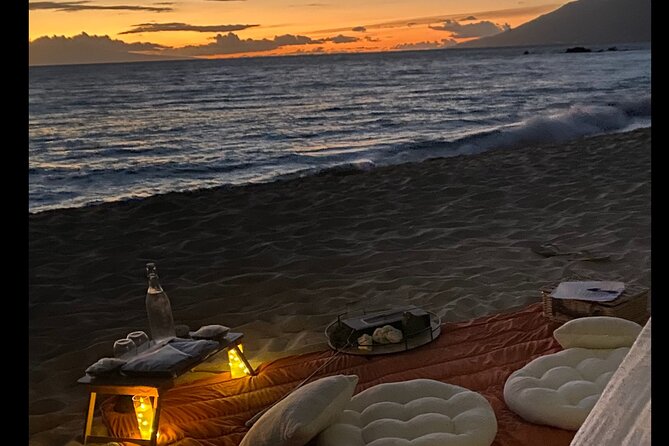
I like two things right away: the maximum of 10 people, which keeps the evening personal, and the chance to hear a local voice rather than attend another polished island show. The setting also matters. A fire, blankets, pillows, snacks, and stars make difficult subjects easier to consider together.
The main drawback is that this is a serious cultural conversation, not a luau or light entertainment. You should also plan around the weather, since the activity can be canceled if conditions are poor, and alcohol is not included.
Key points about this Maui storytelling evening
- Local guide Ian Aquino: Hear the story from a historian and musician with a personal connection to Hawaii.
- A small group of 10 or fewer: The size allows room for questions and shared discussion.
- A beach fire under the stars: The outdoor setting is part of the experience, not just a backdrop.
- Difficult subjects are part of the evening: Expect discussion of colonization, lost sovereignty, and tourism’s effects on native culture.
- About 90 minutes at 6:30 pm: It fits neatly into a Maui evening without taking up an entire night.
- Practical comforts included: Snacks, water, sitting pillows, and blankets are provided.
Why this is not a typical Maui night out
Many Hawaiian evening activities focus on music, food, dance, and an easygoing picture of island life. Those experiences can be enjoyable, but they often leave out the conflicts and losses that shaped modern Hawaii.
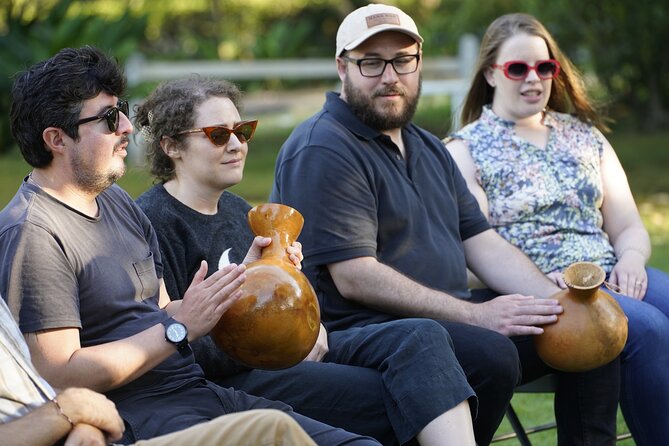
This gathering takes a different path. You sit near a fire on a tucked-away beach while the conversation moves between ancient customs, the Hawaiian relationship with the land, colonization, the overthrow of the Hawaiian Kingdom, and the lasting effects of tourism. The tone is inviting, but the subjects are not always comfortable.
That contrast is the point. You are not being asked to look away from the pleasant parts of Hawaii. You are being given more context for them. A place can be beautiful and still carry painful memories. A culture can welcome visitors and still have serious concerns about how tourism changes daily life, land use, and identity.
I especially like the setting because it encourages listening. In a bright theater or busy restaurant, a history talk can feel like a lecture. By the shore, with a small circle of people and a fire nearby, the evening has a slower pace. The setting gives you time to think about what you hear.
Other stargazing trips people book around the USA:
- Big Island GOAT Experience: Mauna Kea Summit, Sunset & Stars
★ 5.0 · 1,706 reviews - Small Group Big Island Twilight Volcano and Stargazing Tour
★ 5.0 · 1,619 reviews - Big Island: Mauna Kea Summit and Stars Small-Group Adventure Tour
★ 5.0 · 1,545 reviews
Arriving at 4524 Makena Road for the 6:30 pm start
The meeting point is 4524 Makena Road, Kihei, Hawaii 96753, and the activity begins at 6:30 pm. The experience ends back at the same meeting point.
That return to the starting point makes the plan simple. You do not need to arrange a second pickup location at the end, and the 90-minute length leaves room for other evening plans. Still, give yourself enough time to reach the address and get settled before the storytelling begins. The listing places the activity near public transportation, but it does not provide a detailed transit plan, so check your route before you set out.
This is a mobile-ticket experience, and confirmation is provided when you book. The activity usually fills bookings well ahead of time, with an average booking lead time of about 28 days. If this is important to your Maui schedule, reserving early is sensible.
The group limit is 10 people. That number is small enough for the guide to address the group directly rather than speak to a crowd. It also makes the final discussion more workable, since each person has a better chance to share a thought or ask a question.
Settling beside the fire with simple comforts
The supplied pillows and blankets are useful details, not filler. Sitting on a beach for 90 minutes can become uncomfortable, especially after sunset, and the blankets give you some protection from the evening chill. Water is also included, along with snacks.
The snacks help keep the evening easy, but do not mistake this for a dinner event. There is no mention of a full meal, and alcoholic beverages are not included. If you need dinner, plan it before or after the activity rather than counting on the provided food to replace one.
The fire gives the group a natural center. Instead of facing a stage, you sit among the people taking part. That arrangement helps the evening feel like a shared conversation, even though Ian Aquino is guiding the story.
You should dress for an outdoor setting. The supplied information confirms blankets but does not list specific clothing advice, so practical evening layers are a sensible choice. The activity depends on good weather, and rain or other poor conditions may lead to a new date or a full refund.
Ian Aquino’s story of Hawaii’s past
Ian Aquino is identified as a local historian and musician. Those two roles suggest a broader approach than a standard sightseeing talk, and the experience is built around his storytelling rather than a printed timeline.
You can expect the narrative to touch on ancient Hawaiian traditions and cultural practices first, then move into the difficult changes brought by colonization. The overthrow of the Hawaiian Kingdom and the loss of sovereignty are also central subjects. These are not minor footnotes. They help explain why questions of identity, land, power, and self-determination still matter in Hawaii.
The talk also addresses tourism. That is valuable for anyone who has come to Maui to enjoy its beaches and resorts, because tourism is not separate from local life. It affects the economy, the use of land, and the way Hawaiian culture is presented to visitors.
The experience does not promise a full academic course, and 90 minutes is not enough to cover every period or viewpoint in Hawaiian history. Think of it as a focused introduction shaped by one local storyteller. You will leave with questions and a stronger framework for understanding the island, not with every date memorized.
More Stargazing Tours in the USA:
- Sedona Stargazing Tours LLC
★ 4.5 · 881 reviews - Hilo: Mauna Kea Summit, Sunset, & Stargazing Experience
★ 4.8 · 629 reviews - Miami: Frost Museum of Science and Planetarium Entry Ticket
★ 4.5 · 429 reviews - The Original Sedona UFO and Stargazing Night Tour
★ 4.5 · 269 reviews
Ancient traditions and the Hawaiian relationship with land
The story includes traditional practices and the deep connection Hawaiian people have with the land. That focus gives the evening a foundation before the darker chapters begin.
This matters because it keeps Hawaiian culture from being presented only through the events that happened to it. The experience points toward a living culture with its own customs, values, and relationship to place. Colonization and the overthrow of the Kingdom then appear as major disruptions to an existing society, rather than as isolated political events.
You may find this part especially useful if your Maui visit has mostly involved beaches, shopping, and resort activities. The talk encourages you to see the island as more than scenery. Land is connected to memory, family, practice, and responsibility.
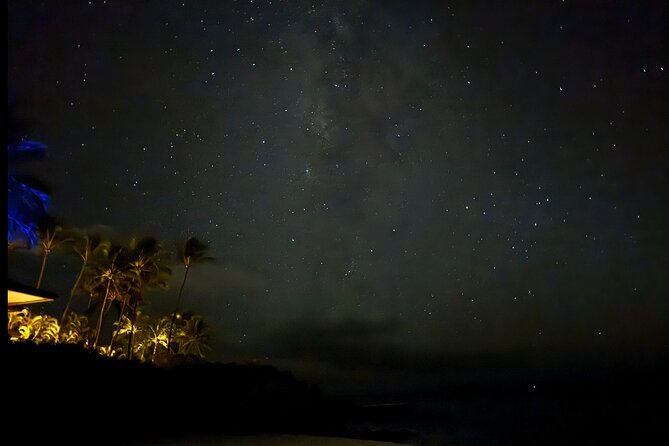
The fire and the night sky also add a reflective quality. The evening description connects the stars with ancestors who once lived along these shores. That is a poetic element, but it supports the wider goal of treating the beach as a place with meaning, not merely a photo setting.
The difficult chapters: colonization and the loss of sovereignty
The experience openly discusses colonization and the overthrow of the Hawaiian Kingdom. For some people, this may be the most important reason to book. It offers context that is often absent from standard vacation entertainment.
You should come ready to listen rather than expect a polished celebration of Hawaii. The mood may shift as the story moves from traditions and personal memories to political loss and the effects of outside control. The description emphasizes a calm, inviting voice, but calm does not mean the material is softened.
I appreciate that the format leaves room for emotional as well as intellectual response. You are not simply receiving facts. You are encouraged to consider how the past shapes the present, including the way Hawaii is marketed and experienced by visitors today.
Because the group is small, the subject may feel more direct than it would in a large theater. That can be a strength, but it also means you should respect the tone of the evening. This is not the right pick if you want a loud, comic, or alcohol-centered night.
Tourism, culture, and your place in the story
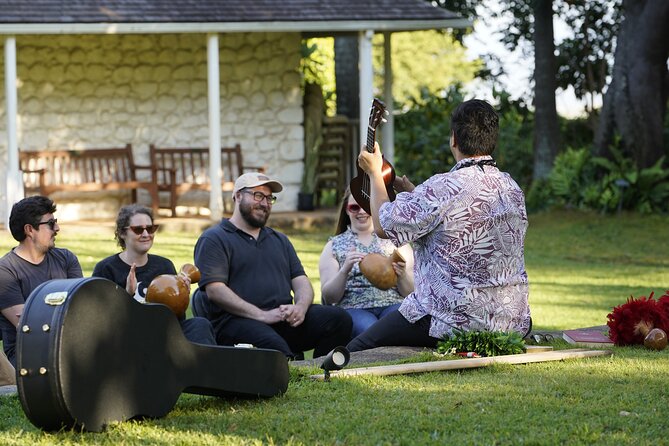
Tourism is both a source of income and a source of tension in Hawaii. The experience addresses its impact on native culture, asking you to think beyond the pleasant surface of a vacation.
That subject is useful because visitors are part of the system being discussed. You are not just hearing about a distant historical event. You are considering how hotels, attractions, cultural performances, and visitor expectations shape the islands.
The evening does not present itself as a debate or a formal workshop. Instead, Ian’s stories and personal anecdotes connect larger events to human experience. That can make the subject easier to understand, though it also means the presentation reflects the guide’s own approach and perspective.
I would treat this as one meaningful voice rather than the only word on Hawaiian history. If you want a detailed scholarly study, you will need other sources as well. If you want an honest introduction that helps you ask better questions during the rest of your trip, this format makes good sense.
Why the final discussion matters
As the night continues, you are invited to share thoughts and feelings. This is more than a question period tacked onto the end. It gives the gathering a sense of community and allows you to process what you have heard.
Some people will prefer to listen quietly. Others may want to ask about sovereignty, cultural practice, or tourism. The small group makes both approaches possible, although the actual flow will depend on the people present and the guide.
This closing exchange is one reason the experience feels different from a recorded audio tour. You can respond to the story in real time. You also hear how other people are thinking about Hawaii, which can add another layer to the evening.
Do not expect every question to receive a long answer within the 90-minute time limit. The value is in the exchange itself and in leaving with a fuller sense of the issues.
Is $89 a fair price?
At $89 per person, this is not a bargain activity in the usual sense. You are not paying for a meal, a long excursion, or a major attraction with many stops. You are paying for a small-group cultural experience led by a local historian and musician, with a beach setting and basic comforts included.
The price makes the most sense if you value time, access, and conversation. A group of 10 or fewer offers a level of personal attention that large commercial shows cannot match. The pillows, blankets, water, and snacks also mean you do not need to bring every basic comfort yourself.
It is less attractive if your main goal is entertainment or a full evening of food and performance. In that case, a luau may better fit your plans. This activity is for understanding, reflection, and a direct connection with one guide.
The perfect setting also cannot be guaranteed. Weather can cancel the evening, and the activity requires a minimum number of people to operate. If either issue prevents the event from running, you are offered another date or a full refund.
Who should book this experience?
I would recommend it to you if you want to understand Hawaii beyond beaches and resort culture. It suits people who enjoy oral history, small groups, local perspectives, and conversations that continue after the formal story ends.
It can also work well for couples, solo visitors, and friends who want a quieter evening. The 6:30 pm start and 90-minute duration make it easy to fit around a daytime activity.
Families should consider the subject and the ages of the children before booking. The information confirms that most people can participate, but it does not describe a children’s program or simplified presentation. The topics of colonization, political overthrow, and cultural loss may be better suited to older children and adults.
You should skip it if you want a conventional show, a full meal, or a carefree night with drinks. You should also be comfortable sitting outdoors and taking part in a reflective conversation.
Practical details before you reserve
The activity accepts service animals, and most people can participate. It is near public transportation, though you should confirm the best route to the Makena Road meeting point before leaving.
Free cancellation is available when you cancel at least 24 hours before the 6:30 pm start time. Changes or cancellations made within 24 hours are not accepted for a refund. Cutoff times use Maui local time, so keep that in mind if you are arranging plans from another time zone.
Because the experience depends on weather and a minimum number of participants, the provider may cancel it. In that case, you are offered a different date or experience, or a full refund.
Should you book Campfire Storytelling of Hawaii’s Dark History?
Book it if you want a personal, thoughtful look at Hawaii’s past and present. The combination of Ian Aquino’s local storytelling, a group of no more than 10, and a fire-lit beach setting gives the evening a clear sense of purpose.
Skip it if you want a party, a large cultural show, or dinner. For the right audience, $89 buys more than 90 minutes beside the water. It buys a chance to listen carefully, question the easy paradise story, and carry a more honest understanding of Hawaii into the rest of your trip.
FAQ
Where does the experience begin?
It begins at 4524 Makena Rd, Kihei, HI 96753, USA.
What time does the activity start?
The start time is 6:30 pm.
How long does the experience last?
The experience lasts approximately 1 hour and 30 minutes.
Where does the activity end?
It ends back at the meeting point.
Who leads the storytelling?
The experience is led by Ian Aquino, identified as a local historian and musician. Nicole Love is listed as the experience provider.
How many people can join?
The activity has a maximum of 10 participants.
What is included?
Snacks, sitting pillows, blankets, water, and an English-speaking guide are included.
Are alcoholic beverages included?
No. Alcoholic beverages are not included.
What happens if the weather is poor?
The activity requires good weather. If it is canceled because of poor weather, you are offered a different date or a full refund.
Just added around the USA
- Private Under the Stars Night-Time Tour of DC (Up to 5 Guests)★ 5.0 · 24 reviews
- Stargazing and Milky Way Portrait in Capitol Reef National Park★ 4.5 · 13 reviews
- Temecula Wine Country Stargazing Tour★ 5.0 · 2 reviews
- Skyway Light Show Tour Under the Stars★ 5.0 · 5 reviews
- Astronomy and Stargazing Tour in Utah★ 5.0 · 8 reviews
- PRIVATE Sedona Jeep Tour 4X4 Stargazing Tour at Night★ 4.5 · 11 reviews
- Sunset Sedona Sacred Places -gourmet picnic dinner and stargazing★ 5.0 · 12 reviews
- Private Stargazing – Sequoia National Park★ 4.5 · 14 reviews
Maui Stargazing Tours, compared.
Night-Time Snorkel at TurtleTown with Stars, Lights, and Photos
Read our review →


Night Time Snorkel At Turtle Town With Lights And Stars
Read our review →Browse the lists this tour appears in