
REVIEW · LAKE TEKAPO
Chameleon Stargazing Shared Tour
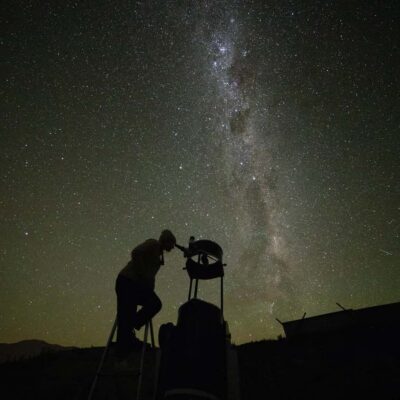
Lake Tekapo is one of New Zealand’s best places to look up after dark, and this small-group outing makes the night sky easier to understand. You’ll begin with naked-eye stargazing, then use a powerful telescope to see planets, constellations, and distant objects that are easy to miss on your own.
I like the friendly, well-informed guides, who explain both astronomy and the stories attached to the stars. I also like the simple comforts: reclining seats, thick blankets, hot chocolate, and marshmallows toasted over a fire bowl. The one catch is weather. Clouds, moonlight, and changing conditions can limit what you see, and the tour may be canceled.
Key points at a glance
- Small groups of up to 14: The size leaves room for questions and personal attention.
- Telescope views beyond the naked eye: You may see planets, nebulae, galaxies, and other deep-sky objects.
- Guides connect science with culture: Astronomy facts are paired with constellation stories and Māori significance.
- Comfort matters in Tekapo: Reclining seats, blankets, hot drinks, and a fire help with the cold.
- A photo is included: The company takes a photo of you beneath the stars and provides complimentary images.
- Weather controls the evening: Clear skies can be spectacular, but clouds and a bright moon can change the experience.
Why Lake Tekapo makes a good stargazing base
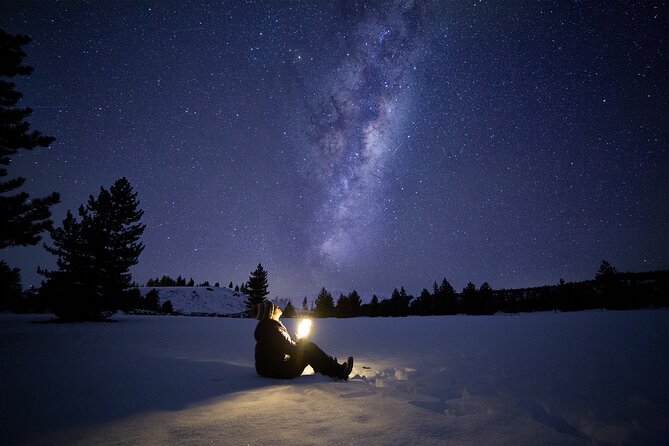
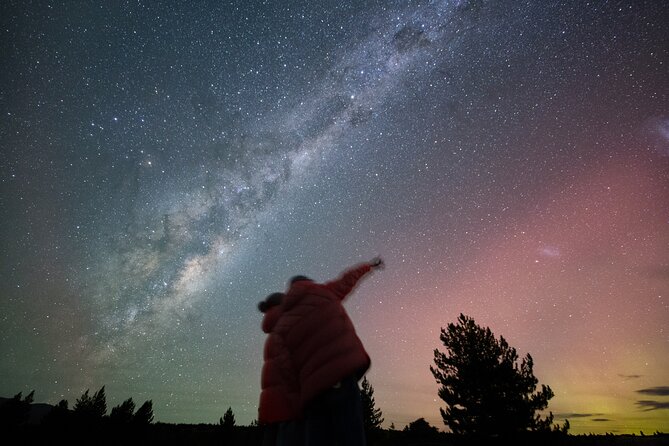
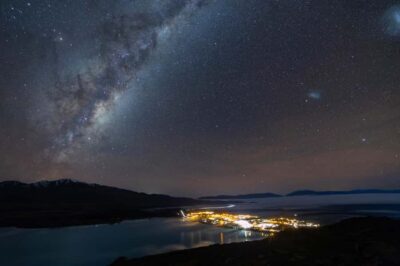
Lake Tekapo is known for its dark night sky, far removed from the glare of a large city. That matters more than fancy equipment. In a dark setting, you can see far more stars with your own eyes, including the Milky Way and the Southern Cross when conditions allow.
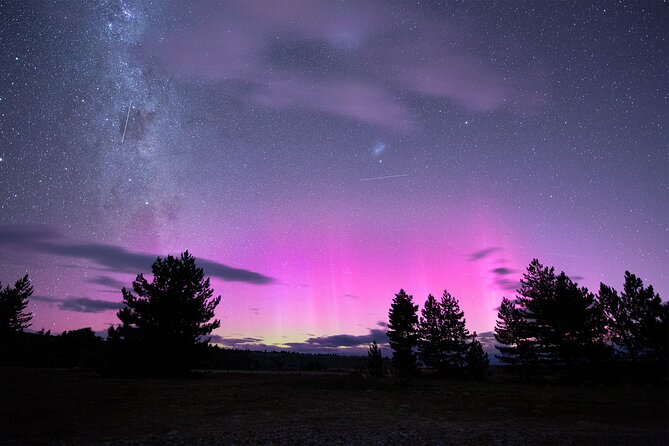
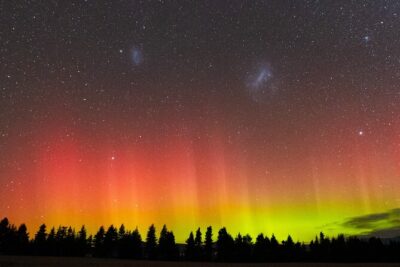
The sky also changes from night to night. The moon may be bright or nearly absent. Clouds can move in quickly. The southern sky rotates through different positions as the evening goes on, and aurora activity may add an unexpected flash of color. The company is clear that its promotional photos show examples rather than a promise of exactly what you’ll see.
That honesty is useful. You are booking a chance to look at the sky, not a guaranteed display of the Milky Way, an aurora, or a particular planet. On a clear night, the result can be breathtaking. On a cloudy night, the guide may shorten or cancel the session.
More Stargazing Tours in Lake Tekapo:
- Lake Tekapo: Alpine Stargazing Experience with a Guide
★ 4.5 · 626 reviews - Lake Tekapo: Stargazing Experience
★ 4.9 · 607 reviews - Lake Tekapo: Mountaintop Stargazing at Mount John Summit
★ 4.5 · 176 reviews
The 90-minute evening at 70 Andrew Don Drive
The activity begins and ends at 70 Andrew Don Drive, Lake Tekapo 7999. There is no shuttle service to or from your accommodation, so you need to arrange your own way to the meeting point. The tour lasts about 1 hour and 30 minutes.
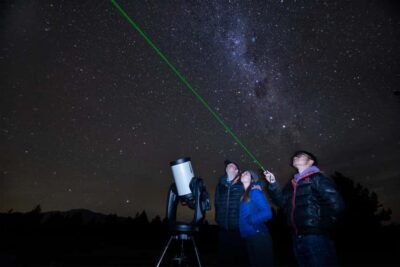
The group size is capped at 14 people. That is small enough for the guide to point out stars with a laser and still respond to questions without turning the night into a lecture delivered to a crowd. It also means you are sharing the telescope, so you may need to wait briefly while others take their turn.
The evening is built around one stop at Lake Tekapo, but it has several distinct parts:
- Looking at the sky without equipment
- Learning about stars and constellations
- Viewing selected objects through the telescope
- Taking a night-sky photo
- Warming up with drinks, blankets, and marshmallows by the fire
This mix keeps the outing from feeling like a technical astronomy class. You get science, stories, practical viewing, and a relaxed finish.
Starting with constellations and stories
A strong part of the experience is the guide’s explanation of what you can see without a telescope. Instead of immediately sending everyone to a viewing instrument, the guide uses the open sky as a map.
You may learn how to pick out major constellations, planets, and familiar southern-sky features. The guides also share the history and Māori meaning connected with the stars. That cultural layer adds something a phone app cannot provide. An app can name a star, but it does not explain why people have watched and interpreted that part of the sky for generations.
Guides named in the feedback include George, Guthrie, Mok, and Estella. Guthrie was praised for explaining visible constellations and their historical and Māori significance. George was especially appreciated during an evening when an aurora appeared. Estella guided a session focused on the stars, constellations, and galaxies visible in the clear Tekapo sky.
The quality of any astronomy tour rests heavily on the guide. Here, the recurring strength is the ability to answer questions in a warm, engaging way rather than simply reciting facts. If you are curious about planets, galaxies, mythology, or how the sky changes, you should have room to ask.
What the telescope adds
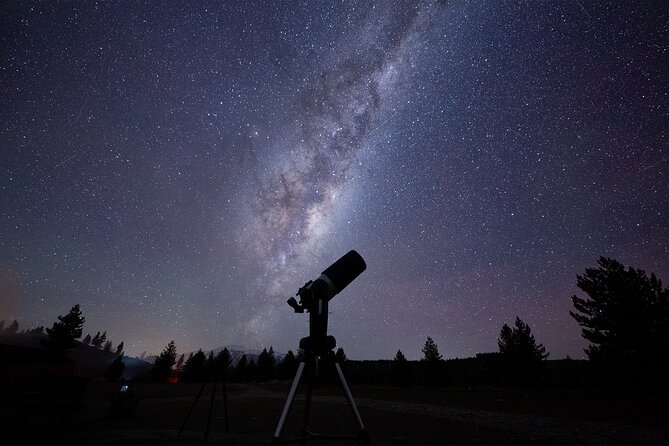
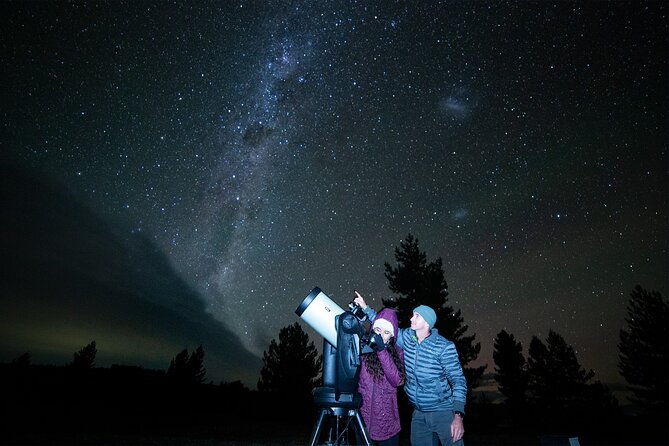
The telescope is the evening’s main piece of equipment. Looking at stars with your eyes gives you scale and atmosphere. Looking through a telescope gives you detail.
Depending on the night, you might see Saturn, nebulae, galaxies, or other deep-sky objects. One particularly strong session included close views of Saturn and several nebulae, along with a shooting star. Other outings managed to show multiple objects even with some cloud or moonlight.
A telescope cannot fix poor weather. It also does not make every view look like a colorful space photograph. Some objects may appear faint, small, or less dramatic than you expect from pictures. What makes the experience worthwhile is the chance to see something real through the instrument while the guide explains what it is and how far away it lies.
You may also appreciate the contrast between the telescope and naked-eye viewing. The telescope shows a precise target, while reclining beneath the open sky gives you a wider sense of the Milky Way and the surrounding stars. Both parts matter.
Same dark skies, a different way to see them:
- Mount John Observatory Stargazing Experience, Tekapo
★ 4.5 · 160 reviews - Tekapo Star Gazing Tour – Soak in the Stars
★ 4.5 · 109 reviews - Silver River Stargazing Experience in Lake Tekapo
★ 4.5 · 106 reviews - Stargazing Experience at Cowan’s Private Observatory
★ 4.0 · 85 reviews
Reclining seats, blankets, and hot chocolate
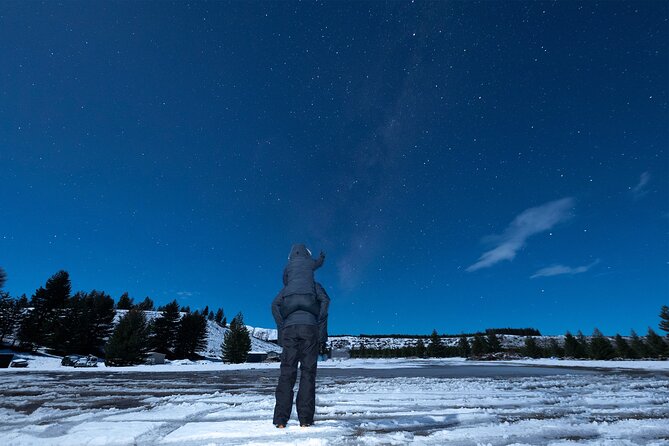
The cold is the practical issue to take seriously. Lake Tekapo nights can be chilly, particularly in winter, and you may spend much of the session sitting still while looking upward. Bring warm layers even though the company supplies thick blankets.
The seating is designed for stargazing, with comfortable reclining chairs or couches that let you lean back rather than crane your neck. That small detail can make a big difference over 90 minutes. You are less likely to spend the session shifting around or wishing you had brought a camping chair.
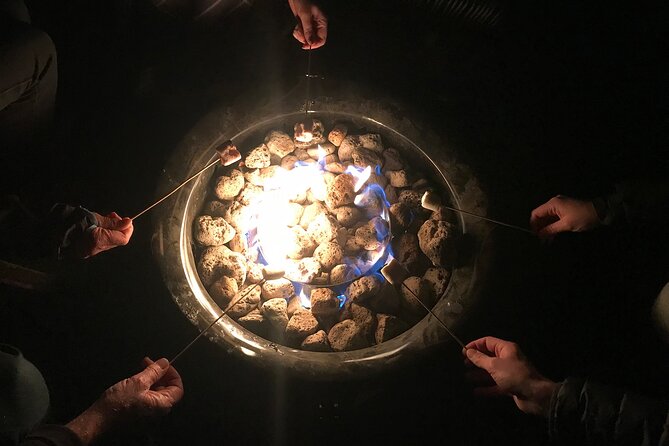
Hot chocolate, coffee, or tea is included. The warm drink usually appears during the session, and it gives you a useful break from standing or sitting in the cold. The marshmallows come later, toasted around a fire bowl. This is a simple touch, but it gives the evening a social finish instead of ending the moment the telescope is packed away.
I would still dress as if you were spending the night outdoors. The blankets help, but they are not a substitute for a warm jacket, long trousers, and suitable footwear.
The photo you take home
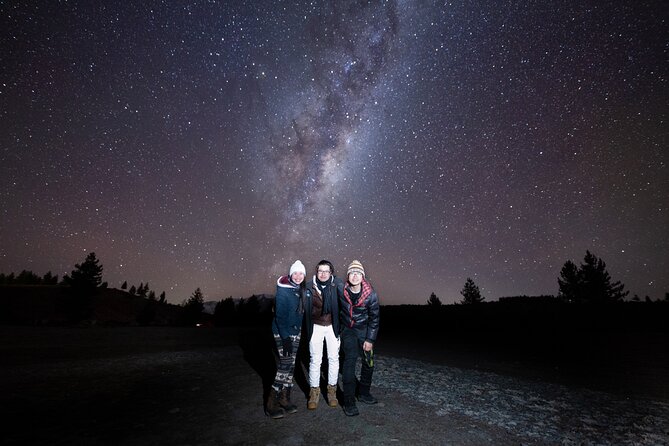
The company takes a photo of you beneath the stars and provides complimentary images. Telescope images from the session may also be sent by email a few hours afterward.
This is a nice extra because night photography is difficult without a tripod, the right settings, and some patience. You can concentrate on the sky instead of trying to manage a camera in the dark. The result may become a useful record of the evening, even if the exact stars in your photo differ from the sample images used to promote the activity.
Keep your expectations sensible. The final photo depends on cloud, moon phase, darkness, and the camera conditions that night. The important value is that you leave with more than a memory in your head and a few blurry phone pictures.
Weather, clouds, moonlight, and aurora chances
Weather is the biggest variable in this tour. If clouds cover the sky, there may be little to see through the telescope. Even a partly cloudy night can force the guide to change the order of the session or move quickly between gaps in the cloud.
The company sends weather updates by email, so check your messages before setting out. Some sessions have been canceled because of cloud, with a full refund offered. In other cases, the guide continued despite unsettled conditions and made good use of short clear periods.
A bright moon also changes the experience. Full moon light can wash out some faint stars and reduce the visibility of the Milky Way. It does not make the telescope useless, and you can still see selected planets and deep-sky objects, but a new-moon period is generally better if your main goal is a dark, star-filled sky.
Aurora activity is possible but not promised. One evening included a strong Aurora Australis, which made an already good session extraordinary. Treat that as luck rather than part of the package.
If you have several nights in Tekapo, booking early in your stay gives you a better chance to rebook if poor weather cancels the outing. The company offers a different date or a full refund when weather makes the activity impractical.
Is $74.47 a fair price?
At $74.47 per person, the tour is reasonably priced for a small-group evening that includes a telescope, guide, hot drinks, marshmallows, blankets, the fire, and a complimentary photo. You are not paying only for access to a dark field. You are paying for the equipment, instruction, warm-up comforts, and the effort of choosing and explaining objects in the sky.
The value is strongest on a clear night when you see several telescope targets and learn how to read the southern sky. It is less certain when clouds or a bright moon reduce the viewing. That is the tradeoff with any outdoor astronomy activity, although the weather policy helps protect your money if the company cancels.
This is not the right choice if you want a private session or a long technical observatory visit. The 14-person maximum keeps the group manageable, but it is still a shared experience. It is also not a transport package, so factor in the cost and effort of reaching the meeting point yourself.
Who will enjoy this most?
I would recommend it to first-time stargazers, families with older children, couples looking for an easy evening activity, and anyone who has spent most of life under city lights. You do not need prior astronomy knowledge. The guide gives you enough background to follow along, and questions are part of the experience.
It also suits people who enjoy a social outing with a little comfort. The fire, hot chocolate, and marshmallows make it less formal than a serious astronomy lecture. You can learn something, look through a telescope, take a photo, and still have time to chat.
You may want to skip it if you dislike cold weather, cannot tolerate uncertain plans, or need a guaranteed sight such as the Milky Way or Aurora Australis. You should also think twice if your schedule leaves no flexibility after a weather cancellation.
Practical advice for a better night
Check the email weather update before leaving for the meeting point. The forecast may affect whether the session goes ahead, and the company may cancel when cloud makes meaningful viewing unlikely.
Dress in layers and bring more warmth than you think you need. A hat and gloves are sensible choices for a night spent outside, even though blankets are provided.
If you can choose your date, aim for a night near the new moon. A darker sky gives you a better chance of seeing the Milky Way and fainter stars. Still, do not assume a moonlit night is wasted. You may see planets and other objects through the telescope, and the guide can still explain the sky.
For tours starting after midnight, check the date carefully. A session at 12:30 am on January 1 takes place during the night of December 31 into January 1, so you need to be in Lake Tekapo on December 31.
The cancellation policy allows a full refund if you cancel at least 24 hours before the start time. Changes or cancellations inside that window are not accepted for a refund, unless the company cancels because of poor weather.
Should you book Chameleon Stargazing?
Book it if you want a friendly, well-organized introduction to the southern night sky with a telescope and a few thoughtful comforts. The guides, small group, Māori star stories, reclining seats, hot chocolate, fire-roasted marshmallows, and complimentary photos give the evening more shape than simply walking outside and looking up.
I would make it a priority during a stay in Lake Tekapo, but I would leave room in your schedule for weather. Go in expecting an informative night under the stars, not a guaranteed Milky Way or aurora display. On a clear evening, the combination of dark sky, telescope views, and skilled guidance can become one of the most memorable things you do in the area.
FAQ
Where does the Chameleon Stargazing tour meet?
The meeting point is 70 Andrew Don Drive, Lake Tekapo 7999, New Zealand. The activity ends back at the same meeting point.
How long does the tour last?
The experience lasts approximately 1 hour and 30 minutes.
How many people can join the tour?
The tour has a maximum group size of 14 people.
Is transportation from my accommodation included?
No. Shuttle service to and from your accommodation is not included.
What is included in the price?
The tour includes use of the telescope, marshmallows, coffee or tea, hot chocolate, and all fees and taxes. Complimentary photos are also provided.
What happens if the weather is poor?
The experience requires good weather. If it is canceled because of poor conditions, you will be offered another date or a full refund.
What should I know about tours starting after midnight?
Check that you selected the correct date. A tour beginning at 12:30 am on January 1 takes place during the night between December 31 and January 1, so you need to arrive in Lake Tekapo on December 31.
Can I cancel for a full refund?
Yes. You must cancel at least 24 hours before the experience start time for a full refund. Cancellations or changes made less than 24 hours before the start are not accepted for a refund.
Just added around Lake Tekapo
- Lake Tekapo Ultimate Stargazing Experience★ 5.0 · 3 reviews
- Virtual Stargazing & Astronomy Experience in Lake Tekapo★ 3.0 · 2 reviews
- Lake Tekapo: Virtual Stargazing and Astronomy Experience★ 4.5 · 8 reviews
- Lake Tekapo: Ultimate Stargazing Experience★ 4.3 · 12 reviews
- Lake Tekapo: 1.5-Hour Hot Pools & Stargazing Experience★ 4.0 · 45 reviews
- Lake Tekapo: Indoor Māori Cultural Astronomy Experience★ 4.5 · 43 reviews
- Lake Tekapo: Stargazing Experience at Cowan’s Observatory★ 4.7 · 52 reviews
- Stargazing Experience at Cowan’s Private Observatory★ 4.0 · 85 reviews
Lake Tekapo Stargazing Tours, compared.
Mount John Observatory Stargazing Experience, Tekapo
Read our review →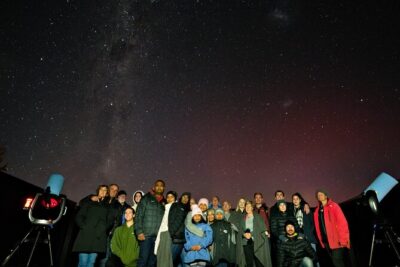
Silver River Stargazing Experience in Lake Tekapo
Read our review →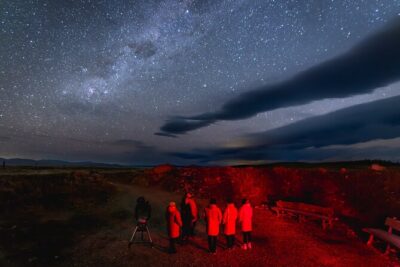
Stargazing Experience at Cowan’s Private Observatory
Read our review →
Dark Sky Indoor Maori Cultural Astronomy Experience
Read our review →Browse the lists this tour appears in