
REVIEW · USA
Stargazing and UFO Tour
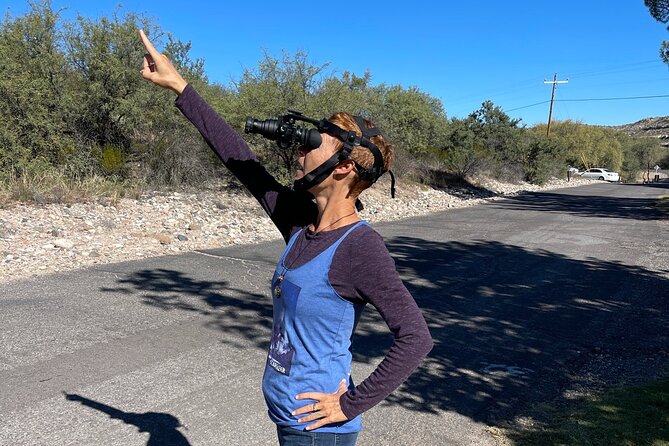
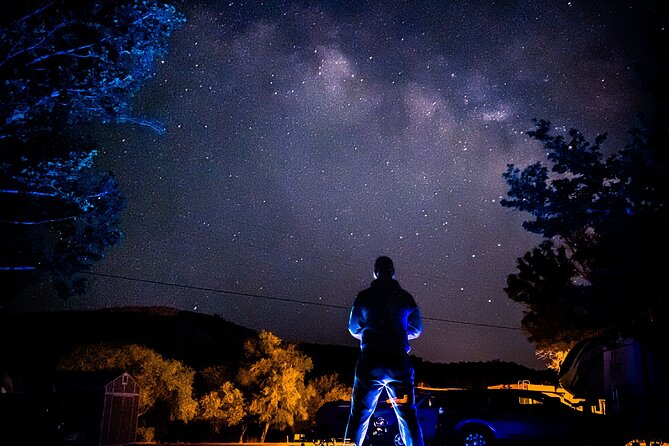
Joshua Tree’s night sky is the main event here, but the Gen 3 military night vision goggles change the experience from simple stargazing into something stranger and more memorable. You can see stars, planets, shooting stars, and details around the desert that disappear in ordinary darkness.
I like the personal scale of this private tour and the way Tony connects astronomy with stories from Maori, Apache, Native American, and other traditions. I also like that the viewing site is chosen for current conditions rather than fixed in one spot. The main drawback is the price: $1,500 per group is a serious charge for about 90 minutes, and there are no bathrooms.
Key points to know before booking
- The viewing site is revealed 24 hours before departure, then your group drives from the West Entrance Station to a secluded spot.
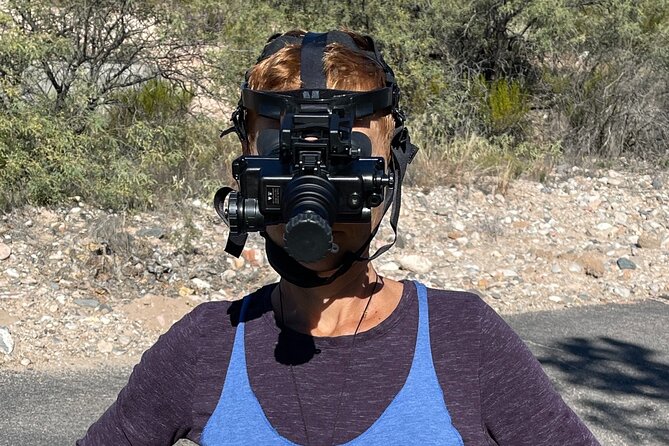
- Gen 3 AN/PVS-7 night vision goggles let you see far more than you can with your eyes alone.
- Tony’s storytelling is a major part of the evening, mixing astronomy with star lore from several cultures.
- The tour is private for your group, with space to ask questions and use the equipment at your own pace.
- The desert gets cold after dark, so bring serious layers, even if Palm Springs felt warm earlier.
- There are no bathrooms, a small detail that matters during a remote nighttime outing.
Why Joshua Tree looks different after sunset
In daylight, Joshua Tree is all about rock piles, twisted trees, and desert color. After dark, those familiar shapes fade and the sky takes over. Away from city lights, you can see thousands of stars that are washed out in Palm Springs and most urban areas.
That contrast gives this outing its real value. You are not simply standing outside and hoping to spot a bright planet. Your guide helps you understand what you are seeing, then adds tools that extend your vision.
The tour begins near the West Entrance Station in Joshua Tree, California. You make your own way there, and the exact meeting details for the secluded viewing site arrive 24 hours before the start. That late notice is practical rather than inconvenient: the team chooses the spot according to viewing conditions.
You then join your guide and small group for a drive to the selected location. The precise route and distance are not specified, so allow flexibility around the meeting time. Do not plan a tight dinner reservation immediately afterward.
More Stargazing Tours in the USA:
- Small Group Big Island Twilight Volcano and Stargazing Tour
★ 5.0 · 1,619 reviews - Sedona Stargazing Tours LLC
★ 4.5 · 881 reviews - Hilo: Mauna Kea Summit, Sunset, & Stargazing Experience
★ 4.8 · 629 reviews
The drive to the secret viewing site
The meeting point at the West Entrance Station is only the starting place. The actual stargazing happens at a more secluded location, chosen to keep city light to a minimum and provide better viewing.
I like this approach. A fixed location may be easy to advertise, but a flexible site gives the guide a better chance of finding a dark and useful spot. It also adds a little mystery without turning the evening into a gimmick.
You should treat the transfer as part of the outing, not as a standard sightseeing shuttle. The tour description says you join the guide for a drive, but it does not specify the vehicle type or exact driving time. Make sure your phone is available for the meeting information and arrive ready to follow the guide’s directions.
There is no promise of a particular constellation, planet, or meteor shower. Those sights depend on the date, weather, moon, and timing. What you can count on is a dark setting and equipment intended to reveal more of the sky than your unaided eyes can see.
Night vision goggles and the equipment that matters
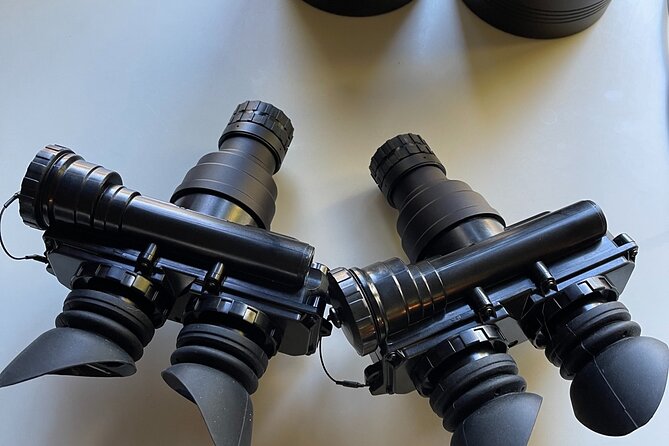
The star attraction is the Gen 3 AN/PVS-7 night vision goggle system. This is not the same as looking through ordinary binoculars. Night vision equipment gathers available light and presents the dark world in a way that can reveal stars and objects that are difficult to see with your eyes.
The effect can be especially striking in Joshua Tree. You look upward to inspect the sky, then toward the surrounding desert and see the darkness take on a different shape. That change helps you understand how much your eyes normally miss.
The equipment listed for the outing includes:
- Gen 3 AN/PVS-7 night vision goggles
- Laser pointers
- Binoculars
- Chairs
- Hand sanitizer
The laser pointer is useful when your guide is explaining a constellation or pointing out a planet. Instead of waving vaguely at a patch of sky, the guide can direct your attention to a specific star or pattern.
Ordinary binoculars add another layer. Night vision gives you a special view, while binoculars offer a more familiar way to inspect bright stars and other visible objects. The experience is strongest when you compare the three views: naked eye, binoculars, and night vision.
Past outings have also included telescope viewing, reclining chairs, heated blankets, snacks, and other thoughtful touches. These extras are not listed as guaranteed inclusions, so you should not book on the assumption that each one will be present. The confirmed setup includes chairs and the stated optical equipment.
Tony’s stories give the sky a human meaning
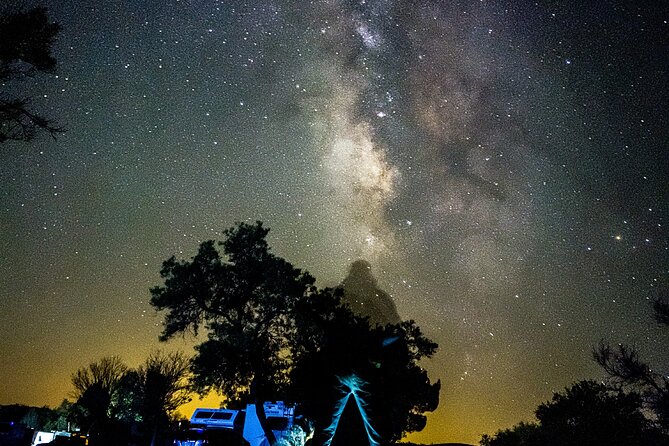
Tony is central to the experience. He explains the night sky, answers questions, and connects visible stars with stories from several cultures. The strongest part of his presentation is the link between modern tools and older ways of reading the heavens.
You might hear about Maori and Apache star traditions, along with other cultural interpretations. These stories help you see the sky as more than a collection of scientific labels. For generations, people used stars to understand time, direction, seasons, travel, and place. That human side gives the astronomy more weight.
Tony’s style is enthusiastic and personal. The information can be thought-provoking, especially when he explains how different peoples encoded meaning in the stars. One practical caution: the storytelling may run long. The advertised duration is about 1 hour and 30 minutes, but some outings have lasted roughly half an hour longer.
That extra time may be welcome if you enjoy conversation and folklore. If you have young children who need a strict bedtime or a dinner booking waiting in town, build in a buffer. A good rule is to treat the tour as a roughly two-hour evening commitment once the meeting, drive, and return are considered.
Same dark skies, a different way to see them:
- Big Island GOAT Experience: Mauna Kea Summit, Sunset & Stars
★ 5.0 · 1,706 reviews - Big Island: Mauna Kea Summit and Stars Small-Group Adventure Tour
★ 5.0 · 1,545 reviews - Miami: Frost Museum of Science and Planetarium Entry Ticket
★ 4.5 · 429 reviews - The Original Sedona UFO and Stargazing Night Tour
★ 4.5 · 269 reviews
What the 90-minute evening feels like
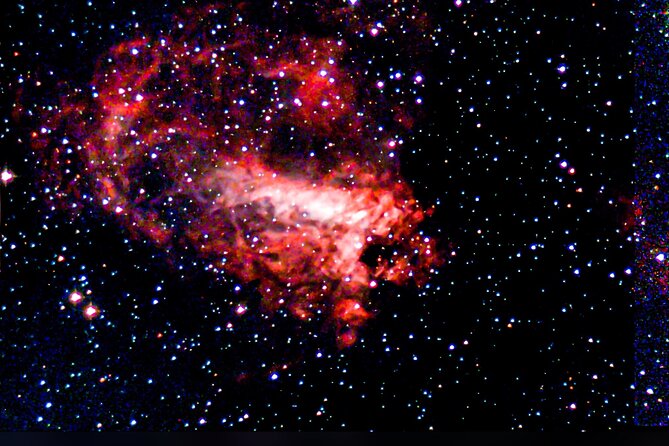
The outing has a clear rhythm, even though exact timing can change with conditions.
First, you meet at the West Entrance Station. The guide confirms the plan and leads your group to the selected site. Because the exact spot is supplied only 24 hours in advance, check your messages before leaving your accommodation.
Next comes the setup. Chairs and viewing equipment are provided, and the guide introduces the night’s conditions. This is when you learn how to use the goggles, binoculars, and laser pointer.
Then the main presentation begins. Tony points out stars and planets, explains what you are seeing, and tells stories tied to the sky. You are encouraged to ask questions, which is easier in a private group than in a large public astronomy program.
The evening finishes back at the original meeting point. The tour does not drop you at a separate destination, so you can arrange your transportation around that return.
The best moments are likely to come in small bursts: a sudden bright object through the goggles, a shooting star, a constellation you finally recognize, or a story that changes how you think about a familiar star pattern. Astronomy is partly about patience. The equipment gives you more to look at, but it cannot control the sky.
Small-group attention has real value
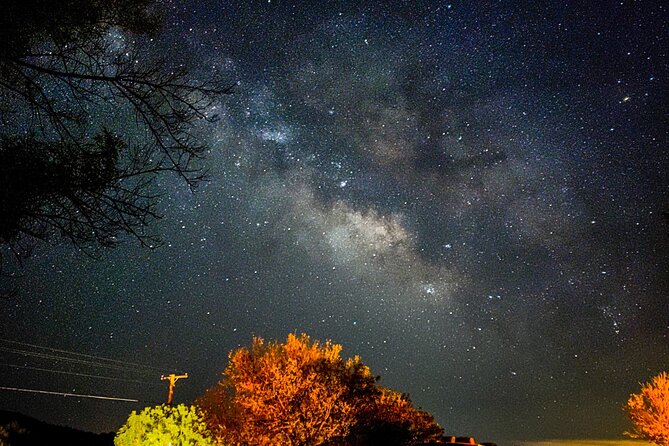
This is a private activity, and only your group participates. The booking allows up to eight people, which keeps the event personal even when you bring a full family or friend group.
That matters because night-sky activities work best when you can ask questions without waiting behind a crowd. If one person wants more help using the goggles, the guide has room to explain. If another wants to hear more cultural stories, the conversation can adjust.
For a couple, the private format creates a quiet and intimate evening. For a family, it means children can have direct access to the equipment and ask basic questions without feeling out of place. The experience also suits a small group of friends who want something more unusual than another restaurant or sunset stop.
The private structure is less useful if you prefer a large, formal astronomy lecture with charts, printed data, and a strict schedule. This tour is built around conversation, observation, stories, and hands-on viewing.
Is $1,500 a fair price?
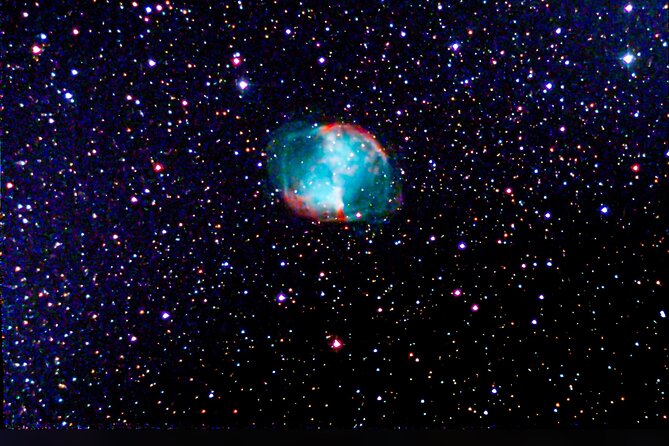
The price is $1,500 per group of up to eight people. At full capacity, that works out to $187.50 per person. For four people, it becomes $375 each, and for two people, the cost is $750 each.
That math tells you how to judge the value. This is not a cheap add-on to a Joshua Tree visit. It is a premium private experience, and the price makes the most sense when you fill the group.
You are paying for more than access to a dark area. The package includes a private guide, specialized Gen 3 night vision gear, binoculars, laser pointers, chairs, and a planned viewing site selected for conditions. Tony’s cultural storytelling is also a large part of the experience.
I would consider it good value for a full group of family or friends who specifically want a private night-sky program. I would hesitate at the price for a couple unless astronomy, night vision technology, and guided storytelling are high priorities for your trip.
The strong satisfaction record, with a five-star rating from 108 ratings and 100 percent recommending the activity, supports the idea that the experience delivers for the right audience. Still, ratings cannot change the basic price calculation. A full group gets the best deal.
Cold desert nights and other practical details
Bring more clothing than you think you need. The desert can feel chilly after sunset, especially when wind picks up. Wear warm layers, a jacket, and clothing that lets you sit still for a while. Several hours of standing in sunlight can make it easy to underestimate nighttime cold.
There are no bathrooms at the remote viewing site. Use facilities before you leave and plan accordingly. This is particularly important for families and anyone who needs regular restroom access.
The activity is offered in English. Service animals are allowed, and most people can participate. Since the event takes place at night in a remote setting, consider your own comfort with darkness, uneven ground, sitting outdoors, and changing temperatures.
The tour requires good weather. If poor conditions cancel the outing, you can choose another date or receive a full refund. The activity also requires a minimum number of participants, and if that condition is not met, you will be offered another date or experience, or a full refund.
You can cancel for a full refund up to 24 hours before the start time. Changes or cancellations inside that 24-hour window are not accepted for a refund.
Who will enjoy this most
I would choose this tour for someone who wants the night sky explained, not simply displayed. It suits couples looking for a memorable evening, families with children curious about space, and small groups willing to share the cost.
It is especially good for you if you enjoy stories as much as facts. Tony’s approach links the stars with Maori, Apache, Native American, and other traditions, so the evening has a cultural side as well as an astronomy lesson.
Children can enjoy the wow factor of night vision goggles and shooting stars. The main question is patience. Because the guide may talk beyond the stated 90 minutes, younger children who struggle with late nights may find the final stretch tiring.
I would skip it if you need guaranteed bathroom access, a short and rigid schedule, or a low-cost activity. I would also think twice if your group is only two people and the $1,500 fee would crowd out other parts of your trip.
Should you book the Joshua Tree stargazing tour?
Book it if you can fill several seats, dress warmly, and want a private evening that blends astronomy, equipment, and cultural stories. The night vision goggles are the unusual feature, while Tony’s presentation gives the outing its human character.
The best booking strategy is to gather a group of four to eight and treat the price as a shared experience. Check the weather, keep your evening schedule open, and use the bathroom before heading to the remote site.
For a full group, I think the tour is a strong choice. For a couple, it is a luxury splurge rather than an automatic value. Either way, you should book this for the quality of the night-sky experience, not because you expect a guaranteed meteor shower or a fixed list of celestial sights.
FAQ
Where does the tour begin?
The tour begins at West Entrance Station in Joshua Tree, California.
Where does the actual stargazing take place?
The group drives from the West Entrance Station to a secluded location selected according to viewing conditions. The exact location is provided 24 hours before the tour.
How long does the experience last?
The advertised duration is approximately 1 hour and 30 minutes. The outing may run longer depending on the evening.
How much does the tour cost?
The price is $1,500 per group, with up to eight people included.
Is this a private tour?
Yes. Only your group participates in the activity.
What equipment is provided?
The tour includes Gen 3 AN/PVS-7 night vision goggles, laser pointers, binoculars, chairs, and hand sanitizer.
Are bathrooms available?
No. There are no bathrooms at the viewing location.
What happens if the weather is poor?
If bad weather causes a cancellation, you will be offered another date or a full refund.
Can I cancel for a refund?
Yes. You can cancel at least 24 hours before the start time for a full refund. Cancellations or changes made less than 24 hours before the start time are not accepted.
Just added around the USA
- Private Under the Stars Night-Time Tour of DC (Up to 5 Guests)★ 5.0 · 24 reviews
- Stargazing and Milky Way Portrait in Capitol Reef National Park★ 4.5 · 13 reviews
- Temecula Wine Country Stargazing Tour★ 5.0 · 2 reviews
- Skyway Light Show Tour Under the Stars★ 5.0 · 5 reviews
- Astronomy and Stargazing Tour in Utah★ 5.0 · 8 reviews
- PRIVATE Sedona Jeep Tour 4X4 Stargazing Tour at Night★ 4.5 · 11 reviews
- Sunset Sedona Sacred Places -gourmet picnic dinner and stargazing★ 5.0 · 12 reviews
- Private Stargazing – Sequoia National Park★ 4.5 · 14 reviews
USA Stargazing Tours, compared.
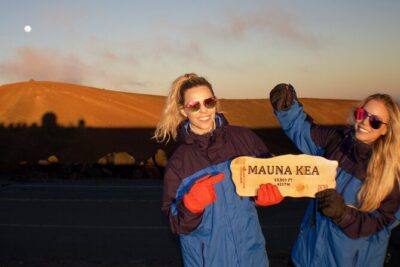
Big Island GOAT Experience: Mauna Kea Summit, Sunset & Stars
Read our review →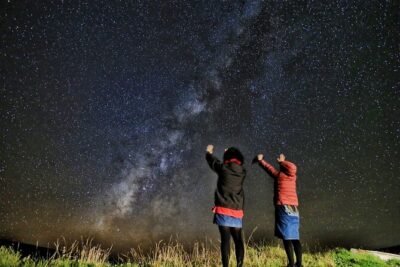
Small Group Big Island Twilight Volcano and Stargazing Tour
Read our review →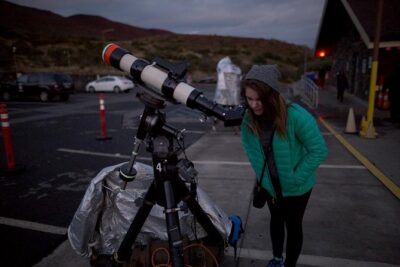
Mauna Kea Summit and Stars Small-Group Adventure Tour
Read our review →
Mauna Kea Summit, Sunset, & Stargazing Experience
Read our review →
Miami: Frost Museum of Science and Planetarium Entry Ticket
Read our review →
The Original Sedona UFO and Stargazing Night Tour
Read our review →
Browse the lists this tour appears in