
REVIEW · NATIONAL PARK STARGAZING
Sequoia National Park: Group Stargazing Program
Sequoia after dark gives you something the daytime crowds cannot: a quiet sky full of stars, with Scott from Big Trees Tours guiding your eyes from constellation to constellation. He has led stargazing tours in the park for 11 years, mixing astronomy, mythology, current space science, and the occasional dad joke.
I like the easy one-hour format, especially if you are staying near Three Rivers, Wuksachi Lodge, or Lodgepole Campground. I also like that you can learn about the stars without hiking or making a long drive back to your rental afterward. The main consideration is the darkness: the Potwisha meeting area has no cell service, and you need warm clothing and a flashlight.
Key points to know before you book
- Scott’s laser-pointer tour turns a dark sky into a guided lesson, with constellations, star clusters, planets, and other night sky objects explained in plain language.
- Two meeting areas make the program practical, with Potwisha Overflow Lot near the Three Rivers entrance and the General Sherman Tree parking area near Wuksachi and Lodgepole.
- Cultural stories are part of the hour, including traditions and star lore from different societies around the world.
- You do not need to hike, and seating can be arranged for mobility needs when requested.
- The $25 price is fair for a focused introduction to the night sky, especially if you do not own a telescope or know where to look.
- Bring real cold-weather gear and a flashlight, since you will be outside in a very dark park setting.
Why this Sequoia night is worth planning around
Many visits to Sequoia National Park end after sunset, just when the park takes on a new character. This program gives you a reason to stay outside. For one hour, you sit or stand beneath the sky while Scott points out what you are seeing and explains why it matters.
That structure is useful. Simply looking upward can be beautiful, but it can also be confusing. A bright point may be a planet, a cluster may look like a faint blur, and a familiar constellation can be hard to find without help. Scott’s laser pointer gives your eyes a place to start.
The program is aimed at beginners, but it is not only for beginners. You can ask astronomy questions, learn about modern space missions, and discuss current scientific discoveries. The same hour can work for a family with curious children, a couple wanting a calm evening, or someone who has always wanted to understand the Milky Way.
The price is $25 per person, which I consider reasonable for a live, place-specific introduction. You are paying for Scott’s time, preparation, local experience, visual aids, and ability to adjust the conversation to the group. You are not paying for transportation, a telescope session, or take-home equipment, so set your expectations accordingly.
More National Park Stargazing in the USA:
- Sedona Stargazing Tours LLC
★ 4.5 · 881 reviews - The Original Sedona UFO and Stargazing Night Tour
★ 4.5 · 269 reviews - The Night Sky Star Story, Galaxy, and Sedona Story Tour
★ 4.5 · 243 reviews
Choosing between Potwisha and General Sherman Tree
The program uses two meeting areas, and the better one depends on where you are staying.
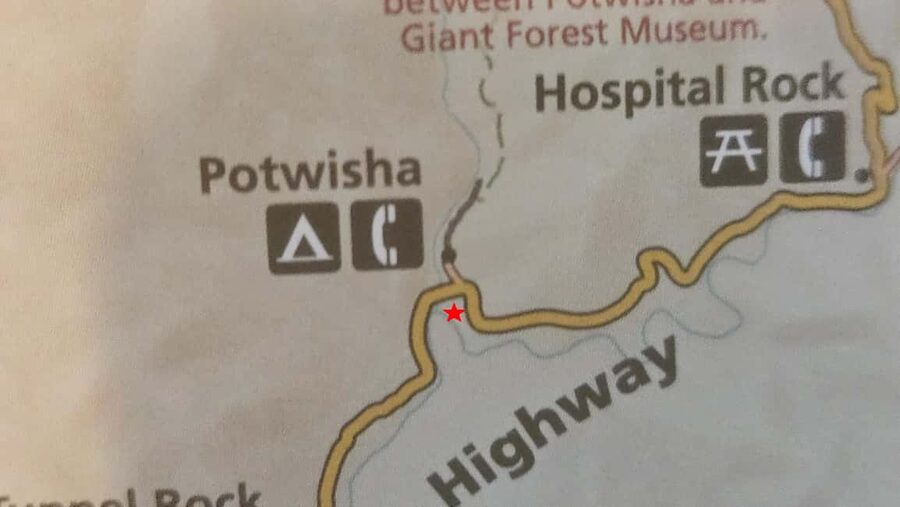
The first is the Potwisha Overflow Lot, across the Generals Highway from Potwisha Campground. This is about 10 minutes inside the park from the Three Rivers entrance station, making it the simplest choice if you are staying in Three Rivers or nearby.
Be careful with the directions. The meeting point is not inside the campground. The campground entrance sits on one side of the road, while the overflow parking area is on the other. Scott sets up red lights to help you find the spot, but there is no Google Maps location for the meeting area and no cell coverage there. Study the supplied photos and instructions before leaving your lodging, and message Scott before the tour if you need clarification.
The second meeting area is the parking area for the General Sherman Tree. This is about a 10-minute drive from Wuksachi Lodge or Lodgepole Campground, so it is handy for people staying higher in the park. The location means you can attend without driving all the way down toward Three Rivers after dinner.
The two locations are more than a minor convenience. Sequoia has long drives between its main areas, and nighttime driving can feel tiring after a full day in the park. Choosing the meeting point closest to your bed saves time and keeps the evening relaxed.
What happens during the one-hour program
The experience begins at the meeting area, where you gather with the group and settle into a chair or find a place to stand. Seating is available upon request for ADA accommodations. This is not a hike, and the program does not require you to walk into the woods or cover much ground.
Scott then guides the group through the visible sky. His laser pointer helps connect the points of light, which is especially useful when you are new to stargazing. You will hear about constellations and star clusters, and you may discuss planets or other objects visible that night.
The program is not a fixed lecture with every detail locked in place. The night sky changes with the season, and special events can appear on nature’s schedule. A passing comet or a nova event might become part of the conversation when conditions allow, but these events are uncommon and cannot be promised.
The hour also includes physical teaching aids. Star maps, called planispheres, help you understand how the sky changes through the year. A three-dimensional solar system model and a three-dimensional Saturn model give you something tangible to study while Scott explains distances, orbits, and the structure of our planetary neighborhood.
You will also hear about the cultural meaning of the stars. The program connects astronomy with living traditions and stories from different cultures. This adds a human layer to the science. You are not only learning which stars form a pattern, but also how people across time and around the world have used the sky to tell stories, orient themselves, and think about the future.
Science, stories, and a guide who keeps it lively
Scott’s strongest asset is his ability to move between subjects without making the session feel like a school lesson. One minute you may be hearing how a constellation received its name. The next, you may be discussing a space mission or asking about a scientific discovery.
That range helps mixed groups. A nine-year-old can follow a good story, while an adult with a stronger interest in astronomy can ask more technical questions. Scott’s style also includes puns and dad jokes, which may not appeal to everyone, but they fit the informal setting and help keep the hour light.
The program has received especially strong praise for Scott’s storytelling and personal attention. Families have found that children remember his facts after the trip. He has also handled questions from adults about constellations, star clusters, and astronomy without losing the group.
One particularly meaningful possibility is seeing the Milky Way clearly for the first time. One participant described that moment after attending on a final night in Sequoia. You should not assume the same view on every date, since clouds, moonlight, visibility, and seasonal conditions affect what you see, but the park’s dark setting gives the sky a real advantage over a city or bright resort area.
More Stargazing Tours in the USA:
- Small Group Big Island Twilight Volcano and Stargazing Tour
★ 5.0 · 1,619 reviews - Hilo: Mauna Kea Summit, Sunset, & Stargazing Experience
★ 4.8 · 629 reviews - Miami: Frost Museum of Science and Planetarium Entry Ticket
★ 4.5 · 429 reviews - Mauna Kea Stargazing Experience + Photos
★ 5.0 · 261 reviews
The cultural side gives the stars a human meaning
A standard stargazing talk can become a list of names and distances. This program adds stories about how different cultures understood the sky. That makes the constellations easier to remember and gives you a reason to look at them beyond their scientific labels.
The discussions can include traditions connected to Māori and Hawaiian cultures, along with other cultural perspectives. The precise content will depend on the night and the group, but the aim is clear: science and cultural history share the same sky.
I like this approach because it avoids treating astronomy as only a technical subject. You can learn how stars form, move, and appear from Earth, while also considering how communities have used them to explain the world and connect generations.
This is still a short program, so do not expect a full course in cultural astronomy. Scott has one hour, and the visible sky changes with the season. Think of it as a thoughtful introduction, not an exhaustive survey.
Cold, dark, and easier than a night hike
The lack of hiking is one of the program’s biggest practical strengths. You can spend the day walking among giant sequoias, then attend this session without adding another strenuous activity. The format suits people who want a quiet evening or who have mobility limits that make a night walk less appealing.
At the same time, easy does not mean warm. Sequoia nights can be cold, especially at higher elevations near the General Sherman Tree area. Wear more clothing than you think you need. Bring layers, a warm jacket, and a flashlight for safe movement around the parking area.
Hand warmers are available on cold nights, but you should not treat them as a replacement for proper clothing. You will get more from the hour if you are comfortable enough to keep looking upward instead of thinking about your fingers.
The darkness can feel intense. One couple found the setting a little spooky, with the possibility of wildlife somewhere nearby, but Scott’s presence and safety approach helped them feel at ease. There is no suggestion that wildlife encounters are part of the program. The useful point is that you are in a national park at night, not in a brightly lit urban plaza. Stay with the group, follow directions, and use your flashlight carefully.
Who will get the most from this experience
This program is a good fit for:
- Families with children old enough to stay engaged in a dark outdoor setting
- Couples looking for a calm evening activity
- First-time stargazers who want someone to point out the basics
- Astronomy fans who enjoy questions, science, and space missions
- Park visitors staying near Potwisha, Three Rivers, Wuksachi Lodge, or Lodgepole Campground
- People who want a seated or standing activity rather than another hike
Children under two are not suitable for the program, and minors cannot attend without an accompanying adult. The activity is conducted in English.
The program is not suitable for people with visual or hearing impairments according to the provided activity guidance. Seating can be supplied for mobility needs, so contact Scott in advance if you need that accommodation.
What is included, and what you should not expect
Your $25 includes the guided hour, star maps, the solar system and Saturn models, Scott’s laser pointer presentation, and his astronomy and cultural background. Hand warmers may be available on cold nights, and Scott is first-aid and CPR certified.
You also get practical park knowledge. Scott can suggest hikes for your next day in Sequoia and Kings Canyon National Parks, which is a useful bonus if you are still shaping your itinerary.
Transportation is not included. You need to reach the meeting area on your own, and you should plan the route before leaving because the Potwisha location has no cell coverage. You also do not take home a laser pointer or other program materials.
This is not advertised as a telescope experience. If you specifically want telescope viewing, a private tour, or a subject-focused astronomy session, Big Trees Tours offers those separately through its own website.
Booking, cancellation, and timing tips
The program lasts one hour, but give yourself enough time to locate the meeting area and prepare before the start. At Potwisha, remember that the correct lot is across the road from the campground entrance. Look for the red lights and avoid relying on a live map once you arrive.
Additional winter times are available at Potwisha. Starting times vary, so check the date you want before making plans around dinner or another evening activity.
You can cancel up to 24 hours in advance for a full refund. A reserve-now, pay-later option is also available, which helps if your Sequoia schedule may change because of weather or park conditions.
The program does not include a weather guarantee or a promise of rare astronomical events. That is part of the nature of stargazing. You are booking Scott’s guidance and the chance to read the sky in a dark park, not a guaranteed comet or perfectly clear Milky Way view.
Is the Sequoia group stargazing program worth $25?
I would book it if you are staying close to one of the meeting areas and want more from Sequoia than a daytime visit. The short duration, modest price, no-hike format, and local guide make it easy to fit into a trip.
Book with realistic expectations. You will sit or stand outside in the cold and dark, and the exact stars or special events depend on the night. You will not get transportation or a telescope session.
For families, couples, and beginners, Scott’s mix of science, stories, and humor makes the hour approachable. For serious astronomy fans, the cultural material, current science, and chance to ask questions add enough substance to keep it worthwhile. If you want a low-effort evening that can change how you look at the sky, this is a smart addition to a Sequoia itinerary.
FAQ
How long does the stargazing program last?
The program lasts one hour.
Where does the group meet?
You can meet at Potwisha Overflow Lot, across the Generals Highway from Potwisha Campground, or at the parking area for the General Sherman Tree. The correct Potwisha meeting area is across the road from the campground, not inside it.
How much does the experience cost?
The price is $25 per person.
Do I need to hike?
No. The program is designed as a seated or standing stargazing experience with no hiking required.
What should I bring?
Dress warmly and bring a flashlight. Nights can be cold, and the meeting area at Potwisha has no cell coverage.
Is the program wheelchair accessible?
Yes. Seating can be provided upon request for ADA accommodations. The activity guidance says it is not suitable for people with visual or hearing impairments.
Just added around the USA
- Private Under the Stars Night-Time Tour of DC (Up to 5 Guests)★ 5.0 · 24 reviews
- Stargazing and Milky Way Portrait in Capitol Reef National Park★ 4.5 · 13 reviews
- Temecula Wine Country Stargazing Tour★ 5.0 · 2 reviews
- Skyway Light Show Tour Under the Stars★ 5.0 · 5 reviews
- Astronomy and Stargazing Tour in Utah★ 5.0 · 8 reviews
- PRIVATE Sedona Jeep Tour 4X4 Stargazing Tour at Night★ 4.5 · 11 reviews
- Sunset Sedona Sacred Places -gourmet picnic dinner and stargazing★ 5.0 · 12 reviews
- Private Stargazing – Sequoia National Park★ 4.5 · 14 reviews
National Park Stargazing, compared.
Teide National Park Sunset & Stargazing with Dinner (Star Safari)
Read our review →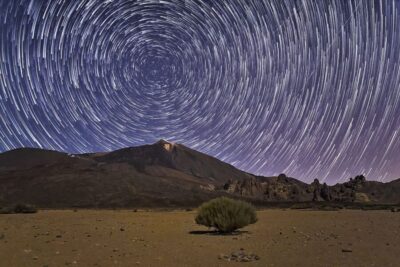
Teide National Park: Sunset & Stargazing Safari with Dinner
Read our review →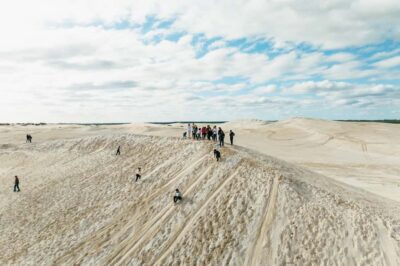
Pinnacles Desert: Sunset BBQ & Stargazing Tour +Sandboarding
Read our review →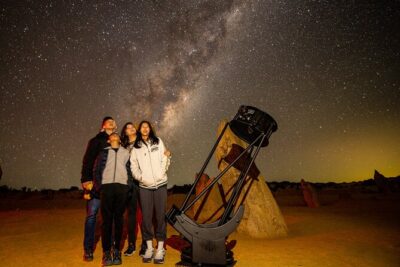
Pinnacles Desert Sunset Dinner and Stargazing Tour
Read our review →

Pinnacles Sunset and Stargazing Tour with Dinner
Read our review →Browse the lists this tour appears in