
REVIEW · USA
Salt Lake City: Compass Rose Dark Sky Excursion
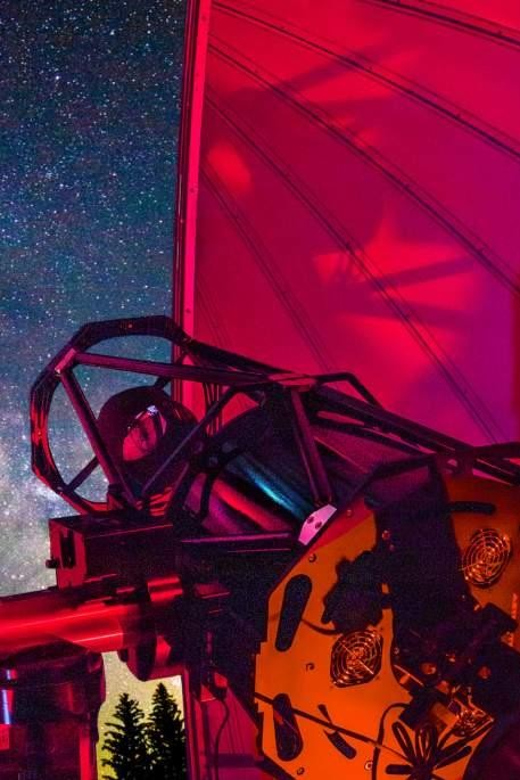
The main event is the HALO Observatory, where Salt Lake City’s glow gives way to a wide, star-filled sky. You’ll first learn your way around the heavens with the naked eye, then use a 16-inch Ritchey-Chrétien telescope modeled on the Hubble Space Telescope to examine the Moon, Andromeda Galaxy, and distant nebulae.
I like the small-group format, limited to 14 people, and the fact that transportation, bottled water, a local guide, and selected hotel pickup are included. I also like the human touch: Michelle has handled the drive, while Scott and Dave have guided guests through constellations and shared their own astronomy photographs.
The main caution is the fixed four-hour schedule and Thursday departure. You’re also paying $145 for a sky-viewing experience that depends on nighttime conditions, so check the forecast and moon phase before booking if those details matter to you.
Key points to know before you book
- The 16-inch Ritchey-Chrétien telescope offers a serious look at the Moon, Andromeda, and nebulae.
- The Milky Way is visible without equipment once you leave Salt Lake City’s urban glow.
- The trip runs on Thursday evenings and lasts about four hours from Salt Lake City.
- The group is capped at 14 people, making it easier to hear the guide and take turns at the telescope.
- Pickup and drop-off are available at selected hotels, with comfortable transportation included.
- Michelle, Scott, and Dave add a personal touch through safe driving, constellation guidance, and astronomy photography.
Leaving Salt Lake City for Huntsville’s night sky
This outing begins in Salt Lake City and heads north toward Huntsville, Utah. The drive takes you away from city lights and into the mountain country around Compass Rose Lodge, with rolling hills and peaks passing by along the route.
I like that the transfer is part of the experience rather than a problem you must solve yourself. You do not need to rent a car, find a dark pullout, or work out where the observatory is located. Comfortable transportation is included, along with a professional local guide and bottled water.
The ride also gives the evening a useful sense of place. Your guide shares information about the area as you go, so the trip is not simply a silent transfer to a telescope. Michelle has been praised for safe driving and good conversation, which matters when you are returning to Salt Lake City after a late-night astronomy session.
Pickup is offered from selected Salt Lake City hotels, not every hotel in the city. Check your pickup point before paying, especially if you are staying outside the main hotel area. If your hotel is not included, the supplied information does not promise an alternative pickup location, so this is worth confirming in advance.
More City Tours in the USA:
- From Rapid City: Badlands Sunset and Night Sky Adventure
★ 5.0 · 2 reviews - Chiang Mai: Kayak Under the Stars – 6 km to the Heart of the City
★ 4.5 · 53 reviews - Milky Way, Shark City Island, Beach and Rock Island Tour
★ 5.0 · 20 reviews
Arriving at Compass Rose Lodge and HALO Observatory
The destination is Compass Rose Lodge in Huntsville, where the observatory sits at an open mountain vantage point away from much of the city’s artificial light. That setting is the real reason to leave Salt Lake City. A telescope can gather more light, but a dark sky also improves what you can see with your own eyes.
At first, you may notice the darkness more than the stars. Give your eyes time to adjust. As the city glow fades, the Milky Way can appear as a broad band across the sky rather than as a few isolated points of light. Your guide will identify constellations and help you get your bearings before the telescope viewing begins.
This order makes sense. If you went straight to the telescope, you might spend the evening looking only through an eyepiece. By starting with the naked-eye sky, the guide connects the objects overhead to the larger pattern around them.
The observatory is also a calmer setting than a crowded public attraction. The small group limit of 14 people should make it easier to hear the astronomy talk and get a turn at the equipment. Still, the exact feel of the evening depends on the group size for your date. A very small group can feel personal, while a full group may require patience as everyone takes a turn.
What you see before the telescope
The first stage is a guided look at the night sky. Your host points out constellations and explains what you are seeing before directing attention to specific objects through the telescope.
I particularly like this part because it gives the evening some structure. You are not left to stare upward and hope you recognize something. The guide helps separate familiar stars from actual constellation patterns, then uses those patterns as signposts for the telescope.
The Milky Way is the centerpiece for naked-eye viewing. Its appearance will change with sky conditions, including cloud cover and the amount of moonlight, so no responsible tour can promise the same sight every Thursday. The experience does promise access to a dark-sky site and an astronomy guide, but the quality of the view is still controlled by nature.
The guide names available in the experience information include Scott, who has led guests through the constellations, and Dave, who has shared astronomy photographs. Scott is described as funny as well as well informed, while Dave brings a visual connection to the subject through his images. Those details suggest a tour that depends on explanation and conversation, not just equipment.
Viewing Andromeda through a serious telescope
HALO’s main instrument is a 16-inch Ritchey-Chrétien telescope, a design associated with the Hubble Space Telescope. Its optical design helps reduce distortion, which allows the telescope to show sharper views than a basic backyard instrument.
That does not mean every object will look like a polished space-agency photograph. A telescope gives you a direct view through an eyepiece, and galaxies remain faint, distant objects. The value is in seeing them for yourself and understanding that the small patch of light belongs to another galaxy.
Andromeda is one of the featured targets. It is our closest major galactic neighbor and one of the most satisfying objects to connect with during an astronomy tour. Your guide can place it in context, showing how a faint point or smudge in the eyepiece relates to a huge system far beyond our own galaxy.
The telescope may also be used to show nebulae and the Moon. Nebulae are clouds of gas and dust where the shapes and colors can vary with the object and viewing conditions. The Moon offers a different kind of sight, with a brighter and more detailed surface when the viewing conditions are right.
The tour does not provide a fixed list of every object you will see. That is reasonable because the host must work with the season, the position of the sky, the weather, and the amount of moonlight. You should expect a guided selection of celestial sights rather than a guaranteed checklist.
More Stargazing Tours in the USA:
- Small Group Big Island Twilight Volcano and Stargazing Tour
★ 5.0 · 1,619 reviews - Sedona Stargazing Tours LLC
★ 4.5 · 881 reviews - Hilo: Mauna Kea Summit, Sunset, & Stargazing Experience
★ 4.8 · 629 reviews - Miami: Frost Museum of Science and Planetarium Entry Ticket
★ 4.5 · 429 reviews
Why the small group matters at the eyepiece
A telescope is a one-person-at-a-time experience. That makes group size important. With no more than 14 participants, the host has a better chance to explain each target and help people find the right view without turning the session into a rushed line.
I would choose this format over a large bus tour if you want to ask questions. Scott’s role in identifying constellations and Dave’s photography add useful conversation before and after the telescope viewing. The experience has room for personality, which can make astronomy easier to follow if you are a beginner.
A small group does not guarantee unlimited telescope time. Everyone still shares the equipment, and the number of targets available may depend on the night. If you want a private observatory session with complete control of the schedule, this is not that. It is a guided public outing with a deliberately limited group.
One especially appealing detail is the range of ages the experience can accommodate. A 92-year-old participant joined the excursion with a friend, and the evening included safe transportation, conversation, and help at the observatory. That makes the tour look suitable for older adults who want the sky experience without driving into the mountains at night.
The value of the $145 price
At $145 per person, this is not a cheap way to look at stars. You are paying for a four-hour outing, transportation from Salt Lake City, a professional local guide, access to the observatory, and the use of a specialized telescope.
The price makes more sense if you do not have a rental car or do not want to drive unfamiliar mountain roads after dark. It also covers the practical work of reaching a dark-sky location. Booking a car, finding a legal viewing area, and buying or borrowing a telescope would not necessarily produce the same guided experience.
I see less value here if you already have a car, know good dark-sky sites, and own astronomy equipment. In that case, the price is mainly for the guide and the HALO Observatory setting. For a first astronomy outing, families, couples, and visitors without gear, the equipment and instruction do more to justify the cost.
The included bottled water and taxes keep the final price easier to understand. Gratuity for the guide is not included, so plan for that extra cost if you feel the service deserves it.
Timing, weather, and what to wear
The outing lasts four hours, with starting times shown when you check availability. It runs on Thursday evenings, so you will need to fit it around the rest of your Salt Lake City plans.
Nighttime mountain conditions can feel cooler than the city. The supplied details do not specify temperatures or provide a clothing list, so you should check the forecast before leaving and dress for time outdoors after sunset. A dark sky requires an open setting, and you should not assume the observatory will feel like an indoor attraction.
Clouds and haze can affect what you see. The tour is built around astronomy, but no guide can remove weather from the equation. If the sky is poor, you may still get the drive, the setting, and the astronomy explanation, but the telescope portion may be less rewarding.
The moon can also change the character of the evening. A bright Moon can be an excellent telescope target, while a darker sky may make the Milky Way easier to see. If you have a strong preference, ask about conditions before booking rather than assuming every date offers the same view.
Accessibility and practical planning
The activity is listed as wheelchair accessible. That is useful information, but accessibility can involve the vehicle, the route, the observatory surface, and the telescope position. If you use a wheelchair, confirm the exact pickup and site arrangements before departure so the operator can prepare for your needs.
Hotel pickup and drop-off are included only at selected hotels in Salt Lake City. This is a major convenience when available, but it is not a citywide promise. Check the pickup details carefully instead of assuming your hotel qualifies.
The tour is conducted in English, with a live guide. That makes it a good fit if you want explanations as you look through the telescope. It may be less suitable if you need a tour in another language, since no other language is listed.
You can cancel up to 24 hours before the activity for a full refund. A reserve-now, pay-later option is also offered, allowing you to hold a place without paying at the time of booking. Those terms are helpful when the weather forecast is still uncertain, but check the final booking conditions for your selected date.
Who will enjoy this dark-sky outing most
I would recommend this for first-time astronomy visitors who want more than a pretty view. The guide explains the constellations, the telescope gives you access to objects you cannot inspect clearly with your eyes, and the ride removes the need to plan a nighttime excursion on your own.
It also suits couples, families, and older adults who prefer a supported outing. The example of a 92-year-old participant shows that you do not need to be especially athletic or technically minded to appreciate the experience. The personal style of Michelle, Scott, and Dave is another reason this may appeal to people who like conversation along with their sightseeing.
Photography-focused visitors should set modest expectations. The supplied information highlights Dave’s astronomy photographs, but it does not promise an astrophotography session or instruction in using your own camera. Bring a camera if you like, but book this for seeing and learning, not for guaranteed professional images.
I would hesitate if you have only one free evening and need a weather-proof activity. The outing is outdoors, astronomy depends on the sky, and Thursday is the stated operating day. I would also think twice if you dislike shared viewing time or prefer to explore at your own pace.
Should you book the Compass Rose Dark Sky Excursion?
Book it if you want a well-organized route from Salt Lake City to a genuine observatory, with a guide who can explain the sky and a telescope designed for serious viewing. The combination of the Milky Way, constellation guidance, Andromeda, nebulae, and the Moon gives the evening more substance than a simple scenic drive.
The best reason to choose this outing is convenience with a personal feel. Michelle’s safe driving, Scott’s humor and constellation guidance, and Dave’s astronomy photography make the four hours feel shaped by people, not just by equipment.
Skip it if the $145 price feels high for an experience that can change with the weather, or if you already have reliable access to a dark-sky site and astronomy gear. For everyone else, especially visitors without a car or telescope, this is a strong way to see Utah’s night sky without having to plan the technical details yourself.
FAQ
Where does the dark-sky excursion go?
The excursion travels from Salt Lake City to Compass Rose Lodge in Huntsville, Utah, home of the HALO Observatory.
How long does the experience last?
The activity lasts four hours. Starting times are shown when you check availability.
On which day does the excursion operate?
The excursion begins on Thursday evenings in Salt Lake City.
How much does the tour cost?
The price is $145 per person.
Is transportation included?
Yes. Comfortable transportation is included, along with bottled water, a professional local guide, applicable taxes, and fees.
Is hotel pickup available?
Yes, pickup and drop-off are available from selected hotels in Salt Lake City. The supplied information does not state that every hotel is included.
What telescope will I use?
The HALO Observatory has a 16-inch Ritchey-Chrétien telescope modeled on the design used by the Hubble Space Telescope.
What might I see through the telescope?
The featured celestial sights include the Andromeda Galaxy, nebulae, and the Moon. You will also have a chance to view the Milky Way and constellations without a telescope.
Is the tour wheelchair accessible and what language is used?
The activity is listed as wheelchair accessible and is conducted in English with a live guide.
Just added around the USA
- Private Under the Stars Night-Time Tour of DC (Up to 5 Guests)★ 5.0 · 24 reviews
- Stargazing and Milky Way Portrait in Capitol Reef National Park★ 4.5 · 13 reviews
- Temecula Wine Country Stargazing Tour★ 5.0 · 2 reviews
- Skyway Light Show Tour Under the Stars★ 5.0 · 5 reviews
- Astronomy and Stargazing Tour in Utah★ 5.0 · 8 reviews
- Private Stargazing – Sequoia National Park★ 4.5 · 14 reviews
- PRIVATE Sedona Jeep Tour 4X4 Stargazing Tour at Night★ 4.5 · 11 reviews
- Sunset Sedona Sacred Places -gourmet picnic dinner and stargazing★ 5.0 · 12 reviews
USA Stargazing Tours, compared.

Big Island GOAT Experience: Mauna Kea Summit, Sunset & Stars
Read our review →
Small Group Big Island Twilight Volcano and Stargazing Tour
Read our review →
Mauna Kea Summit and Stars Small-Group Adventure Tour
Read our review →
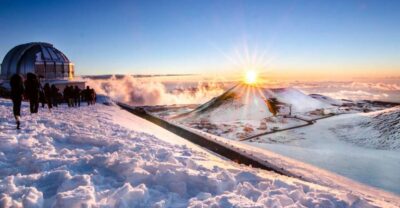
Mauna Kea Summit, Sunset, & Stargazing Experience
Read our review →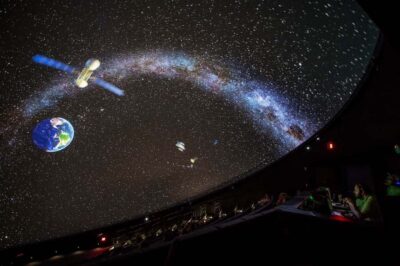
Miami: Frost Museum of Science and Planetarium Entry Ticket
Read our review →
The Original Sedona UFO and Stargazing Night Tour
Read our review →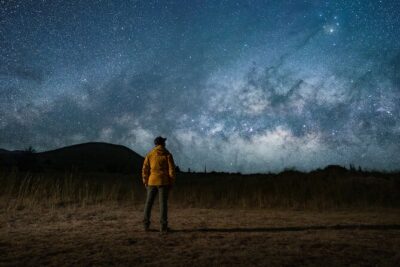
Browse the lists this tour appears in