
REVIEW · USA
Professional Stargazing in Moab
Moab’s stars are the main event here, but the comfortable setup makes the experience unusually easy to enjoy. You begin with a walk through a scale model of the solar system, then settle into a zero-gravity lounger with binoculars, a blanket, and a clear view overhead. Guide Devon has earned special praise for making the constellations and their stories easy to follow.
I like two things right away: the telescopes show real celestial objects, not just laser-pointer tours, and hot chocolate, coffee, and tea take the edge off the desert night. The main catch is transportation. You must reach the observation site near La Sal on your own, and there is no restroom listed, so plan carefully before leaving town.
Key points to know before booking
- Two hours under certified dark skies: The setting near Moab gives the night sky room to shine without the glare of town.
- A comfortable viewing setup: Each person gets a Yogibo-style zero-gravity lounger, blanket, and astro-binoculars.
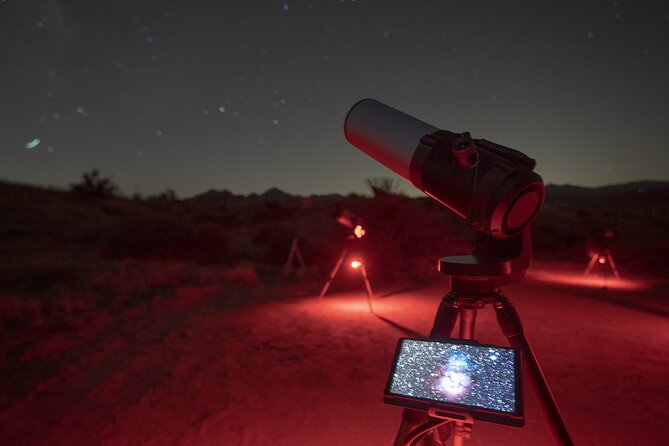
- Powerful telescopes included: You may view galaxies, nebulae, and star clusters up close through the equipment.
- Astronomy guidance, not just sightseeing: Laser pointers help you connect the stars into constellations and hear the stories behind them.
- Transportation is your responsibility: The meeting point is near La Sal, Utah, and the activity ends where it begins.
- Small group size: The outing accepts no more than 18 people, which helps keep the presentation manageable.
Why Moab is such a good place to watch the stars
Moab is famous for red-rock scenery by day, but the region earns a different kind of attention after sunset. This experience takes place beneath internationally certified dark skies, giving the stars a better chance to appear in large numbers and with sharper contrast than they do in a city or bright hotel district.
That matters because stargazing is not only about owning a telescope. The darker the sky, the more you can see with the naked eye, binoculars, and larger instruments. A guide can then help you sort out planets, constellations, clusters, and distant galaxies instead of leaving you to stare upward without knowing what you are looking at.
The setting is near La Sal rather than in central Moab. That makes the drive an important part of your planning. Since transportation is not included, you need to arrange your own way to the meeting point and allow enough time to arrive before the program begins.
More Stargazing Tours in the USA:
- Small Group Big Island Twilight Volcano and Stargazing Tour
★ 5.0 · 1,619 reviews - Sedona Stargazing Tours LLC
★ 4.5 · 881 reviews - Hilo: Mauna Kea Summit, Sunset, & Stargazing Experience
★ 4.8 · 629 reviews
Starting with a walk through the solar system
The evening begins with a short walk through a scale model of the solar system. This is a smart opening because it gives you a sense of distance and order before the sky itself becomes the classroom.
You get a quick orientation to the planets nearest to Earth as astronomical twilight fades. The model is not a substitute for the telescope portion, but it gives children and adults a simple framework for understanding what comes next. Instead of hearing a string of unfamiliar planet names, you start with a visual map of our cosmic neighborhood.
The timing also works well. Astronomical twilight is the period when daylight has mostly faded but the sky is not yet fully dark. The guide uses those changing conditions to move from the solar system model into the main night-sky program.
You should expect to stand during this opening section. The physical requirements say you need a moderate level of fitness and should be able to stand for about 30 minutes. The main viewing is seated, but the beginning is not designed for someone who cannot remain on their feet for that length of time.
Settling into a zero-gravity lounger
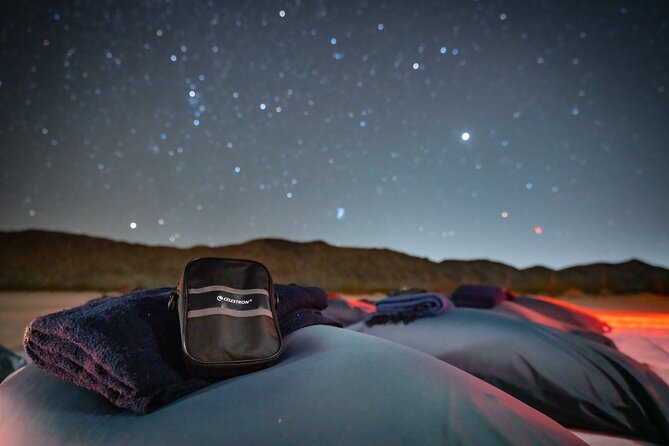
Once the sky darkens, each person gets a Yogibo-style lounger, blanket, and pair of binoculars. These are not ordinary folding chairs. The loungers conform to your body and reduce pressure points, which is useful when you are looking upward for a long stretch.
I like this detail because neck strain can quietly spoil an otherwise good astronomy outing. A zero-gravity position lets you lean back and keep your head aimed toward the sky without constantly shifting in a hard chair. The blanket is also practical. Desert nights can feel cool even after a warm day, and sitting still makes you notice the temperature sooner.
The binoculars give you something useful to do while the group waits for its turn at the telescope. They can also help you scan broad areas of sky, while the larger equipment is used for more focused views. This combination is better than giving every person the same narrow experience.
The loungers also make the outing a good fit for families and friends who want a calm evening rather than a strenuous activity. You are still outdoors, and you still need to stand at the start, but most of the main program is designed around relaxed viewing.
Following the constellations with laser pointers
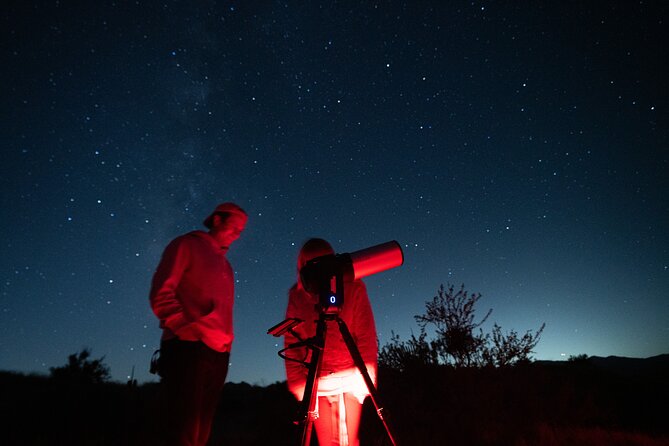
The guide leads a two-hour astronomy program using laser pointers to identify constellations and objects overhead. This is where the outing becomes more than simply sitting under a dark sky.
A laser pointer gives you a clear reference in a sky that can otherwise feel crowded. The guide can point to a particular star, trace a constellation, and explain how the pattern fits into the wider night sky. Constellation stories add a human layer to the science, and guide Devon has been singled out for being entertaining and clear while doing this work.
You should not expect a formal lecture from a university observatory. The tone is designed for a general audience, with stories, visual cues, and direct guidance. That makes it approachable if you know very little about astronomy, while the telescopes and celestial targets give experienced sky watchers something substantial to look forward to.
Conditions will affect what you see. This outing requires good weather, and the operator may cancel if the sky is not suitable. In that case, you are offered another date or a full refund. That policy is important because cloud, rain, or poor visibility can change the entire value of a stargazing program.
Same dark skies, a different way to see them:
- Big Island GOAT Experience: Mauna Kea Summit, Sunset & Stars
★ 5.0 · 1,706 reviews - Big Island: Mauna Kea Summit and Stars Small-Group Adventure Tour
★ 5.0 · 1,545 reviews - Miami: Frost Museum of Science and Planetarium Entry Ticket
★ 4.5 · 429 reviews - The Original Sedona UFO and Stargazing Night Tour
★ 4.5 · 269 reviews
What you can see through the telescopes
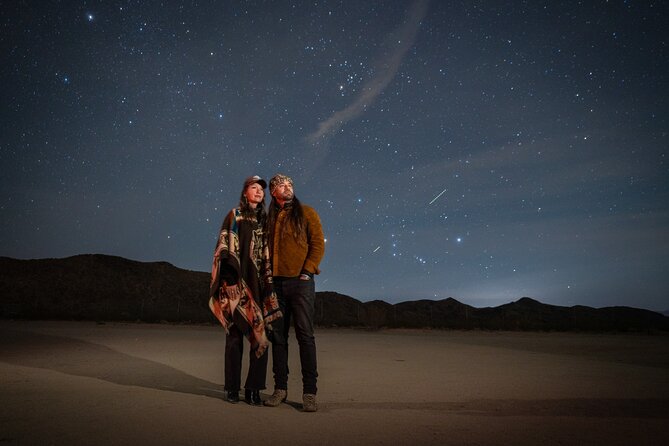
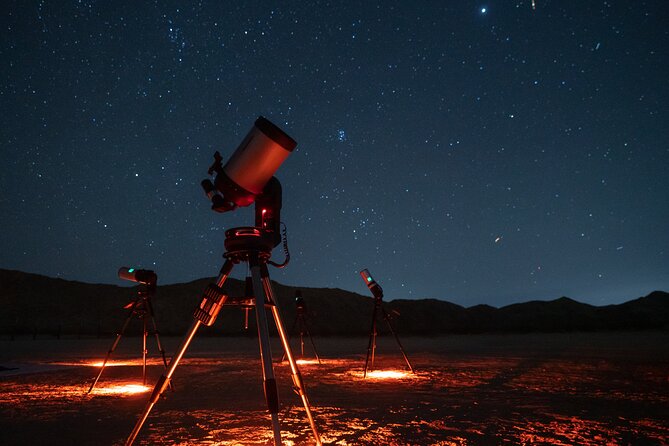
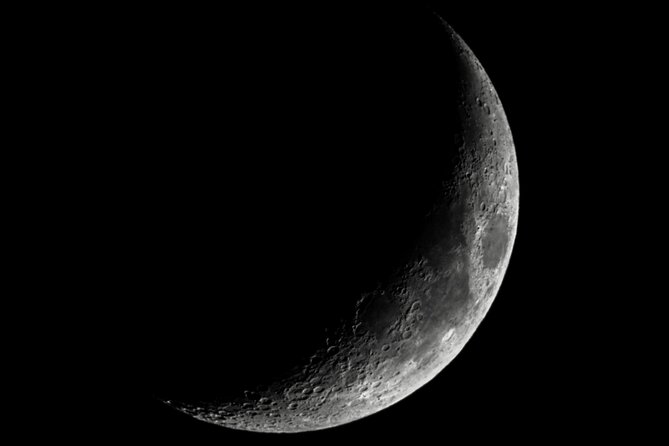
The telescopes are the strongest reason to consider paying for this experience. The program includes views of galaxies, nebulae, and star clusters, giving you a chance to see objects far beyond the planets in our own solar system.
Those categories offer different kinds of sights. A galaxy is a huge collection of stars far beyond our own Milky Way. A nebula is a cloud of gas and dust, often associated with the birth or remains of stars. A cluster brings many stars together in a more concentrated group. The exact objects available will depend on the season, weather, and what is visible that night, so you should not book expecting one fixed list of targets.
The guide’s job is to help you understand what the telescope is showing. Without that explanation, a faint patch of light can be hard to appreciate. With context, you can begin to grasp the distance and scale involved, even if the view does not look like a bright space photograph.
The experience also uses laser pointers and binoculars alongside the telescopes. That variety keeps the evening moving. You may spend one moment learning a constellation, the next scanning with binoculars, and then waiting for a close look through the main telescope.
The program accommodates a maximum of 18 people. That is not a private tour, but it is still a limited group size. Your exact amount of telescope time can depend on the night and the guide’s pacing, so keep your expectations realistic. The attraction is the full presentation, not simply a quick turn at the eyepiece.
Hot drinks and small comforts in the desert
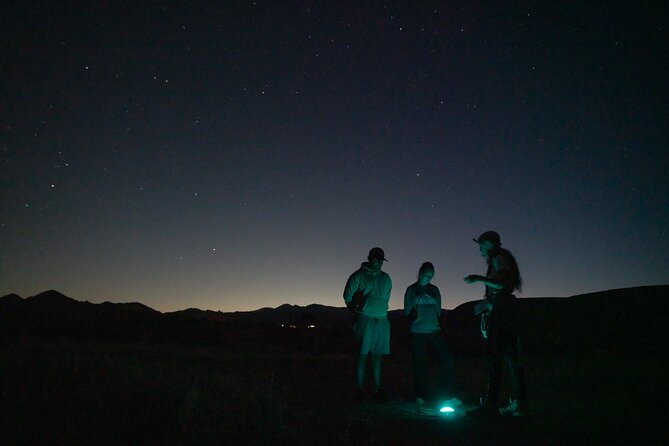
A hot beverage station provides hot chocolate, coffee, and tea. It is a modest inclusion, but it makes sense for an outdoor evening when everyone is seated quietly for long periods.
I would treat the drinks as a comfort rather than a meal. The information provided does not mention food, snacks, or dinner, so eat beforehand if you need more than a warm cup. The blanket helps, but you should still dress for a cool night.
There is no restroom listed at the site. Use facilities before you leave Moab, and keep that detail in mind when planning the drive. This is one of those small practical points that can make the difference between a relaxed evening and an uncomfortable one.
Service animals are allowed. The experience is offered in English, and the mobile ticket is confirmed at booking, so you can keep the entry details on your phone.
Is the $200 price fair?
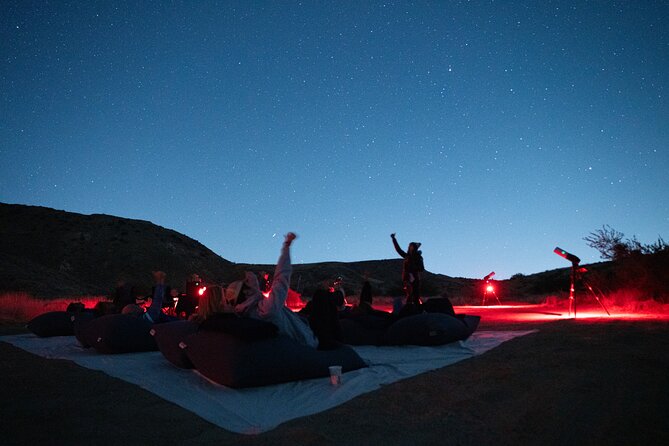
At $200 per person, this is not a casual add-on. You are paying for a small-group astronomy program, an astronomer-led presentation, specialist equipment, comfortable loungers, binoculars, blankets, and hot drinks. Transportation is not included, and you must also cover your own way to the site.
The price makes the most sense if you value the guided telescope work. Buying or borrowing binoculars and driving to a dark area can give you a free view of the sky, but it will not give you the same help identifying objects or the same access to powerful telescopes.
It is also a better value for people who want a planned evening. You do not have to research which constellations are visible or figure out what a faint object might be. The guide supplies the structure, the equipment, and the explanations.
For a family, the cost can add up quickly. Children who already enjoy space may get a lot from the solar system model and telescope views, while very young children may struggle with the late hour, the quiet pace, or the need to stand at the beginning. Adults who want a relaxed, focused night under the stars are likely to get more from the price.
I would compare it with the rest of your Moab budget. If your trip already includes several expensive outings, this may feel steep. If astronomy is a major reason you came to the desert, the equipment and expert guidance make the fee easier to justify.
The transportation issue needs careful planning
The meeting point is listed at 8HFF+7V La Sal, Utah, and the activity ends back there. No transportation is included, so you need a dependable plan before booking.
Do not assume a rideshare will be available at the last minute. One booking problem involved a visitor arriving in Moab without a car and discovering too late that a ride to and from the site was not assured. The operator later pointed out that transportation to the observation site is not provided, and the experience details repeat that warning.
The practical lesson is simple: arrange your own transport well ahead of time. If you have a rental car, confirm the route and allow extra time for the drive. If you do not have a car, contact the operator before paying and ask precisely what options exist, rather than relying on a rideshare appearing when the tour ends.
Communication is especially important if plans change close to departure. The cancellation rules allow a full refund when you cancel at least 24 hours before the start time, but changes or cancellations inside that window are not accepted for a refund. Weather cancellations are handled differently, with a new date or full refund offered.
Who will enjoy this Moab night most?
You should consider booking if you enjoy astronomy, want a quieter evening, or have already spent the day hiking and sightseeing. The loungers make the program comfortable, and the mix of stories, binoculars, and telescopes gives the night enough variety to hold your attention.
It is also a good choice for couples, families with older children, and friends who want an activity that does not involve physical exertion for most of the evening. Guide Devon’s style, based on the available feedback, adds a warm and entertaining touch to the science.
You may want to skip it if you cannot stand for roughly 30 minutes, need easy restroom access, or do not have reliable transportation to La Sal. You should also think twice if cloudy weather would cause major disappointment, since the outing depends on clear conditions.
The best mindset is to expect a guided introduction to the night sky, not a guaranteed list of famous objects. Astronomy changes with the season and weather. The reward is seeing what is available and learning how to recognize it.
Should you book Professional Stargazing in Moab?
I would book this experience if you want more than a dark-sky viewpoint and are willing to organize your own transportation. The zero-gravity loungers, blankets, binoculars, hot drinks, and telescope access solve many of the usual problems with outdoor stargazing, while the guide gives the sky a clear story.
I would not book it casually without checking the meeting point, restroom situation, and return transportation first. At $200 per person, the details matter. For an astronomy fan or a visitor who wants one memorable night away from Moab’s daytime crowds, the cost can be worthwhile. For a budget-conscious visitor who only wants to look at stars, a self-guided dark-sky stop may be enough.
FAQ
Where does the stargazing experience meet?
The meeting point is listed at 8HFF+7V La Sal, Utah. The activity ends back at the same meeting point.
How long does the experience last?
The program lasts approximately two hours.
Is transportation included?
No. Transportation to and from the observation site is not included, so you need to arrange your own way there and back.
What equipment is provided?
The experience provides telescopes, astro-binoculars, Yogibo loungers, blankets, and an astronomer-led presentation with laser pointers.
Are hot drinks included?
Yes. A hot beverage station provides hot chocolate, coffee, and tea.
How many people can join?
The maximum group size is 18 people.
Is the experience available in English?
Yes. The activity is offered in English.
Is the experience suitable for someone who cannot stand for long?
No. You should be able to stand for about 30 minutes, and a moderate level of physical fitness is recommended.
What happens if the weather is poor?
If poor weather makes the experience unsuitable, you are offered another date or a full refund. If the minimum number of participants is not met, you are also offered another date, another experience, or a full refund.
Just added around the USA
- Private Under the Stars Night-Time Tour of DC (Up to 5 Guests)★ 5.0 · 24 reviews
- Stargazing and Milky Way Portrait in Capitol Reef National Park★ 4.5 · 13 reviews
- Temecula Wine Country Stargazing Tour★ 5.0 · 2 reviews
- Skyway Light Show Tour Under the Stars★ 5.0 · 5 reviews
- Astronomy and Stargazing Tour in Utah★ 5.0 · 8 reviews
- PRIVATE Sedona Jeep Tour 4X4 Stargazing Tour at Night★ 4.5 · 11 reviews
- Sunset Sedona Sacred Places -gourmet picnic dinner and stargazing★ 5.0 · 12 reviews
- Private Stargazing – Sequoia National Park★ 4.5 · 14 reviews
USA Stargazing Tours, compared.
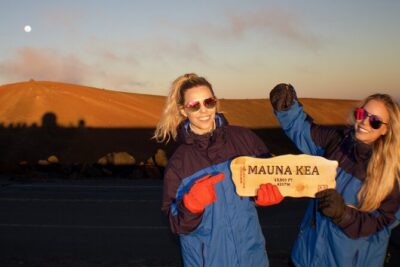
Big Island GOAT Experience: Mauna Kea Summit, Sunset & Stars
Read our review →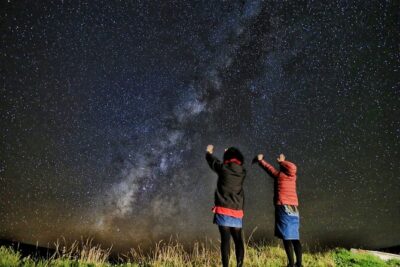
Small Group Big Island Twilight Volcano and Stargazing Tour
Read our review →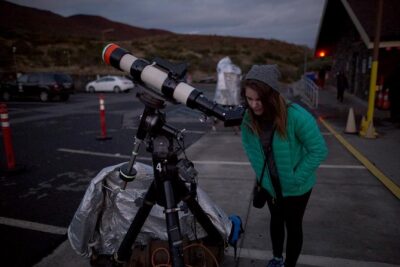
Mauna Kea Summit and Stars Small-Group Adventure Tour
Read our review →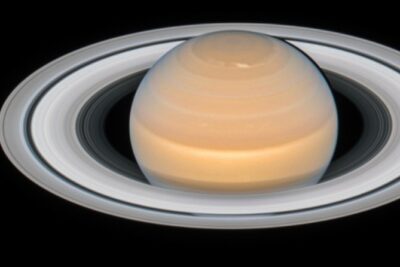
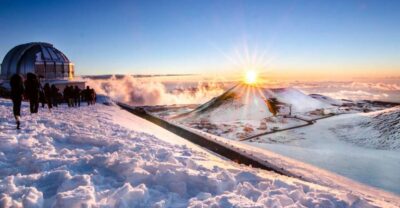
Mauna Kea Summit, Sunset, & Stargazing Experience
Read our review →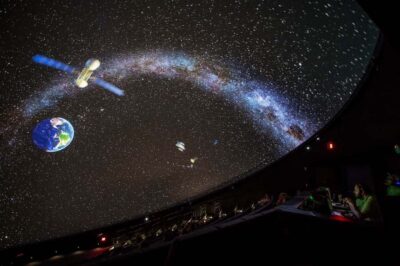
Miami: Frost Museum of Science and Planetarium Entry Ticket
Read our review →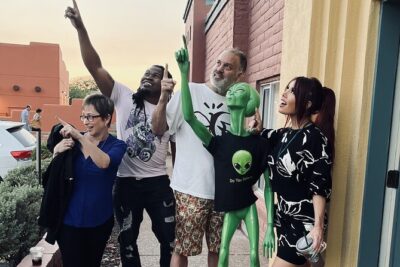
The Original Sedona UFO and Stargazing Night Tour
Read our review →
Browse the lists this tour appears in