
REVIEW · USA
Monument Valley: Stargazing Tour
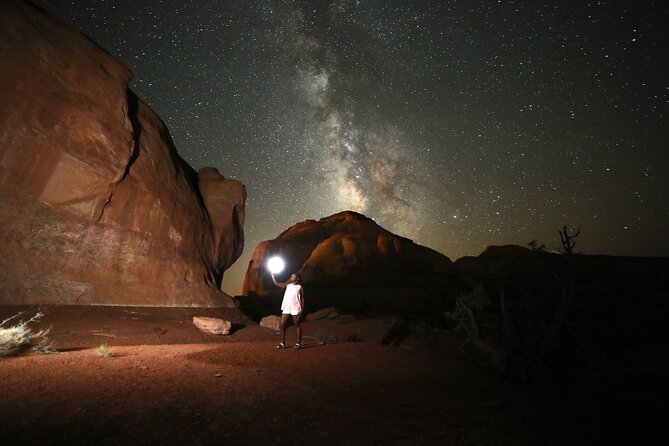
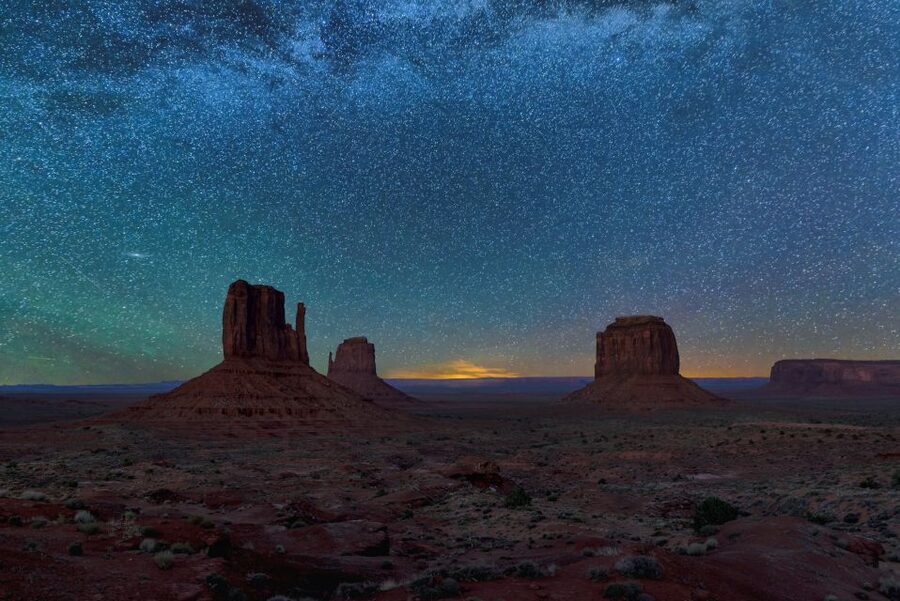
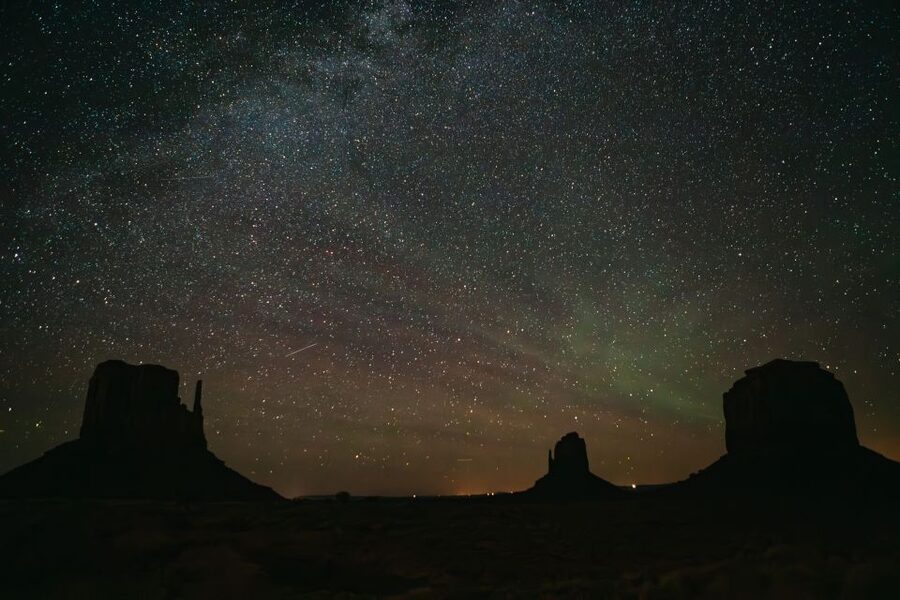
Monument Valley changes character after dark. The red buttes turn into dark silhouettes, the moon picks out their edges, and the Milky Way can become the main attraction. This 150-minute stargazing tour takes you to three or four viewpoints, with possible stops at Forrest Gump Hill and Teardrop Arch.
I especially like the practical camera help and the small group size, capped at 12 in the open-air vehicle and seven in the enclosed SUV. Guides such as Sabrina and Cheryl have helped people set up night shots, while Comasheena and Larry have added Navajo stories and star traditions. The catch is the rough ride, and the tour does not enter the Monument Valley Tribal Park itself.
Key points to know before booking
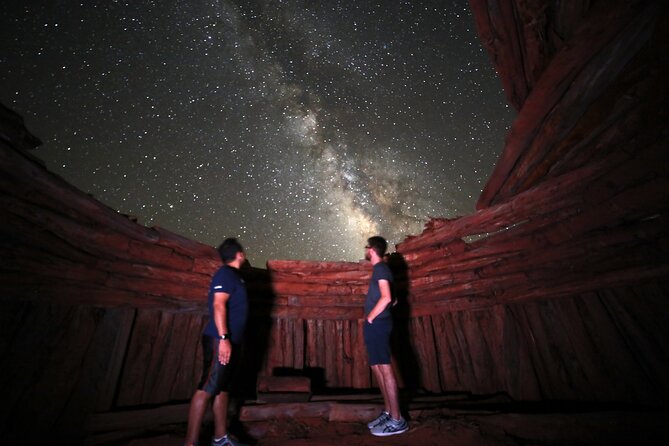
- The Milky Way is the star of the show: The tour runs when the moon and stars are at their brightest, giving you the best chance for memorable sky photographs.
- You get real camera help: Guides can explain settings and show you how to use your own camera for night photography.
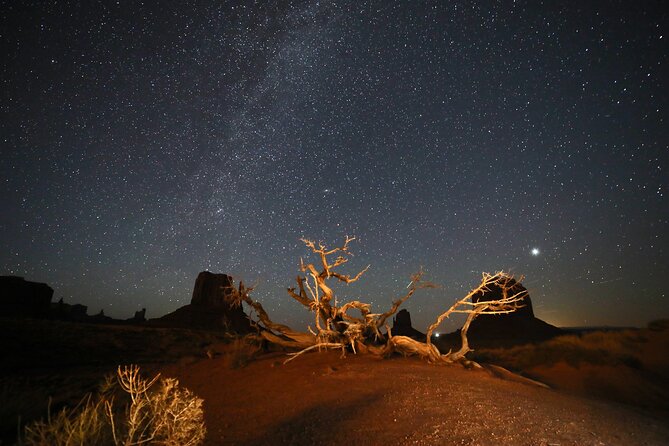
- Three or four stops keep the outing varied: Possible locations include Forrest Gump Hill and Teardrop Arch, both known for broad views.
- The telescope adds more than a quick photo stop: You can learn how to use it while your guide explains the night sky.
- Navajo culture is part of the evening: Stories about stars, local traditions, and a ceremonial musical performance give the tour a personal finish.
- Timing needs care: The tour follows Utah time, which is one hour ahead of Arizona from March through November.
Monument Valley after sunset
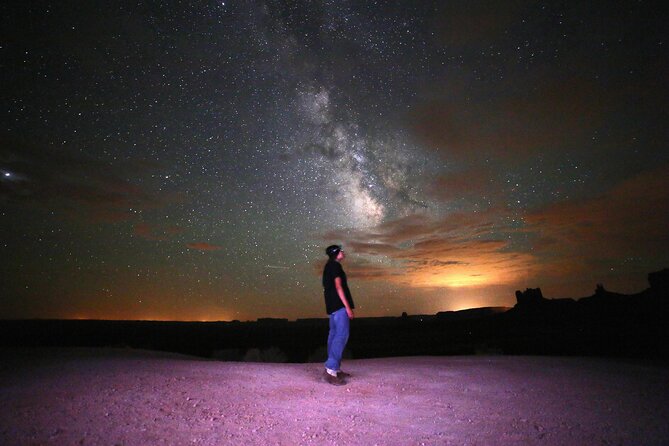
Most people meet Monument Valley in full daylight, when its sandstone towers rise sharply from the desert floor. At night, you look at the same country in a slower, quieter way. Moonlight outlines the formations, while the darker areas let the stars take over.
That change is the main reason to book this outing. You are not simply waiting for darkness at a roadside pullout. Your guide drives you to several points chosen for views of the monuments and the sky together. The result is a night of scenery, photography, astronomy, and Navajo storytelling rather than a standard sightseeing loop.
The tour lasts about two and a half hours. That is enough time for several stops without turning the night into an exhausting all-night expedition. The exact starting time changes, so check availability when you book.
More Stargazing Tours in the USA:
- Small Group Big Island Twilight Volcano and Stargazing Tour
★ 5.0 · 1,619 reviews - Sedona Stargazing Tours LLC
★ 4.5 · 881 reviews - Hilo: Mauna Kea Summit, Sunset, & Stargazing Experience
★ 4.8 · 629 reviews
Three or four stops, with views built for night photos
The route visits three or four locations, depending in part on the group’s photography experience. That detail matters. If people need time to understand camera settings, a stop may take longer. You should expect some flexibility rather than a rigid minute-by-minute schedule.
Forrest Gump Hill may be included. Its open view toward Monument Valley makes it a strong place for a wide night photograph, with the famous formations set beneath the stars. In daylight, this is a familiar movie viewpoint. At night, the focus shifts from the road and horizon to the balance between the dark buttes and the sky above them.
Teardrop Arch is another possible stop. Natural arches make useful frames because they give the photograph a strong foreground shape. Under moonlight, an arch can show the relationship between the rock and the sky better than a broad, empty view.
You may visit other areas of Monument Valley outside the tribal park. The route is chosen for the quality of the views, but the precise stops can change. The important point is that this is not a visit inside the park’s regular scenic loop.
That distinction can surprise people. The Tribal Park entry pass is not included, and the tour itself does not include a visit inside Monument Valley Tribal Park. The pass costs $8 per person and can be paid when entering the park. Confirm the route you want before booking if the official park loop is a must for you.
A telescope and useful help with your camera
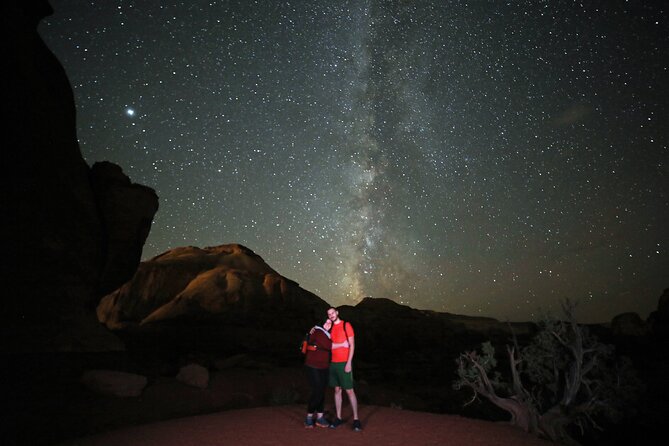
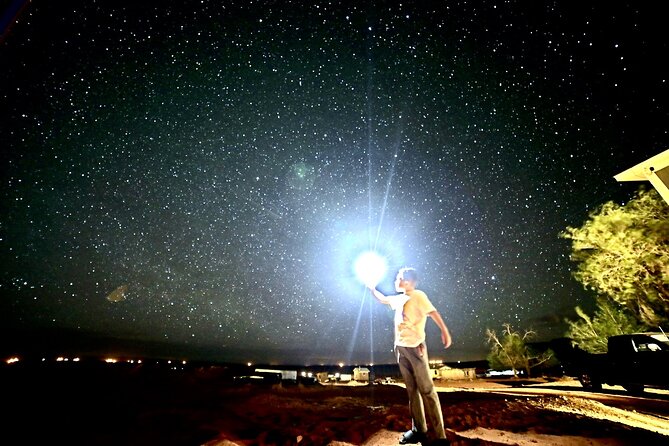
The telescope gives the experience a clear purpose beyond taking pictures. Your guide explains how to use it and points out features in the night sky. You do not need to arrive as an amateur astronomer, since the activity includes narration in English.
The camera instruction may be the most useful part for many people. Guides such as Sabrina, Comisita, Comasheena, and Cheryl have helped with camera settings and shown people how to take night photographs they can repeat later. That is a better deal than simply being driven to a pretty viewpoint and told to take pictures.
You should bring the camera you actually know how to operate, if possible. The guide can help you use your equipment, but a short tour is not the place to learn every function of a complicated camera from scratch. If you use a phone, you can still enjoy the views, but the included instruction is especially valuable for a camera that allows manual control.
The tour is offered only when the moon and stars are at their brightest. This helps with memorable photographs, though the moon and Milky Way do not always create the same kind of image at the same time. A bright moon can light the rock formations, while a darker sky can reveal more stars. Your guide will shape the evening around the conditions available.
The ride: small groups, rough ground, and changing vehicles
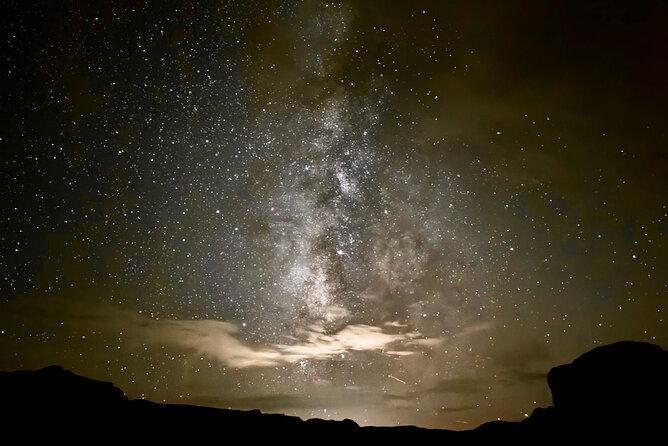
Transportation from the meeting point is included. In warm weather, the tour uses an open-air safari-style vehicle with room for up to 12 passengers. In cold or hot weather, it uses an enclosed SUV with a maximum of seven people.
The open vehicle offers a more direct view of the sky, but it also leaves you exposed to the night air. One cold-weather outing included blankets, which made the ride more manageable, but you should still plan for changing temperatures. The information asks you to bring sunglasses, and warm clothing is a sensible practical choice for a night in an open vehicle, especially in cooler months.
The road can be rough. One visitor found the Jeep rattled enough to reduce the comfort of the ride, while another described the route as interesting terrain leading to strong stargazing spots. Those two points belong together. The rough ground is part of how you reach less ordinary viewpoints, but it may bother anyone with back problems or a low tolerance for bouncing around.
The tour is not suitable for infants aged one year or younger or for women more than five months pregnant because of the rough terrain. This is also not the right pick if you need a smooth, paved sightseeing ride.
Same dark skies, a different way to see them:
- Big Island GOAT Experience: Mauna Kea Summit, Sunset & Stars
★ 5.0 · 1,706 reviews - Big Island: Mauna Kea Summit and Stars Small-Group Adventure Tour
★ 5.0 · 1,545 reviews - Miami: Frost Museum of Science and Planetarium Entry Ticket
★ 4.5 · 429 reviews - The Original Sedona UFO and Stargazing Night Tour
★ 4.5 · 269 reviews
Meeting at The View Hotel
Pickup is at the Navajo loading area in front of the lobby of The View Hotel on Indian Rte 42, Oljato-Monument Valley, Arizona. Wait outside. The driver does not come inside the hotel lobby.
Look for a guide from Monument Valley Tribal Tours. Give yourself enough time to find the loading area, especially if you are arriving near sunset or in low light. There is an important clock detail: the tour operates on Utah time, or Mountain Daylight Time, which is one hour ahead of Arizona from March through November. If you are coming from Arizona, leave one hour earlier than you might first expect.
This time-zone difference is easy to miss because the meeting point has an Arizona address while the tour runs on Utah time. It is one of the most important practical details of the whole booking.
Navajo stories and the music at the end
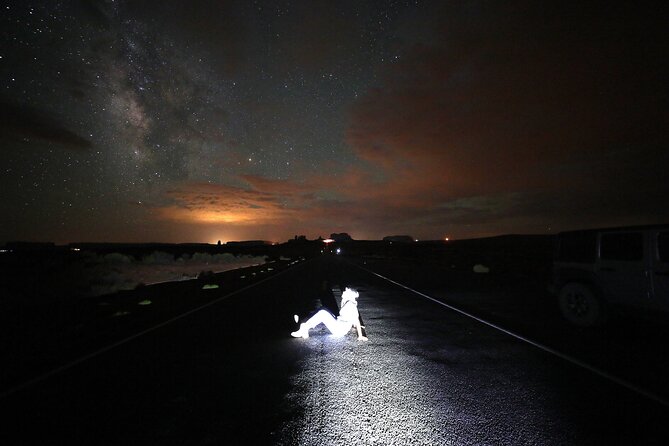
The cultural part of the evening gives the tour more character than a simple astronomy lesson. Guides have shared stories about Navajo traditions and the names of stars, along with personal stories about their connection to the land. That kind of conversation depends on the guide, but the tour is designed to include narration rather than silent transport between stops.
The evening ends with a traditional musical performance by your guide. Some guides have performed a prayer song or ceremonial music, creating a quiet finish after the vehicle ride and photography stops. This is not a staged concert with a large production. It is a short cultural moment built into the outing.
Approach this part with respect. You are visiting another people’s homeland, and the value comes from listening as well as taking photographs. If you want only telescope time and technical camera instruction, the storytelling may feel like extra time. If you care about place and culture, it adds much more to the night.
Is $109 a fair price?
At $109 per person, the tour is not a cheap add-on. The value depends on what you would otherwise need to arrange yourself.
The fee includes transportation from the meeting point, telescope use, narration, photography help, the traditional musical performance, tax, and operational fees. You also get access to several selected viewpoints and a guide who can help connect the monuments, stars, and local stories.
You still pay the $8 Tribal Park entry fee if you enter the park, and the stargazing outing itself does not include the park’s interior. That extra cost is small, but the route limitation is more important than the price.
For a confident photographer with a vehicle, a tripod, and a good understanding of night skies, the tour may feel less essential. You could prefer choosing your own viewpoint and working at your own pace. For most people staying near Monument Valley, the price buys more than a ride: it buys access to a guide, a telescope, night photography instruction, and a planned series of viewpoints.
The small group limit also helps. A maximum of seven in the enclosed SUV is particularly appealing if you want to ask questions or get help with settings. The open-air vehicle can carry up to 12, so the exact feel depends on weather and group size.
What to bring and how to prepare
The stated item to bring is sunglasses. That may sound odd for a night tour, but they are part of the activity guidance and easy to pack.
I would also prepare for a rough ride and changing temperatures. The vehicle may be open-air in warm weather, and cold conditions have required blankets on some outings. Wear clothing that lets you stay comfortable while standing or sitting outside at several stops.
Arrive ready to spend time learning, not just pointing a camera upward. If you want help with night photos, have your camera charged and accessible. You will get more from the guide if you can reach the controls without searching through a packed bag.
The terrain and vehicle make this a poor match for very young infants and for later-stage pregnancy beyond five months. The information does not present the tour as accessible for anyone who needs a smooth, stable ride, so ask before booking if rough ground is a concern.
Who will enjoy this night tour most?
I would choose this for you if Monument Valley is part of a larger road trip and you want one evening that feels different from the standard daylight viewpoints. It is especially well suited to people who want help taking star photographs rather than simply looking at the sky.
It also fits couples, families with older children, and small groups who enjoy a mix of scenery and cultural context. The guide’s stories and music make the night more personal, while the telescope gives the activity a clear focus.
You may want another plan if your main goal is to drive the Monument Valley Tribal Park loop. This tour does not cover that route. You may also want to skip it if you dislike bumpy roads, open vehicles, or fixed group timing.
The strongest part of the experience is the combination of skills and place. Guides such as Cheryl, Sabrina, Comisita, Comasheena, and Larry have helped people take photographs while also explaining Navajo traditions and the meaning of the stars. That mix is hard to reproduce on your own with a rental car.
Should you book Monument Valley Stargazing Tour?
Book it if you want the night sky tied to the monuments, and if you value practical help with photography. The telescope, three or four viewpoints, small group format, and closing music give the outing more substance than a quick stargazing stop.
Think twice if you expect to enter the Tribal Park, need a smooth ride, or prefer complete freedom over your schedule. Also check the time carefully if you are coming from Arizona.
For most visitors who have already seen Monument Valley by day, this is a strong second look at the area. The best reason to go is not simply the chance to see stars. It is the chance to understand how the rock, sky, Navajo stories, and night photography fit together.
FAQ
How long does the Monument Valley Stargazing Tour last?
The tour lasts 150 minutes, or two and a half hours.
How much does the tour cost?
The listed price is $109 per person. A 6 percent tax and 3 percent operational fees are included.
Is the Monument Valley Tribal Park entry fee included?
No. The Tribal Park entry pass costs $8 per person and can be paid upon entry to the park.
Does this tour enter Monument Valley Tribal Park?
No. The tour visits other areas of Monument Valley and does not include a visit inside the Monument Valley Tribal Park.
Where is the meeting point?
Meet in front of the lobby of The View Hotel at the Navajo loading area, Indian Rte 42, Oljato-Monument Valley, AZ 84536.
Will the driver come inside The View Hotel?
No. You need to wait outside at the Navajo loading area. Look for a guide from Monument Valley Tribal Tours.
What vehicle is used?
In warm weather, the tour uses an open-air safari-style vehicle with a maximum of 12 passengers. In cold or hot weather, it uses an enclosed SUV with a maximum of seven passengers.
Does the tour include a telescope?
Yes. Telescope use and narration are included, and your guide explains how to use the telescope.
Is the tour suitable for infants or pregnant women?
The tour is not suitable for infants aged one year or younger or for women who are more than five months pregnant because of rough terrain.
What language is the tour offered in?
The live tour guide and narration are in English.
What happens if I need to cancel?
You can cancel up to 24 hours in advance for a full refund.
Can I reserve now and pay later?
Yes. You can reserve your place and pay later, so you do not need to pay at the time of booking.
Just added around the USA
- Private Under the Stars Night-Time Tour of DC (Up to 5 Guests)★ 5.0 · 24 reviews
- Stargazing and Milky Way Portrait in Capitol Reef National Park★ 4.5 · 13 reviews
- Temecula Wine Country Stargazing Tour★ 5.0 · 2 reviews
- Skyway Light Show Tour Under the Stars★ 5.0 · 5 reviews
- Astronomy and Stargazing Tour in Utah★ 5.0 · 8 reviews
- PRIVATE Sedona Jeep Tour 4X4 Stargazing Tour at Night★ 4.5 · 11 reviews
- Sunset Sedona Sacred Places -gourmet picnic dinner and stargazing★ 5.0 · 12 reviews
- Private Stargazing – Sequoia National Park★ 4.5 · 14 reviews
USA Stargazing Tours, compared.
Big Island GOAT Experience: Mauna Kea Summit, Sunset & Stars
Read our review →
Small Group Big Island Twilight Volcano and Stargazing Tour
Read our review →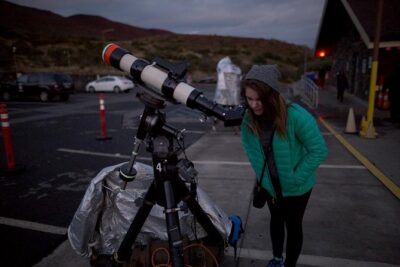
Mauna Kea Summit and Stars Small-Group Adventure Tour
Read our review →
Mauna Kea Summit, Sunset, & Stargazing Experience
Read our review →
Miami: Frost Museum of Science and Planetarium Entry Ticket
Read our review →
The Original Sedona UFO and Stargazing Night Tour
Read our review →
Browse the lists this tour appears in