
REVIEW · CHILE
Rapa Nui Stargazing
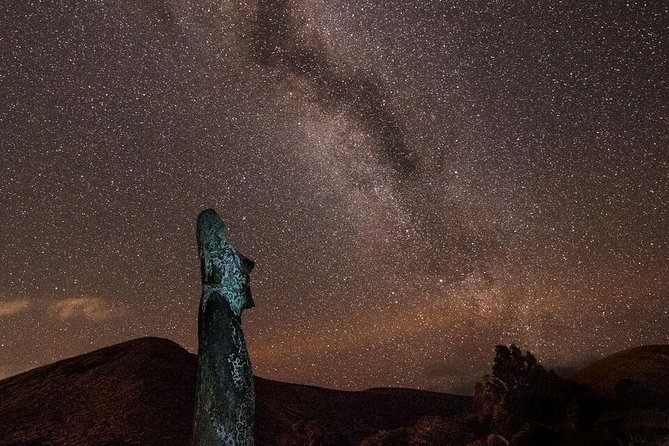
Rapa Nui Stargazing takes you beyond Hanga Roa to a dark corner of Easter Island, where telescopes, Polynesian navigation stories, and the Moai at Anakena come together after sunset. The night can include Saturn, Jupiter, the Moon, the Milky Way, star clusters, and a long-exposure photograph beside the statues. The sky is the main event, but the cultural setting gives it much more meaning.
I like the small maximum of 12 people, which makes it easier to ask questions and reach the telescopes. I also like the local focus: guides such as Mark and Marc explain how Polynesian sailors used the stars to cross the Pacific, rather than treating the sky as a list of scientific names. Hot chocolate and local cake are welcome extras on a cool, late night.
The main catch is uncertainty. Clouds, wind, and moonlight can cancel the outing, sometimes close to departure. A clear sky over Hanga Roa does not guarantee good conditions near Anakena, so book early in your stay and keep another night open if you can.
Key points to know before booking
- Dark skies near Anakena: The telescope site is away from town lighting, giving you a much better chance of seeing the Milky Way and southern-sky objects.
- Moai night photography: The final stop includes special night access to Ahu Nau and a photograph with the statues at Anakena Beach.
- Polynesian star knowledge: The guide connects astronomy with ocean navigation and the settlement of distant Pacific islands.
- Small group format: The maximum is 12 people, though the outing may be canceled if too few people sign up.
- Weather and moon matter: Strong wind, cloud, rain, or a full moon can lead to cancellation or rescheduling.
- Bring warm layers and a light: The evening can feel chilly, and a flashlight or headlamp is useful at the dark sites.
Why this night feels different on Rapa Nui
On many stargazing tours, the sky is the whole story. Here, the setting changes the mood. You are on one of the most remote inhabited islands in the world, looking upward from the same broad Pacific region where Polynesian navigators used stars, ocean swells, and other natural signs to find their way between islands.
The guide gives a presentation on the night sky and Polynesian navigation. This is not just a technical astronomy talk. It helps you understand why certain stars mattered to the people who reached Rapa Nui by canoe, long before modern instruments or printed maps.
The best nights can include views through telescopes of the Moon’s craters, Jupiter, Saturn and its rings, Sirius, the Pleiades, star clusters, and other southern-sky objects. What you see depends on the season, the cloud cover, the moon phase, and the equipment set up that evening.
You might know little about astronomy and still enjoy the outing. The guides explain the basics in an approachable way, and the small group leaves more room for questions. If you already spend time studying the stars, you will appreciate the chance to view objects that are not easy to see from a bright city.
More Stargazing Tours in Chile:
- San Pedro de Atacama: Etno-Stargazing Tour with Transfer
★ 4.8 · 629 reviews - San Pedro de Atacama: Stargazing Experience
★ 4.7 · 489 reviews - Astronomical Tour with Guide and Pick Up San Pedro de Atacama
★ 4.5 · 145 reviews
Meeting in Hanga Roa and heading toward Anakena
The meeting point is in front of the Katipare library, also called Centro Lector Katipare, in Hanga Roa. Hotel pickup is not included, so you need to make your own way there. Hotel drop-off is included at the end, which is useful because the outing finishes late.
The listed start time is 8:00 p.m., but the schedule varies by season. Winter departures are listed at 7:30 p.m., while the September to April period may begin between 8:30 and 9:00 p.m. Check the confirmed time carefully rather than relying only on the general booking page.
The drive takes you away from Hanga Roa and its lights. This transfer is part of the reason the tour works. You are not simply standing outside a hotel and pointing at the brightest stars. The guide takes you to a more remote site near Anakena, where the darkness is more useful for astronomy.
The drive and late finish also affect your planning. The full outing lasts about three and a half hours, and one account placed the return to the hotel around 1:00 a.m. That is manageable for most people, but it is not a casual early-evening activity. Eat beforehand if you need a full meal, and plan a quiet morning afterward.
The remote telescope stop
Before the beach visit, the team sets up telescopes at a remote location. This is where the serious sky watching happens. The absence of town lights helps your eyes adjust, and the guide can point out objects that would be lost in an urban sky.
The telescopes are a major part of the price. Looking up at the Milky Way is free, of course, but transporting equipment, setting it up, and providing a guide who can explain what you are seeing turns the evening into a structured activity.
On a strong night, you may look at the Moon’s craters, planets, star clusters, and other objects through the telescope. Binoculars may also be used. The exact viewing list is not fixed, so you should not book this expecting a guaranteed look at one specific planet or nebula.
The guide may use a laptop or tablet to show maps and explain star patterns. This can help with orientation, but the screen may be hard for everyone to see in a group. A group of five or six gives you a better chance to follow the visual material than a full group of 12.
There is one useful expectation to set: telescope time may not feel equal for everyone. People need to take turns, and the guide has to explain the object before moving on. If you want to ask for a particular star or planet, speak up politely when the opportunity comes.
Learning Polynesian navigation under the stars
The strongest cultural feature is the explanation of Polynesian navigation. The guide describes how sailors used stars to set a course across the Pacific, linking the sky overhead with the ocean routes that led to islands such as Rapa Nui.
This part gives the night a human scale. You are not only learning that a star is bright or that a planet has rings. You are considering how people read the night sky as a practical tool for long sea journeys.
Mark has led presentations on stars, maps, and Polynesian navigation, and Marc has also been praised for combining astronomy with cultural explanation. The guide assigned to your date may differ, but the central subject remains the same.
I would pay close attention during this section, even if you mainly booked for photographs. It is the piece that connects modern telescopes with the older way of understanding the sky. The tour is at its best when the astronomy and Rapa Nui culture are treated as one story.
Same dark skies, a different way to see them:
- “Astronomical Adventure in San Pedro de Atacama”
★ 4.5 · 96 reviews - San Pedro de Atacama: Guided Atacama Desert Stargazing Tour
★ 3.9 · 93 reviews - Stargazing Hiking Valle de Elqui
★ 5.0 · 46 reviews - Pisco Elqui: Mountaintop Stargazing and Night Portrait
★ 4.6 · 20 reviews
Hot chocolate, cake, and the practical side of a cold night
A hot drink and local cake are included. Hot chocolate is served during the stargazing portion, and it can be especially welcome after sitting or standing outside in the dark.
Do not let a warm daytime forecast fool you. The evening can be chilly, even after a hot afternoon. Bring at least one long-sleeved layer, and add a jacket if you get cold easily. Comfortable shoes are sensible because the setting is remote and dark.
A flashlight or headlamp is one of the most useful things to pack. The tour takes place away from bright lighting, which is good for seeing stars but makes walking and finding your belongings harder. Use a red light if you have one, or keep your regular flashlight pointed down so you do not spoil other people’s night vision.
The hot drink and cake do not transform the value of the tour by themselves. They do, however, show that the evening is designed as a relaxed outdoor gathering rather than a hurried telescope demonstration.
Anakena Beach and the Moai photograph
Anakena is the final major stop. The group has special night access to Ahu Nau, and the team takes photographs at the beach with the Moai behind you.
This is a memorable contrast with the telescope site. First you are looking upward at planets and star clusters. Then you are looking across a dark beach toward monumental stone figures, with the night sky forming the background.
The photography uses long exposure, which allows the stars to show clearly in the final image. The result can be striking, but the process takes time. The group may need to wait while each photograph is arranged, and the guide may collect email addresses to send the images later.
If photography is a high priority, ask how the files will be delivered and make sure your email address is written clearly. Souvenir photographs are available for purchase, but the tour information does not state that a photo purchase is included in the $140 price.
One practical point: this is not simply a quick selfie stop. Long-exposure photography requires people to hold still, and the group may spend a noticeable portion of the evening getting the final image. Some people love this artistic finish. Others may prefer more telescope time.
What the $140 price buys you
At $140 per person, this is not a budget night out. The value depends on what you want from Easter Island.
The fee includes a local driver and guide, commentary during the ride, transport to a remote dark-sky site, telescope equipment, the cultural presentation, hot chocolate, local cake, access to the night setting at Ahu Nau, and hotel drop-off. The group size is capped at 12, which matters because astronomy is much easier to enjoy when you are not waiting behind a busload of people.
The price makes more sense if you value the full combination: dark skies, equipment, a local guide, Polynesian navigation, and a Moai photograph. If you only want to see stars, you can look upward without paying anyone. The tour earns its cost through access, instruction, transport, and the unusual setting.
Still, the value depends heavily on weather. A cloudy or windy night can leave you with little telescope viewing, and a full moon can wash out many stars. Because of that, I would not place this on the final night of a short visit unless you have no other choice.
The average booking lead time is about 64 days, so popular dates can fill well ahead of arrival. If the outing is important to you, reserve early, then choose the first suitable night of your stay if your schedule allows.
The weather and moon policy deserve serious attention
This tour requires favorable weather. The operator may cancel because of cloud, rain, or strong wind, and telescope equipment cannot be used comfortably in high winds. Conditions near Anakena can differ from the sky over Hanga Roa, so a clear view from town does not always mean the remote site is suitable.
The tour may also be canceled around a full moon. A bright moon can make many stars disappear, so a moonlit hike may be offered instead. That hike is a different activity, not a substitute for telescope-based stargazing.
If weather changes after the tour begins, the team may try to take you out again on another night at no extra charge, subject to availability. If the outing is canceled before it starts, you can be offered another date or a full refund. If too few people sign up, the same type of alternative or refund may apply.
You can cancel for a full refund up to 24 hours before the start time. Cancellations or changes inside that 24-hour window are normally not refundable, except when the operator cancels because of weather or minimum group requirements.
The best strategy is simple: book on your first night or two on Rapa Nui, not your last. That gives you a chance to move the booking if the sky fails to cooperate. Keep your schedule flexible, and expect the final confirmation to come close to departure. In some cases, confirmation or cancellation may arrive only about an hour before the start.
Who will enjoy this most
I recommend this outing to anyone who wants more than a quick look at the stars. It suits couples, families with older children, solo visitors, and anyone interested in both astronomy and Polynesian culture.
It is especially good for:
- People who enjoy guided learning but do not consider themselves astronomy experts
- Visitors who want a night photograph with the Moai
- Anyone interested in how Polynesian sailors crossed the Pacific
- Small groups who prefer a quieter outing
- Visitors with enough time to reschedule if weather cancels the tour
It is less suitable if you need a fixed schedule, dislike late nights, or have only one night on the island. It is also a poor choice if the moon will be full during your planned date and you are specifically hoping to see a dense star field.
Families should consider bedtime and the late return. Most people can participate, but the tour involves darkness, outdoor conditions, waiting for telescope turns, and a long evening away from the hotel.
Should you book Rapa Nui Stargazing?
I would book it if you have at least two nights on Rapa Nui, can accept a possible reschedule, and want an evening that joins astronomy with local culture. The best parts are the remote dark site, the clear explanation of Polynesian navigation, the small group, and the final Moai photograph at Anakena.
I would skip it if your itinerary is too tight to handle a cancellation or if you are looking for a guaranteed list of planets and stars. Nature controls this outing, and even the operator cannot promise a clear sky.
For the strongest chance of success, reserve early, schedule it near the start of your visit, check the moon phase, wear warm layers, and carry a flashlight. If the sky opens up, the combination of stars, telescopes, and Moai can be one of the most distinctive nights you spend on Easter Island.
FAQ
Where does Rapa Nui Stargazing begin?
The tour begins in front of the Katipare library, also called Centro Lector Katipare, in Hanga Roa. Hotel pickup is not included.
What time does the tour start?
The general start time is listed as 8:00 p.m. Winter departures are listed at 7:30 p.m., while departures from September through April may begin between 8:30 and 9:00 p.m. Check the confirmed time for your date.
How long does the tour last?
The outing lasts approximately three hours and 30 minutes. Hotel drop-off is included at the end.
How many people can join?
The maximum group size is 12 people. The tour may be canceled if the minimum number of participants is not reached.
What happens if the weather is poor?
If the tour is canceled before it begins because of poor weather, you will be offered another date or a full refund. If conditions change during the outing, the operator may try to arrange another night, subject to availability.
Can I cancel for a full refund?
Yes. You can cancel up to 24 hours before the scheduled start time for a full refund. Changes or cancellations made less than 24 hours before the start are normally not accepted or refunded.
Just added around Chile
- San Pedro de Atacama: Astronomical Tour★ 3.9 · 3 reviews
- San Pedro de Atacama: Stargazing Tour in the Atacama Desert★ 3.0 · 5 reviews
- San Pedro de Atacama: Stargazing Experience with Transfer★ 3.5 · 8 reviews
- San Pedro de Atacama: Etno-Stargazing Tour with Transfer★ 3.5 · 5 reviews
- San Pedro de Atacama: Astro Tour with big telescopes★ 5.0 · 6 reviews
- San Pedro de Atacama: Private Dinner Under the Stars★ 5.0 · 4 reviews
- SAN PEDRO DE ATACAMA: ASTRONOMICAL TOUR★ 3.6 · 3 reviews
- Pisco Elqui: Mountaintop Stargazing and Night Portrait★ 4.6 · 20 reviews
Chile Stargazing Tours, compared.
Astronomical Tour with Guide and Pick Up San Pedro de Atacama
Read our review →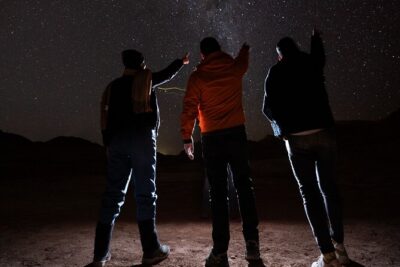
“Astronomical Adventure in San Pedro de Atacama”
Read our review →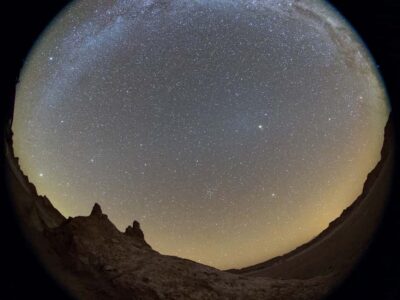
Pisco Elqui: Mountaintop Stargazing and Night Portrait
Read our review →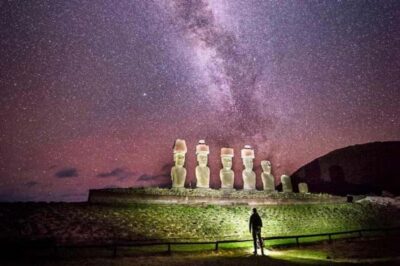
Browse the lists this tour appears in