
REVIEW · CHILE
Easter Island: Rapa Nui Stargazing Tour
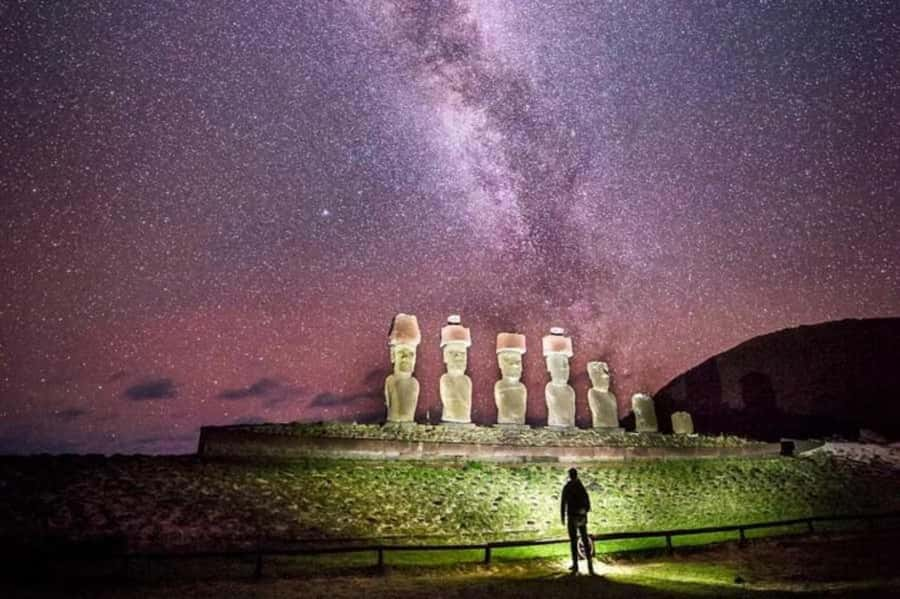
Rapa Nui’s moai are powerful by day, but seeing them under a Southern Hemisphere sky gives the island a different feel. This three-hour outing combines Polynesian navigation with hands-on telescope viewing, taking you to a remote observation site and, when conditions allow, Ahu Nau Nau at night.
I like the small group, capped at 12, and the chance to take your own photos beside the moai. I also like the practical finish: hot chocolate, local cake, hotel drop-off, and a digital photo are included. The main catch is the price, $140 per person, especially on a night when clouds limit what the telescope can show.
Key points
- Meet at Katipare Library: There is no hotel pickup, so you must reach the Centro Lector Katipare in Hanga Roa.
- Seasonal start times: Meet at 21:00 in summer and 19:00 in winter.
- Polynesian wayfinding: The guide explains how voyagers used stars, constellations, and the night sky to cross the Pacific.
- Night access to Ahu Nau Nau: You can view the moai after dark and take your own photos when conditions permit.
- Telescope viewing: The remote site offers a look at stars and planets visible from the Southern Hemisphere.
- Weather matters: Clouds can reduce the astronomy portion, and the tour does not operate from four days before to two days after the full moon.
Why Rapa Nui’s night sky tells part of the island’s story
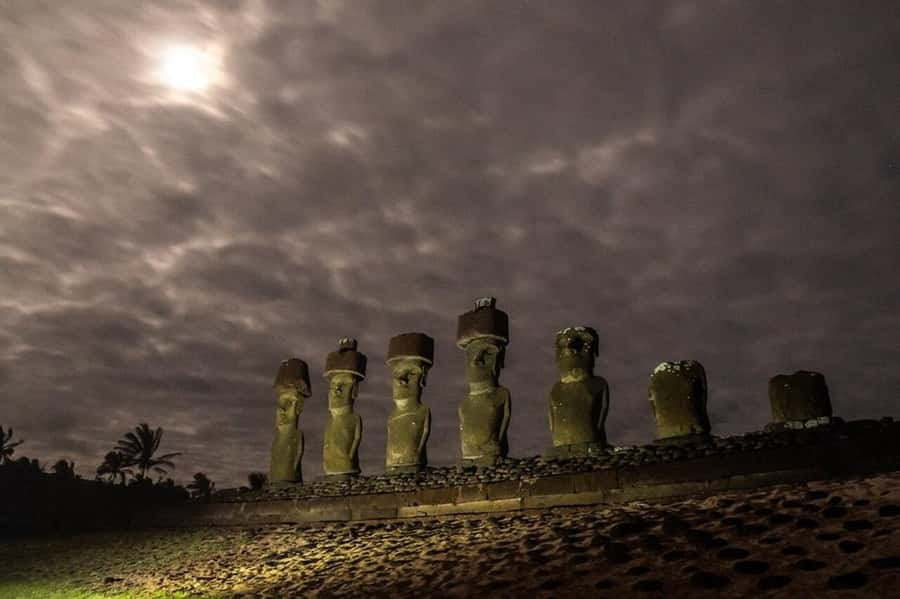
This is not simply a telescope outing. The central idea is the link between the stars and the people who reached this remote island by canoe.
Your guide explains basic astronomy, then connects it with Polynesian voyaging and settlement. You learn how the night sky helped sailors keep direction during long ocean crossings, and how certain stars and constellations worked as points of reference.
That context makes the telescope more useful. Instead of looking at bright objects without much background, you get a reason to care about what is overhead. You also hear about the archeo-astronomy of Rapa Nui, the study of how ancient sites relate to the sky.
I find this combination more satisfying than a standard stargazing session. The sky is the subject, but the human story gives it shape.
More Stargazing Tours in Chile:
- San Pedro de Atacama: Etno-Stargazing Tour with Transfer
★ 4.8 · 629 reviews - San Pedro de Atacama: Stargazing Experience
★ 4.7 · 489 reviews - Astronomical Tour with Guide and Pick Up San Pedro de Atacama
★ 4.5 · 145 reviews
Meeting at Katipare Library in Hanga Roa
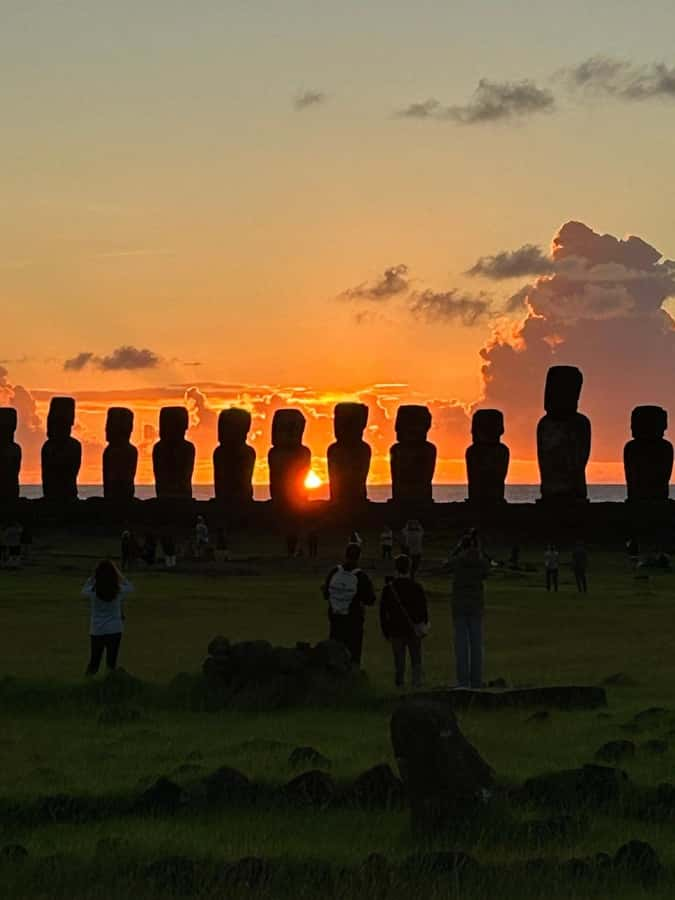
The tour begins in front of Katipare Library, also called Centro Lector Katipare, in Hanga Roa. Hotel pickup is not included, so plan enough time to reach the meeting point on your own.
The start time changes with the season. In summer, you meet at 21:00. In winter, the meeting time is 19:00. Check the exact time when you book, since the difference affects dinner plans and how much daylight remains before you set out.
The activity lasts about three hours. Transportation from the meeting point to the night locations is provided, and hotel drop-off is included afterward. That makes the return easier, especially after a late evening, but you still need to arrange your way to the library at the start.
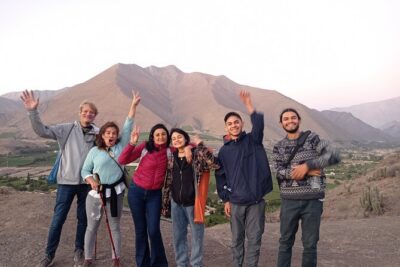
The group can include up to 12 people. That is small enough for questions and personal help with the telescope, without promising a private tour.
Learning the old Polynesian route across the Pacific
Once the outing begins, the guide covers the basics of astronomy and then explains Polynesian navigation. The focus is on how voyagers used the heavens to guide journeys, rather than on a long technical lecture.
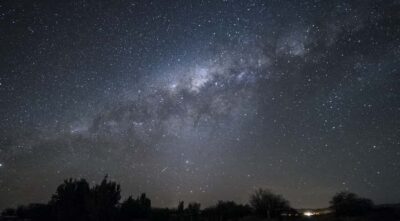
You can expect discussion of stars, constellations, and the way the sky appears from the Southern Hemisphere. Since Rapa Nui is far from major population centers, the setting helps you notice stars that may be hard to see in a city.
The guide’s role matters here. Marc has been singled out for his explanation of the constellations, his account of star navigation, and a traditional song that he sometimes uses to close the evening. He has also been noted for writing and singing a song of his own, so the evening may include a personal cultural touch beyond the formal astronomy talk.
That musical element is not the reason to book, and it should not be treated as guaranteed entertainment. Still, it can give the night a strong sense of place.
The remote observation site and telescope session
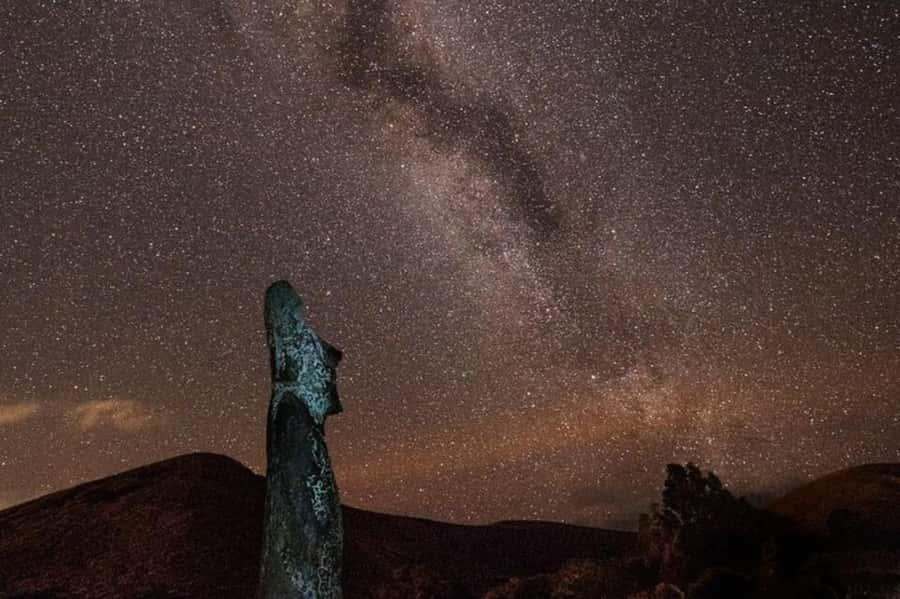
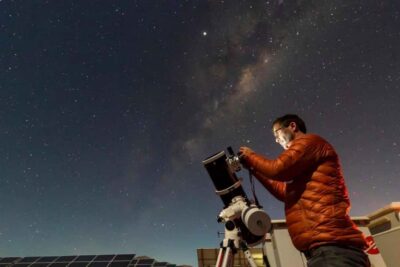
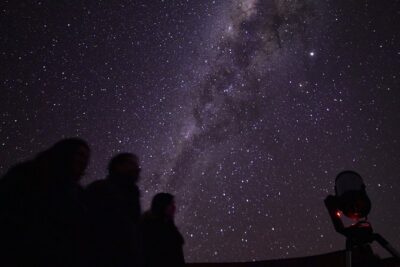
The group heads to traditional observation sites away from the main lights. At the remote viewing area, you use a telescope to look at stars and planets.
This is the most hands-on part of the experience. You are not only standing beneath the sky while someone points upward. The telescope gives you a closer look, and the guide explains what you are seeing and how it relates to the night’s navigation theme.
Conditions control the quality of this part. A clear sky can make the session memorable, while cloud cover can leave you with less to see. The tour requires good weather, and the operator may cancel if the sky is unsuitable. In that case, you can choose another date or receive a full refund.
The moon also matters. The activity is not available from four days before to two days after the full moon. That schedule protects the darker conditions needed for star viewing, but it means you should check the lunar calendar before planning your Rapa Nui evenings.
One practical point: the ground can be uneven. Wear sturdy shoes and bring a small light if you have one. A past outing included an older participant who found the surface difficult to manage safely, so this is not an ideal choice for anyone who needs smooth, accessible paths.
Same dark skies, a different way to see them:
- “Astronomical Adventure in San Pedro de Atacama”
★ 4.5 · 96 reviews - San Pedro de Atacama: Guided Atacama Desert Stargazing Tour
★ 3.9 · 93 reviews - Rapa Nui Stargazing
★ 4.5 · 62 reviews - Stargazing Hiking Valle de Elqui
★ 5.0 · 46 reviews
Ahu Nau Nau after dark
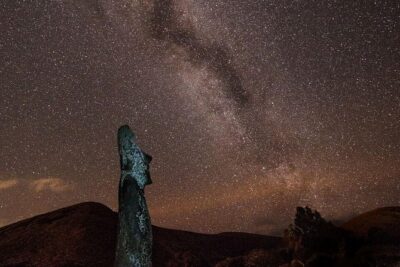
Ahu Nau Nau is one of the most memorable parts of the night because the moai take on a different character without daylight crowds and bright sun. The tour includes access to the site at night, and the setting may also give you beach access after dark.
You can take your own photos, including pictures near the moai when permitted. A digital photo is included as well, which gives you a ready-made souvenir without requiring you to manage every camera setting in the dark.
Phone photography is possible, and a tripod can be used for personal star photos. Do not expect every phone image to look like a professional night photograph. The value is in having time and permission to try, rather than being rushed through a viewpoint.
The photo stop also breaks up the astronomy program. If the sky is not especially active, you still have the archaeological setting, the moai, and the unusual experience of seeing Ahu Nau Nau at night.
Hot chocolate, local cake, and a slower finish
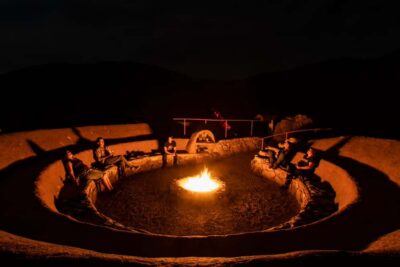
The outing includes hot chocolate and local cake. This is a small detail, but it matters in a cool night setting and gives the group a natural pause after standing outside.
The refreshments are not a meal. Have dinner before the tour if you need something substantial, since the supplied information only promises a coffee break with hot chocolate and cake.
The evening may finish with a traditional song from Marc. When it happens, it adds a warm closing note to a program that could otherwise feel like a sequence of facts, telescope viewing, and photographs.
Is $140 a fair price for three hours?
At $140 per person, this is not a budget activity. The price covers a guide and driver, live commentary, transport during the experience, hotel drop-off, telescope access, a digital photo, hot chocolate, and local cake.
It also buys access to a night setting that is difficult to arrange independently. The value is strongest if you care about the Polynesian navigation story, want a guide to explain the sky, and place a high value on visiting Ahu Nau Nau after dark.
The value is weaker if you mainly want a long list of astronomical objects. A cloudy night can limit the telescope portion, and a quiet sky may leave you feeling that three hours was more than enough. One visitor felt there was not much to do beyond the telescope and considered the price high, even while appreciating the moai photographs.
That is a fair warning. You are paying for the setting, interpretation, transport, and access, not for a guaranteed parade of planets and spectacular stars.
What the small group changes
With a maximum of 12 people, the guide has a better chance to answer questions and help with personal photography. You should also be able to see through the telescope without the long waits common in a large group.
Still, this is not advertised as a private experience. The pace and amount of telescope time depend on the group and the conditions. If you bring a tripod, be considerate of the people around you and expect to share the viewing area.
The small size also suits the subject. Polynesian navigation is easier to follow when you can ask about a particular star, constellation, or voyage instead of listening from the back of a bus.
Important planning details before you book
Bring warm clothing, since the program takes place outdoors at night. Closed shoes are sensible because some ground is uneven, and a small flashlight can help you walk safely.
You must have a National Park ticket. It is not included in the tour price, so check that you have one before the evening begins.
The activity is offered in English and Spanish. Choose the language you can follow most comfortably, since the guide’s explanations are a central part of the experience.
The tour requires a minimum number of participants. If that number is not reached, the operator may offer another date or experience, or provide a full refund. You can also cancel up to 24 hours before the start for a full refund.
This activity is not suitable for wheelchair users. The uneven outdoor ground is the key concern.
Who will get the most from this night tour?
I would choose this for you if you are interested in the way people read the natural world, not just in taking a quick look through a telescope. It suits visitors who want cultural context, a small group, night access to Ahu Nau Nau, and a guided explanation of the stars.
It also works well as a special evening during a Rapa Nui stay. The combination of archaeology, navigation, photography, and refreshments gives the night more variety than a pure astronomy session.
I would think twice if your main goal is guaranteed clear-sky viewing. Weather can change the experience, and the full moon restriction means you need to plan around the lunar calendar. I would also reconsider if $140 feels high for an activity that may include a quiet telescope session.
Should you book the Rapa Nui Stargazing Tour?
Book it if you want the Polynesian navigation story, a telescope session in a remote setting, and the unusual chance to see Ahu Nau Nau at night. Marc’s explanations, possible traditional song, personal photography time, and small group size give the evening more character than a basic stargazing transfer.
Skip it if you want a low-cost outing or need guaranteed astronomy conditions. The best timing is a clear, darker night, with your National Park ticket ready, warm clothes on, and realistic expectations about what a three-hour outdoor program can provide.
FAQ
Where does the Rapa Nui Stargazing Tour meet?
Meet in front of Katipare Library, also called Centro Lector Katipare, in Hanga Roa, Easter Island.
What time does the tour start?
The meeting time is 21:00 in summer and 19:00 in winter. Check availability for the exact starting time on your date.
How long does the experience last?
The tour lasts three hours.
Is hotel pickup included?
No. You must make your own way to Katipare Library for the meeting. Hotel drop-off is included after the activity.
Is the National Park ticket included?
No. You need to have your own National Park ticket.
What happens if the weather is bad?
The experience may be canceled because of poor weather. You will be offered another date or a full refund.
Is the tour available around the full moon?
No. It is not available from four days before the full moon through two days after the full moon.
Just added around Chile
- San Pedro de Atacama: Astronomical Tour★ 3.9 · 3 reviews
- San Pedro de Atacama: Stargazing Tour in the Atacama Desert★ 3.0 · 5 reviews
- San Pedro de Atacama: Stargazing Experience with Transfer★ 3.5 · 8 reviews
- San Pedro de Atacama: Etno-Stargazing Tour with Transfer★ 3.5 · 5 reviews
- San Pedro de Atacama: Astro Tour with big telescopes★ 5.0 · 6 reviews
- SAN PEDRO DE ATACAMA: ASTRONOMICAL TOUR★ 3.6 · 3 reviews
- San Pedro de Atacama: Private Dinner Under the Stars★ 5.0 · 4 reviews
- Pisco Elqui: Mountaintop Stargazing and Night Portrait★ 4.6 · 20 reviews
Chile Stargazing Tours, compared.
Astronomical Tour with Guide and Pick Up San Pedro de Atacama
Read our review →
“Astronomical Adventure in San Pedro de Atacama”
Read our review →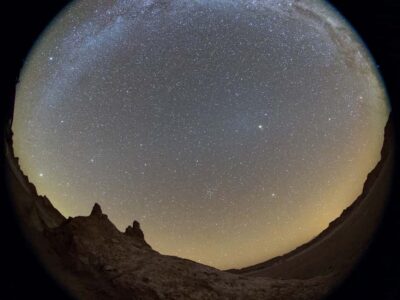
Pisco Elqui: Mountaintop Stargazing and Night Portrait
Read our review →Browse the lists this tour appears in