
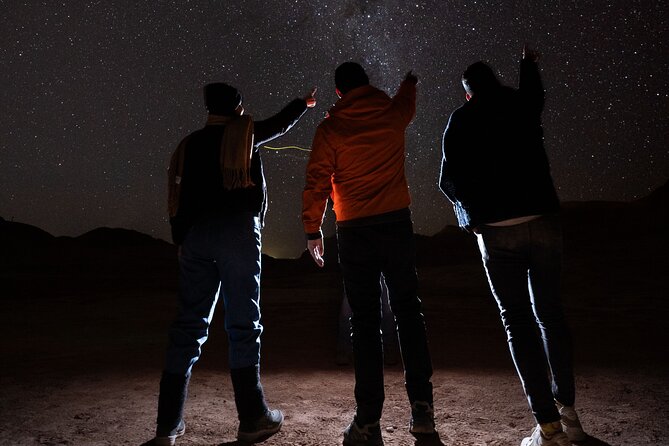
REVIEW · SAN PEDRO DE ATACAMA
“Astronomical Adventure in San Pedro de Atacama”
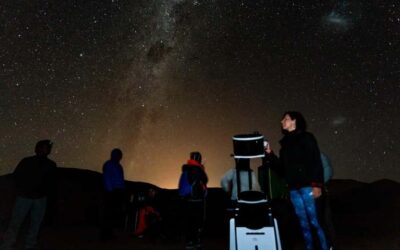
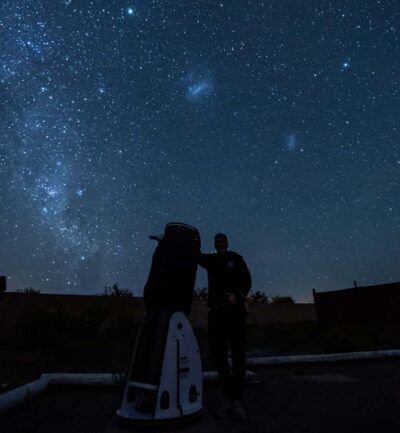
San Pedro de Atacama is famous for its dry, dark skies, and this night astronomy tour makes good use of them. You begin with an audiovisual talk and refreshments, then move from naked-eye constellations to nebulae and galaxies through large 14-inch and 16-inch telescopes. The final stop is Death Valley for a Milky Way photo.
I like the mix of serious stargazing and easy comforts, including hot and cold drinks, wine, snacks, hummus, and vegan choices. I also like the included personal and group photograph, since night photography is not simple to manage on your own. The main concern is reliability: two serious complaints describe poor communication and a missed pickup, so confirm the meeting details before you go.
Key points
- 14-inch and 16-inch telescopes: You can view nebulae and galaxies, but you may not handle the equipment.
- Death Valley photo stop: A short transfer adds a personal and group Milky Way photograph.
- Astronomy talk with refreshments: The evening combines an audiovisual presentation with wine, juices, water, snacks, hummus, and vegan options.
- Late start and short format: Meet at Plaza Apacheta at 9:30 pm for roughly two and a half hours.
- Small-to-medium group size: The maximum is 30 people, so this is not a private observatory visit.
- Weather matters: Poor conditions can lead to a new date or a full refund.
Why San Pedro is the right place for night astronomy
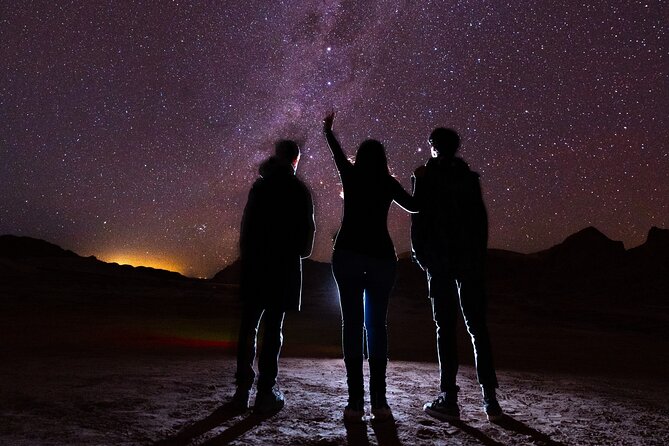
The Atacama is a strong setting for this kind of outing. The tour takes you away from San Pedro’s lights and into the desert, where the dark sky is the main attraction rather than a background detail.
You begin by spotting constellations and planets without equipment. That part matters. A telescope can show you a distant object, but first learning where to look helps you understand the sky as a whole. The audiovisual presentation gives the evening some structure before the observing begins.
The experience is built for curious beginners as much as for serious astronomy fans. You do not need to arrive knowing the difference between a nebula and a galaxy. The talk and guided viewing are intended to give you a useful frame for what appears overhead.
The tour lasts about two hours and 30 minutes. That is long enough for several stages, but short enough to fit into a busy San Pedro schedule. You will still be out late, though. A 9:30 pm meeting time means this is an evening commitment, not a quick after-dinner activity.
More Stargazing Tours in San Pedro de Atacama:
- San Pedro de Atacama: Etno-Stargazing Tour with Transfer
★ 4.8 · 629 reviews - San Pedro de Atacama: Stargazing Experience
★ 4.7 · 489 reviews - Astronomical Tour with Guide and Pick Up San Pedro de Atacama
★ 4.5 · 145 reviews
Meeting at Plaza Apacheta at 9:30 pm
The official meeting point is Plazoleta La Apacheta in San Pedro de Atacama. The tour ends back at this same meeting point after the return transfer.
I would arrive early and keep the meeting details easy to reach on your phone. One complaint describes arriving 15 minutes early, waiting another 30 minutes, and receiving no pickup or message. A guide from another company reportedly tried to help, but the issue was not resolved. Another complaint describes unanswered questions and requests for a refund.
Those reports do not tell you how often such problems occur, but they are useful warning signs. Confirm the pickup point and timing before the evening, and keep enough battery for messages and calls. The tour has a 4.5 rating from 96 reviews, yet the specific communication problems deserve practical attention.
Transportation is included in an air-conditioned vehicle. A separate public transportation charge of CLP5,000 per person is also listed, so ask exactly how that applies to your booking. The information provided does not make clear when this charge is required.
From the welcome talk to the first stars
The first part takes place at an observatory in the desert, away from light pollution. You receive an audiovisual astronomy presentation before the main telescope viewing.
This opening is useful because it turns a simple look at the stars into a guided activity. You are not just standing outside hoping to recognize something. The talk prepares you to identify constellations and planets with your own eyes, then understand why certain objects require a telescope.
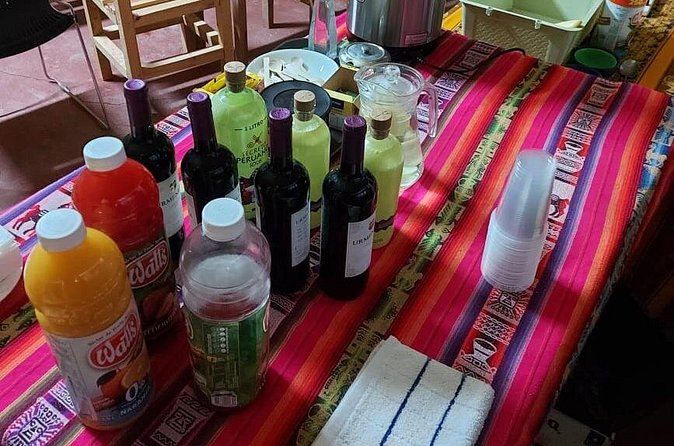
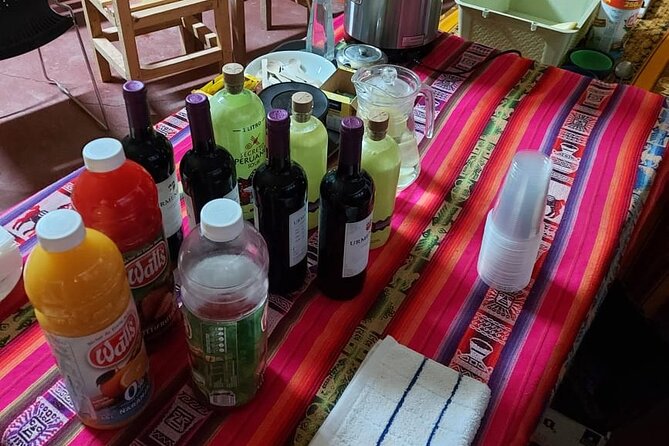
The setup also gives you a comfortable pause before the colder, darker part of the evening. Hot and cold drinks are available, along with wine, juices, water, salty and sweet snacks, vegetarian items, hummus, and vegan options. That is a thoughtful touch for a late-night outing, especially if you have spent the day on other excursions and want something light rather than a full meal.
Do not mistake the refreshments for dinner. The information describes snacks, not a substantial meal. If you need a proper evening meal, plan that before the 9:30 pm meeting time.
Looking through the 14-inch and 16-inch telescopes
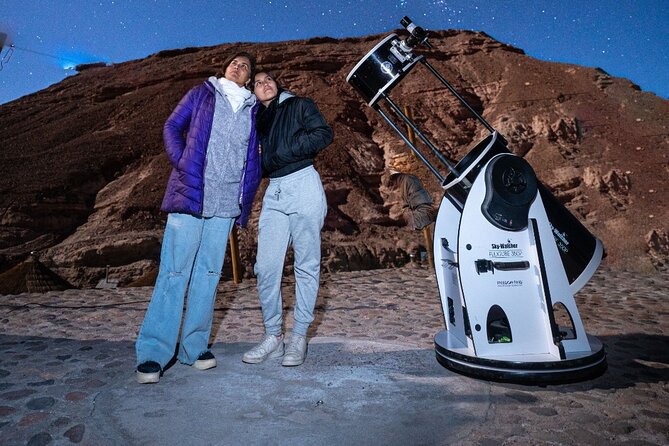
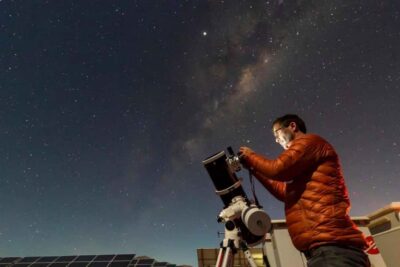
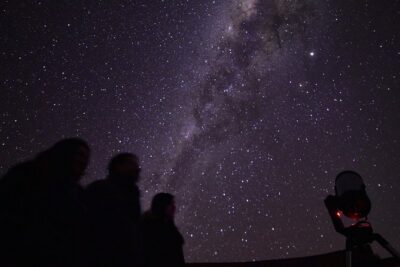
The telescopes are the technical heart of the experience. The tour uses 14-inch and 16-inch models to show nebulae and galaxies, objects that are not visible in the same way with the naked eye.
The larger equipment gives this activity more substance than a basic stargazing stop. You first learn to recognize the sky without help, then move to distant objects that need magnification. That progression should suit you if you want more than a pretty view of stars but do not want to book a full specialist astronomy program.
There is one firm rule: you cannot operate the telescopes. The equipment is described as high-end and high-value, so the staff asks you to leave its use to the operators. That may disappoint anyone hoping to adjust the scope or hunt for objects alone, but it also protects delicate gear and keeps the session organized for a group of up to 30 people.
A group of 30 is manageable, though it is not intimate. Your experience at the eyepiece may depend on how the group is arranged and how long each person gets to view. The provided details do not specify the number of telescopes, the viewing sequence, or the time allocated per person, so you should not expect a private observing session.
Same dark skies, a different way to see them:
- San Pedro de Atacama: Guided Atacama Desert Stargazing Tour
★ 3.9 · 93 reviews - San Pedro de Atacama: Stargazing Experience with Transfer
★ 3.5 · 8 reviews - San Pedro de Atacama: Astro Tour with big telescopes
★ 5.0 · 6 reviews - San Pedro de Atacama: Stargazing Tour in the Atacama Desert
★ 3.0 · 5 reviews
A short transfer to Death Valley for the Milky Way
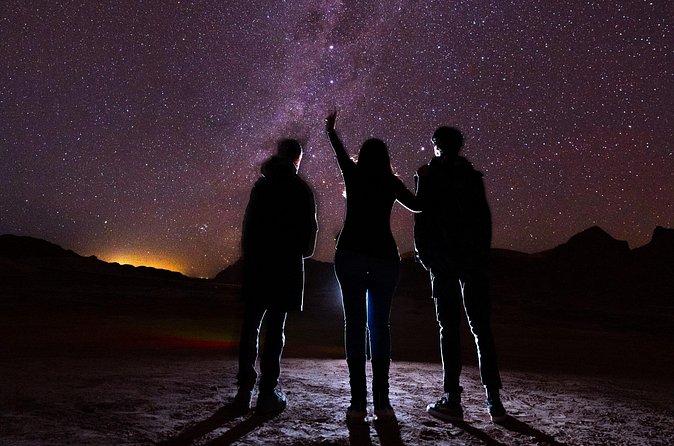
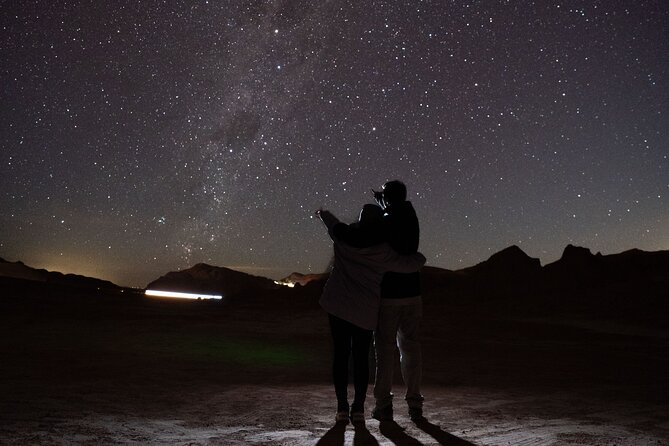
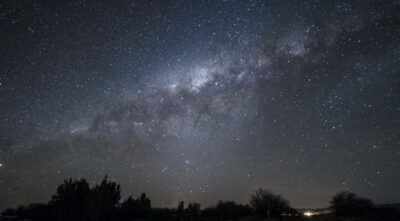
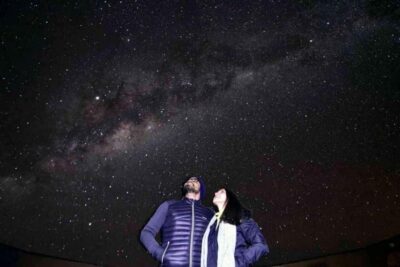
After the observatory visit, you make a short transfer to Valle de Marte, also called Valle de la Muerte or Death Valley. The purpose here is photography beneath the Milky Way.
This stop changes the mood. At the observatory, the focus is on learning and telescope viewing. At Death Valley, the focus is on the wide night sky and a lasting picture. A personal photograph and a group photograph are included, which adds real value at a low tour price. Night-sky photos often require a tripod, careful settings, and patience. Having an arranged photograph means you can take part without bringing specialist equipment.
The photo is not the same as an observatory image. You are being photographed in the desert beneath the Milky Way, so the result is likely to be a keepsake of the place as well as the sky. The information does not specify delivery time, file format, or how the photographs are sent, so ask about those details if the picture is important to you.
The stop is short, according to the stated transfer description. This is not a separate Death Valley sightseeing visit, and you should not book it expecting a long walk or a full daytime tour of the valley. It is a focused night photography stop attached to the astronomy program.
Is $35 a fair price?
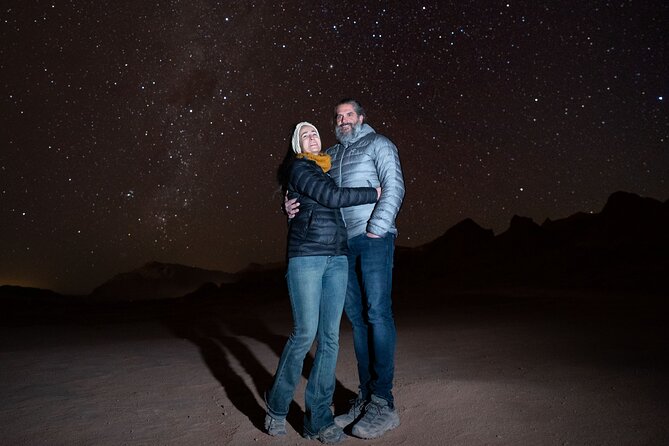
At $35 per person, the tour offers a good amount for the money if all parts run as planned. You receive transportation, an audiovisual astronomy presentation, drinks and snacks, access to large telescopes, and two types of photograph. Comparable value comes from the combination, not from any one feature alone.
The price is especially reasonable if you do not own a camera suited to night photography or have no interest in arranging an observatory visit on your own. The included photograph removes one common extra cost and gives the evening a clear finish.
The low price also comes with limits. This is a shared activity with a maximum of 30 people. You cannot use the telescopes yourself, and the supplied details do not promise a private guide, a meal, or a long photography session. If you want detailed instruction in astrophotography or extended time at the eyepiece, you may need a more specialized and likely more expensive option.
The value also depends on dependable pickup. A missed tour can erase the benefit of a low price. I would treat the communication complaints as a reason to confirm everything, not as proof that every departure fails.
What to wear and what to bring
Wear warm clothing and comfortable shoes. The desert can feel cold at night, even when San Pedro is warm during the day, and you may spend time outside while looking at the sky or posing for photographs.
Comfortable shoes matter because the experience includes an outdoor stop at Death Valley. The details do not describe a hike, so you do not need to assume a demanding walk, but practical footwear is still the sensible choice.
Bring your booking information, a charged phone, and any medication you need during a late evening. The tour includes drinks and snacks, but not a full meal. If you are particular about food, note that vegetarian and vegan choices are available, along with hummus and other salty and sweet snacks.
Service animals are allowed, and most people can participate. The activity does not list special physical requirements beyond wearing suitable clothing and shoes.
Who will get the most from this evening?
I would choose this tour if you want a straightforward introduction to the Atacama night sky. It suits first-time stargazers, couples looking for a night activity, and anyone who wants a Milky Way photo without organizing the technical side alone.
It also works well for a short stay in San Pedro because the format is compact. You get a presentation, telescope viewing, refreshments, and photography in one evening, then return to the original meeting point.
You may want another option if you need a private experience, want to control a telescope, or expect detailed astrophotography instruction. The group can reach 30 people, and telescope use is not permitted.
The tour is also a poor fit if you dislike late nights or cold outdoor conditions. The 9:30 pm start is fixed, and the experience depends on clear weather. Poor weather can cancel the activity, with a new date or full refund offered.
Booking advice and cancellation terms
You can cancel for a full refund up to 24 hours before the start time. Cancellations or changes made less than 24 hours before departure are not accepted for a refund.
The tour may also be canceled if the weather is poor or the minimum number of participants is not reached. In those cases, you can choose a different date or experience, or receive a full refund.
The activity is commonly booked about 16 days ahead. That gives you a useful planning guide, especially during a short visit to San Pedro, but it does not replace confirming the exact meeting arrangements.
Should you book the Atacama Deep Sky tour?
Book it if you want an affordable, well-rounded introduction to astronomy with a desert photo at the end. The 14-inch and 16-inch telescopes, included refreshments, transport, and personal photograph make $35 a sensible price.
Before paying, make sure you understand the meeting point, the possible CLP5,000 public transportation charge, and how the photo will be delivered. Then reconfirm the pickup close to departure. If you can accept a shared group, cannot operate the telescopes, and are prepared for a cold late night, this is a practical way to experience San Pedro’s famous dark sky.
FAQ
Where does the tour start?
The tour starts at Plazoleta La Apacheta in San Pedro de Atacama, Chile, at 9:30 pm.
How long does the astronomy experience last?
The experience lasts approximately two hours and 30 minutes.
What does the tour include?
It includes transfer in an air-conditioned vehicle, salty and sweet snacks, drinks, juices, water, vegetarian snacks, an audiovisual astronomy talk, telescope viewing, and personal and group photographs.
Can I use the telescopes?
No. The telescopes are high-end, high-value equipment, and participants are not permitted to operate them.
What happens if the weather is poor?
If poor weather causes a cancellation, you will be offered a different date or a full refund.
Can I cancel for a full refund?
Yes. You must cancel at least 24 hours before the experience start time. Cancellations and changes made less than 24 hours before the start are not accepted for a refund.
Just added around San Pedro de Atacama
- San Pedro de Atacama: Astronomical Tour★ 3.9 · 3 reviews
- San Pedro de Atacama: Stargazing Tour in the Atacama Desert★ 3.0 · 5 reviews
- San Pedro de Atacama: Stargazing Experience with Transfer★ 3.5 · 8 reviews
- San Pedro de Atacama: Etno-Stargazing Tour with Transfer★ 3.5 · 5 reviews
- San Pedro de Atacama: Astro Tour with big telescopes★ 5.0 · 6 reviews
- SAN PEDRO DE ATACAMA: ASTRONOMICAL TOUR★ 3.6 · 3 reviews
- San Pedro de Atacama: Private Dinner Under the Stars★ 5.0 · 4 reviews
- From San Pedro de Atacama: Astronomy Tour★ 5.0 · 2 reviews
San Pedro de Atacama Stargazing Tours, compared.
Astronomical Tour with Guide and Pick Up San Pedro de Atacama
Read our review →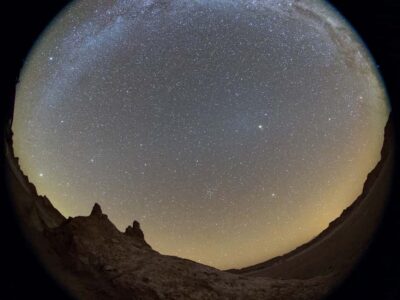
Browse the lists this tour appears in