
REVIEW · OBSERVATORY & TELESCOPE TOURS
Milky Way Sanctuary Stargazing Tour at Pangue Observatory
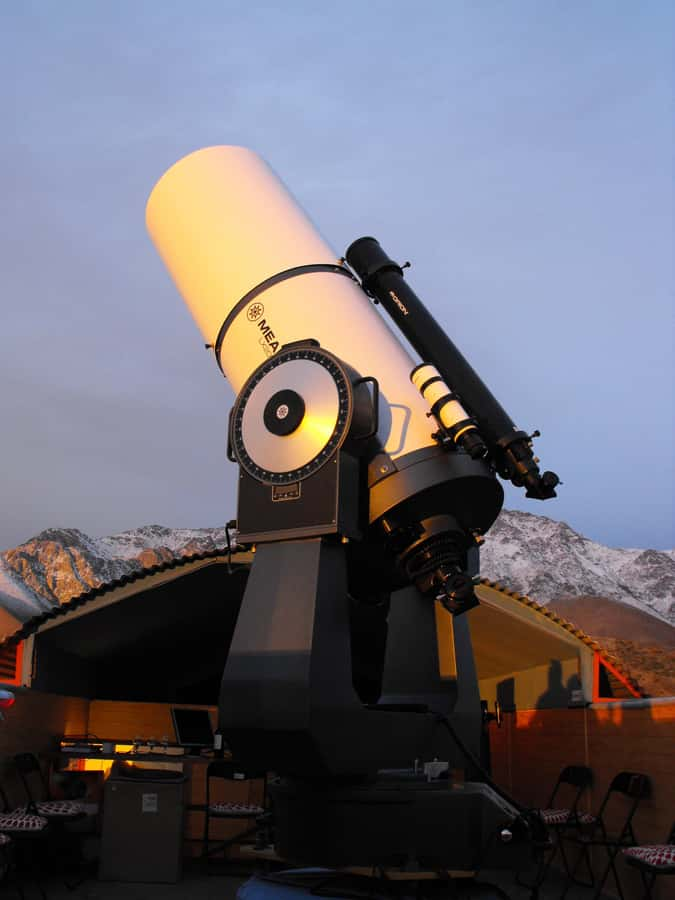
Pangue Observatory gives you a rare chance to look at the southern sky from a dark-sky sanctuary beside some of Chile’s leading scientific observatories. The main attraction is not just the Milky Way overhead, but the chance to study planets, nebulae, clusters, galaxies, and stellar remnants through serious 16-inch and 25-inch telescopes.
I like two things here: the small group of eight or fewer, which leaves room for questions, and the careful stop in Vicuña during the drive. You also get a comfortable coffee area at Pangue, a useful touch during a long, cold evening. The main drawback is timing: the tour avoids nights near the full moon, so your dates may need some flexibility.
Key points at a glance
- Look through 16-inch and 25-inch telescopes: These instruments are designed to show far more than a casual backyard telescope.
- Start in La Serena and pass through Vicuña: The drive adds a pleasant small-town stop before the observatory.
- See more than 10 celestial objects: Expect a changing mix of planets, nebulae, clusters, galaxies, and stellar remnants.
- Stay with a group of no more than eight: You get more time at the eyepiece and better access to the guide.
- Visit a major astronomy zone: Pangue sits near Tololo, SOAR, Gemini, and the Vera Rubin Observatory.
- Plan around the moon: Bright moonlight can wash out the very stars you came to see.
Why Pangue’s location matters
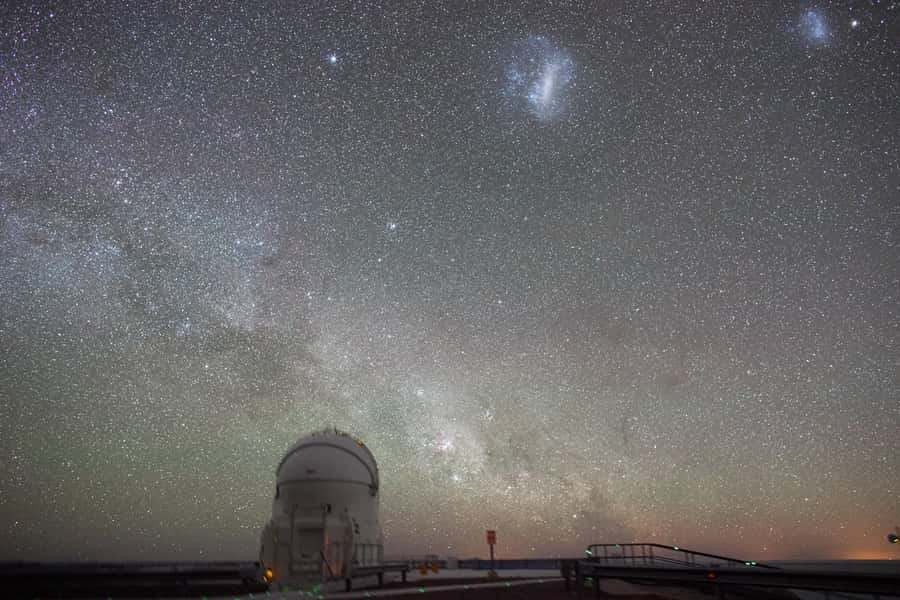
The Elqui Valley is one of Chile’s prized astronomy areas. Pangue Observatory sits about 1,500 meters above sea level in the pre-Andean mountain range, under the Gabriela Mistral dark-sky sanctuary.
That location gives the tour a real advantage. The air is described as dry, clear, and transparent, all useful qualities when you are trying to see faint objects. You are not simply being taken outside town to look at a few bright stars. You are visiting a region used for serious astronomical work.
Pangue is positioned in front of Tololo, SOAR, Gemini, and the Vera Rubin Observatory. The Rubin facility is associated with the world’s most powerful digital camera. You will not be touring those research sites on this activity, but their presence helps explain why the Elqui Valley is such an important place for observing the sky.
I also like the setting for another reason. The evening combines a broad view of the valley and mountains with the sky above. Sunset comes before the proper observing session, so the outing has a natural rhythm: countryside during the drive, warm evening light at Pangue, then darkness and the southern heavens.
More Milky Way and Astrophotography Tours in Chile:
- Mauna Kea: Stargazing Experience with Free Photos
★ 4.2 · 32 reviews - Milky Way, Shark City Island, Beach and Rock Island Tour
★ 5.0 · 20 reviews - Kifissia Stargazing & Astrophotography
★ 5.0 · 18 reviews
The one-hour road from La Serena to Vicuña
Pickup is provided at your accommodation in La Serena or nearby. You need to wait at the reception area, so do not wander off before the scheduled departure.
The drive to Vicuña takes about an hour. This is not a quick transfer followed by a telescope session. The trip is part of the experience, and it gives you time to leave the coastal city behind and move into the Elqui Valley.
Vicuña is a sensible halfway stop. You get about 15 minutes to visit and have free time before continuing. That is enough to stretch your legs, see a little of the town, and break up the ride, but not enough for a full sightseeing visit.
Keep your expectations in check here. Vicuña is a short pause, not a separate city tour. Still, the stop adds character to the outing. One five-star account singled out the town as especially charming, and that makes sense: it gives the evening a local touch before the focus shifts fully to astronomy.
Sunset and scenery at Pangue Observatory
The visit to Pangue lasts about two and a half hours, including the guided tour, sunset, scenic views, and stargazing. This is the heart of the outing, so the schedule allows more time here than anywhere else.
Arriving before full darkness is useful. You can see the mountain setting around the observatory, watch the light change, and get oriented before the telescopes become the main attraction. The setting also helps you understand the location. Pangue is not a brightly lit urban planetarium. It is a high mountain observing site in a part of Chile selected for its dark, dry skies.
The observatory has a small coffee area with comfortable seats. Free coffee, tea, and water are available. That may sound minor, but it matters after a long drive and during a cool evening outside. The activity information only asks you to bring comfortable clothes and a long-sleeved shirt. I would take that advice seriously, since mountain temperatures can feel cool after sunset even when La Serena was mild.
What you actually see through the telescopes
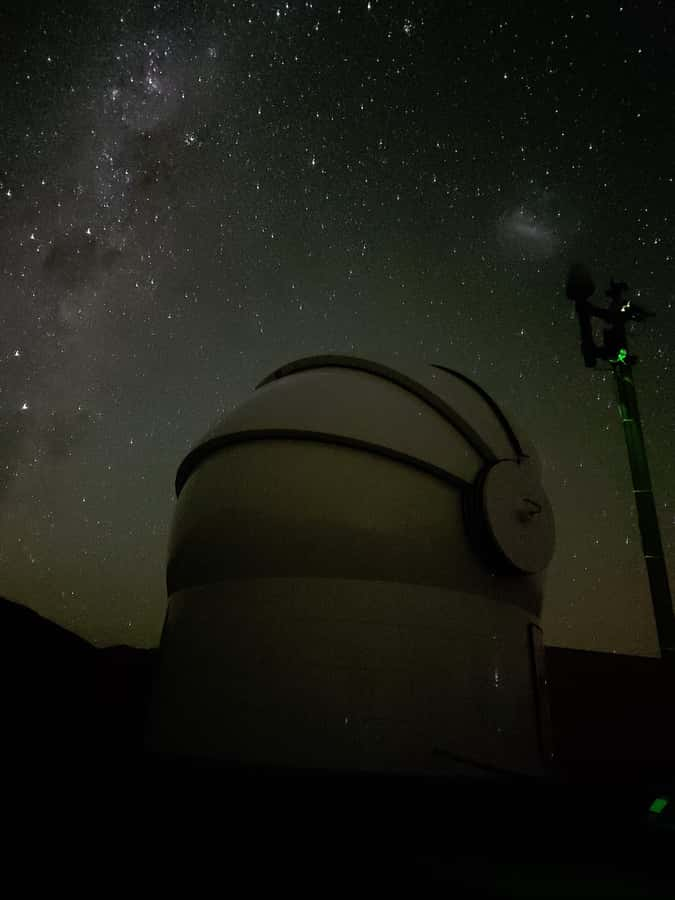
The program aims to show more than 10 stellar objects. The exact list can vary, but the range includes planets, nebulae, clusters, galaxies, massive blue stars, red dwarfs, and supernova remnants.
That variety is what gives the session its value. A planet offers a different kind of view from a faint nebula. A cluster may appear as a tight gathering of stars, while a galaxy or stellar remnant can give you a sense of how much more is out there beyond our own part of space.
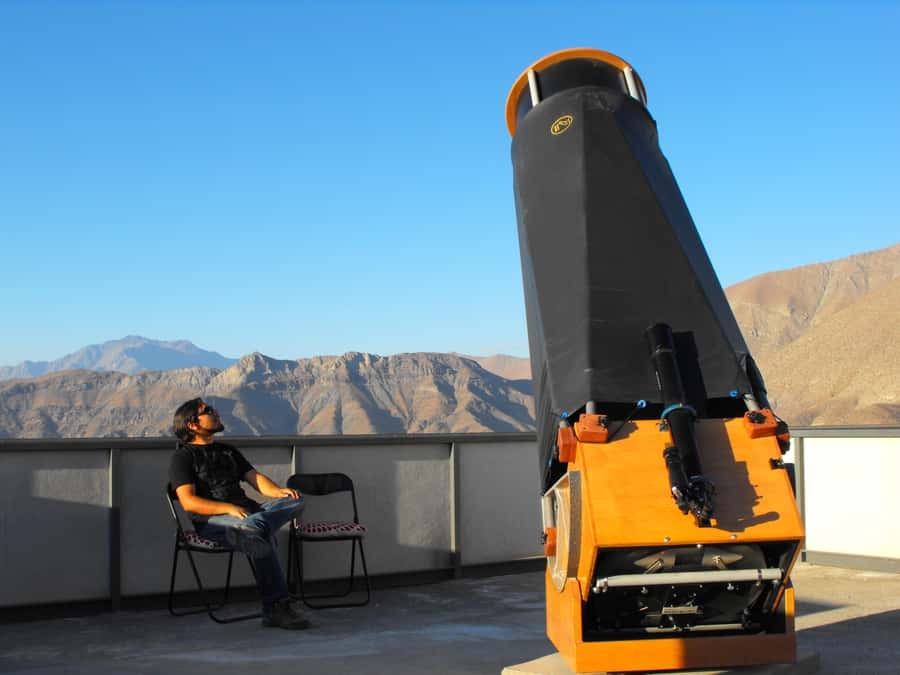
The available telescopes are 16 inches and 25 inches, paired with advanced eyepieces. Those sizes matter because a larger instrument can gather more light, which helps the guide show dimmer objects. You are still looking through an eyepiece, not at a giant cinema screen, so the experience rewards patience and attention.
The clearest personal detail available from the comments about the outing comes from a German participant who had enough time in a six-person group to ask questions and use the telescope repeatedly. The objects specifically mentioned included Mars, Saturn, and Jupiter, along with a supernova and a dying star. That gives you a useful picture of the night: the session is not limited to one quick look at the Milky Way. You move from object to object as the guide explains what you are seeing.
The phrase more than 10 objects should not be treated as a promise of one fixed checklist. Visibility depends on the date, the sky, and what is above the horizon. Still, the range of objects and the size of the telescopes make this a much more serious program than a simple naked-eye stargazing stop.
More Observatory and Telescope Tours in Chile:
- San Pedro de Atacama: Astro Tour with big telescopes
★ 5.0 · 6 reviews - Teide by Night: Sunset & Stargazing with Telescopes Experience
★ 4.5 · 1,492 reviews - Miami: Frost Museum of Science and Planetarium Entry Ticket
★ 4.5 · 429 reviews - Uluru: National Park Astronomy Tour with Telescope and Photo
★ 4.4 · 357 reviews
A small group makes a real difference
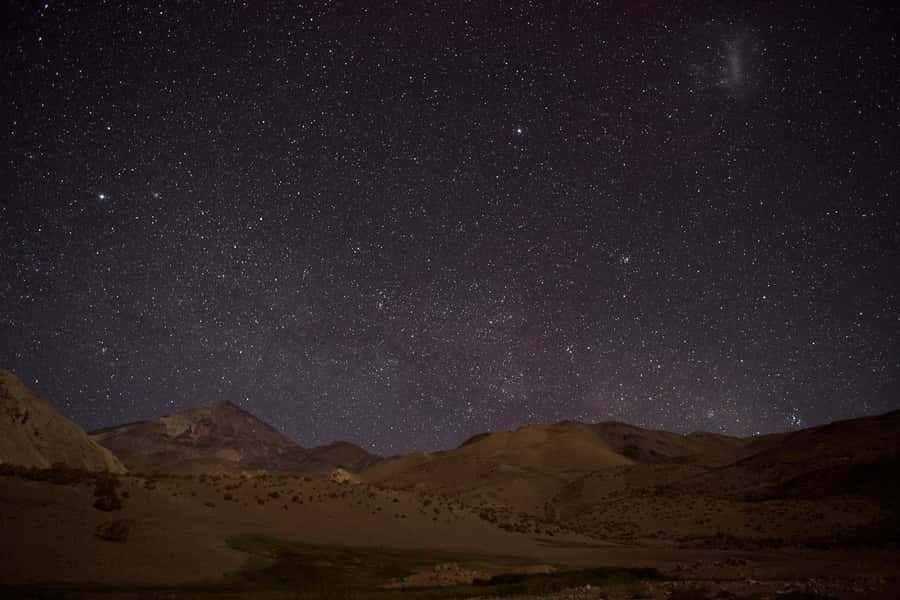
The group is limited to eight people. That is one of the strongest features of the tour.
Astronomy can become frustrating when too many people are waiting for one telescope. With eight or fewer, you have a better chance to ask questions, hear the explanation clearly, and take your turn without feeling rushed. A group of six was specifically described as giving everyone enough time at the telescope, and that is the sort of practical advantage you are paying for here.
The tour is guided in English, French, or Spanish. The La Serena pickup and driving are handled as part of the outing, and Cristobal is named as one of the guides associated with the experience. He was praised for being accommodating, while the observatory guides were credited with explaining the objects clearly.
Those details matter if you are nervous about technical astronomy. You do not need to arrive with a working knowledge of star charts or telescope design. The best use of your time is to ask questions when an object comes into view. A small group gives you the space to do that.
The journey home through the valley
After the observatory visit, the group returns by bus through Vicuña, a trip of about 30 minutes, then continues for roughly an hour to La Serena.
By this point, you will probably be tired. The activity lasts six hours, and much of that time is spent on the road or outside after dark. The return transfer is still important because it means you do not need to arrange your own night drive into the mountains.
One of the strongest points made about the outing was the quality of the driving. That is worth noting because a late return on mountain roads can affect how relaxed the evening feels. Pickup and drop-off also remove the need to navigate an unfamiliar route after a long night.
The trade-off is that a six-hour tour includes about two hours of driving between La Serena and the valley, plus the Vicuña stop. If you want a short, local evening activity, this is not it. If you want access to Pangue without handling transport yourself, the travel time is a fair part of the package.
Is $225 a fair price?
At $225 per person, this is an expensive half-day outing. You are paying more than you would for a basic city excursion or a short public observatory visit.
The value comes from the combination of transport, a small group, specialist guides, the location, and access to 16-inch or 25-inch telescopes. You also get a two-and-a-half-hour visit at Pangue, a stop in Vicuña, and refreshments at the observatory. The price makes more sense if astronomy is a major reason for your time in the Elqui Valley.
I would not book it simply because it sounds like a pleasant night outside. The activity is best for someone who wants to spend real time looking through a telescope and learning about different objects. If you are happy with a quick look at the Milky Way and a few photographs, a less costly outing may suit you better.
The small group is especially important at this price. A large coach tour would make the telescope time feel thin. With no more than eight people, you are paying for access and attention, not just a ride to a dark location.
Pick the right night for the stars
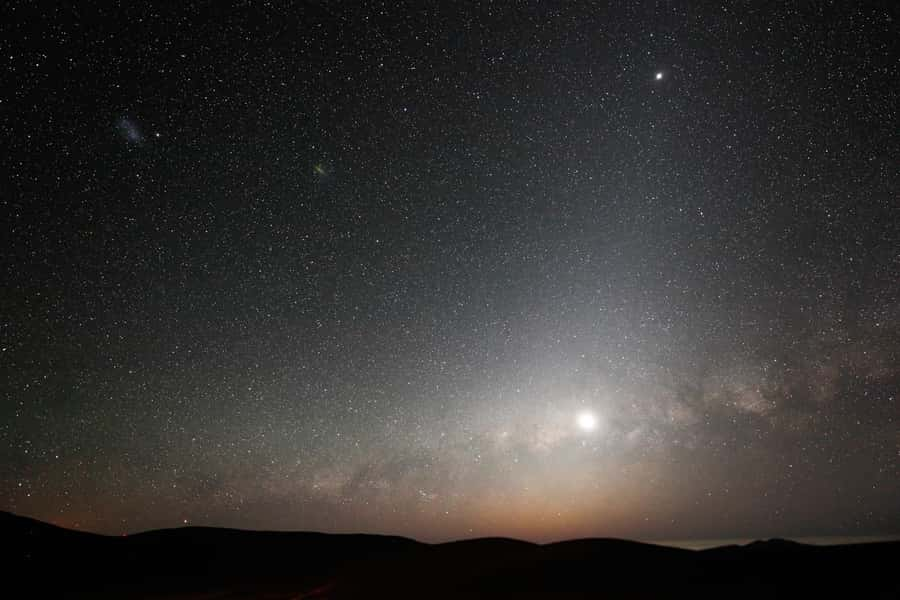
The tour does not operate on nights close to the full moon. Bright moonlight can reduce the contrast of faint stars and distant objects, so this restriction is practical rather than fussy.
You should check the calendar before setting your plans around this activity. Booking at least 24 hours ahead is strongly recommended, since same-day availability can be limited. The tour allows cancellation up to 24 hours before departure for a full refund, and you can reserve now and pay later, which gives you some useful flexibility.
The schedule and starting time vary, so check availability for your date. Since the activity is tied to darkness and moon conditions, do not assume that any evening will work equally well.
What to wear and who should book
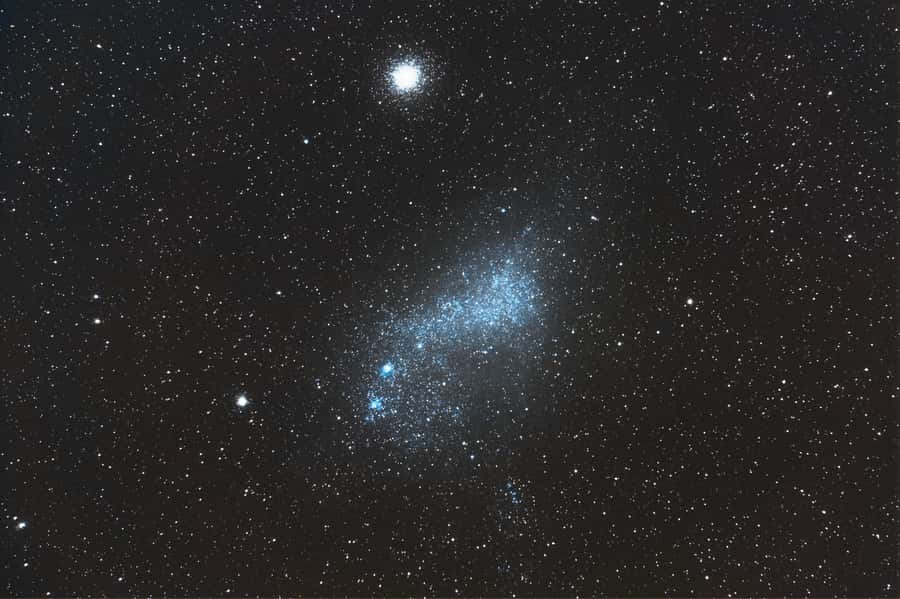
Wear comfortable clothes and bring a long-sleeved shirt. The information provided does not list a long jacket, hat, or gloves as required, but you should expect a cooler feel after sunset at 1,500 meters and dress in layers if you tend to chill easily.
Alcoholic drinks are not allowed in the vehicle. The tour is not suitable for wheelchair users, so accessibility needs should be considered before booking.
I would recommend this outing to:
- People who want a serious look at the southern sky rather than a quick photo stop.
- Couples and families who enjoy science and can manage a late six-hour outing.
- Visitors staying in La Serena who do not want to drive into the Elqui Valley at night.
- Anyone who values a small group and time for questions.
- Amateur astronomy fans who will appreciate the larger telescopes and broad range of objects.
I would think twice if you dislike long drives, need a fully accessible activity, or have only one evening available and cannot adjust for the moon. The Vicuña stop is brief, and the focus remains firmly on the observatory rather than general sightseeing.
Should you book Pangue Observatory?
Book this tour if you want the best chance of a focused, well-supported stargazing session near La Serena. The small group, large telescopes, and high mountain location give it a clear advantage over a casual night-sky outing.
The strongest reasons to go are the chance to see planets and faint deep-sky objects in one evening, the clear explanations from the guides, and the easy transport from La Serena. The visit also gives you a taste of Vicuña and the Elqui Valley without requiring a separate trip.
Skip it if the $225 price feels high for an activity that depends on weather and moon conditions, or if you want a short evening close to town. For anyone who considers astronomy a highlight of a Chile trip, though, Pangue offers a focused experience in one of the country’s most important observing regions.
FAQ
How long is the Pangue Observatory stargazing tour?
The activity lasts about six hours, including pickup in La Serena, the drive to Vicuña and Pangue, the observatory visit, and the return journey.
Where does the tour begin?
Pickup is provided at your accommodation in La Serena or nearby. You need to wait at the reception area for collection.
How many people can join the tour?
The group is limited to no more than eight participants.
Which languages are available?
The live guide service is available in English, French, and Spanish.
What can I see through the telescopes?
The session may include planets, nebulae, clusters, galaxies, massive blue stars, red dwarfs, and supernova remnants. More than 10 stellar objects are included in the observation program, depending on the conditions and visibility.
Can I join near the full moon?
The stargazing tour is not held on nights close to the full moon because moonlight can create unwanted light pollution. It is recommended that you book at least 24 hours in advance, since same-day availability may be limited.
Just added around Chile
- San Pedro de Atacama: Astronomical Tour★ 3.9 · 3 reviews
- San Pedro de Atacama: Stargazing Tour in the Atacama Desert★ 3.0 · 5 reviews
- San Pedro de Atacama: Stargazing Experience with Transfer★ 3.5 · 8 reviews
- San Pedro de Atacama: Etno-Stargazing Tour with Transfer★ 3.5 · 5 reviews
- San Pedro de Atacama: Astro Tour with big telescopes★ 5.0 · 6 reviews
- SAN PEDRO DE ATACAMA: ASTRONOMICAL TOUR★ 3.6 · 3 reviews
- San Pedro de Atacama: Private Dinner Under the Stars★ 5.0 · 4 reviews
- Pisco Elqui: Mountaintop Stargazing and Night Portrait★ 4.6 · 20 reviews
Observatory & Telescope Tours, compared.
Teide by Night: Sunset & Stargazing with Telescopes Experience
Read our review →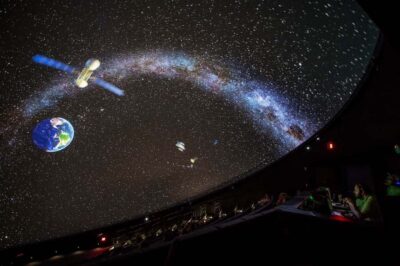
Miami: Frost Museum of Science and Planetarium Entry Ticket
Read our review →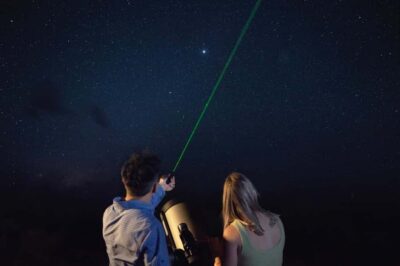
National Park Astronomy Tour with Telescope and Photo
Read our review →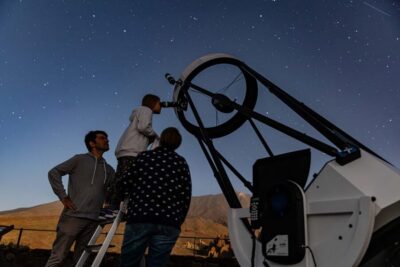
Teide National Park: Guided Large Telescope Stargazing Tour
Read our review →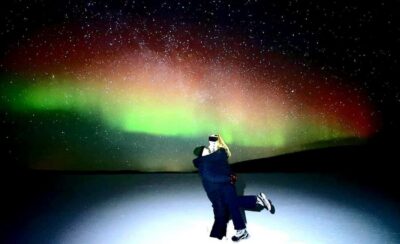
Levi: Northern Lights Tour and Stargazing by Telescope
Read our review →
Mount John Observatory Stargazing Experience, Tekapo
Read our review →
Houston Museum of Natural Sciences: Planetarium Ticket
Read our review →Browse the lists this tour appears in