
REVIEW · OBSERVATORY & TELESCOPE TOURS
Menorca Astronomical Observation with Telescopes, Night Sky
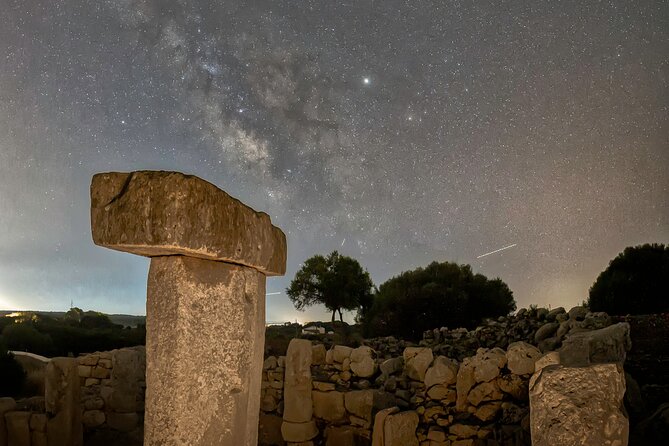
Menorca’s best show begins after sunset. At La Vall, Polaris Menorca guides you through the island’s dark sky, pointing out constellations with a laser and turning the Milky Way, planets, nebulae, and galaxies into something you can actually understand. The experience mixes science with the myths behind the stars.
I like the small group limit of 15 people, which should make it easier to hear the guide and get a turn at the telescopes. I also like the practical setting, with toilets, tables, chairs, and a terrace, so this is not a rough roadside stop with nowhere to sit.
The main drawback is the weather. Clouds can cancel the session, and the exact objects you see will depend on the night. Transport is not included, so you need to reach the La Vall meeting point near Ciutadella yourself.
Key points to know before booking
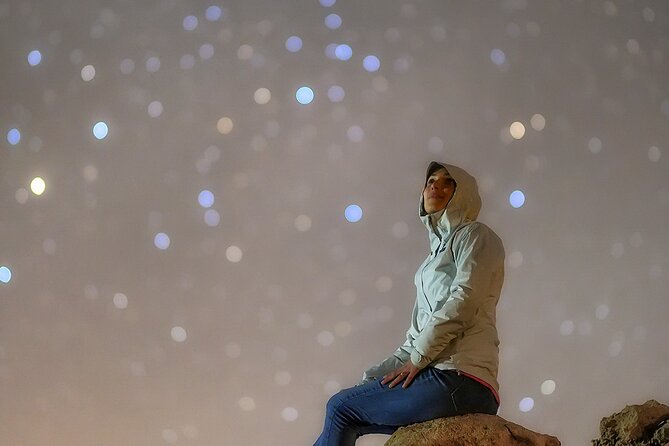
- See Menorca’s Milky Way: The island’s protected night sky can reveal stars and distant objects that light pollution hides in many other places.
- Learn with Edu or Javier: The guides combine clear explanations with science, mythology, and humor.
- Use several types of equipment: The session includes a laser pointer, astronomical binoculars, and modern telescopes.
- Meet at La Vall: The activity starts and ends at the parking area at La Vall, near Ciutadella de Menorca.
- Plan around the weather: A poor-weather cancellation brings the choice of another date or a full refund.
- Good value at $35.57: Two hours of guided astronomy and access to several viewing tools make this a sensible evening outing for curious adults, families, and first-time stargazers.
Why Menorca’s night sky is worth your evening
Menorca is not only a beach destination. Away from strong artificial light, the island offers a clear view of the sky that is difficult to find across much of Europe and the Mediterranean. On a suitable night, you can see the Milky Way, stars, planets, constellations, nebulae, and galaxies.
That matters because looking up is easy, but knowing what you are seeing is not. A bright point may be a planet, a pattern of stars may belong to an old myth, and a faint patch may be a distant galaxy. The guide gives shape and meaning to what would otherwise be a beautiful but confusing spread of lights.
Menorca’s role as a biosphere reserve is part of the introduction. You also learn what it means for the island to be a Starlight territory, reserve, and destination, with protection for the night sky. That adds a useful local angle. This is not simply a telescope session placed anywhere in Spain. It connects astronomy with Menorca’s environmental goals.
I especially like that the evening is not limited to a technical lecture. The astronomy comes with stories about the constellations and the mythology attached to them. If you are new to stargazing, this makes the session easier to follow. If you already know a little about astronomy, the combination of science and storytelling keeps the evening from feeling like a classroom.
More Observatory and Telescope Tours in Spain:
- Teide by Night: Sunset & Stargazing with Telescopes Experience
★ 4.5 · 1,492 reviews - Teide National Park: Guided Large Telescope Stargazing Tour
★ 4.9 · 319 reviews - Tenerife: Mount Teide Observatory Astronomical Tour
★ 4.4 · 126 reviews
Starting at La Vall near Ciutadella
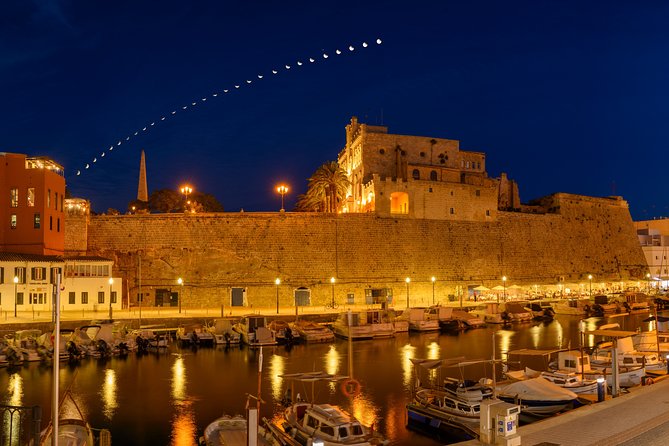
The meeting point is the La Vall parking area, listed as Aparcament de la Vall, 07769 Ciutadella de Menorca. The activity returns to this same point, so you do not need to arrange a second pickup location at the end.
The headquarters is a private place with basic facilities: a bathroom, terrace, tables, and chairs. These details matter more than they might seem. A two-hour evening outside is easier when you know there is somewhere to sit and a proper toilet nearby. The terrace also gives the group a place to gather before the observation begins.
Transport is not included. You need to make your own way to La Vall, so check the route and allow enough time to arrive before the start. The experience is mobile-ticket enabled, which means you can present your booking on your phone rather than arranging a printed voucher.
The group size is capped at 15 people. That is not a private astronomy lesson, but it is small enough to feel more personal than a large coach outing. Since the equipment must be shared, a smaller group should also make it easier to listen to the guide and look through the telescopes without constant crowding.
The opening talk: Menorca, sustainability, and Starlight status
The first part gives you the setting before the stars take over. The guide explains Menorca’s commitment to sustainability as a biosphere reserve, then introduces the meaning of Starlight protection.
This opening is useful because it explains why the island’s darkness matters. Artificial light does more than make a sky look less impressive. It hides stars and distant objects that would otherwise be visible. The session presents the night sky as part of Menorca’s natural identity, not just as a backdrop for a holiday activity.
The introduction also helps you understand the site around you. The guide points out the qualities of the natural setting before turning attention upward. Expect a short theoretical section rather than a long academic talk. The goal is to give you enough context to enjoy the observation that follows.
Edu is praised for making explanations simple and interesting. Javier is also described as professional, friendly, and helpful, including on a night when the weather required the booking to move to a different date. That flexibility is important for an activity controlled by clouds and visibility. The guides appear to adjust their presentation to the conditions instead of pretending every evening will offer the same view.
Reading the sky with a laser pointer
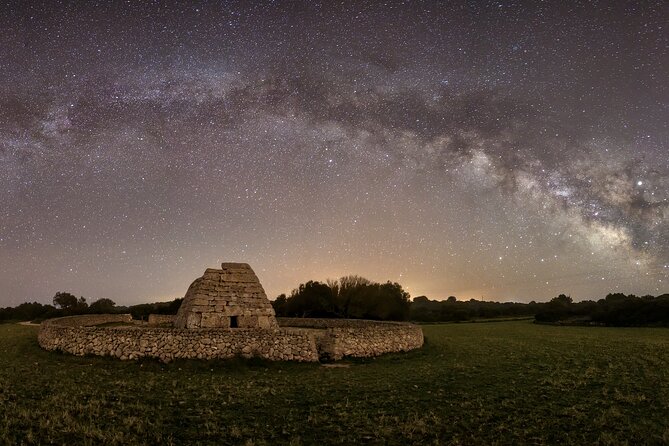
Once the introduction is finished, the guide leads you around the visible sky with a laser pointer. This is the part that helps you get your bearings fast. Rather than handing you a telescope and leaving you to guess where to look, the guide identifies the main constellations and celestial objects first.
A laser pointer is especially useful in a group. You can follow the line from the ground to the stars, then connect the pattern to the story or explanation. Constellations can look obvious after someone shows them to you, but they are surprisingly hard to locate on your own.
The mythology adds another layer. The guide explains the stories associated with the constellations, linking the shapes in the sky with the older tales that gave them their names. This is a good fit for families and mixed-age groups, since the storytelling gives younger participants a way into the subject without reducing the science to entertainment.
The session also has a lighter tone. Edu’s approach is described as simple, funny, and easy to listen to. That makes a difference during a technical activity. You do not need to arrive knowing astronomy, and you will not be expected to follow a long list of complicated terms before seeing anything through the equipment.
More Evening Trips in Spain:
- Tenerife: Teide National Park Sunset & Stargazing Tour
★ 4.2 · 3,812 reviews - Tenerife: Sunset and Stargazing at Teide National Park
★ 4.7 · 2,826 reviews - Teide National Park Sunset & Stargazing with Dinner (Star Safari)
★ 5.0 · 2,601 reviews - Teide National Park: Sunset & Stargazing Safari with Dinner
★ 4.6 · 2,115 reviews
Astronomical binoculars and modern telescopes
The main observation uses astronomical binoculars and telescopes. Each tool offers a different way to look at the sky. The laser shows you where an object is. Binoculars give you a wider view, while the telescopes are used for a closer look at selected objects.
The exact viewing list cannot be guaranteed. It depends on the season, the time of night, cloud cover, and what is visible from Menorca at the time of your session. The advertised range includes planets, bright stars, nebulae, galaxies, and the Milky Way, but you should treat that as the possible menu rather than a fixed sequence.
That uncertainty is normal in astronomy. A telescope cannot create a clear view through clouds, and not every celestial object is visible on every date. The guide’s role is to work with the conditions. On one evening the focus may be a planet or bright star. On another, the group may spend more time on the Milky Way, a nebula, or a distant galaxy.
The equipment is a strong part of the value. At $35.57 per person, you are not just paying for access to a dark location. You get a two-hour guided explanation and the chance to use several forms of viewing equipment. If you are curious about buying binoculars or a telescope later, this also gives you a first look at how astronomical gear changes what you can see.
What the weather can change
Weather is the key variable. The activity requires good conditions, and poor weather can lead to a cancellation. In that case, you are offered another date or a full refund. If you are visiting Menorca for only a short stay, this is worth considering before you book.
A date change may be helpful if you have several evenings available. It is less convenient if your schedule is fixed. I would avoid placing this activity on the final night of a very short trip unless you have no alternative, because clouds could remove your chance to reschedule.
The weather also affects the quality of the session even when the activity goes ahead. A thin layer of cloud, haze, or poor visibility may reduce the number of objects you can see. The guides have shown they can adapt to less-than-perfect conditions, but no guide can promise a clear Milky Way every night.
This is not a flaw in the experience so much as a fact of outdoor astronomy. You are booking access to a protected dark sky and expert guidance, not a guaranteed list of celestial objects. Keep that in mind and the experience is easier to judge fairly.
Is two hours enough?
Two hours is a good length for a first astronomy outing. It gives enough time for an introduction, a sky tour, stories about the constellations, and several equipment-based observations without turning the evening into a full night expedition.
The compact format also suits a holiday schedule. You can build it into an evening without giving up an entire day. Since the experience begins and ends at La Vall, the timing is simple once you have arranged your own transport.
Still, two hours can pass quickly if you want detailed explanations of every constellation or a long turn at each telescope. The group limit helps, but this is a shared activity rather than a private lesson. If you have a serious astronomy background, you may want to ask questions and use the time well. If you are a beginner, the pace should give you a manageable introduction.
The small group and clear explanations are the strongest reasons to choose this format. A larger group could make telescope viewing slow and make it harder to hear the guide. A private session would offer more control, but it would likely cost more than this $35.57 option.
Who will enjoy this activity most?
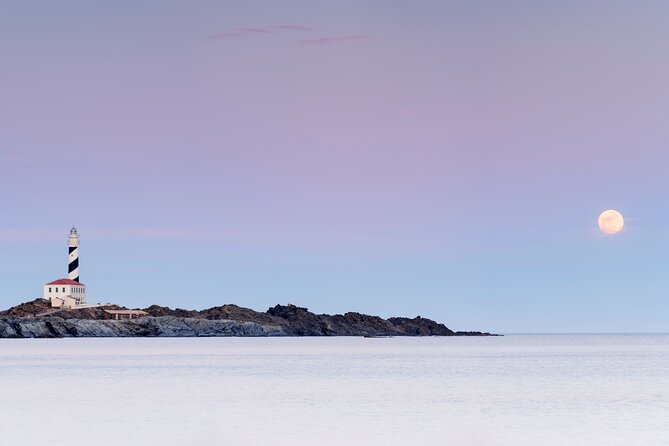
I would recommend it to anyone who has looked at the stars in Menorca and wanted to know what they were seeing. The guide’s mix of basic astronomy, mythology, and local environmental context gives the evening broad appeal.
It should work well for:
- Families who want an evening activity beyond the beach
- Couples looking for a quiet, low-key night outing
- First-time stargazers who want help finding constellations
- Amateur astronomy fans who want to use different equipment
- People interested in Menorca’s biosphere reserve and Starlight protection
The session is also suitable for most participants, and service animals are allowed. The provided information does not give details about ground surfaces, telescope access, seating during every part of the session, or other mobility needs, so you should contact Polaris Menorca if you require specific arrangements.
You should be comfortable spending the activity outdoors at night. Bring your attention, patience, and a willingness to let the guide work with the conditions. The supplied information does not specify clothing, refreshments, or whether personal binoculars are needed, so do not assume those are provided.
How the price compares with the experience
At $35.57 per person, the price is reasonable for a two-hour guided session using laser pointers, astronomical binoculars, and modern telescopes. The facilities at the private headquarters add comfort, and the group is limited to 15 people.
The strongest value comes from the interpretation. Without a guide, you might see a dark sky but miss the planets, constellations, and faint objects that require direction. Edu and Javier also bring a personal style to the evening, with explanations that are described as clear, friendly, and sometimes funny.
The price does not include transport. That is the main extra cost to plan for, along with whatever it takes to reach La Vall. If you already have a car or another way to get there, the price is easier to assess. If you need to arrange special transport for an evening outing, the total cost will be higher.
I would not choose this activity if you want a guaranteed telescope view of one specific object. I would choose it if you want a guided introduction to Menorca’s sky and are comfortable letting the night determine the final program.
Booking and cancellation advice
Confirmation is sent within 48 hours of booking, subject to availability. The activity has a maximum of 15 participants, and it also requires a minimum number to operate.
You can cancel free of charge up to 24 hours before the start time for a full refund. Cancellations or changes made less than 24 hours before the experience are not accepted for a refund. The cut-off follows local Menorca time, so check your schedule carefully.
Because weather matters, book early enough in your stay to leave room for a new date if the session is canceled. If the minimum number is not reached, you are offered another date or experience, or a full refund.
Should you book the Menorca astronomy evening?
Book it if you want a calm, informative night under one of the Mediterranean’s better-protected skies. The combination of a small group, clear guidance from Edu or Javier, several types of equipment, constellation mythology, and local Starlight context gives you more than a simple look through a telescope.
I would be especially happy to book this for a first astronomy experience or a family evening. The $35.57 price is fair, the facilities are useful, and the two-hour format fits neatly into a Menorca itinerary.
Skip it if your schedule cannot handle a possible weather change, if you need included transport, or if you want a private session with guaranteed views of particular objects. For everyone else, choose an early date in your stay, meet at La Vall prepared for an outdoor night, and let the sky decide what appears.
FAQ
Where does the astronomy activity begin?
It begins at the La Vall parking area, Aparcament de la Vall, 07769 Ciutadella de Menorca, Balearic Islands, Spain.
Where does the activity finish?
The activity ends back at the same meeting point at La Vall.
Is transport included?
No. You need to arrange your own transport to and from the meeting point.
How long does the experience last?
The astronomy session lasts approximately two hours.
What happens if poor weather cancels the activity?
You are offered a different date or a full refund if the experience is canceled because of poor weather.
How far in advance can I cancel for a full refund?
You can cancel at least 24 hours before the local start time for a full refund. Changes or cancellations made less than 24 hours before the start are not accepted for a refund.
More Observation Decks in Spain
- 6-Hour Tour with Observation of the Stars 1242 with Lunch
★ 5.0 · 5 reviews - Madrid: Night sky observation with an expert astronomer
★ 4.5 · 3 reviews - Night Sky observation and photography (Small Group)
★ 5.0 · 2 reviews
Just added around Spain
- Villajoyosa: Moonlight kayaking and dinner under the stars★ 5.0 · 5 reviews
- Tenerife Exclusive & Private Gastronomic, Sunset-Stargazing★ 5.0 · 3 reviews
- Small Group Teide Stargazing Tour with Picnic at Sunset★ 5.0 · 3 reviews
- TEIDE NIGHT Astronomy Stargazing Bus Tour, Meal & Drinks included!★ 4.0 · 15 reviews
- “Stargate” Tenerife stargazing★ 5.0 · 13 reviews
- Stargazing Tour in Tenerife★ 3.0 · 2 reviews
- Polestar SELF-DRIVE Sunset Stars Tour in Teide National Park★ 5.0 · 19 reviews
- Private stargazing trip in Teide★ 5.0 · 3 reviews
Observatory & Telescope Tours, compared.
Teide by Night: Sunset & Stargazing with Telescopes Experience
Read our review →
Miami: Frost Museum of Science and Planetarium Entry Ticket
Read our review →
National Park Astronomy Tour with Telescope and Photo
Read our review →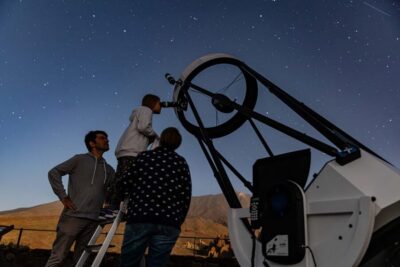
Teide National Park: Guided Large Telescope Stargazing Tour
Read our review →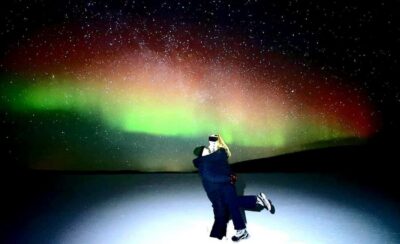
Levi: Northern Lights Tour and Stargazing by Telescope
Read our review →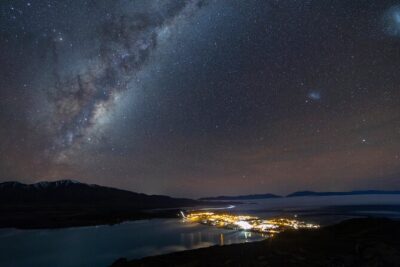
Mount John Observatory Stargazing Experience, Tekapo
Read our review →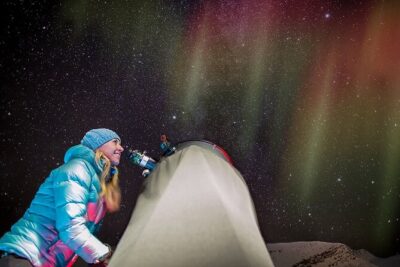
Houston Museum of Natural Sciences: Planetarium Ticket
Read our review →Browse the lists this tour appears in