
REVIEW · OBSERVATORY & TELESCOPE TOURS
Granada Geopark: Stargazing Tour with Telescope
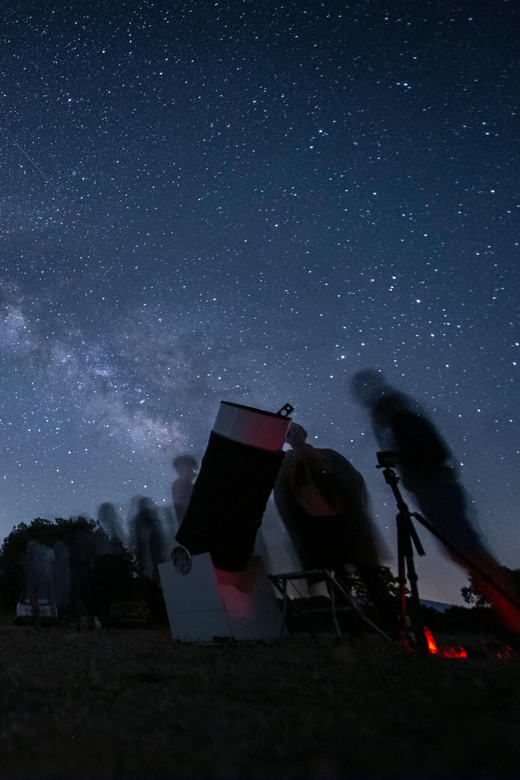
The best part of this Granada-area outing is the setting: you leave the city lights behind and look up from nearly 1,800 meters in Sierra Nevada National Park. An astronomer first maps the sky with a laser, then turns a professional telescope toward the night’s most rewarding sights. I especially like the clear two-part format and the chance to photograph the Moon through the telescope with your own phone when conditions allow.
I also like that the guide explains how to find your way using stars, rather than simply pointing out pretty lights. Leo has earned particular praise for explaining the subject clearly and making the telescope viewing memorable. The main catch is the mountain cold. Bring warm clothing even in summer, and remember that clouds can limit what the telescope reveals.
Key points at a glance
- Nearly 1,800 meters above sea level: The high, open location in Sierra Nevada National Park keeps urban light away from the sky.
- Laser-led sky lesson: You learn the main stars, constellations, myths, and basic night-sky orientation before using the telescope.
- Professional telescope viewing: Depending on the night, you might see planets, moons, star clusters, nebulae, galaxies, and individual stars.
- A focused two-hour program: The outing returns to Mirador del Marquesado after a guided session at the viewpoint.
- Moon photo opportunity: When the Moon is visible and conditions cooperate, you can try taking a picture through the telescope with your phone.
- Warm layers are essential: Mountain temperatures can drop sharply after dark, even during an Andalusian summer.
Why this Sierra Nevada sky tour is different
Granada is famous for the Alhambra, old neighborhoods, and sunny days. This outing gives you a different way to see the region. Instead of looking across the city, you look outward into a dark sky where stars, planets, and distant galaxies become the main event.
The location at Mirador del Marquesado is important. The activity takes place in an open area of Sierra Nevada National Park, far from the worst urban glare. That matters because light pollution washes out faint stars and makes galaxies and nebulae harder to see. A dark site cannot guarantee perfect conditions, but it gives the telescope and your eyes a much better chance.
This is not simply a telescope viewing with a few labels attached. The first part teaches you how the sky is arranged. You learn to recognize key stars and constellations, hear the myths linked to them, and understand the apparent movement of the sky. That groundwork makes the second half easier to follow. You are not just waiting for the next object to appear. You have a basic map in your head.
The guides work in English or Spanish. Leo is singled out for clear explanations and strong subject knowledge, which is useful here because astronomy can become technical very quickly. The best guide keeps the science understandable while still giving you enough detail to make the experience feel substantial.
More Observatory and Telescope Tours in Spain:
- Teide by Night: Sunset & Stargazing with Telescopes Experience
★ 4.5 · 1,492 reviews - Teide National Park: Guided Large Telescope Stargazing Tour
★ 4.9 · 319 reviews - Tenerife: Mount Teide Observatory Astronomical Tour
★ 4.4 · 126 reviews
Arriving at Mirador del Marquesado
The tour begins and ends at Mirador del Marquesado, with the main viewing session taking place at the same general viewpoint. The supplied details do not include a transfer service, so you should pay close attention to the meeting instructions when booking and plan how you will reach the starting point.
The open setting is part of the appeal, but it also means you should prepare for mountain conditions rather than city conditions. At nearly 1,800 meters, the air can feel much colder at night. A warm jacket is the minimum sensible choice. Add layers if you are prone to feeling cold, since you may spend time standing outdoors while the guide points out stars and adjusts the telescope.
The site is described as accessible and wheelchair accessible. That is helpful for many visitors, though the exact surface and route details are not provided. If you use a wheelchair or have specific mobility needs, confirm the practical access arrangements before setting out.
Do not expect a grand visitor center or a long series of stops. This is a compact astronomy session in an open mountain location. The reward comes from the sky itself and from the guide’s explanations.
Part one: learning the sky by laser
The session opens with an explanation of the celestial sphere. In simple terms, this is a way of imagining the sky as a great dome around you. The astronomical laser lets the guide point out stars and constellations with far more precision than a finger ever could.
You learn the main stars and the constellations they form. The guide also covers the myths connected with them, giving the patterns a human story as well as a scientific name. That makes the lesson easier to remember, especially if you have never learned the night sky before.
I like this teaching choice because it gives you something to do with your own eyes. You are encouraged to recognize patterns and use stars for orientation. The guide discusses the apparent movement of the sky, helping explain why celestial objects seem to travel overhead during the night.
The word apparent matters. The stars seem to move across the sky, but the changing view is tied to Earth’s rotation. You do not need an astronomy degree to follow the idea, and the laser presentation should make the explanation easy to connect with what you see above you.
This part may be the strongest section for families, first-time stargazers, and anyone who wants more than a quick look through a telescope. It turns a dark sky from a field of random points into a set of recognizable patterns.
The pace is also likely to feel calmer than a standard sightseeing stop. You spend time looking up, listening, and getting your bearings. If you prefer fast-moving activities, the quiet format may feel slow. If you enjoy asking questions and taking time to notice details, it is a good fit.
Part two: planets, galaxies, and nebulae through the telescope
After the sky lesson, attention shifts to the telescope. The guide discusses a range of objects and selects the most prominent sights available that night. The exact viewing list will depend on the season, the time, the position of the objects, and the clarity of the sky.
Possible targets include stars, planets, and moons, along with star clusters, nebulae, and galaxies. These categories offer very different views. A planet or moon may show a sharper, more recognizable shape. A cluster can appear as a collection of points. A galaxy or nebula may look fainter and more subtle, but the guide’s explanation gives you a better sense of what you are seeing.
The professional telescope is a major part of the value. You are not relying only on the naked-eye sky. The instrument brings distant objects closer and can reveal details that would otherwise remain invisible from an ordinary viewpoint.
Still, keep your expectations sensible. A telescope cannot control the weather or make every object look like a space photograph. Clear conditions are specifically noted as important, and clouds can reduce the number of objects available or prevent viewing altogether. Even on a good night, some faint objects may appear as soft patches rather than bright, dramatic shapes.
That is not a flaw in the activity. It is part of real observing. You are seeing the night sky through a telescope in a natural setting, not watching a polished planetarium show. The guide’s role is to explain what the instrument is showing and why the object matters.
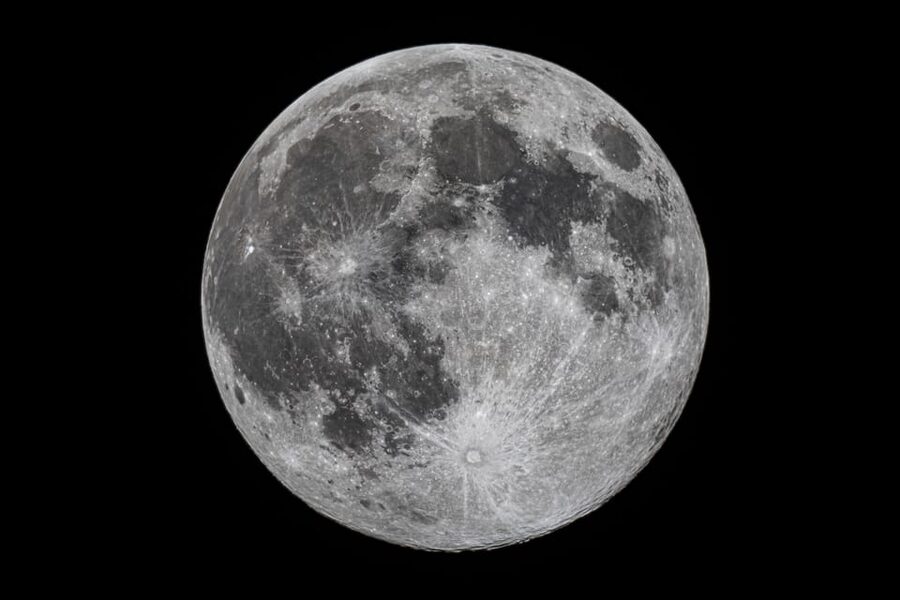
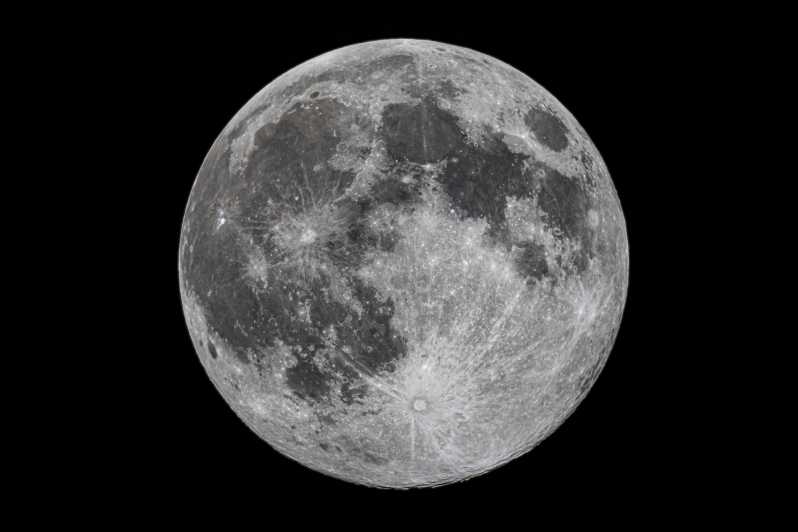
The Moon offers an especially approachable target when visible. You may be able to take a picture of it through the telescope using your own phone. This is a welcome touch because it gives you a small personal record of the evening without requiring special camera equipment. The opportunity depends on the Moon’s position and the conditions, so treat it as a possibility rather than a guarantee.
More Stargazing Tours in Spain:
- Tenerife: Teide National Park Sunset & Stargazing Tour
★ 4.2 · 3,812 reviews - Tenerife: Sunset and Stargazing at Teide National Park
★ 4.7 · 2,826 reviews - Teide National Park Sunset & Stargazing with Dinner (Star Safari)
★ 5.0 · 2,601 reviews - Teide National Park: Sunset & Stargazing Safari with Dinner
★ 4.6 · 2,115 reviews
Two hours with a clear rhythm
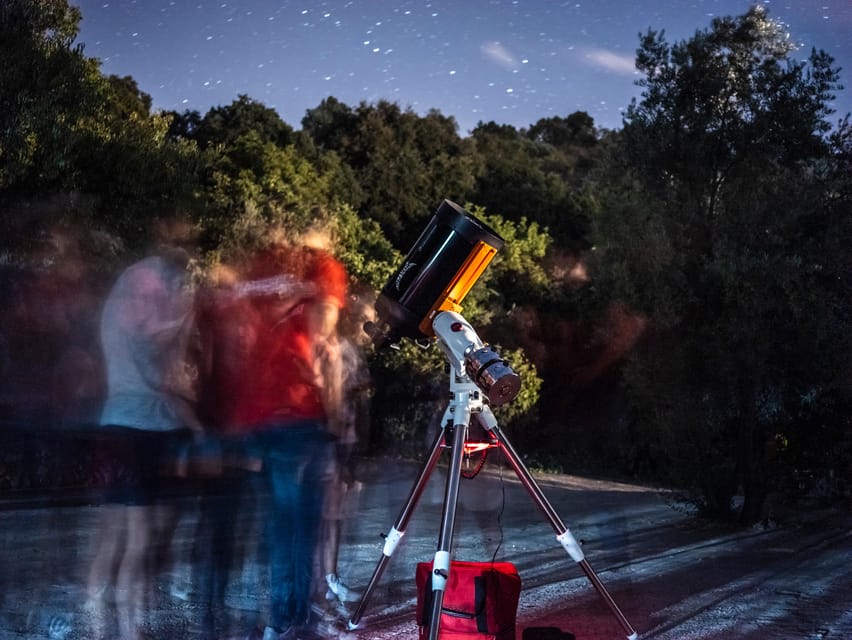
The full experience lasts about two hours. That is long enough to cover a proper introduction, spend time with the telescope, and allow questions without turning the outing into a late-night endurance test.
The sequence is sensible:
- Meet at Mirador del Marquesado.
- Learn the celestial sphere, stars, constellations, myths, and sky movement.
- Use the telescope to observe the most prominent objects of the night.
- Take a group photo and try for a Moon photograph when possible.
- Return to the Mirador del Marquesado.
The two-hour length also makes this easier to add to a Granada itinerary than a full evening expedition. You should still allow extra time around the scheduled start, since the precise start time varies by availability. The activity is conducted after dark, so check the booking calendar carefully rather than assuming a fixed hour.
The setting may encourage you to linger, but the formal program remains focused. You will not be visiting several separate attractions. The viewpoint is the base for a guided lesson and an observation session.
Is the $28 price good value?
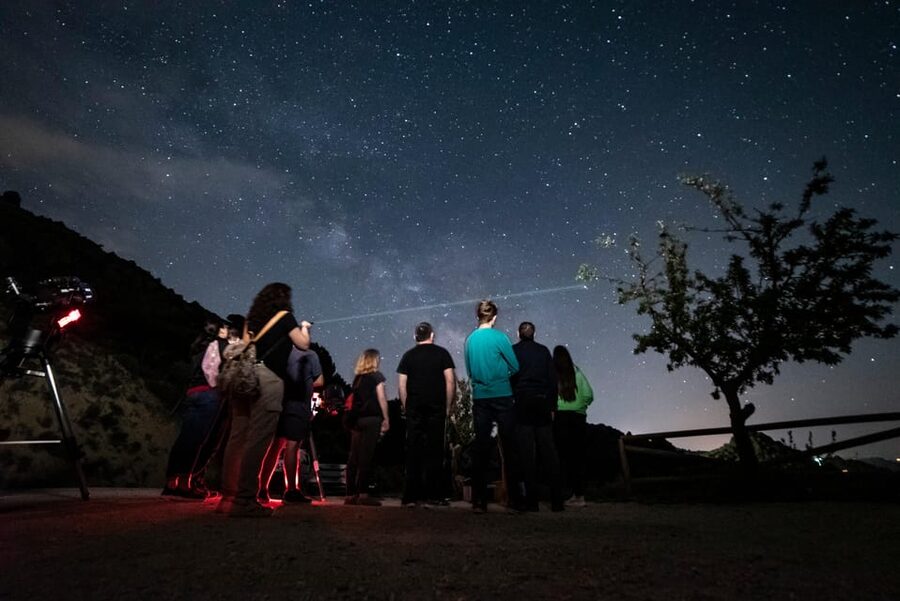
At $28 per person, this is a reasonable price for a specialist evening, especially if you want both instruction and telescope time. You are paying for an astronomer-led program, a professional telescope, a dark mountain location, and a structured explanation of what you are seeing.
The value is strongest if you are new to astronomy. Buying or carrying suitable equipment yourself would be impractical for most short visits to Granada. The guide also saves you from guessing which stars or planets you are looking at. A telescope without guidance can be frustrating, particularly when the object is faint or difficult to locate.
The price may feel less compelling if you only want a quick look at the Moon or a few bright stars. This is a teaching session, not a five-minute photo stop. You should be willing to spend two hours outdoors and pay attention to the introductory lesson.
The group photo and possible Moon photograph add a small personal touch. They are not the reason to book, but they help the evening feel like an organized experience rather than a loose telescope demonstration.
The overall rating is 4.9 from 12 ratings, and the strongest praise centers on the explanations and the telescope viewing. One particularly positive account calls Leo a great professional and highlights how clearly he explains the subject. That matches the core strength of this outing: the guide turns technical material into something you can follow and enjoy.
What to wear and what to expect after sunset
Warm clothing is the one instruction you should take seriously. Sierra Nevada nights can feel cold even when Granada is warm during the day. The mountain altitude and open location leave you exposed to the night air, and standing still beside a telescope can make you colder than walking around town.
Wear layers that you can adjust. Bring a warm outer layer even in July or August. Since the provided information specifically stresses the temperature drop, skipping a jacket is an easy way to spoil an otherwise good evening.
The sky also requires patience. The experience promises very good visibility because it is away from urban lights, but clear conditions are still needed for the telescope to show its best targets. Clouds, haze, or other weather changes can affect what is available. The attraction is the chance to see a broad range of objects, not a fixed list that appears every night.
You should also be comfortable spending the session outside. The location is open and accessible, but it is not described as an indoor observatory. That is precisely why the stars can look so good, and it is also why your clothing matters.
Who will enjoy this most?
I would recommend this for first-time stargazers who want a guide to explain what they are seeing. The laser introduction gives you a useful starting point, while the telescope adds the excitement of seeing distant objects in more detail.
It suits families, couples, and small groups looking for something quieter than another restaurant or evening walk. Children who enjoy space, planets, or science may get a lot from the constellation myths and telescope session, though the two-hour outdoor format requires patience.
It is also a good choice for amateur astronomy fans who do not have access to a professional telescope during their visit. The guide covers both basic orientation and a range of celestial objects, so you can enjoy the session even if you already know a few constellations.
You may want to choose another activity if you dislike cold weather, need a fully indoor evening, or want guaranteed views of one specific object. Astronomy depends on the sky. That uncertainty is part of the appeal, but it should be clear before you book.
The English and Spanish guide options make the experience practical for international visitors and Spanish speakers. The wheelchair-accessible designation is another plus, though you should confirm the exact conditions if you need detailed mobility information.
Free cancellation is available up to 24 hours before the activity for a full refund. You can also reserve now and pay later, which helps if you are arranging several Granada plans around changing weather.
My booking advice
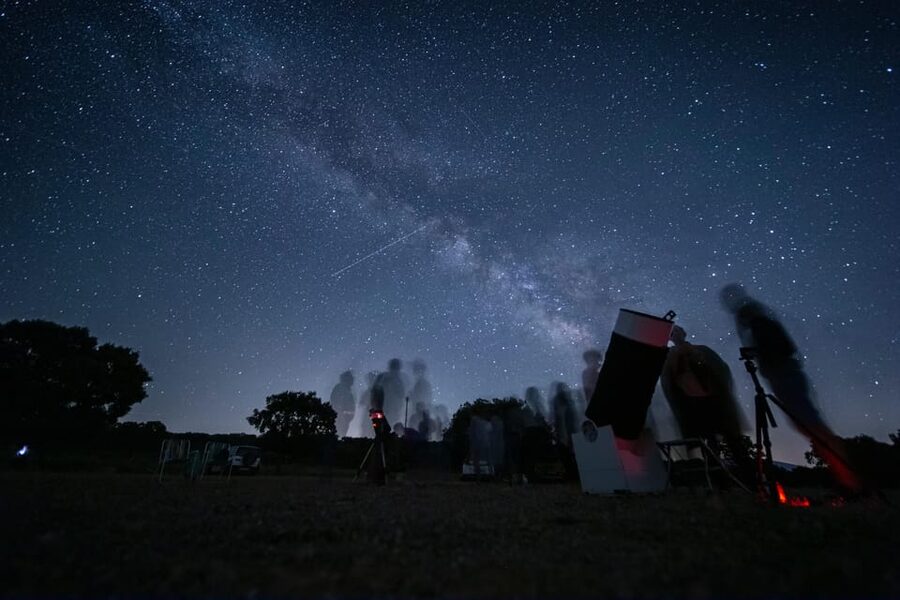
Book this tour if you want a real introduction to the night sky, not just a telescope photo opportunity. The strongest reasons are the dark Sierra Nevada setting, the laser-guided constellation lesson, and the chance to view everything from planets and moons to galaxies and nebulae through a professional telescope.
Go prepared with warm clothes and an open mind about the weather. If the sky is clear, the experience can give you a memorable look at a side of Andalusia that most daytime sightseeing misses. If clouds interfere, the astronomy lesson still has value, but the telescope portion may be limited.
For $28, I consider it a good choice for curious visitors who can spare two hours and reach Mirador del Marquesado. It is especially worthwhile if Leo or another guide brings the same clear, patient teaching style described in the strongest feedback.
FAQ
Where does the stargazing tour begin and end?
The tour begins at Mirador del Marquesado and returns there after the two-hour guided session.
How long does the activity last?
The activity lasts two hours. Starting times vary, so check availability for the date you want.
What languages are available?
The live tour guide is available in English and Spanish.
What can I see through the telescope?
Depending on the night and sky conditions, you might observe stars, planets, moons, galaxies, nebulae, and star clusters.
What should I bring?
Bring warm clothing. Temperatures can drop sharply at night in the mountains, even during summer.
Can I cancel or pay later?
You can cancel up to 24 hours in advance for a full refund. Reserve now and pay later is also available.
Just added around Spain
- Villajoyosa: Moonlight kayaking and dinner under the stars★ 5.0 · 5 reviews
- Tenerife Exclusive & Private Gastronomic, Sunset-Stargazing★ 5.0 · 3 reviews
- Small Group Teide Stargazing Tour with Picnic at Sunset★ 5.0 · 3 reviews
- “Stargate” Tenerife stargazing★ 5.0 · 13 reviews
- TEIDE NIGHT Astronomy Stargazing Bus Tour, Meal & Drinks included!★ 4.0 · 15 reviews
- Stargazing Tour in Tenerife★ 3.0 · 2 reviews
- Polestar SELF-DRIVE Sunset Stars Tour in Teide National Park★ 5.0 · 19 reviews
- Private stargazing trip in Teide★ 5.0 · 3 reviews
Observatory & Telescope Tours, compared.
Teide by Night: Sunset & Stargazing with Telescopes Experience
Read our review →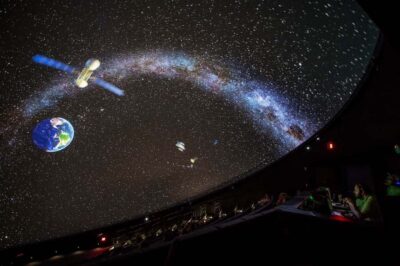
Miami: Frost Museum of Science and Planetarium Entry Ticket
Read our review →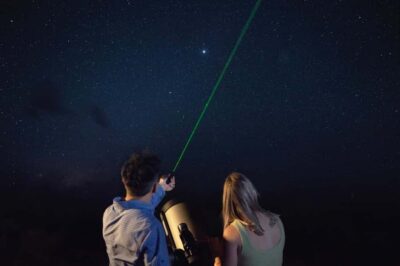
National Park Astronomy Tour with Telescope and Photo
Read our review →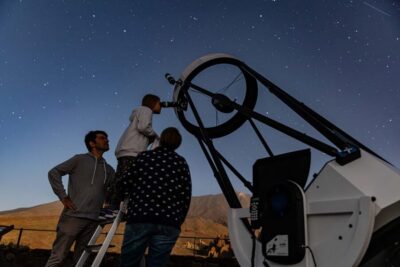
Teide National Park: Guided Large Telescope Stargazing Tour
Read our review →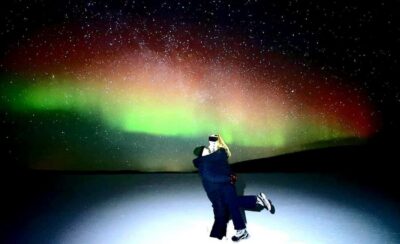
Levi: Northern Lights Tour and Stargazing by Telescope
Read our review →
Mount John Observatory Stargazing Experience, Tekapo
Read our review →
Houston Museum of Natural Sciences: Planetarium Ticket
Read our review →Browse the lists this tour appears in