
REVIEW · STARGAZING HIKES & NIGHT WALKS
Stargazing Hiking Valle de Elqui
The best part of this Elqui Valley outing comes after the sun drops. You hike to a viewpoint for sunset, then shift from mountain colors to Andean constellations, using Celestron 20×80 astronomical binoculars on a tripod. Loreto leads the cultural and astronomy program, with meditation and singing bowls along the way.
I like the unusual mix of sound therapy and Indigenous astronomy, plus the fact that this is a private experience for your group alone. The included astronomical photography, snacks, hot coffee or herbal tea, trekking poles, and portable chair add real value to a four-and-a-half-hour evening.
The main catch is the firm schedule. You must arrive 15 minutes early, and a delay of more than 10 minutes can mean missing the activity. You also need hiking shoes, moderate fitness, and good weather.
Key points at a glance
- Sunset before starlight: Begin at a mountain viewpoint as the Elqui Valley changes from daylight to evening.
- Loreto leads the program: The experience combines astronomy, Indigenous cultural ideas, meditation, and sound therapy with bowls.
- Celestron 20×80 binoculars: View the sky through serious astronomical binoculars mounted on a tripod.
- Private evening outing: Only your own group takes part, which suits people who want a quieter pace and room for questions.
- Included extras: You receive trekking poles, a portable chair, snacks, coffee or herbal tea, and astronomical photography.
- Strict practical requirements: The outing is for ages 14 and up, requires hiking shoes and moderate fitness, and depends on clear weather.
From Vicuña to a sunset viewpoint
This experience begins at Casa Pumagui, at the meeting point in Navarino, Peralillo, Vicuña. The first step is a safety briefing, which matters because this is a hiking activity rather than a simple roadside stargazing stop.
Private transportation is included from the city of Vicuña to Villaseca, where the activity takes place. That is useful if you are staying in Vicuña and do not want to arrange a separate ride for the evening. The transport coverage is limited, however. Transfers from other places are not included, and an air-conditioned vehicle is not part of the price.
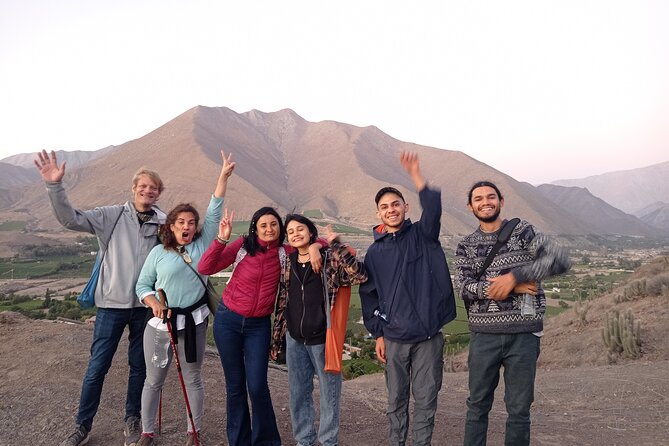
Once the group reaches the activity area, you head toward a viewpoint. The first reward is not the night sky but the sunset over the mountains. The timing changes by month, with listed start windows at 8:00 PM in January, 7:30 PM in February, and 7:00 PM in March. These times suggest that the outing is arranged around the seasonal shift from sunset into darkness, but you should confirm the exact departure time when booking.
I like this opening because it gives your eyes time to adjust naturally. You are not rushed straight into astronomy while the sky is still bright. The changing colors over the mountains provide a strong beginning, and the walk gives the outing a sense of place instead of making it feel like a standard telescope session.
The route does require a moderate level of fitness. Hiking poles are supplied, but they do not remove the need for steady walking on an outdoor trail. Wear proper hiking shoes, not sandals or casual sneakers. The operator says this requirement is firm.
More Stargazing Hikes and Night Walks in Chile:
- Dubai: Sunset Camel Trek, Al Khayma Camp, Stargazing & BBQ
★ 4.8 · 2,588 reviews - Big Island GOAT Experience: Mauna Kea Summit, Sunset & Stars
★ 5.0 · 1,706 reviews - Big Island: Mauna Kea Summit and Stars Small-Group Adventure Tour
★ 5.0 · 1,545 reviews
Meditation, singing bowls, and the night setting
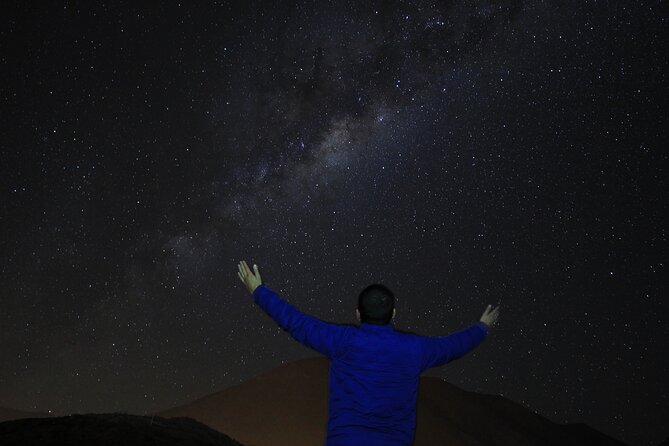
After the sunset portion, the experience turns inward. Meditation and sound therapy with bowls are used to help you focus on the setting before the astronomy lesson begins.
This will appeal most to people who enjoy a calm, reflective activity. It is not simply a technical sky lecture. The sound component gives the evening a slower rhythm and encourages you to pay attention to the darkness, the quiet, and the transition from the last light of day.
That said, sound therapy is personal. Some people will find it meaningful, while others may prefer to move directly to the stars. The good news is that this program makes its approach clear from the start. You can choose it because you want culture, reflection, nature, and astronomy in one outing, not because you expect a fast-paced observatory visit.
A portable chair is included, which is a small but important comfort after the hike. Four and a half hours is a long time to spend standing outdoors. The chair gives you a place to settle during the cultural talk and sky viewing, while the trekking poles help during the walking sections.
Coffee, herbal tea, and snacks are also provided. The information does not specify the type or quantity, so treat them as a light refreshment rather than a full meal. Have dinner before you go if you need something substantial.
Indigenous astronomy in the Elqui Valley
The cultural section explores an Indigenous worldview and the ancestral links between cultures and astronomy. This is one of the most distinctive features of the outing.
Many stargazing programs focus only on identifying objects in the sky. Here, Loreto connects the stars to ways of understanding the world. You learn about Andean constellations and the cultural ideas attached to them, rather than receiving only a list of planets and star names.
I particularly like this approach because the sky becomes part of the local culture, not just a display overhead. The Elqui Valley is often associated with clear night skies, but the value of an evening here is not limited to visibility. The cultural interpretation helps you consider how different communities have read the same heavens and given them meaning.
The precise content of the talk can vary with the group and the flow of the night. The program promises an introduction to the Indigenous worldview and astronomy, but it does not provide a detailed list of constellations or a fixed lecture outline. If you have a specific astronomy topic in mind, you can ask Loreto during the experience.
The private format should make that easier. Only your own group participates, so the evening is not built around a large crowd moving from one station to another. A private outing also gives you more room to ask questions or pause when something catches your attention.
Viewing the Andean constellations through Celestron binoculars
The main stargazing tool is a pair of Celestron 20×80 astronomical binoculars mounted on a tripod. This is a useful setup for an outdoor program because the tripod keeps the image steadier than handheld binoculars, while the 20x magnification brings more detail into view.
You should not expect a full observatory with multiple instruments or a long list of viewing stations. Instead, the experience centers on guided observation through one main pair of astronomical binoculars. That suits a small private group, but the number of participants in your party may affect how much time each person spends looking through the instrument.
The guide directs your gaze toward Andean constellations and explains what you are seeing. This is important because stargazing can be frustrating without help. At first, the night sky may look like a field of similar points. A guide can give you a starting point and help connect the visible stars to the cultural material discussed earlier.
The experience also includes astronomical photography. The details do not say whether you receive individual portraits, sky images, or both, so ask how the photos will be delivered if that matters to you. Still, the inclusion is a nice touch. It gives you a record of the night without requiring you to bring specialized camera equipment.
Your own phone can be useful for ordinary photos, but avoid treating it as a replacement for the astronomical binoculars. Phone cameras often struggle with very dark scenes, while the supplied instrument is designed for sky viewing. The best reason to book this outing is the guided encounter, not the hope of taking professional night-sky photos yourself.
More Walking and Hiking Trips in Chile:
- Edge Of The World Hike(Dinner under stars,village,bats cave,camp)
★ 4.5 · 675 reviews - Dubai: Sunset Camel Trek, Al Khayma Camp, Stargazing & BBQ
★ 5.0 · 605 reviews - Sedona Dark Sky Sunset & Night Hike With a Private Guide
★ 5.0 · 86 reviews - Astro-Photo, Hiking and Stargazing Tour in Arches National Park
★ 5.0 · 63 reviews
What the $100 price includes
At $100 per person, this is not the cheapest way to spend an evening in the Elqui Valley. The value depends on how many parts of the program you would otherwise arrange separately.
The fee includes:
- Private transportation from Vicuña to Villaseca
- A private activity for your group
- Trekking poles
- A portable chair
- Astronomical binoculars
- Astronomical photography
- Coffee or herbal tea
- Snacks
- The guided sunset, cultural, meditation, and stargazing program
That is a solid bundle for someone staying in Vicuña. You are paying for transport on the stated route, equipment, refreshments, photography, and a guide who ties the parts together.
The value is weaker if you only want a quick look at the stars. In that case, a shorter or less structured stargazing stop might suit you better. This program asks you to spend roughly four and a half hours on a complete evening, including hiking, sunset, meditation, cultural discussion, and sky viewing.
I would see the price as reasonable for people who want a private, carefully shaped experience rather than a basic astronomy demonstration. It is especially appealing if the cultural material and sound therapy matter to you. If your main goal is advanced astrophotography or a large telescope session, the description does not promise that kind of setup.
Timing, age limit, and fitness
The experience lasts about four hours and 30 minutes. Because it begins in the evening and ends back at the meeting point, plan the rest of your day around it. The activity is scheduled daily in January and February, while March availability is listed from Monday through Saturday.
It is designed for people aged 14 and older. Children under 14 cannot take part. The age rule is clear, so families with younger children should not book this as a family activity.
You need moderate physical fitness. The information does not give a trail distance, elevation gain, or exact walking time, so you should not assume the route is effortless. Hiking shoes are required, and trekking poles are supplied. If uneven outdoor walking is difficult for you, ask for more detail before paying.
Arrive 15 minutes before departure. The punctuality rule is strict: a delay of more than 10 minutes can result in exclusion, without the activity waiting for you. Build in extra time for reaching the meeting point in Navarino, Peralillo, especially if you are unfamiliar with the area.
Alcohol is not permitted before or during the activity. Anyone attending under the influence can be refused admission. That is sensible for a nighttime hike, but it is also a rule you should take seriously.
Weather and cancellation flexibility
Clear weather is essential for the astronomy portion. If poor conditions force cancellation, you will be offered another date or a full refund.
You can cancel for a full refund if you do so at least 24 hours before the start time. Cancellations made within 24 hours are not refunded, and changes inside that period are not accepted. The cut-off follows local time.
This policy gives you reasonable flexibility if your plans change early, but not at the last minute. Since the activity depends on the sky, check the forecast and keep some space in your schedule if possible. Do not wait until the final hours to decide if you need to cancel.
Who will enjoy this evening most
I would recommend this outing to you if you like several ingredients working together:
- You enjoy nature but want more than a scenic walk.
- You are curious about astronomy and cultural traditions.
- You prefer a private outing to a large group.
- You are comfortable hiking after sunset.
- You appreciate meditation, sound therapy, and a slower pace.
- You are staying in Vicuña and can use the included transfer to Villaseca.
It is less suited to you if you want a technical astronomy lesson with many instruments, a short activity, or a guaranteed clear sky. It also may not fit people who dislike guided meditation or who need a fully accessible route, since the activity requires moderate fitness and hiking shoes.
The perfect audience is a small group of adults or older teenagers who want an evening with several layers. You watch the sunset, walk into darkness, listen to bowls, learn about Indigenous astronomy, look through quality binoculars, and leave with astronomical photography. Each part supports the next.
Should you book Stargazing Hiking Valle de Elqui?
Book it if you want the Elqui Valley night sky presented through both astronomy and culture. Loreto’s role is central, and the program has a personal feel, with private participation, guided observation, meditation, and a strong connection to Andean ideas.
The best reasons to choose it are the private format, the Celestron 20×80 binoculars, the included photography, and the unusual combination of sunset, sound therapy, and Indigenous astronomy. The main reasons to hesitate are the $100 price, the strict arrival rule, the moderate hike, and the fact that the outing depends on good weather.
For a calm, thoughtful evening rather than a quick star count, I would put this high on your list in Vicuña. Just arrive early, wear proper hiking shoes, confirm your transfer details, and make sure the cultural and meditative side appeals to you as much as the stars.
FAQ
Where does the experience start?
It starts at Casa Pumagui at Navarino, Peralillo, Vicuña, Coquimbo, Chile.
Where does the activity end?
The activity ends back at the meeting point.
How long does the experience last?
It lasts approximately four hours and 30 minutes.
Is transportation included?
Private transportation is included from the city of Vicuña to Villaseca, the activity location. Transfers from other places are not included, and an air-conditioned vehicle is not included in the price.
What age group can participate?
The experience is for people aged 14 and older. Children under 14 cannot participate.
What should I wear?
You must wear hiking shoes. Participants should also have a moderate level of physical fitness. Trekking poles are provided.
What happens if the weather is poor?
Because the activity requires good weather, it may be canceled in poor conditions. You will be offered a different date or a full refund.
Just added around Chile
- San Pedro de Atacama: Astronomical Tour★ 3.9 · 3 reviews
- San Pedro de Atacama: Stargazing Tour in the Atacama Desert★ 3.0 · 5 reviews
- San Pedro de Atacama: Stargazing Experience with Transfer★ 3.5 · 8 reviews
- San Pedro de Atacama: Astro Tour with big telescopes★ 5.0 · 6 reviews
- San Pedro de Atacama: Etno-Stargazing Tour with Transfer★ 3.5 · 5 reviews
- SAN PEDRO DE ATACAMA: ASTRONOMICAL TOUR★ 3.6 · 3 reviews
- San Pedro de Atacama: Private Dinner Under the Stars★ 5.0 · 4 reviews
- Pisco Elqui: Mountaintop Stargazing and Night Portrait★ 4.6 · 20 reviews
Stargazing Hikes & Night Walks, compared.

Sunset Camel Trek, Al Khayma Camp, Stargazing & BBQ
Read our review →
Big Island GOAT Experience: Mauna Kea Summit, Sunset & Stars
Read our review →
Mauna Kea Summit and Stars Small-Group Adventure Tour
Read our review →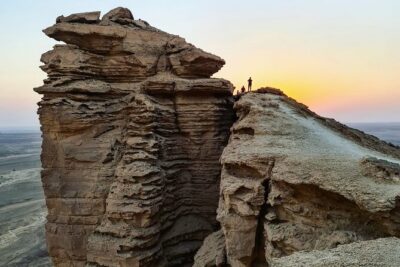
Edge Of The World Hike(Dinner under stars,village,bats cave,camp)
Read our review →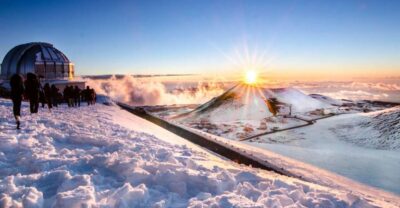
Mauna Kea Summit, Sunset, & Stargazing Experience
Read our review →Sunset Camel Trek, Al Khayma Camp, Stargazing & BBQ
Read our review →
MaunaKea Summit SUNSET and Star Tour with Photo
Read our review →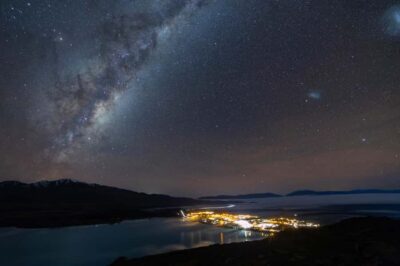
Browse the lists this tour appears in