
REVIEW · OBSERVATORY & TELESCOPE TOURS
London: Royal Observatory Planetarium Show Entry Ticket
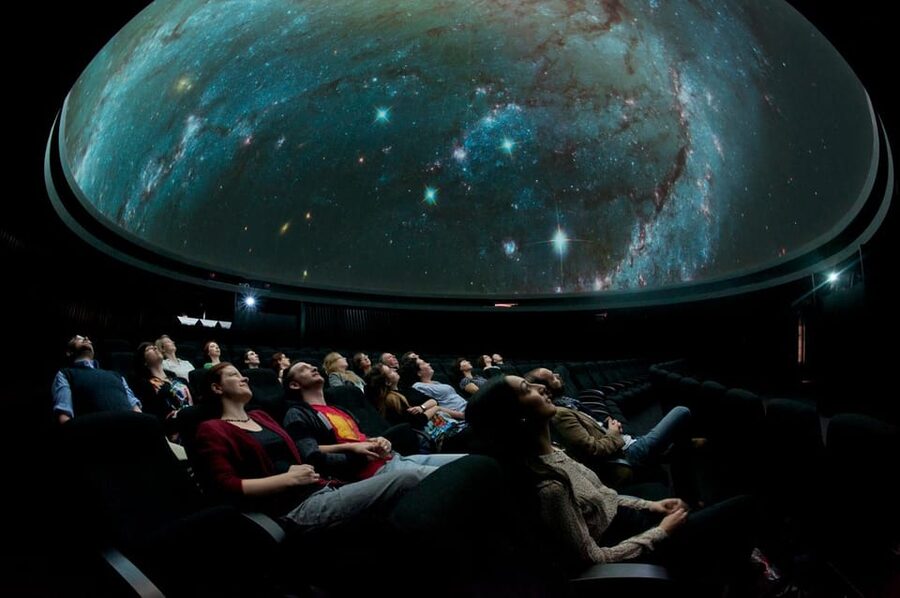
The best part of this Greenwich experience is its live astronomy talk beneath a full-dome screen. You may fly into the Sun, visit far-off galaxies, track Earth’s satellites, or watch a star form and die, all from a 120-seat planetarium guided by a Royal Observatory astronomer. I especially like the mix of real spacecraft and telescope images with advanced computer graphics, plus the chance to learn from a presenter rather than simply watch a film.
I also like the setting. You are inside the UNESCO-listed Maritime Greenwich area, with fine views across London from the high ground around Greenwich. Presenters such as Jess have made a strong impression with clear, lively talks. The main drawback is that the show is assigned according to the day’s program, so you may not get to choose a particular title when booking.
Key points
- Live astronomy, not just a recorded film: A Royal Observatory astronomer presents the show and explains what you are seeing.
- Four possible themes: Sky Tonight, We Are Guardians, Audio Universe, and Starstruck each take a different route through space.
- Only 30 minutes long: It fits neatly into a Greenwich day without taking over your schedule.
- A modest ticket price: At $16.16 per person, it offers a focused experience, though Royal Observatory entry costs extra.
- Useful access details: The planetarium has lift access, an induction loop, and four wheelchair spaces per show.
- Plan for a firm start time: Late entry and re-entry are not allowed once the screening begins.
Inside London’s only working planetarium
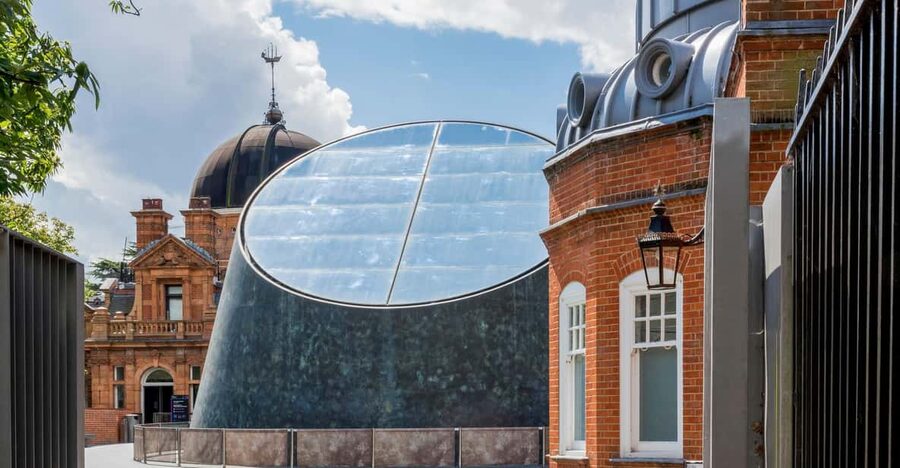
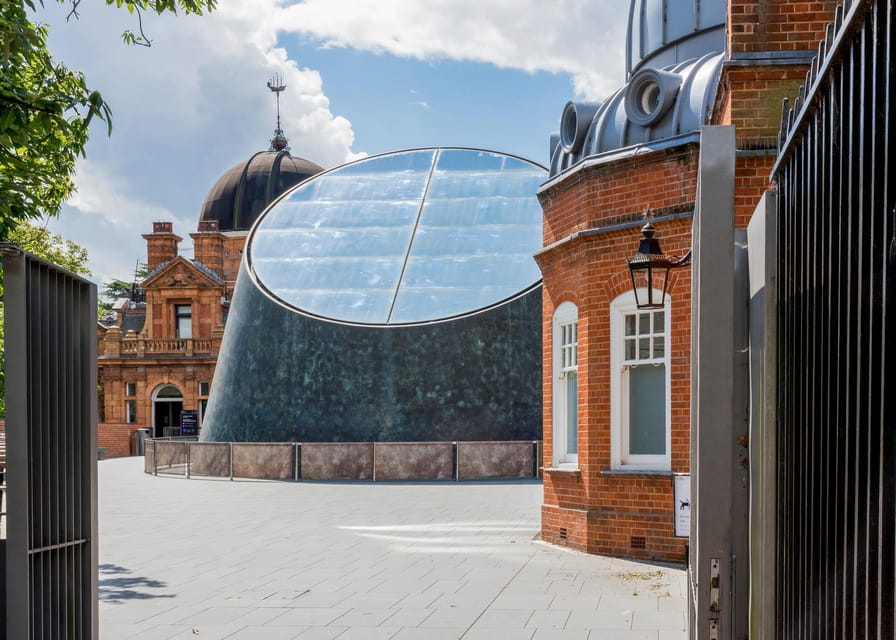
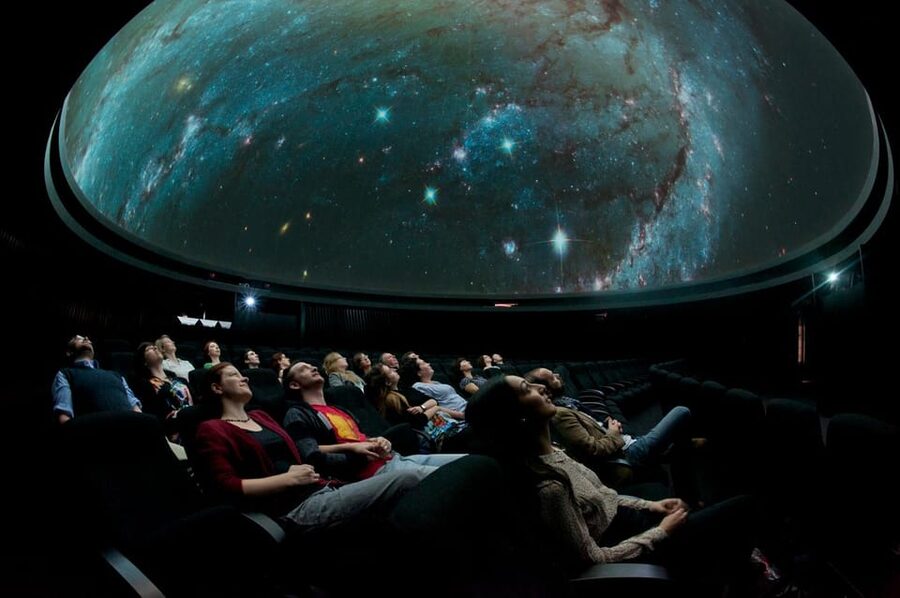
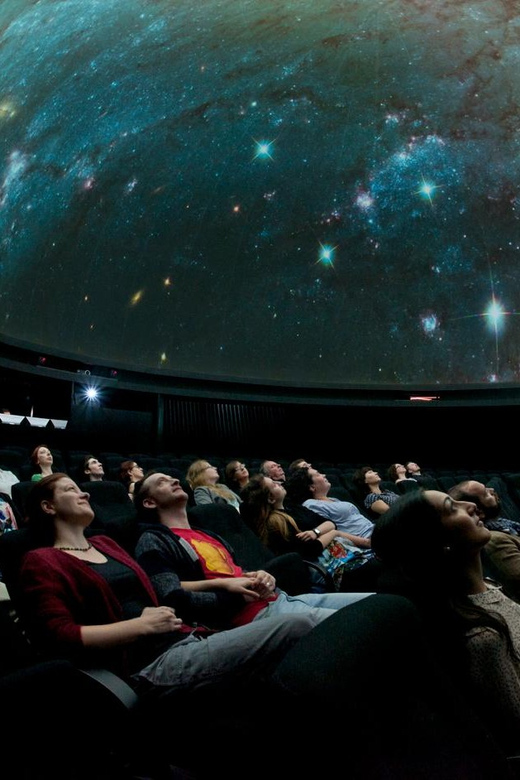
The Peter Harrison Planetarium gives this experience its special edge. You are not looking at a few mounted displays or a simple star chart. You sit beneath a domed screen while the room becomes the night sky, the Solar System, or a view from far beyond Earth.
The show lasts 30 minutes. That is short enough for children and adults who do not want a long lecture, but long enough to cover a real idea. A presenter from the Royal Observatory guides the session, adding a human voice to the images overhead.
I like this format because astronomy can become hard to follow when it is presented as a list of dates, distances, and scientific terms. The planetarium gives you a sense of movement and scale. You can see the relationship between Earth, the Sun, satellites, stars, and galaxies rather than trying to picture everything from a paragraph of text.
The room holds 120 people, so this is a proper public presentation rather than a tiny private lesson. That also means the experience is built for a broad audience. You do not need to arrive with a background in astronomy to follow along.
Children under seven are not allowed, so families should check ages before booking. The content suits older children, teenagers, adults, and anyone who enjoys science presented in a visual way.
More Observatory and Telescope Tours in the world:
- Teide by Night: Sunset & Stargazing with Telescopes Experience
★ 4.5 · 1,492 reviews - Miami: Frost Museum of Science and Planetarium Entry Ticket
★ 4.5 · 429 reviews - Uluru: National Park Astronomy Tour with Telescope and Photo
★ 4.4 · 357 reviews
Four possible routes through space
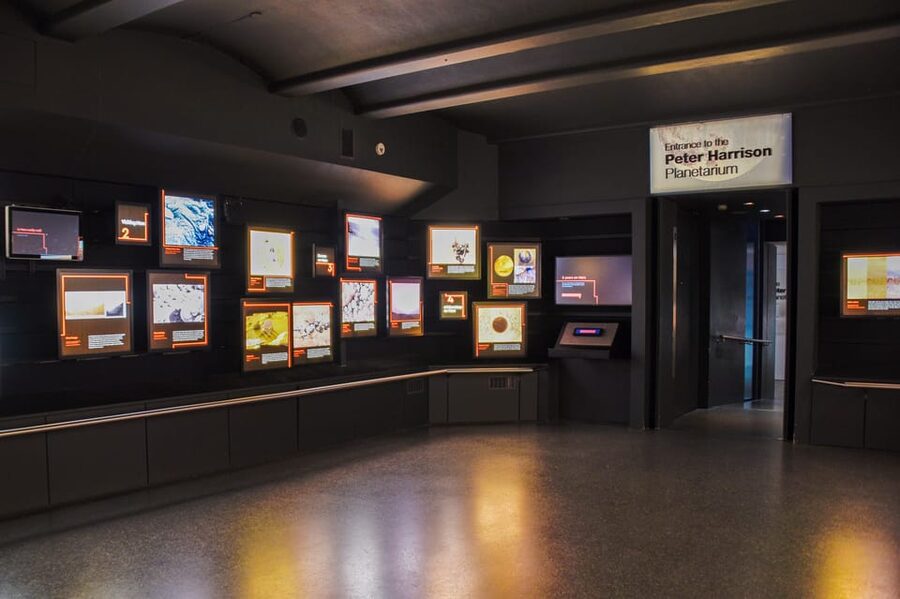
The program changes according to the day. You are automatically assigned a live show from that day’s schedule, so the ticket does not promise one particular title. These are the main types of show you may encounter.
Sky Tonight
Sky Tonight connects the planetarium to the date of your visit. Instead of showing a generic night sky, it looks at what you can expect to see around that time, including constellations and the movement of objects above Earth.
This is the most practical choice for anyone who wants to look up at the real sky with more confidence. The session can help you understand star patterns and the changing night sky, rather than treating astronomy as something that exists only on a screen.
A live explanation matters here. Constellations can look like random points until someone shows you how to recognize them. The presentation gives you a framework to use later, perhaps during an evening outdoors.
We Are Guardians
We Are Guardians focuses on the fleet of satellites circling Earth and the work they do. The title refers to their role in watching over the planet, making this a useful choice if you are curious about the technology operating above us every day.
Satellites can feel invisible because you rarely notice them as part of ordinary life. A planetarium presentation gives them a clear place in the larger picture. It can show how human activity extends beyond the surface of Earth and how orbiting equipment helps monitor our planet.
This subject may appeal to older children and adults who prefer modern space science to traditional star lore. It is also a good reminder that space exploration is not limited to distant planets and dramatic rocket launches.
More Shows in the world:
- Hurghada: Sea & Desert Horse Tour, Stargazing, Dinner & Show
★ 4.5 · 1,592 reviews - Makadi Bay: ATV, Sea View, Camel, Stargazing, Dinner & Show
★ 4.3 · 1,368 reviews - Hurghada: Quad Bike, Camel, Show, Dinner, & Stargazing Trip
★ 4.4 · 835 reviews - Hurghada: Sea & Desert Camel Ride w/Dinner, Show, Stargazing
★ 4.3 · 634 reviews
Audio Universe
Audio Universe takes you through the Solar System using sound as part of the presentation. Space itself is often described as silent, so turning objects and data into sound offers a different way to think about planets and other bodies.
This is one of the more unusual options. You are not simply looking at a picture of the Solar System. You are asked to connect what you see with what you hear, which can make familiar objects feel less familiar in a useful way.
The show is a good fit if you enjoy presentations that combine science with creative design. It also gives the planetarium a broader purpose: not just showing space accurately, but helping you experience its patterns in more than one way.
Starstruck
Starstruck follows the life cycle of a star. You may see how stars are born, how they change, and how their lives end, all on a scale that is difficult to imagine from Earth.
I find this type of subject especially effective in a dome. A star is not just a bright point overhead. It is an object with a beginning, a long period of change, and a final stage. The large screen helps turn that idea into something you can follow.
The show can work well for families with children interested in planets and star formation. It also gives adults a clear introduction to one of astronomy’s biggest subjects without requiring a long technical lecture.
What the astronomer adds
The live presenter is more than a voice introducing a film. An astronomer can point out details, explain an idea in plain language, and give the show a sense of occasion.
The quality of the presentation matters. A strong presenter can make a complicated subject feel open and friendly. Jess, one presenter associated with the experience, has been singled out for an exceptional session that kept the material in mind long after the visit. That gives you a useful clue about the format: the speaker is an important part of the attraction, not a minor extra.
You should expect the tone to balance facts with visual drama. The show may be funny in places, magical in others, and serious when it deals with the scale of the universe. That mix helps prevent the session from feeling like a school lesson.
The experience also works for people who prefer learning at a gentle pace. The reviews include strong praise for clear explanations, star constellations, and facts that were new even to adults. You can enjoy the images without trying to remember every detail, then take away a few ideas that make the real sky easier to understand.
Why the images matter
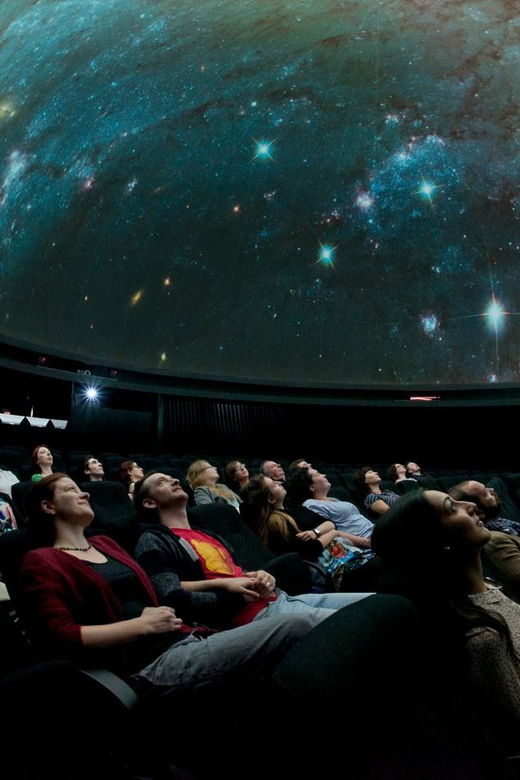
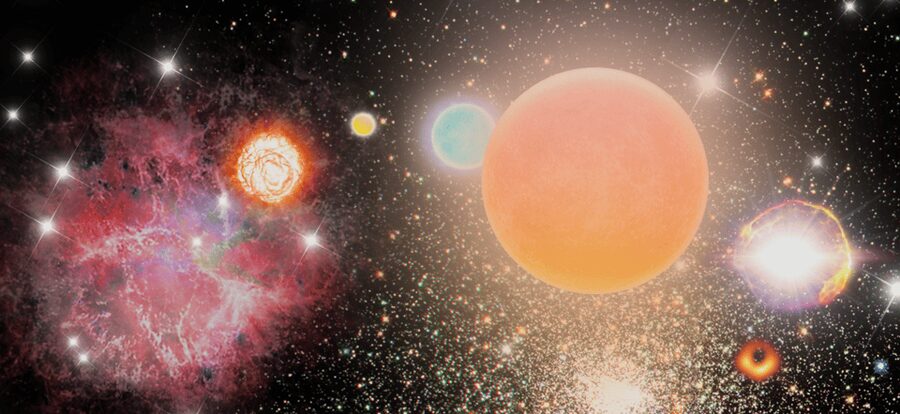
A planetarium can show you things no ordinary telescope view can provide. It can carry you toward the Sun, move through galaxies, or pull back from Earth to show the larger setting.
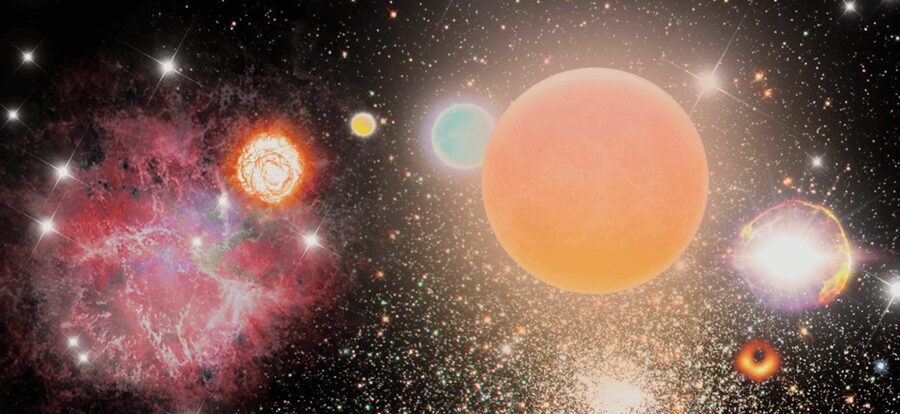
This presentation combines images captured by spacecraft and telescopes with advanced computer-generated imagery. That combination gives the show both scientific grounding and visual freedom. A telescope image can show what an object really looks like, while computer graphics can help explain movement, distance, or a journey that no camera has literally made.
The effect is most useful when the pictures support the explanation. A bright image alone is easy to forget. When the presenter connects it to the life of a star, the movement of satellites, or the position of a constellation, you gain a clearer sense of what you are seeing.
Do not expect a full observatory visit in miniature. The planetarium focuses on one short presentation. It gives you a concentrated look at space, not a long afternoon of exhibits and historical instruments.
The Greenwich setting and London views
The planetarium sits in the heart of Maritime Greenwich, a UNESCO World Heritage Site. That location gives you an excellent reason to pair the show with other Greenwich sights and with time outdoors.
The observatory area is on high ground, and you can take in broad views of London from one of the city’s major green spaces. The views are a bonus to the planetarium rather than part of the 30-minute screening itself. Give yourself time before or after the show if you want to enjoy the setting properly.
The ticket does not include entry to the Royal Observatory. That distinction matters. If you want to see the observatory’s other displays or make a full visit to the site, you need to budget for a separate admission.
I would plan the planetarium as one part of a Greenwich outing. The show gives you a clear, weather-proof activity, while the surrounding area gives you room to walk, look over London, and continue the day at your own pace.
Is $16.16 good value?
At $16.16 per person, the ticket is fairly priced for a live 30-minute presentation in a specialist planetarium. You are paying for the dome, the audiovisual production, the astronomer, and entry to the planetarium special exhibitions.
The value is strongest if you enjoy science or want a memorable activity that does not require half a day. A short show can also be useful when you are fitting Greenwich into a packed London schedule.
The ticket is less of a bargain if you expect a full Royal Observatory admission. That is not included. Food and drink are not included either, though this is not a serious drawback for such a short visit.
Think of it as a focused add-on, not an all-day museum pass. Pair it with other Greenwich sights and the cost makes more sense. If you only want a quick, structured introduction to astronomy, the ticket works well on its own.
Timing, seating, and access
Shows run throughout the day from Monday through Sunday. The exact start time depends on the day’s program, and the booking assigns you a show rather than allowing a guaranteed choice from every available title.
Arrive with enough time to find the planetarium and settle in. Latecomers cannot enter once the screening has started, and re-entry is not allowed. This is standard for a darkened dome, but it makes punctuality important.
The planetarium is accessible by lift. Mobility scooters may be too large, so anyone using one should check before booking. Four wheelchair spaces are available for each show, and you need to select the wheelchair booking option when reserving.
An induction loop is fitted for hearing aids. These details make the experience workable for many people with mobility or hearing needs, but the booking options matter. Choose the correct arrangement in advance rather than relying on adjustments at the door.
The experience is not suitable for children under seven. Older children who like planets, star formations, and the Solar System should find plenty to hold their attention, especially in a show with a lively presenter.
Who will enjoy this most?
I would recommend this to first-time astronomy visitors, families with school-age children, couples looking for a short London activity, and adults who want a visually strong introduction to space.
It suits you especially well if you like a guide who explains rather than simply displays. The presenter-led format gives the show warmth and direction, and the themes cover more than one narrow subject.
You may want to skip it if you dislike dark enclosed rooms, prefer to choose every detail of an activity, or already have your heart set on a specific show title. Since the day’s program determines your assignment, you cannot count on receiving Sky Tonight, We Are Guardians, Audio Universe, or Starstruck by name.
The show also has enough educational content to suit an 11-year-old, while remaining enjoyable for adults. I would not treat it as only a children’s attraction. The best sessions explain ideas clearly without talking down to the audience.
My booking advice
Book this planetarium experience if you want a compact, polished introduction to astronomy with a real presenter and strong visual effects. It is particularly useful as part of a Greenwich day, when you can add the London views and other nearby sights.
Before paying, confirm the assigned show arrangement, remember that Royal Observatory entry is separate, and allow time to arrive before the start. If those conditions suit your plans, $16.16 buys a memorable half-hour and a good reason to look at the night sky with fresh eyes.
FAQ
How long does the planetarium experience last?
The live planetarium show lasts 30 minutes.
Which planetarium show will I see?
Live shows run throughout the day, and you are automatically assigned a show according to that day’s programming. Possible themes include Sky Tonight, We Are Guardians, Audio Universe, and Starstruck.
Is Royal Observatory entry included?
No. The ticket includes entry to the Peter Harrison Planetarium and planetarium special exhibitions, but Royal Observatory entry is separate.
Is the planetarium wheelchair accessible?
Yes. The planetarium is accessible by lift, and four wheelchair spaces are available for each show. You need to select the relevant wheelchair booking option. Mobility scooters may be too large for the lift.
Can I arrive late or leave and return during the show?
No. Late entry and re-entry are not permitted once the screening has begun.
Can children attend the show?
Children under seven are not permitted. Older children can attend, and the presentation may suit children interested in planets, star formation, and the Solar System.
Just added around the world
- Blue Mountains: Stargazing with a Telescope and Astronomer★ 4.4 · 21 reviews
- ( canyon hurghada & stargazing )★ 4.9 · 16 reviews
- Zermatt: Outdoor fondue “group experience under the stars”★ 4.7 · 3 reviews
- Doha: Night Desert Safari With Stargazing and Inland Sea★ 5.0 · 9 reviews
- Villajoyosa: Moonlight kayaking and dinner under the stars★ 5.0 · 5 reviews
- Ubud: Romantic Floating Dinner Under the Stars★ 5.0 · 2 reviews
- Vincentia: Jervis Bay Beach Stargazing with an Expert★ 4.9 · 19 reviews
- Vialattea: Night Snowshoeing under the Stars★ 4.5 · 5 reviews
Observatory & Telescope Tours, compared.

Teide by Night: Sunset & Stargazing with Telescopes Experience
Read our review →
Miami: Frost Museum of Science and Planetarium Entry Ticket
Read our review →
National Park Astronomy Tour with Telescope and Photo
Read our review →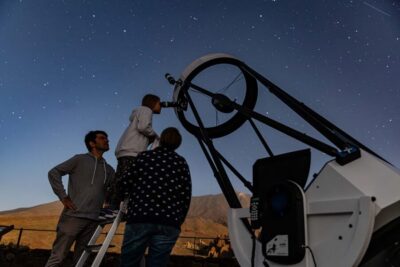
Teide National Park: Guided Large Telescope Stargazing Tour
Read our review →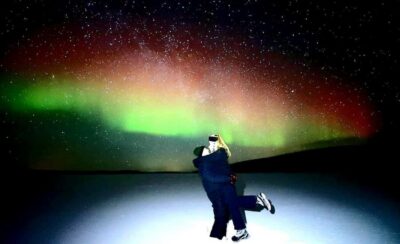
Levi: Northern Lights Tour and Stargazing by Telescope
Read our review →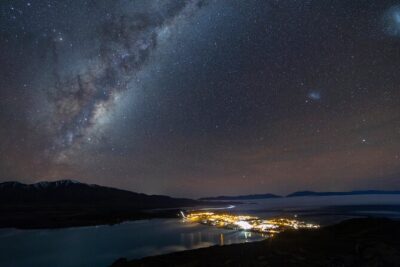
Mount John Observatory Stargazing Experience, Tekapo
Read our review →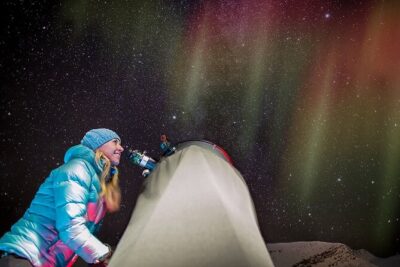
Houston Museum of Natural Sciences: Planetarium Ticket
Read our review →Browse the lists this tour appears in