
REVIEW · LA PALMA
La Palma: Premium Stargazing Tour for 10
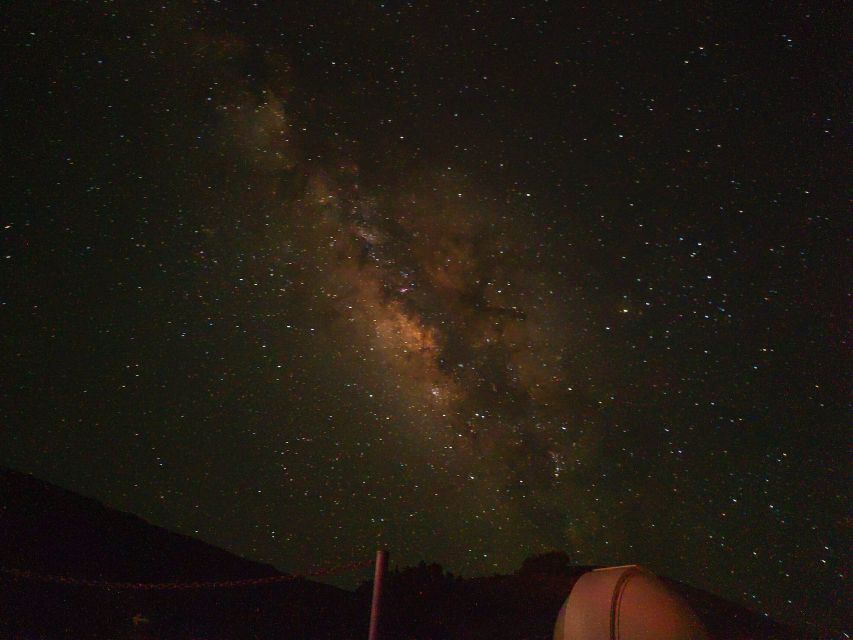
La Palma’s best stargazing happens high above the island, at Roque de Los Muchachos, where the tour meets at 1,300 meters beside the visitor center parking lot. You use a telescope, look for planets, nebulas, star groups, and the moon, and hear how people have made sense of the stars over thousands of years.
I like two things right away: the high summit location gives you a better chance of clear skies above the sea of clouds, and the guides explain difficult ideas in plain language. Angelo is especially good at connecting astronomy with La Palma’s role in night-sky observation, while Antonio’s telescope demonstrations build one view on the next. The main drawback is the cold, and the $88 price feels high if clouds block the sky or a larger-than-advertised group slows the telescope time.
What makes this stargazing tour worth considering
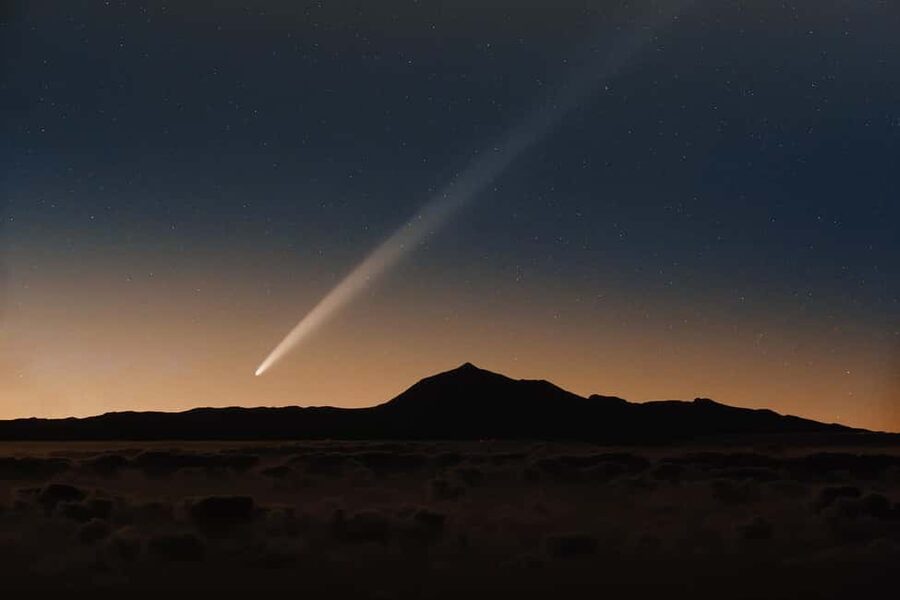
- Roque de Los Muchachos at 1,300 meters: You meet at the Museo Roque de los Muchachos visitor center parking lot, not at a hotel or lowland viewpoint.
- A real telescope session: The guide supplies telescopes and gives you time to practice before the main viewing begins.
- Planets, nebulas, star groups, and the moon: The objects change with the night, but the tour is designed around more than simply looking at stars.
- Simple explanations: The guide uses everyday language to explain complex astronomy and the stories people have attached to the sky.
- A small group capped at 10: That is the stated limit, though one January session had 12 people, which made telescope turns slower.
- A very cold setting: Temperatures can fall below 5°C after sunset, so warm layers are not optional.
Why Roque de Los Muchachos is the right place
The meeting point is fixed at Roque de Los Muchachos, next to the Visitor Center Parking Lot at Museo Roque de los Muchachos. Search for that exact museum name in your map app, since the tour does not collect you from your hotel or another town.
The altitude matters. Low cloud often gathers around La Palma’s slopes, while the summit can sit above it. You also get cleaner air and less atmospheric interference than at lower elevations. Those conditions can make stars look sharper and help a telescope show more detail.
That does not mean clear skies are guaranteed. A cloudy evening can limit what you see, as happened during one January session. Still, the summit gives this tour a stronger starting point than a casual roadside lookout. The operator specifically keeps the activity in the high summit zone because lower parts of the island do not offer the same conditions.
You need your own vehicle for the entire activity. There is no hotel pickup, drop-off, or supplied transport. That is a major planning point: you must be comfortable driving up to the meeting place, and you should allow enough time to arrive without rushing.
More Stargazing Tours in Spain:
- Tenerife: Teide National Park Sunset & Stargazing Tour
★ 4.2 · 3,812 reviews - Tenerife: Sunset and Stargazing at Teide National Park
★ 4.7 · 2,826 reviews - Teide National Park Sunset & Stargazing with Dinner (Star Safari)
★ 5.0 · 2,601 reviews
Make a full evening of the summit
I would not treat this as a quick nighttime appointment. The advice to drive up early is sensible. Roque de Los Muchachos offers a dramatic sunset setting, and arriving before dark gives you time to enjoy the summit and find the visitor center parking lot in daylight.
A short walk or drive in the area can also help you adjust to the altitude. The activity takes place high enough that you may notice the change, particularly if you have come directly from the coast. The supplied guidance recommends acclimatizing with a brief walk or drive rather than arriving at the last minute.
Bring a picnic, water, and something hot to drink if practical. Food is not included, and the 90-minute session takes place after sunset, when the temperature drops quickly. You may be standing outside for most of the experience, so a jacket alone may not be enough.
Pack more clothing than you think you need:
- A warm jacket
- Several insulating layers
- Warm trousers
- A hat
- Gloves
- Shoes suitable for standing outdoors
One January session fell below 5°C, and the cold became more difficult after sunset. Even people wearing coats and hats found that extra layers would have helped. La Palma may be mild at sea level, but the summit is a different climate at night.
The first few minutes: finding your guide
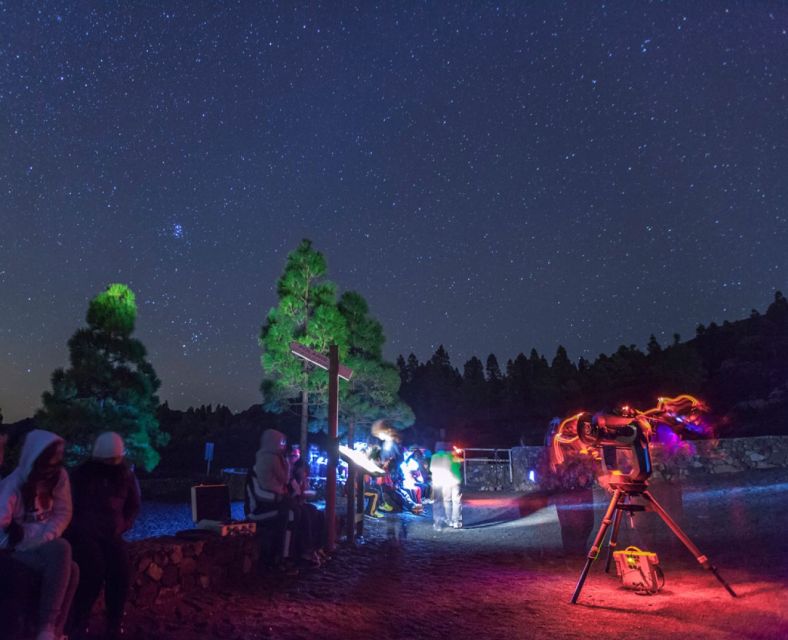
The tour begins at the visitor center parking lot. One practical weakness is that more than one group may gather in the same area. It can take a little time to identify the correct guide, so look for the person leading the astronomy activity and confirm that you are with the Roque de Los Muchachos stargazing group.
Angelo led one session and made a strong impression with his clear explanations and command of both astronomy and La Palma’s importance for observing the night sky. Antonio led another and was praised for building the telescope views in a logical order. The named guides may vary, but the activity is generally offered in English and Spanish.
The stated group limit is 10 participants. That size should work well for an outdoor astronomy session because everyone needs a fair turn at the telescope. You should still confirm the group size at booking or on arrival. A group of 12 was reported during one January tour, and the extra people meant longer waits between telescope views.
Learning to use the telescope
Your guide provides the telescope and starts with a short introduction. You get a chance to set it up and practice before the guided viewing begins. That small lesson matters because looking through a telescope is not always as simple as walking up and putting your eye to the lens.
The guide then directs the session toward selected parts of the sky. You may look at the moon, planets, nebulas, and star groups, depending on the date and conditions. The exact sequence is not fixed in the information provided, and clouds can change the plan.
The strongest part of the experience is the progression. Antonio’s approach, for example, used different telescope views that built on one another. Instead of showing one object in isolation, the guide can help you compare what you are seeing and understand why different objects look different.
Expect a shared telescope experience rather than a private instrument for each person. That means you may wait while others take their turn. In a group of 10, the wait should be manageable, but a group of 12 can make the process noticeably slower.
Same dark skies, a different way to see them:
- Teide National Park: Sunset & Stargazing Safari with Dinner
★ 4.6 · 2,115 reviews - Teide by Night: Sunset & Stargazing with Telescopes Experience
★ 4.5 · 1,492 reviews - Teide: Guided Sunset & Stargazing Tour by Night with Dinner
★ 4.7 · 1,339 reviews - Sunset & Stargazing Experience From Teide
★ 4.5 · 1,129 reviews
Astronomy explained without heavy jargon
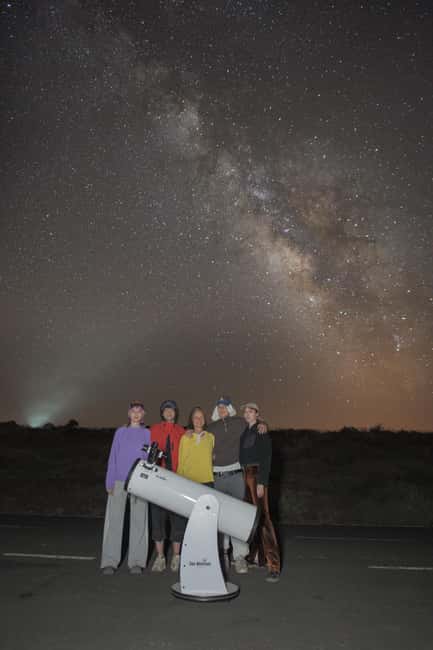
This tour is aimed at curious people, not only at serious amateur astronomers. The guides explain stars and planets in accessible terms, using familiar ideas instead of filling the evening with technical language.
You learn about star groups and the objects visible only at night, but the session also looks at the human side of the sky. The guide explains how people have interpreted and used stars over tens of thousands of years. That adds a useful cultural layer to the telescope work. You are not only identifying a bright point of light; you are hearing why different societies paid attention to it.
Angelo’s style was especially strong in this area. He linked astronomy to La Palma’s special place in the field and made complex subjects easier to follow. That kind of guide matters more here than a long list of objects. A telescope can show you something impressive, but a good explanation helps you understand what you are seeing.
The session is not described as an advanced astronomy class. If you already know the night sky well, you may want more technical depth. For most people, though, the straightforward approach makes the experience more welcoming, especially for families and first-time telescope users.
What you may see through the telescope
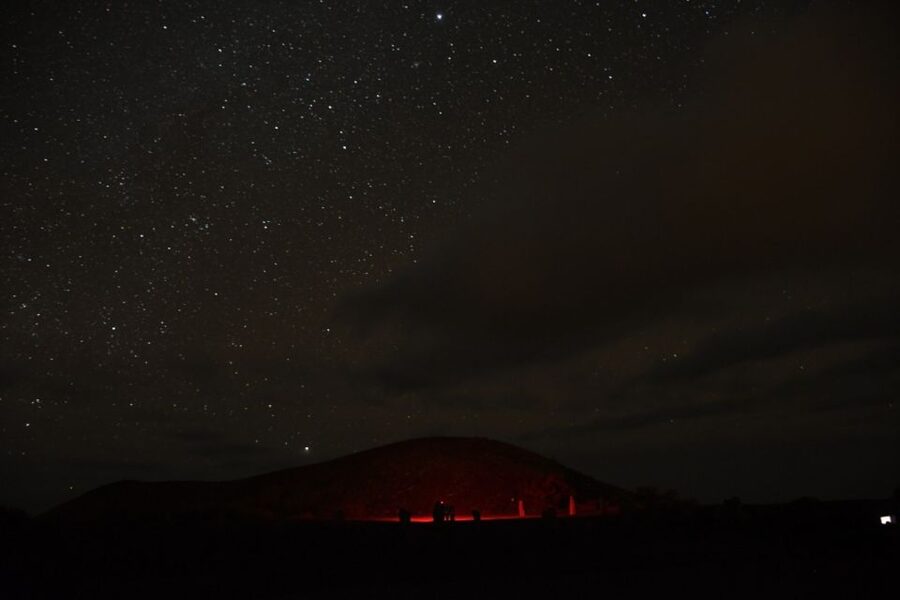
The planned viewing includes planets, nebulas, star groups, and the moon. What appears on a given evening depends on the time of year, the phase of the moon, and cloud cover, so you should not book expecting one guaranteed object.
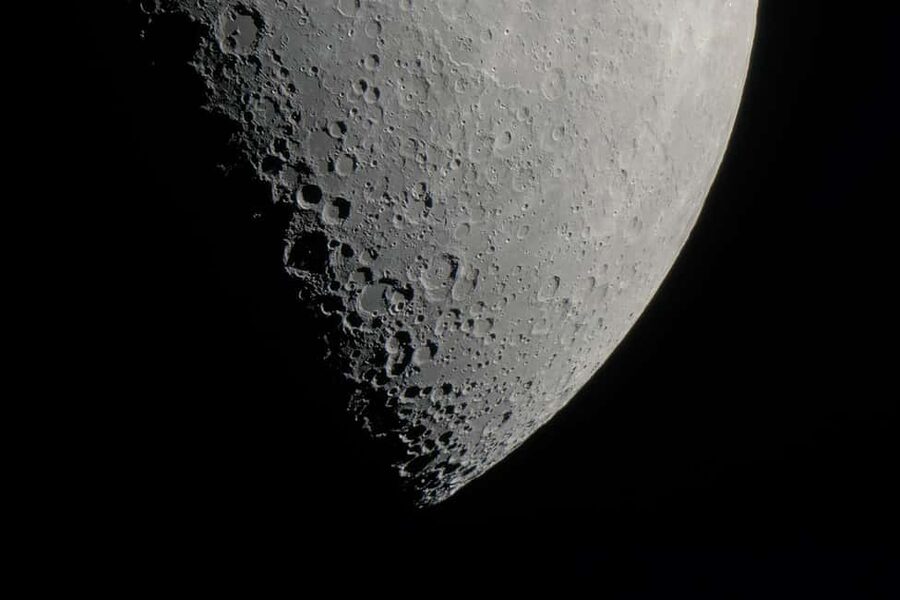
The moon can be a striking telescope subject when visible, with details that are difficult to pick out with the naked eye. Planets offer another kind of reward, since the telescope can turn a bright point into a recognizable world. Nebulas and star groups show you different structures in the night sky and give the guide a chance to explain how objects are grouped and understood.
The views are not the only point. La Palma’s dark, high setting lets you look up between telescope turns and see a much broader field of stars. The fresh air and quiet summit setting add to the feeling of being away from ordinary nighttime distractions.
Cloud is the great variable. A cloudy evening may reduce or cancel the visual payoff, even at the summit. The location improves your odds, but it cannot control the weather. If you are booking during a period with unsettled conditions, keep the free cancellation deadline in mind and check the forecast before committing.
Is $88 a fair price?
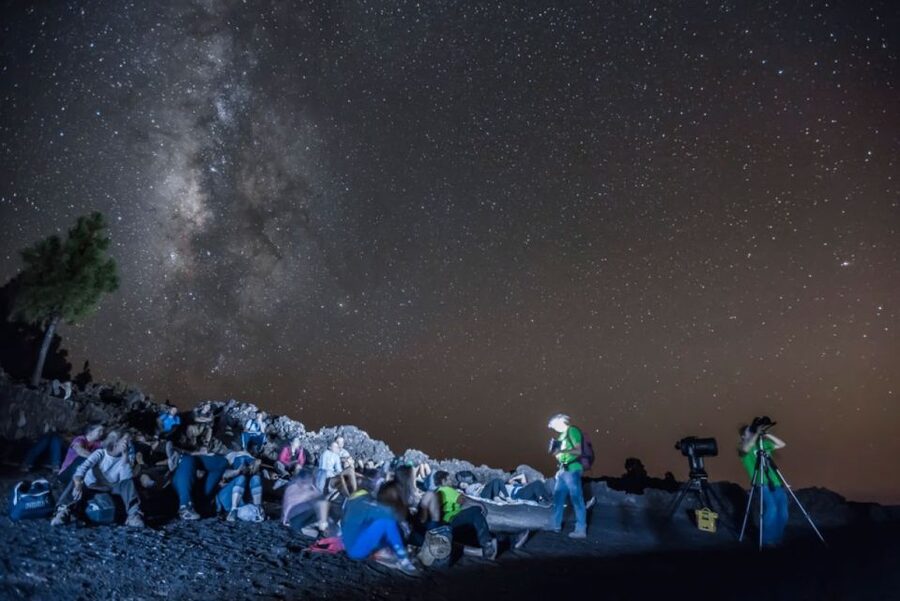
At $88 per person, this is not a casual budget activity. The price includes the guided tour and telescope use, but not transport, food, drinks, or admission to the visitor center. One person also felt that an entry ticket to the center would have made the cost easier to justify.
The value depends on what you want from the night. You are paying for the summit location, the guide’s explanations, the equipment, and the chance to see objects through a proper telescope. You are also paying for access to a place that is better suited to astronomy than the lower parts of the island.
I think the price makes more sense for someone who actively wants a guided telescope experience and is prepared to spend the whole evening at the summit. It feels less convincing if you mainly want a quick look at the stars, particularly if the group is larger than expected or cloud blocks the sky.
The 4.3 rating from 51 reviews suggests a generally strong experience with some real qualifications. The most praised feature is the guide’s ability to explain astronomy clearly, followed by the quality of the telescope views. The most repeated concerns are the cold, group size, weather, and price.
Who will enjoy this most?
I would recommend it to you if you enjoy learning while you look. First-time stargazers, families with older children, couples interested in astronomy, and anyone curious about La Palma’s night skies should get the most from the format.
You will also like it if you are willing to plan around the location. Driving to the summit, arriving early for sunset, bringing a picnic, and carrying serious warm clothing are part of the experience. This is not a hotel pickup excursion where you can arrive empty-handed.
The tour may be less suitable if you dislike cold outdoor activities, need guaranteed viewing conditions, or want a private telescope session. It may also disappoint you if you expect a large observatory visit or an indoor presentation. The supplied information describes a guided outdoor activity with telescopes, not a full museum program.
English and Spanish are normally available. If you need a language other than those, this is not the right choice based on the stated arrangements.
Booking, cancellation, and practical details
The activity lasts 1.5 hours, with starting times depending on availability. You can cancel up to 24 hours before the activity for a full refund, and the reserve-now, pay-later option lets you hold a place without paying at once.
You must arrange your own transport. Put Museo Roque de los Muchachos Visitor Center into your map app, and use the supplied meeting-point link if needed. Since more than one group may gather near the parking lot, arrive with enough time to locate the correct guide.
Keep the evening flexible around weather. The summit location gives you the best stated conditions, but it does not remove the risk of cloud. If the sky is poor, the educational part of the tour may still have value, but the telescope experience will be limited.
Should you book the Roque de Los Muchachos stargazing tour?
Book it if you want a serious look at La Palma’s night sky, appreciate a guide who can make astronomy easy to follow, and are willing to drive high into the mountains with warm clothing and food. The summit setting, telescope views, and clear teaching give the experience real substance.
Think twice if $88 feels high for a weather-dependent activity, if you are visiting in a cold month, or if you want guaranteed one-on-one telescope time. Check the forecast, confirm the group size, and plan to arrive before sunset. With those expectations in place, this is one of the better ways to make La Palma’s dark skies part of your trip.
FAQ
Where does the stargazing tour meet?
The meeting point is at Roque de Los Muchachos, next to the Visitor Center Parking Lot at Museo Roque de los Muchachos.
Is transport provided?
No. You must use your own vehicle throughout the activity. Hotel pickup and drop-off are not included.
How high is the meeting point?
The tour takes place at an altitude of about 1,300 meters.
How long does the activity last?
The guided stargazing session lasts 1.5 hours.
What languages are available?
The tour is usually conducted in English and Spanish.
Is the group private?
No. It is a small-group activity with a stated limit of 10 participants.
Can the group be larger than 10 people?
The stated limit is 10, but one January session had 12 participants. A larger group can mean longer waits for telescope turns.
What should I bring?
Bring very warm clothing, a jacket, food, and drinks. Temperatures can drop sharply after sunset.
What can I see through the telescope?
The activity may include planets, nebulas, star groups, and the moon. The exact objects depend on the date and sky conditions.
Can I cancel the booking?
Yes. You can cancel up to 24 hours in advance for a full refund. You can also reserve now and pay later.
Just added around Spain
- Villajoyosa: Moonlight kayaking and dinner under the stars★ 5.0 · 5 reviews
- Tenerife Exclusive & Private Gastronomic, Sunset-Stargazing★ 5.0 · 3 reviews
- Small Group Teide Stargazing Tour with Picnic at Sunset★ 5.0 · 3 reviews
- TEIDE NIGHT Astronomy Stargazing Bus Tour, Meal & Drinks included!★ 4.0 · 15 reviews
- “Stargate” Tenerife stargazing★ 5.0 · 13 reviews
- Stargazing Tour in Tenerife★ 3.0 · 2 reviews
- Polestar SELF-DRIVE Sunset Stars Tour in Teide National Park★ 5.0 · 19 reviews
- Private stargazing trip in Teide★ 5.0 · 3 reviews
La Palma Stargazing Tours, compared.
Roque de los Muchachos Stargazing Tour with Wine
Read our review →
Stargazing Private Tour at Roque De Los Muchachos in La Palma
Read our review →
Browse the lists this tour appears in