
REVIEW · MOUNT TEIDE
Astronomic Small-Group Tour on Tenerife Teide Observatory
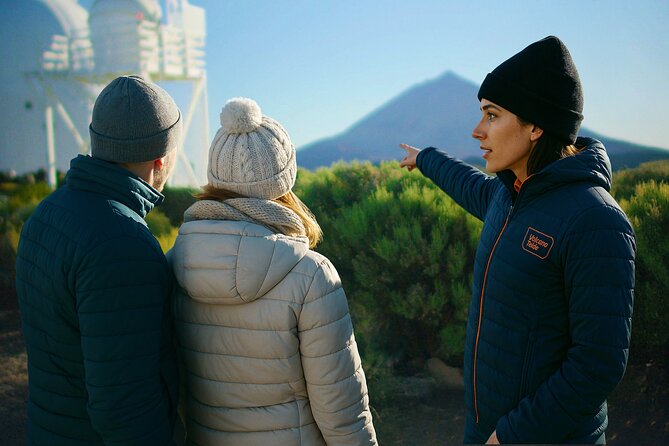
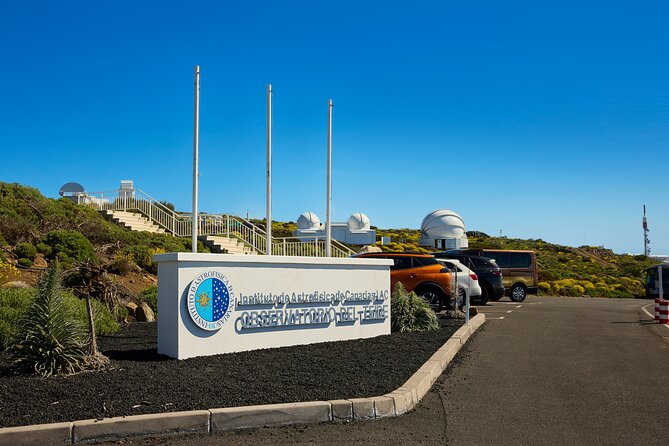
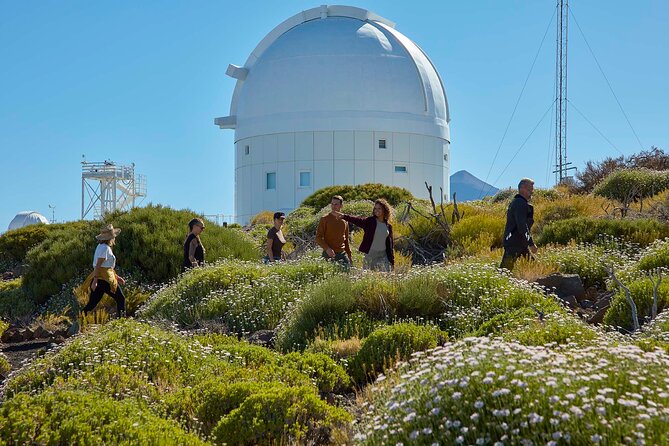
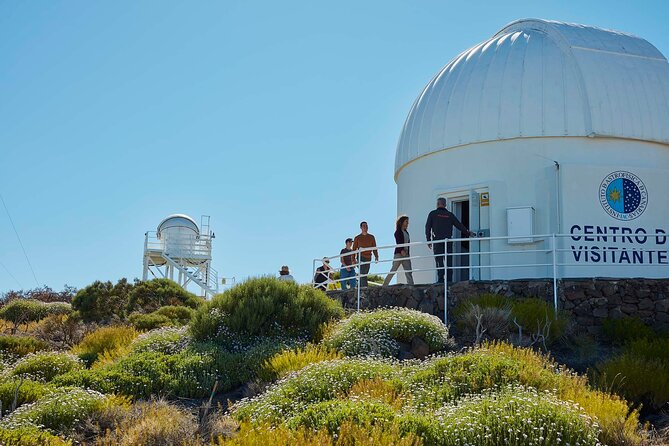
The most special part of this Tenerife tour is the chance to enter Teide Observatory, not just look at Mount Teide from the road. You spend about 90 minutes with a guide, learn how the observatory works, and look through a telescope at the sun and moon. I like the expert-led explanations and the chance to see working astronomical equipment up close.
I also like the shared pickup and drop-off, which saves you from arranging an evening drive in the mountains. The main drawback comes later: the stargazing group can be larger than the observatory group, so your time at each telescope may feel short. Guide style also varies, with Edoardo earning especially warm praise for his clear and patient delivery.
Key points to know before booking

- Teide Observatory is the main attraction: You receive a guided visit lasting about 90 minutes, with astronomy explained in practical terms.
- The telescope experience includes the sun and moon: A guide helps you view them at close range during the observatory visit.
- Stargazing takes place at the cable car base station: The second part lasts about one hour and uses long-range telescopes.
- Transport is shared: Pickup and return are offered from designated meeting points, with the activity ending where it began.
- The group can reach 25 people: The observatory portion may feel small, but the later stargazing session can be busier.
- Weather controls the schedule: Poor conditions can lead to a new date or a full refund.
Why Teide Observatory is worth your evening
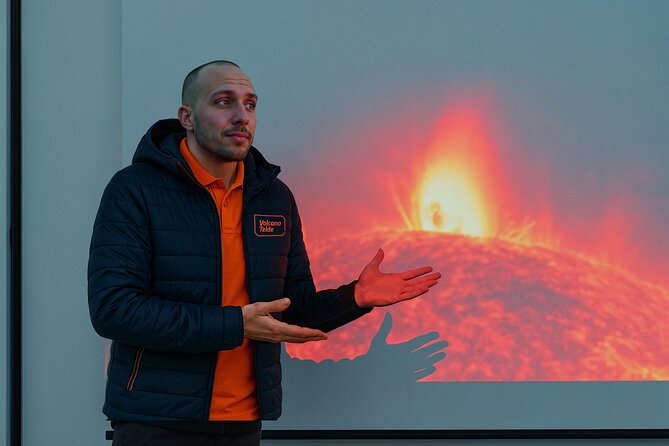
This is not simply a drive up Mount Teide to point at a few stars. The tour gives you access to a working observatory and pairs that visit with a later outdoor astronomy session. That combination makes the experience more useful than a basic sunset stop or a short night-sky talk.
The observatory visit lasts around 90 minutes. Your guide explains the site and its scientific work, then introduces you to the telescopes and equipment. The supplied details do not name every instrument or promise a particular object in the sky, so you should not book this expecting a fixed list of planets or galaxies. Instead, think of it as a guided introduction to astronomy in one of Europe’s best-known observing locations.
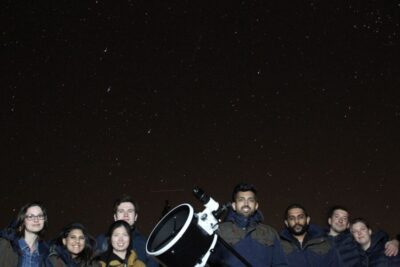
The first part can feel especially personal if the group is small. One account describes a group of only five people during the observatory visit, which allowed plenty of room for questions and explanation. Guide Edoardo was singled out for being patient and clear, including during minor technical problems. That matters because astronomy can quickly become dry if the guide rushes through the equipment or assumes you already understand the terms.
You may also get to look at the sun and moon through a telescope. That is a different experience from seeing them in the sky with your naked eye. The moon’s detail and the sun’s appearance can make the science feel immediate, even if you are not an astronomy enthusiast.
More Mount Teide Stargazing Tours:
- Tenerife: Teide National Park Sunset & Stargazing Tour
★ 4.2 · 3,812 reviews - Tenerife: Sunset and Stargazing at Teide National Park
★ 4.7 · 2,826 reviews - Teide National Park Sunset & Stargazing with Dinner (Star Safari)
★ 5.0 · 2,601 reviews
Inside the 90-minute observatory visit
The observatory is the strongest part of the schedule. You are not just standing outside in the dark. You receive a guided visit through the observatory area, with an explanation of what the scientists and staff do there.
The 90-minute length gives the guide time to cover the site without reducing the visit to a quick photo stop. You can expect technical subjects to be explained for a general audience, though the exact order and depth will depend on the guide and the group.
I would pay close attention during this section, even if your main goal is stargazing later. It gives you a better sense of why telescopes need careful conditions and why the mountain location matters. The tour information does not promise access to every part of the research facility, so keep your expectations practical: this is a guided observatory visit, not a behind-the-scenes research placement.
A small group can make a real difference here. The maximum group size for the complete activity is 25 people, but the first portion may be smaller. If you are keen to ask questions, this is likely your best chance. Edoardo was praised for his explanations and calm handling of minor technical trouble, a useful quality when equipment or timing does not work perfectly.
The observatory also gives the tour a clear educational purpose. You are not only looking through a telescope. You are learning how people use such equipment to study the sky. For families with children aged eight and older, that can turn the evening into a proper science outing rather than a late-night sightseeing trip.
The cable car base station and one hour of stargazing
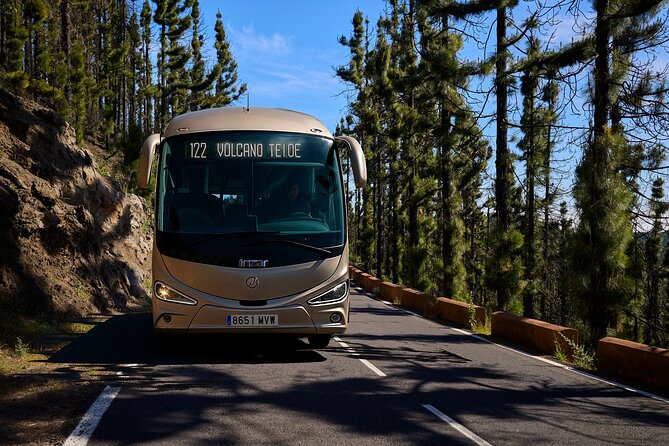
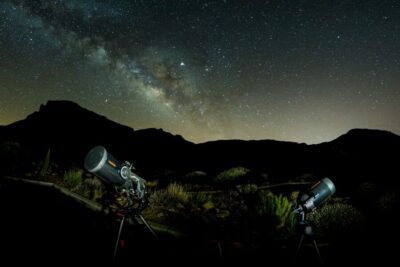
After the observatory visit, the tour moves to the Teide cable car base station for about one hour of astronomical observation. This is the part most people picture when they hear the word stargazing: darkness, long-range telescopes, and time spent looking upward.
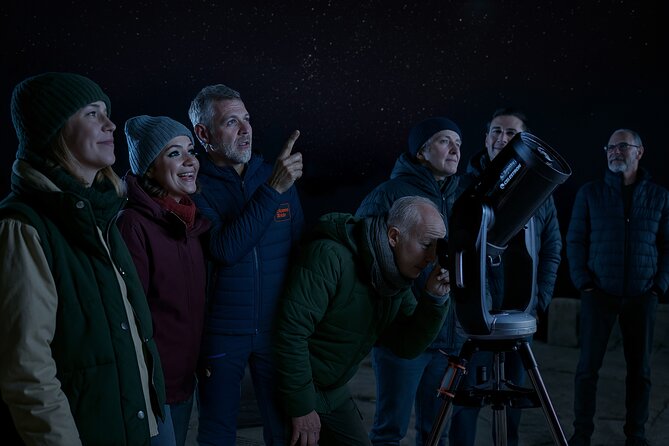
The setting is different from the observatory visit. At the base station, the focus is on observing the night sky rather than touring the scientific facility. Guides use long-range telescopes and help the group take turns viewing what is available under the conditions that night.
The main practical issue is group size. The second part may bring together more people than the first, and that can reduce your time at the telescope. You can return for another look, but the available viewing time may still feel limited if several people are waiting.
Guide style matters here. The first guide, Edoardo, was praised for being engaging, patient, and easy to follow. The second guide was described as informed but less compelling in presentation. That does not mean the stargazing lacks value, but it does mean the experience may feel uneven from one section to the next.
I would treat the stargazing as a shared activity, not a private telescope session. You will have an opportunity to look through the equipment, but you should not expect long uninterrupted viewing. If you have used telescopes on other astronomy tours, you may find the individual viewing time modest.
Still, the pairing of the two stops works well. The observatory gives you context and the cable car base station gives you the outdoor viewing session. One section explains the tools, while the other lets you use them as part of a group.
The mountain setting and the weather question
The activity depends on favorable weather. Clouds or poor conditions can affect both the observatory visit and the night-sky observation, so the operator may cancel the tour if conditions are not suitable.
This is not a flaw unique to this experience. Astronomy tours cannot control clouds, wind, or visibility. It is simply part of booking an outdoor activity at high elevation. If the tour is canceled for bad weather, you receive the choice of another date or a full refund.
You should bring warm, comfortable clothing and sturdy, comfortable footwear. Even if Tenerife feels warm near the coast, the mountain environment can be much colder, especially after sunset. The dress guidance is simple, but it is important. A cold evening can distract you from both the explanations and the telescope viewing.
You also need a moderate level of physical fitness. The supplied information does not give a detailed accessibility assessment or a full description of walking distances, so you should contact the provider if mobility is a concern. Do not assume that a shared vehicle removes every physical demand from the visit.
More Observatory and Telescope Tours in Tenerife:
- Teide by Night: Sunset & Stargazing with Telescopes Experience
★ 4.5 · 1,492 reviews - Teide National Park: Guided Large Telescope Stargazing Tour
★ 4.9 · 319 reviews - Tenerife: Mount Teide Observatory Astronomical Tour
★ 4.4 · 126 reviews - Magic Stargazing & Sunset in Teide with Dinner + Telescopes
★ 3.5 · 20 reviews
Transport, timing, and the meeting point
The advertised duration is about eight hours, although the two named stops add up to roughly two and a half hours. The rest of the time allows for shared transfers, mountain roads, waiting, and the movement between the observatory and cable car base station.
That makes this a full outing rather than a quick evening add-on. You begin at the Parador de Las Cañadas del Teide, at Cañadas del Teide in Santa Cruz de Tenerife, and the activity ends back at the meeting point.
Pickup is offered from designated meeting points, and the tour includes a shared round-trip transfer. The details describe free hotel pickup and drop-off as a feature, but the practical wording also refers to designated meeting points. Check the exact pickup location during booking rather than assuming the vehicle will collect you at any hotel address.
Shared transport is useful on Tenerife’s mountain roads. You do not need to plan the return drive after a long evening, and you can focus on the experience instead of navigation. The tradeoff is less control over the schedule. With a shared vehicle, the total day can feel long, especially if you are staying far from the starting point.
Because the tour ends where it begins, plan your evening around the Parador meeting point. Food and drinks are not included, so eat beforehand or bring what you need within the provider’s rules. The supplied details do not promise a meal stop.
Is $123.90 a fair price?
At $123.90 per person, this is not the cheapest way to see the stars in Tenerife. The value comes from the combination of transport, a guided observatory visit, professional instruction, and telescope viewing in one long outing.
If you only want a short look at the night sky, the price may feel high. You are paying for much more than one hour at the cable car base station, though. The 90-minute observatory visit is a substantial part of the experience, and the shared transfer removes the cost and stress of arranging your own mountain transport.
The price makes more sense if you are interested in how astronomy works, not only in taking night-sky photographs. The guide-led visit adds context that a simple viewpoint stop cannot provide. It also helps first-time telescope users understand what they are seeing.
Value depends on group size, too. A smaller observatory group can make the first section feel personal. A larger stargazing group can make the second section less satisfying because telescope time is shared. If you want an intimate, private astronomy session, this is not that product.
Who will enjoy this tour most
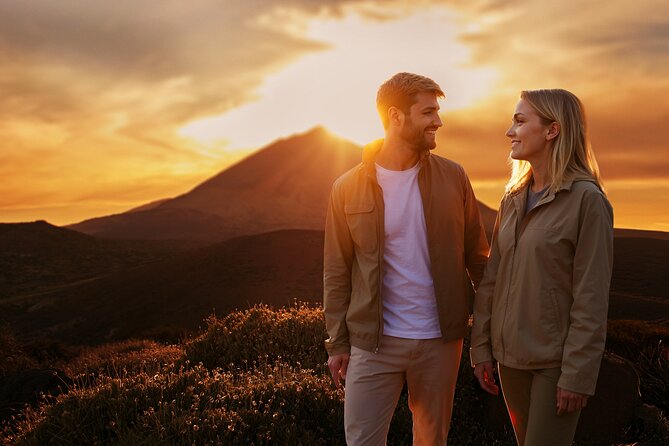
I would recommend this experience to adults and children aged eight or older who are curious about astronomy and comfortable with a long evening outing. It suits people who want both education and observation, rather than a simple scenic ride.
It is also a sensible choice if you do not want to drive after dark in the mountains. Shared transport and a professional guide take care of the basic structure, while the return to the original meeting point keeps the evening organized.
Families should note the minimum age of eight. Children must be accompanied by an adult, and warm clothes are essential. Younger children are not accepted on the activity.
The tour may be less suitable for anyone who wants a quiet, private experience or extended time at one telescope. The maximum group size is 25, and the later section can be busier than the first. It may also disappoint visitors expecting guaranteed views of particular planets or deep-sky objects, since the exact observation depends on the conditions and the guide’s program that night.
How to get the most from the evening
Dress warmer than you think you need. Comfortable layers and proper footwear will help you stay focused once the temperature drops.
Use the observatory visit to ask questions. The first section appears to offer the best chance for conversation, especially if the group is small. If Edoardo is leading your visit, take advantage of his patient, clear explanations.
At the telescope, be ready to share. You may need to step aside and return for another look, so keep your first view focused. Ask the guide what you are seeing rather than spending the entire moment trying to frame a photograph.
Keep the schedule flexible. An eight-hour activity leaves little room for a tight dinner reservation or another evening booking. Poor weather can also change the plan, so do not build an important, nonrefundable event around the end time.
Finally, remember that astronomy is weather-dependent. A clouded-out evening is frustrating, but the stated policy gives you a new date or full refund if the provider cancels for bad conditions.
Should you book this Teide astronomy tour?
Book it if you want a structured introduction to astronomy, access to Teide Observatory, and shared transport in one package. The observatory visit is the strongest reason to choose it, especially for anyone who values clear explanations and a closer look at professional equipment.
Think twice if your priority is long, private telescope viewing. The later group may be larger, and the time at each instrument can be brief. The guide transition can also make the two sections feel uneven.
For most visitors, the tour offers good value when treated as a full educational evening rather than a pure stargazing session. Bring warm clothes, allow the full eight hours, and accept that the sky decides how much you see.
FAQ
Where does the tour start?
The activity starts at the Parador de Las Cañadas del Teide, Cañadas del Teide, 38300, Santa Cruz de Tenerife, Spain.
Where does the tour end?
The activity ends back at the original meeting point.
How long does the experience last?
The tour lasts approximately eight hours.
How long is the observatory visit?
The guided visit to Teide Observatory lasts about one hour and 30 minutes.
How long is the stargazing session?
Stargazing at the Teide cable car base station lasts about one hour.
Is transportation included?
Yes. The experience includes shared round-trip transportation and pickup and drop-off from designated meeting points.
Is hotel pickup available?
Pickup and drop-off are offered from designated meeting points. Confirm the exact location when booking.
What is the minimum age?
The minimum age is eight years old. Children must be accompanied by an adult.
Is food included?
No. Food and drinks are not included.
What happens if the weather is poor?
The activity depends on favorable weather. If the provider cancels because of bad conditions, you can choose an alternative date or receive a full refund.
Can I cancel for a refund?
Yes. You can cancel at least 24 hours before the experience start time for a full refund. Cancellations or changes made less than 24 hours before the start time are not accepted for a refund.
Just added around Tenerife
- Small Group Teide Stargazing Tour with Picnic at Sunset★ 5.0 · 3 reviews
- Tenerife Exclusive & Private Gastronomic, Sunset-Stargazing★ 5.0 · 3 reviews
- TEIDE NIGHT Astronomy Stargazing Bus Tour, Meal & Drinks included!★ 4.0 · 15 reviews
- “Stargate” Tenerife stargazing★ 5.0 · 13 reviews
- Stargazing Tour in Tenerife★ 3.0 · 2 reviews
- Polestar SELF-DRIVE Sunset Stars Tour in Teide National Park★ 5.0 · 19 reviews
- Private stargazing trip in Teide★ 5.0 · 3 reviews
- Stargazing Experience with Dinner & Drinks★ 4.0 · 23 reviews
Mount Teide Stargazing Tours, compared.
Teide National Park Sunset & Stargazing with Dinner (Star Safari)
Read our review →
Teide National Park: Sunset & Stargazing Safari with Dinner
Read our review →
Teide by Night: Sunset & Stargazing with Telescopes Experience
Read our review →
Guided Sunset & Stargazing Tour by Night with Dinner
Read our review →
Roque de los Muchachos Stargazing Tour with Wine
Read our review →Browse the lists this tour appears in