
REVIEW · SEDONA
Stargazing Tour with Telescopes and Video Astronomy in Sedona
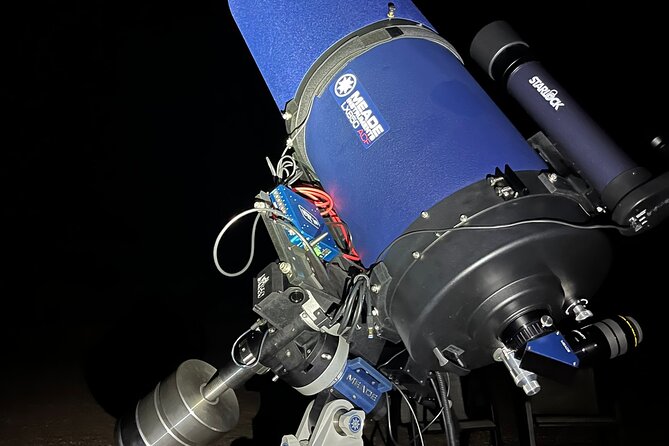
Sedona’s red rocks are famous by day, but the real surprise comes after sunset. This tour takes you away from city lights, where Chris and Kim use a laser to trace constellations, then bring planets, galaxies, nebulae, and star clusters into view through large telescopes. The live video feed on a 4K OLED screen lets everyone see faint objects at once, instead of waiting for a turn at an eyepiece.
I like the mix of old-school sky watching and modern astronomy cameras. I also like the practical touches: chairs and thick blankets are provided, which matters on a cold desert night. The main drawback is that this is a compact, weather-dependent experience, and one poor-weather outing became slow and frustrating while equipment was adjusted and clouds moved in.
Key points to know before booking
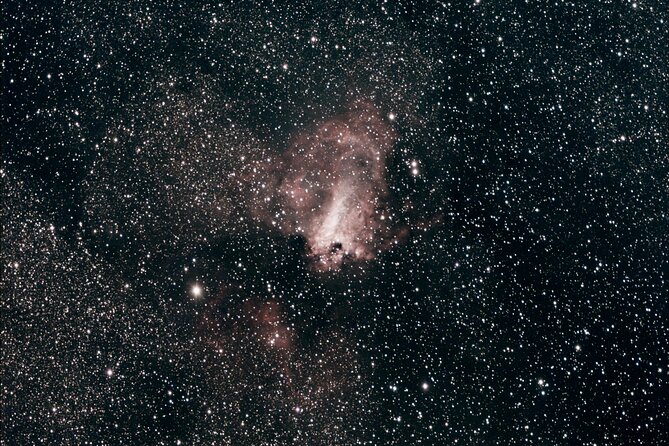
- Live deep-space video: Astronomy cameras send colorful views from the telescopes to a 4K monitor, so the whole group can see at the same time.
- Small groups: The maximum is 12 people, making it easier to ask questions and get help finding objects.
- Two kinds of viewing: You may look through a telescope eyepiece and also watch live images of faint galaxies and nebulae on the screen.
- A dark site outside town: The setting is on USFS-managed forest land or private ranches, away from Sedona’s city glow.
- Cold-weather planning matters: Chairs and large blankets are supplied, but you should still bring a warm coat, hat, and gloves.
- Best for curious minds: Chris explains astronomy with science, stories, history, and humor, making this more than a quick look through a telescope.
Why Sedona’s night sky is worth your evening
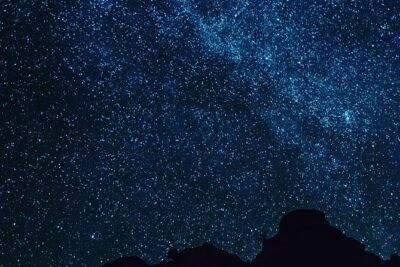
Sedona’s daytime scenery gets most of the attention, but the clear, dark sky changes the character of the area. Away from town lights, the Milky Way becomes easier to see, and familiar constellations look sharper and more numerous than they do from a city.
The tour begins in Sedona and ends back at the meeting point. You receive the precise location and directions from the guide, and Chris has been praised for calling ahead and making the route clear. One person found the site a little hard to locate because there were not enough signs, so pay close attention to the instructions and arrive on time.
This is not a driving tour with several sightseeing stops. The entire outing focuses on one carefully chosen viewing site. That is a good tradeoff for astronomy: every minute spent away from bright lights improves your chance of seeing faint objects.
The site may be on USFS-managed forest land or a private ranch. The exact location is not provided until the day of the tour, which helps the operator choose a suitable dark-sky spot. It can also cause a little pre-tour uncertainty, but Chris has used phone calls and detailed directions to ease that concern.
More Observatory and Telescope Tours in Sedona:
- Sedona: Stargazing Tour with Telescopes and Video Astronomy
★ 4.8 · 9 reviews - Teide by Night: Sunset & Stargazing with Telescopes Experience
★ 4.5 · 1,492 reviews - Miami: Frost Museum of Science and Planetarium Entry Ticket
★ 4.5 · 429 reviews
The 75-minute route through the heavens
The itinerary has one stop, Sedona, but the experience unfolds in several useful stages.
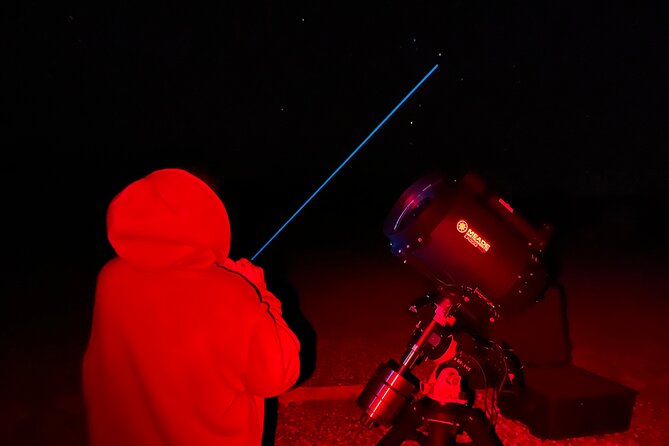
First, you settle into a chair and get oriented beneath the open sky. The guide uses a laser to point out constellations and explain what you are seeing. Depending on the season and conditions, the discussion can include the Milky Way, planets, meteor showers, and satellites passing overhead.
That opening section is important because it gives you a map. Instead of staring at a random field of stars, you learn how to recognize patterns and locate objects. Chris is especially good at answering questions in two layers: a quick explanation first, followed by the more technical science for anyone who wants it.
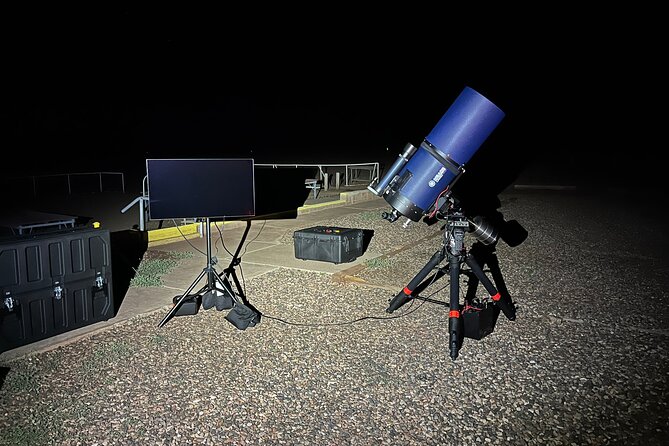
Next comes telescope viewing. The equipment includes large-aperture, observatory-style telescopes and high-quality eyepieces. With the traditional telescope, you look directly at the object. This can be the most satisfying part for someone who wants the classic experience of seeing a planet or star cluster with their own eye.
The second telescope uses an astronomy camera. It captures faint light and sends a live image to a large 4K OLED monitor. This is the tour’s most distinctive feature. A regular eyepiece can be challenging for a group because only one person sees the image at a time, and faint objects may appear subtle. The monitor gives everyone a shared view, with color and detail that are easier to appreciate.
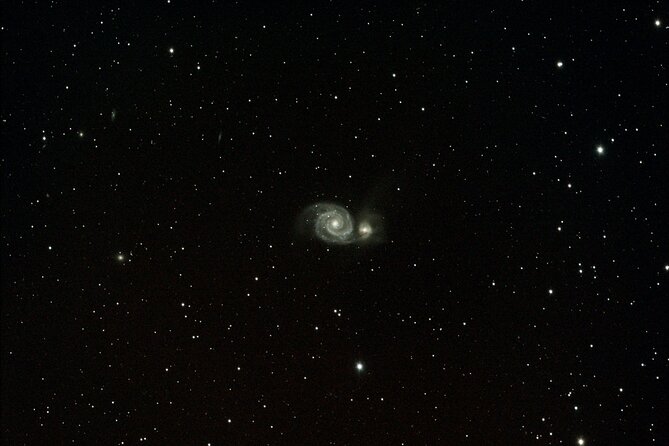
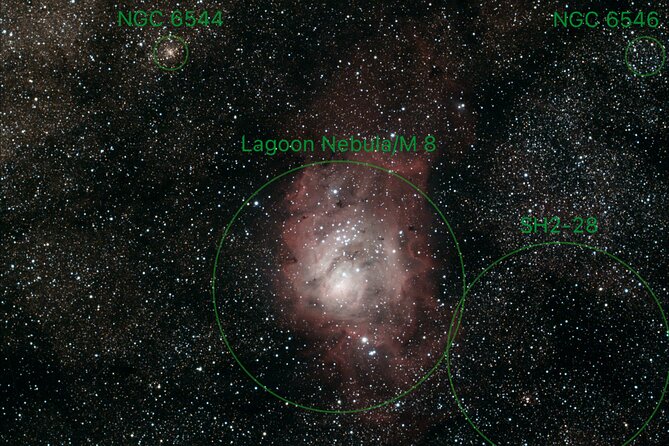
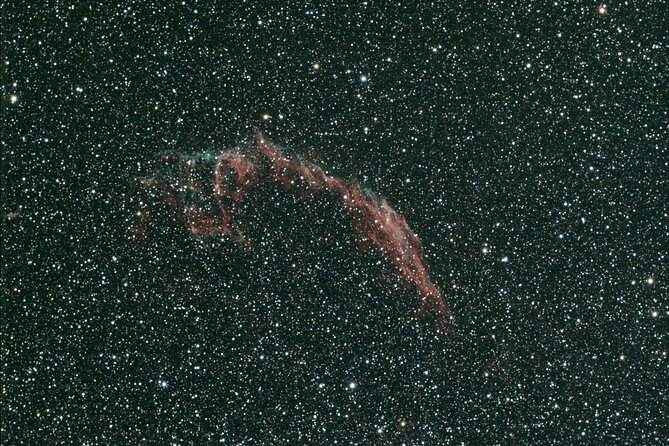
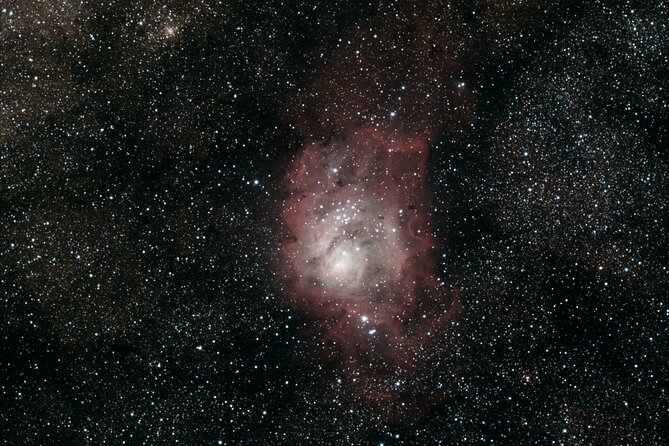
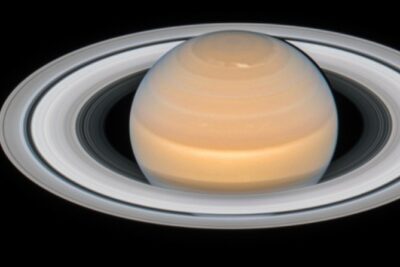
The tour can include planets, star clusters, nebulae, and galaxies. The exact selection depends on the season, the time of night, and cloud cover. Past sessions have included Jupiter with four moons, Mars, Saturn and its rings, distant galaxies, and nebulae.
At the end, you can save favorite images from the video astronomy session. These are not guaranteed to be a particular set of objects, since the sky changes, but they give you a useful souvenir beyond a standard vacation snapshot.
Direct eyepiece views versus the 4K screen
Many astronomy outings rely only on eyepieces. That approach feels personal, but it can be limiting. You must position your eye correctly, the view may be dim, and the rest of the group waits while one person looks.
Night Owl Tours uses both methods. I like that balance. The eyepiece gives you a direct connection to the telescope, while the screen makes the session more social and accessible. A child, a first-time observer, or anyone who has trouble lining up an eye with an eyepiece can still see what the telescope is capturing.
The video feed also helps with faint deep-space objects. Galaxies and nebulae do not always look dramatic through a small backyard telescope. A sensitive astronomy camera can collect more light and show structure and color on the screen.
There is a tradeoff. The screen is still an electronic image, not the same as looking directly through glass at a planet. The strongest experience comes from using both systems rather than treating one as a replacement for the other.
Chris and Kim bring science down to earth
Chris is the main guide named in the tour information, and Kim sometimes assists. Their approach combines astronomy facts with mythology, history, and humor. You can ask questions throughout, and the small group size gives the session a more personal feel than a large lecture.
Chris has been praised for explaining complicated subjects in a clear way without flattening the science. If you want only a few pretty views, you can enjoy the stars without following every detail. If you are taking an astronomy course, traveling with a curious teenager, or simply want to understand how stars and galaxies form, you have room to ask more serious questions.
That range is one of the experience’s strengths. It works for a beginner who cannot yet identify a constellation and for someone who wants to discuss distant objects in greater detail.
The pace can depend heavily on preparation and conditions. One poor-weather session involved a long setup and extended pauses between telescope views. The guide was described as apologetic and highly informed, but the evening felt scattered and ended early when clouds blocked the sky. That appears to be an important warning for anyone expecting a tightly timed performance. Astronomy requires equipment setup, and clouds can change the plan quickly.
More National Park Stargazing in Sedona:
- Sedona Stargazing Tours LLC
★ 4.5 · 881 reviews - The Original Sedona UFO and Stargazing Night Tour
★ 4.5 · 269 reviews - The Night Sky Star Story, Galaxy, and Sedona Story Tour
★ 4.5 · 243 reviews - Sedona: Nighttime UFO & Stargazing Tour
★ 4.4 · 148 reviews
Warm blankets, dark ground, and practical comfort
The desert can feel cold after sunset, even when the daytime temperature was pleasant. The operator supplies chairs and large blankets, a thoughtful touch that has made winter sessions much more comfortable.
Still, do not treat the blankets as a substitute for proper clothing. Bring a warm coat, gloves, and a hat, especially from late fall through winter. One chilly evening was enjoyable because the blankets were ready, while another participant had expected hot chocolate that was not provided.
Coffee, tea, and snacks are not included. Eat beforehand and bring anything you need, as long as it fits the operator’s site rules. The tour lasts about 1 hour and 15 minutes, so it is not a long outing, but standing or sitting in the cold can make that time feel longer.
The site is away from city lights, but it may be a parking area rather than a polished visitor facility. One advantage of a parking area is easier footing than an unpaved trail. The disadvantage is that passing cars or headlights can interrupt the presentation. Expect a working astronomy site, not a resort-style observatory.
Price and value at $125 per person
At $125 per person, this is not the cheapest way to look at stars. You are paying for more than access to a dark patch of sky. The price includes a small group of no more than 12, a guide with serious astronomy expertise, large-aperture telescopes, a live video system, chairs, blankets, and access to private or managed dark-sky locations.
The value is strongest if you care about understanding what you see. A simple sunset or night-sky viewpoint costs less, but it will not give you the same help identifying galaxies, planets, and constellations. You also will not have a guide adjusting equipment and sending faint objects to a shared screen.
I would consider the tour a fair splurge for a couple, family, or small group that wants one focused evening activity in Sedona. It is less compelling if you only want a quick look at stars or if the forecast is doubtful and your schedule cannot absorb a cancellation.
The tour is often booked about 31 days ahead, so reserve early if your Sedona dates are fixed. Since weather controls the quality of the experience, check the forecast as your date approaches and keep warm clothing ready.
Who should book this Sedona astronomy outing
This experience suits adults and older children who enjoy asking questions and staying focused for more than an hour. The minimum suggested age is seven, and the activity may not suit anyone who has difficulty walking over uneven ground in low light.
It is a particularly good match for:
- Couples looking for a quiet evening away from town
- Families with children interested in science
- Teenagers studying astronomy
- First-time telescope users
- People from bright cities who rarely see a full star field
- Anyone who wants both direct telescope viewing and saved digital images
It may not suit very young children, people who dislike sitting outdoors at night, or anyone expecting a fast-moving attraction with guaranteed views of a specific planet. The sky decides what appears, and clouds can end the session or force a reschedule.
Service animals are allowed, and most people can participate. Because the tour takes place in low light, tell your group to move carefully and follow the guide’s directions around the equipment.
Weather, cancellation, and timing
This activity requires good weather. If poor conditions cancel it, you can choose another date or receive a full refund. The same applies if the minimum number of participants is not met.
You can cancel for a full refund up to 24 hours before the start time. Changes or cancellations made less than 24 hours before the start time are not accepted for a refund, and the cutoff uses Sedona local time.
Clouds do not always mean the entire sky is lost, but they can reduce the number of objects available and slow the pace. If your trip has only one free evening, this risk matters. If you have flexibility, the refund and rescheduling policy make the booking easier to justify.
Should you book Night Owl Tours?
Book it if you want a guided astronomy lesson with real equipment, not just a scenic place to look upward. The combination of Chris’s explanations, direct eyepiece viewing, live 4K images, and a small group gives the evening real substance.
I would be more cautious if you need a perfectly predictable schedule or dislike cold outdoor settings. Arrive on time, follow the location instructions closely, dress warmly, and accept that clouds may change the plan.
For most visitors who are curious about space, this is a strong Sedona night activity. The saved images are a nice extra, but the best reason to go is the chance to understand what you are seeing while the whole group watches the same distant world at once.
FAQ
Where does the Stargazing Tour with Telescopes and Video Astronomy take place?
The tour begins and ends in Sedona, Arizona. The guide takes you to a secluded dark-sky site on USFS-managed forest land or a private ranch, with the exact location and directions provided by the operator.
How long does the tour last?
The experience lasts approximately 1 hour and 15 minutes.
How many people can join the tour?
The maximum group size is 12 participants.
What can I see through the telescopes?
The tour can include planets, galaxies, nebulae, star clusters, and other night-sky objects. The exact views depend on the season, weather, and visibility.
What is video astronomy?
Video astronomy uses astronomy cameras attached to the telescopes. The cameras capture live views of faint celestial objects and stream them to a 4K OLED monitor for the whole group to see.
Are chairs and blankets provided?
Yes. Chairs and large blankets are provided, which is useful because Sedona nights can be chilly. Coffee, tea, and snacks are not included.
Is the tour suitable for children?
The experience may not be suitable for children under seven. It may also be difficult for anyone who has trouble negotiating uneven terrain in low light.
What happens if the weather is poor?
If the tour is canceled because of poor weather, you can choose a different date or receive a full refund.
Can I cancel for a full refund?
Yes. You must cancel at least 24 hours before the experience start time for a full refund. Cancellations or changes made less than 24 hours before the start time are not accepted for a refund.
Just added around Sedona
- PRIVATE Sedona Jeep Tour 4X4 Stargazing Tour at Night★ 4.5 · 11 reviews
- Sunset Sedona Sacred Places -gourmet picnic dinner and stargazing★ 5.0 · 12 reviews
- Sedona Night Hike and Stargazing★ 5.0 · 7 reviews
- Sedona: Stargazing Tour with Telescopes and Video Astronomy★ 4.8 · 9 reviews
- Sedona: Private Stargazing Tour with a Local Guide★ 4.8 · 8 reviews
- Sedona Night Hike and Stargazing Tour★ 5.0 · 4 reviews
- Sedona UFO/Stargazing Tour (price per goggle not per person)★ 4.5 · 47 reviews
- Sedona Dark Sky Sunset & Night Hike With a Private Guide★ 5.0 · 86 reviews
Sedona Stargazing Tours, compared.

The Original Sedona UFO and Stargazing Night Tour
Read our review →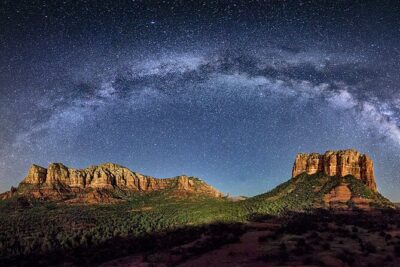
The Night Sky Star Story, Galaxy, and Sedona Story Tour
Read our review →
Sedona Dark Sky Sunset & Night Hike With a Private Guide
Read our review →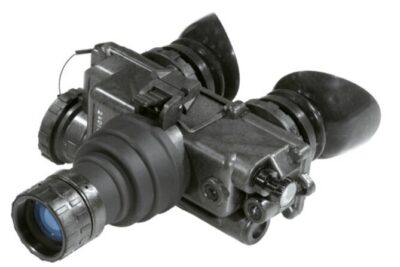
Sedona UFO/Stargazing Tour (price per goggle not per person)
Read our review →
Sunset Sedona Sacred Places -gourmet picnic dinner and stargazing
Read our review →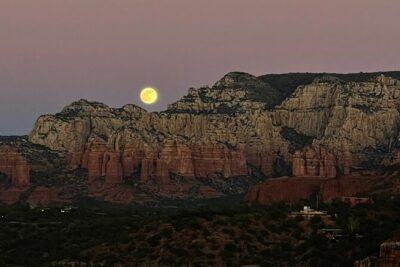
PRIVATE Sedona Jeep Tour 4X4 Stargazing Tour at Night
Read our review →Browse the lists this tour appears in