
REVIEW · SEDONA
Sedona Stargazing Tours LLC
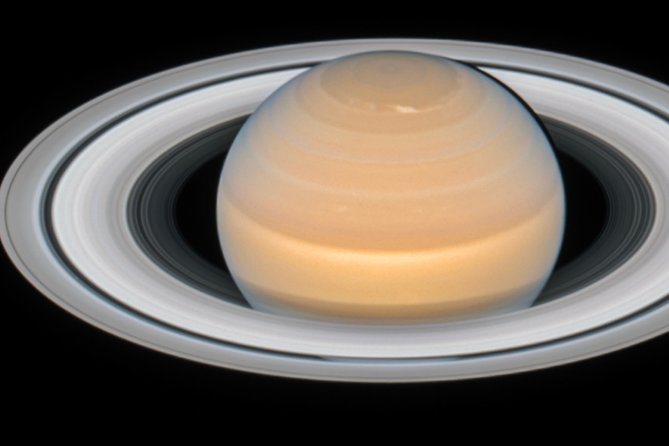
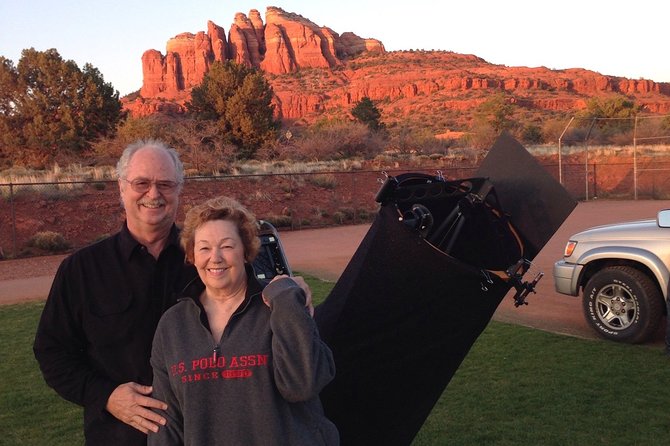
The best moment here is often the first sharp view through the telescope: Saturn with its rings, a planet’s bright disk, or a distant cluster that looks like a pinprick to the naked eye. The guides, including Wes, Dave, Richard, and Mr. Sanders, explain the sky with laser pointers and plenty of time for questions. I especially like the large GPS-guided telescopes and the chance to use your own binoculars from a padded chair instead of standing around in the dark.
At $89 per person, this is not a casual look at the stars. It is a focused astronomy lesson with serious equipment, and that makes the price fair for people who care about what they are seeing. The catch is the sky itself: clouds, a bright moon, and cold weather can limit the show, so dress warmly and keep your expectations tied to the night’s conditions.
Key points at a glance
- Saturn can be the star of the evening: Clear telescope views of its rings and moons have been major highlights for families and couples.
- GPS-guided telescopes save time: The equipment can quickly locate planets, galaxies, nebulae, star clusters, and other targets.
- Laser pointers make constellations easier to follow: You get more than a list of names because the guide shows the shapes overhead.
- Cold-weather gear is part of the practical setup: Blankets and parkas have been provided on winter nights, but you should still bring warm layers.
- The setting is near Oak Creek: You meet at Verde Valley School, 3511 Verde Valley School Road, and return to that same point.
- Moon and clouds matter greatly: A full moon can wash out faint stars, while heavy cloud can lead to cancellation and a refund.
Why this Sedona night tour feels different
Sedona is famous for red rock scenery by day, but the surrounding darkness gives the area another identity after sunset. This experience takes you near Oak Creek, away from the bright center of town, for a guided look at the sky rather than a simple sunset add-on.
You meet at Verde Valley School at the designated time. The observing area is set up with chairs, blankets, and large telescopes, according to the practical details shared about the experience. The walk to the sitting area is described as short, which matters when you are arriving in darkness or bringing children.
The tour lasts about one hour and 15 minutes. That is enough time for a guided orientation, several telescope turns, and questions, but it is not an all-night astronomy session. I would treat it as a compact evening activity that fits neatly before or after dinner, not as a replacement for a full night under the Milky Way.
The activity is private, so only your group participates. That should make it easier to ask questions and shape the evening around your interests. If you are fascinated by planets, you can focus there. If you want to understand constellations or distant galaxies, tell the guide early.
More National Park Stargazing in Sedona:
- The Original Sedona UFO and Stargazing Night Tour
★ 4.5 · 269 reviews - The Night Sky Star Story, Galaxy, and Sedona Story Tour
★ 4.5 · 243 reviews - Sedona: Nighttime UFO & Stargazing Tour
★ 4.4 · 148 reviews
Finding the meeting point near Oak Creek

The start and end point is 3511 Verde Valley School Road in Sedona, Arizona. You are responsible for getting to the meeting point, and the experience returns there when the viewing ends.
Pay close attention to the arrival instructions sent after booking. The default time shown for a tour may not always match the actual requested arrival time. One booking had an 8 p.m. start but an afternoon message asking participants to arrive at 7:15 p.m., with the adjustment tied to sunset, moon phase, and viewing conditions.
That is a useful warning. Check your email and phone messages on the day of the tour, and confirm that the contact number attached to your booking is correct. A cancellation caused by weather can also be communicated close to the scheduled start, so do not ignore same-day updates.
The setting near Oak Creek is useful because it gives the group access to darker skies than you typically get in town. Still, this is not a promise of perfect darkness every night. Moonlight, clouds, and changing conditions remain part of the deal.
The opening sky lesson with a laser pointer
The evening begins with an overview of the constellations. The guide uses a laser pointer to connect the points of light overhead, explain their names, and give you a basic map of the sky.
This opening is more important than it sounds. Without some orientation, a sky full of stars can become a blur. The pointer helps you understand where to look, and the explanations about zodiac names and star positions give the session a clear structure.
Wes has been praised for turning constellation explanations into stories, while other guides, including Dave and Mr. Sanders, have been singled out for clear and engaging instruction. Richard has also been praised for his charm and photography skills. The specific guide on your night can vary, but the experience clearly depends heavily on the person leading it.
Sound and group positioning may affect how much you catch. One account noted that it was sometimes hard to hear the guide or tell when he was speaking. I would stay close to the main presentation area and ask for a repeat if needed. A good astronomy tour should welcome questions, and this one encourages them.
Taking turns at the GPS-guided telescopes
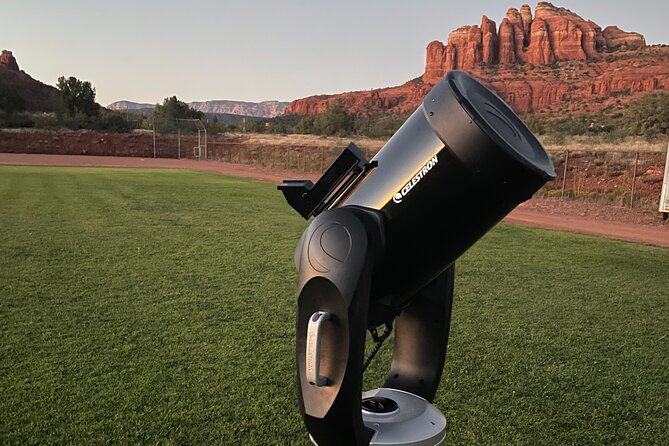
The main event is the telescope viewing. The equipment uses GPS auto-positioning, allowing the guide to locate selected objects without spending the whole evening manually searching the sky.
That matters because an hour and 15 minutes passes quickly. Faster positioning gives you more time looking through the eyepiece and less time waiting while the telescope is adjusted. The guide can move between targets such as planets, stars, galaxies, nebulae, and star clusters.
The experience is built around taking turns. You may look through one of the large telescopes while others listen, then switch places. The guides work to focus the equipment and make sure you are looking at the intended object. That hands-on care is especially useful if you are new to telescopes and do not know what a target should look like.
The clearest sights depend on the date and conditions. Saturn has been a standout when visible, with its rings and at least one moon producing the kind of view people remember. The Moon can also be impressive through a telescope, although bright moonlight reduces the visibility of fainter stars.
You should not expect every item in the solar system to appear every night. The guide chooses targets based on what is above the horizon, what the equipment can show clearly, and how the sky looks at that time. Ask what is best on your date rather than arriving with a fixed checklist.
More Stargazing Tours in Sedona:
- Sedona Dark Sky Sunset & Night Hike With a Private Guide
★ 5.0 · 86 reviews - Sedona UFO/Stargazing Tour (price per goggle not per person)
★ 4.5 · 47 reviews - Stargazing Tour with Telescopes and Video Astronomy in Sedona
★ 5.0 · 40 reviews - Sunset Sedona Sacred Places -gourmet picnic dinner and stargazing
★ 5.0 · 12 reviews
Binoculars, chairs, and the waiting time
While another person is using a telescope, you can sit in a comfortable chair and scan the sky with wide-view binoculars. This is a smart part of the setup because you are not left idle between telescope turns.
Binoculars give you a broader view than the telescope. They are useful for seeing star fields and getting a sense of how objects sit within the larger sky. They will not replace the telescope for close views of planets, but they help you stay involved throughout the evening.
The chairs also make the experience easier for families, older adults, and anyone who does not want to stand for the entire session. One particularly useful account described staff providing help to a husband with a disability. The available information does not promise a specific accessibility arrangement, so contact the operator in advance if your party needs special assistance.
Cold is the more common practical issue. Winter nights in Sedona can feel sharp once the sun disappears. Blankets and parkas have been supplied on cold evenings, but I would still bring a warm coat, hat, and gloves. Dress for sitting outdoors, not for the temperature you felt during the afternoon.
How clouds and moonlight affect the experience
Stargazing is controlled by conditions you cannot order around. A partly cloudy night may still allow some stars and planets, but clouds can block telescope targets, interrupt constellation explanations, and make the session feel incomplete.
The operator may cancel if the sky is not good enough. That can be frustrating when you can still see a few stars, but the decision makes sense for a telescope-based activity. A light cloud layer may be tolerable for casual sky watching while being a serious problem for precise viewing.
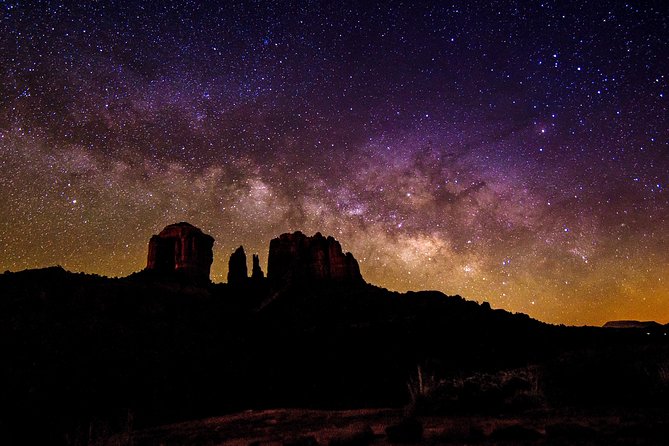
A full or near-full moon creates a different tradeoff. Moonlight brightens the sky and hides faint stars, so you may see fewer galaxies and less of the Milky Way. At the same time, the Moon’s craters and surface can look excellent through a telescope. If you want the darkest possible sky, ask about the moon phase before choosing a date.
The policy is straightforward: if poor weather forces a cancellation, you can choose another date or receive a full refund. That is more reassuring than running a weak program simply to avoid canceling.
Is $89 a fair price?
At $89 per person, the value depends on what you want from the evening. You are paying for professional instruction, telescope access, a private format, equipment setup, and roughly 75 minutes of guided viewing. For someone interested in astronomy, that is a reasonable price for a specialized activity.
It is less attractive if you only want to step outside and look at stars for a few minutes. Sedona’s night sky can be enjoyed without a formal tour, and the price may feel high for an hour if clouds or a bright moon reduce the number of visible objects.
The equipment helps justify the cost. Large GPS-guided telescopes are not casual camping gear, and the experience includes binoculars and seating rather than asking you to bring your own setup. Guides also take time to explain what you are seeing, answer questions, and adjust the evening to the group.
The private format may improve the value for a family or small party that wants personal attention. It is particularly useful if your children have many questions or if one person in your group is already interested in astronomy. For a couple seeking a quiet, low-key evening, the chairs and focused setting are a plus.
Who will enjoy this most
I would recommend this tour to families with children who are fascinated by space. The mix of visual targets, stories, and hands-on telescope turns keeps the subject concrete. Children can see the rings of Saturn rather than only hearing about them in a lecture.
It also suits couples, solo visitors, and friends who want something different from another red rock outing. The guides use humor and storytelling, so you do not need a technical background to follow along.
People with high expectations should plan carefully. If your dream is a dark sky filled with the Milky Way, book around a darker moon phase and check the forecast. If your main goal is to see the Moon or a bright planet, a moonlit night may still work well.
This is not ideal for anyone who dislikes cold outdoor evenings or who needs a guaranteed list of celestial targets. Conditions change, and the exact objects depend on the date. The operator also requires a minimum number of participants and may offer a different date, another experience, or a refund if that minimum is not met.
Practical booking advice before you go
The activity is offered in English, and confirmation arrives when you book. After booking, watch for a follow-up email with departure details and the address information.
You can cancel for a full refund up to 24 hours before the start time. Changes made within 24 hours are not accepted, and cancellations inside that window are not refunded unless the operator cancels because of poor weather or insufficient participation.
Bring warm layers in every season if you tend to get cold. In winter, assume you will need more clothing than you expect, even if blankets and parkas are available.
Give yourself enough time to reach Verde Valley School and read all arrival messages. The requested check-in can be earlier than the standard time shown during booking. That extra margin is useful because the session is tied to sunset and the best viewing conditions.
Should you book Sedona Stargazing Tours?
Book it if you want an organized, close-up look at the night sky and value a guide who can explain what you are seeing. The combination of laser-guided constellations, GPS-guided telescopes, wide-view binoculars, and comfortable seating gives the evening more substance than simply standing outside and hoping to recognize a star.
I would be especially inclined to book for a family, an astronomy fan, or anyone who has always wanted to see Saturn through a telescope. Just choose your date with the moon and forecast in mind, read the arrival messages carefully, and dress for a cold night.
Skip it if $89 feels too high for a short activity, or if you want complete control over the evening. But if the sky is clear and your expectations are realistic, this is one of Sedona’s more unusual nighttime experiences, with the chance to remember a planet by sight rather than by name alone.
FAQ
Where does the stargazing tour meet?
The meeting point is 3511 Verde Valley School Road, Sedona, Arizona 86351, near Oak Creek. The activity ends back at the same meeting point.
How long does the tour last?
The experience lasts approximately one hour and 15 minutes.
How much does the tour cost?
The listed price is $89 per person.
Is the activity private?
Yes. Only your group participates in the private tour or activity.
What can I see through the telescopes?
Depending on the date and sky conditions, the telescopes may show planets, stars, galaxies, nebulae, and star clusters. The Moon may also be viewed when it is visible.
Are chairs and binoculars provided?
Yes. You can use wide-view binoculars while resting in a comfortable chair between telescope turns.
What happens if the weather is poor?
If the experience is canceled because of poor weather, you can receive a full refund or choose a different date.
Can I cancel my booking?
You can cancel at least 24 hours before the start time for a full refund. Cancellations or changes made less than 24 hours before the start time are not accepted for a refund.
Just added around Sedona
- PRIVATE Sedona Jeep Tour 4X4 Stargazing Tour at Night★ 4.5 · 11 reviews
- Sunset Sedona Sacred Places -gourmet picnic dinner and stargazing★ 5.0 · 12 reviews
- Sedona Night Hike and Stargazing★ 5.0 · 7 reviews
- Sedona: Stargazing Tour with Telescopes and Video Astronomy★ 4.8 · 9 reviews
- Sedona: Private Stargazing Tour with a Local Guide★ 4.8 · 8 reviews
- Sedona Night Hike and Stargazing Tour★ 5.0 · 4 reviews
- Stargazing Tour with Telescopes and Video Astronomy in Sedona★ 5.0 · 40 reviews
- Sedona UFO/Stargazing Tour (price per goggle not per person)★ 4.5 · 47 reviews
Sedona Stargazing Tours, compared.

The Original Sedona UFO and Stargazing Night Tour
Read our review →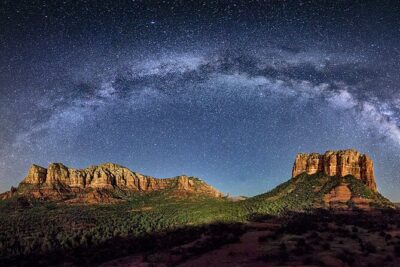
The Night Sky Star Story, Galaxy, and Sedona Story Tour
Read our review →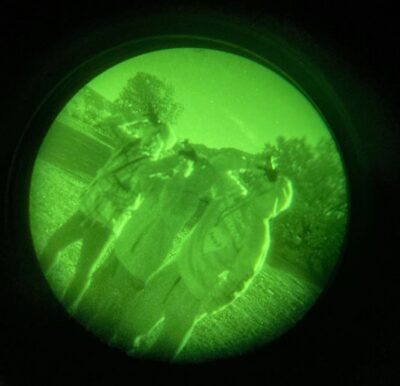
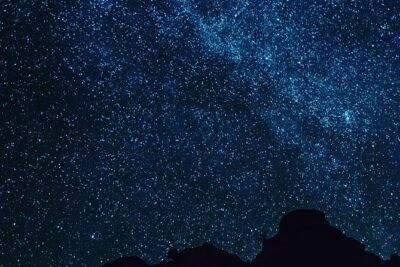
Sedona Dark Sky Sunset & Night Hike With a Private Guide
Read our review →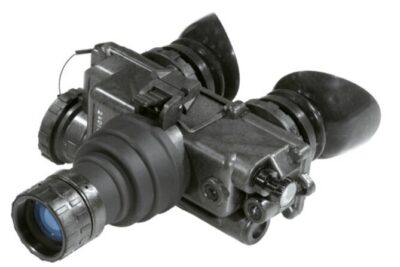
Sedona UFO/Stargazing Tour (price per goggle not per person)
Read our review →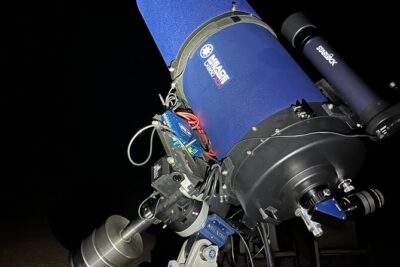
Stargazing Tour with Telescopes and Video Astronomy in Sedona
Read our review →
Sunset Sedona Sacred Places -gourmet picnic dinner and stargazing
Read our review →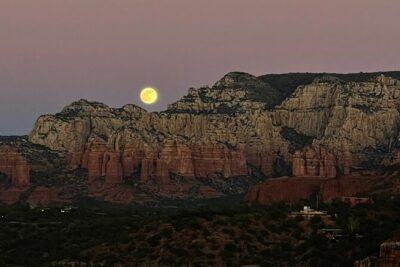
PRIVATE Sedona Jeep Tour 4X4 Stargazing Tour at Night
Read our review →Browse the lists this tour appears in