
REVIEW · JASPER
Jasper: Jasper Planetarium and Telescope Combo Tour Tickets
Jasper’s night sky is the real star of this experience, but the surprising highlight may be the chance to touch pieces of the Moon and Mars. The 90-minute combo begins beneath a planetarium dome, then moves outside to powerful telescopes aimed at planets, star clusters, and deep-space objects.
I like the mix of First Nations sky stories and modern astronomy, and I like that the tour does not simply fold when clouds roll over the Rockies. The indoor program still includes Aurora science, meteorites, Moon and Mars rocks, and 4K images from the telescope. The main drawback is weather: a cloudy or wet night can limit live viewing, and the outdoor portion may feel cold.
Key points at a glance
- First Nations constellations and the edge of the universe: The planetarium presentation places Jasper’s sky in both local cultural and scientific context.
- Real lunar and Martian material: You can handle a Moon rock, a Mars rock, and meteorites from space.
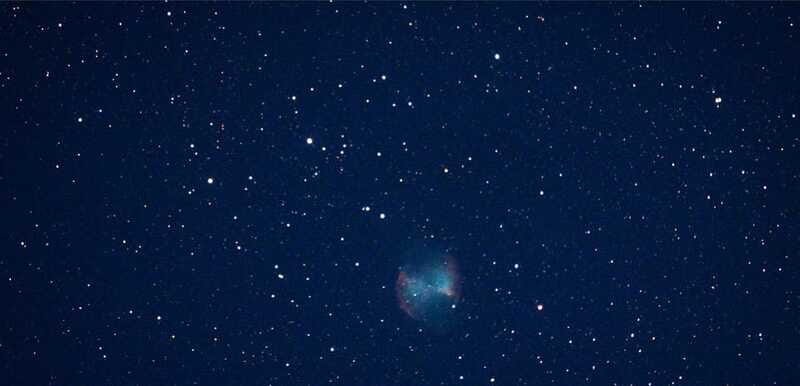
- Powerful telescopes after dark: Clear skies may reveal Saturn, Jupiter, star clusters, nebulas, and other deep-space objects.
- A useful cloudy-night backup: Guides explain the Northern Lights and show 4K instant replays from the observatory’s video telescope.
- Two-year telescope rain check: If clouds block the stars, you can return for the telescope portion at no extra charge.
- A strict start time: Check in 15 minutes early at the Jasper Park Lodge Main Lodge. Late arrivals are not admitted to the departing tour.
Start inside the planetarium dome
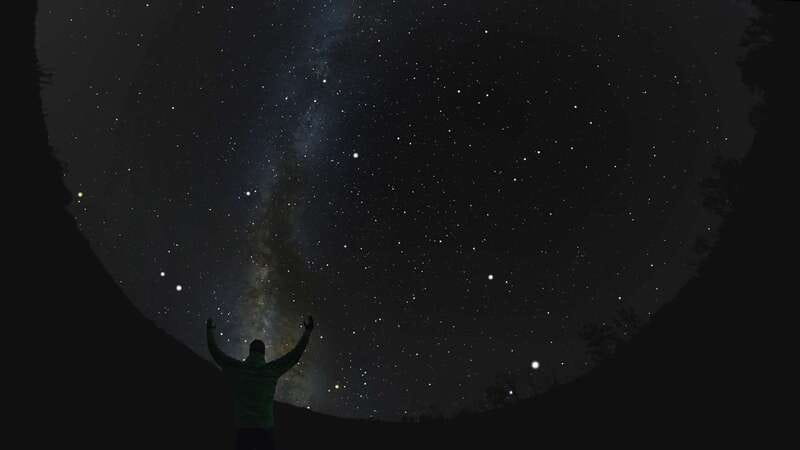
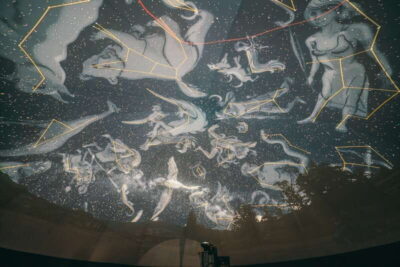
The tour begins at Jasper Planetarium’s Dome Theatre, where the ceiling becomes a night sky. This is the most dependable part of the evening because it does not rely on cloud cover or complete darkness.
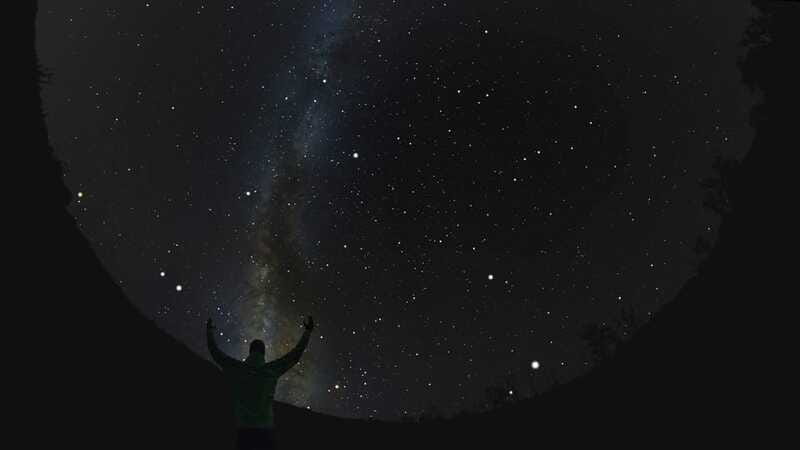
You’ll move from local First Nations constellations to the Milky Way and then outward toward the edge of the known universe. That broad scale gives the session a useful shape. You are not simply memorizing star names. You are first learning how people read the sky, then seeing how astronomers measure the enormous distances beyond it.
I especially like the inclusion of First Nations sky knowledge. It gives the presentation a local connection instead of treating Jasper as just another place to point a telescope. The show also helps younger visitors understand the difference between what you see with your eyes and what a telescope can reveal.
One caution comes from the presentation itself. Music is part of the planetarium show, and it can sometimes make the speaker hard to hear. If you have trouble hearing in a busy room, sit where you have a clear view of the guide and keep your attention on the spoken explanations.
The planetarium also received the strongest praise from several participants who found the dome show informative and well made. It is the safest part of the booking if your main interest is learning about space rather than getting a perfect telescope view.
More Observatory and Telescope Tours in Canada:
- Planetarium and Telescope Combo Tour
★ 4.0 · 144 reviews - Jasper: Jasper Planetarium Dark Sky Experience
★ 4.2 · 11 reviews - Jasper: Planetarium Indoor Dome Experience
★ 3.9 · 8 reviews
Step outside to Jasper’s big telescopes
After the dome presentation, the group heads outdoors for a guided look at the telescopes. This is where the night becomes more hands-on, but it is also where weather matters most.
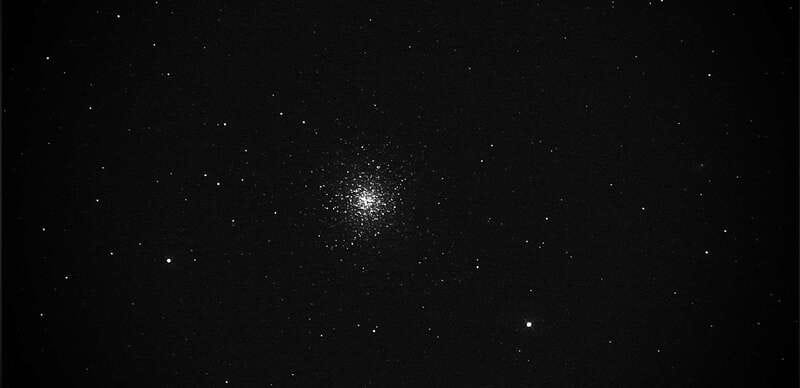
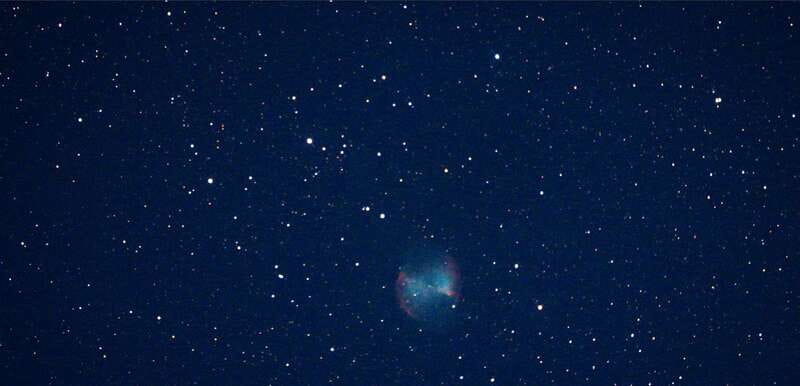
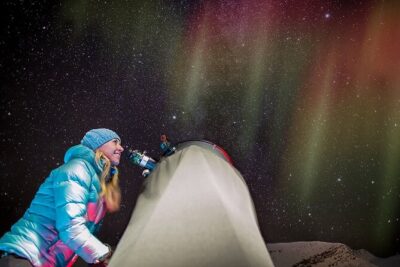
The experience describes the instruments as the largest and most powerful telescopes in the Rockies, and clear conditions can make good use of them. Previous sessions have included views of Saturn, Jupiter, star clusters, and other objects. A first look at Saturn through a serious optical telescope can be memorable because it changes the planet from a bright point into a small world with visible rings.
You should set your expectations carefully. A telescope cannot force an object into view through clouds, rain, or bright twilight. Some evenings produce excellent views, while others offer only a few stars. One participant could not see Jupiter because the sky did not cooperate, and another found the telescope portion less satisfying than the planetarium because of cold weather and limited visibility.
That is not a flaw unique to this tour. It is simply the risk of booking any stargazing activity in the Canadian Rockies. The difference here is that the company provides a backup program and a two-year rain check for the telescope tour.
What happens on a cloudy night
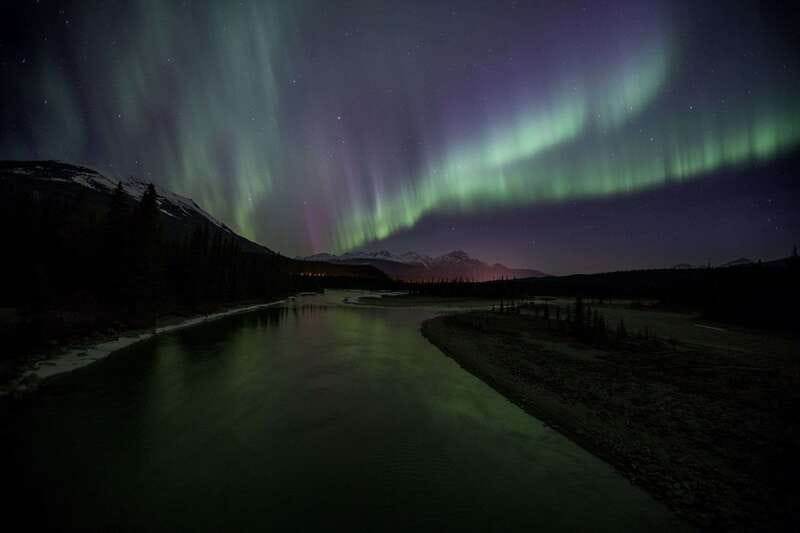
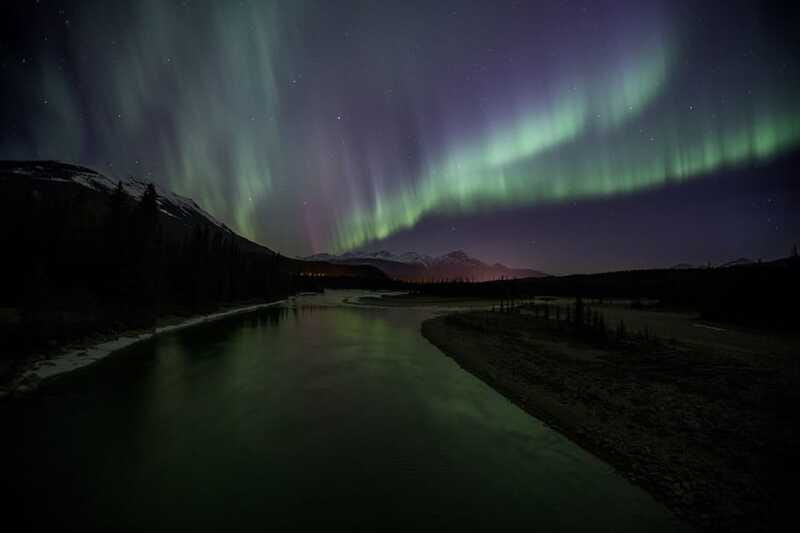
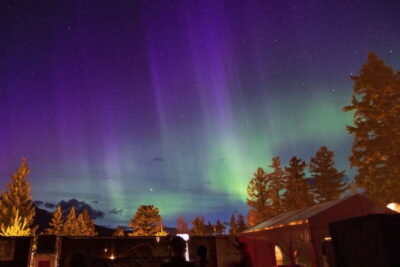
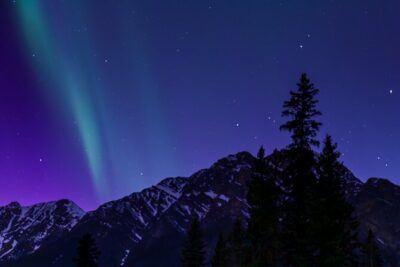
Jasper weather can change quickly, so the tour is built to continue even when the sky is covered. The guides use two indoor pavilions to explain the science behind the Aurora Borealis. You’ll learn how the Northern Lights form and receive advice about photographing them.
That information is useful beyond this particular evening. If you are staying in Jasper for several nights, you’ll have a better idea of what to watch for and how to prepare your camera. The presentation does not promise an Aurora display. It explains the conditions and science, which is the more honest approach.
You’ll also get to handle actual meteorites, along with a Moon rock and a Mars rock. These are small objects, but they give the science a physical hook. You are no longer only looking at pictures of other worlds. You can feel material that came from outside Earth.
If clouds remain, the guides show 4K screen captures and instant replays of deep-space objects recorded with the facility’s own video telescope. This is not the same as seeing Saturn or a nebula live through an eyepiece, and a wet night can make this portion feel repetitive after the planetarium show. Still, it means you receive a full program instead of standing outside waiting for a gap in the clouds.
The staff’s energy matters here. Even in poor weather, the guides have been praised for keeping the astronomy interesting and answering questions with patience. That makes the cloudy-night option more than a consolation prize, though you should still book with realistic expectations.
Give yourself the best chance at live views
Timing matters. When you choose your time, check Jasper’s sunset for that date. Selecting a departure after sunset gives you a better chance of true night viewing.
This is especially important in late spring and summer, when evening light can linger. One June session had limited darkness, yet still offered a good experience. If your priority is planets and deep-space objects, a later time is generally the sensible choice when it is available.
The tour lasts 90 minutes, so you are getting a compact evening rather than a long observing session. The schedule includes the planetarium, the outdoor telescope introduction, and the weather backup material when needed. You should not expect unlimited time at every instrument.
Cloud cover is not the only outdoor concern. Temperatures can drop sharply after sunset, and the telescope area may feel cold even when the afternoon was pleasant. Bring weather-appropriate clothing and use thermal layers in winter. A warm coat, hat, and gloves are practical choices for any cold-season booking.
Rain, cloud, and darkness affect the experience in different ways. Rain may move more of the program indoors. Clouds can block live views but still allow the science program and telescope replays. Twilight reduces contrast in the sky. The tour is worth considering in any season, but your expectations should match the forecast and sunset time.
More Tickets in Canada:
- Miami: Frost Museum of Science and Planetarium Entry Ticket
★ 4.5 · 429 reviews - Houston Museum of Natural Sciences: Planetarium Ticket
★ 4.5 · 139 reviews - London: Royal Observatory Planetarium Show Entry Ticket
★ 3.9 · 89 reviews - Valley of the Temples under the stars with ticket included
★ 4.4 · 28 reviews
The guides make the difference
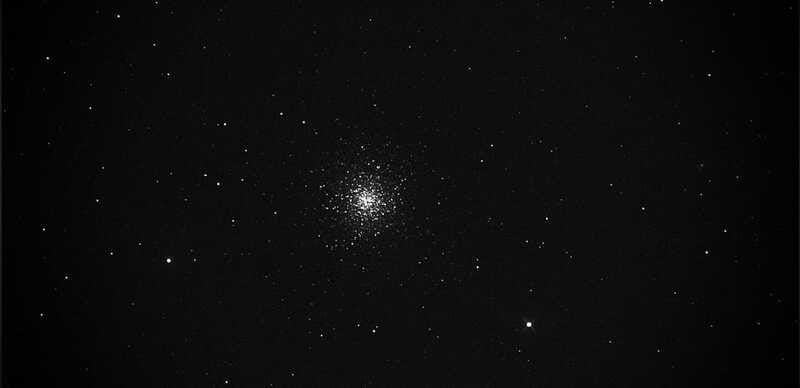
The tour depends heavily on its astronomy guides. Their job is not only to operate equipment. They explain what you are seeing, answer questions, connect the Aurora to solar science, and help you understand why some objects appear differently through a telescope.
This human part of the experience receives unusually strong praise. Guides have been described as friendly, enthusiastic, and able to keep explaining even when the sky is overcast. That matters because telescope tours can become awkward when the main viewing target disappears.
You’ll have a chance to ask questions during the program. This is a good setting for practical topics such as why stars twinkle, how telescopes collect light, how to photograph an Aurora, or why a planet appears brighter on one night than another. The supplied information does not name individual guides, so I would not book expecting a particular person.
The staff can also help make the evening work for mixed-age groups. Adults get the science and cultural context, while children have physical objects to handle and a changing visual presentation. Children under four cannot enter the planetarium, and unaccompanied minors are not permitted, so families should plan around those rules.
Is $61 a fair price?
At $61 per person, this is not a cheap add-on, but it is reasonable if you value a structured astronomy experience rather than a simple lookout stop. The price covers the planetarium admission, the guided telescope program, access to optical telescopes, the cloudy-night material, and the question-and-answer session. Parking is also included.
The value improves if you are interested in both astronomy and the Aurora. You receive more than a single attempt to spot a planet. You get a dome show, local sky traditions, telescope science, meteorites, lunar and Martian material, and practical Aurora photography information.
The value is weaker if you only want a guaranteed view through a telescope. No such guarantee exists here. A cloudy night may leave you with replays rather than live views, and a wet evening can make the outdoor portion less comfortable. The two-year rain check softens that risk, but only if you can return to Jasper within that period.
I would consider the ticket worthwhile for visitors who have one or more nights in the area and want a guided introduction to the sky. If you are staying only one night and have no flexibility, the weather risk deserves more weight.
Finding the meeting point at Jasper Park Lodge
Check in at the Planetarium Retail Desk inside the Main Lodge at Jasper Park Lodge. Once inside, walk past the front desk toward the southwest corner of the lobby. The desk is across from the Emerald Lounge.
Another useful way to enter is through the doors opposite the P1 parking lot, marked Shops and Spa. The retail desk should be directly in front of you from that entrance.
Arrive at least 15 minutes before departure. This is not a suggestion to ignore. Late arrivals are not admitted because they interrupt the program, and you may be moved to the next available tour, possibly on another day.
If you drive, parking is available in P2, P3, or P4. P2 is closest to the planetarium. Allow time to park and walk to the lodge, especially if you are visiting during a busy period.
The tour is wheelchair accessible. Food and drinks are not included, and smoking, vaping, alcohol, drugs, intoxication, flash photography, indoor photography, and audio recording are not allowed.
Cancellation is flexible until 24 hours before departure, when you can receive a full refund. Within 24 hours, you can change to another time, but you will not receive a refund.
Who will enjoy this most
I would recommend this tour to families with children four and older, couples looking for an evening activity, and anyone who wants more context than a self-guided look at the stars. It also suits visitors who are curious about the Aurora but do not know how to read the forecast or photograph it.
It is a particularly good choice for first-time astronomy visitors. You do not need to know the names of stars or understand how telescopes work. The evening gives you a clear starting point and leaves room for questions.
It may be less satisfying for an experienced amateur astronomer who wants a long, quiet observing session. The 90-minute schedule is structured, and the outdoor viewing time can be limited by weather, darkness, and the needs of the group.
I would also think twice if you dislike cold evenings or have a rigid schedule. The rain check helps only if you can return, and the live telescope portion remains dependent on nature.
Should you book the Jasper Planetarium combo?
Book it if you want a well-organized introduction to Jasper’s sky, especially if you value the planetarium and Aurora science as much as live telescope viewing. The strongest parts are the First Nations constellations, the enthusiastic guides, the real Moon and Mars rocks, and the chance to see planets or star clusters through powerful instruments.
Go in knowing that clouds may replace live viewing with 4K replays and a science program. Choose a time after sunset, arrive early, and dress for the outdoor portion. If you can return within two years, the rain check makes the weather gamble easier to accept. If you need guaranteed clear skies, no astronomy tour can provide that, but this one gives you a sensible backup when Jasper does not cooperate.
FAQ
How long is the Jasper Planetarium and Telescope Combo Tour?
The experience lasts 90 minutes, or one and a half hours.
Where do I check in?
Check in at the Planetarium Retail Desk inside the Main Lodge at Jasper Park Lodge. The desk is in the southwest corner of the lobby, across from the Emerald Lounge.
How early should I arrive?
You must check in 15 minutes before the tour begins. Latecomers are not admitted to the departing tour and may need to move to the next available time or day.
Can I attend if the weather is cloudy?
Yes. The tour continues with Aurora science, access to meteorites and Moon and Mars rocks, and 4K images or instant replays from the video telescope. The telescope tour also includes a two-year rain check for a future visit.
Can children attend?
Children four and older can attend. Children under four are not permitted inside the Planetarium Dome Theatre, and unaccompanied minors are not allowed.
What should I bring?
Bring clothing suitable for the weather. Thermal layers may be needed during winter because part of the experience takes place outdoors.
Is parking available?
Yes. Visitors who drive to Jasper Park Lodge can use available spaces in parking lots P2, P3, or P4. P2 is closest to the Jasper Planetarium.
Just added around Canada
- Explore the Stars and Universe at Vancouver’s Space Centre★ 3.0 · 4 reviews
- Wildlife Wild Skies: Jasper Planetarium Combo★ 3.0 · 3 reviews
- Banff Night Tour and Stargazing from Canmore or Banff★ 3.5 · 2 reviews
- Canmore: Stargazing and Night Adventure★ 5.0 · 3 reviews
- Jasper: Jasper Planetarium Dark Sky Experience★ 4.2 · 11 reviews
- Jasper: Planetarium Indoor Dome Experience★ 3.9 · 8 reviews
- Night Adventure with possible stargazing and Aurora chasing★ 5.0 · 29 reviews
- Canmore: Stargazing and Nature by Nightfall Walking Tour – 2hr★ 5.0 · 31 reviews
Jasper Stargazing Tours, compared.
Browse the lists this tour appears in