
REVIEW · MOUNT TEIDE
Tenerife: Mount Teide Observatory Astronomical Tour
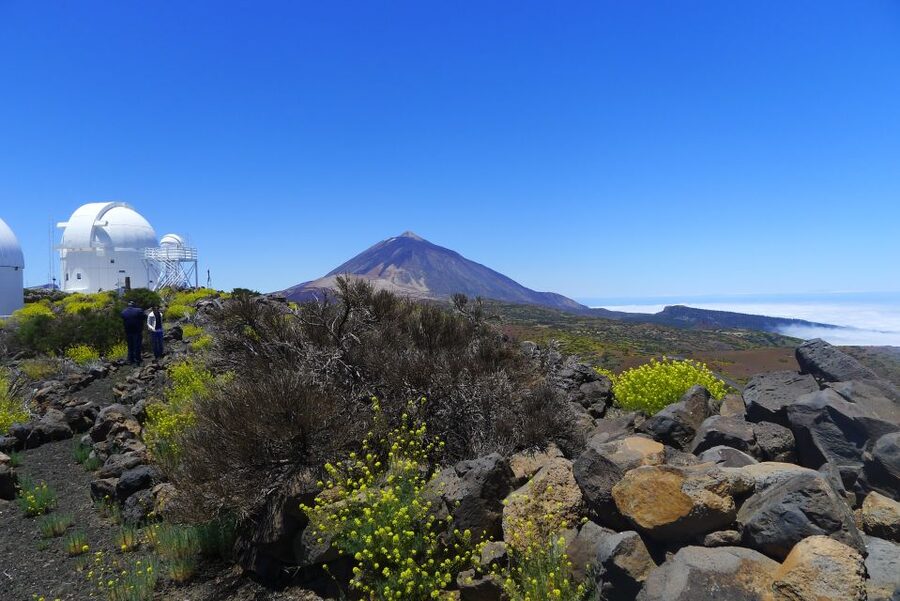
Mount Teide is one of the world’s best places for stargazing, and this tour gives you both sides of the mountain: solar science in the afternoon and a dark, star-filled sky after sunset. You’ll visit the observatory, watch the sun set over the volcanic heights, then use powerful telescopes to inspect the night sky.
I like the small-group transport and the guides who can explain difficult ideas in plain English or Spanish. I also like that the tour is not just a quick star stop: it gives you a full afternoon and evening on Teide. The main drawback is the cold, and weather can replace the live stargazing with an audiovisual presentation.
Key points to know before booking
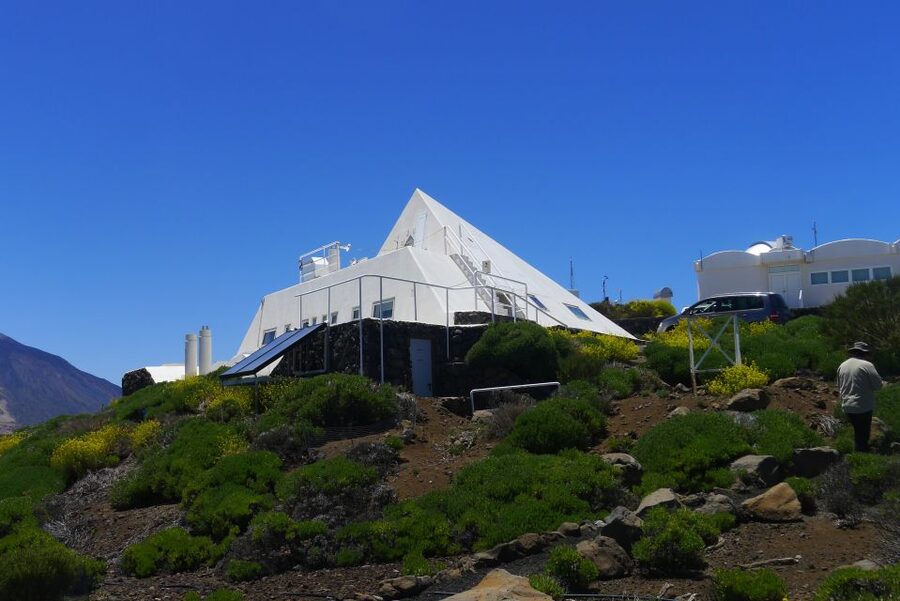
- The observatory visit is the rare part: This is the only tour in the supplied information that includes a guided visit to Teide Observatory.
- You get two astronomy sessions: Look at solar activity during daylight, then study stars and other night-sky objects after dark.
- Small-group transport helps: You travel by minibus rather than joining a large coach outing.
- Bring serious warm clothing: Mountain temperatures can be far below those at your hotel, even in summer.
- Guides are central to the experience: Lucas, Micaela, and other astronomy guides have been praised for clear explanations and a good sense of humor.
- The sky is never guaranteed: Clouds or poor visibility can change the telescope program or lead to a virtual night-sky presentation.
Why this Mount Teide astronomy tour is different
Many Mount Teide outings focus on the cable car, volcanic views, or a sunset photo stop. This one is built around astronomy. You spend the afternoon at the Teide Observatory, then stay high in the mountains until night arrives.
That makes the day feel like a proper introduction to the science of the island’s sky, not just a scenic drive with a few stars at the end. You can learn how solar telescopes work, see the observatory facilities, and ask questions before moving on to constellations and long-range telescopes.
The setting matters. Teide is one of the top three places in the world for stargazing, according to the tour information, and the high mountain location helps separate you from the bright lights of the coast. You will still need clear weather, but the site gives the astronomy portion a strong natural advantage.
The price is $121 per person. That is not a cheap evening outing, but it covers about eight hours, small-group transport, a guide, the observatory visit, and telescope observation. If you would otherwise pay separately for a mountain excursion and a stargazing program, the combined price can make sense.
More Mount Teide Stargazing Tours:
- Tenerife: Teide National Park Sunset & Stargazing Tour
★ 4.2 · 3,812 reviews - Tenerife: Sunset and Stargazing at Teide National Park
★ 4.7 · 2,826 reviews - Teide National Park Sunset & Stargazing with Dinner (Star Safari)
★ 5.0 · 2,601 reviews
The minibus ride into Tenerife’s high country
Pickup is available from selected hotels and meeting points in northern Tenerife, including Parque San Antonio, GF Noelia, Hotel Magec, Hotel Concordia, Tucán, Coral Teide Mar, Riu Garoé, CC La Cúpula, and Kiosko Paragüitas.
The exact pickup time changes with the season because the tour needs to match sunset. That is important: this is not a fixed morning excursion. You should check the departure time carefully and allow the full day and evening for the outing.
Small-group transportation is one of the practical strengths here. A minibus is easier for a long mountain route than a large coach, and the drive itself can be part of the experience. One route described by a participant went along Tenerife’s west coast, with views toward the Los Gigantes cliffs before climbing toward Teide.
You may also hear about the island’s natural features from your guide during the drive. One guide was praised for explaining the plant life and surroundings along the way. That extra commentary helps connect the observatory visit to the wider setting, rather than treating the mountain as a single photo stop.
There is one possible nuisance: several hotel pickups can add time to the journey. If you prefer a faster start, a central meeting point would be more efficient, but pickup from your hotel is easier if you are staying in the northern resort area.
Inside the world’s largest solar observatory
The afternoon visit is the tour’s main point of difference. You do not simply look at Teide from outside. A guide takes you into the observatory and explains its work, instruments, and role in studying the sun.
The visit is led by observatory staff or professional astronomy guides. You can expect explanations of how telescopes are designed and how scientists observe solar activity. One particularly memorable element described by a participant was seeing solar flares in real time.
That is a useful detail for deciding if this tour fits you. The observatory is not just an impressive building. It gives you a look at working science, with the sun treated as an active object rather than a bright disk in the sky.
You may have the chance to see inside a telescope and hear about the equipment used for solar research. The tour information also refers to solar telescopes and long-range nighttime equipment. Telescope access can vary with weather and operating conditions, so do not expect every instrument to be used in exactly the same way on every departure.
The guides are a major part of the visit. Lucas has been praised for explaining how telescopes work, how to navigate by the stars, and how scientists identify elements in distant stars and planets. Micaela has also been praised for a professional and clear presentation. Names and guide assignments can change, but the useful thing to look for is a guide who can handle questions without turning the talk into a technical lecture.
Sunset at a volcanic viewpoint
After the observatory, the group stops at a viewpoint to watch sunset over the volcanic mountain. This pause breaks up the science and gives you time to take in the scale of Teide.
Sunset at altitude can be much colder than the coast. The difference may surprise you. One participant described hotel temperatures of about 30 degrees Celsius and mountain temperatures of around 7 degrees Celsius with strong winds. That is the sort of change you should plan for, even if Tenerife feels hot when you leave your hotel.
The sunset stop is also a good chance to eat a snack if you have brought one. Food and drinks are not included. There may be a cafe near the cable car base, but supplies are not guaranteed, especially when it is busy. I would pack water and something filling rather than count on buying dinner in the mountains.
The volcanic views are part of the tour’s appeal, but they are not the sole reason to book it. If you want a full day of scenery with no lectures or telescope time, a standard Teide sightseeing tour may suit you better. Here, the sunset is a beautiful pause between the observatory and the night program.
More Observatory and Telescope Tours in Tenerife:
- Teide by Night: Sunset & Stargazing with Telescopes Experience
★ 4.5 · 1,492 reviews - Teide National Park: Guided Large Telescope Stargazing Tour
★ 4.9 · 319 reviews - Astronomic Small-Group Tour on Tenerife Teide Observatory
★ 4.0 · 34 reviews - Magic Stargazing & Sunset in Teide with Dinner + Telescopes
★ 3.5 · 20 reviews
Waiting for darkness and reading the sky
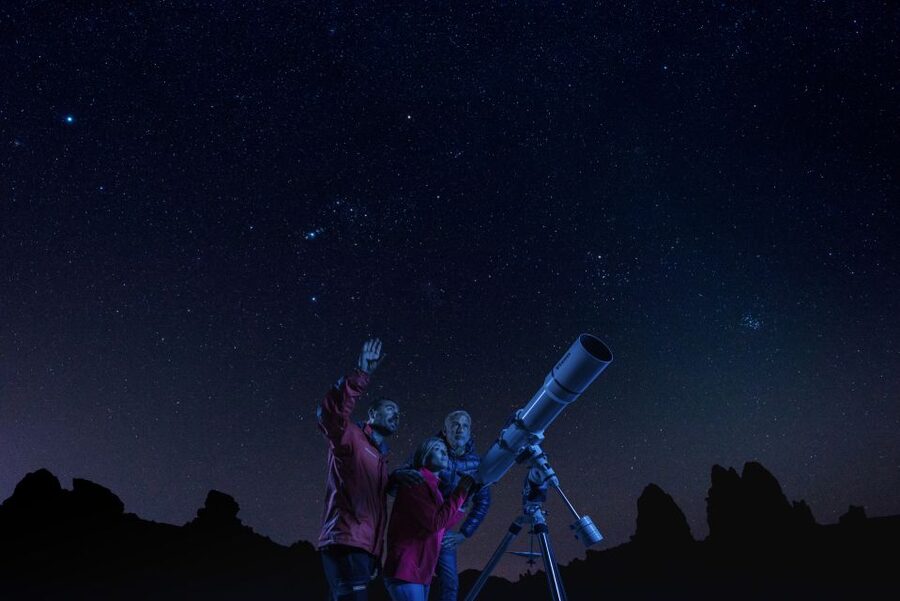
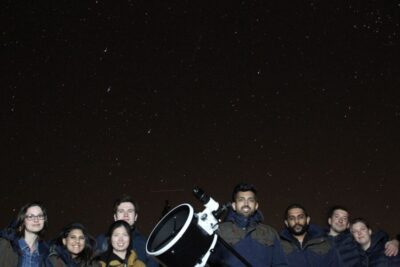
Once the sun has gone down, the emphasis shifts from solar astronomy to the night sky. Your guide helps you begin with the unaided eye, pointing out constellations and explaining how to find your way around the sky.
This part is valuable because the stars become easier to appreciate once you know what you are seeing. Instead of staring at a mass of lights, you can learn about constellation shapes, the life cycle of a star, and the way scientists identify different elements in stars and planets.
The supplied experience details describe observation through a long-range telescope. Earlier descriptions of the program also refer to using several large telescopes to examine different sights in the sky. The exact number of instruments and objects can change, but the format is clear: you spend real time looking through telescopes rather than receiving only a short demonstration.
The moon, planets, star clusters, or other prominent objects may be included depending on the season and visibility. A clear night can also bring surprises such as shooting stars or, on one occasion, a comet. Those sights are never promised, so treat them as a bonus rather than part of the basic value.
A good guide makes this session work. The strongest reports describe guides who answer plenty of questions, explain ideas in an easy way, and show real enthusiasm for astronomy. You do not need advanced science knowledge to enjoy it. Curiosity is enough.
Weather backup plans and what they mean
The main risk is the weather. Clouds, wind, or poor visibility can prevent proper stargazing through the telescopes. This is not a flaw in the tour so much as a fact of outdoor astronomy, but you should understand the backup plan before paying.
If conditions stop the solar telescopes from being used properly, the program may include two nighttime telescopes instead of one. If the stars cannot be seen, guides use audiovisual equipment for a virtual tour of the night sky, including constellations and prominent objects that might otherwise have been visible.
That backup keeps the astronomy theme alive, but it is not the same as seeing stars above Teide. If your only goal is a perfect Milky Way photograph, no operator can guarantee the result. I would book this for the observatory, the teaching, and the mountain setting as well as the hope of clear skies.
The best time of year is not specified as a guarantee, and clear skies depend on the day. Your best protection is flexible planning. Since free cancellation is available up to 24 hours before departure, you can keep an eye on the forecast and retain some room to adjust your plans.
What to wear for a cold, windy evening
Take the clothing rules seriously. You need warm clothing, long trousers, a long-sleeved shirt, and closed-toe shoes. Sandals, flip flops, shorts, short skirts, and sleeveless shirts are not allowed.
This is more than a polite suggestion. People without the required clothing may not be allowed to join the excursion. The mountain can be cold and windy after dark, even when the coast is warm, so bring layers that you can put on as the temperature drops.
Comfort matters too. You may walk through the observatory area and spend time outside looking through telescopes. Wear clothes that let you stand around comfortably for a while, not just something suitable for a warm hotel lobby.
Children must confirm their age with a passport or identity card. The tour is not recommended for children under eight, and it is not suitable for people with mobility impairments. Anyone with a health condition should ask a doctor before undertaking the excursion, particularly because of the long duration, cold conditions, and mountain setting.
Is eight hours and $121 good value?
I see this as a specialist full-day outing rather than a casual night activity. The eight-hour duration includes transport, the guided observatory visit, the sunset stop, and the nighttime telescope session. That is a lot of time, but it also means you should not schedule another major attraction the same day.
The value is strongest if you care about astronomy. You get access to a scientific site, explanations from astronomy guides, and an organized telescope session without arranging separate transport into Teide. The small group also makes the long day feel more personal than a standard sightseeing coach.
The value is weaker if you mainly want views or a quick stargazing photo. You will spend time driving, waiting for darkness, and listening to explanations. Food and drinks cost extra, and you should bring your own provisions.
The experience has an overall rating of 4.4 from 126 reviews, with especially strong praise for the guides, telescope viewing, clear explanations, and the quality of the observatory visit. The recurring practical lesson is simple: warm clothes can make the difference between enjoying the final hour and wishing you had stayed in the minibus.
Who should book this Teide observatory experience?
I would choose this tour if you want to understand what you are seeing. It suits adults, older children, amateur astronomers, photographers who care about the sky, and anyone who likes science mixed with scenery.
It is also a good choice if you do not have a rental car or would rather not drive mountain roads after dark. Pickup, transport, and a guide remove much of the planning work.
I would hesitate if you dislike long excursions, cold outdoor conditions, or schedules that change with sunset. Families with children under eight should choose another activity, and people with mobility limitations should note the stated restrictions.
Spanish and English are the available guide languages. If you have a strong interest in astronomy, it is worth confirming the language you need when booking.
FAQ
How long does the Mount Teide Observatory Astronomical Tour last?
The tour lasts eight hours. The schedule includes transport, the afternoon observatory visit, a sunset stop, and nighttime astronomy.
How much does the tour cost?
The listed price is $121 per person.
What languages are available?
The live tour guide speaks Spanish or English.
Is transportation included?
Yes. Transportation for small groups is included, with pickup available from selected hotels and meeting points in northern Tenerife.
Is food included?
No. Food and drinks are not included, so you should bring provisions or check what is available at the mountain stop.
What clothing do I need?
Bring warm clothing, a long-sleeved shirt, long trousers, and closed-toe shoes. Sandals, flip flops, shorts, short skirts, and sleeveless shirts are not allowed.
What happens if the stars cannot be seen?
The guides use audiovisual equipment to provide a virtual tour of the night sky, constellations, and prominent objects that might have been visible.
What happens if the solar telescopes cannot be used?
The program may use two nighttime telescopes instead of one if weather prevents proper visibility through the solar telescopes.
Can children join the tour?
The tour is not recommended for children under eight. Children must confirm their age with a passport or identity card.
Can I cancel the booking?
You can cancel up to 24 hours before the tour for a full refund. You can also reserve now and pay later.
Should you book it?
Book this tour if the idea of seeing solar flares in real time, learning how telescopes work, and then finding constellations under a dark mountain sky sounds better than a simple scenic drive.
The guides are the strongest part of the experience, and the combination of observatory access, sunset, and telescope viewing gives the $121 price a fair case. Just bring proper clothing, pack food and water, and accept that clouds may change the night program. If you do that, this is one of Tenerife’s best choices for a serious but approachable introduction to astronomy.
Just added around Tenerife
- Small Group Teide Stargazing Tour with Picnic at Sunset★ 5.0 · 3 reviews
- Tenerife Exclusive & Private Gastronomic, Sunset-Stargazing★ 5.0 · 3 reviews
- TEIDE NIGHT Astronomy Stargazing Bus Tour, Meal & Drinks included!★ 4.0 · 15 reviews
- “Stargate” Tenerife stargazing★ 5.0 · 13 reviews
- Stargazing Tour in Tenerife★ 3.0 · 2 reviews
- Polestar SELF-DRIVE Sunset Stars Tour in Teide National Park★ 5.0 · 19 reviews
- Private stargazing trip in Teide★ 5.0 · 3 reviews
- Stargazing Experience with Dinner & Drinks★ 4.0 · 23 reviews
Mount Teide Stargazing Tours, compared.
Teide National Park Sunset & Stargazing with Dinner (Star Safari)
Read our review →
Teide National Park: Sunset & Stargazing Safari with Dinner
Read our review →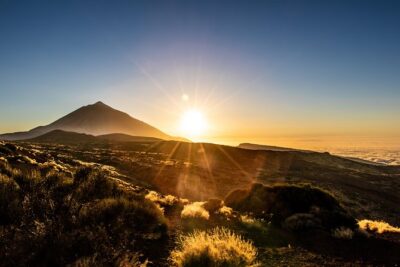
Teide by Night: Sunset & Stargazing with Telescopes Experience
Read our review →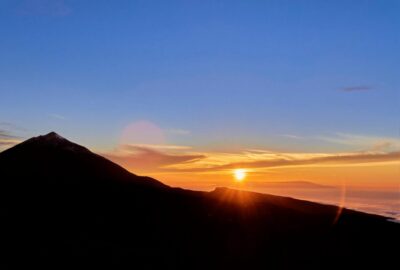
Guided Sunset & Stargazing Tour by Night with Dinner
Read our review →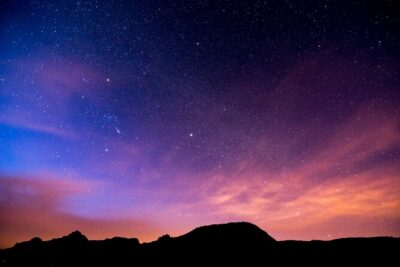
Roque de los Muchachos Stargazing Tour with Wine
Read our review →Browse the lists this tour appears in