
REVIEW · SPAIN
Madrid: Night sky observation with an expert astronomer
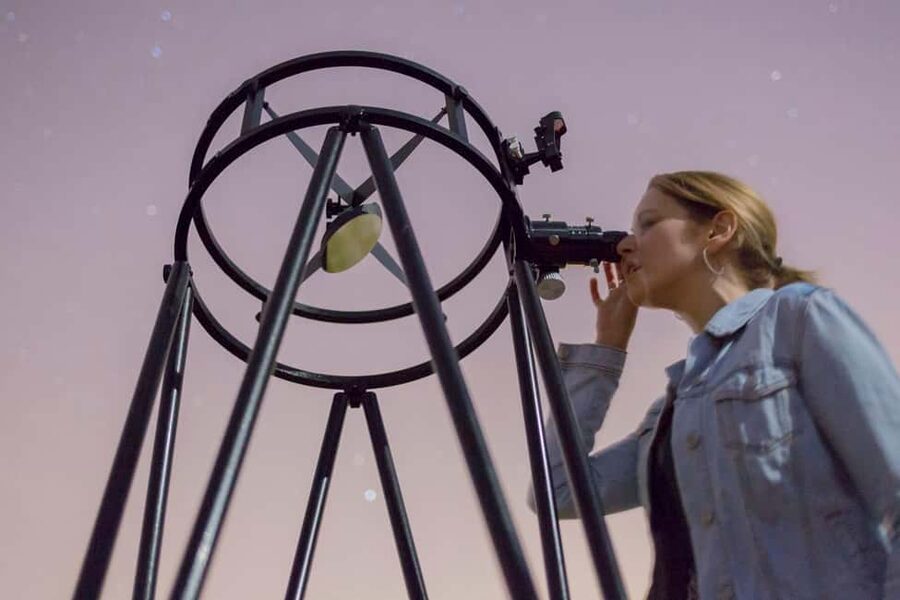
Madrid’s city lights fade quickly once you reach the observing site, where an astronomer points out the North Star, Zodiac constellations, and planets before turning a 30 cm telescope toward the night. The first half helps you understand what you’re seeing. The second gives you repeated looks through serious equipment.
I like the clear two-part plan and the small groups, which mean you are not left waiting all night for one brief turn at the eyepiece. I also like the friendly teaching style, especially with guide Rober, who explains astronomy in simple Spanish and has even served warm broth on cold winter nights. The main catch is weather: clouds can spoil the view, and the activity may be canceled as late as 24 hours before departure.
Key points at a glance
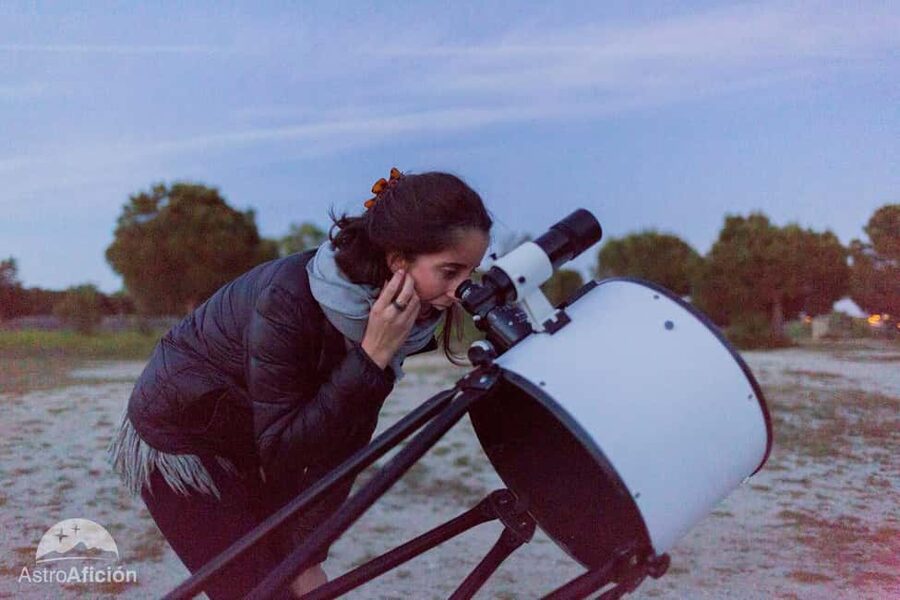
- A 30 cm telescope: Large-aperture equipment gives you a chance to see far more than you can with the naked eye.
- A useful sky lesson first: You learn to find the North Star, identify Zodiac constellations, and tell planets from stars.
- Small groups mean more telescope time: You can look through the eyepiece several times during the session.
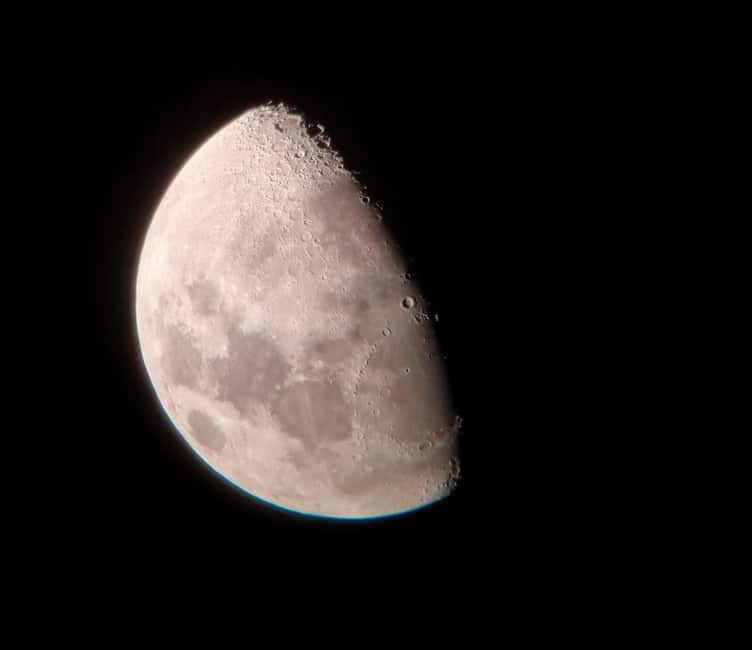
- Every night offers different targets: The Moon, planets, double stars, galaxies, nebulae, and Milky Way clusters may appear.
- A short walk to the viewing site: Meet the AstroAfición monitor in a blue uniform, then walk 200 meters.
- Cold weather matters: Bring warm clothing, and note that hot broth has been served on some winter outings.
Why this Madrid night tour is different
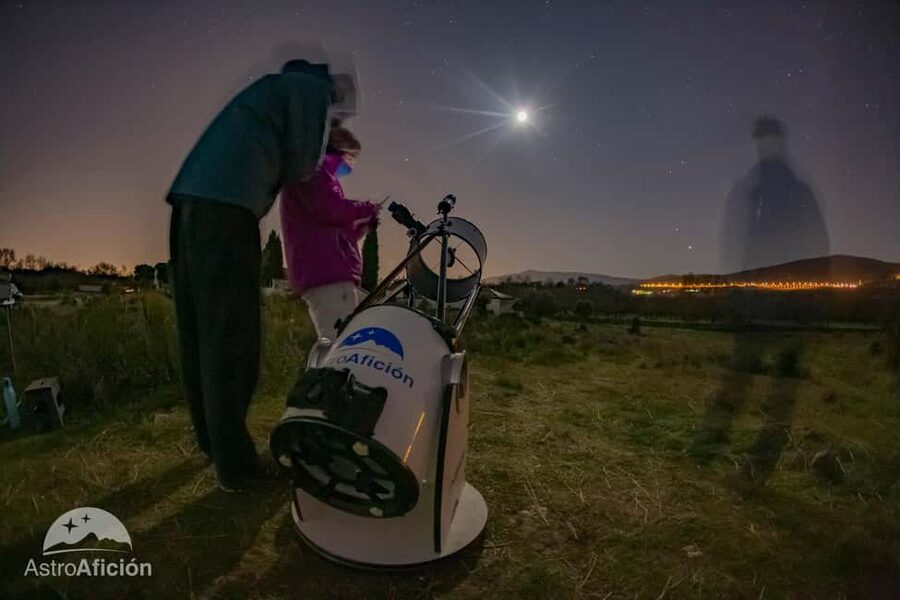
Many city sightseeing activities show you Madrid by daylight. This one asks you to slow down and look up. The appeal is not only the telescope. It is learning how the sky fits together, so you can recognize a few patterns after the two-hour session ends.
The evening begins with a guided tour of the stars and constellations. That may sound basic, but it is the part that gives the rest of the activity meaning. Instead of looking at a bright point and being told its name, you learn how to find your way around the sky.
The astronomer shows you how to locate the North Star, a useful reference point for understanding the sky. You also learn to recognize the constellations of the Zodiac and to separate stars from planets. Those skills are simple, but they make stargazing much less random.
I like this approach because the lesson is not just a warm-up while equipment is being prepared. It gives you a framework. When the telescope turns toward a planet, star cluster, or nebula, you have already learned how to place that object in the wider sky.
More Evening Trips in Spain:
- Tenerife: Teide National Park Sunset & Stargazing Tour
★ 4.2 · 3,812 reviews - Tenerife: Sunset and Stargazing at Teide National Park
★ 4.7 · 2,826 reviews - Teide National Park Sunset & Stargazing with Dinner (Star Safari)
★ 5.0 · 2,601 reviews
The 200-meter walk to the observing site
You meet an AstroAfición monitor at the designated meeting point. The guide wears a blue company uniform, which should make the group easy to identify. From there, you walk about 200 meters to the observation site.
That is a short distance, but you should still wear practical shoes and a warm outer layer. The session takes place outdoors at night, and temperatures can feel much lower when you are standing still beside a telescope.
The short walk also keeps the outing simple. You are not being taken on a long hike or asked to manage complicated transport after dark. The important thing is to arrive ready for the sky, not to spend the evening getting from one place to another.
Food and drink are not included as a standard part of the booking. Still, warm broth has been offered on at least some cold-weather sessions, including one led by Rober. I would treat that as a welcome possibility, not something to count on. Bring your own water if you need it, and dress as though you will be outside for the full two hours.
Learning the constellations before using the telescope
The opening portion is a star and constellation tour led in Spanish by an astronomer. You learn the names and shapes of familiar groups, along with the stories connected to their stars.
This section is especially useful if you are new to astronomy. The night sky can look like a mass of scattered lights, particularly when you do not know where to begin. A guide can give you a few fixed points, then show you how the rest of the sky relates to them.
The North Star is one of those fixed points. The guide also explains how to spot Zodiac constellations and how to distinguish stars from planets. That last point is more useful than it sounds. Planets can look like bright stars to the naked eye, so learning the difference helps you make sense of what you are seeing.
The stories behind the constellations add a human touch without replacing the science. You get a sense of how people have used the sky for navigation, storytelling, and observation. The explanations are designed to be clear and accessible rather than packed with technical terms.
Rober has been praised for making the subject easy to follow. If he is leading your session, expect a relaxed teaching style and explanations aimed at beginners. The language is Spanish, so basic Spanish skills will help. Some content may also be presented in its original language, and you should not expect an English-language tour.
What the 30 cm telescope can show you
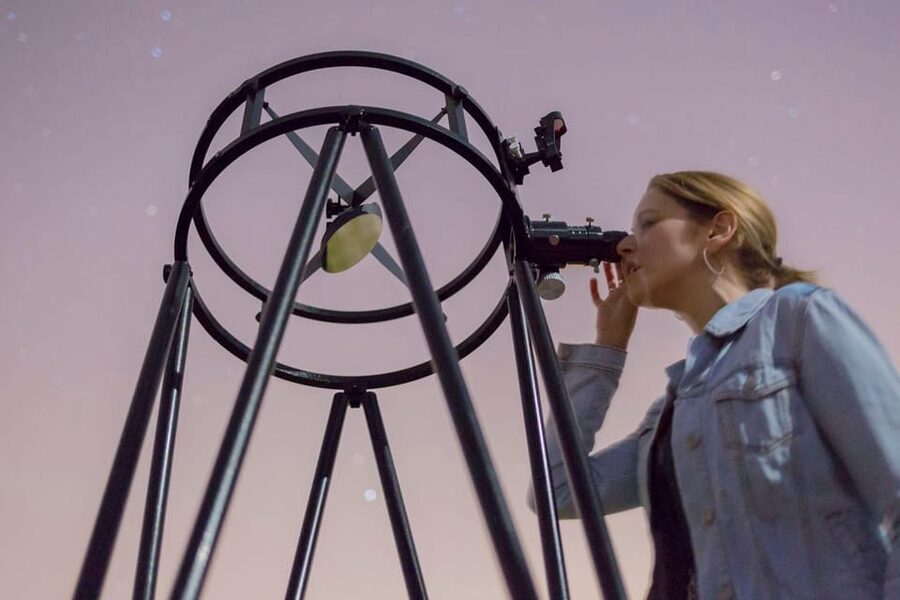
After the constellation lesson, the focus shifts to the 30 cm aperture telescope. The size of the telescope matters because a larger aperture gathers more light. That gives you a better chance of seeing faint or detailed objects than you would with unaided eyes.
The exact viewing list changes from night to night. Possible targets include:
- The Moon
- Planets in our Solar System
- Double stars
- Star clusters
- Nebulae
- Galaxies
- Dense areas of the Milky Way
You may see the Moon on one outing and spend more time with star clusters or nebulae on another. There is no fixed show with the same objects every night. The available targets depend on what is above the horizon and how clear the sky is.
That changing program is part of the charm, but it also means you should keep your expectations sensible. The tour cannot promise a particular planet, galaxy, or nebula. It can promise expert guidance and access to a large telescope, not a guaranteed view of a specific object.
The mention of star clusters, nebulae, and galaxies is important. Naked-eye stargazing is mostly about stars and constellation shapes. Through the telescope, you may see groups containing thousands of stars, clouds where stars are born, or the faint forms of distant galaxies. The guide explains what these objects are and why they look the way they do.
The telescope is not simply set up for you to admire from a distance. You get to look through it repeatedly. In a small group, the astronomer can guide each person to the eyepiece and give you more than one chance to see the target clearly.
More Observation Decks in Spain:
- Menorca Astronomical Observation with Telescopes, Night Sky
★ 5.0 · 19 reviews - 6-Hour Tour with Observation of the Stars 1242 with Lunch
★ 5.0 · 5 reviews - Night Sky observation and photography (Small Group)
★ 5.0 · 2 reviews
Small groups make the telescope time count
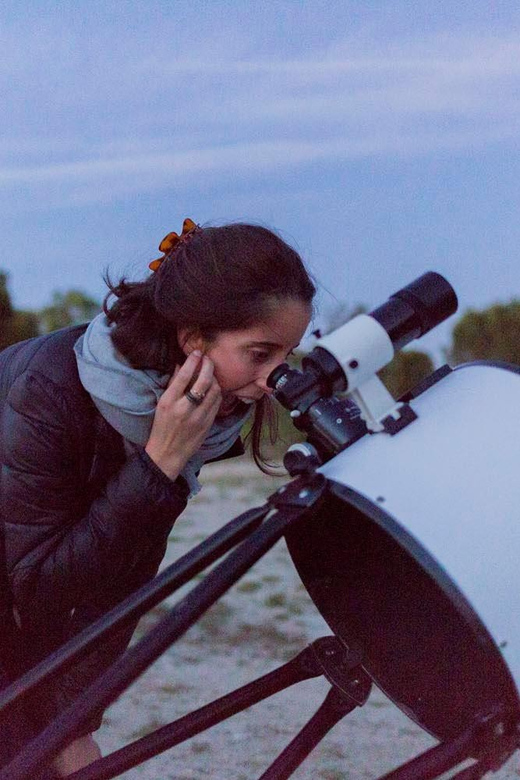
Small-group format is one of the best practical features here. Telescope viewing can be frustrating when a large crowd forms a line and each person gets only a few seconds. Here, the group size is kept small, so you can return to the eyepiece several times.
Repeated viewing matters because the first look may not be perfect. You may need help finding the object, adjusting your eye, or understanding what you are seeing. The astronomer can explain the details, then let you look again with a better sense of what to watch for.
The guide remains with the group throughout the observation. That makes the session more like a lesson under the stars than a quick turn at a public telescope. You can ask questions and get an explanation in plain Spanish.
The tradeoff is that the activity depends on everyone sharing the equipment. Even in a small group, you will spend some time listening while another person looks through the telescope. That is normal for this kind of outing, and the repeated viewing opportunities help balance it.
Weather can change the entire evening
Clear skies are essential for this activity. Clouds, poor visibility, or other bad weather can make telescope viewing disappointing or impossible. The operator monitors the forecast and may cancel when good conditions cannot be guaranteed.
You may receive notice about 48 hours before the session, but uncertain forecasts can require a decision as late as 24 hours before the start time. That late decision can be inconvenient if you have arranged other plans around the outing. It is also the responsible choice for an activity that relies completely on outdoor conditions.
If the session is canceled, you can choose a different date or receive a refund. You can also cancel your own booking up to 24 hours in advance for a full refund. The reserve-now-and-pay-later option gives you some added flexibility while you sort out your Madrid plans.
Do not pack this into a tightly timed evening with a nonrefundable dinner immediately afterward. Give yourself room for a weather change or a delayed decision. If the forecast looks doubtful, keep your schedule flexible.
Cold nights and what to bring
Warm clothing is the most important item on the packing list. Even if Madrid feels mild during the day, the temperature can drop after sunset, and standing outdoors for two hours can leave you cold.
Wear layers rather than relying on one heavy coat. A warm jacket, covered legs, and comfortable shoes are sensible choices. You will walk only 200 meters, but much of the activity involves standing outside while the guide explains the sky and prepares the telescope.
Pets are not allowed, although assistance dogs are permitted. Food and drink are not included, so plan around that. The warm broth served on some winter sessions is a pleasant extra, but it is not listed as a guaranteed inclusion.
I would also avoid bringing anything that makes it hard to move between the guide and telescope. You need your hands free enough to handle warm clothing and follow the group comfortably.
Is $47 a fair price?
At $47 per person, this sits above a casual evening walk but below the cost of many specialized private activities. The value depends on what you want from the night.
If you already own a good telescope and regularly identify stars on your own, the introductory lesson may feel familiar. In that case, the appeal is the 30 cm telescope and the chance to view objects you may not be able to see with home equipment.
For a beginner, the price is easier to justify. You are paying for an astronomer-led explanation, telescope access, small-group viewing, and a two-hour session. You do not need to research the constellations beforehand or work out how to locate distant objects yourself.
The strongest value comes from the combination of teaching and equipment. A powerful telescope without guidance can leave you unsure of what you are looking at. A constellation talk without a telescope can feel limited. This activity joins the two.
The price does not include transport, food, or drink. The meeting point and short walk keep the arrangement straightforward, but you are responsible for reaching the starting location. Check the available start time when booking, since the exact schedule can vary.
Who will enjoy this most?
I would recommend this outing to first-time stargazers, couples looking for a quiet evening, families with older children, and anyone who wants a break from Madrid’s busy center. It suits people who enjoy asking questions and learning a little science without signing up for a formal class.
It is also a good fit for photography and astronomy enthusiasts who want a guided look through larger equipment. The activity is not presented as a technical observing course, though, so experienced astronomers may find the explanations fairly basic.
The Spanish-language format is an important consideration. You will get the most from the session if you can follow spoken Spanish. The guide aims to explain things clearly, but the activity is not advertised as an English tour.
This is less suitable if you need a guaranteed list of celestial objects, dislike cold outdoor activities, or have only a narrow window in your schedule. Weather may change the plan, and the sky itself decides what becomes visible.
My take: should you book it?
Book this Madrid night sky observation if you want to understand what you are looking at, not just point a phone at the stars. The simple constellation lesson, expert guidance, and repeated turns at a large telescope make it a strong first contact with astronomy.
I would book it with three conditions in mind: choose a flexible evening, wear genuinely warm clothing, and expect Spanish instruction. If those points work for you, $47 is a reasonable price for two hours of hands-on telescope viewing and clear guidance under the night sky.
If the forecast is poor, wait for another date rather than hoping clouds will somehow improve the program. A good sky is the key ingredient, and AstroAfición gives you the option to change dates or receive a refund if weather forces a cancellation.
FAQ
How long does the night sky observation last?
The activity lasts about two hours.
What language is the tour conducted in?
The live tour guide speaks Spanish. Some content may be presented in its original language.
What telescope is used?
The observation uses a large-aperture telescope with a 30 cm aperture.
What might I see through the telescope?
Depending on the night, you might see the Moon, planets, double stars, galaxies, star clusters, or nebulae.
Is the group size small?
Yes. The activity is offered in small groups, allowing you to look through the telescope multiple times.
Where do I meet the guide?
You meet the AstroAfición monitor at the designated meeting location. The monitor wears a blue company uniform, and the group then walks 200 meters to the observation site.
What should I bring?
Bring warm clothing because the activity takes place outdoors at night.
What happens if the weather is bad?
The operator may cancel if the forecast does not allow safe or worthwhile observing conditions. You can choose a different date or receive a refund.
Just added around Spain
- Villajoyosa: Moonlight kayaking and dinner under the stars★ 5.0 · 5 reviews
- Tenerife Exclusive & Private Gastronomic, Sunset-Stargazing★ 5.0 · 3 reviews
- Small Group Teide Stargazing Tour with Picnic at Sunset★ 5.0 · 3 reviews
- TEIDE NIGHT Astronomy Stargazing Bus Tour, Meal & Drinks included!★ 4.0 · 15 reviews
- “Stargate” Tenerife stargazing★ 5.0 · 13 reviews
- Stargazing Tour in Tenerife★ 3.0 · 2 reviews
- Polestar SELF-DRIVE Sunset Stars Tour in Teide National Park★ 5.0 · 19 reviews
- Private stargazing trip in Teide★ 5.0 · 3 reviews
Spain Stargazing Tours, compared.
Teide National Park Sunset & Stargazing with Dinner (Star Safari)
Read our review →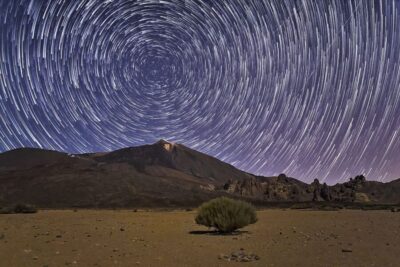
Teide National Park: Sunset & Stargazing Safari with Dinner
Read our review →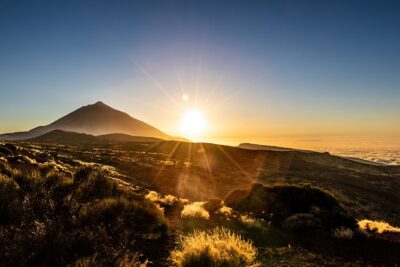
Teide by Night: Sunset & Stargazing with Telescopes Experience
Read our review →
Guided Sunset & Stargazing Tour by Night with Dinner
Read our review →
Roque de los Muchachos Stargazing Tour with Wine
Read our review →Browse the lists this tour appears in