
REVIEW · MOUNT TEIDE
La Palma: Roque de los Muchachos Stargazing Tour with Wine
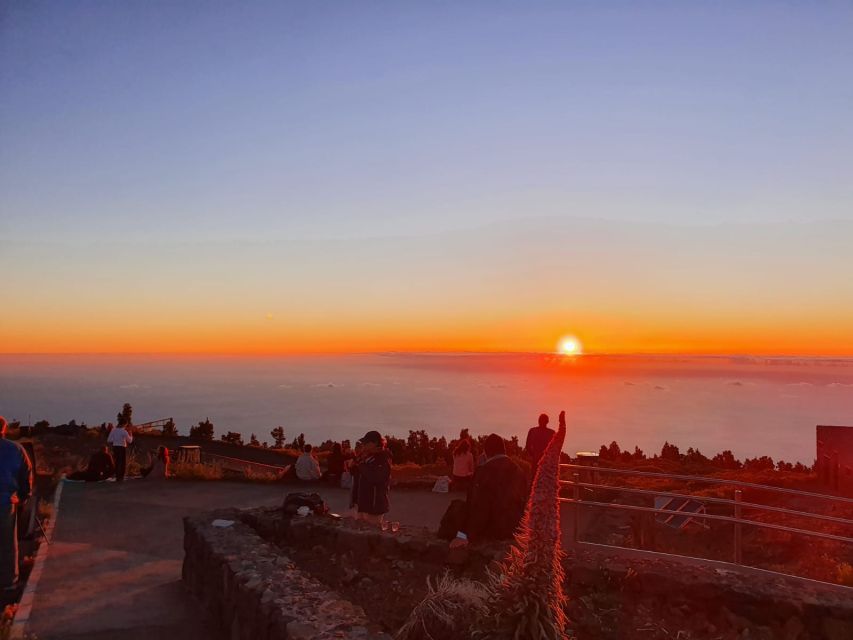
At 2,426 metres above sea level, Roque de los Muchachos gives you two big reasons to make the trip: a sunset above the clouds and one of Europe’s finest night skies. The final telescope session can reveal Saturn’s rings, planets, star clusters, and more, while the naked eye picks out the Milky Way far better than it can from a city.
I like that the tour handles the steep mountain drive after dark, and I like the mix of astronomy, scenery, and a single glass of wine rather than a long lecture in a room. The guides explain the observatories in English, Spanish, or German, and Stefanie has earned particular praise for her clear, enthusiastic explanations.
The main drawback is the length and cold. You may spend six to seven hours on the road, with no open toilet facilities in the mountain area, and the evening can become very chilly. Bring serious warm clothing, not just a light jacket.
Key points to know before booking
- The summit reaches 2,426 metres: Expect striking views, sharp temperatures, and a winding mountain road.
- Sunset comes before stargazing: You visit viewpoints in stages, with wine served at a sunset stop before the telescope session.
- You do not enter the observatory: The tour explains the telescope installations from outside and nearby viewpoints.
- The sky session depends on conditions: Cloud, weather, and moonlight can cancel or limit the astronomy.
- The ride is part of the value: Hotel pickup and return mean you do not need to drive the mountain roads at night.
- A telescope can show more than your eyes: The guide may point out planets, galaxies, nebulae, clusters, and details such as Saturn’s rings.
Why Roque de los Muchachos is worth the long ride
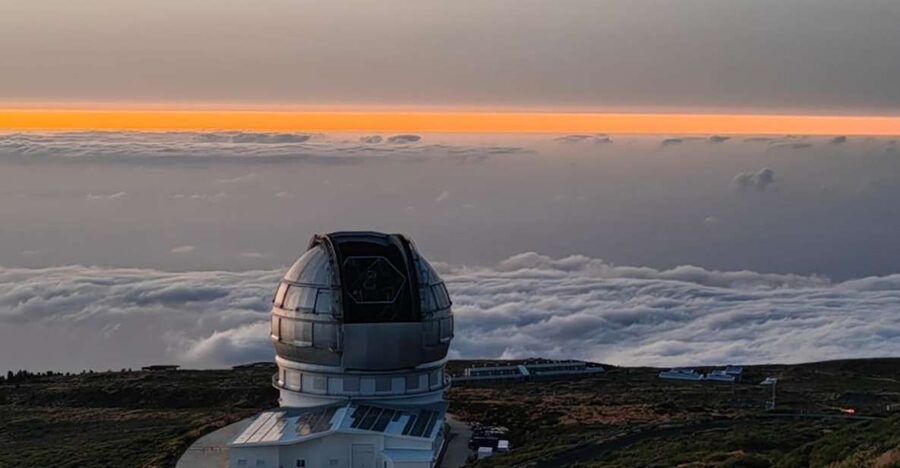
La Palma is prized for its dark skies, and the summit of Roque de los Muchachos is the heart of that reputation. The high elevation places you above much of the island’s lower cloud cover, while strict control of artificial light helps keep the sky dark.
You will not receive a technical observatory tour. Instead, the guide takes you around the public viewpoints near the installations, explaining what the telescopes do and why this mountain location suits astronomy. That distinction matters. If you expect to walk inside a research observatory, this is not the right activity. If you want the setting explained and then want to look at the same sky through a telescope, it fits well.
The road up is long and winding. That makes a coach or minibus more useful than it might sound at first. After sunset, unfamiliar mountain roads become a poor place for a rental car, especially after a glass of wine and several hours in the cold. You can sit back while the driver handles the descent.
The trip begins from Fuencaliente, Los Cancajos, Santa Cruz de La Palma, or Los Llanos, depending on the option selected. Pickup arrangements can vary, and the bus carries a La Palma Transfer & Tours sign. Confirm the exact meeting point carefully, since one pickup point has been described as farther away than expected.
More Mount Teide Stargazing Tours:
- Tenerife: Teide National Park Sunset & Stargazing Tour
★ 4.2 · 3,812 reviews - Tenerife: Sunset and Stargazing at Teide National Park
★ 4.7 · 2,826 reviews - Teide National Park Sunset & Stargazing with Dinner (Star Safari)
★ 5.0 · 2,601 reviews
The summit viewpoints and observatory installations
The first major stop is the Roque de los Muchachos viewpoint. At the highest point of La Palma, the views are a strong part of the experience even before darkness arrives.
The road passes the telescope installations on both sides. Your guide explains the purpose of each telescope and the reason astronomers chose this high, remote site. You are looking at working scientific facilities from the outside, not entering them, and the observatory area may close in the evening.
That closing time can affect the pace. At some times of year, the group has only a short period near the observatory before moving to another viewpoint. If you want plenty of time for photographs and explanations, do not assume the summit stop will feel leisurely.
Still, the stop gives useful context. The night sky is not simply a pretty backdrop here. The dark conditions are the reason serious astronomy takes place on the mountain, and the guide connects the physical setting with the science. That makes the later telescope session easier to understand.
The road itself can be a challenge. A few visitors have described the drive as scary, while also praising the driver’s handling of it. If winding roads bother you, sit where you feel most comfortable, look out at the views when you want to, and remember that the transfer is included for good reason.
Sunset, a glass of wine, and a practical pause
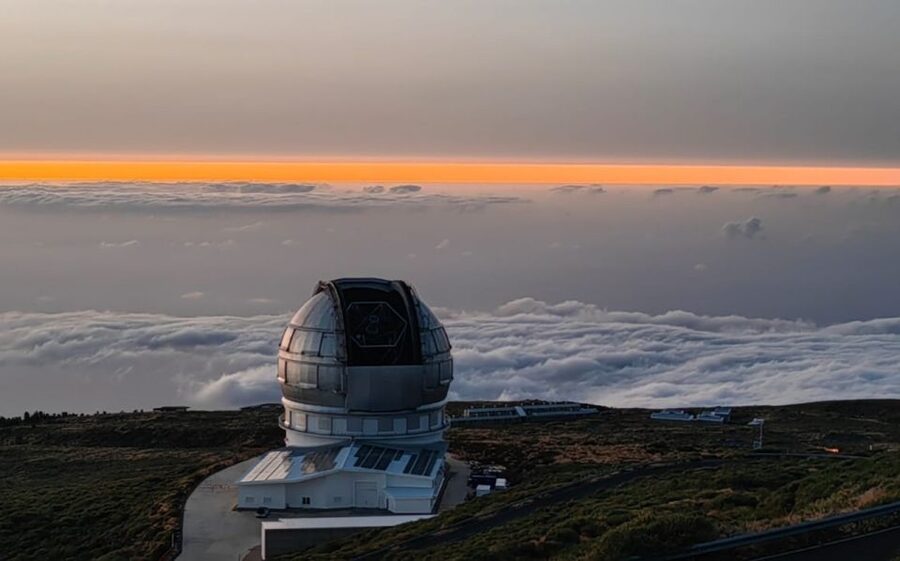
After the summit visit, the group drives to a nearby viewpoint for sunset. This is usually a different location from the observatory area, partly because the observatory closes and partly because the guide needs a suitable place for the evening sequence.
You receive one glass of wine while watching the sun drop over La Palma. It is a modest inclusion, not a meal or a tasting, but it gives the tour a pleasant pause between the high mountain visit and the later astronomy. Bring food if you need a full dinner. The supplied details mention a picnic stop in at least one version of the route, but do not promise a meal.
The sunset stop also helps break up what would otherwise be a long astronomy outing. You get time to take photographs, warm up slightly if the weather allows, and enjoy the view without looking through a telescope.
The timing changes with the season because the tour follows sunset. Your return may be as early as around 10 p.m. or as late as 1 a.m. This is not a short evening activity. Check the start time for your date and protect the rest of your evening accordingly.
What the telescope session can show you
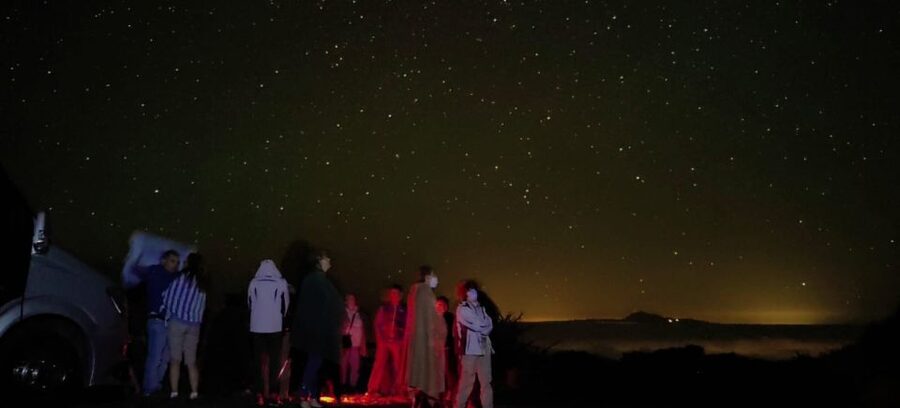
Once it is properly dark, the group moves to another viewpoint for the main stargazing session. The guide uses a quality telescope and helps you find objects that are difficult or impossible to see clearly from a town.
The exact sights depend on the date and conditions. The guide may show you planets, galaxies, nebulae, and star clusters. One particularly memorable possibility is Saturn with its rings and moons. That kind of view gives the telescope session a clear payoff, especially if you have never looked through a serious telescope before.
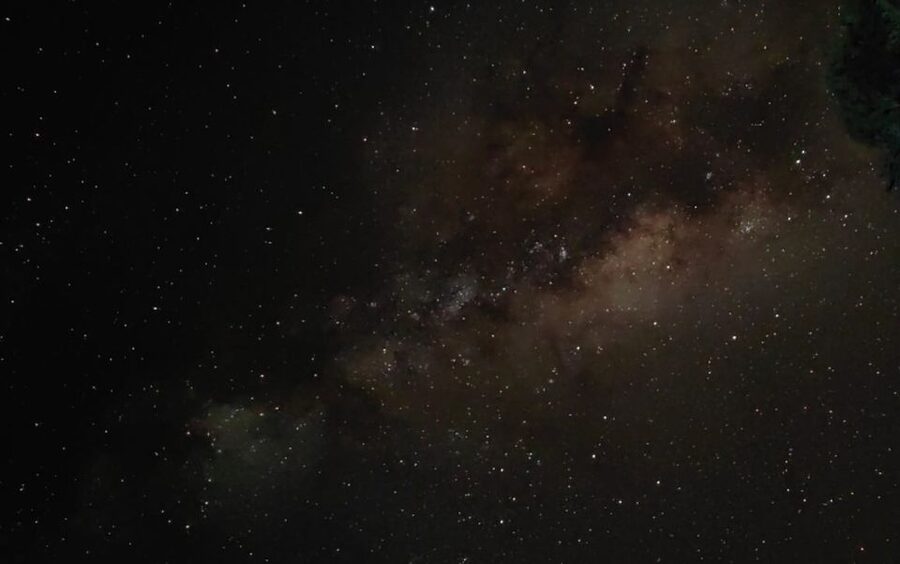
You will also spend time looking up without optical equipment. The Milky Way can be far more obvious here than it is above a city, and the sheer number of visible stars may be the most powerful part of the evening. A telescope gives you detail, but the unaided sky gives you scale.
The group may be divided into language-based sections, with a guide for each group. English, Spanish, and German are offered. This arrangement can keep the explanations focused, although it may mean some waiting while another group uses the equipment.
Do not expect a large observatory experience with many instruments or a private astronomer. This is a guided outdoor viewing session. Its quality depends on the guide, the weather, the darkness, and how many people need a turn at the telescope.
More Stargazing Nights with a Tasting in Spain:
- Dinner in the vineyard and wine tasting under the stars
★ 4.9 · 41 reviews - Private Wine Tasting Under The Stars With Sunset Panorama
★ 5.0 · 19 reviews - Wine tasting under the Stars in the vineyards of Agrigento
★ 5.0 · 3 reviews - Temecula Wine Country Stargazing Tour
★ 5.0 · 2 reviews
The cold, darkness, and lack of facilities
Take the warning about warm clothing seriously. Even if the coast feels mild when you leave your hotel, temperatures at the summit can be much lower, and you may stand outside for a long time after dark.
Pack layers, a warm outer jacket, and clothing that covers your legs. A hat and gloves may be useful, particularly outside the warmer months. The tour specifically recommends warm clothing, and that advice is practical rather than fussy.
Toilets are a more awkward issue. There are no open toilet facilities in the mountain area used for the evening session, and the full outing can last until late at night. Use a restroom before heading into the high country and plan accordingly.
You should also bring a charged smartphone and a camera. A phone is useful for meeting-point details and low-light conditions, while a camera can capture the sunset. Do not expect ordinary phone photography to reproduce the stars as your eyes see them, but it is still worth carrying one.
The mountain environment is dark and exposed. Stay with the group and follow the guide’s instructions around viewpoints and roadside stops. The tour’s transport removes the need to navigate after dark, but it does not turn the setting into a warm indoor attraction.
Is $65 good value?
At $65 per person, the price is fair if you value the transport as much as the astronomy. You are paying for hotel pickup and drop-off in selected areas, a six to seven-hour guided outing, the summit visit, sunset stop, telescope viewing, and the convenience of not driving at night.
A self-drive visit might appear cheaper, but you would still need to handle fuel, a long mountain route, evening fatigue, and the challenge of finding suitable viewpoints in darkness. You would also miss the guide’s explanations about the telescopes and the guided search for celestial objects.
The value is less convincing if you want a short, guaranteed telescope show. Weather can cancel the route, and the moon can make the session unsuitable. A full moon is specifically a problem because its light reduces visibility of the other stars. Cloud can also affect the route or the quality of the viewing.
The single glass of wine should be seen as a small extra, not the reason to book. The real value is the combination of transport, summit scenery, interpretation, and access to a dark sky. If the astronomy matters most to you, choose a date with a darker moon and check the forecast shortly before going.
Free cancellation is available up to 24 hours in advance, and you can reserve now and pay later. If weather cancels the activity, you can change the date during your stay or receive a full refund. Those terms make it easier to fit the outing into a changeable island schedule.
Who will enjoy this tour most?
I would recommend it to anyone who wants an introduction to La Palma’s astronomy without arranging equipment, transport, or a late-night drive. First-time stargazers should get plenty from the guide’s explanations and the chance to use a telescope.
It also suits couples and small groups looking for an evening with more character than a standard sunset stop. The wine, high viewpoint, and dark sky give the outing a pleasant rhythm, while the science adds substance.
Families may enjoy the planets and star clusters, but the late return, cold, winding road, and long outdoor stretches are worth considering. Younger children may find the waiting and darkness tiring. The tour is also less suitable if you need frequent restroom access or dislike mountain roads.
Experienced amateur astronomers may want more telescope time or more control over what they observe. Bring binoculars if you have them, since a telescope is not the only way to enjoy the sky. One visitor paired binoculars with the guided viewing and found the combination especially rewarding.
How to prepare for a better night
Before leaving your hotel, check the meeting point and pickup time. The start time may shift with sunset, and pickup points differ by booking option.
Wear layers and comfortable shoes. Even if you spend much of the ride inside the bus, the important parts happen outdoors, often while standing still in cold air.
Eat before the mountain section or carry suitable food if permitted. The included wine is only one glass, and the evening can run for seven hours. Do not count on buying food or using a restroom once you reach the high viewpoints.
Charge your phone and bring a camera, but keep your expectations realistic for night photographs. Most importantly, bring patience. The telescope session may involve waiting for your turn, and the mountain drive takes time.
If the moon is full, choose another date. If the weather is poor, accept a rescheduled outing or refund rather than expecting the telescope to produce a good view through clouds.
FAQ
How long does the Roque de los Muchachos stargazing tour last?
The tour lasts approximately six to seven hours. Return times are generally between 10 p.m. and 1 a.m., depending on sunset and the time of year.
Where can pickup be arranged?
Pickup is available from Fuencaliente, Los Cancajos, Santa Cruz de La Palma, or Los Llanos, depending on the option booked. The exact meeting point may vary.
Do you enter the Roque de los Muchachos observatory?
No. The tour does not enter the observatory. You visit viewpoints near the telescope installations, hear about the facilities, and observe the night sky from a nearby location.
What languages are offered?
Live guiding is available in English, Spanish, and German. Groups may be divided by language during the telescope session.
What should you bring?
Bring warm clothing, a camera, and a charged smartphone. Warm layers are especially important because the summit can be very cold after sunset.
Can the tour be canceled because of weather or the moon?
Yes. Routes may be canceled because of weather, with the option to change the date during your stay or receive a full refund. A full moon can also prevent the activity because its light affects visibility of the other stars.
Should you book it?
Book this tour if you want a well-organized way to reach La Palma’s dark sky and you are happy to give the evening six to seven hours. The telescope viewing, high mountain sunset, and safe return transport make the $65 price sensible for most first-time stargazers.
Skip it if you need reliable toilet access, dislike winding roads, or want an indoor observatory visit. For the best chance of a memorable night, choose a date away from the full moon, bring more warm clothing than you think necessary, and keep the evening free until late.
Just added around Spain
- Villajoyosa: Moonlight kayaking and dinner under the stars★ 5.0 · 5 reviews
- Tenerife Exclusive & Private Gastronomic, Sunset-Stargazing★ 5.0 · 3 reviews
- Small Group Teide Stargazing Tour with Picnic at Sunset★ 5.0 · 3 reviews
- “Stargate” Tenerife stargazing★ 5.0 · 13 reviews
- TEIDE NIGHT Astronomy Stargazing Bus Tour, Meal & Drinks included!★ 4.0 · 15 reviews
- Stargazing Tour in Tenerife★ 3.0 · 2 reviews
- Polestar SELF-DRIVE Sunset Stars Tour in Teide National Park★ 5.0 · 19 reviews
- Private stargazing trip in Teide★ 5.0 · 3 reviews
Mount Teide Stargazing Tours, compared.
Teide National Park Sunset & Stargazing with Dinner (Star Safari)
Read our review →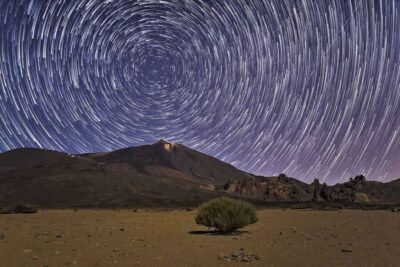
Teide National Park: Sunset & Stargazing Safari with Dinner
Read our review →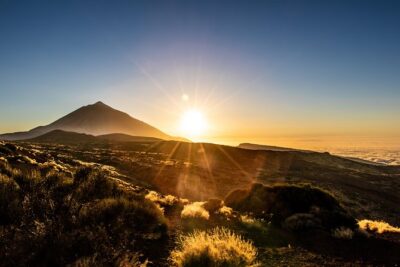
Teide by Night: Sunset & Stargazing with Telescopes Experience
Read our review →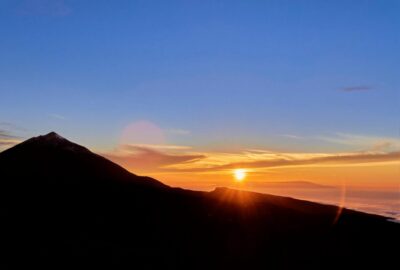
Guided Sunset & Stargazing Tour by Night with Dinner
Read our review →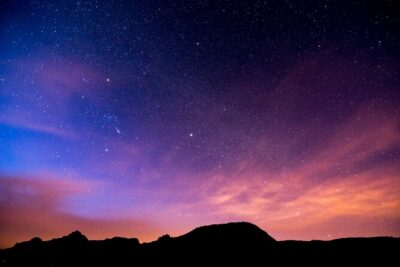
Teide Night Experience with Dinner and Stargazing
Read our review →Browse the lists this tour appears in