
REVIEW · SPAIN
The Real Basque Way: San Sebastian, Beyond the Stars
San Sebastian’s food culture makes the most sense when you move past the famous tasting menus. This small-group walk takes you from a crisp, oozy tortilla in Parte Vieja to kokotxa at a neighborhood market, Basque cheese, Mexican-Basque chocolate, fish stew, anchovies, cider, and txakoli. I like the focus on working food people, and I like that the meal unfolds over several stops instead of one long restaurant sitting.
The biggest consideration is the $175 price and the amount of walking between food stops. Private transport is not included, and the experience can last four to five hours, so it suits you best if you want a substantial food outing rather than a quick snack tour. Guide Astrid has received special praise for adding history, social life, and domestic details to the food story without rushing the group.
Key points at a glance
- A perfect tortilla starts the day: Try a Basque favorite with a crisp outside and soft center at a busy local café.
- Kokotxa brings you to the market: See the fish necks that local cooks buy by the kilo, a useful look at everyday Basque cooking.
- The group stays very small: A maximum of seven people allows for conversation and easier access to small food businesses.
- The route crosses culinary San Sebastian: Go from Parte Vieja across the Santa Catalina Bridge to newer food businesses near the Urumea River.
- Your food budget is largely covered: Breakfast, lunch, snacks, and alcoholic drinks are included in the $175 price.
- The emphasis goes beyond famous restaurants: Meet cheesemakers, chocolate makers, and young kitchen leaders working between simple cafés and Michelin-starred dining.
Why this food walk goes beyond the Michelin scene
San Sebastian is famous for elite dining, but its food identity is not built only on starred restaurants. This experience shows you the daily meals, market ingredients, workshops, and independent food shops that give the city its character.
I like that the route treats food as part of local life. You do not simply sit down, eat a course, and leave. You see what people buy, learn how familiar ingredients fit into Basque cooking, and meet people trying new ideas while staying tied to regional habits.
The small size matters here. With no more than seven participants, the guide can explain a dish, answer questions, and keep the group together as it moves through several businesses. It also makes a difference inside compact cafés and shops, where a large group could feel awkward.
The format is best understood as a long, moving meal. You receive breakfast, lunch, snacks, and alcoholic drinks, but the food arrives in stages. That gives the experience a social rhythm and lets you compare simple local staples with newer interpretations of Basque cooking.
Other stargazing trips people book around Spain:
- Tenerife: Teide National Park Sunset & Stargazing Tour
★ 4.2 · 3,812 reviews - Tenerife: Sunset and Stargazing at Teide National Park
★ 4.7 · 2,826 reviews - Teide National Park Sunset & Stargazing with Dinner (Star Safari)
★ 5.0 · 2,601 reviews
Parte Vieja begins with tortilla and local routine
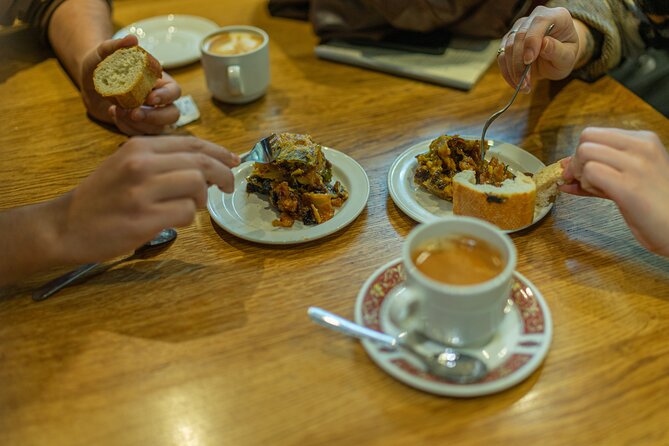
The day starts in Parte Vieja, San Sebastian’s historic center, with tortilla at a busy local café. The appeal is not just the ingredient list. It is the texture: a crunchy outside with an oozy center, the sort of detail that tells you why a plain-looking dish can inspire such strong local loyalty.
This is a smart first stop because tortilla gives you a quick introduction to the Basque approach. A familiar food becomes a lesson in timing, texture, and care. You also begin in a setting used by local people, rather than starting with a polished dining room designed mainly for visitors.
From there, the route heads to a neighborhood market. You may see chefs and older local shoppers lining up to buy kokotxa by the kilo. Kokotxa, taken from the neck of the fish, is a Basque favorite and a useful reminder that regional food often depends on parts of the animal that are overlooked elsewhere.
The market stop adds value because it connects what you eat with what people purchase for their own kitchens. You are not just told that seafood matters in San Sebastian. You see an ingredient being selected and bought for real cooking.
Cheese with a wider outlook
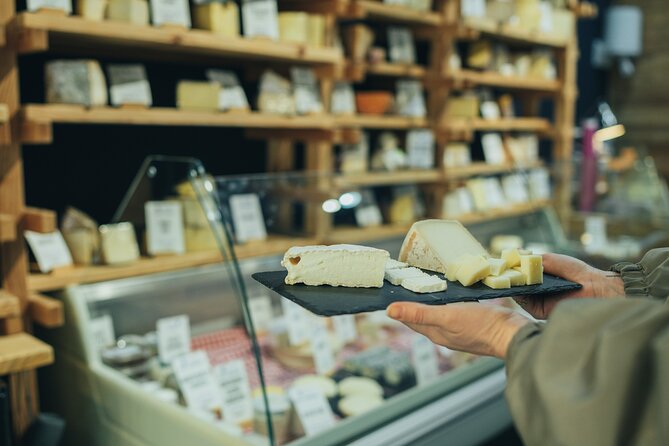
The next part introduces a cheesemaker who is thinking beyond the borders of the region. That detail gives the tour a useful balance. You are not seeing Basque food as frozen in the past, nor are you being told that every new idea is automatically better.
You get a look at how a local producer can work from regional traditions while aiming at a wider audience. Cheese also provides a good pause between the seafood and sweet stops. It is the kind of tasting where the guide can explain the product, the maker’s approach, and the place of dairy in the local food culture.
The supplied details do not specify the exact cheese or the size of the serving, so you should expect a sample rather than a full cheese course. Still, this stop helps show the range of the city’s food world. San Sebastian is not only about pintxos, fish, and high-end restaurants.
A Mexican-Basque chocolate connection
Down the street, the route visits a chocolate workshop run by a Mexican of Basque origin. The story points to an older connection between San Sebastian’s port and Mexico, while also showing how a food tradition can move in both directions.
This is one of the more unusual stops because it links local identity with an international past. Chocolate does not feel like the obvious symbol of Basque cooking, yet the workshop explains why it belongs in the story. You get a food tradition shaped by travel, trade, and personal heritage rather than by a single fixed idea of regional cuisine.
I also like the change of pace. After tortilla, market ingredients, and cheese, chocolate gives the first half of the route a sweet finish before the group heads out of the old center.
Same dark skies, a different way to see them:
- Teide National Park: Sunset & Stargazing Safari with Dinner
★ 4.6 · 2,115 reviews - Teide by Night: Sunset & Stargazing with Telescopes Experience
★ 4.5 · 1,492 reviews - Teide: Guided Sunset & Stargazing Tour by Night with Dinner
★ 4.7 · 1,339 reviews - Sunset & Stargazing Experience From Teide
★ 4.5 · 1,129 reviews
Crossing the Santa Catalina Bridge
The route then leaves Parte Vieja and crosses the Santa Catalina Bridge, where the Urumea River meets the Cantabrian Sea. This shift is more than a change in scenery. It moves you from the old center into another part of the city where small food businesses are working between everyday neighborhood dining and famous Michelin-starred restaurants.
You should plan for walking and wear comfortable shoes. Private transportation is not included, and the route is built around moving from one food stop to another. The meeting point is the Hotel de Londres y de Inglaterra on Zubieta Kalea, and the experience ends back there.
The bridge also gives the day a natural midpoint. The first section focuses on Parte Vieja, markets, traditional ingredients, and food history. The second looks at the people shaping what San Sebastian eats now.
New food ideas near the Urumea River
On the far side of the bridge, the group visits restaurants and food shops run by a close circle of culinary professionals. These businesses fill the space between the city’s simplest neighborhood spots and its most decorated restaurants.
That middle ground is important. If you only visit famous dining rooms, you can miss the places where cooks test ideas, build relationships, and make excellent food without the ceremony or cost of a long tasting menu. Here, you may meet young people leading the city’s newer kitchens and taste what is current in the local food scene.
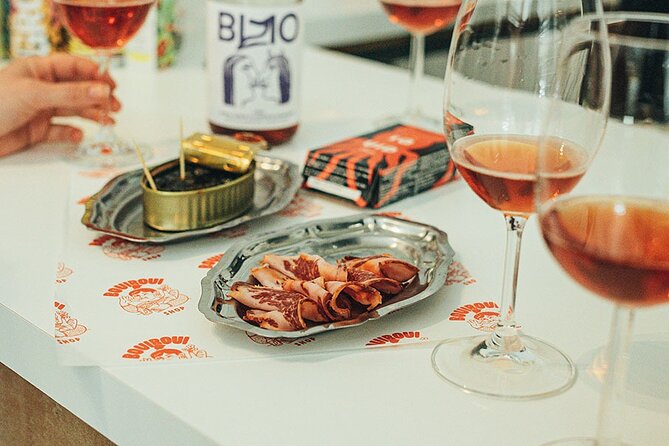
The seasonal nature of this part is worth noting. Depending on the time of year, you might have a home-style fish stew and a taste of artisanal cider. At another time, the food may center on very fresh Cantabrian anchovies with a newer style of txakoli.
That variation is a strength if you like food tied to the season. It is also a small drawback if you have your heart set on one particular dish. The precise menu is not fixed, so you should book for the food culture and format rather than for a guaranteed list of tastings.
Fish stew, anchovies, cider, and txakoli
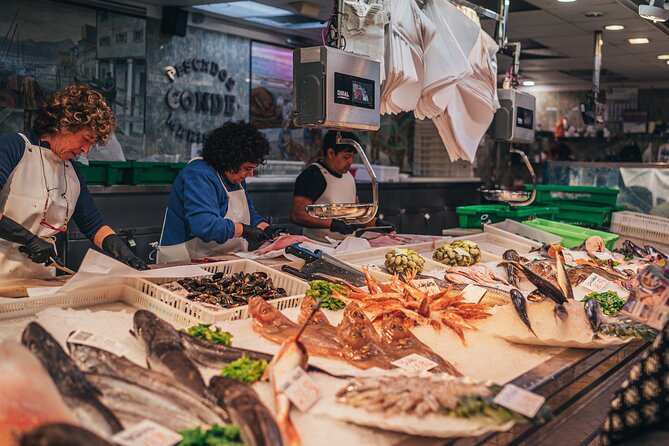
The fish stew option sounds more homely and filling than a formal restaurant course. It gives you a sense of everyday comfort food and fits the tour’s goal of showing how people eat beyond the city’s most famous tables.
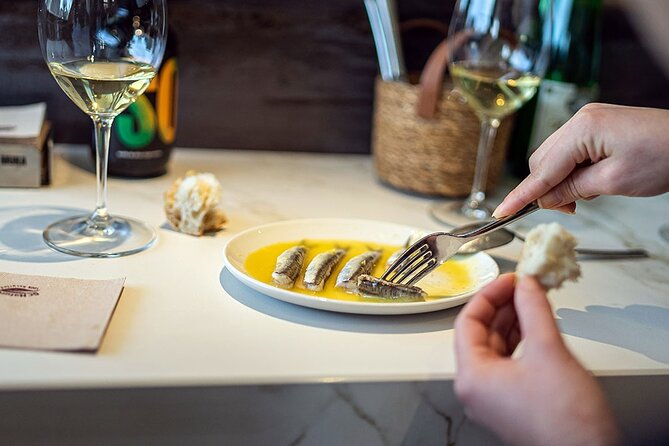
The anchovy option offers a sharper look at the sea. Cantabrian anchovies are described as delicate and exceptionally fresh, paired with txakoli, the classic Basque white wine. The wine is minerally and strongly connected to the sea, which makes it a natural match for fish.
You may also sample artisanal cider. Since alcoholic drinks are included, you can try these pairings without having to add each drink to the bill. If you do not drink alcohol, the supplied details do not specify substitute drinks, so ask when booking or before the walk begins.
This final stretch is where the tour’s theme comes together. Basque food can be traditional without being stuck in place. It can respect ingredients such as fish, cheese, and cider while allowing new cooks and producers to change the way those ingredients are served.
How much value do you get for $175?
At $175 per person, this is not a bargain food crawl. It is a substantial half-day experience with a maximum of seven people, several stops, a guide, and food and drink covering breakfast, lunch, snacks, and alcoholic beverages.
The value depends on how you normally explore a city. If you would otherwise spend a morning buying separate meals, snacks, cheese, chocolate, and drinks, the included food can make the price easier to justify. You are also paying for access to a connected group of food professionals and for the explanations that link each stop.
If you are mainly looking for inexpensive pintxos, you can eat for less by choosing cafés and bars on your own. You will not, however, get the same structure, market context, or introduction to the cheesemaker and chocolate workshop.
I would judge the price fairly for a small, food-heavy experience, but not automatically cheap. It makes the most sense for someone who values conversation, context, and variety as much as quantity.
What Astrid adds to the experience
Guide Astrid has been praised for explaining not only San Sebastian’s food scene, but also its history, social life, and domestic customs. That wider frame is important because food here is tied to daily routines and local relationships.
The experience is not built around racing from one tasting to the next. Astrid’s style, as described, allows time to talk and absorb the details. That matters in a four to five hour walk, when a rushed schedule could make the whole day feel like a checklist.
Guides can vary, so you should not assume Astrid will lead every departure. Still, her approach gives you a useful picture of what the experience aims to provide: food with human context, not just a sequence of samples.
Who will enjoy this San Sebastian experience?
I would choose this for you if you want to understand how San Sebastian eats beyond its best-known restaurants. It is especially suited to people who enjoy small producers, food history, market visits, and conversations with cooks and makers.
It also works well early in your stay. The route introduces ingredients, neighborhoods, and eating habits that can help you make better choices for the rest of your time in the city. You may leave with a clearer idea of whether you want to seek out more tortilla, kokotxa, anchovies, txakoli, or newer neighborhood kitchens.
You may want something else if you prefer a fixed menu, a seated meal, or a tour focused only on famous pintxos bars. The walking, the changing seasonal food, and the mix of shops and restaurants make this less predictable than a standard tasting.
Most people can participate, and the activity is near public transportation. The group is limited to seven, and the mobile ticket is confirmed at booking. The tour is offered in English.
Should you book The Real Basque Way?
Book it if you want a personal introduction to San Sebastian’s food culture, especially the part that sits between home cooking and Michelin-starred dining. The tortilla, kokotxa market visit, Mexican-Basque chocolate, cheese, fish, anchovies, cider, and txakoli give the day plenty of range.
Skip it if your main goal is the lowest possible food cost or a short, fixed tasting. At $175, the experience earns its price through its small group, included meals and drinks, and access to local food people rather than through one grand restaurant meal.
For most food-focused visitors with four to five hours to spare, I think it is a strong choice. Book at least a little ahead if your schedule is tight, since it is commonly reserved about 29 days before the date.
FAQ
How much does the experience cost?
The price is $175 per person.
How long does the experience last?
It lasts approximately four to five hours.
What food and drinks are included?
Breakfast, lunch, snacks, and alcoholic beverages are included.
Is transportation included?
Private transportation is not included. The meeting point is the Hotel de Londres y de Inglaterra, and the route includes travel on foot between food stops.
Where does the experience start and end?
It starts at Hotel de Londres y de Inglaterra, Zubieta Kalea, 2, in San Sebastian. It ends back at the meeting point.
How large is the group?
The activity has a maximum of seven participants.
Is the experience offered in English?
Yes. It is offered in English.
Can I cancel for a full refund?
Yes, if you cancel at least 24 hours before the local start time. Cancellations made less than 24 hours ahead are not refunded, and the experience may also be canceled if its minimum number of participants is not reached.
Just added around Spain
- Villajoyosa: Moonlight kayaking and dinner under the stars★ 5.0 · 5 reviews
- Tenerife Exclusive & Private Gastronomic, Sunset-Stargazing★ 5.0 · 3 reviews
- Small Group Teide Stargazing Tour with Picnic at Sunset★ 5.0 · 3 reviews
- TEIDE NIGHT Astronomy Stargazing Bus Tour, Meal & Drinks included!★ 4.0 · 15 reviews
- “Stargate” Tenerife stargazing★ 5.0 · 13 reviews
- Stargazing Tour in Tenerife★ 3.0 · 2 reviews
- Polestar SELF-DRIVE Sunset Stars Tour in Teide National Park★ 5.0 · 19 reviews
- Private stargazing trip in Teide★ 5.0 · 3 reviews
Spain Stargazing Tours, compared.
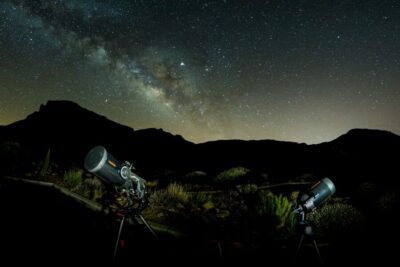
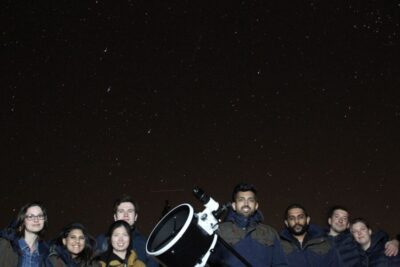

Teide National Park Sunset & Stargazing with Dinner (Star Safari)
Read our review →
Teide National Park: Sunset & Stargazing Safari with Dinner
Read our review →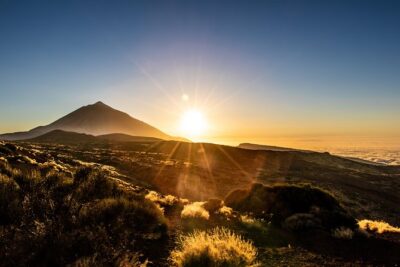
Teide by Night: Sunset & Stargazing with Telescopes Experience
Read our review →
Guided Sunset & Stargazing Tour by Night with Dinner
Read our review →
Roque de los Muchachos Stargazing Tour with Wine
Read our review →Browse the lists this tour appears in