
REVIEW · MOUNT TEIDE
Tenerife: Teide and Stars
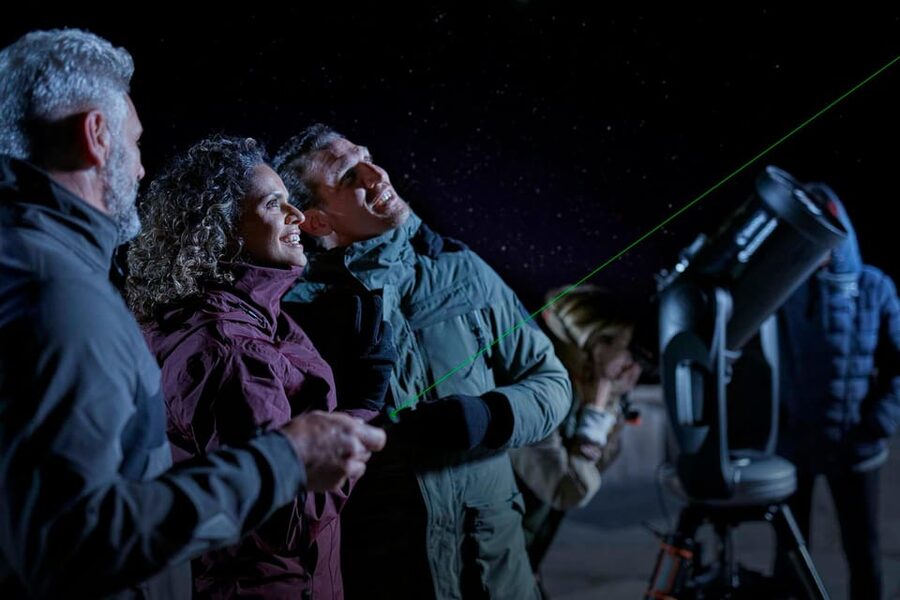
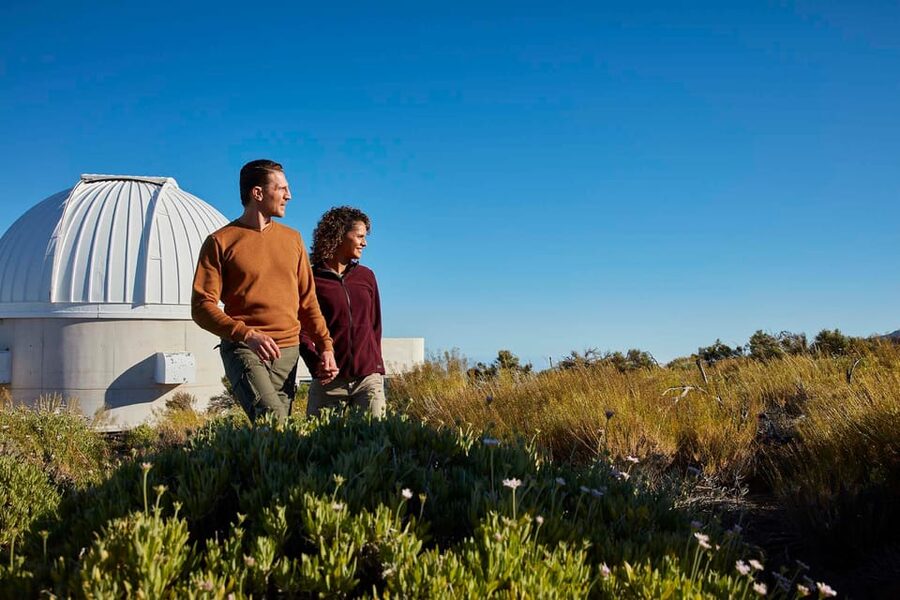
Mount Teide changes character after dark. You ride into the national park for sunset, then look through long-range telescopes while certified astronomy guides explain the stars above one of the world’s clearest skies. I like the mix of volcanic scenery and real astronomy, and I like that transport is included from Tenerife’s north and south.
The main caution is to check exactly which version you are booking. The basic trip includes a sunset viewpoint and stargazing, while the cable-car and observatory options add very different activities. Bring serious warm clothing, not just a light jacket, since temperatures can fall to around 10°C or lower.
Key points to know before booking
- Sunset comes before the stars: You watch the light fade across Teide National Park before the telescopes come out.
- Two optional upgrades: Choose a cable-car ascent to 3,555 metres or a guided visit to Teide Observatory.
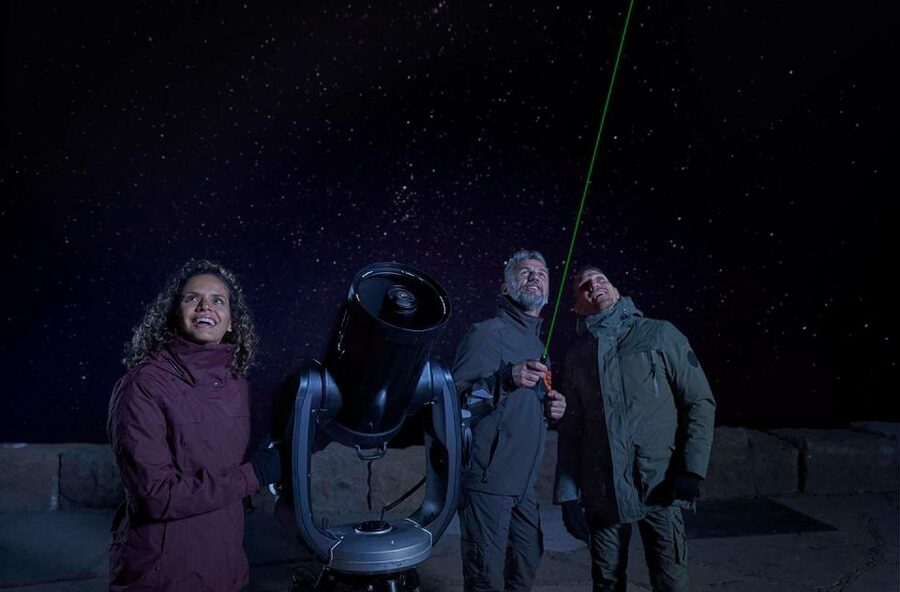
- Astronomy is the main event: Starlight-certified guides use long-range telescopes and explain the night sky in an accessible way.
- Guides can make a difference: Abel and Josef received especially warm praise for making the excursion lively and interesting.
- Pack for mountain cold: Shorts, sandals, flip-flops, and open shoes are not allowed.
- Plan on a long evening: The full experience lasts about 6.5 to 8 hours, depending on your chosen option.
Why Teide after sunset feels so different
Most visits to Mount Teide focus on daytime views, but the night changes the experience. As the coach climbs through Tenerife, you pass rural scenery, pine forests, and high mountain vegetation before reaching the volcanic setting of Teide National Park.
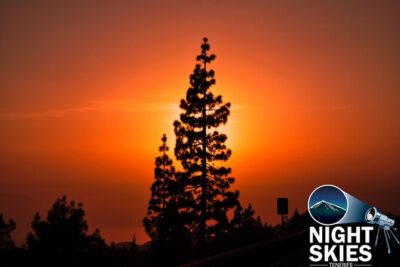
At sunset, the park becomes quieter and more dramatic. The fading light picks out the caldera and volcanic slopes, while the air grows colder. This first part is not just a waiting period before stargazing. It gives you a chance to see how quickly the scenery changes with altitude and why Teide is such a strong place for observing the sky.
The excursion usually lasts between 6.5 and 8 hours, with the exact length depending on your departure point and selected option. That makes this a major evening outing rather than a quick after-dinner activity. I would avoid scheduling anything important afterward, especially if you are picked up in the south and have a longer coach ride.
More Mount Teide Stargazing Tours:
- Tenerife: Teide National Park Sunset & Stargazing Tour
★ 4.2 · 3,812 reviews - Tenerife: Sunset and Stargazing at Teide National Park
★ 4.7 · 2,826 reviews - Teide National Park Sunset & Stargazing with Dinner (Star Safari)
★ 5.0 · 2,601 reviews
The sunset stop in Teide National Park
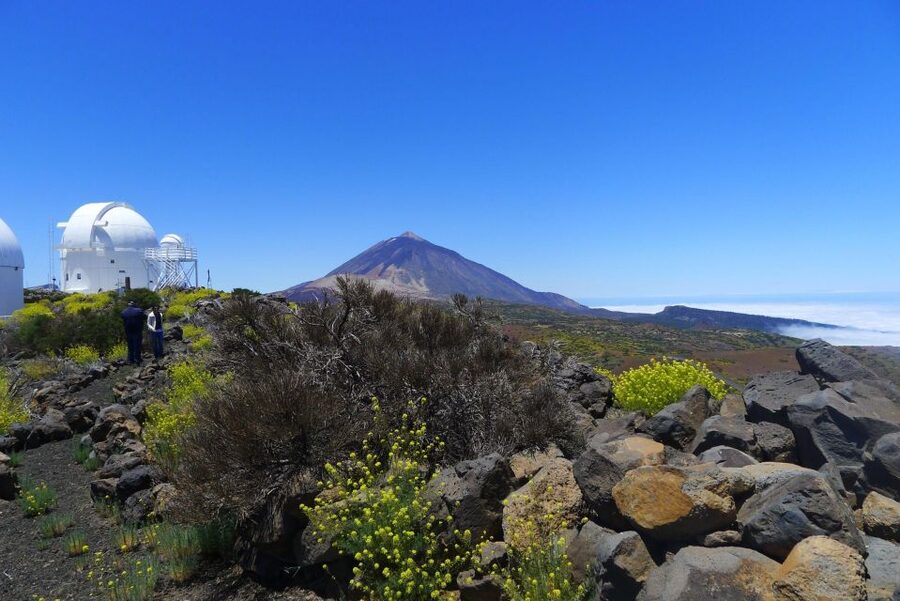
The standard experience includes sunset from a viewpoint in the national park. You ascend through several vegetation zones, from lower rural areas to pine forest and then the sparse plant life of the high mountain region.
The reward is a wide view across the volcanic interior. On a clear evening, the sunset can include views toward La Gomera, La Palma, and El Hierro. The exact visibility depends on weather and cloud, so you should treat the islands as a possible bonus rather than a promise.
I like this part because it gives the evening a natural rhythm. You arrive while there is still enough light to see the volcanic forms, watch the colors change, and then stay in the same high-altitude setting as darkness takes over. You do not have to rush from a daytime attraction back to your hotel and then out again for stargazing.
There is a practical tradeoff. A viewpoint sunset is simpler and likely less physically demanding than the optional cable-car ride, but it does not put you as high above the park. If you want the most dramatic sunset setting available on this excursion, select the cable-car option and confirm it is included in your booking.
Option one: cable car to 3,555 metres
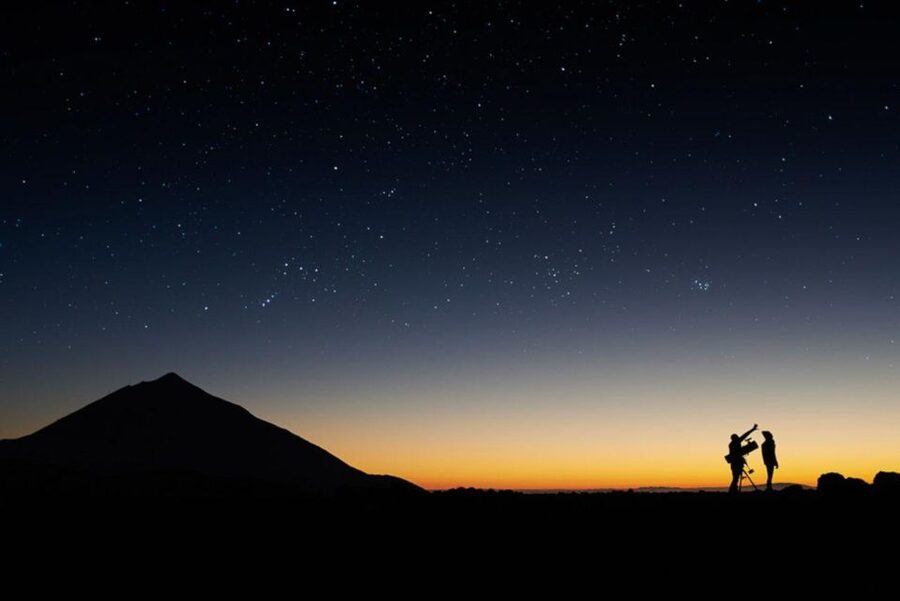
The cable-car version takes you up to an altitude of 3,555 metres for sunset views from the trail toward the Pico Viejo Viewpoint. You can look across the Las Cañadas caldera and toward Teide itself, with possible views of neighboring islands as the sun goes down.
This is a powerful addition because you see the park from high above rather than from a roadside viewpoint. The volcanic surroundings feel more immediate, and the changing light gives the rocks and caldera a different appearance than they have during the day.
After returning by cable car, you have time for a picnic-style Teide dinner before the astronomy session. Food is only available with the cable-car option, so do not assume that a meal is included in the standard excursion. The supplied details describe it as a specially prepared picnic-style dinner, not a full restaurant meal.
The high altitude brings important restrictions. This option is not suitable for people with heart conditions or pregnant women because of possible altitude-related health problems. It is also not open to people with physical disabilities or motor impairments because of evacuation concerns.
You should also expect cold conditions and take the clothing rules seriously. Closed-toe shoes, long trousers, warm layers, and a hat are the sensible choice. Anyone arriving in sandals, shorts, or short sleeves may be refused entry to the activity.
Option two: an afternoon at Teide Observatory
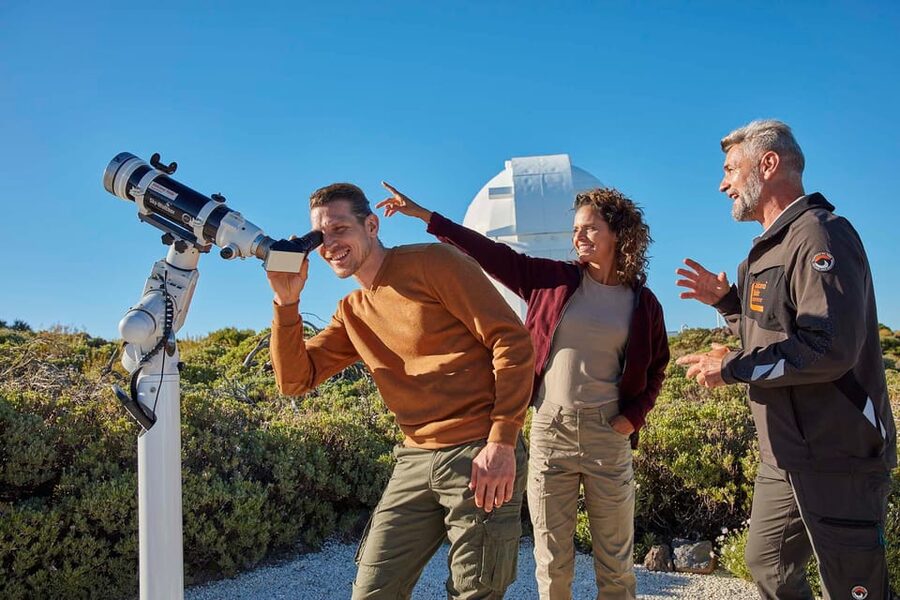
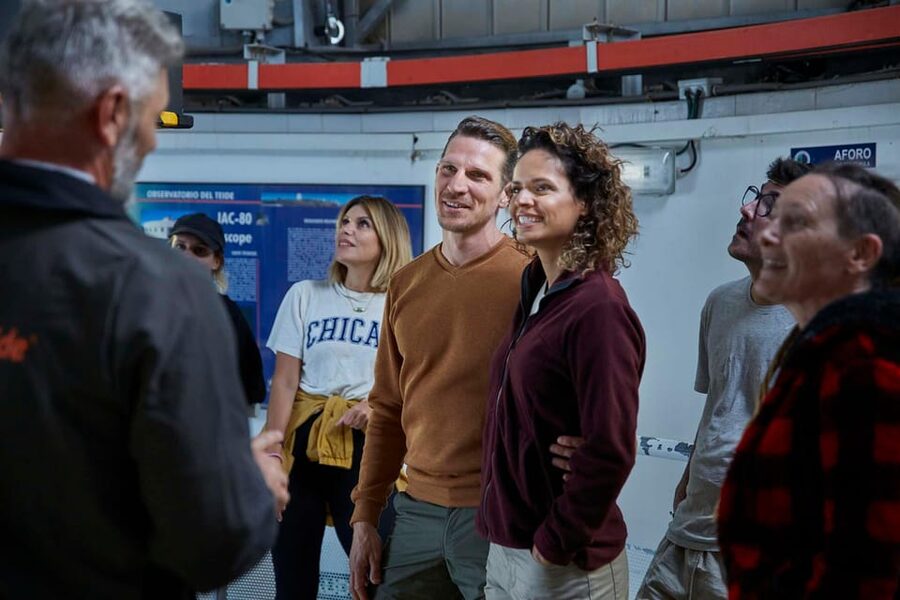
The observatory option takes place before the night stargazing. You visit Teide Observatory, described here as the world’s largest solar observatory, and learn how scientists study the Sun and the night sky.
The guided visit includes an astrophysics workshop, an explanation of projects carried out by the Canary Islands Institute of Astrophysics, solar observation through a dedicated telescope, and a look inside a nocturnal telescope. That gives you more scientific context than the standard evening program alone.
This is a good choice if you want to understand how observatories work rather than simply look through a telescope at night. Watching sunspots and solar flares in the afternoon also adds contrast to the later star observation. You see the Sun as an active object before turning your attention to distant stars and planets after dark.
The observatory tour requires walking along paths and climbing stairs. It is not recommended for people with anaemia, heart or breathing problems, reduced mobility, or other physical health conditions. The tour is offered in English and Spanish, and the observatory visit is not available in French.
One point needs special attention when booking: the observatory visit is an optional version of the experience, not something you should assume comes with every ticket. Confirm the exact package and inclusions before paying. A past booking problem involved the observatory visit being cancelled because of a road closure, with the change communicated very late. That is a useful warning to check current access conditions close to the excursion date.
Same dark skies, a different way to see them:
- Teide National Park: Sunset & Stargazing Safari with Dinner
★ 4.6 · 2,115 reviews - Teide by Night: Sunset & Stargazing with Telescopes Experience
★ 4.5 · 1,492 reviews - Teide: Guided Sunset & Stargazing Tour by Night with Dinner
★ 4.7 · 1,339 reviews - Sunset & Stargazing Experience From Teide
★ 4.5 · 1,129 reviews
Stargazing with long-range telescopes
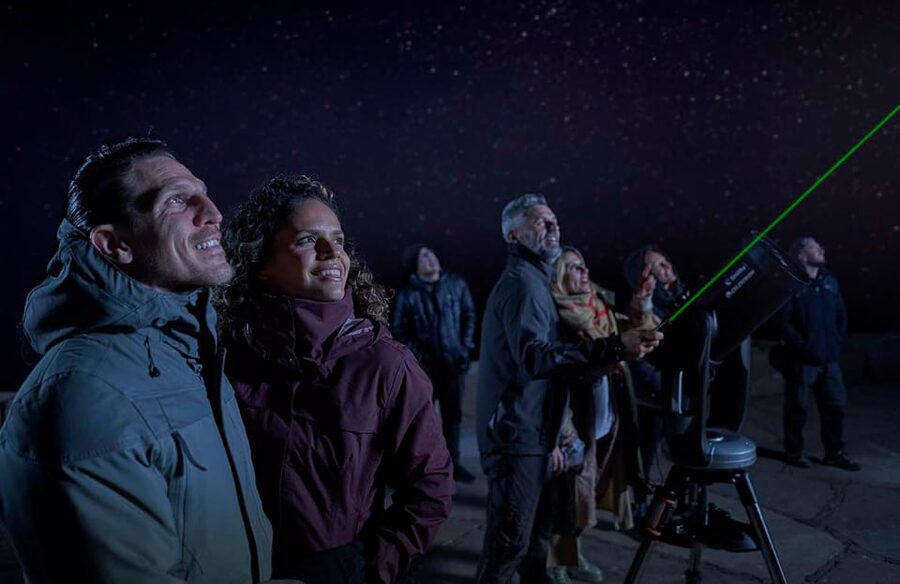
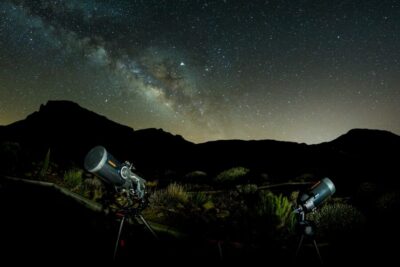
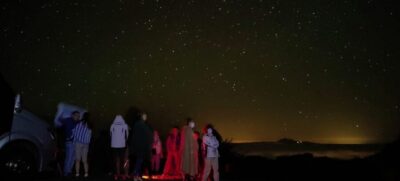
The final part takes place from the cable-car base area or another designated spot in the park, depending on your selected experience. Astronomy guides use long-range telescopes and explain what you are seeing in the sky.
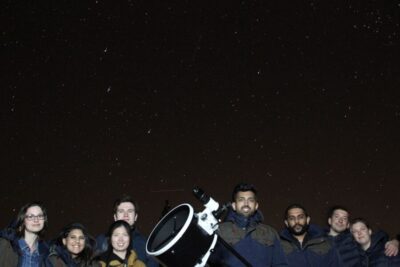
The guides are certified by the Starlight Foundation, an important detail for anyone who wants more than a quick look through a telescope. The stated aim is educational as well as entertaining. You can expect explanations about the night sky, the objects visible above you, and the conditions that make Teide a strong place for observation.
The quality of stargazing depends on cloud, visibility, and moonlight. No astronomy tour can guarantee a particular number of stars or a specific celestial sight. Still, Teide is promoted as having one of the three best starry skies in the world, and the high, clear setting gives the activity a strong natural advantage.
I would give this part your full attention. The sunset is beautiful, but the telescope session is what makes this more than a scenic evening drive. If you enjoy science, photography, or simply want a better sense of the night sky, the guided explanations add real value.
Guide quality matters here. Abel and Josef were specifically praised for making the outing lively and interesting. You may not have those same guides, but their example shows what helps on a long evening tour: clear explanations, a good pace, and enough personality to keep the cold from taking over.
What the $86 price really covers
At about $86 per person, the basic tour is not a cheap transportation ride, but the price includes return transport, a Teide National Park sunset, a certified astronomy guide, and professional telescope observation. You are paying for a long organized outing in a difficult-to-reach mountain setting, not just a few minutes of stargazing.
The value improves if you would otherwise need to arrange transport to Teide yourself. The park is far above the resort areas, and an evening drive on unfamiliar mountain roads is not appealing to everyone. Included pickup from parts of Tenerife’s north and south also removes much of the planning work.
The price becomes harder to judge if you believe the observatory visit or cable car is included and discover that it is not. These are separate versions of the excursion. Read the selected option carefully, especially if the booking page uses a general description that mentions all available activities.
The cable-car option may offer the strongest overall value if you want sunset at altitude and the included picnic-style dinner. The observatory option may suit you better if science and equipment interest you more than a high viewpoint. The basic version is the straightforward choice if you mainly want sunset and guided stargazing.
Transport, timing, and what the long evening feels like
Pickup is available from selected locations in south Tenerife, including hotels and bus stops around Los Cristianos, Playa de las Américas, Costa Adeje, and nearby areas. Pickup details vary, so check the exact meeting point rather than assuming the coach stops at your hotel entrance.
The excursion is offered in English and Spanish. The duration is listed as 6.5 to 8 hours, and the start time changes with the season and sunset. This matters because the evening includes transport, the sunset stop, the optional activity if selected, and the astronomy session.
A useful improvement would be a clearer timetable showing how long the coach ride takes, how much time is spent at the park, and how long the stargazing lasts. You should be ready for some uncertainty in the evening schedule, since sunset times and mountain conditions affect the pace.
Bring water, a hat, comfortable clothing, and closed-toe shoes. I would add a warm sweater, fleece, coat, and extra layer even if the coast feels warm when you leave. The temperature can be around 10°C, and the high-altitude air may feel colder when you are standing still beside a telescope.
Children under eight cannot participate, and proof of age is required. Pets are not allowed. The activity is not a good fit if you dislike long coach rides, cold evenings, or standing outdoors for part of the program.
Cancellation and weather considerations
You can cancel up to 24 hours before the activity for a full refund, and the reserve-now, pay-later arrangement gives you some flexibility. That is useful for a mountain excursion, since conditions at Teide may not match the weather at your beach hotel.
Still, flexible cancellation does not solve every problem. If an observatory road closes or a selected activity becomes unavailable, contact the provider as soon as you receive any change notice. Confirm what replacement activity or refund arrangement applies before the cancellation deadline passes.
Who should choose this Teide night tour?
I would recommend it to you if you want a structured evening with transport, sunset, astronomy, and a professional guide. It is especially well suited to couples, families with older children, and anyone who wants to combine Tenerife’s volcanic scenery with a genuine look at the night sky.
Choose the cable-car version if your priority is height, sunset views, and the chance to see the caldera and neighboring islands from 3,555 metres. Choose the observatory version if you prefer solar science, astrophysics, and a guided look at professional equipment.
The basic trip is enough if you mainly want the sunset and telescopes. You do not need an upgrade to enjoy the central idea of the experience.
Should you book Tenerife: Teide and Stars?
I would book this tour if you value convenience and want astronomy explained rather than simply pointing your phone at the sky. The strongest features are the remote mountain setting, transport from Tenerife, certified guides, and the combination of sunset with telescope observation.
I would hesitate if you need a tightly timed schedule, have health or mobility concerns, or expect every advertised activity to be included in one standard ticket. Confirm your chosen option, check whether the observatory is operating, and dress for a cold mountain evening.
For the best experience, treat the excursion as a full evening in the high country. Pack warm clothes, arrive in proper shoes, and decide in advance whether you want the cable car, the observatory, or the simpler sunset-and-stars version.
FAQ
How long does the Teide and Stars experience last?
The activity lasts between 6.5 and 8 hours, depending on the option you choose and the scheduled start time.
Is transport included?
Yes. Return transport is included from locations in the north and south of Tenerife. Optional pickup is available from selected locations in the south, including listed hotels and bus stops.
Are food and drinks included?
Food is only available with the cable-car option, which includes a picnic-style Teide dinner. Food is not included in the standard experience or the observatory option.
Can I visit Teide Observatory?
Yes, but the observatory visit is an optional version of the excursion. It includes an astrophysics workshop, solar observation, information about the Canary Islands Institute of Astrophysics, and a look inside a nocturnal telescope. It is not available in French.
What should I wear?
Wear warm clothing, a hat, comfortable clothes, and closed-toe shoes. Sandals, flip-flops, shorts, and open-toed shoes are not allowed. Short sleeves are also not suitable for this activity.
Is the tour suitable for children and people with health conditions?
Children under eight cannot participate. The observatory option is not recommended for people with anaemia, heart or breathing problems, reduced mobility, or other physical health conditions. The cable-car option is not available to people with heart conditions, pregnant women, or people with physical disabilities or motor impairments.
Just added around Tenerife
- Tenerife Exclusive & Private Gastronomic, Sunset-Stargazing★ 5.0 · 3 reviews
- Small Group Teide Stargazing Tour with Picnic at Sunset★ 5.0 · 3 reviews
- TEIDE NIGHT Astronomy Stargazing Bus Tour, Meal & Drinks included!★ 4.0 · 15 reviews
- “Stargate” Tenerife stargazing★ 5.0 · 13 reviews
- Stargazing Tour in Tenerife★ 3.0 · 2 reviews
- Polestar SELF-DRIVE Sunset Stars Tour in Teide National Park★ 5.0 · 19 reviews
- Private stargazing trip in Teide★ 5.0 · 3 reviews
- Stargazing Experience with Dinner & Drinks★ 4.0 · 23 reviews
Mount Teide Stargazing Tours, compared.
Teide National Park Sunset & Stargazing with Dinner (Star Safari)
Read our review →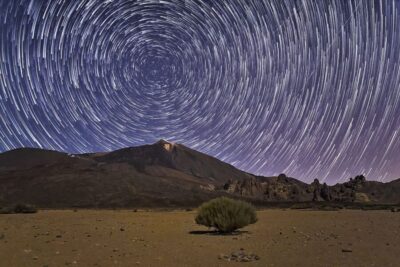
Teide National Park: Sunset & Stargazing Safari with Dinner
Read our review →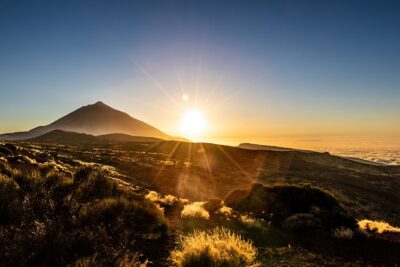
Teide by Night: Sunset & Stargazing with Telescopes Experience
Read our review →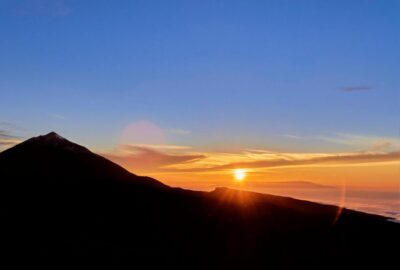
Guided Sunset & Stargazing Tour by Night with Dinner
Read our review →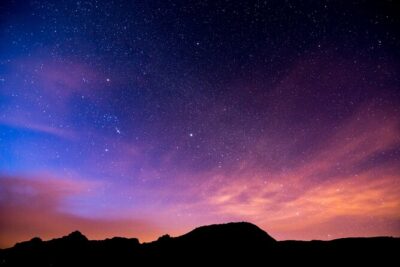
Roque de los Muchachos Stargazing Tour with Wine
Read our review →Browse the lists this tour appears in