
REVIEW · SPAIN
See the Perseid meteor shower in Madrid
The best part of this Madrid outing is that you do more than wait for shooting stars. You handle real meteorites, learn why the Perseids return each August, then use a large-aperture telescope to inspect star clusters and nebulae in the summer Milky Way. I like the hands-on start and the mix of guided skywatching with quiet time looking up. The possible catch is simple: Spanish is the tour language, and clouds or bright local light can affect what you see.
I also like the timing. The main session runs from 9:30 p.m. to 12:30 a.m., with the strongest Perseid activity expected on August 12 and 13, 2025. At $35 per person, this is a sensible buy for anyone who wants more than a casual glance at the night sky, though food, drinks, transport, and warm clothing are your responsibility.
Key points at a glance
- Real meteorites you can touch: The opening workshop gives you a physical sense of what creates a meteor shower.
- Peak Perseid dates: Plan for August 12 or 13, 2025, when activity is expected to be strongest.
- Professional telescope viewing: Look for summer star clusters, nebulae, and other notable objects in the Milky Way.
- A three-hour evening program: The session begins at 9:30 p.m. and continues until 12:30 a.m.
- Spanish-language astronomy guidance: The live guide explains the sky, the Perseids, and observation methods in Spanish.
- A short walk to the viewing site: Meet in the parking lot, then walk about 200 meters to the observation area.
Why the Perseids make August a good time for Madrid
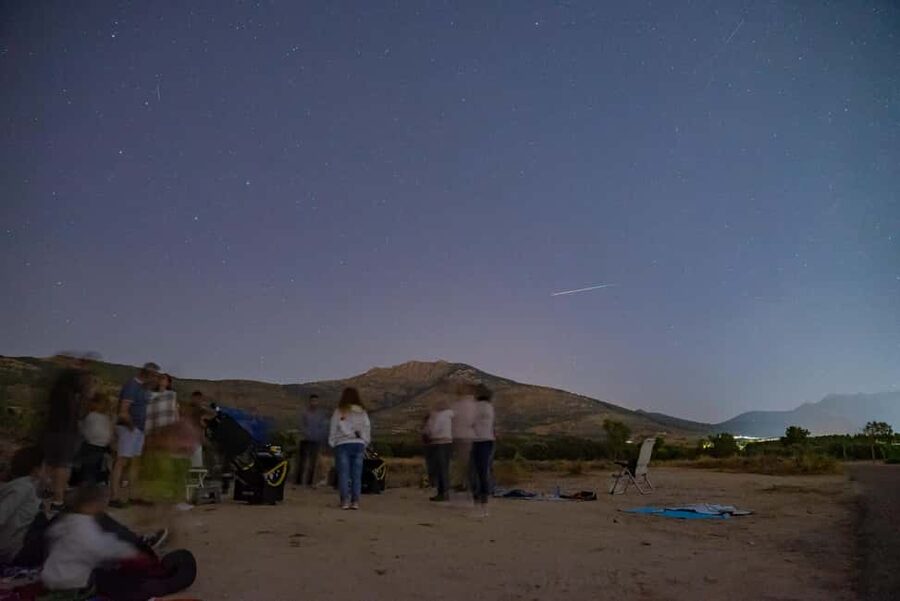
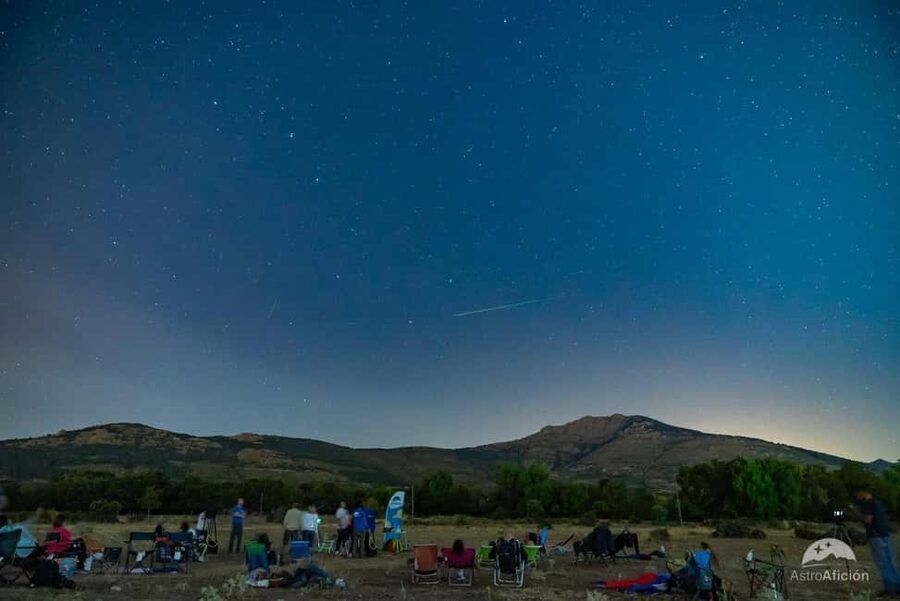
The Perseids are among the year’s most anticipated meteor showers because they return during the warm August nights. Here, the planned period of activity runs from August 11 to 15, 2025, with the strongest nights listed as August 12 and 13.
That date range matters when you plan your evening. You can see the meteor shower during the wider period, but the two peak nights give you the best chance of spotting more shooting stars. No astronomy program can promise a particular number of meteors, since the actual display depends on sky conditions and the natural strength of the shower.
I like the fact that the evening does not treat meteors as a quick fireworks show. The guide first explains what you are looking at, then keeps the group watching the sky while the telescope work continues. You get a fuller night of astronomy instead of standing around waiting for one bright streak.
The Perseids are caused by small pieces of material left along the path of a comet. When Earth passes through that material, particles enter the atmosphere and produce the brief flashes you call shooting stars. The workshop explains this process in practical terms, including why the shower appears at roughly the same time each year.
More Stargazing Tours in Spain:
- Tenerife: Teide National Park Sunset & Stargazing Tour
★ 4.2 · 3,812 reviews - Tenerife: Sunset and Stargazing at Teide National Park
★ 4.7 · 2,826 reviews - Teide National Park Sunset & Stargazing with Dinner (Star Safari)
★ 5.0 · 2,601 reviews
Starting with a meteorite workshop at 9:30 p.m.
The evening begins at 9:30 p.m. with an interactive workshop focused on shooting stars and meteorites. This is a strong opening because it gives the rest of the night some context. You are not just told to look upward. You learn what creates a meteor, how meteorites differ from meteors, and how the Perseids fit into the wider picture.
The most unusual part is the chance to see and touch actual meteorites. A meteor streaks through the atmosphere, while a meteorite is a piece that reaches the ground. Handling specimens makes that difference easier to grasp than a spoken explanation alone.
The workshop also covers where the Perseids come from, how to observe them, and why they appear during the same season each year. Those are useful basics for first-time skywatchers, while children and adults who already enjoy astronomy should still find the physical examples worthwhile.
I would arrive ready to take part rather than expecting a formal lecture. The activity is described as interactive, and the guide is an astronomy educator who explains the subject for a general audience. The tour is in Spanish, with some content presented in its original language, so you should be comfortable following Spanish explanations.
Walking 200 meters from the parking lot
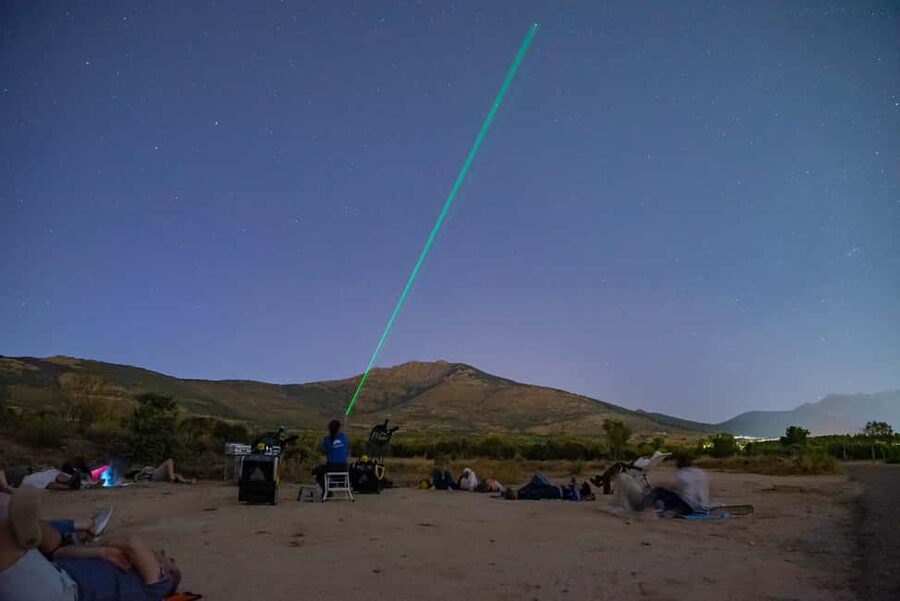
The meeting point is a parking lot where the AstroAfición guide waits in blue clothing with the company logo. From there, you walk roughly 200 meters to the observation site.
That short walk is easy to overlook when planning, but it helps to know about it. You are not observing directly beside the meeting point, so wear shoes that are comfortable for a brief walk and bring only what you can carry easily. The supplied details do not describe the surface or lighting along the route, so a small personal light may be useful if you already carry one, but it is not listed as part of the activity.
The meeting arrangement is clear enough to find the guide, especially with the blue clothing and logo. Still, allow a little extra time to locate the parking lot and gather before the walk. Exact transport instructions are not provided, so you should confirm how to reach the meeting point before the evening begins.
Learning the summer sky as night falls
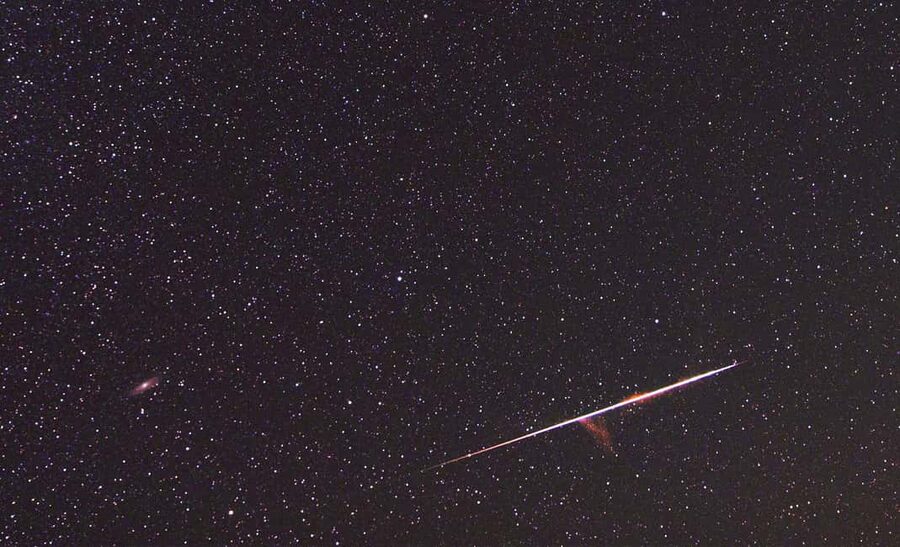
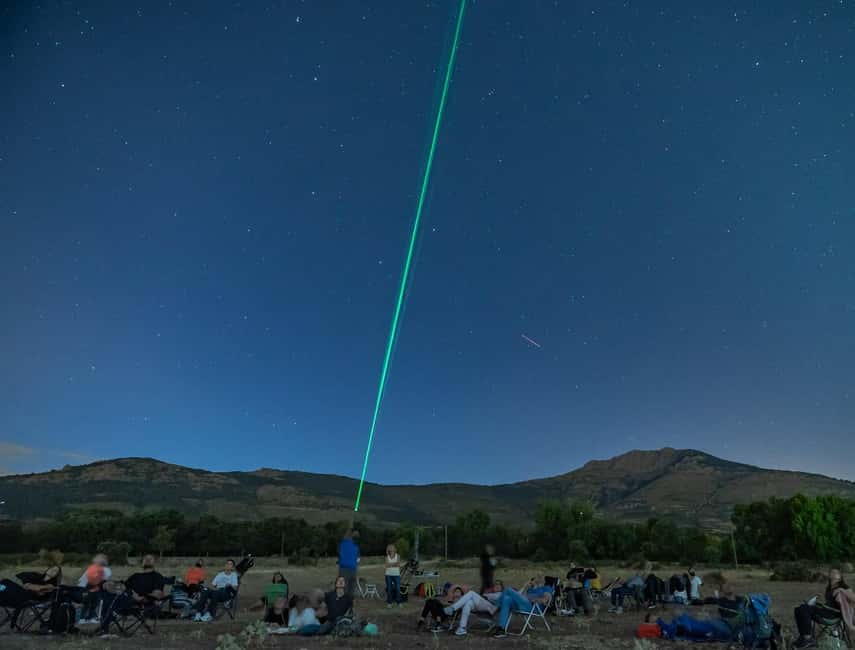
Once darkness arrives, the guide leads a tour of the main summer constellations and stars. This part gives the night a useful structure. Instead of seeing a sky filled with anonymous points, you begin to identify the larger patterns and brighter objects.
I like guided constellation tours because they give you something you can use after the activity ends. A telescope can show remarkable objects, but knowing where to look helps you enjoy the open sky without equipment. The guide also helps you separate the most important stars and constellations from the visual clutter.
The program then combines naked-eye observation with telescope viewing. That balance is important. Meteors are best watched across a broad patch of sky, while a telescope narrows your view to a specific target. The two activities work side by side, but you should not expect to stare through the telescope every minute of the evening.
The guide will be watching for shooting stars while leading the sky tour and telescope work. You should do the same. A meteor may appear suddenly and vanish in less than a second, so keep one eye on the wider sky between telescope views.
Same dark skies, a different way to see them:
- Teide National Park: Sunset & Stargazing Safari with Dinner
★ 4.6 · 2,115 reviews - Teide by Night: Sunset & Stargazing with Telescopes Experience
★ 4.5 · 1,492 reviews - Teide: Guided Sunset & Stargazing Tour by Night with Dinner
★ 4.7 · 1,339 reviews - Sunset & Stargazing Experience From Teide
★ 4.5 · 1,129 reviews
What the professional telescope adds
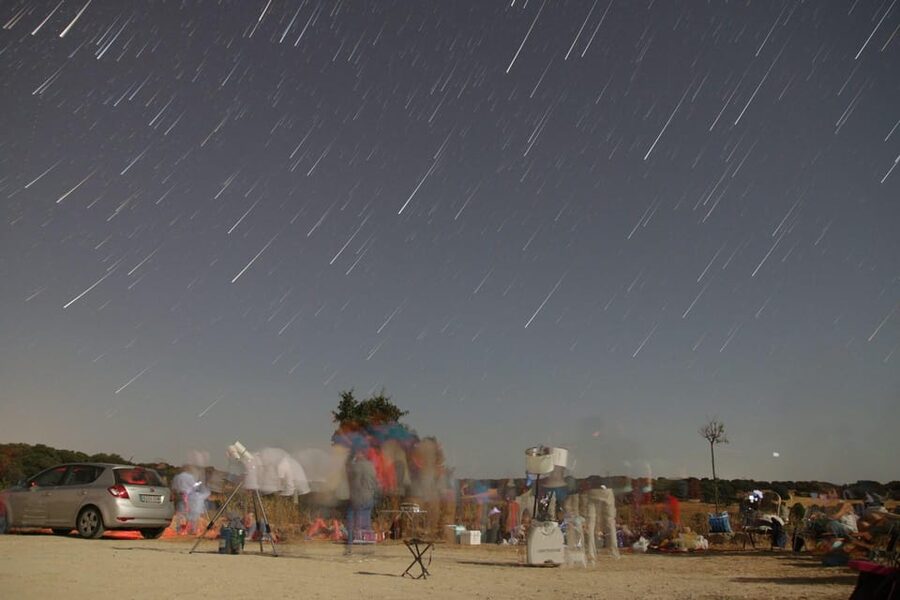
The activity includes a professional telescope described as having a large aperture. In plain terms, that means the instrument is designed to gather a good amount of light, which is especially useful for faint objects in the night sky.
The planned targets include notable star clusters and nebulae in the Milky Way. These are different from meteors. A meteor is a brief flash caused by material entering the atmosphere, while a cluster is a group of stars and a nebula is a cloud of gas and dust. The telescope lets you compare quick, moving events with objects that remain in place for careful viewing.
This is where the $35 price makes sense for many people. You are paying for an astronomy guide, a professional telescope, a meteorite session, and three hours of organized observation. Buying a telescope of similar quality for personal use would cost far more, and using one well takes practice.
The price is less attractive if your only goal is to see a few shooting stars. Meteors do not require a telescope, and no guide can control cloud cover or the exact number of visible streaks. You are paying for the whole astronomy program, not a guaranteed meteor count.
The late evening rhythm from 9:30 p.m. to 12:30 a.m.
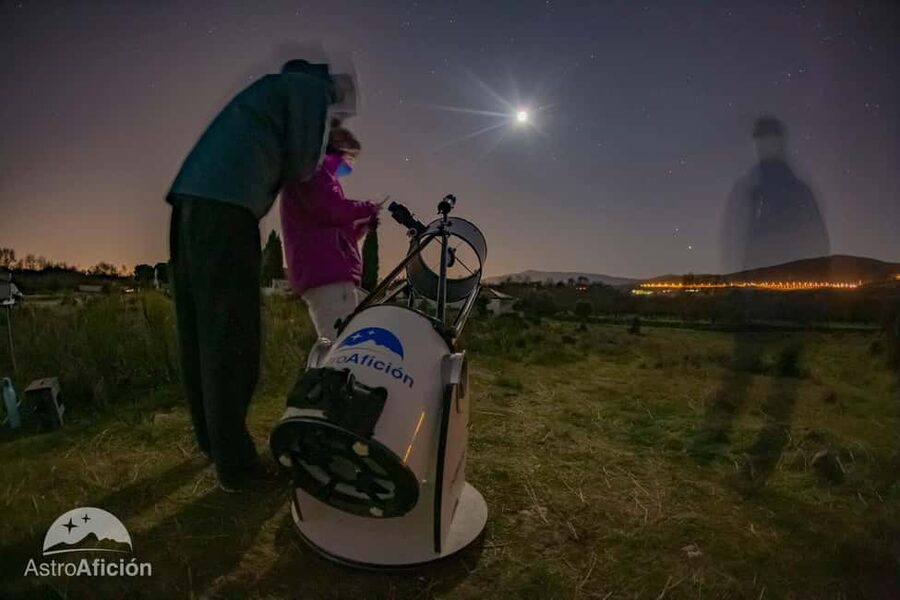
The three-hour schedule gives the night enough time to move at a relaxed pace. The workshop begins at 9:30 p.m., then the constellation tour and telescope observation continue as darkness settles in. The planned finish is 12:30 a.m.
That late finish is worth planning around. You should arrange your return before arriving, since the supplied information does not include transport after the program. If you are traveling with children, consider how they handle a late night, especially since the session takes place outdoors and requires patience between meteor sightings.
Warm clothing is specifically recommended. Even in August, remaining still for several hours can feel cool, especially late at night. Bring layers rather than relying on the daytime temperature. Food and drinks are not included, so eat beforehand and bring provisions if you need them, subject to any site rules not provided here.
The program does not include pets. Assistance dogs are allowed. That policy is important to settle before booking, since the activity involves an outdoor observation area and a focused group setting.
How the Spanish-language format affects your choice
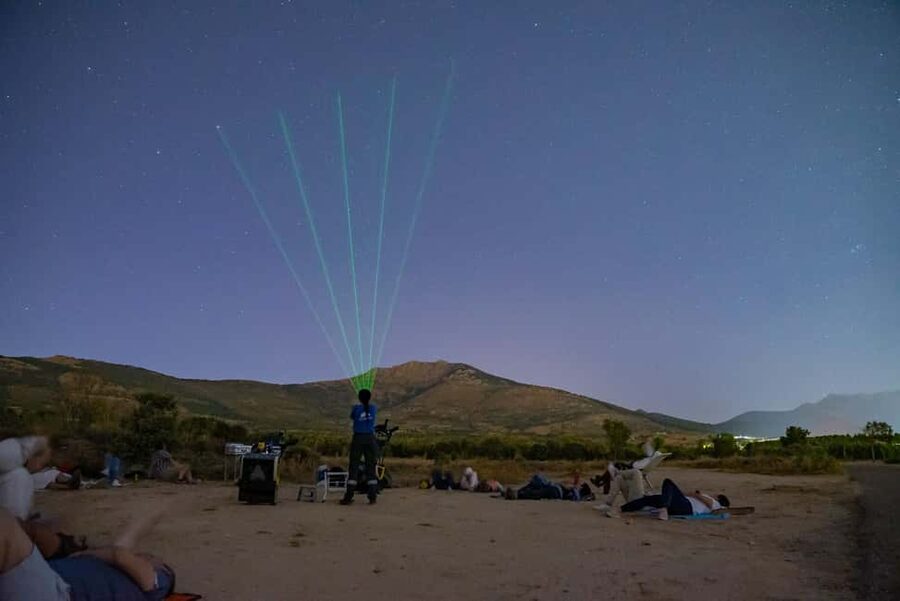
The live tour guide speaks Spanish. The activity may include some content in its original language, so you should choose this outing only if you can follow a Spanish explanation of basic astronomy.
That is not a minor detail. The value comes partly from the teaching: the meteorite workshop, the explanation of the Perseids, and the guided identification of stars and constellations. If you understand Spanish, the format should make the experience feel more connected and useful. If you do not, the telescope and sky may still be interesting, but you will miss much of the instruction.
No individual guide names are provided, so I would not plan around a particular astronomer. The important point is that AstroAfición supplies an astronomy guide with a focus on public education, rather than leaving you to operate the telescope alone.
What the early feedback tells you
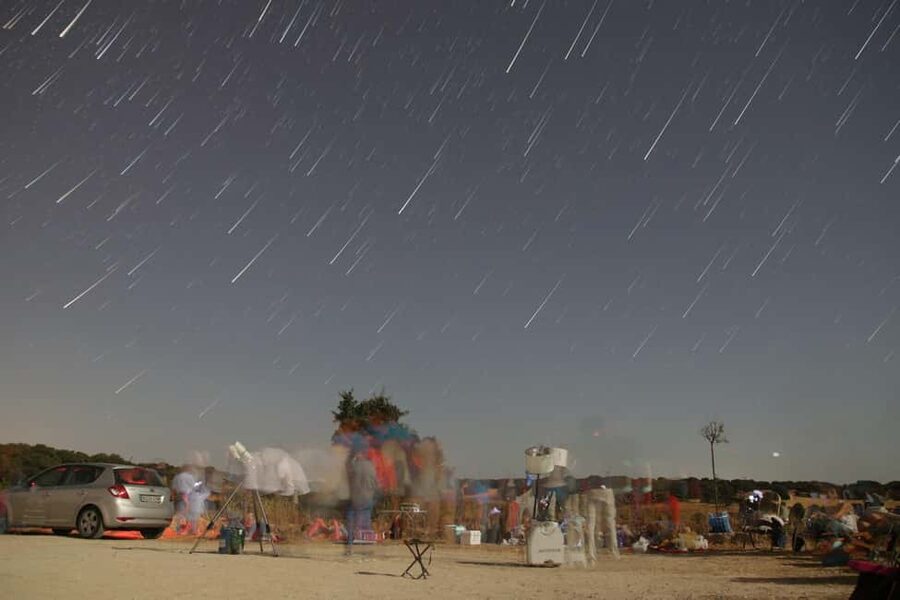
The two available ratings are both five out of five. One praised the explanation and called the experience something to repeat with another AstroAfición activity. The other described the evening as fantastic and recommended this event or another activity arranged by the same company.
Those comments point to the strongest feature: the teaching. The telescope matters, but clear explanations can make the difference between seeing a bright blur and understanding what you are seeing. If you enjoy guided learning, the format should suit you well.
The small number of ratings also calls for a sensible reading. They show strong satisfaction from two verified bookings, but they do not tell you how the program performs in every kind of weather or for every language level. I would book it for the astronomy content and the Perseid timing, not because a perfect score guarantees a perfect sky.
Who will get the most from this night?
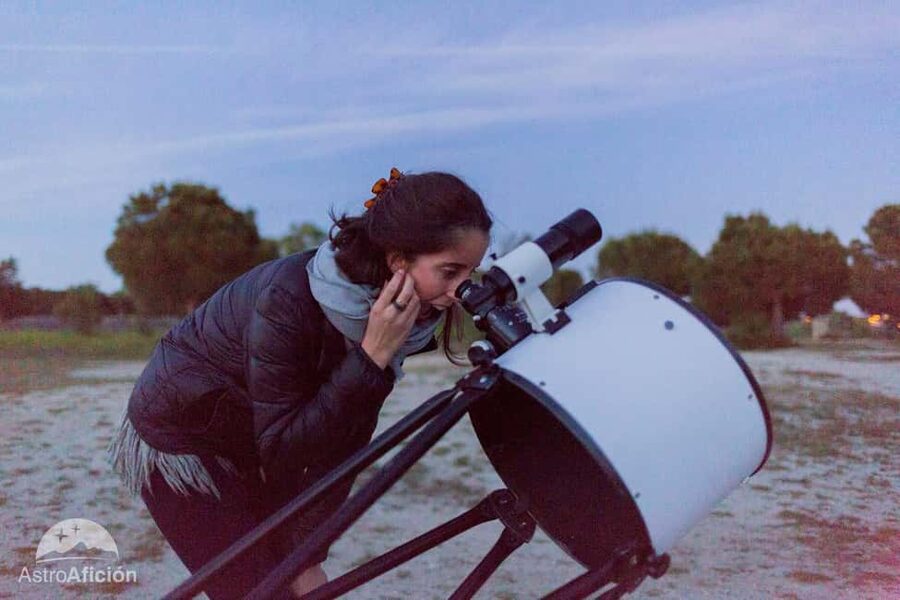
I would recommend this activity to first-time skywatchers who want a clear introduction without committing to a full astronomy course. The meteorites provide something physical to examine, the guide explains the science in accessible stages, and the telescope gives you a closer look at selected objects.
It also suits adults who already like astronomy but do not own a professional telescope. You can spend the evening switching between the large sky, the guided constellations, and telescope targets in the Milky Way.
Families may enjoy the mix of hands-on material and outdoor observation, but the late finish should guide your decision. The program ends at 12:30 a.m., and children need to be comfortable staying alert outdoors for several hours.
I would be cautious if you need an English-language tour, dislike late nights, or want a fast activity with guaranteed constant action. Meteors appear at their own pace, and part of the evening is spent patiently watching.
Booking details worth knowing before you go
The cost is $35 per person. Food and drinks are not included, and warm clothing is on you. The meeting guide wears blue with the AstroAfición logo, followed by a walk of about 200 meters to the observation site.
You can cancel up to 24 hours in advance for a full refund. The reserve-now-and-pay-later option lets you hold a place without paying at the time of booking, which is useful when your Madrid plans are still changing.
The date matters most. August 12 and 13, 2025 are the listed peak nights, while August 11 through 15 cover the main period of activity. Check the available starting time when choosing your date, since the program itself is three hours but exact scheduling may vary.
Should you book the AstroAfición Perseids evening?
Book it if you want the Perseid meteor shower explained, not just watched. The real meteorites, Spanish-speaking astronomy guide, constellation tour, and large-aperture telescope give you several ways to spend the night well. At $35, the package offers solid value for anyone interested in astronomy.
Think twice if you need English guidance, cannot stay out until 12:30 a.m., or expect a nonstop show of shooting stars. For the best chance at the main event, choose August 12 or 13, dress warmly, plan your transport, and bring enough patience to let the sky do its part.
FAQ
Where does the Perseid meteor shower activity take place?
It takes place in the Community of Madrid, on the outskirts of Madrid. You meet the AstroAfición guide in a parking lot and walk about 200 meters to the observation site.
What time does the activity begin and end?
The activity begins at 9:30 p.m. and lasts three hours, with observation continuing until 12:30 a.m.
When are the Perseids expected to be strongest in 2025?
The main activity period is August 11 through 15, 2025. The expected peak nights are August 12 and 13.
Is the activity available in English?
The live tour guide speaks Spanish. Some content is shown in its original language.
What should I bring?
Bring warm clothing. Food and drinks are not included.
Can I cancel or pay later?
You can cancel up to 24 hours before the activity for a full refund. A reserve-now-and-pay-later option is also available.
Just added around Spain
- Villajoyosa: Moonlight kayaking and dinner under the stars★ 5.0 · 5 reviews
- Tenerife Exclusive & Private Gastronomic, Sunset-Stargazing★ 5.0 · 3 reviews
- Small Group Teide Stargazing Tour with Picnic at Sunset★ 5.0 · 3 reviews
- TEIDE NIGHT Astronomy Stargazing Bus Tour, Meal & Drinks included!★ 4.0 · 15 reviews
- “Stargate” Tenerife stargazing★ 5.0 · 13 reviews
- Stargazing Tour in Tenerife★ 3.0 · 2 reviews
- Polestar SELF-DRIVE Sunset Stars Tour in Teide National Park★ 5.0 · 19 reviews
- Stargazing Experience with Dinner & Drinks★ 4.0 · 23 reviews
Spain Stargazing Tours, compared.
Teide National Park Sunset & Stargazing with Dinner (Star Safari)
Read our review →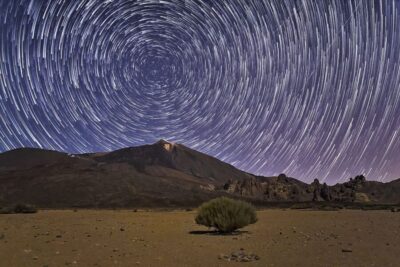
Teide National Park: Sunset & Stargazing Safari with Dinner
Read our review →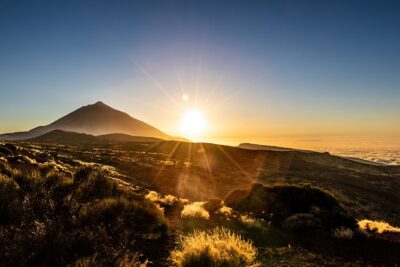
Teide by Night: Sunset & Stargazing with Telescopes Experience
Read our review →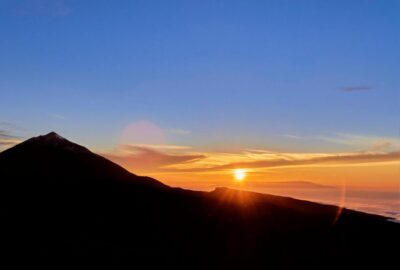
Guided Sunset & Stargazing Tour by Night with Dinner
Read our review →
Roque de los Muchachos Stargazing Tour with Wine
Read our review →Browse the lists this tour appears in