
REVIEW · AUSTRALIA
Stargazing with an Astronomer in the Blue Mountains
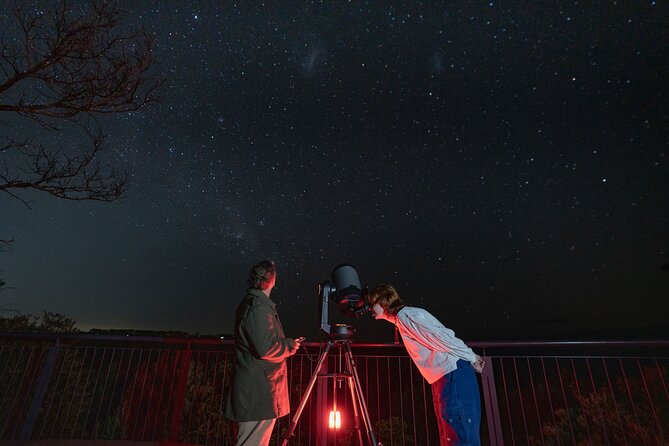
The best part of this Blue Mountains evening is the chance to see the Southern Hemisphere sky explained by an astrophysicist, not simply pointed out. Over about 90 minutes, you move from naked-eye star finding to telescope views of planets, lunar craters, star clusters, nebulae, and possibly distant galaxies.
I like the mix of science and storytelling, especially the laser-guided constellation talk and open questions with the astronomer. I also like the thoughtful comforts: astronomy binoculars, hot chocolate, and a small group capped at 20 people. The main drawback is weather. Wind, cloud, or poor visibility can change the plan, and the weather policy needs careful reading before you pay.
Key points to know before booking
- A real astronomer leads the session: The guide is an astrophysicist with more than ten years of experience, with Nathan, Tom, and Alka among the hosts associated with the experience.
- The program moves from simple to specialized: You first learn the stars with your eyes, then use binoculars and a professional-grade telescope.
- The Southern Cross is a highlight: If you are used to Northern Hemisphere skies, seeing Crux appear after sunset can be a memorable first.
- The object list changes with the season: You might see the Moon, Mars, Venus, Saturn, Jupiter’s moons, the Orion Nebula, galaxies, double stars, or star clusters.
- The meeting point is outdoors at Wentworth Falls: Wind can affect comfort and may force the viewing area away from the lookout.
- Bad weather has special rules: At 1pm on the day, you may be offered a transferable credit or an indoor planetarium session, but the published cancellation terms are not entirely consistent.
Why this Blue Mountains sky is worth your evening
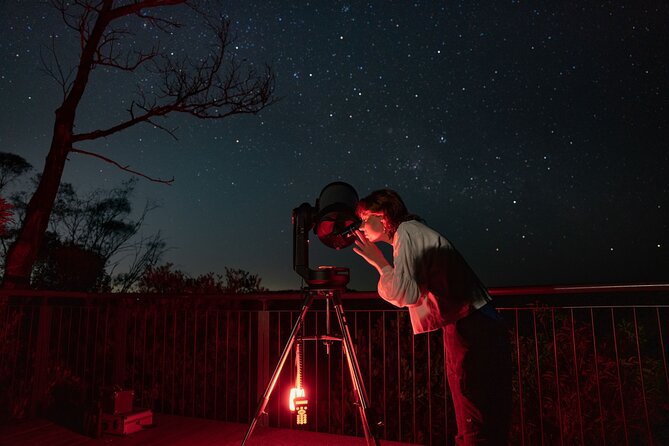
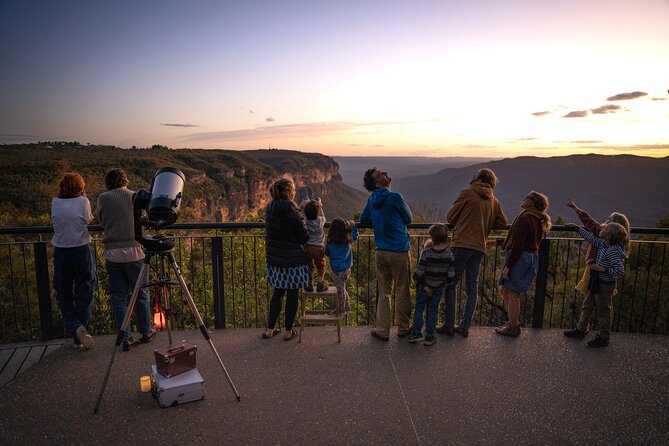
The Greater Blue Mountains is a World Heritage-listed setting, but this activity is not mainly about a scenic daytime lookout. The real attraction arrives after sunset, as the sky shifts from fading light to twilight and then to a field of stars.
That gradual change matters. You do not simply walk outside and receive a list of constellations. The session lets you watch the sky develop, which makes the Southern Cross and other star patterns easier to understand. One particularly memorable sequence described for the experience is Crux appearing as the last daylight fades, then growing clearer as darkness takes hold.
If you come from Colorado or another part of the Northern Hemisphere, the Southern Cross may be entirely new to you. This is one of the best reasons to choose a guided session rather than trying to identify stars alone. The astronomer can explain not only what you are seeing, but also why familiar sky patterns are different below the equator.
I would keep expectations realistic. Astronomy depends on the night. The Moon may be the star of the show during one visit, while another night favors planets, the Milky Way, or faint deep-space objects. The activity gives you the tools and explanations, but it cannot guarantee a particular planet or nebula.
More Stargazing Tours in Australia:
- Pinnacles Desert: Sunset BBQ & Stargazing Tour +Sandboarding
★ 4.8 · 1,555 reviews - Pinnacles Desert Sunset Dinner and Stargazing Tour
★ 5.0 · 1,034 reviews - From Perth: Pinnacles Sunset and Stargazing Tour with Dinner
★ 4.7 · 803 reviews
From sunset to the first constellations
The meeting point is at Wentworth Falls Lookout Track in New South Wales, and the activity finishes back there. The provided details do not describe transport from Sydney or other Blue Mountains towns, so you need to arrange your own way to the meeting point.
The evening begins with the fading light. This is a useful part of the session, not dead time. The guide can show you how the first bright objects appear and help you understand the difference between a planet, a star, and an artificial satellite. One account specifically mentions spotting satellites, which adds a nice modern touch to the night-sky lesson.
The group size is limited to 20 people. That is not a private tour, but it is small enough for a question-and-answer format to work better than it would with a large crowd. If you want to ask about a planet, a constellation, or something you noticed through the telescope, there should be a reasonable chance to do so.
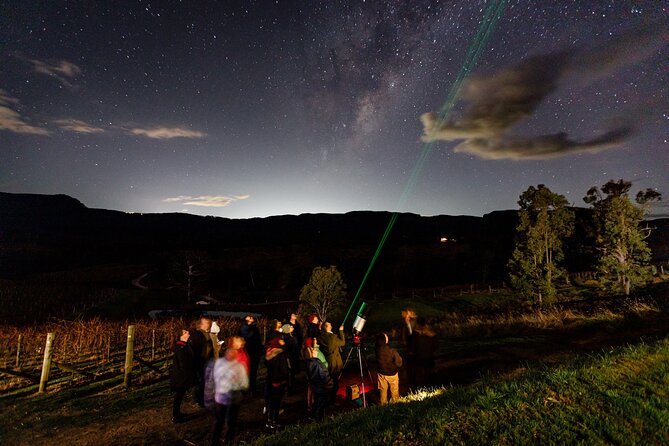
The atmosphere is intended to be informal and interactive. The guide uses laser pointers for constellation storytelling, so you get a clear visual reference instead of trying to match a spoken description to a dark sky. This is particularly helpful if you are new to astronomy or are traveling with children who need something concrete to follow.
Learning the Southern Cross without a star chart
The naked-eye portion may be the most useful part for your future evenings. A telescope can show you Saturn’s rings or the Moon’s craters, but learning to recognize a constellation gives you something you can use again whenever you see the night sky.
The astronomer introduces Southern Hemisphere patterns and explains how to find them. The Southern Cross, also called Crux, is the obvious headline for many visitors from the north. The experience can turn it from a famous symbol on a flag into a real group of stars with a place in the sky.
The guide may also use astronomy binoculars before moving to the larger telescope. Binoculars are a good bridge between looking with your eyes and using magnification. They show a wider patch of sky than a telescope and can make star clusters and dense areas of the Milky Way easier to appreciate.
This part should suit beginners well. You do not need a background in astronomy to follow the explanations. The hosts are described as enthusiastic and able to make the subject digestible, even for someone who arrives mainly interested in the hot chocolate.
What the professional telescope can reveal
The telescope is the main hardware attraction, and it gives the evening a purpose beyond a talk under the stars. Depending on the date, visibility, and position of the objects, you may look at lunar craters, Mars, Venus, Saturn and its rings, or Jupiter with some of its moons.
The Moon is often the easiest object to appreciate through a telescope. Its craters and sharp changes between light and shadow can look striking, especially when the Moon is not completely full. But the Moon can also wash out fainter stars, so a bright lunar night may offer a different experience from a dark, moonless one.
Saturn’s rings are another possible highlight, though availability depends on the season and the planet’s position. Jupiter’s moons can add a sense of movement and scale. You may see them as small points of light near the planet, which gives the guide a chance to explain that they are separate worlds rather than part of Jupiter itself.
The possible deep-space targets make this more than a planet-spotting session. You might view the Orion Nebula, a glowing cloud where stars form, along with star clusters, double and triple stars, the Milky Way, or distant galaxies. These objects can look subtle through an eyepiece. The value comes from understanding what you are seeing, how far away it is, and why it appears as a faint patch rather than a bright photograph.
Photography creates an unfair expectation. Images of nebulae and galaxies often use long exposures and careful processing. Through the telescope, you may see a dimmer, less colorful version. That is normal. The astronomer’s explanation helps turn a small smudge into a meaningful sight.
Same dark skies, a different way to see them:
- Pinnacles Sunset Stargazing Dinner Experience Small Group Tour
★ 4.5 · 396 reviews - Uluru: National Park Astronomy Tour with Telescope and Photo
★ 4.4 · 357 reviews - Perth: Pinnacles Desert Sunset & Stargazing with Dinner
★ 4.3 · 215 reviews - Pinnacle Desert Sunset and Night-time Stargazing Tour from Perth
★ 4.5 · 120 reviews
The astronomer makes the difference
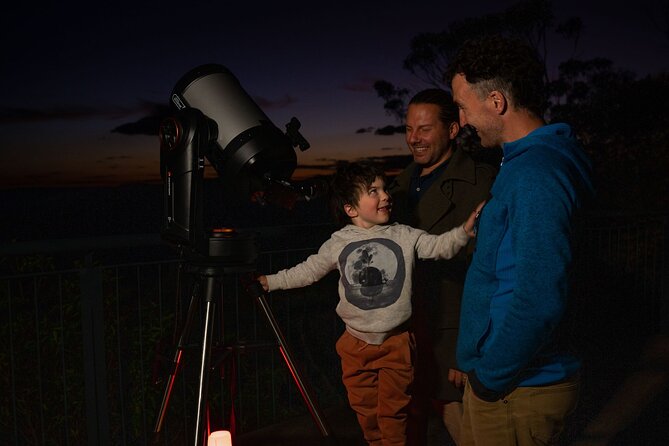
The guide has more than ten years of astrophysics experience, and the format gives you time to ask questions. That combination is important. A scripted presentation can identify a few stars, but a live astronomer can respond when you want to know why a planet looks bright, how satellites cross the sky, or how the Southern Cross helps with orientation.
Nathan is one of the guides associated with the experience. Tom and Alka are also named as hosts, and the comments about them point to a friendly, engaged teaching style. The exact guide for your date is not guaranteed, so book this for the quality of the astronomy program rather than for a specific person.
The strongest feature is the balance between precision and enthusiasm. You get proper equipment and serious subject matter, but the evening is not presented as a university lecture. The best sessions make astronomy understandable without flattening it into a list of facts.
English and French are available. If language affects how easily you follow technical explanations, check that your preferred language is available for your chosen date.
Hot chocolate, blankets, and the practical comfort factor
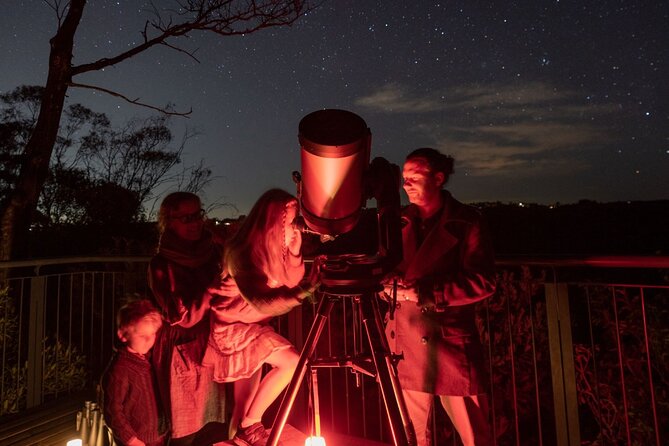
Blue Mountains nights can feel cold, especially when you are standing still and watching through a telescope. Complimentary hot chocolate is provided, with warm blankets mentioned as part of the experience. Cold or warm drinks may also be offered depending on the weather.
These details are not the reason to book, but they matter. A cold night can shorten your attention span, and staying comfortable means you are more likely to keep watching after the first few telescope views. Wear warm clothing anyway. The supplied information does not promise a full set of winter gear, and drinks or blankets should be treated as useful extras rather than a substitute for your own jacket.
Wind is a real consideration. One session had to move from the lookout to a park because conditions were too windy. That can affect both comfort and the quality of telescope viewing. A windy site may cause vibration, make it harder to keep equipment steady, and take the edge off what should be a calm evening.
The main lookout location may sound more scenic, but the astronomical quality matters more than the view of the land around you. If wind forces a change of location, you may lose some of the setting while keeping the important part of the experience, the sky and the telescope.
Weather rules deserve a close look
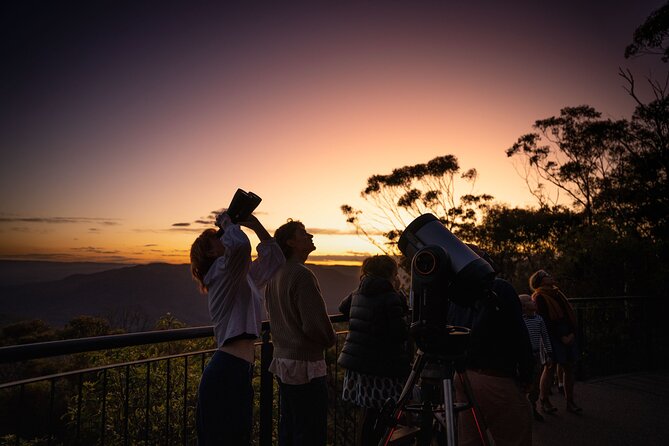
This experience requires good weather, and the provider makes the call on the day. If you have not received an email by 1pm, the stargazing session is considered confirmed. That timing is helpful because you can adjust your evening plans before heading to the mountains.
The bad-weather options need attention. The information says you can choose a transferable gift voucher or credit, valid for three years and transferable to another person, or attend an alternative 90-minute indoor planetarium astronomy session. The indoor option requires a minimum of eight people to run.
At the same time, another part of the cancellation information says that if poor weather causes the activity to be canceled, you may be offered another date or a full refund. It also says no refund will be offered in the bad-weather information. Those terms do not fully match.
I would contact Blue Mountains Stargazing before booking if your date is fixed or if a refund matters. Do not assume bad weather automatically means cash back. The safest plan is to choose an evening when you can accept a rescheduled date, credit, or possible indoor alternative.
The planetarium option is a useful backup because it keeps the astronomy theme alive even when clouds block the sky. It will not replace seeing the Southern Cross or Saturn through a telescope, but it can offer a structured indoor astronomy session with a dome, projector, and cinema-style presentation.
Is $60.97 a fair price?
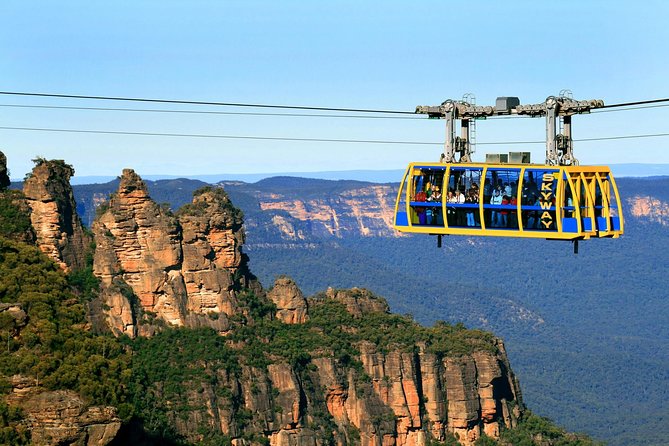
At $60.97 per person, this is not the cheapest way to spend an evening outdoors. The value depends on what you want from the night. You are paying for an astrophysicist, a professional-grade telescope, astronomy binoculars, laser-guided explanations, a question period, and roughly 90 minutes of organized instruction.
Compared with simply driving to a dark lookout and looking up, the price buys you context. You may see more on your own camera or phone, but you are less likely to know what you are seeing. The guide also saves you from buying equipment or learning the basics before your visit.
The price makes the most sense for first-time stargazers, families, couples who want an unusual evening, and visitors who have never seen Southern Hemisphere constellations. It is also suitable for anyone who likes science presented in a friendly, practical way.
A serious amateur astronomer with a telescope at home may find the program basic. The equipment and objects are still appealing, but the main benefit is the guide’s explanations rather than advanced observing time. You also need to accept that clouds or wind can reduce what you see.
The tour is booked an average of 24 days ahead, which suggests that popular dates can fill well before the visit. If you are planning a short Blue Mountains stay, do not leave this until your final night. Weather risk makes a backup date useful, and advance booking gives you more choice.
Who should choose this 90-minute night tour?
I would recommend it most strongly if you fit one of these profiles:
- You are new to astronomy and want someone to show you where to look.
- You want to see the Southern Cross for the first time.
- You are visiting from the Northern Hemisphere and want a sky experience that feels genuinely different.
- You like asking questions rather than listening to a fixed talk.
- You want a short evening activity rather than a long nighttime excursion.
- You are visiting with children or adults who need an engaging introduction to science.
It is also a good choice if you want an activity with some structure. The laser-guided storytelling, telescope sequence, binoculars, and hot chocolate give the night a clear rhythm.
I would hesitate if your schedule cannot handle a weather change, if you need a guaranteed view of one particular planet, or if you dislike standing outdoors in cool conditions. The provider cannot control clouds, wind, seasonal visibility, or the exact objects available on a given night.
Wheelchair and stroller access is listed, and service animals are allowed. Most people can participate, and the meeting point is near public transportation. Since the activity takes place outdoors and conditions can change, confirm the practical details for your own mobility needs before you go.
Should you book Stargazing with an Astronomer?
Book it if you want more than a pretty sky. The combination of a trained astrophysicist, Southern Hemisphere constellation stories, professional equipment, and a small group gives you a useful introduction to astronomy in a memorable setting.
The strongest reasons to go are the chance to learn the Southern Cross, ask direct questions, and see objects such as lunar craters, planets, nebulae, and star clusters through proper equipment. Nathan, Tom, and Alka are associated with the hosting team, though the guide on your date may differ.
Before paying, check the weather terms and plan for a cold or windy night. If you can accept the possibility of a credit, changed date, or indoor planetarium session, this is a good-value Blue Mountains evening. If you need certainty, choose a more weather-proof activity.
FAQ
Where does the stargazing tour start and finish?
The tour starts at Wentworth Falls Lookout Track in New South Wales and finishes back at the same meeting point.
How long does the experience last?
The stargazing session lasts approximately 90 minutes.
What might I see through the telescope?
Depending on the season and conditions, you might see the Moon and its craters, Mars, Venus, Saturn and its rings, Jupiter and its moons, the Orion Nebula, star clusters, double or triple stars, galaxies, and the Milky Way.
Is the tour suitable for beginners?
Yes. The session teaches you to identify constellations with the naked eye, then introduces astronomy binoculars and a professional-grade telescope. Most people can participate.
What happens if the weather is bad?
At 1pm on the day, you may be offered a transferable credit to reschedule or an indoor 90-minute planetarium astronomy session. The indoor option requires at least eight people. The published weather and refund terms are not fully consistent, so confirm the current policy before booking.
Is the activity accessible?
Wheelchair and stroller access is listed. Service animals are allowed, and the meeting point is near public transportation.
Is the tour available in languages other than English?
English and French are available. Check the language for your chosen date when booking.
Just added around Australia
- Blue Mountains: Stargazing with a Telescope and Astronomer★ 4.4 · 21 reviews
- Vincentia: Jervis Bay Beach Stargazing with an Expert★ 4.9 · 19 reviews
- Gold Coast: Glow Worms, Sunset & Stargazing with BBQ dinner★ 4.5 · 3 reviews
- Kalbarri Stargazing Tour★ 5.0 · 7 reviews
- Kalbarri Skywalk Sundowner and Stargazing Tour★ 5.0 · 6 reviews
- Brisbane: Glow Worms, Sunset, Telescope Stargazing & Dinner★ 4.0 · 15 reviews
- Kalbarri Skywalk: Sundowner and Stargazing Tour★ 4.9 · 9 reviews
- Kalbarri Stargazing Tour★ 5.0 · 2 reviews
Australia Stargazing Tours, compared.
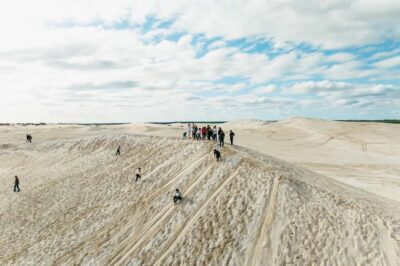
Pinnacles Desert: Sunset BBQ & Stargazing Tour +Sandboarding
Read our review →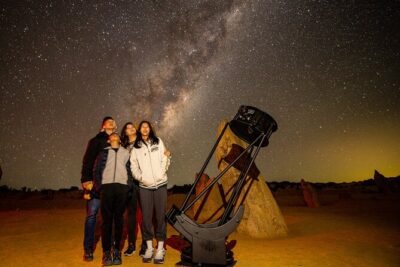
Pinnacles Desert Sunset Dinner and Stargazing Tour
Read our review →
Pinnacles Sunset and Stargazing Tour with Dinner
Read our review →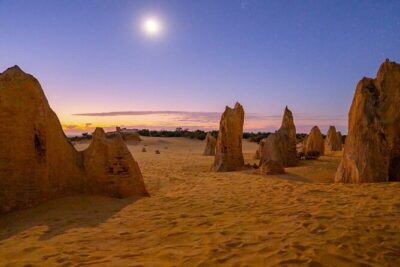
Pinnacles Sunset Stargazing Dinner Experience Small Group Tour
Read our review →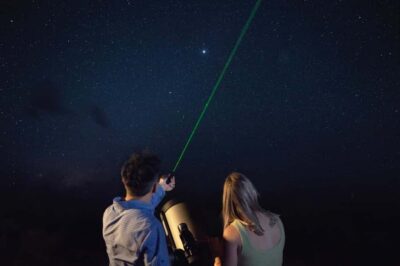
National Park Astronomy Tour with Telescope and Photo
Read our review →
Pinnacles Desert Sunset & Stargazing with Dinner
Read our review →
Pinnacle Desert Sunset and Night-time Stargazing Tour from Perth
Read our review →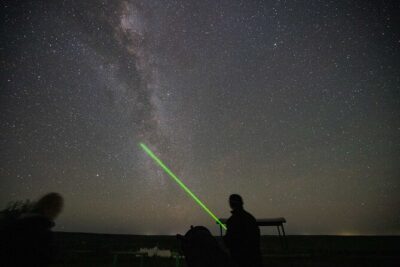
Small-Group River Murray Dark Sky and Sunset Tour with Dinner
Read our review →Browse the lists this tour appears in