
REVIEW · CUSCO
Planetarium Cusco Trip
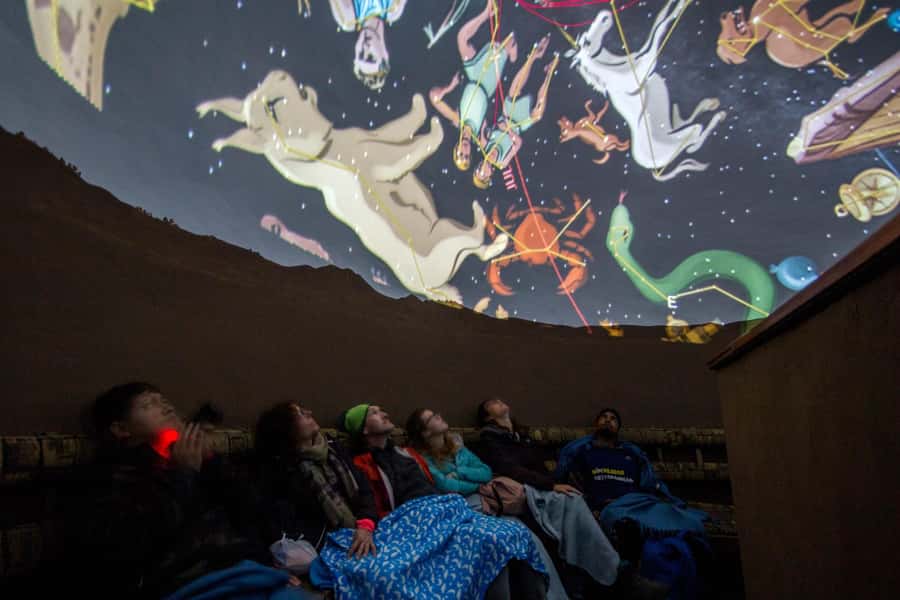
The most unusual part of this Cusco evening is learning that Inca astronomy was not just about pretty stars. At the planetarium, the sky becomes a map of animals, farming cycles, and beliefs tied to the Andes. A dome projection then shows you the Inca constellations in a way that is easier to grasp than a quick museum display.
I like the short 150-minute format and the chance to use professional telescopes, two features that fit neatly into a busy Cusco schedule. I also like the small family-project feel praised by Dominik of Switzerland, who called the experience very passionate. The main concern is reliability: one verified booking from the United Kingdom reported that the guide never arrived, so confirm your meeting details before setting out.
Key points
- Inca constellations take center stage, not only the familiar star patterns of European astronomy.
- The planetarium is less than 20 minutes from central Cusco by minibus.
- A dome projection explains the sky visually, which helps make the astronomy talk easier to follow.
- Professional telescopes may be available, but only if weather conditions cooperate.
- The trip runs from 5:40 p.m. to 7:40 p.m., leaving most of your evening free.
- The $43 price includes transport, entry, and an English or Spanish guide, but no food.
Why Inca astronomy makes this Cusco outing different
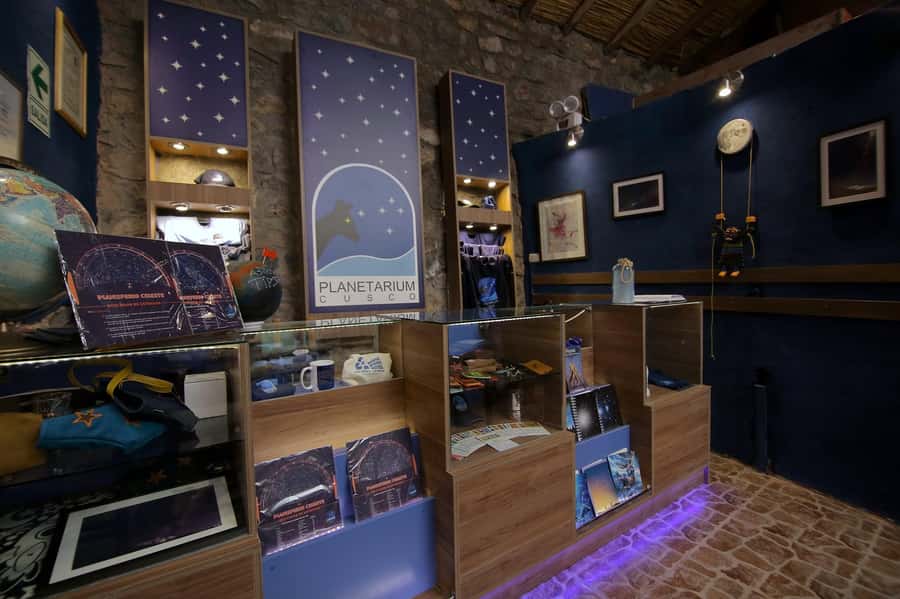
Cusco is full of Inca sites, but the planetarium gives you a different way to think about the Inca world. Instead of looking at stone walls or roads, you look upward and consider how people in the Andes understood time, nature, and the universe.
The focus is on Inca astronomy and the constellations recognized in the southern sky. That matters because the Inca view was not limited to bright groups of stars. The dark spaces between stars also had meaning, and the sky helped connect celestial events with life on earth.
I like this approach because it gives you context for the region beyond the usual archaeological highlights. You are not simply told which stars are visible. You are shown how the sky could guide farming and shape religious ideas.
The experience takes place at the Cusco Planetarium, described as one of the world’s most original observatories. That is a bold description, but the format is certainly different from a standard city planetarium. You travel outside the center, hear about an Andean way of reading the heavens, then move from explanation to a visual sky show and, weather permitting, real telescope viewing.
More Observatory and Telescope Tours in the world:
- Teide by Night: Sunset & Stargazing with Telescopes Experience
★ 4.5 · 1,492 reviews - Miami: Frost Museum of Science and Planetarium Entry Ticket
★ 4.5 · 429 reviews - Uluru: National Park Astronomy Tour with Telescope and Photo
★ 4.4 · 357 reviews
Meeting in central Cusco at 5:40 p.m.
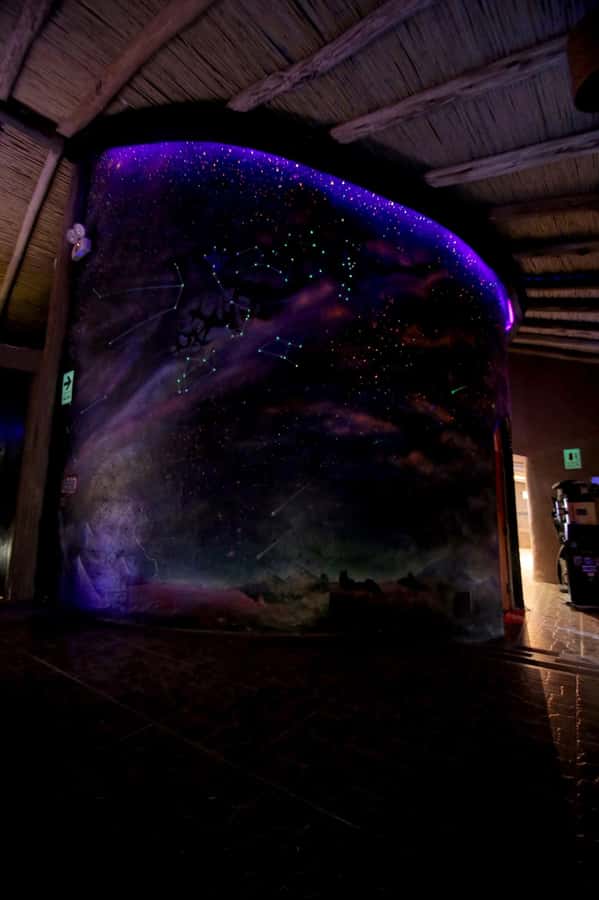
Your evening begins in the center of Cusco, where you board a minibus at 5:40 p.m. The meeting point is in the city center, and the ride to the planetarium takes less than 20 minutes.
This short transfer is useful. You do not need to arrange a separate taxi or spend a large part of the evening crossing the city. Transport is included in the $43 price, along with the planetarium entrance and guide.
I would arrive a little early. The meeting time is specific, and one verified booking reported that the guide never showed up. That appears to be an isolated but serious service problem, especially when you are waiting in an unfamiliar city after dark. Keep your booking information close, confirm the exact meeting point, and allow enough time to reach the center without rushing.
The trip returns you to Plaza de Armas at 7:40 p.m. That timing makes the activity easy to pair with dinner or an evening walk through central Cusco. It also means you are not committing your whole night to a single attraction.
Inside the interpretation rooms
At the observatory, the first part of the program takes place in the interpretation rooms. Here, your English or Spanish-speaking guide explains the Inca view of astronomy.
This talk is the key to understanding everything that follows. Without it, the stars can look like a collection of bright points. With it, the projection and telescope session have a clear purpose. You are learning to recognize an Andean reading of the sky rather than simply receiving a general astronomy lesson.
The available languages are English and Spanish. If you are choosing between the two, select the language in which you can follow explanations of astronomy, symbolism, and cultural ideas most easily. The experience relies on interpretation, so the guide’s presentation matters as much as the equipment.
The information provided does not name individual guides or give a fixed group size. That means the feel of the talk may vary by departure. One booking described the project as a passionate family effort, which suggests that the presentation may feel personal rather than like a polished large museum show. I see that as a potential strength for people who prefer a direct, human explanation.
The dome projection and Inca constellations
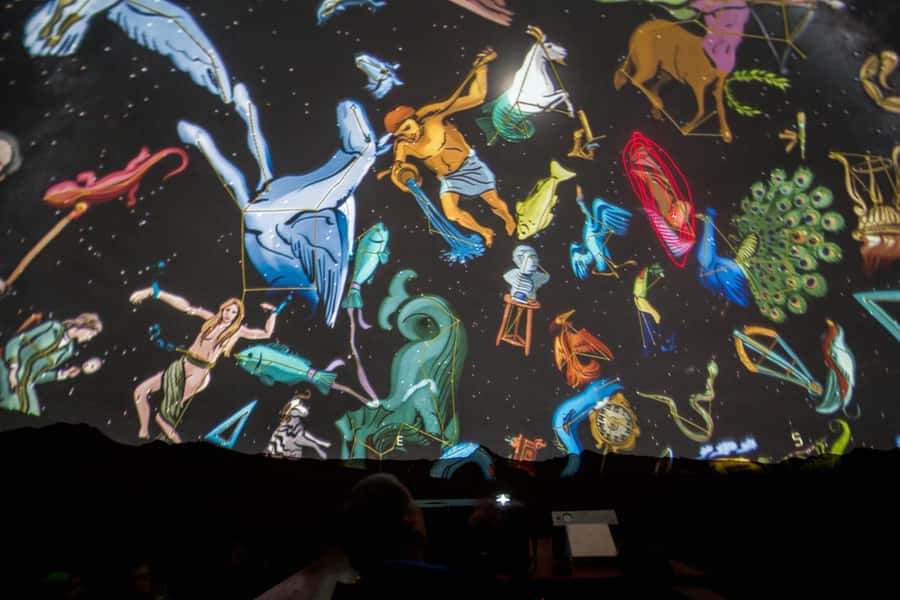
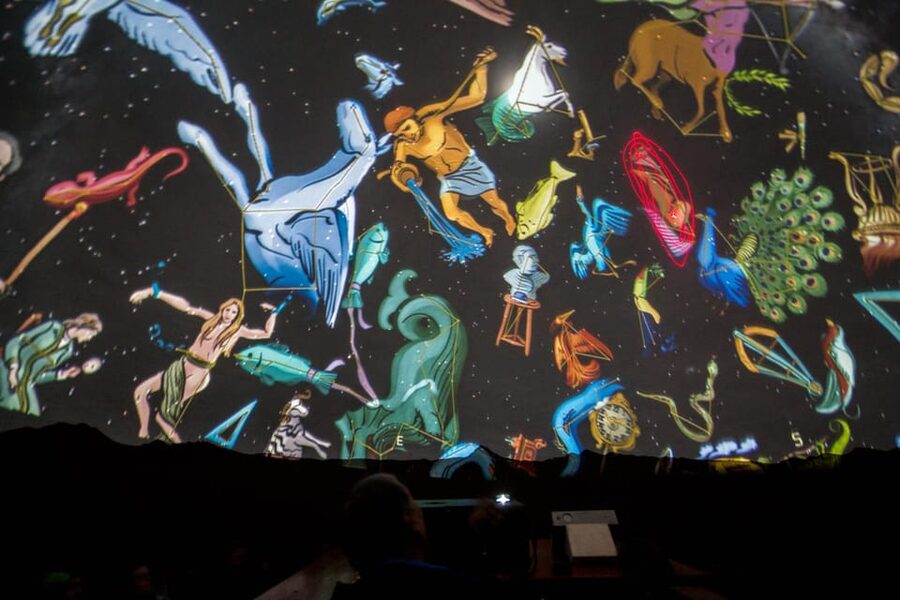
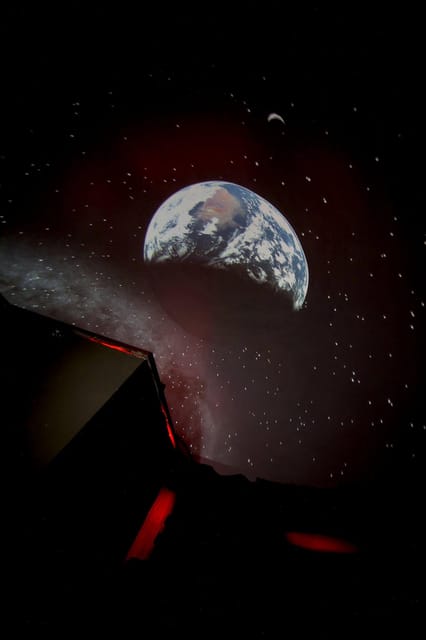
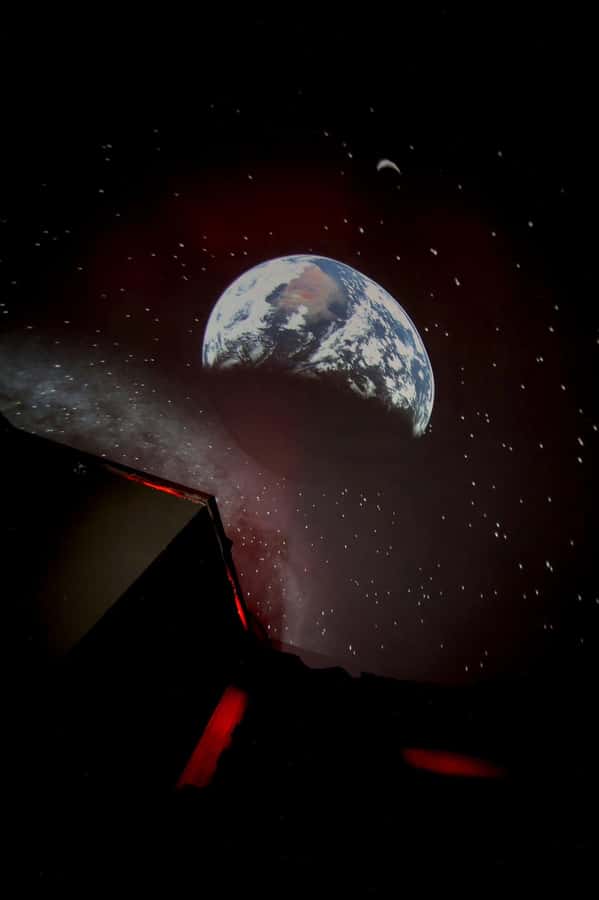
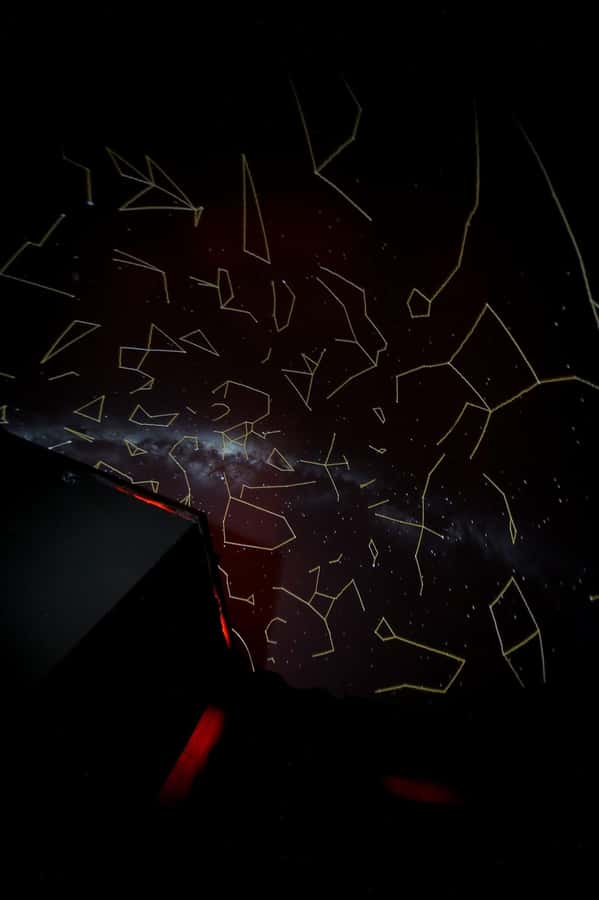
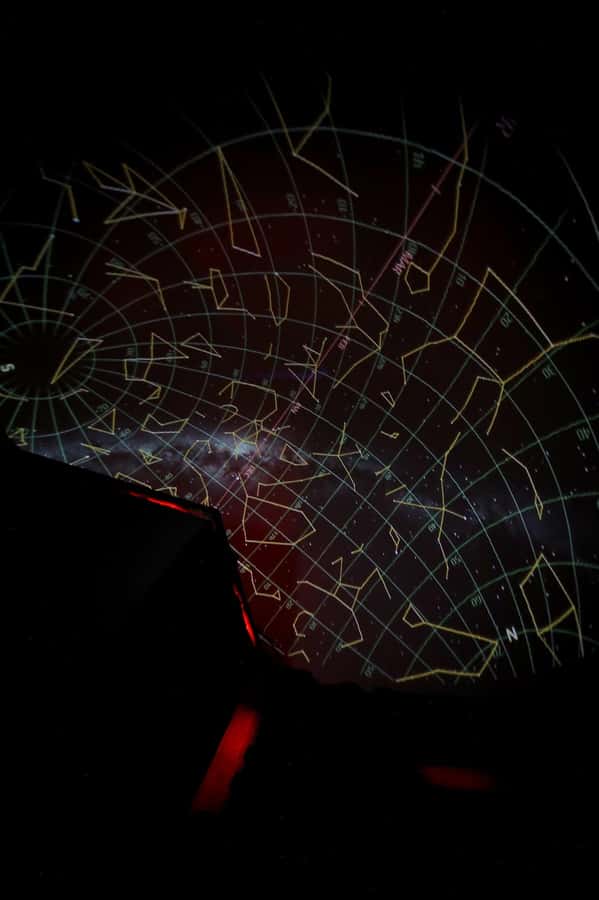
After the introductory talk, you watch a virtual projection of the sky across the planetarium dome. This is where the Inca constellations become easier to picture.
A dome can show the sky in a controlled way, so clouds and city light do not interfere with the lesson. You can focus on the shapes and ideas being explained rather than trying to identify stars on your own. For many people, this will be the clearest portion of the visit.
The projection also helps bridge two kinds of astronomy. You first learn the cultural meaning of the sky, then see a visual model that brings the lesson together. It is not simply a film added to fill time. In this setting, the dome is a useful teaching tool.
Still, you should set your expectations correctly. The experience is built around a guided introduction to Inca astronomy, not a full university-level astronomy course. If your main interest is modern astrophysics, the cultural focus may feel more important than the technical detail.
More Stargazing Tours in the world:
- Dubai Red Dunes ATV, Camels, Stargazing & 5* BBQ Al Khayma Camp
★ 5.0 · 21,620 reviews - Sharm El-Sheikh: Ultimate ATV Quad, Stargazing & BBQ Dinner
★ 4.7 · 4,084 reviews - Tenerife: Teide National Park Sunset & Stargazing Tour
★ 4.2 · 3,812 reviews - Tenerife: Sunset and Stargazing at Teide National Park
★ 4.7 · 2,826 reviews
Telescope viewing depends on the weather
The final activity is a look at the stars through the planetarium’s professional telescopes. This can be the most memorable part of the night, since you move from a simulated sky to actual observation.
Weather is the catch. Telescope viewing is subject to conditions, so it is not guaranteed. Clouds or poor visibility can prevent this portion from taking place. The planetarium can still provide the talk and dome projection, but you should not book this outing only for a promised close-up of a particular planet or star.
I appreciate that the weather condition is stated clearly. Outdoor astronomy always has this limitation, and a careful booking decision should account for it. Treat telescope use as a welcome extra, not the sole reason to pay.
You should also keep the high-altitude setting in mind, though no specific health guidance is provided for this activity. The supplied information does not state the exact elevation, group size, or telescope targets, so I would avoid expecting a fixed list of planets or constellations. The program is about seeing the southern sky through the Inca perspective, with telescope viewing when nature allows.
Is $43 a fair price?
At $43 per person, this is not the cheapest evening activity in Cusco. The price includes the minibus, entry to Cusco Planetarium, and an English or Spanish guide. Food is not included, but the trip lasts only two and a half hours, so that omission is easy to manage.
The value depends on what you want from the night. If you only want to look at stars, you may find the weather risk hard to justify. If you want a guided cultural experience with transport and a structured presentation, the price is more reasonable.
I especially like that the visit combines three parts: interpretation rooms, dome projection, and possible telescope use. Paying separately for transport and entry could make a short outing less convenient, while this package keeps the evening simple.
The price also works better for people with limited time in Cusco. You do not need to dedicate a full day, and the return to Plaza de Armas at 7:40 p.m. gives you room to make dinner plans. For families, couples, and visitors who have already spent the day walking archaeological sites, a seated evening activity can be a welcome change.
Who will enjoy this experience most?
I would recommend the planetarium to anyone curious about the Inca world beyond buildings and artifacts. It suits you especially well if you enjoy astronomy, cultural interpretation, or unusual evening outings.
It is also a good match for visitors who want a guided activity in English or Spanish and prefer not to organize their own transport. The short ride and fixed return time keep the logistics manageable.
You may want to think twice if you need a guaranteed telescope session, a private guide, or a detailed schedule of exactly what you will see through the lenses. Those details are not provided, and the telescope portion depends on weather.
The experience can also suit a family, though the data does not give a minimum age or child pricing. Since the program includes a talk and a virtual projection, I would choose it for children who can follow a guided presentation rather than expecting a hands-on science center.
Reliability, timing, and the small details that matter
The overall rating given for the activity is 3.8 from four published ratings. Two of the supplied bookings gave five stars, including a French visitor who described the experience as perfect and Dominik from Switzerland, who praised its passionate family-project character. One booking gave one star because the guide never arrived.
That mixed record does not tell me that the activity is poor. It does tell me to pay attention to the meeting arrangement. Recheck the departure time of 5:40 p.m., confirm where in central Cusco you should wait, and keep the provider name, XPLORA AMERICA, available if you need help.
The experience provider is responsible for transport, guiding, and entry, so a missed meeting affects the whole outing. You should not assume you can simply find your own way to the planetarium if the minibus fails to appear, since the exact address is not supplied here.
The activity offers free cancellation up to 24 hours before departure for a full refund. You can also reserve and pay later, which is useful when your Cusco plans depend on weather or altitude adjustment. I would use that flexibility if your schedule is still changing.
The final call on Cusco Planetarium
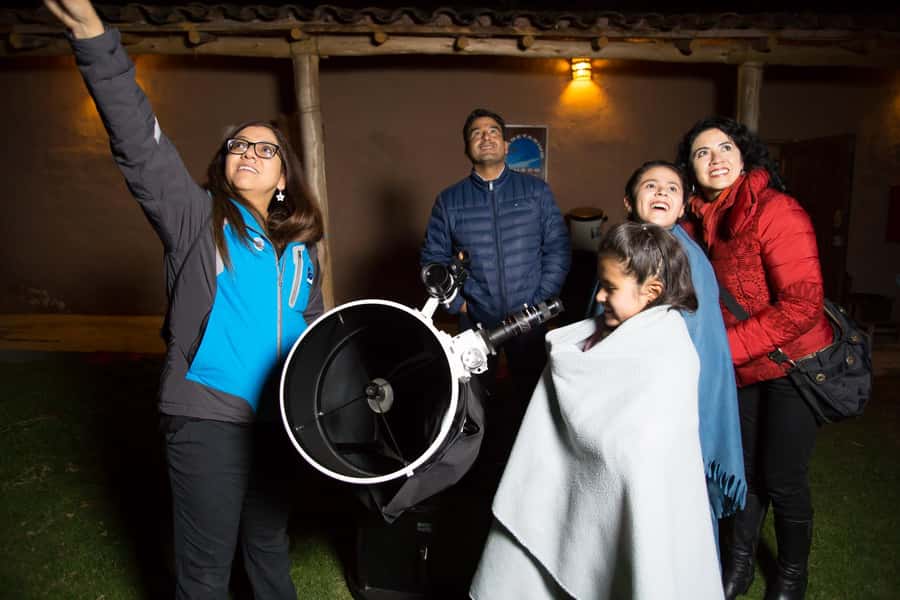
I would book this for a cultural evening that connects the Inca world with the southern sky. The best reasons are the focused Inca astronomy talk, the dome presentation, included transport, and the chance to use professional telescopes without planning the visit yourself.
I would not book it as a guaranteed stargazing session. Weather can cancel the telescope viewing, and one booking raises a real concern about guide reliability. Confirm the meeting details, arrive early, and think of the outdoor viewing as a bonus.
At $43, the trip is fair value for you if the combination of culture, transport, and astronomy sounds appealing. It is a sensible two-and-a-half-hour choice for a free evening in Cusco, especially if you want something more original than another daytime sightseeing stop.
FAQ
Where does the Planetarium Cusco trip take place?
The activity takes place in the Cusco Region of Peru at Planetarium Cusco, reached by minibus from central Cusco.
What time does the activity start and finish?
You meet in central Cusco at 5:40 p.m. and return to Plaza de Armas at 7:40 p.m. The stated duration is 150 minutes.
How much does the experience cost?
The price is $43 per person.
What languages are available?
The live guide speaks English or Spanish.
What does the price include?
The price includes minibus transport, an English or Spanish-speaking guide, and entry to Planetarium Cusco.
Is telescope viewing guaranteed?
No. The professional telescope session depends on weather conditions.
Can I cancel for a full refund?
Yes. You can cancel up to 24 hours in advance for a full refund. The activity also offers a reserve-now, pay-later option.
Just added around the world
- Blue Mountains: Stargazing with a Telescope and Astronomer★ 4.4 · 21 reviews
- ( canyon hurghada & stargazing )★ 4.9 · 16 reviews
- Zermatt: Outdoor fondue “group experience under the stars”★ 4.7 · 3 reviews
- Doha: Night Desert Safari With Stargazing and Inland Sea★ 5.0 · 9 reviews
- Villajoyosa: Moonlight kayaking and dinner under the stars★ 5.0 · 5 reviews
- Vincentia: Jervis Bay Beach Stargazing with an Expert★ 4.9 · 19 reviews
- Vialattea: Night Snowshoeing under the Stars★ 4.5 · 5 reviews
- Ubud: Romantic Floating Dinner Under the Stars★ 5.0 · 2 reviews
Cusco Stargazing Tours, compared.
Cusco by Night: Planetarium Cusco, Dinner, and Pisco Sour
Read our review →
Planetarium Cusco OFFICIAL SITE: Andean Astronomy experience
Read our review →
Planetarium and Night Tour with Dinner and Pisco Sour
Read our review →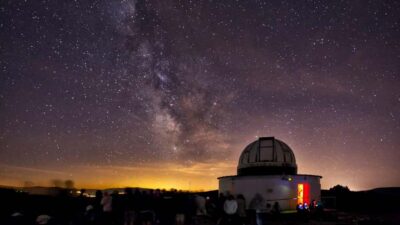
Excursion to the Planetarium of Cusco | New experience
Read our review →Browse the lists this tour appears in