
REVIEW · CUSCO
Planetarium Cusco OFFICIAL SITE: Andean Astronomy experience
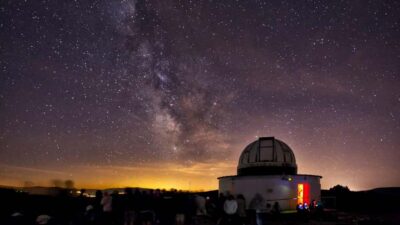
The most interesting part of Planetarium Cusco is the way it connects Inca astronomy with modern sky projection. You are not simply looking at stars through a telescope. First, you learn how Andean people understood the sky, then you see that vision presented inside a dome before heading outside to look upward yourself. I like the small-group setting and the chance to see the southern sky explained in a cultural context. I also like that the ride from central Cusco is short and included.
The main limitation is the weather. Clouds can cancel the telescope session, and Cusco’s night air can be cold. The indoor program still goes ahead, but anyone booking mainly to see Saturn, planets, or star clusters should treat outdoor viewing as a bonus, not a promise.
Key points at a glance
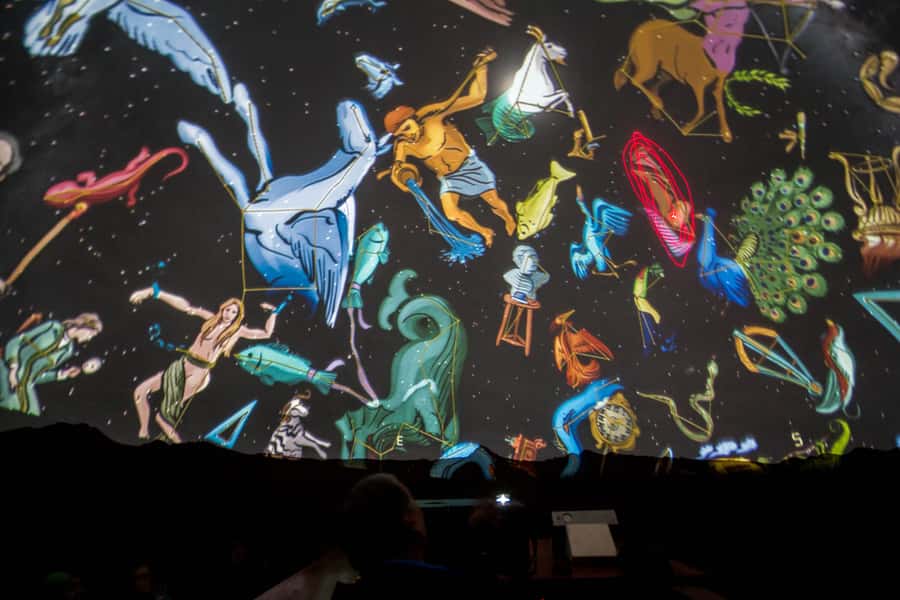
- Inca constellations take center stage: The presentation explains how Andean people interpreted the southern sky, not just how modern astronomy maps it.
- The dome gives you a reliable indoor program: Cloudy skies do not cancel the introduction or virtual projection.
- Telescope viewing depends on weather: Clear conditions may bring planets and stars into view, and one recent evening even revealed Saturn’s rings.
- Meet in central Cusco: The group gathers beside the fountain in Plaza Regocijo, then rides 10 to 15 minutes to the planetarium.
- Small groups suit curious visitors: The setting feels personal, and the guides can explain ideas in English or Spanish.
- Bring warmth, not dinner: Comfortable shoes and warm clothing are advised, while food is not included.
Why Andean astronomy is worth your evening
Cusco is full of Inca walls, churches, and archaeological sites, but the Inca view of the sky is harder to see. Planetarium Cusco gives that subject a clear place in your itinerary. It presents astronomy as part of daily life, belief, farming, direction, and the way people understood their place in the world.
That cultural angle is the reason I would choose this activity over a standard planetarium show. The program is not only about naming planets or pointing out constellations. It considers the southern sky through an Andean lens, then uses modern equipment to help you picture it.
You should also arrive with realistic expectations. This is a two-hour group outing, not an advanced astronomy course. If you already know a great deal about astronomy, the basic explanations may feel slow. If you are curious but not technically trained, the pace should be more comfortable.
The small-group format helps. A recent booking group was small enough to feel personal, and the guides created a warm, humorous atmosphere. That matters here because the subject can sound abstract when reduced to dates, star names, and technical terms. A good explanation turns it into a story about how people actually lived.
More Observatory and Telescope Tours in the world:
- Teide by Night: Sunset & Stargazing with Telescopes Experience
★ 4.5 · 1,492 reviews - Miami: Frost Museum of Science and Planetarium Entry Ticket
★ 4.5 · 429 reviews - Uluru: National Park Astronomy Tour with Telescope and Photo
★ 4.4 · 357 reviews
Meeting at Regocijo Square at 17:30
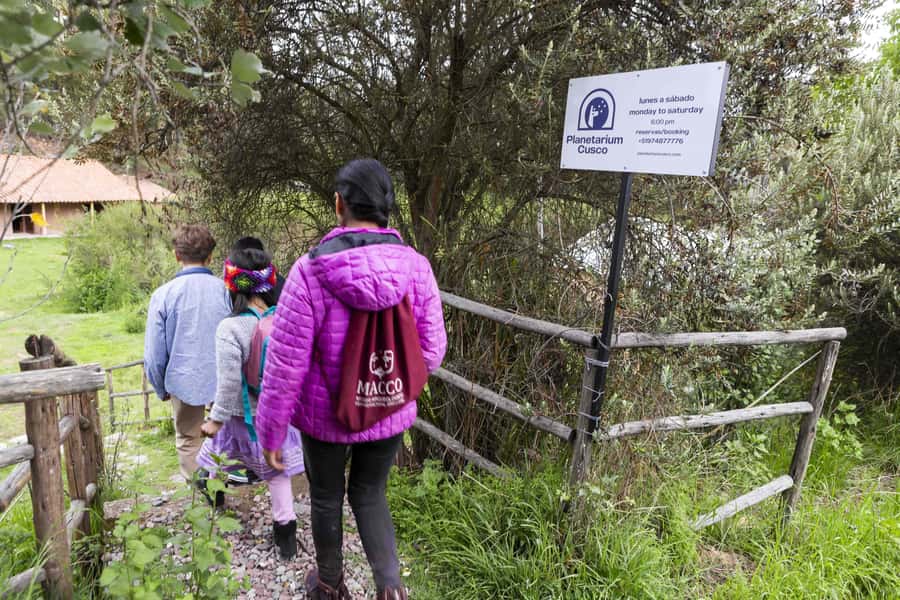
The meeting point is the middle of Plaza Regocijo, beside the fountain. This is very close to Cusco’s main Plaza de Armas, so it is easy to reach from the historic center. Be there for the stated 17:30 departure. The group takes a short walk to the vehicle, followed by a 10 to 15 minute ride to Planetarium Cusco.
I like this arrangement because you do not spend a long part of the evening sitting in a bus. The transport is practical rather than scenic, but it takes you away from the city lights quickly. A smooth pickup is especially helpful in Cusco, where evening streets can be busy and the meeting point may be easier to find than the planetarium itself.
Wear shoes that are comfortable for walking and warm clothes for the later outdoor session. Even if the indoor rooms feel comfortable, you will want an extra layer once you are outside. The experience does not include food, so eat beforehand if you usually need an evening meal.
The introduction to Inca astronomy
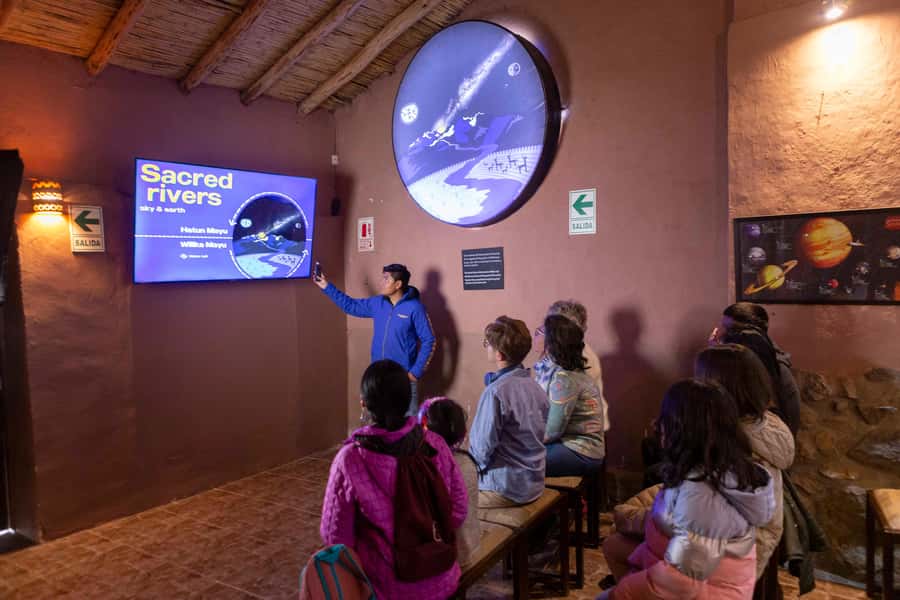
Arrival is scheduled for about 18:05. The first part takes place in interpretation rooms, where the guides introduce the ideas behind Andean astronomy. This gives you useful preparation before the dome presentation.
The value of this section is not simply the information itself. It gives you a way to watch the sky with a different set of questions. Instead of asking only which modern constellation you are seeing, you begin considering how the Incas connected stars, dark spaces, animals, and the wider natural world.
The presentation also helps place the subject in context before the lights go out. You learn enough to understand why certain patterns mattered and how the sky could guide a society long before modern instruments. The tone is intended to be accessible, with explanations in English or Spanish.
This is where the quality of the guide matters most. The English has been praised as clear, and the staff are described as welcoming and professional. The mood is friendly rather than stiff, with humor woven into the explanations. That makes the experience a good fit if you enjoy culture and history but do not want a formal lecture.
Inside the dome at about 18:40
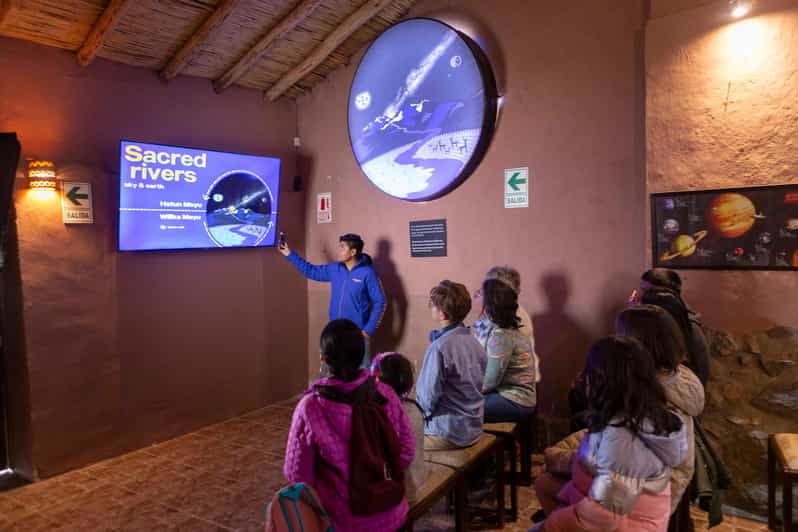
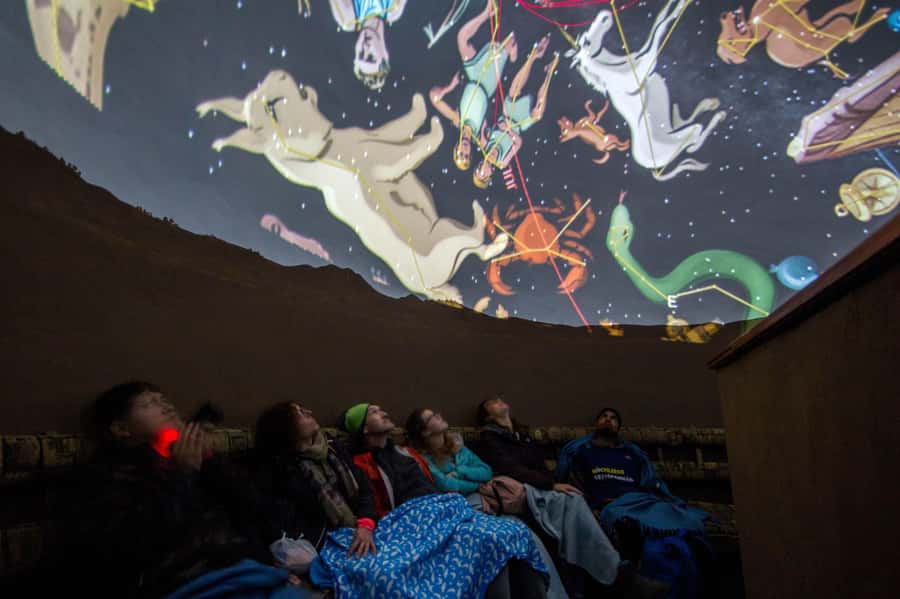
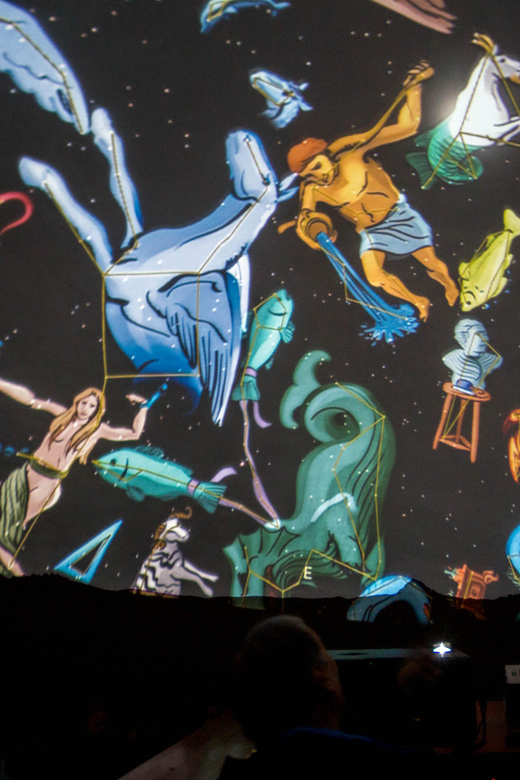
At approximately 18:40, you move into the dome for a virtual projection of the southern sky. This is the most dependable visual part of the program because it does not depend on clouds.
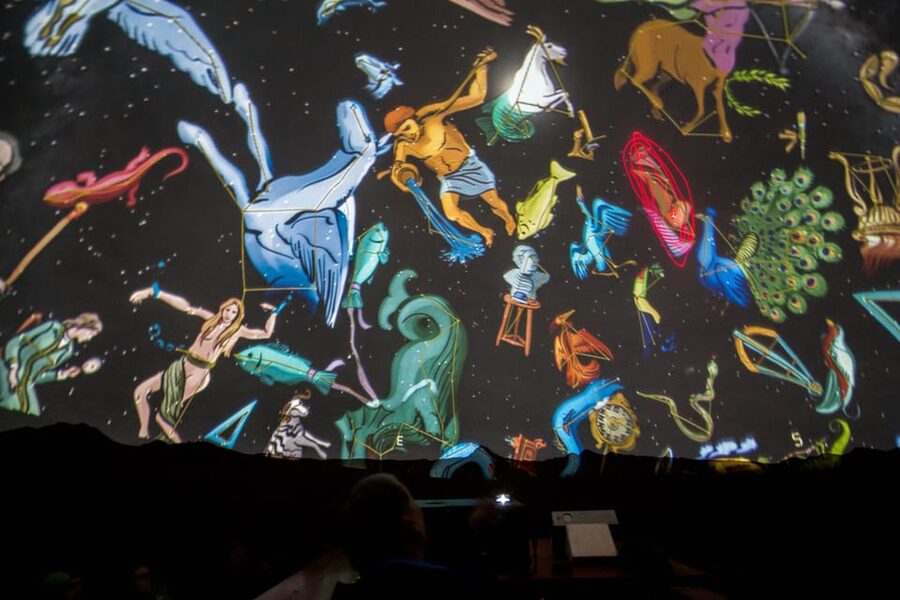
The dome helps show the sky in a way that can be difficult from a city street. You can follow the guide as the stars and Inca constellations appear overhead. The presentation links the images to stories and ideas from Andean cosmovision, giving the session more meaning than a simple star map.
I would treat this as the heart of the experience. Telescope viewing can be spectacular, but it is brief and weather dependent. The dome presentation gives you the cultural foundation, and it still works on a cloudy night.
One practical point: the program is designed for a general audience. A person who has already studied astronomy may find some of the material familiar. That is not a fault, but it is worth knowing before you book. The strength here is interpretation and atmosphere, not advanced scientific detail.
More Stargazing Tours in the world:
- Dubai Red Dunes ATV, Camels, Stargazing & 5* BBQ Al Khayma Camp
★ 5.0 · 21,620 reviews - Sharm El-Sheikh: Ultimate ATV Quad, Stargazing & BBQ Dinner
★ 4.7 · 4,084 reviews - Tenerife: Teide National Park Sunset & Stargazing Tour
★ 4.2 · 3,812 reviews - Tenerife: Sunset and Stargazing at Teide National Park
★ 4.7 · 2,826 reviews
Outdoor stargazing after the projection
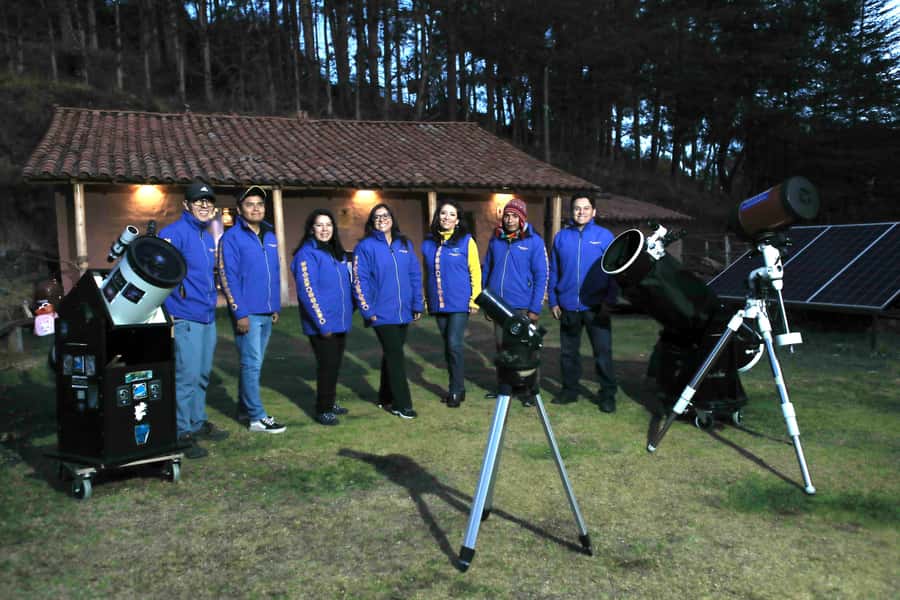
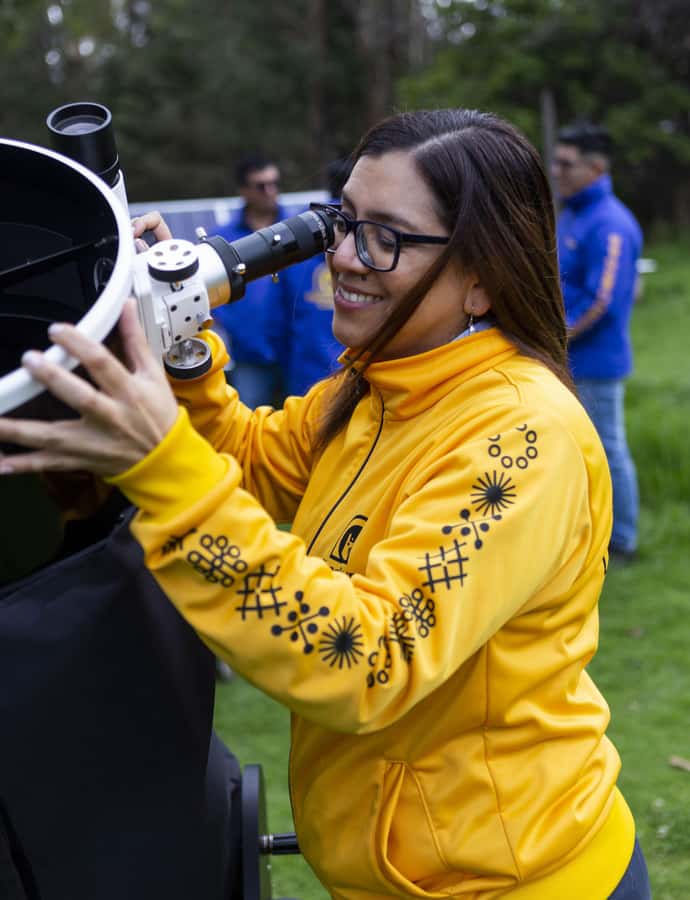
After the indoor presentation, the group goes outside for telescope viewing when conditions permit. This is the moment most people anticipate, but it is also the part least under the planetarium’s control.
Cusco’s clouds can block the stars. On a cloudy evening, you may receive the indoor program without a proper telescope session. The staff still try to make the most of the conditions, and one especially fortunate evening allowed the group to see Saturn’s rings even though the sky was not perfectly clear. That is an impressive possibility, but it should not be treated as a guaranteed feature.
The telescope session can show you the difference between learning about a celestial object and seeing it as a small, real point of light through an instrument. If the sky cooperates, planets and stars add a strong personal finish to the evening.
Bring patience as well as warm clothing. Astronomy requires waiting for the right opening in the clouds, and a group may need to take turns at the telescope. The small size of the group helps here, since you are less likely to feel lost in a crowd and can stay connected to the guide’s explanation.
Blankets are available at the planetarium for people who feel cold. One useful tip is to take a seat near the entrance if you want easy access to a blanket. Sitting with one around your shoulders may feel a little unusual, but it can make the outdoor portion much more comfortable.
The ride back to Cusco at about 19:40
The scheduled return begins around 19:40, although the timing can change to make better use of the sky. This flexibility is sensible. If a short break in the clouds creates a chance to see something through the telescope, the group may spend a little longer outside.
The return ride is included and brings you back toward central Cusco. The full experience lasts about two hours, so it fits well into an evening with dinner afterward. You should not plan another tightly timed activity immediately after it, since outdoor viewing and weather adjustments may affect the end time.
Because the activity starts and finishes in the city center, it is easier to add to a Cusco itinerary than a distant observatory visit. You get a focused introduction to Andean astronomy without committing an entire night or arranging separate transport.
Is the $28 price good value?
At $28 per person, the experience offers more than a basic planetarium admission. Your fee covers round-trip transport from Regocijo Square, the introduction to Inca astronomy, the dome projection, the live guide, and telescope viewing when weather permits.
The value is strongest if you want several elements in one outing. You receive cultural interpretation, a visual presentation, transportation, and the chance to use astronomical equipment. Booking each part separately would be difficult, especially for a short evening activity in Cusco.
The price is less compelling if you only want guaranteed telescope time. Clouds can remove that part of the program, and there is no food included. You are paying for the full experience, with the telescope serving as a weather-dependent extra rather than the sole purpose of the visit.
I see it as a fair price for visitors who want an organized, guided evening and who appreciate the connection between science and Andean culture. It is also a practical choice if you do not want to figure out transport to a planetarium outside the center.
Who should book this experience?
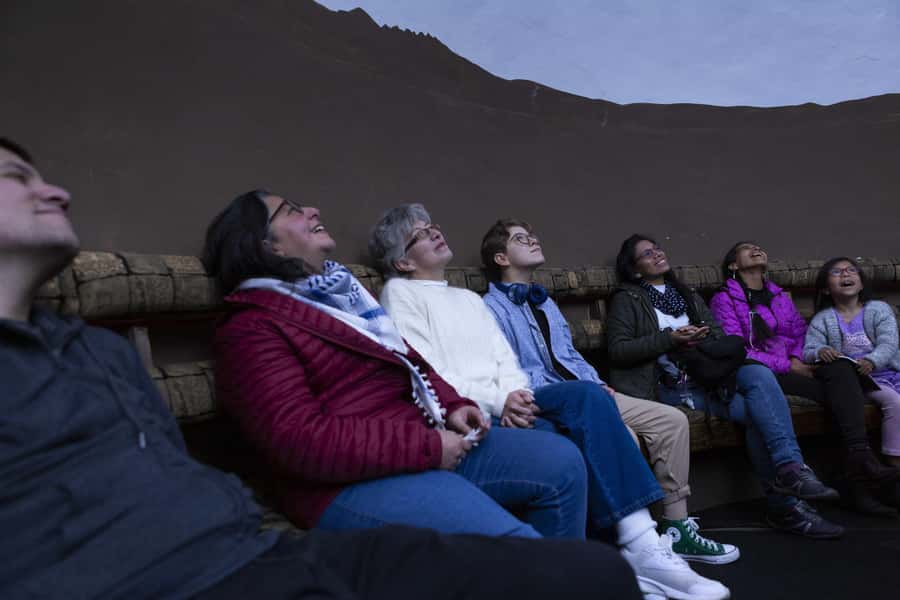
I would recommend it to first-time visitors who want more context for Andean culture than they get from walking around Cusco’s monuments. It also suits families with children aged seven and older, couples, and anyone who enjoys science explained through stories rather than formulas.
The lower age limit is important. Children under seven are not suitable for this activity, and unaccompanied minors are not allowed. The subject may hold the attention of older children, especially when the dome and telescope are involved, but the experience still includes spoken explanation.
English and Spanish are available. If you are comfortable in either language, you can follow the guide’s interpretation throughout the program. The small-group format is useful for questions and makes the evening feel more direct than a large coach excursion.
I would hesitate if you have already studied astronomy in depth and want technical material. One booking found the program too basic for an experienced astronomy enthusiast. In that case, check whether your main interest is Andean cultural interpretation or advanced astronomical instruction. This activity is much better suited to the first.
Practical details that make the evening better
Plan to arrive a few minutes early at the fountain in Plaza Regocijo. The departure is set for 17:30, and the walk to the vehicle is short, but arriving late could mean missing the group.
Wear warm layers and comfortable shoes. The outdoor portion may be chilly, and the ground around the viewing area may not feel as easy to walk on as a city pavement. Blankets are available, but your own warm clothing remains the sensible choice.
Do not bring alcohol or drugs, and pets are not allowed except for assistance dogs. Audio recording is also not allowed. The service is group based, but a private option may be available if you contact Planetarium Cusco directly.
The booking terms are flexible: you can cancel up to 24 hours before the activity for a full refund, and you can reserve now while paying later. Check the available starting time when booking, since the schedule can vary.
My verdict: book it for the cultural angle
Book Planetarium Cusco if you want a short, well-organized evening that combines Andean culture, astronomy, and modern projection. The indoor program gives the experience real value even when clouds cover the sky, while a clear break may reward you with planets or even Saturn’s rings.
Skip it if guaranteed telescope viewing is your only goal, or if you already know the basics and want advanced astronomy. For most curious visitors, though, the $28 price is reasonable, the transport is convenient, and the small groups create a friendly setting. Bring a warm layer, keep your expectations flexible, and let the sky decide how much extra you see.
FAQ
Where does the Planetarium Cusco experience begin?
Meet in the middle of Plaza Regocijo, next to the fountain. The square is very close to Cusco’s main Plaza de Armas.
What time does the activity start?
The group meets at 17:30. Arrival at the planetarium is scheduled for about 18:05, with the dome presentation planned for around 18:40.
How long does the experience last?
The activity lasts about two hours. The return journey to Cusco is scheduled for approximately 19:40, though the timing can change to improve stargazing conditions.
What is included in the $28 price?
The price includes round-trip transport from Regocijo Square, an introduction to Inca astronomy, a virtual projection of the southern sky and Inca constellations, and telescope stargazing when weather allows.
Is telescope viewing guaranteed?
No. Telescope viewing depends on the weather. The indoor interpretation and dome projection still take place if clouds prevent a clear view.
Which languages are available?
Live guides are available in English and Spanish.
What should I bring?
Bring comfortable shoes and warm clothing. Blankets are also available at the planetarium if you feel cold.
Can children join the experience?
Children under seven are not permitted. Unaccompanied minors are not allowed, and the activity is operated as a group service.
Just added around the world
- Blue Mountains: Stargazing with a Telescope and Astronomer★ 4.4 · 21 reviews
- ( canyon hurghada & stargazing )★ 4.9 · 16 reviews
- Zermatt: Outdoor fondue “group experience under the stars”★ 4.7 · 3 reviews
- Doha: Night Desert Safari With Stargazing and Inland Sea★ 5.0 · 9 reviews
- Villajoyosa: Moonlight kayaking and dinner under the stars★ 5.0 · 5 reviews
- Ubud: Romantic Floating Dinner Under the Stars★ 5.0 · 2 reviews
- Vincentia: Jervis Bay Beach Stargazing with an Expert★ 4.9 · 19 reviews
- Vialattea: Night Snowshoeing under the Stars★ 4.5 · 5 reviews
Cusco Stargazing Tours, compared.
Cusco by Night: Planetarium Cusco, Dinner, and Pisco Sour
Read our review →
Planetarium and Night Tour with Dinner and Pisco Sour
Read our review →
Excursion to the Planetarium of Cusco | New experience
Read our review →Browse the lists this tour appears in