
REVIEW · FRANCE
Stroll among the stars : Stargazing and Astronomy Tour
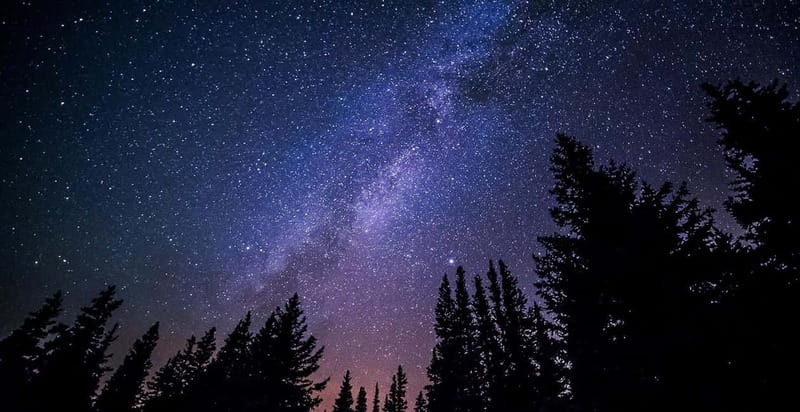
The best part of this evening is the change from sunset to starlight. You begin by watching the last light fade, then follow an astronomer through the constellations, planets, and Greek stories attached to them. A digital telescope adds a modern look at distant objects beyond the stars you can see with your eyes.
I like two things here: the mix of science and old sky legends, and the chance to hear how different civilizations made sense of the heavens. The French and English commentary also makes the experience useful for a mixed-language group.
The main caution is that the advertised group limit of eight may not always hold in practice. One recent booking had more than 20 people, which made the tablet and personal attention harder to share. The viewing site may also have trees on both sides, so this is not a guaranteed wide-open horizon.
Key points
- Sunset begins the evening: You watch daylight fade before turning your attention to the stars.
- Greek myths meet astronomy: Constellations come with stories, gods, heroes, and familiar legends.
- Other cultures get a place in the sky: The guide compares different ways people have understood the cosmos.
- A digital telescope reveals the deep sky: The second part uses newer telescope technology for closer observation.
- The meeting point is central to the plan: You meet at the Lans-en-Vercors Tourism Information office and arrange your own transport.
- Weather can change the date: Bring warm clothes and keep your evening flexible.
From the Last Sunlight to the First Stars
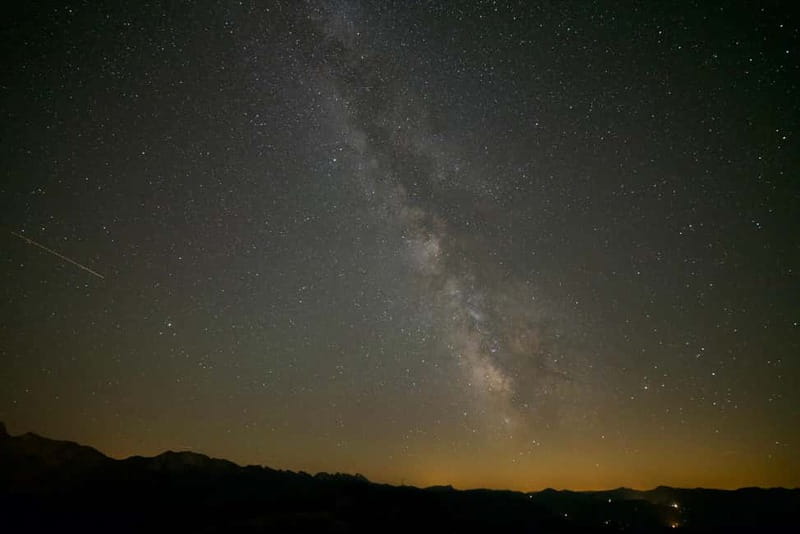
This two-hour outing is built around a simple idea: the night sky becomes more interesting when someone helps you read it. Rather than simply pointing at bright stars, the guide links what you see to astronomy, astrophysics, and stories handed down across cultures.
You begin at sunset. That timing matters because it gives the evening a clear rhythm. You are not dropped into darkness at once. First comes the changing light, then the first visible stars, then the larger pattern of constellations and planets. It is a gentle way to shift your attention from the town and the day’s activities to the sky above you.
The exact starting time changes with the season, so check availability for the date you want. A summer session will have a later sunset than an outing in colder months. In either case, you should arrive ready to spend much of the time outside.
More Stargazing Tours in the world:
- Dubai Red Dunes ATV, Camels, Stargazing & 5* BBQ Al Khayma Camp
★ 5.0 · 21,620 reviews - Sharm El-Sheikh: Ultimate ATV Quad, Stargazing & BBQ Dinner
★ 4.7 · 4,084 reviews - Tenerife: Teide National Park Sunset & Stargazing Tour
★ 4.2 · 3,812 reviews
Greek Heroes and Other Ways of Reading the Sky
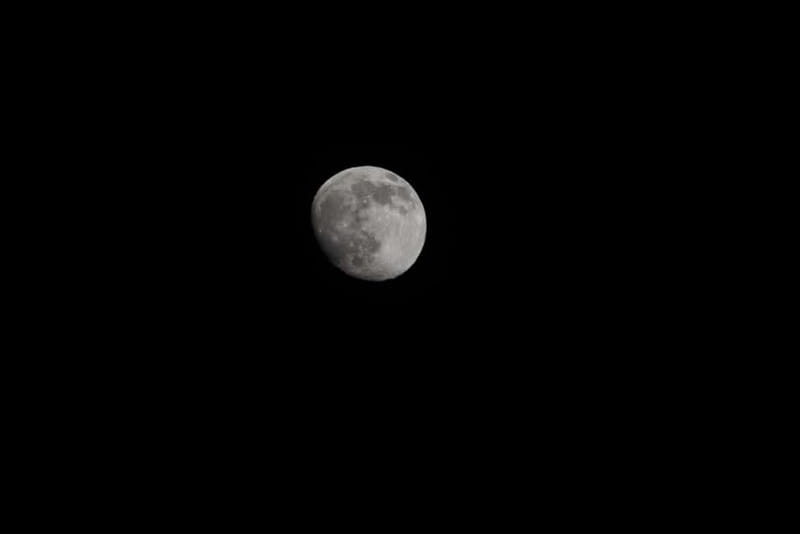
Greek constellation myths are likely to be the most familiar part of the storytelling. You may already recognize names linked to gods, heroes, and creatures from ancient tales, but the guide gives those patterns a place in the sky rather than treating them as isolated bedtime stories.
I like this approach because a constellation is easier to remember when it has a story attached to it. You are not only trying to spot a group of faint stars. You are also learning why people connected those stars, and how a particular culture explained what it saw.
The tour then broadens its reach to myths from other civilizations. That comparison is one of the strongest reasons to choose this experience over a basic stargazing walk. Different societies looked at the same heavens but created different stories, meanings, and explanations. The sky becomes a record of human curiosity as well as a subject for modern science.
The guide also invites questions about the universe and its unanswered problems. That makes the evening suitable for adults who want more than a list of constellation names, while still giving younger participants simple stories to follow. Children must be at least seven years old, and the material seems best suited to curious children who can stay focused outdoors for two hours.
What the Digital Telescope Adds
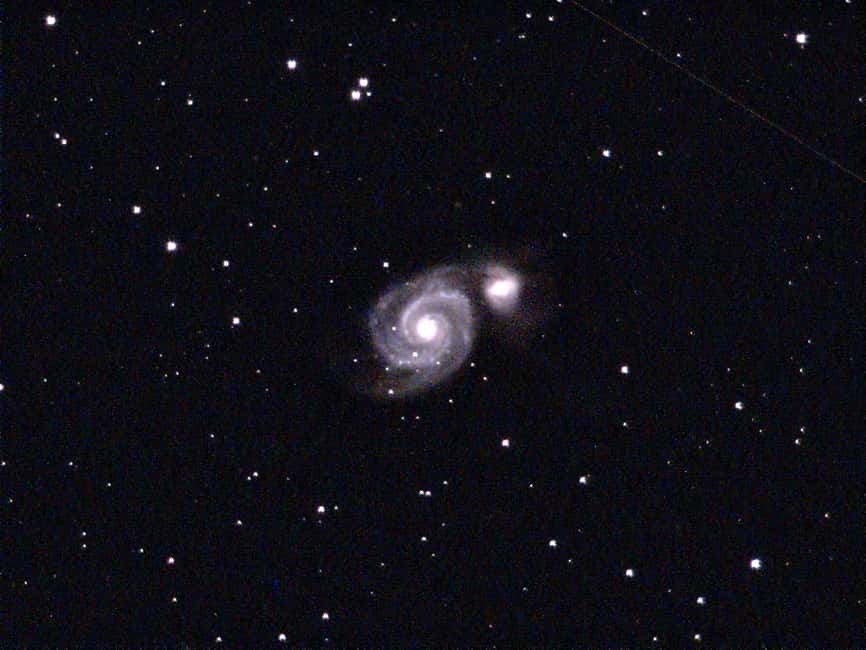
The second part moves from the broad sky to deep-sky observation with a newer digital telescope. This is where the experience becomes more technical. Instead of only using your unaided eyes, you get a chance to examine objects through equipment designed to show more detail.
The supplied information does not promise a fixed list of planets, nebulae, galaxies, or other targets. That is sensible, since the view depends on the date, weather, visibility, and what is above the horizon. You should think of the telescope as a guided opportunity to observe the night sky, not as a guarantee of a particular object.
The digital system can be especially helpful for people who are new to astronomy. You do not need to arrive knowing how to use a telescope or recognize the sky. The guide supplies the scientific background and helps connect the equipment to what you are seeing.
There is one practical concern here. The telescope and its screen are less useful when too many people crowd around them. A recent session reportedly had more than 20 participants, despite the small-group description. With that many people, you may have less time at the viewing point and fewer chances to ask individual questions. If the group is kept near the stated limit of eight, the telescope portion should feel much more personal.
Why Group Size Matters at Night
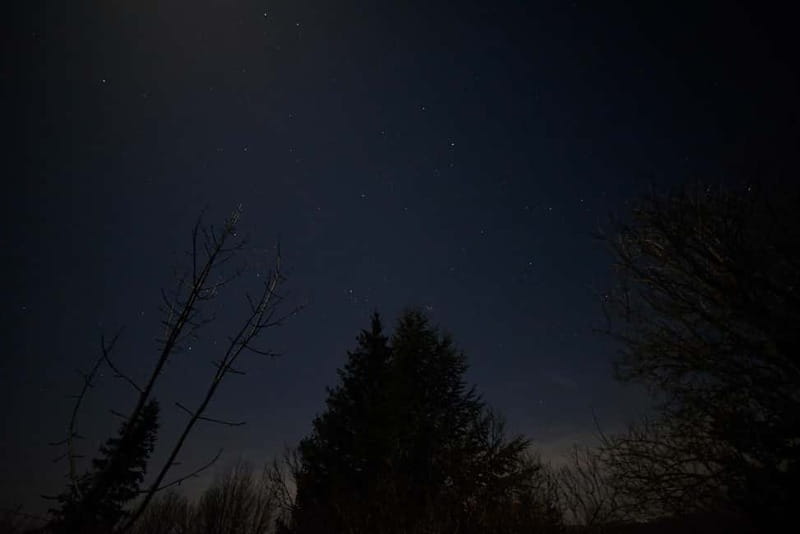
A small group is not just a comfort feature for this outing. It affects the quality of the astronomy.
With eight people or fewer, it is easier to hear a soft-spoken explanation in the dark, ask a follow-up question, and take your turn with the digital telescope. You can also expect a calmer pace while the guide moves between the visible constellations and the equipment.
A much larger group changes the mood. You may spend more time waiting, and the person beside you may block your view of the screen or telescope. A larger crowd also makes it harder for the guide to notice whether everyone has found the constellation being discussed.
The group size is therefore worth confirming when you book or shortly before the activity. The advertised format is limited to eight participants, but the experience has not always matched that number. I would treat the small group as an important value point, not a minor detail.
Same dark skies, a different way to see them:
- Tenerife: Sunset and Stargazing at Teide National Park
★ 4.7 · 2,826 reviews - Teide National Park Sunset & Stargazing with Dinner (Star Safari)
★ 5.0 · 2,601 reviews - Dubai: Sunset Camel Trek, Al Khayma Camp, Stargazing & BBQ
★ 4.8 · 2,588 reviews - Dubai: Overnight Safari, Dinner, Stargazing & Al Khayma Camp
★ 4.8 · 2,562 reviews
Choosing the Meeting Point and Getting Ready
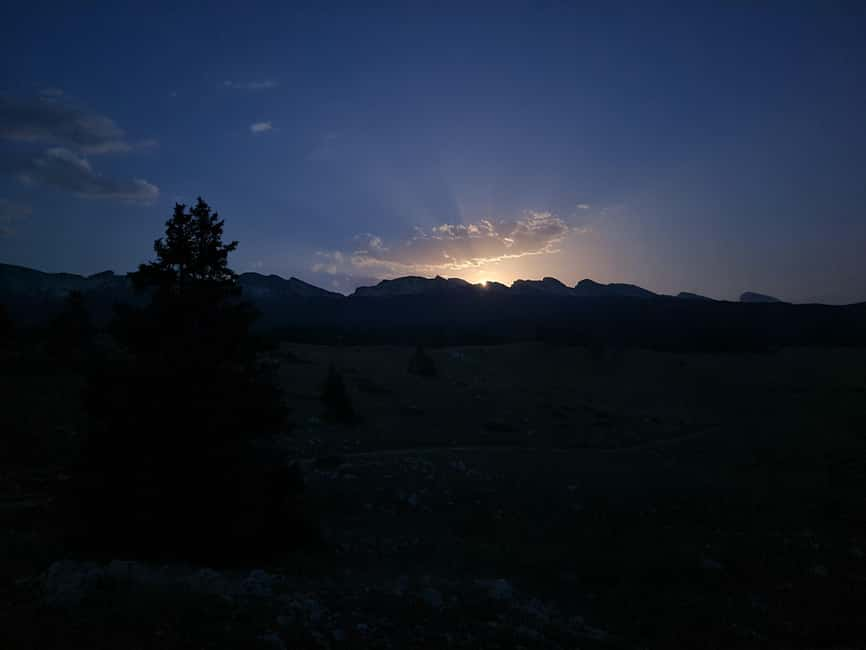
You meet at the Lans-en-Vercors Tourism Information office. Hotel pickup and drop-off are not included, so you need to get yourself to the meeting point and return on your own after the session.
The access and parking arrangement may require some care. One recent participant found the approach and parking confusing, with little indication at the site itself. Give yourself extra time to locate the meeting point instead of arriving just as the tour starts.
The evening setting makes clothing more important than the short duration suggests. Bring warm layers, even if the afternoon has been mild. Standing still while looking through a telescope can feel colder than walking around, and the tour takes place after sunset.
Wear practical shoes. High heels are not allowed, which is a useful warning for anyone dressing for a night out rather than an outdoor activity. The supplied information does not specify a particular walking distance or trail surface, so comfortable footwear remains the sensible choice.
Food and drinks are not included. Plan to eat beforehand or after the session, but do not count on refreshments as part of the two-hour program.
The Setting: Useful, But Not Perfect
A dark rural setting can make or break a stargazing experience. Here, you are in the Auvergne-Rhône-Alpes region, in the Vercors area around Lans-en-Vercors. The setting is suitable for an evening sky program, but the exact viewing position may not provide a completely open horizon.
Trees were reported on both the right and left sides of one viewing spot. That can limit views near the horizon and may hide some stars or planets as they rise or set. It does not prevent an enjoyable session, but it means you should not expect an unobstructed view in every direction.
The best parts of a sky tour often come from looking upward rather than outward. A tree-lined position can still work for identifying overhead constellations and examining selected objects with a telescope. Still, if a broad horizon is important to you, ask about the current observation site and weather before committing.
Weather is another real factor. The date may be changed if conditions are poor. That is better than trying to force a telescope session under clouds, but it means you should keep some flexibility in your plans. If your stay in the area is very short, the possibility of a changed date matters more than it would on a longer visit.
The Guide’s Style and Language
The guide leads the program in French or English. The bilingual option is useful for couples, families, or small groups who do not all speak the same language.
The stated aim is to combine astronomy and astrophysics with stories that appeal to both children and adults. That balance is promising, but the quality of the explanation may vary with the group and the guide’s delivery. One recent participant found the explanations pleasant but hesitant at times, with some uncertainty during the session.
I would set your expectations correctly. This is a guided introduction to the sky, not a formal observatory class or an advanced astrophysics lecture. You should come ready to ask questions, but do not expect a tightly scripted lesson packed with technical detail.
That said, the subject itself gives the guide plenty to work with. You can ask about the difference between a planet and a star, why constellations look fixed, how myths changed from one culture to another, or what the digital telescope is showing. The most rewarding part may come from the exchange rather than from memorizing every name.
Is $76 a Fair Price?
At $76 per person, this is not the cheapest way to look at stars. The value depends on what you want from the evening.
The price makes more sense if you want a guide to organize the experience, explain the science in accessible terms, connect astronomy to mythology, and operate a digital telescope. You are paying for interpretation and equipment, not simply access to an outdoor viewpoint.
The value weakens if the group is much larger than eight, the guide has difficulty keeping the explanation focused, or the viewing position is partly blocked by trees. A free local stargazing event was available in the area around the same period, with a similar general format, though a larger crowd made the viewing equipment harder to share. That comparison is worth keeping in mind.
I would book this at the full price if the small-group format is confirmed and you are genuinely interested in both science and stories. If you only want to see a dark sky, you may find the cost harder to justify. The experience earns its price through the guide’s explanations and telescope time, so those are the elements to protect.
The reserve-now-and-pay-later option helps if your weather forecast is uncertain. Free cancellation is available up to 24 hours before the activity for a full refund. Those terms reduce the risk of committing early, but they do not remove the possibility of a date change caused by bad weather.
Who Will Enjoy This Evening Most?
I would recommend this outing to adults, couples, families with children aged seven and older, and anyone who enjoys asking why people see patterns in the sky.
It suits you especially well if:
- You want an introduction rather than advanced astronomy.
- You enjoy mythology as much as science.
- You are comfortable spending an evening outdoors in warm layers.
- You want a guide to point out stars and constellations instead of finding them alone.
- You value a small group and can confirm that the group will stay small.
- You are willing to accept that clouds, trees, and seasonal visibility affect the result.
It may not suit you if you need guaranteed telescope targets, a completely open horizon, hotel transport, or a highly technical lesson. It is also a poor choice for children under seven, since they are not accepted.
My Take on the Two-Hour Format
Two hours is a sensible length for this subject. A shorter session would feel rushed, especially with sunset, constellation stories, questions, and telescope viewing all included. A much longer session could become uncomfortable in cold weather.
The timing also lets the guide move from simple observation to more complex ideas. You start by seeing the sky change, then learn the major patterns, hear stories from several cultures, and finish with equipment that brings distant objects closer.
Still, the format depends on good pacing. A large group or hesitant explanations can make two hours feel less productive. The more participants there are, the more important it becomes for the guide to manage telescope turns and keep the stories concise.
Should You Book This Stargazing Tour?
Book it if you want a story-led introduction to astronomy and like the idea of comparing Greek myths with the sky traditions of other civilizations. The combination of sunset, constellations, science, and digital telescope viewing gives the evening a clear shape, and the bilingual format helps mixed-language groups.
Before paying $76, confirm the expected group size and current meeting details. Bring warm clothing, wear sensible shoes, allow time for parking, and keep your schedule flexible in case of bad weather. If you do that, this can be a thoughtful way to spend an evening in the Vercors area.
I would skip it if your main goal is a guaranteed spectacular horizon or a private, highly technical telescope session. The experience is strongest when the group is genuinely small and the guide has enough time for questions. With those conditions in place, it offers more than simple star-spotting: you get a clear reminder that people across the world have looked at the same sky and told very different stories about it.
FAQ
Where does the stargazing tour meet?
The meeting point is at the Lans-en-Vercors Tourism Information office.
How long does the experience last?
The tour lasts around two hours.
What languages does the guide speak?
The live tour guide speaks French and English.
Is the tour suitable for young children?
Children under seven are not permitted. The minimum age is seven.
What should I bring?
Bring warm clothing because the activity takes place outdoors after sunset.
Are food and drinks included?
No. Food and drinks are not included.
Is hotel pickup and drop-off provided?
No. Hotel pickup and drop-off are not included, so you must arrange your own transport to and from the meeting point.
Can the date change because of weather?
Yes. The date may change in case of bad weather. You can also cancel up to 24 hours in advance for a full refund.
Just added around the world
- Blue Mountains: Stargazing with a Telescope and Astronomer★ 4.4 · 21 reviews
- ( canyon hurghada & stargazing )★ 4.9 · 16 reviews
- Zermatt: Outdoor fondue “group experience under the stars”★ 4.7 · 3 reviews
- Villajoyosa: Moonlight kayaking and dinner under the stars★ 5.0 · 5 reviews
- Doha: Night Desert Safari With Stargazing and Inland Sea★ 5.0 · 9 reviews
- Ubud: Romantic Floating Dinner Under the Stars★ 5.0 · 2 reviews
- Vincentia: Jervis Bay Beach Stargazing with an Expert★ 4.9 · 19 reviews
- Vialattea: Night Snowshoeing under the Stars★ 4.5 · 5 reviews
France Stargazing Tours, compared.
Chamonix: Snowshoe Walk Under the Stars with a Private Guide
Read our review →
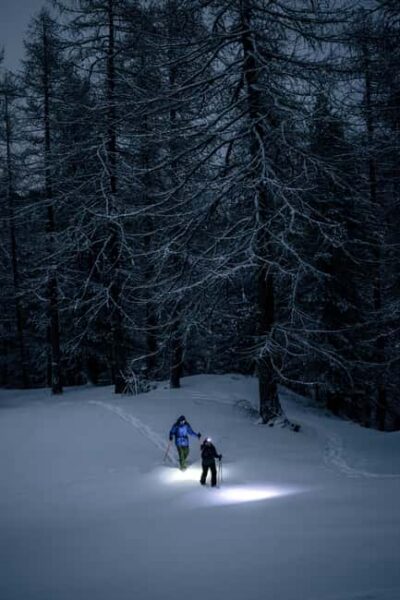
Milky Way: night snowshoe hike with a typical dinner in a mountain hut
Read our review →
Browse the lists this tour appears in