REVIEW · STARGAZING TOURS
Stargazing Mitzpe Ramon
Makhtesh Ramon is one of the best places in Israel to look up at night. Far from city lights, this private desert stargazing session pairs a robotic telescope with mats, mattresses, a fire, hot drinks, and a guide who explains everything from zodiac signs to distant galaxies.
I like the intimate format and the fact that the entire group can lie back instead of standing around a telescope. I also like the range of subjects, from moon craters and planets to nebulae, star clusters, and galaxies. The main drawback is practical: you must arrange your own transport to the Ramon Crater, and the exact arrival location is sent only on the morning of the experience.
Key points at a glance
- Private for up to eight people: You pay $460 per group, not per person.
- A true dark-sky setting: The activity takes place in a remote desert location with very little light pollution.
- Comfort is part of the plan: Mats and mattresses let you watch the sky lying down, while a fire, tea, coffee, and snacks help with the desert cold.
- Robotic telescope viewing: You may see the Moon, planets, double stars, clusters, nebulae, and galaxies.
- Several guides have led the experience: Names connected with the activity include Nadav, Moshe, and Uri, also known as Star Ori.
- Weather matters: You can cancel for a full refund up to 24 hours before the start, and poor weather may lead to a new date or full refund.
Arriving at Makhtesh Ramon after dark
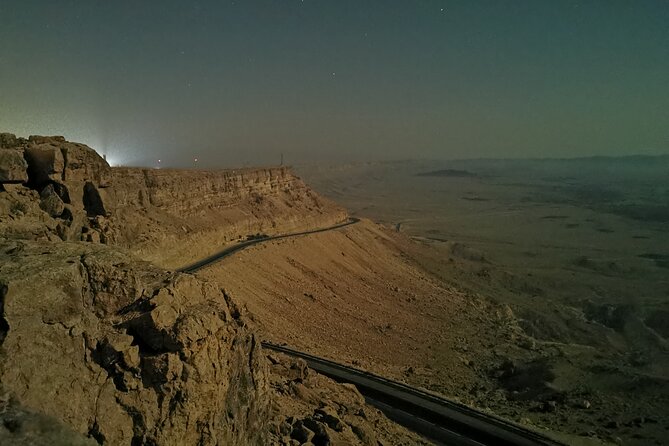
The meeting point is Makhtesh Ramon, the huge erosion crater near Mitzpe Ramon. The tour provider lists Sde Boker as the location area, but the activity itself begins at the Ramon Crater. You receive the precise place to arrive on the morning of the experience, along with the scheduled hour.
That late location message is worth noting. It may be useful for an operator working in a remote desert setting, but it gives you less time to plan than a fixed address would. I would keep your evening flexible, make sure your phone is charged, and avoid assuming that the meeting point is in town.
There is no hotel pickup and no transport to or from the attraction. You need to reach the meeting point yourself. That makes this easiest for people already staying in or driving through the Mitzpe Ramon and Sde Boker area.
Once you arrive, your guide should have the main equipment ready. The setup includes a telescope, places to lie down, and a small fire area with tea or coffee and snacks. The activity ends where it begins, so you return to the same meeting point after the session.
More Stargazing Tours in the world:
- Dubai Red Dunes ATV, Camels, Stargazing & 5* BBQ Al Khayma Camp
★ 5.0 · 21,620 reviews - Sharm El-Sheikh: Ultimate ATV Quad, Stargazing & BBQ Dinner
★ 4.7 · 4,084 reviews - Tenerife: Teide National Park Sunset & Stargazing Tour
★ 4.2 · 3,812 reviews
A 1-hour-45-minute introduction to the night sky
The published duration is about 1 hour and 45 minutes, with the wider description allowing roughly 1.5 to 2 hours. That is long enough to move beyond a quick look through a telescope, but short enough to fit into an evening of desert sightseeing.
The session begins with orientation to the sky above you. Your guide explains constellations, zodiac signs, and asterisms, which are recognizable star patterns that may not form official constellations. This gives you a useful framework before the telescope comes into play.
The storytelling has two sides. You hear about the history of astronomy and the myths and legends attached to the sky, then move into the scientific side of the solar system and the wider universe. That mix works well for a private group because it gives children, casual sightseers, and serious astronomy fans different ways into the subject.
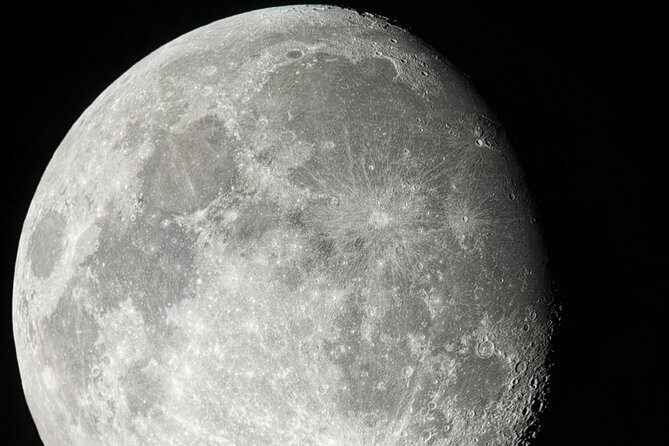
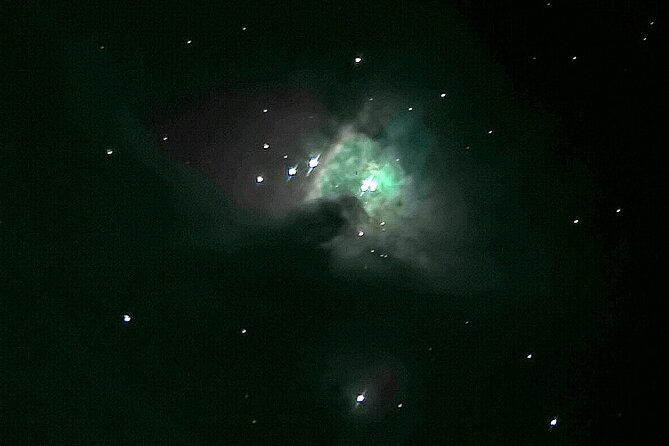
The exact objects you see depend on the date, season, moon phase, and weather. Still, the planned range is broad. You may look at planets and the Moon, then shift to double stars, star clusters, nebulae, and galaxies. The telescope is not just a prop for a single famous object. It is used to show how varied the night sky can be.
Why the desert setting changes the experience
The biggest asset here is not only the equipment. It is the darkness.
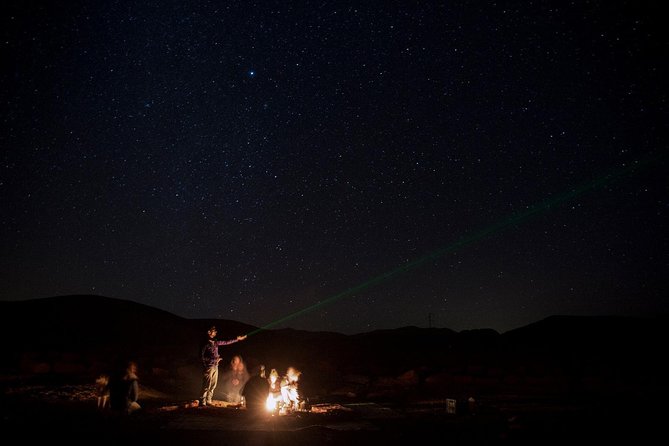
In a town, streetlights and building lights wash out many stars. At a remote point in the Ramon Crater, the sky can appear much fuller, and the Milky Way may be visible when conditions are right. One account describes seeing stars, planets, the Milky Way, and other galaxies after descending into a completely dark crater setting.
That darkness also changes your sense of scale. A familiar constellation can look less like a few isolated points and more like part of a much larger field. The guide’s explanation helps turn that view into something understandable rather than simply pretty.
There is a tradeoff. A dark desert is also a cold desert at night. One group specifically pointed out the chill while enjoying the fire and hot tea. Bring warm clothing, even if the daytime temperature is high. The supplied mats and mattresses help with comfort, but they do not replace a jacket or warm layers.
The fire is a useful touch rather than mere decoration. It creates a warm place to pause between telescope observations, and tea or coffee makes the session feel relaxed. Snacks are included as well, though no specific menu is given.
Robotic telescopes and what you may see
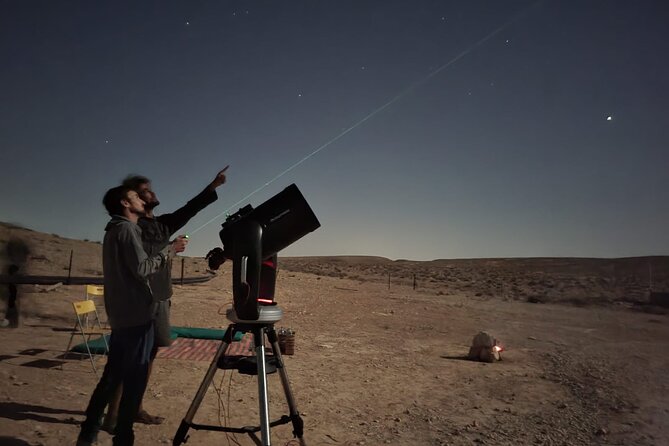
The experience uses advanced robotic telescopes, with extra telescopes available for an extended activity. Robotic equipment can help the guide locate and follow objects efficiently, which matters during a short session when the sky is constantly changing.
The telescope portion is likely to be most rewarding if you arrive with realistic expectations. You are not promised a particular planet, nebula, or galaxy on every date. Sky conditions determine what is available, and some objects are much harder to see than others.
The Moon and bright planets are generally the most immediate targets in any astronomy session, while star clusters and double stars can offer striking patterns. Nebulae and galaxies may appear more subtle, but seeing them from a genuinely dark site can make the effort worthwhile.
The guide’s role is important here. A telescope image means more when you know what you are looking at, how far away it is, and why it appears as it does. The explanations about the solar system and objects beyond it provide that context.
For an extended version, additional telescopes are available. The supplied details do not state the added cost or exact extra duration, so ask the provider before booking if this option matters to you.
Same dark skies, a different way to see them:
- Tenerife: Sunset and Stargazing at Teide National Park
★ 4.7 · 2,826 reviews - Teide National Park Sunset & Stargazing with Dinner (Star Safari)
★ 5.0 · 2,601 reviews - Dubai: Sunset Camel Trek, Al Khayma Camp, Stargazing & BBQ
★ 4.8 · 2,588 reviews - Dubai: Overnight Safari, Dinner, Stargazing & Al Khayma Camp
★ 4.8 · 2,562 reviews
Guides who bring the sky to life
The guide is central to this activity. Several names are associated with the experience, including Nadav, Moshe, and Uri, who is also referred to as Star Ori. The descriptions of the guides emphasize warmth, clear communication, and strong astronomy knowledge.
That combination matters more than a long equipment list. A guide can keep the session accessible without flattening the science. You may hear a myth about a constellation, then shift to the actual distance between stars or the structure of a galaxy.
Moshe was described as articulate, warm, and highly informed. Nadav was praised for helping create a powerful sense of connection with the sky. Uri, or Star Ori, was singled out for both his knowledge and his personal care during the activity. Since guide assignments can change, you should not assume a particular person will lead your date.
The activity is private, so your group sets the pace within the scheduled time. That is a real advantage over a large public viewing. You can ask questions without worrying about holding up a crowd, and the guide can adjust the level of explanation for your group.
The comfort of lying back under the stars
Many astronomy sessions involve standing in a parking area and taking turns at one eyepiece. This one supplies mats and mattresses so you can lie down and watch the sky more comfortably.
That design makes a difference. Looking upward for nearly two hours can strain your neck if you remain standing or seated in a rigid chair. Lying back also suits the wider purpose of the evening: you are not only checking objects off a list, but taking time to notice the sky as a whole.
The setting remains simple. You should not expect a permanent visitor center, indoor lounge, or hotel-style facilities. This is an outdoor activity in a remote desert location, with a temporary setup built around the telescope, fire, drinks, and bedding.
Service animals are allowed, and most people can participate. The data does not provide detailed information about terrain, toilets, or specific mobility arrangements, so contact the provider directly if your group has access needs beyond that.
Is $460 good value for a private group?
The price is $460 for up to eight people. For a full group, that works out to $57.50 per person. For two people, the effective price is much higher, so the value depends heavily on your group size.
For a family or group of friends, the price includes a private guide, professional telescope setup, mats and mattresses, a fire, tea or coffee, snacks, and nearly two hours of instruction and viewing. You are also paying for access to a remote dark location rather than simply using a telescope in town.
I see the strongest value for four to eight people who already have their own vehicle and want a focused evening activity. A couple who is deeply interested in astronomy may still find it worthwhile, but the per-person cost is less attractive.
The private format also prevents the evening from feeling like a generic observatory presentation. You get the guide’s attention and can shape the questions around your own interests. If your group includes both adults and children, the mix of stories and science should help keep the session varied.
Who should book this desert night?
I would recommend it to anyone who enjoys astronomy, photography of the night sky, science, or quiet outdoor experiences. It also suits people who have already spent the day around the Ramon Crater and want to see the same place transformed after sunset.
Families can benefit from the private arrangement, especially if children are curious but have short attention spans. The fire, snacks, and reclining setup make it less formal than a classroom lecture.
It is also a good match for visitors who prefer small-scale experiences. Only your group participates, and the guide can explain the constellations at a pace that fits you.
I would think twice if you dislike cold outdoor conditions, have no easy way to reach the meeting point, or want a fixed itinerary with guaranteed sights. Astronomy depends on weather and visibility. Even with advanced equipment, clouds can end the session, and the provider may change the date or offer a full refund if conditions are poor.
The activity is booked an average of 43 days ahead, so popular dates may require planning. Confirmation is sent within 48 hours of booking, subject to availability. Free cancellation applies up to 24 hours before the start time. Changes or cancellations inside that window are not accepted for a refund.
My call: book it if the sky matters to you
Book this experience if you want more than a quick look at stars. The dark crater setting, private format, reclining mats, fire, and telescope program create a thoughtful evening rather than a simple attraction stop.
The strongest reasons to go are the lack of light pollution, the range of objects you may see, and the guides’ clear personal involvement. The main cautions are the $460 group price, self-arranged transport, late arrival details, cold conditions, and weather dependence.
For a full group already based near Mitzpe Ramon, I think the price is reasonable for a private astronomy session. For a small group, compare the cost carefully. If you can handle the logistics and bring warm clothing, this is a memorable way to experience the Ramon Crater after dark.
FAQ
Where does the stargazing experience begin?
It begins at Makhtesh Ramon, also known as the Ramon Crater. The provider sends the exact arrival location on the morning of the experience.
How long does the activity last?
The listed duration is approximately 1 hour and 45 minutes. The description gives a broader estimate of about 1.5 to 2 hours.
How much does the experience cost?
The price is $460 per group of up to eight people.
Is transportation included?
No. Hotel pickup and transportation to and from the attraction are not included. You must reach the meeting point yourself.
Is this a private activity?
Yes. Only your group participates, with a maximum group size of eight people.
What can I see through the telescopes?
The session may include the Moon, planets, double stars, star clusters, nebulae, and galaxies. What is visible depends on the night’s conditions and the objects available at that time.
Are food and drinks included?
Tea, coffee, and some snacks are provided. A fire is also prepared at the desert location.
What happens if the weather is poor?
The experience requires good weather. If it is canceled because of poor weather, you are offered a different date or a full refund.
Can I cancel for a full refund?
Yes. You can cancel up to 24 hours before the experience start time for a full refund. Cancellations or changes made less than 24 hours before the start are not refunded or accepted.
Just added around the world
- Blue Mountains: Stargazing with a Telescope and Astronomer★ 4.4 · 21 reviews
- ( canyon hurghada & stargazing )★ 4.9 · 16 reviews
- Zermatt: Outdoor fondue “group experience under the stars”★ 4.7 · 3 reviews
- Doha: Night Desert Safari With Stargazing and Inland Sea★ 5.0 · 9 reviews
- Villajoyosa: Moonlight kayaking and dinner under the stars★ 5.0 · 5 reviews
- Ubud: Romantic Floating Dinner Under the Stars★ 5.0 · 2 reviews
- Vincentia: Jervis Bay Beach Stargazing with an Expert★ 4.9 · 19 reviews
- Vialattea: Night Snowshoeing under the Stars★ 4.5 · 5 reviews
Stargazing Tours, compared.
Dubai Red Dunes ATV, Camels, Stargazing & 5* BBQ Al Khayma Camp
Read our review →
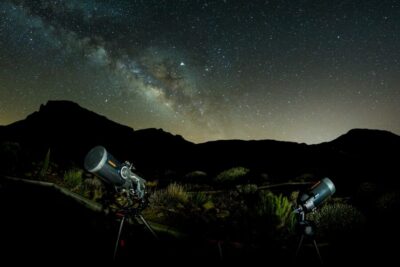
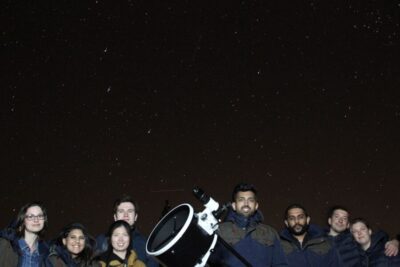
Teide National Park Sunset & Stargazing with Dinner (Star Safari)
Read our review →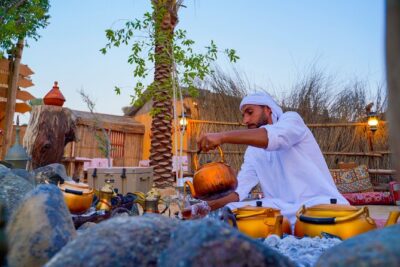
Sunset Camel Trek, Al Khayma Camp, Stargazing & BBQ
Read our review →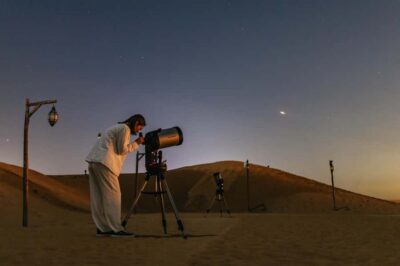
Overnight Safari, Dinner, Stargazing & Al Khayma Camp
Read our review →