
REVIEW · AQABA
Stargazing Adventure in Jordan
Wadi Rum’s dry desert air and low light pollution give this evening outing a strong advantage: you are looking up from one of Jordan’s best-known desert areas, not from a bright city street. The program combines a short indoor presentation with laser-guided constellations and telescope viewing.
I like the easy camp pickup, especially because driving across the desert after dark is not a job you need to add to your evening. I also like the split format: one astronomer explains the sky while another helps you use GPS-enabled telescopes.
The main thing to consider is expectation. This is a shared, organized astronomy show, not a private expedition into a completely dark wilderness. Telescope views can vary with weather, moonlight, equipment availability, and the size of the group.
Key points to know before booking
- A 20-minute introduction explains basic astronomy on a large screen in a seated hall.
- Two 35-minute sessions cover naked-eye stargazing and telescope viewing, with groups switching halfway through.
- A green laser and candle-lined route help you follow constellations, zodiac signs, directions, and star movement.
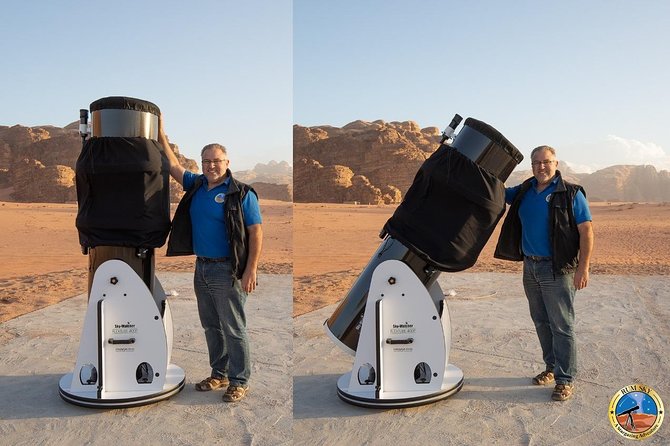
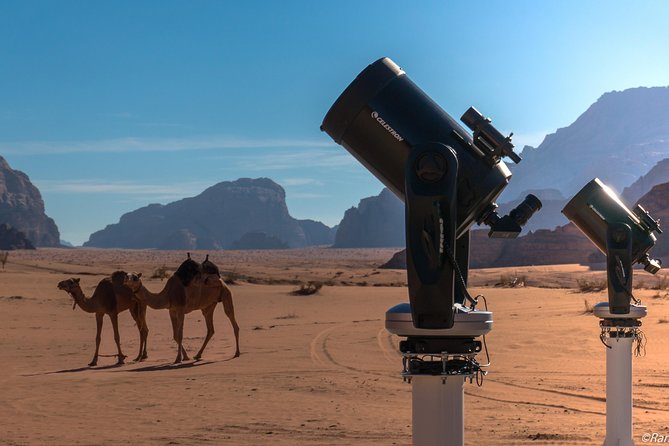
- Large computerized telescopes may be aimed at galaxies, nebulae, planets, and moons.
- Pickup is included from most local Wadi Rum camps, generally after dinner, with winter pickup around 7:45 PM.
- The $30 price includes the program and transfer, but drinks are extra and poor weather can lead to a new date or a refund.
Why Wadi Rum works so well after dark
Wadi Rum is famous by daylight for its red sand and sandstone formations. After sunset, its most impressive feature may be the open sky. Low light pollution gives the stars a better chance to show themselves, and the desert setting removes the usual glare from shop signs, traffic, and apartment windows.
That does not mean every night will look identical. Clouds, haze, the moon, and the exact position of the observatory all affect what you see. One practical point matters here: the program is near the Wadi Rum camp area, so you should not expect a long drive into a totally isolated zone with no nearby light at all.
For most people, the value comes from having someone explain what you are seeing. A sky full of stars can be beautiful but confusing. The astronomer’s laser gives you a way to connect separate points of light into recognizable constellations and zodiac patterns.
More Stargazing Tours in the world:
- Dubai Red Dunes ATV, Camels, Stargazing & 5* BBQ Al Khayma Camp
★ 5.0 · 21,620 reviews - Sharm El-Sheikh: Ultimate ATV Quad, Stargazing & BBQ Dinner
★ 4.7 · 4,084 reviews - Tenerife: Teide National Park Sunset & Stargazing Tour
★ 4.2 · 3,812 reviews
The 7:45 PM pickup fits around dinner
In winter, collection from camps in the Disi Area begins around 7:45 PM. The timing is planned for after dinner, which makes the evening simple: eat first, wait for your transfer, and bring a warm layer for the open-air portions.
Summer times change, so you need to check the pickup time for your date. The included transfer covers most local camps, but not every possible camp is automatically included. Confirm your camp before booking so you know exactly where to meet the vehicle.
This transfer is more useful than it may sound. Desert driving at night can be unfamiliar, and camp tracks may not be clearly marked. You can let the operator handle the route instead of trying to navigate by phone or headlights.
The activity lasts about 90 minutes. That is long enough for a real introduction to astronomy, but short enough to fit into a one-night stay in Wadi Rum. The advertised operating window runs from 5:00 PM to 11:30 PM, Monday through Sunday, though your actual start time depends on the season and pickup schedule.
The first 20 minutes make the sky easier to read
The evening begins indoors with a seated presentation on a large screen. It lasts about 20 minutes and gives you the basic framework for the rest of the program.
This part is especially useful if you do not already know the difference between a planet, a constellation, and a galaxy. Instead of walking outside and being shown random bright points, you get an introduction to the larger picture first.
The talk is led by a professional astronomer. The presentation is designed to be easy to follow, with enough substance to appeal to someone who already owns a telescope but without assuming that everyone in the room knows technical terms.
The indoor start is also practical. Desert evenings can be chilly, and sitting down for the opening talk gives you time to settle in before moving outside. If you are traveling with children or someone who tires easily, this portion provides a calmer beginning than an immediate walk into the dark.
Follow the green laser through the constellations
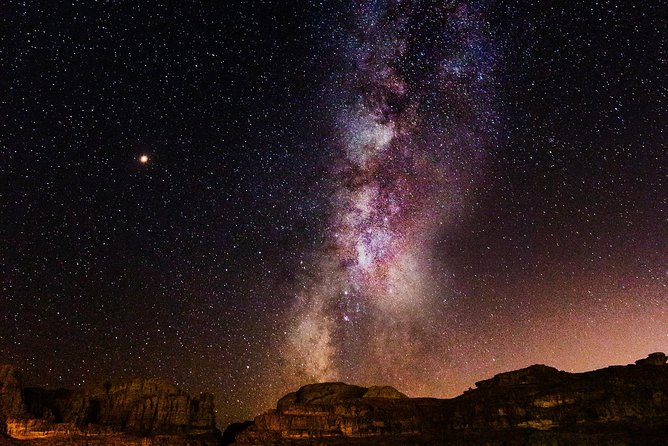
The outdoor program divides the group into two equal sections. One group follows a green laser along a candle-lined route while an astronomer points out stars and explains how to use them for direction.
You will learn how the stars appear to move during the night and how their positions change over the course of a year. The astronomer also covers visible constellations, zodiac signs, and stories from ancient cultures.
This is the most accessible part of the program. You do not need equipment, special eyesight, or previous astronomy experience. You simply look up and follow the beam.
I particularly like the direction-finding element. The stars have served as a navigation system for centuries, and the explanation gives the sky a practical purpose beyond its beauty. You may leave with a better sense of how to locate major star patterns on your own.
The session lasts about 35 minutes. That is enough time to learn several patterns without turning the activity into a long lecture. Still, the laser presentation may feel basic if you already know the main constellations or hoped for a more advanced astronomy lesson.
The candle track adds a little atmosphere, but it also means this is a planned presentation rather than free-form stargazing. If you prefer to lie back in total darkness and look up quietly, the organized format may feel less intimate.
Same dark skies, a different way to see them:
- Tenerife: Sunset and Stargazing at Teide National Park
★ 4.7 · 2,826 reviews - Teide National Park Sunset & Stargazing with Dinner (Star Safari)
★ 5.0 · 2,601 reviews - Dubai: Sunset Camel Trek, Al Khayma Camp, Stargazing & BBQ
★ 4.8 · 2,588 reviews - Dubai: Overnight Safari, Dinner, Stargazing & Al Khayma Camp
★ 4.8 · 2,562 reviews
Use the GPS telescopes for a closer look
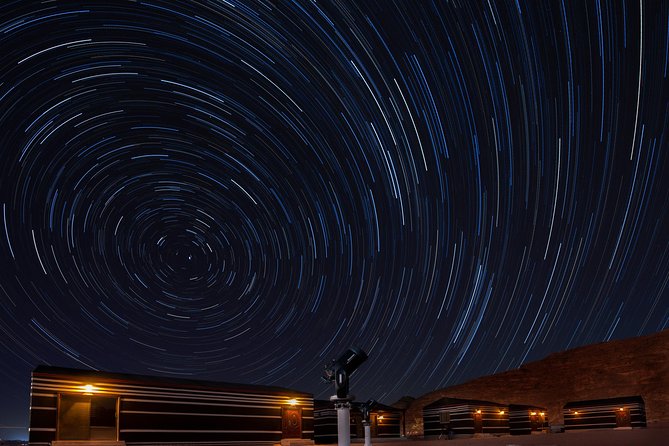
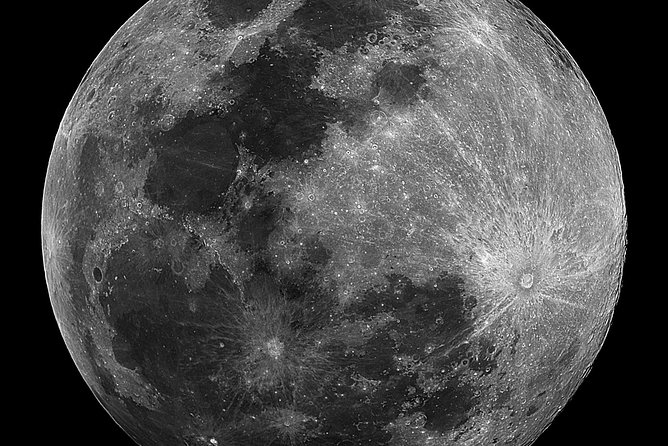
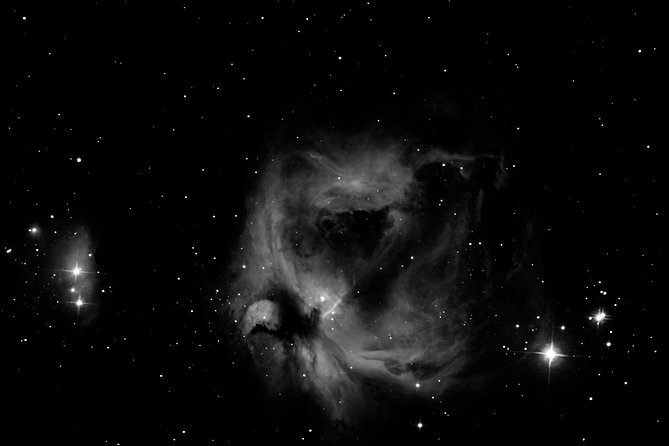
The other group spends its 35 minutes at large computerized telescopes. GPS systems help the astronomer locate selected targets, which can include galaxies, nebulae, planets, and moons.
This is the part most likely to excite you if you have never looked through a serious telescope. A bright planet or moon can offer a clear, memorable view. More distant objects are a different matter. Galaxies and nebulae can appear faint, and the view depends heavily on the night and the equipment.
The telescopes are guided by a second professional astronomer. That matters because looking through a telescope is not always as simple as placing your eye at the eyepiece. The operator can aim at suitable targets, explain what you are seeing, and help the group move through the equipment efficiently.
One useful detail is that the two groups switch halfway through. You are not forced to choose between the laser session and the telescopes. You receive both portions, though each group has a set time rather than unlimited telescope access.
The size of the overall program can affect this experience. The maximum capacity is 120 people, so the viewing line may be longer on a busy night. The smaller split groups help, but you should not expect the same amount of telescope time as you would get on a private astronomy session.
A past participant found the telescopes impressive and received useful advice from the local astrophotographer about personal telescope equipment. That suggests the technical side can be rewarding for hobbyists, though you should keep your expectations realistic. Telescope images in real life are not always as bright or colorful as photographs made with long exposures.
The final group photo adds a simple souvenir
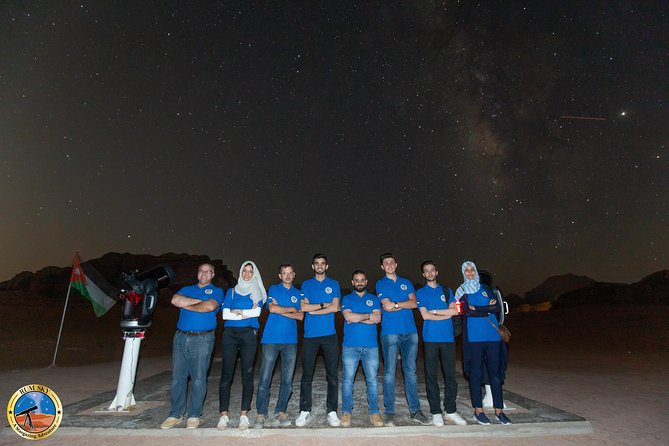
At the end, the team takes a group photo using a time-exposure technique that highlights the sky objects. This is included in the price.
The photo is not the main reason to book, but it is a nice closing touch. Ordinary flash photography often turns the desert into a black background and loses the stars. A time exposure can show both the people and more of the night sky.
If you hope to take your own photos, ask the astrophotographer for advice during the session. A personal phone may capture the moon or a bright planet, but faint galaxies and nebulae usually require more careful equipment and exposure settings.
You should also remember that photography takes time. On a busy evening, the group photo may be organized quickly so the program can finish on schedule.
Is $30 a fair price?
At $30 per person, this is a reasonably priced add-on to a Wadi Rum stay. The fee covers the astronomy presentation, both outdoor sessions, telescope use, the group photo, and transfers from most local camps.
The transfer is a meaningful part of the value. A similar private ride or independent night drive could cost extra, and navigating desert tracks after dark is not ideal for every visitor. You are paying for convenience as well as the astronomy program.
The price is strongest for first-time stargazers who want a clear introduction without buying equipment or arranging a private astronomer. It is less compelling if you already know the constellations, own a capable telescope, and expect a remote, private observation site.
Water and soft drinks are available for a reasonable extra cost, but bottled water is not included. Bring your own water if you prefer to avoid buying drinks on site.
What to wear and bring for a desert night
The supplied information does not set a dress code, but the schedule includes outdoor time in the desert after sunset. I would bring a warm layer, even if the afternoon was hot. You may also want closed shoes for walking between the hall and the outdoor viewing areas.
A few practical items can make the evening easier:
- Water, since bottled water is not included
- A light jacket or sweater
- A phone or camera for the final photo and personal snapshots
- Your camp details, so the pickup point is clear
- Patience, especially if the program is close to its maximum capacity
Avoid using a bright phone screen while the astronomer is explaining the sky. Reducing stray light helps everyone’s eyes adjust.
Who will enjoy this most
This experience suits a first-time visitor to Wadi Rum who wants more than a standard desert dinner. It gives you a reason to stay outside after dark and helps turn an unfamiliar sky into something readable.
Families can take part because most participants can join, and the presentation is designed for a general audience. Children who are comfortable staying up after dinner may enjoy the laser and telescope portions, though the total group size and shared format may not suit a child who needs constant individual attention.
It also suits amateur astronomy fans. The GPS telescopes and the chance to speak with an astrophotographer can add useful detail, especially if you want practical help with your own telescope.
I would be more cautious if your main goal is total darkness, silence, or a private guide. The nearby camp setting, organized route, shared groups, and possible capacity of 120 people make this a public program rather than a secluded night in the desert.
Weather, cancellations, and booking timing
The experience requires good weather. If poor conditions force a cancellation, you are offered another date or a full refund.
You can cancel for a full refund up to 24 hours before the start time. Changes or cancellations made within 24 hours are not accepted and are not refunded. The cutoff follows local time.
The activity is often booked about 34 days ahead, so planning early makes sense if your Wadi Rum schedule is fixed. Still, weather can change, and the operator may need to adjust the evening. Keep some flexibility if stargazing is an important part of your trip.
Service animals are allowed, and most people can participate. The program does involve moving between a seated hall and outdoor viewing areas, so anyone with mobility concerns should confirm the physical setup before booking.
Should you book RumSky Adventure?
I would book this for a well-priced, guided introduction to the Wadi Rum night sky. The combination of camp transfer, a clear presentation, laser-guided constellations, computerized telescopes, and a time-exposure photo gives you a lot for $30.
Book it especially if you are curious about astronomy but do not know where to begin. You will get both the simple pleasure of learning star patterns and the more technical thrill of looking through large telescopes.
I would skip it if you want a private observation session far from all camps or if you already have advanced astronomy experience. The telescope views may be modest on some nights, and the laser portion may feel too basic for someone who can already identify the major constellations.
For most visitors staying in Wadi Rum, though, it is an easy evening addition. Let the operator handle the dark desert transfer, eat dinner beforehand, bring a warm layer, and treat the sky as the main attraction rather than expecting a perfect telescope image every time.
FAQ
Where does the stargazing experience take place?
The experience takes place in the Wadi Rum area near Aqaba, with transportation provided from most local camps in the Disi Area.
What time is pickup?
Winter pickup begins around 7:45 PM, after dinner. Summer times change, so you should check the schedule for your date.
How long does the activity last?
The activity lasts approximately 1 hour and 30 minutes.
What happens during the presentation?
A professional astronomer gives a 20-minute astronomy presentation on a large screen in a seated hall.
Do I use a telescope during the experience?
Yes. The program includes large computerized telescopes with GPS systems. Possible targets include galaxies, nebulae, planets, and moons.
Will I learn about constellations?
Yes. A professional astronomer uses a green laser to explain directions, star movement, constellations, zodiac signs, and ancient stories connected with the sky.
Is transportation included?
Round-trip transportation is provided at no extra charge from most local Wadi Rum camps. You should confirm that your specific camp is included.
What happens if bad weather cancels the activity?
You will be offered a different date or a full refund if poor weather causes the operator to cancel.
Just added around the world
- Blue Mountains: Stargazing with a Telescope and Astronomer★ 4.4 · 21 reviews
- ( canyon hurghada & stargazing )★ 4.9 · 16 reviews
- Zermatt: Outdoor fondue “group experience under the stars”★ 4.7 · 3 reviews
- Doha: Night Desert Safari With Stargazing and Inland Sea★ 5.0 · 9 reviews
- Villajoyosa: Moonlight kayaking and dinner under the stars★ 5.0 · 5 reviews
- Vincentia: Jervis Bay Beach Stargazing with an Expert★ 4.9 · 19 reviews
- Vialattea: Night Snowshoeing under the Stars★ 4.5 · 5 reviews
- Ubud: Romantic Floating Dinner Under the Stars★ 5.0 · 2 reviews
Aqaba Stargazing Tours, compared.

Full-Day Jeep Tour and Sleeping in cave Night Under the Stars
Read our review →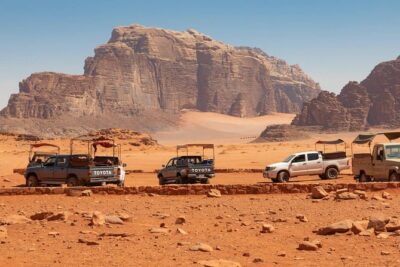
Best of Wadi Rum | Full day Jeep tour + Sleep under the stars | Pack all-in
Read our review →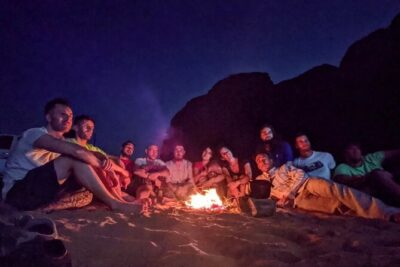
Wadi Rum Full Day Jeep Tour – Stargazing Overnight in a Cave – Traditional Food
Read our review →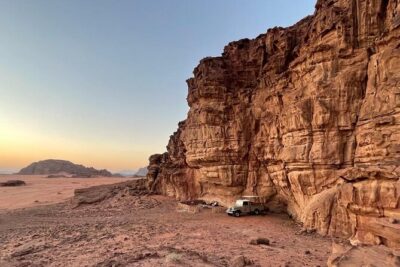
Browse the lists this tour appears in